Article Figures
View article figures, metadata, abstract and related content from this JBRES publication.
Article Figures (7)


Abstract
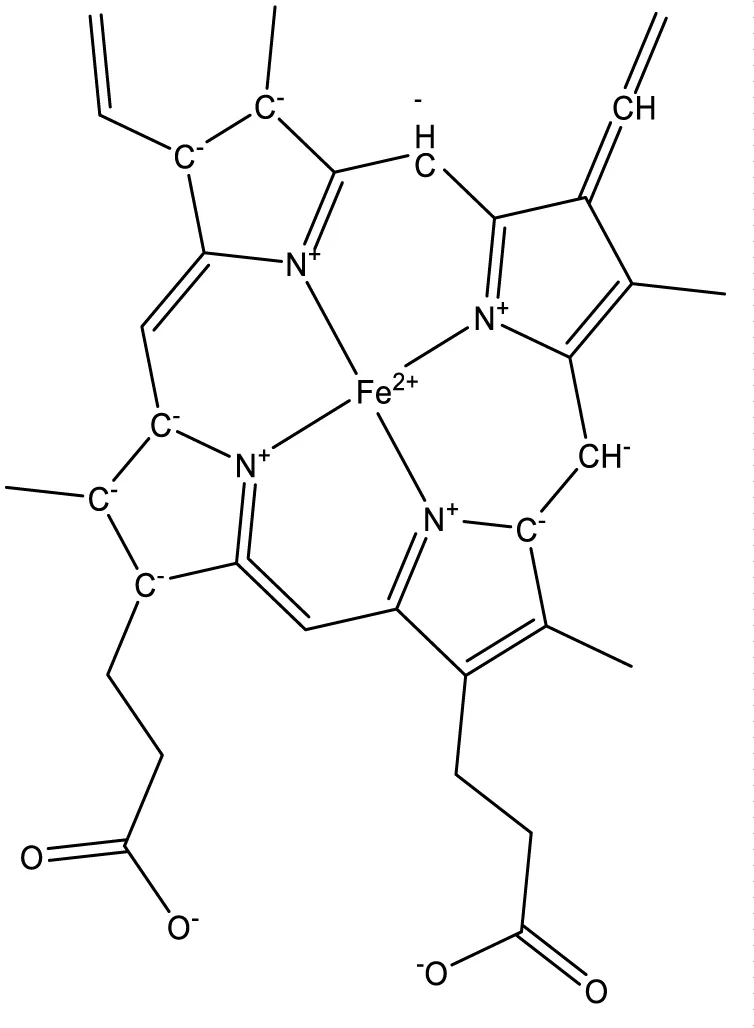
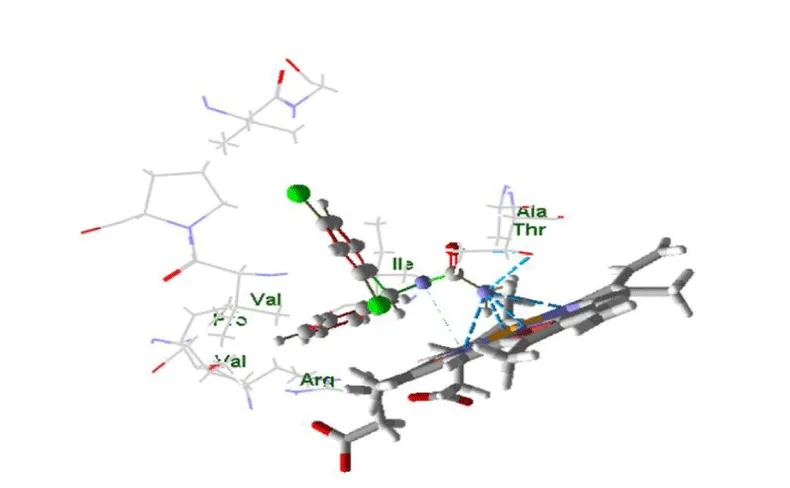
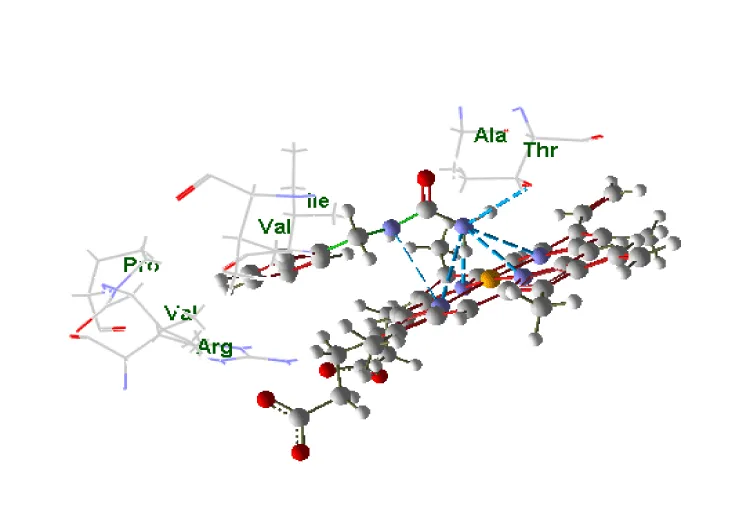
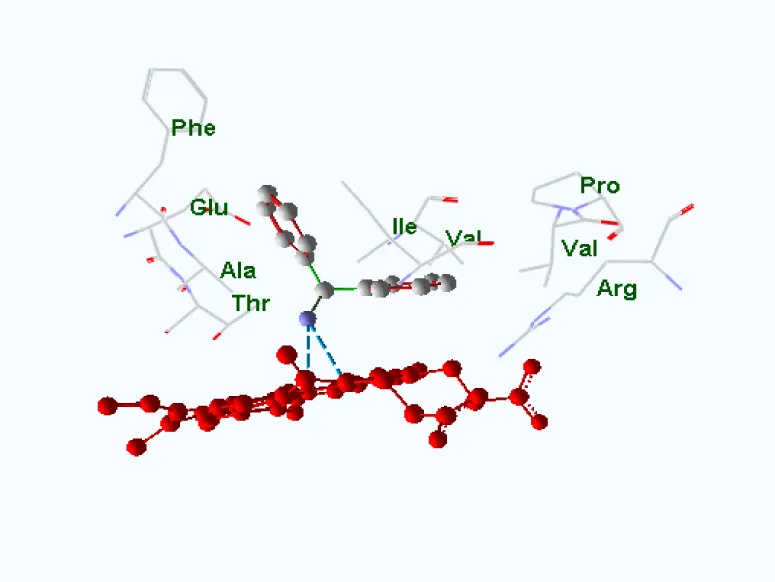
Cytochrome P-450 enzymes play a critical role in xenobiotic metabolism and homeostasis, with their induction offering therapeutic potential for liver diseases and metabolic disorders. Using molecular docking and statistical analyses, the research examines the binding affinities and structural features of 46 known inducers, classifying them into Type I (affecting apo-protein expression) and Type II (directly influencing the heme center). Linear Discriminant Analysis (LDA) achieved an 87% accuracy in classifying these inducers, with key interactions identified at amino acid residues Glu301, Phe115, and Ser294. Compounds such as 3,5-difluoromethylurea and 3,4-dichlorophenylmethylurea demonstrated strong binding, highlighting their potential as effective inducers. The study also developed Quantitative Structure-Activity Relationship (QSAR) models to predict binding constants, providing insights into the structural determinants of induction. These findings advance the understanding of cytochrome P-450 induction mechanisms and lay the groundwork for designing safer, more selective drugs.
Article Information
| Journal | Journal of Biomedical Research & Environmental Sciences (JBRES) |
|---|---|
| Article Type | Original Article |
| Published | 2025-07-28 |
| Volume / Issue | Vol. 6, Issue 7 |
| DOI | 10.37871/jbres2152 |
| Pages | 976-983 |
| License | CC BY 4.0 — Free to reuse with attribution |