Special Issue
Data-Driven Discovery: Biostatistics, Biometrics & Computational Science
Guest Editor: Yingjun Zhao — Department of Intelligent Manufacturing Engineering, Xinjiang University, China
Submission
Covid-19 Research
Safety Profile of COVID-19 Vaccines: Retrospective Analysis of Short, Medium, and Long-Term Side Effects: The Military Hospital Experience – Read more Evaluating the Efficacy of Different SARS-Cov-2 Drug Targets Using the Topo-Geometrical Superposition Algorithm, Molecular Docking and Chemical Reactivity Frameworks – Read more Preventing COVID-19 Infection by Complementary Medicine and Oral Health – Read more Analysis of Body Temperature in Patients with Trauma Visiting a Local Emergency Medical Center during the SARS-CoV-2 Outbreak – Read more N95 Respirator Fit Testing Experience during the Pandemic at a Singapore Tertiary Health Institution: Streamlining Workflow and Improving Respirator Fit Rate – Read more COVID-19 is an Amplifier of Social Inequalities Structural Violence against Students with Special Learning Needs and Low Socio-Economic Status – Read more Interaction between Chronic Influenza and COVID-19: Novel Aspects of Immune System Combat – Read more Daily Life, Fear of COVID-19 and Social Support in the Older Adults in Home Isolation: A Cross-Sectional Study – Read more The Impact of COVID-19 Pandemic on Cardiovascular Diseases in Brazil – Read more Diversity of Non-Influenza Respiratory Viruses Associated with Influenza-Like Illness during 2009 pre and pandemic periods in Sao Paulo, Brazil, a Historical Overview – Read more Cardiovascular Complications of SARS-CoV-2 (COVID-19) in Adults – Read more Impact of COVID-19 Pandemic on the Development of Childrens Executive Functions Implications for School-Based Interventions – Read more The Impact of the COVID-19 Pandemic on Youth Education – Read more Association between Dietary Habits, Lifestyle and Migraine Attacks During Social Isolation in the COVID-19 Pandemic: A Systematic Review of Observational Studies – Read more The Brazilian Increase in Cases of Lung Cancer and COVID-19, Can They be related? – Read more The Possible Therapeutic Application of CO on COVID-19 – Read more Planetary View of COVID Impact vs. IQ & PISA Rank as National Level of Intelligence – Read more Electrophysiological Study in a Patient with Visual Deficit after Severe Coronavirus 2 Pneumonia – Read more A Presentation of Analyses of COVID-19 Vaccine Samples, Blood Samples, Urine Samples, Foot Bath Samples, Sitz Bath Samples, and Skin-Extract Samples – Read more Is Anosmia-Ageusia in COVID-19 Patients Associated with Neuro-Philic Virus Mutant and Mild Respiratory Involvement? – Read more
Home/ Article Figures/ Image View

Article Figures

View article figures, metadata, abstract and related content from this JBRES publication.
Case Study Vol. 6, Issue 6 2025-06-09
Commercial Use of Moringa Capsule in Bangladesh: A Pharmacy Based Study
Daigo Hirao, Subrina Jesmin*, Takehito Sugasawa, Matsuishi Yujiro, Abdullah Al-Mamun, Arifur Rahamn, Nobutake Shimojo and Chishimba Nathan Mowa
Alternative Medicine Internal Medicine Public Health
Commercial Use of Moringa Capsule in Bangladesh: A Pharmacy Based Study
jbres2114-g001.webp

Article Figures (7)

Abstract

Purpose: The study looks at how Moringa oleifera capsules are used in pharmacies in Bangladesh. In addition, the goal is to understand how customers use and prefer moringa capsules. Besides that, the factors influencing the demand and how they do so is also of high interest. The factors are primarily socioeconomic, demographic and health-related problems.

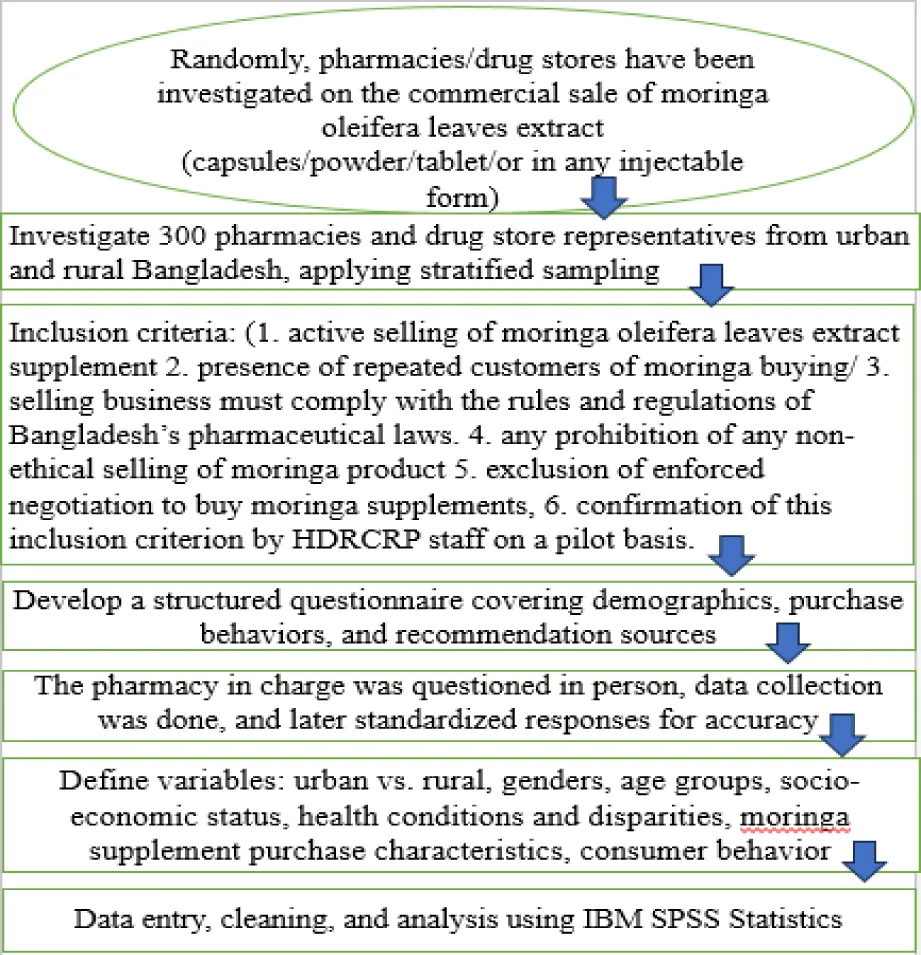
Method: A cross-sectional survey has been conducted with 300 pharmacy representatives from rural and urban parts of Bangladesh. For this study, a stratified sampling approach was used. Data has been collected using structured questionnaires. Several topics of the questionnaire covered demographics, health conditions, purchase behaviors and recommendation sources. Multiple tests were done conducted using IBM SPSS Statistics.

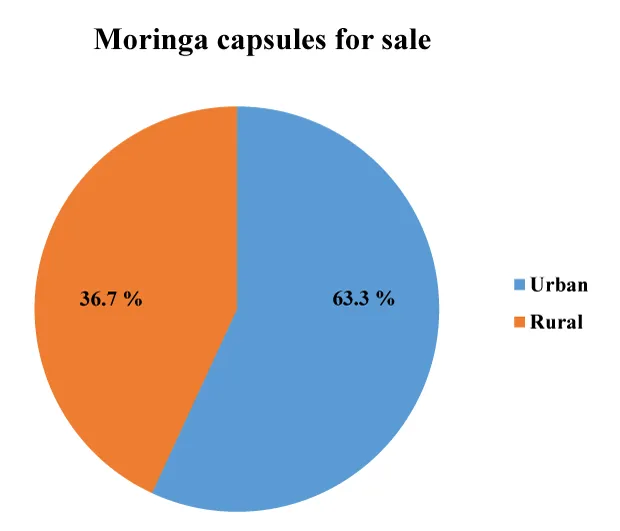
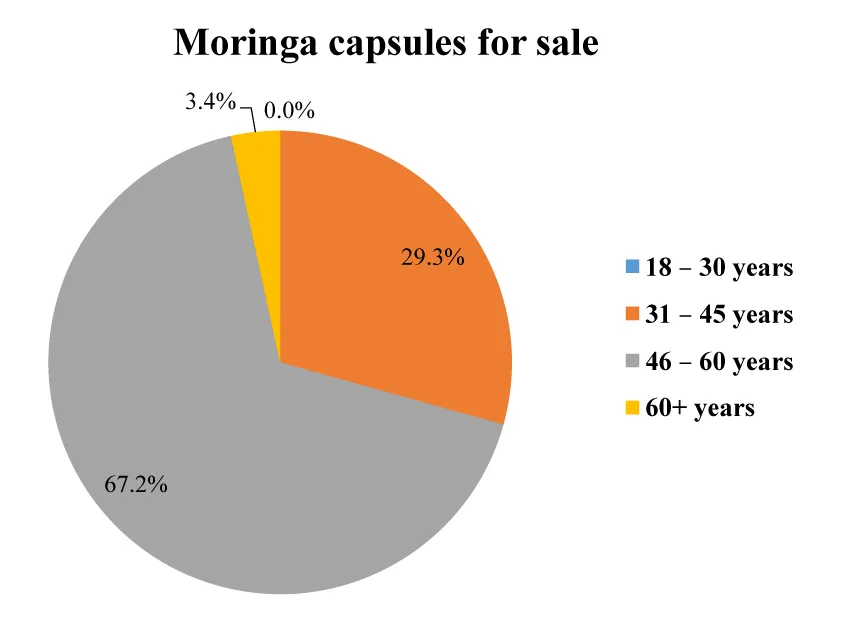
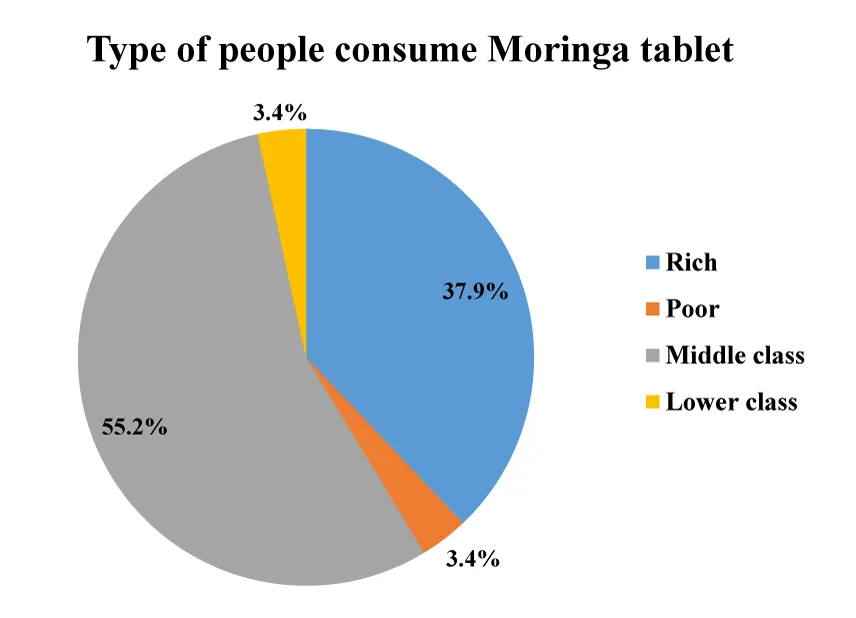
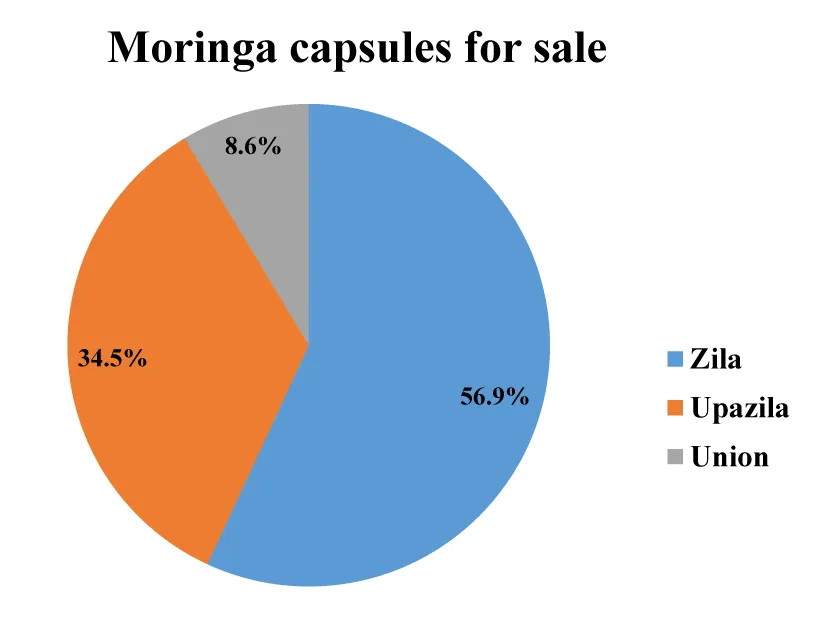
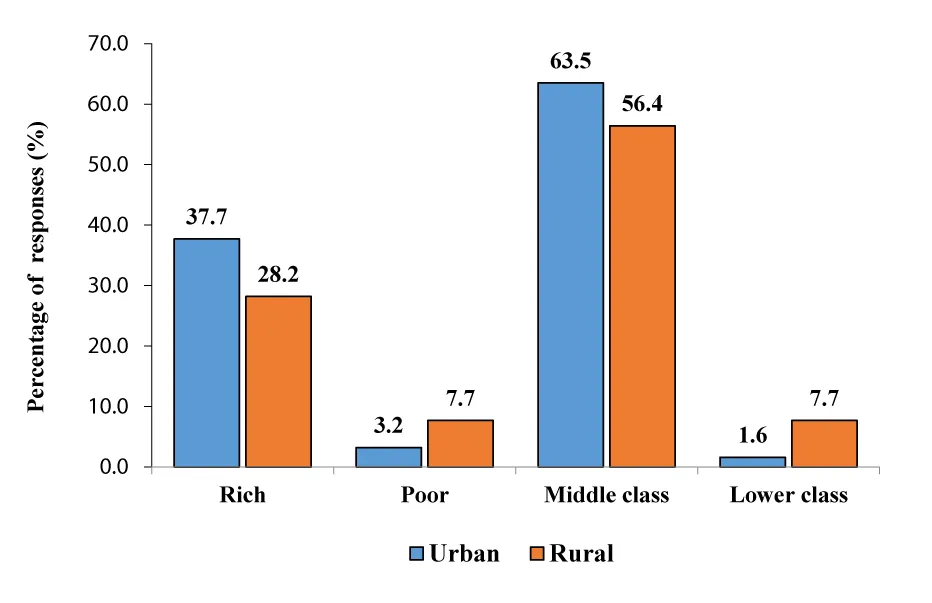
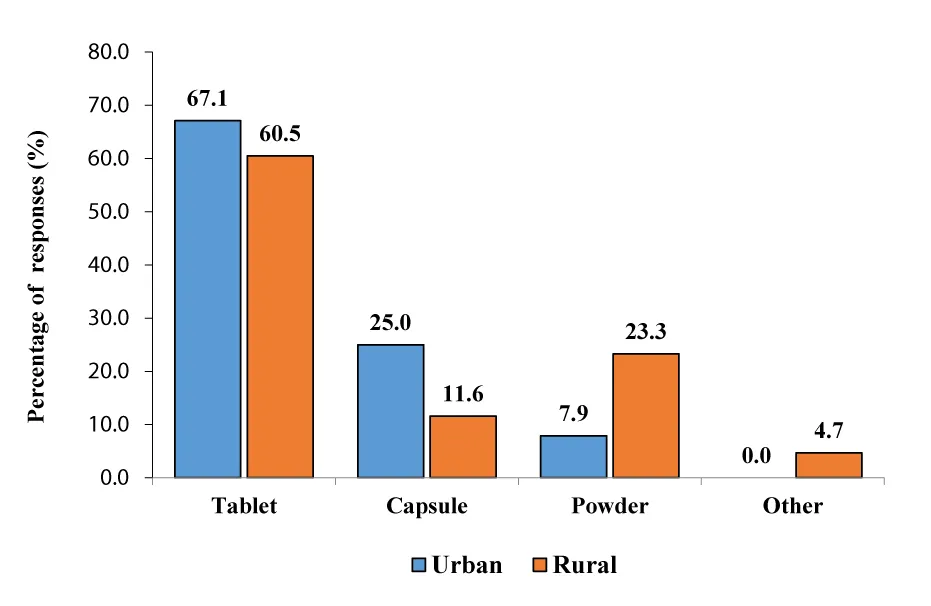
Findings: The study reveals clear differences in moringa capsule sales between urban and rural areas. Urban areas display higher affinity for consumption (56.9 percent vs. 43.1 percent, p = 0.005). It could come from better access to pharmacies, awareness related to health trends, and a higher disposable income. Middle-aged customers (46 - 60 years) make up (67.2 percent) the most usage. They mainly use moringa to treat health issues, such as, diabetes and hypertension. In the case of health conditions such as, diabetes (40 percent overall, p = 0.024) and hypertension, which reflect moringa’s anti-diabetic and anti-hypertensive characteristics. The middle-class (55.2 percent) make up the strongest customer base as a result of health awareness and social media initiatives. Urban customers prefer tablets (67.1 percent) for convenience while rural customers prefer powder (23.9 percent) for the cost and traditional beliefs. Online reviews (43.4 percent) and social networks are strong influences on recommendation. In contrast, there is negligible input from doctors (1.9 percent) and healthcare professionals (17 percent) with little reason. Distribution is centered on Zila areas (56.9 percent) with limited penetration in other areas.

Conclusion: Moringa capsules have been gaining popularity in Bangladesh in steady manner among middle-aged population to be specific. There is a stronger demand for capsules in urban market. However, rural penetration and clinical endorsements leave a lot to be desired. Future efforts have to shift the focus towards rural distribution and affordable pricing with clinical validation.

Article Information

JournalJournal of Biomedical Research & Environmental Sciences (JBRES)
Article TypeCase Study
Published2025-06-09
Volume / IssueVol. 6, Issue 6
DOI10.37871/jbres2114
Pages586-599
LicenseCC BY 4.0 — Free to reuse with attribution
Back to Image Search
Publish with JBRES — Peer-reviewed, multidisciplinary Open Access with rigorous double-blind review, CrossRef DOI, and global visibility.
Double-Blind CrossRef DOI Discoverable