Special Issue
Advances in Environmental Health and Toxicology
Guest Editor: Editorial Team — Journal of Biomedical Research & Environmental Sciences
Submission
Covid-19 Research
Safety Profile of COVID-19 Vaccines: Retrospective Analysis of Short, Medium, and Long-Term Side Effects: The Military Hospital Experience – Read more Evaluating the Efficacy of Different SARS-Cov-2 Drug Targets Using the Topo-Geometrical Superposition Algorithm, Molecular Docking and Chemical Reactivity Frameworks – Read more Preventing COVID-19 Infection by Complementary Medicine and Oral Health – Read more Analysis of Body Temperature in Patients with Trauma Visiting a Local Emergency Medical Center during the SARS-CoV-2 Outbreak – Read more N95 Respirator Fit Testing Experience during the Pandemic at a Singapore Tertiary Health Institution: Streamlining Workflow and Improving Respirator Fit Rate – Read more COVID-19 is an Amplifier of Social Inequalities Structural Violence against Students with Special Learning Needs and Low Socio-Economic Status – Read more Interaction between Chronic Influenza and COVID-19: Novel Aspects of Immune System Combat – Read more Daily Life, Fear of COVID-19 and Social Support in the Older Adults in Home Isolation: A Cross-Sectional Study – Read more The Impact of COVID-19 Pandemic on Cardiovascular Diseases in Brazil – Read more Diversity of Non-Influenza Respiratory Viruses Associated with Influenza-Like Illness during 2009 pre and pandemic periods in Sao Paulo, Brazil, a Historical Overview – Read more Cardiovascular Complications of SARS-CoV-2 (COVID-19) in Adults – Read more Impact of COVID-19 Pandemic on the Development of Childrens Executive Functions Implications for School-Based Interventions – Read more The Impact of the COVID-19 Pandemic on Youth Education – Read more Association between Dietary Habits, Lifestyle and Migraine Attacks During Social Isolation in the COVID-19 Pandemic: A Systematic Review of Observational Studies – Read more The Brazilian Increase in Cases of Lung Cancer and COVID-19, Can They be related? – Read more The Possible Therapeutic Application of CO on COVID-19 – Read more Planetary View of COVID Impact vs. IQ & PISA Rank as National Level of Intelligence – Read more Electrophysiological Study in a Patient with Visual Deficit after Severe Coronavirus 2 Pneumonia – Read more A Presentation of Analyses of COVID-19 Vaccine Samples, Blood Samples, Urine Samples, Foot Bath Samples, Sitz Bath Samples, and Skin-Extract Samples – Read more Is Anosmia-Ageusia in COVID-19 Patients Associated with Neuro-Philic Virus Mutant and Mild Respiratory Involvement? – Read more
Home/ Article Figures/ Image View

Article Figures

View article figures, metadata, abstract and related content from this JBRES publication.
Research Article Vol. 7, Issue 3 2026-03-18
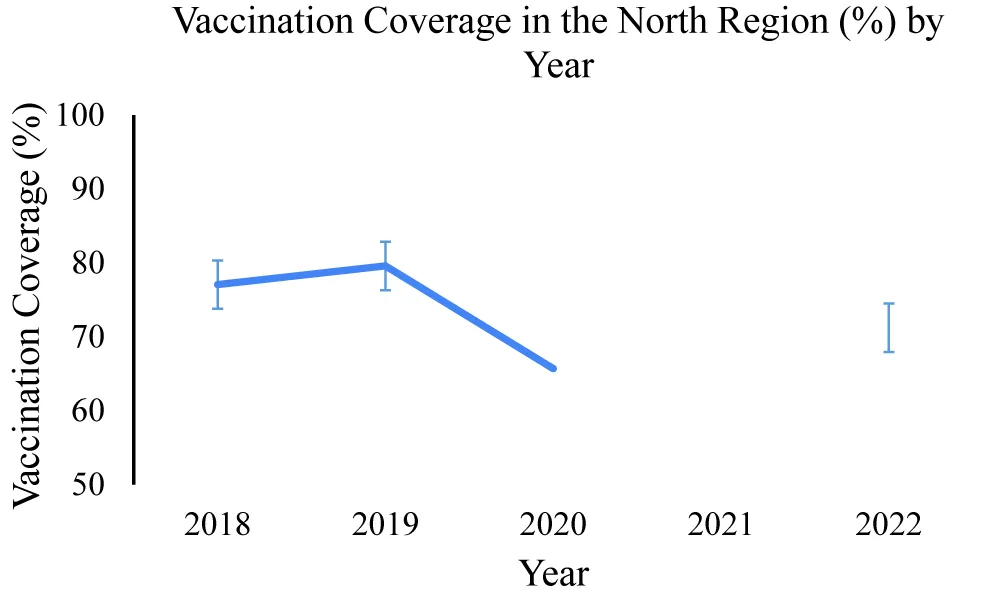
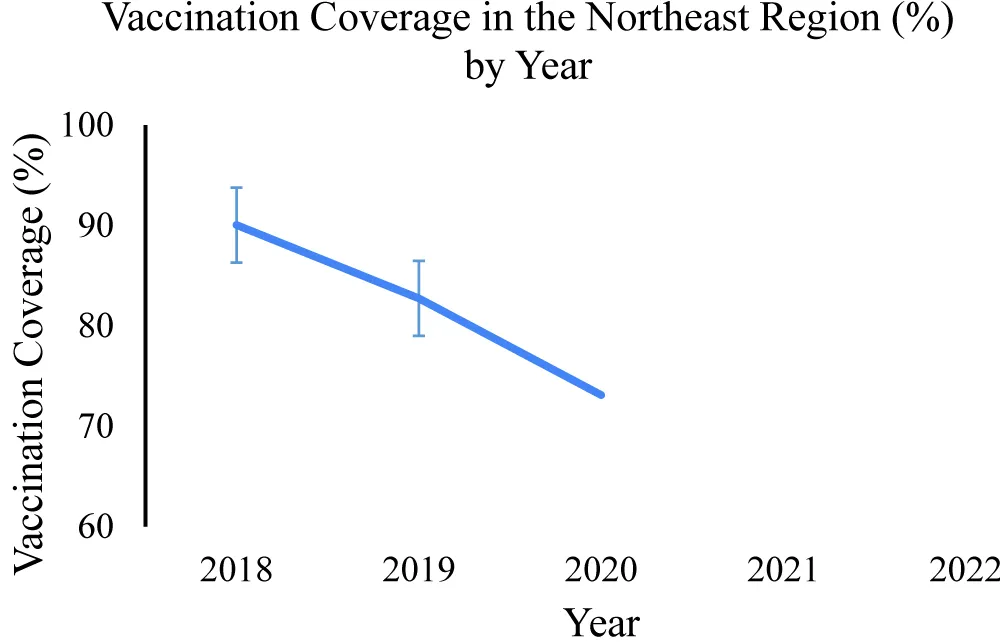
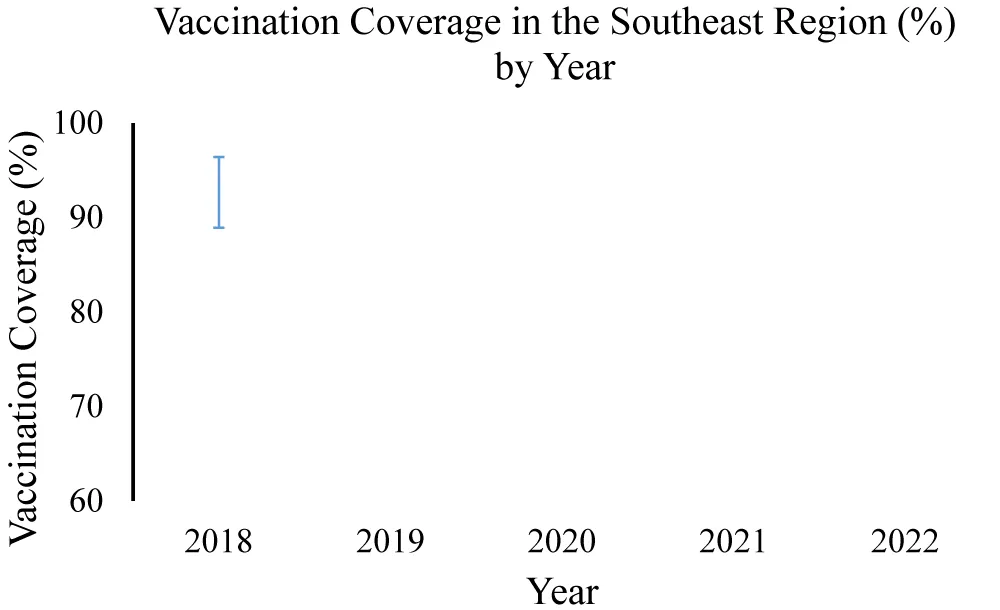
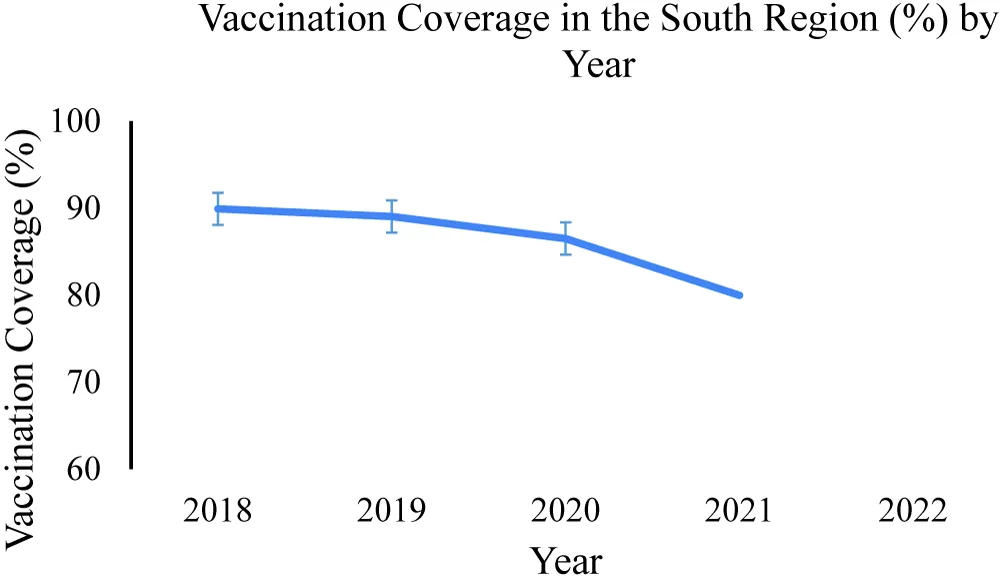
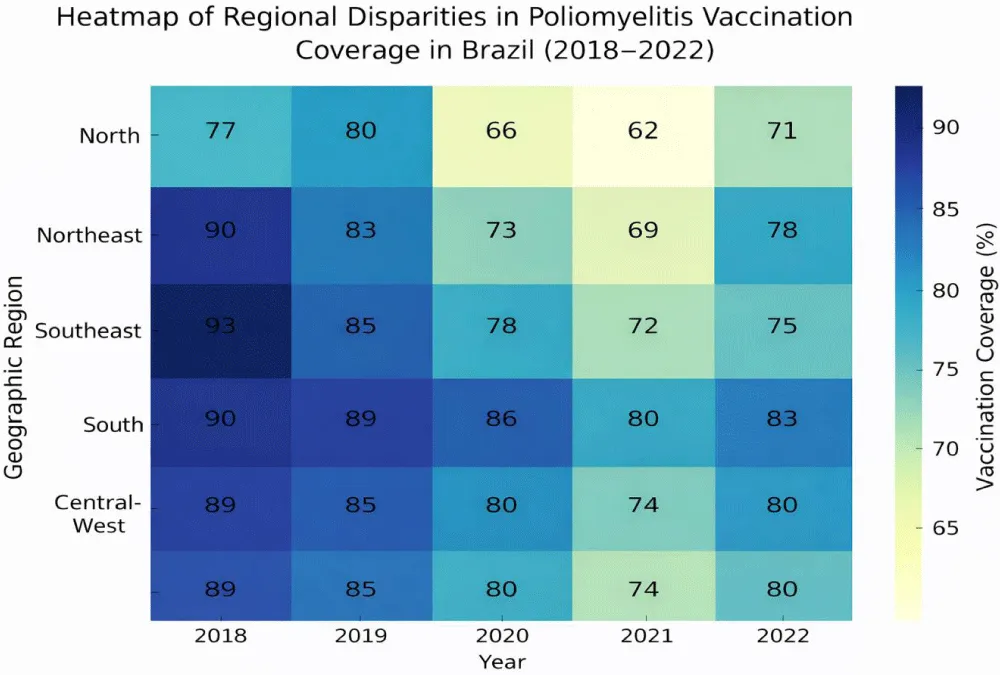
Poliomyelitis Immunization: Coverage according to Geographic Region of Brazil, 2018-2022
Mateus M Bergamaschi*, Silva AJEM, Kataoka JGP, Victure L, Whiley SBJ and Leonardo CHI
Epidemiology Public Health
Poliomyelitis Immunization: Coverage according to Geographic Region of Brazil, 2018-2022
jbres2280-g001.webp

Article Figures (7)

Abstract

Background: Poliomyelitis, also known as infantile paralysis, is an infectious disease caused by the poliovirus, which may present with a broad clinical spectrum ranging from mild, self-limited symptoms to severe neurological impairment, including paralysis of limb and respiratory muscles. Although currently rare due to the widespread implementation of vaccination programs, poliomyelitis remains a significant public health concern. The eradication of polio is a national and global objective. The Injectable Polio Vaccine (IPV) and the Oral Polio Vaccine (OPV) are effective preventive strategies, particularly because of the virus’s low genetic variability, which favors sustained immunological protection through vaccination. Thus, this study aimed to evaluate regional disparities and temporal trends in poliomyelitis vaccination coverage in Brazil between 2018 and 2022.
Methods: This descriptive cross-sectional study analyzed polio vaccination coverage across the five geographic regions of Brazil (North, Northeast, Central-West, Southeast, and South) from 2018 to 2022. Secondary data were collected from the Brazilian Ministry of Health database (DATASUS) and examined to identify regional trends and variations in immunization rates during the study period.
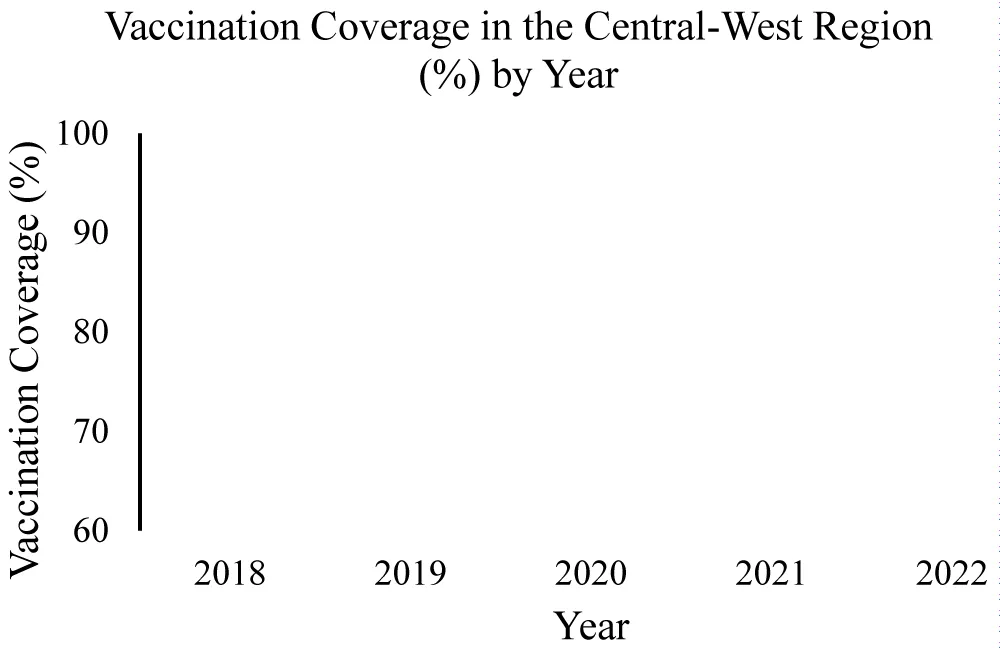
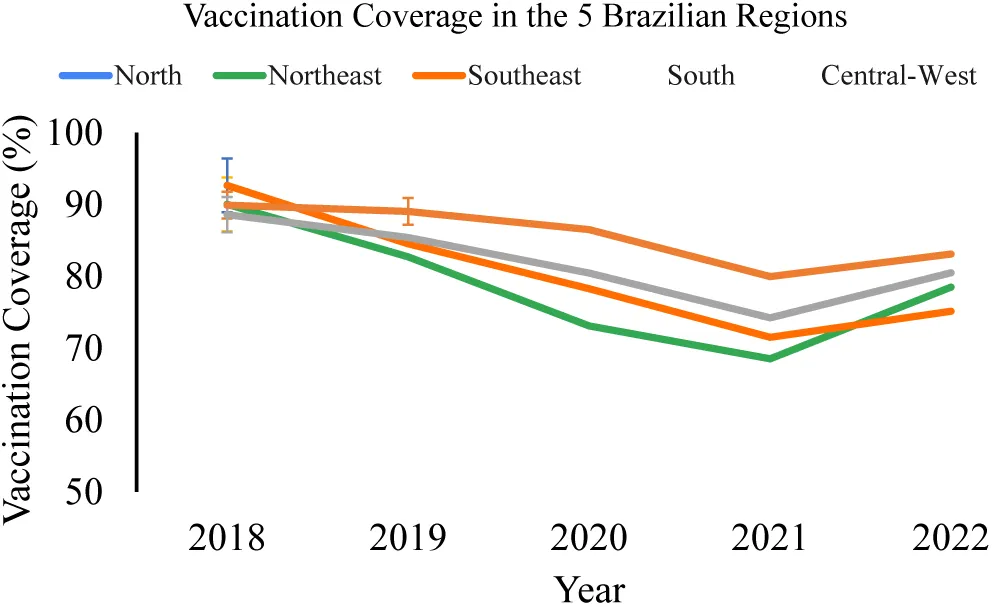
Results: The Northern region presented the lowest mean vaccination coverage (71.17%) and marked annual fluctuations. In contrast, the Southern region demonstrated the highest mean coverage (85.71%) and greater temporal stability. None of the regions achieved the 95% vaccination target recommended for adequate population protection between 2018 and 2022. A noticeable decline in coverage was observed during the COVID-19 pandemic period, followed by a modest recovery in 2022.
Conclusion: Despite the availability of effective vaccines and longstanding immunization policies, polio vaccination coverage in Brazil remains below the recommended threshold across all regions. Regional disparities and the decline observed during the COVID-19 pandemic underscore the need for strengthened public health strategies, improved access to immunization services, and renewed community engagement to prevent the reemergence of poliomyelitis and ensure sustained population protection.

Article Information

JournalJournal of Biomedical Research & Environmental Sciences (JBRES)
Article TypeResearch Article
Published2026-03-18
Volume / IssueVol. 7, Issue 3
DOI10.37871/jbres2280
Pages1-9
LicenseCC BY 4.0 — Free to reuse with attribution
Back to Image Search
Publish with JBRES — Peer-reviewed, multidisciplinary Open Access with rigorous double-blind review, CrossRef DOI, and global visibility.
Double-Blind CrossRef DOI Discoverable