Special Issue
Data-Driven Discovery: Biostatistics, Biometrics & Computational Science
Guest Editor: Yingjun Zhao — Department of Intelligent Manufacturing Engineering, Xinjiang University, China
Submission
Covid-19 Research
Safety Profile of COVID-19 Vaccines: Retrospective Analysis of Short, Medium, and Long-Term Side Effects: The Military Hospital Experience – Read more Evaluating the Efficacy of Different SARS-Cov-2 Drug Targets Using the Topo-Geometrical Superposition Algorithm, Molecular Docking and Chemical Reactivity Frameworks – Read more Preventing COVID-19 Infection by Complementary Medicine and Oral Health – Read more Analysis of Body Temperature in Patients with Trauma Visiting a Local Emergency Medical Center during the SARS-CoV-2 Outbreak – Read more N95 Respirator Fit Testing Experience during the Pandemic at a Singapore Tertiary Health Institution: Streamlining Workflow and Improving Respirator Fit Rate – Read more COVID-19 is an Amplifier of Social Inequalities Structural Violence against Students with Special Learning Needs and Low Socio-Economic Status – Read more Interaction between Chronic Influenza and COVID-19: Novel Aspects of Immune System Combat – Read more Daily Life, Fear of COVID-19 and Social Support in the Older Adults in Home Isolation: A Cross-Sectional Study – Read more The Impact of COVID-19 Pandemic on Cardiovascular Diseases in Brazil – Read more Diversity of Non-Influenza Respiratory Viruses Associated with Influenza-Like Illness during 2009 pre and pandemic periods in Sao Paulo, Brazil, a Historical Overview – Read more Cardiovascular Complications of SARS-CoV-2 (COVID-19) in Adults – Read more Impact of COVID-19 Pandemic on the Development of Childrens Executive Functions Implications for School-Based Interventions – Read more The Impact of the COVID-19 Pandemic on Youth Education – Read more Association between Dietary Habits, Lifestyle and Migraine Attacks During Social Isolation in the COVID-19 Pandemic: A Systematic Review of Observational Studies – Read more The Brazilian Increase in Cases of Lung Cancer and COVID-19, Can They be related? – Read more The Possible Therapeutic Application of CO on COVID-19 – Read more Planetary View of COVID Impact vs. IQ & PISA Rank as National Level of Intelligence – Read more Electrophysiological Study in a Patient with Visual Deficit after Severe Coronavirus 2 Pneumonia – Read more A Presentation of Analyses of COVID-19 Vaccine Samples, Blood Samples, Urine Samples, Foot Bath Samples, Sitz Bath Samples, and Skin-Extract Samples – Read more Is Anosmia-Ageusia in COVID-19 Patients Associated with Neuro-Philic Virus Mutant and Mild Respiratory Involvement? – Read more
Home/ Article Figures/ Image View

Article Figures

View article figures, metadata, abstract and related content from this JBRES publication.

Original Article Vol. 6, Issue 7 2025-07-28
Degrees of Freedom and Conserved Quantities in Golfer-Environment Systems: An Ecological Analysis of Visual Kinesthesis and Screw Dynamics in the Golf Swing
Wangdo Kim*
Bioengineering Biology
Degrees of Freedom and Conserved Quantities in Golfer-Environment Systems: An Ecological Analysis of Visual Kinesthesis and Screw Dynamics in the Golf Swing
jbres2151-g001.webp

Article Figures (10)

Abstract

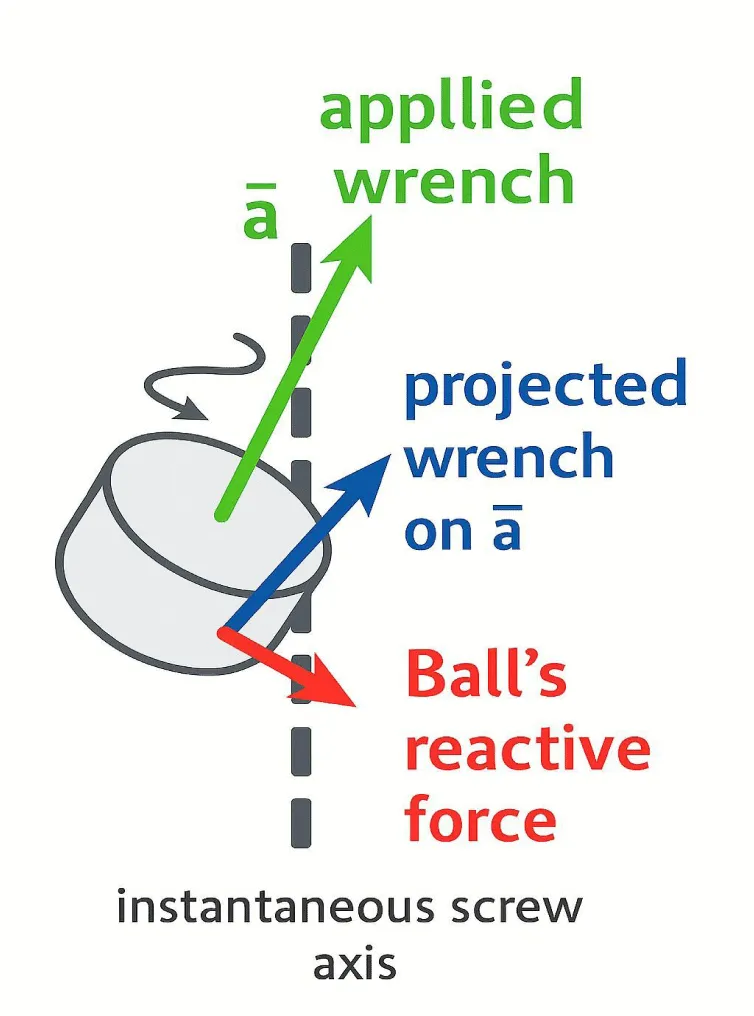
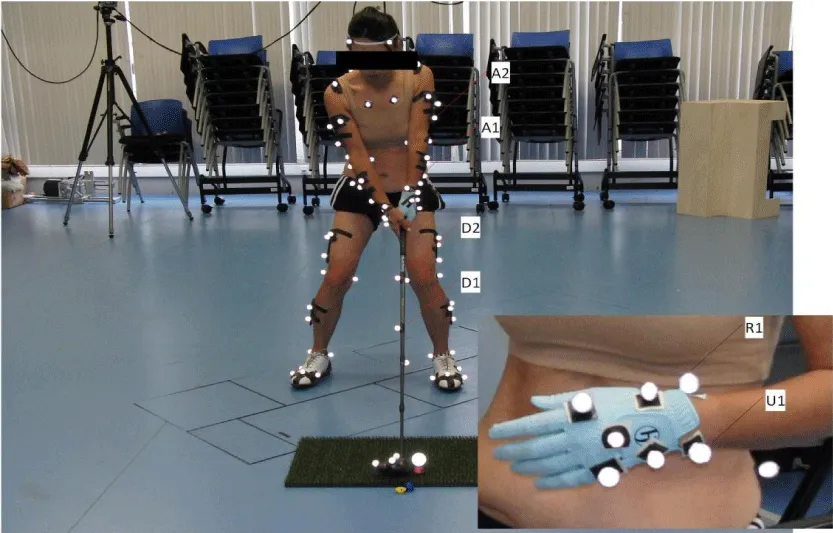
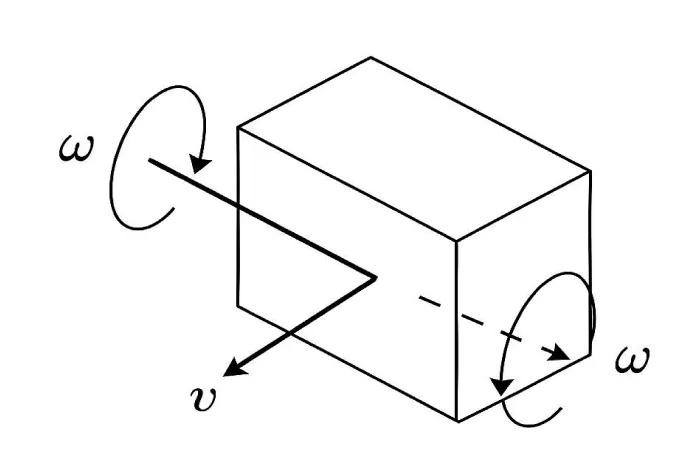
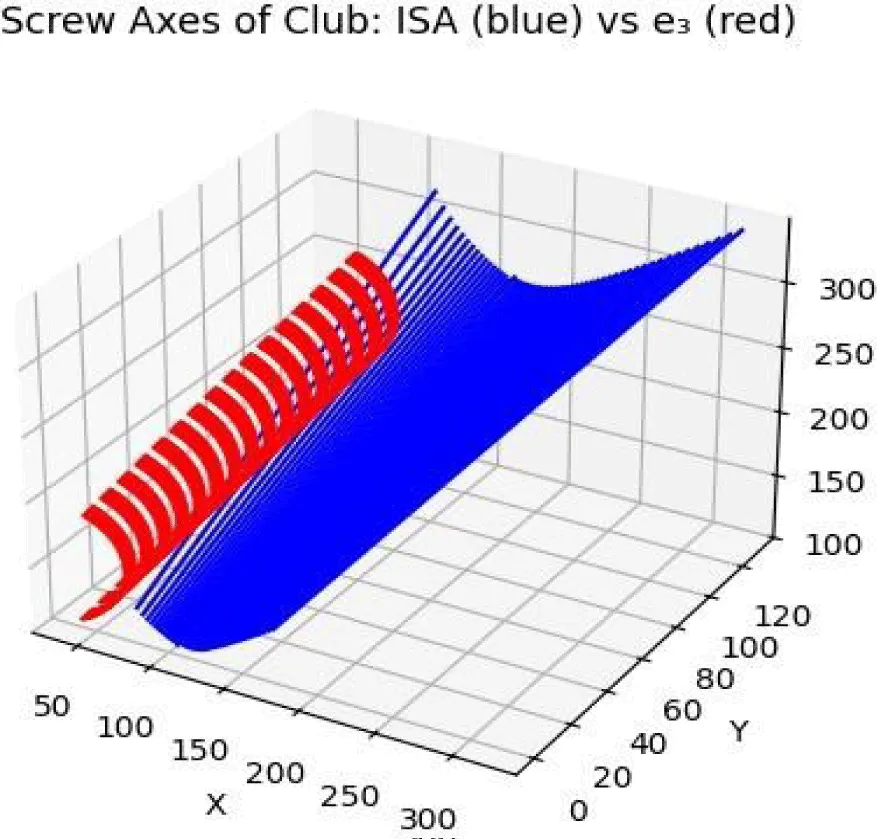
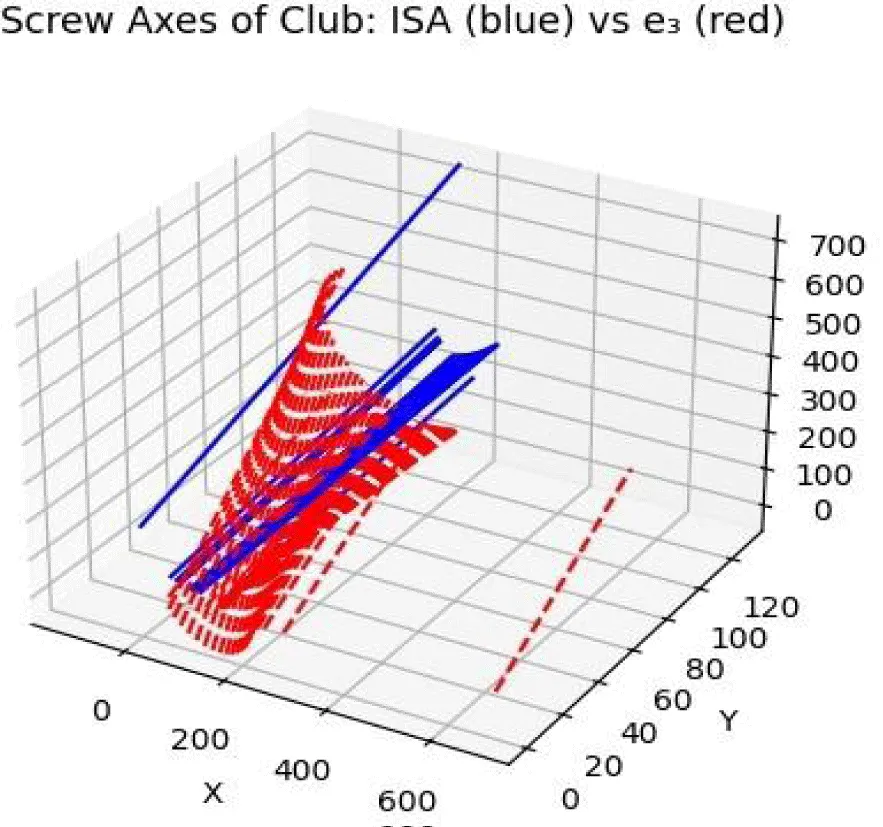
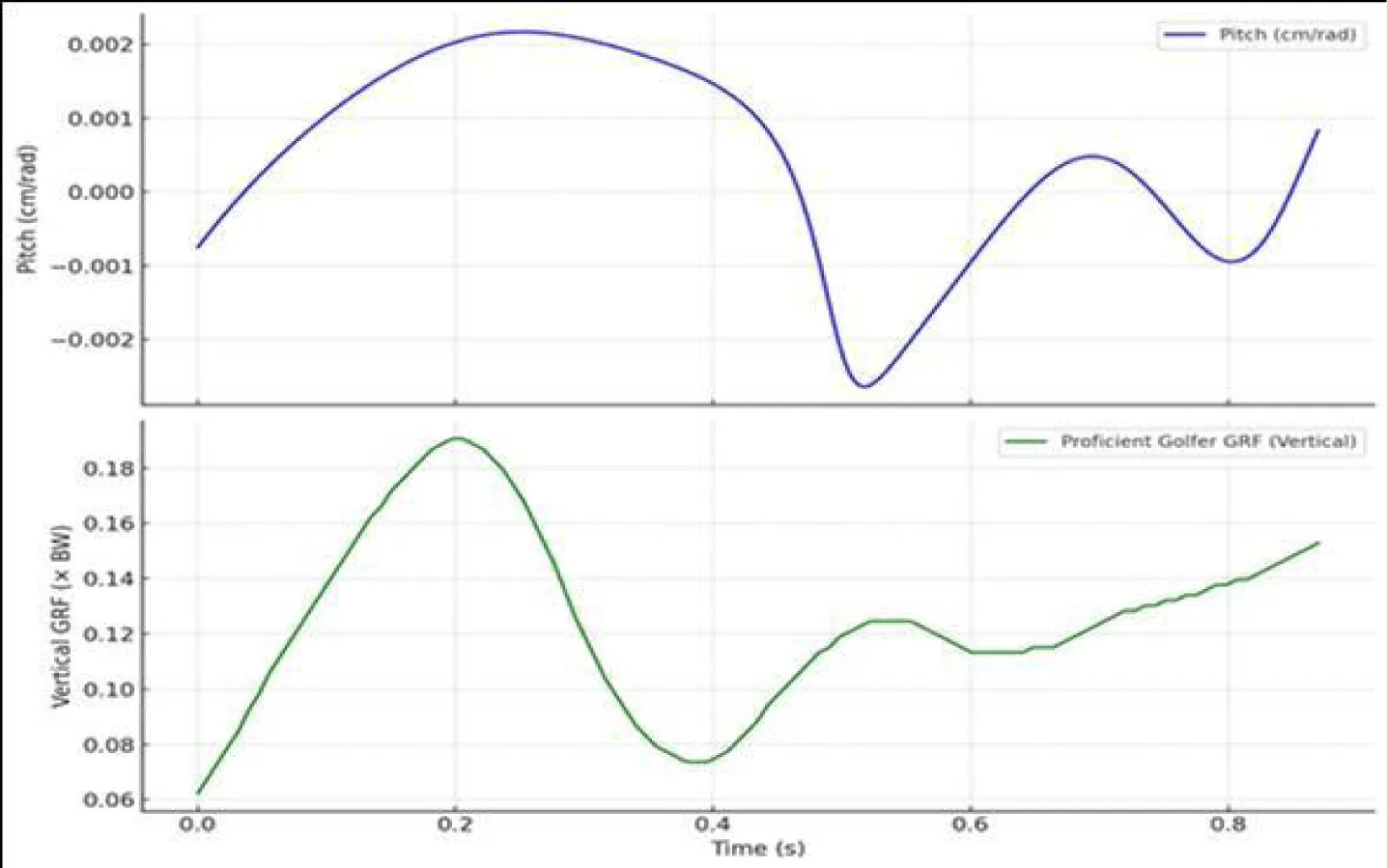
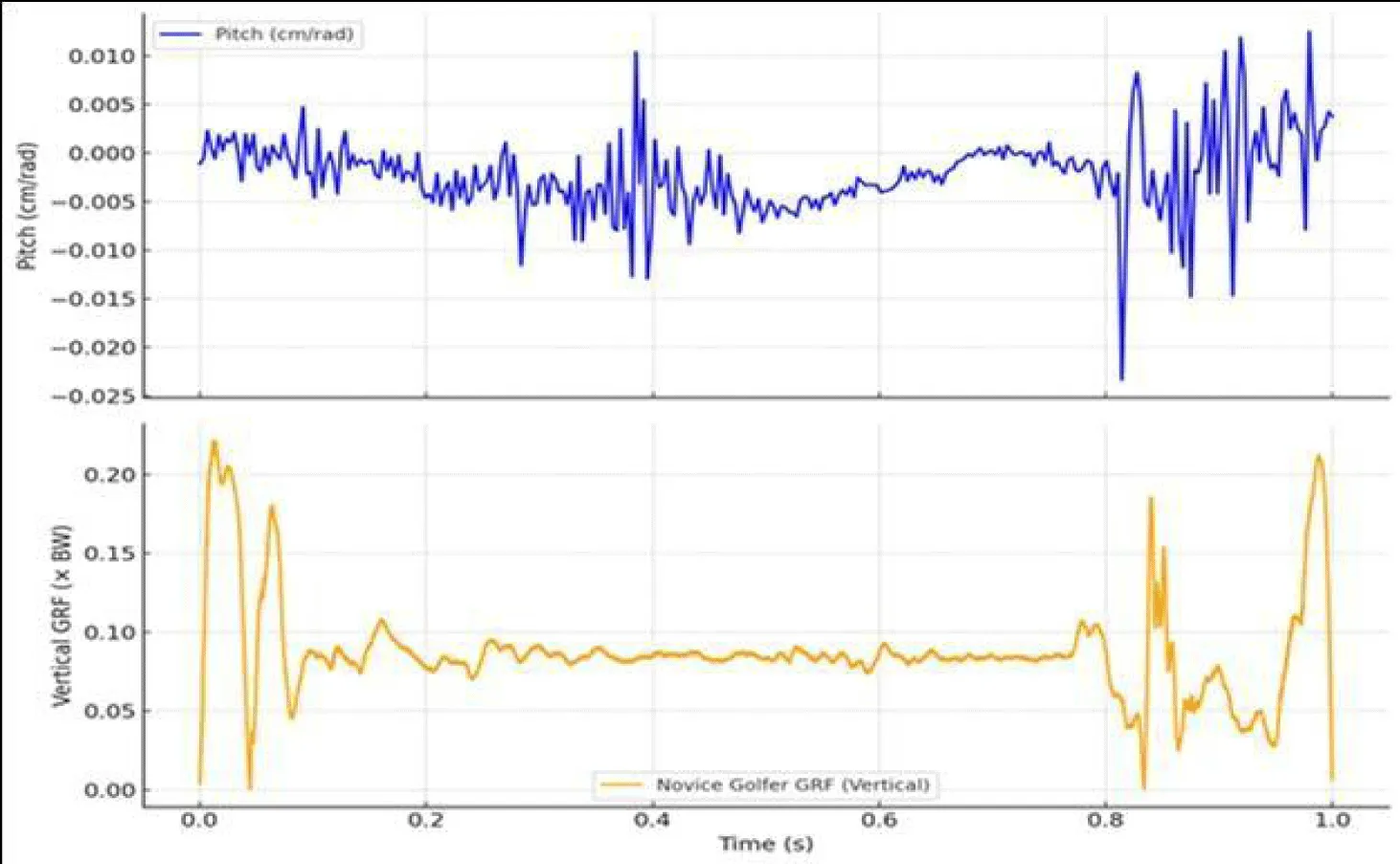
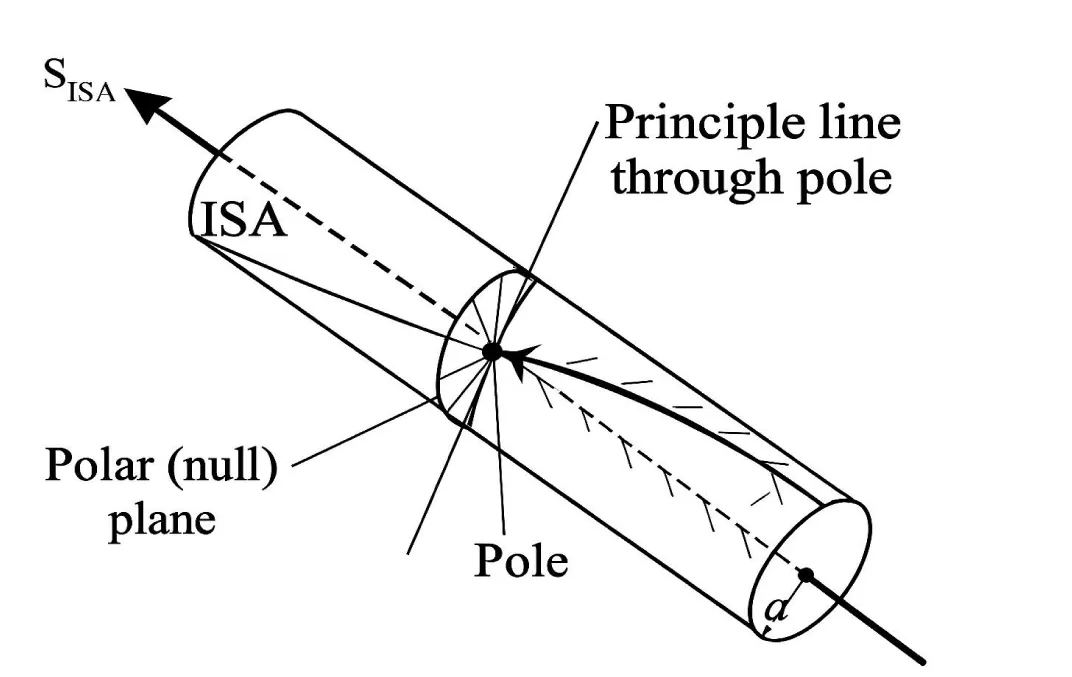
We propose a new ecological theory of golf swing coordination based on the interaction between degrees of freedom and conserved quantities in golfer–environment systems. Using screw theory and motion capture data, we analyze pitch invariance along the Instantaneous Screw Axis (ISA) as a conserved action structure. Crucially, we introduce visual kinesthesis-the perception of displacement through optic flow-as a key perceptual anchor during impact, when proprioceptive cues are unreliable.

Our findings show that skilled golfers exploit stable ISA trajectories and tightly coupled pitch–force dynamics to produce perceptually invariant motion. Visual kinesthesis, not feedback correction, guides this coordination, while haptic kines- thesis governs internal calibration during the swing. These results suggest that pitch and ISA geometry function as conserved quantities, providing an ecological foundation for understanding skill as emergent sensorimotor alignment.

Article Information

JournalJournal of Biomedical Research & Environmental Sciences (JBRES)
Article TypeOriginal Article
Published2025-07-28
Volume / IssueVol. 6, Issue 7
DOI10.37871/jbres2151
Pages962-975
LicenseCC BY 4.0 — Free to reuse with attribution
Back to Image Search
Publish with JBRES — Peer-reviewed, multidisciplinary Open Access with rigorous double-blind review, CrossRef DOI, and global visibility.
Double-Blind CrossRef DOI Discoverable