Special Issue
Innovations in Biomedical Research and Clinical Medicine
Guest Editor: Editorial Board — Journal of Biomedical Research & Environmental Sciences
Submission
Covid-19 Research
Safety Profile of COVID-19 Vaccines: Retrospective Analysis of Short, Medium, and Long-Term Side Effects: The Military Hospital Experience – Read more Evaluating the Efficacy of Different SARS-Cov-2 Drug Targets Using the Topo-Geometrical Superposition Algorithm, Molecular Docking and Chemical Reactivity Frameworks – Read more Preventing COVID-19 Infection by Complementary Medicine and Oral Health – Read more Analysis of Body Temperature in Patients with Trauma Visiting a Local Emergency Medical Center during the SARS-CoV-2 Outbreak – Read more N95 Respirator Fit Testing Experience during the Pandemic at a Singapore Tertiary Health Institution: Streamlining Workflow and Improving Respirator Fit Rate – Read more COVID-19 is an Amplifier of Social Inequalities Structural Violence against Students with Special Learning Needs and Low Socio-Economic Status – Read more Interaction between Chronic Influenza and COVID-19: Novel Aspects of Immune System Combat – Read more Daily Life, Fear of COVID-19 and Social Support in the Older Adults in Home Isolation: A Cross-Sectional Study – Read more The Impact of COVID-19 Pandemic on Cardiovascular Diseases in Brazil – Read more Diversity of Non-Influenza Respiratory Viruses Associated with Influenza-Like Illness during 2009 pre and pandemic periods in Sao Paulo, Brazil, a Historical Overview – Read more Cardiovascular Complications of SARS-CoV-2 (COVID-19) in Adults – Read more Impact of COVID-19 Pandemic on the Development of Childrens Executive Functions Implications for School-Based Interventions – Read more The Impact of the COVID-19 Pandemic on Youth Education – Read more Association between Dietary Habits, Lifestyle and Migraine Attacks During Social Isolation in the COVID-19 Pandemic: A Systematic Review of Observational Studies – Read more The Brazilian Increase in Cases of Lung Cancer and COVID-19, Can They be related? – Read more The Possible Therapeutic Application of CO on COVID-19 – Read more Planetary View of COVID Impact vs. IQ & PISA Rank as National Level of Intelligence – Read more Electrophysiological Study in a Patient with Visual Deficit after Severe Coronavirus 2 Pneumonia – Read more A Presentation of Analyses of COVID-19 Vaccine Samples, Blood Samples, Urine Samples, Foot Bath Samples, Sitz Bath Samples, and Skin-Extract Samples – Read more Is Anosmia-Ageusia in COVID-19 Patients Associated with Neuro-Philic Virus Mutant and Mild Respiratory Involvement? – Read more
Home/ Article Figures/ Image View

Article Figures

View article figures, metadata, abstract and related content from this JBRES publication.
Review Article Vol. 6, Issue 6 2025-06-09
Toxicity of Mercury and Its Compounds: Impacts on Human and Animal Health, Ecosystems, Mechanisms, and Bioremediation Strategies - A Systematic Review
Suresh R Naik* and Dipesh Gamare
Toxicology
Toxicity of Mercury and Its Compounds: Impacts on Human and Animal Health, Ecosystems, Mechanisms, and Bioremediation Strategies - A Systematic Review
jbres2116-g001.webp

Article Figures (7)

Abstract

Mercury is a pervasive, environmentally toxic global pollutant that significantly impacts ecosystems and human health. Its chemical and toxicological properties contribute to environmental contamination through natural processes like volcanic eruptions and human activities such as industrial emissions and agriculture. Over the past century, mercury levels in the environment have nearly doubled due to rapid industrialization, leading to bioaccumulation and biomagnification in food chains, especially in aquatic ecosystems, which significantly impact human food safety.

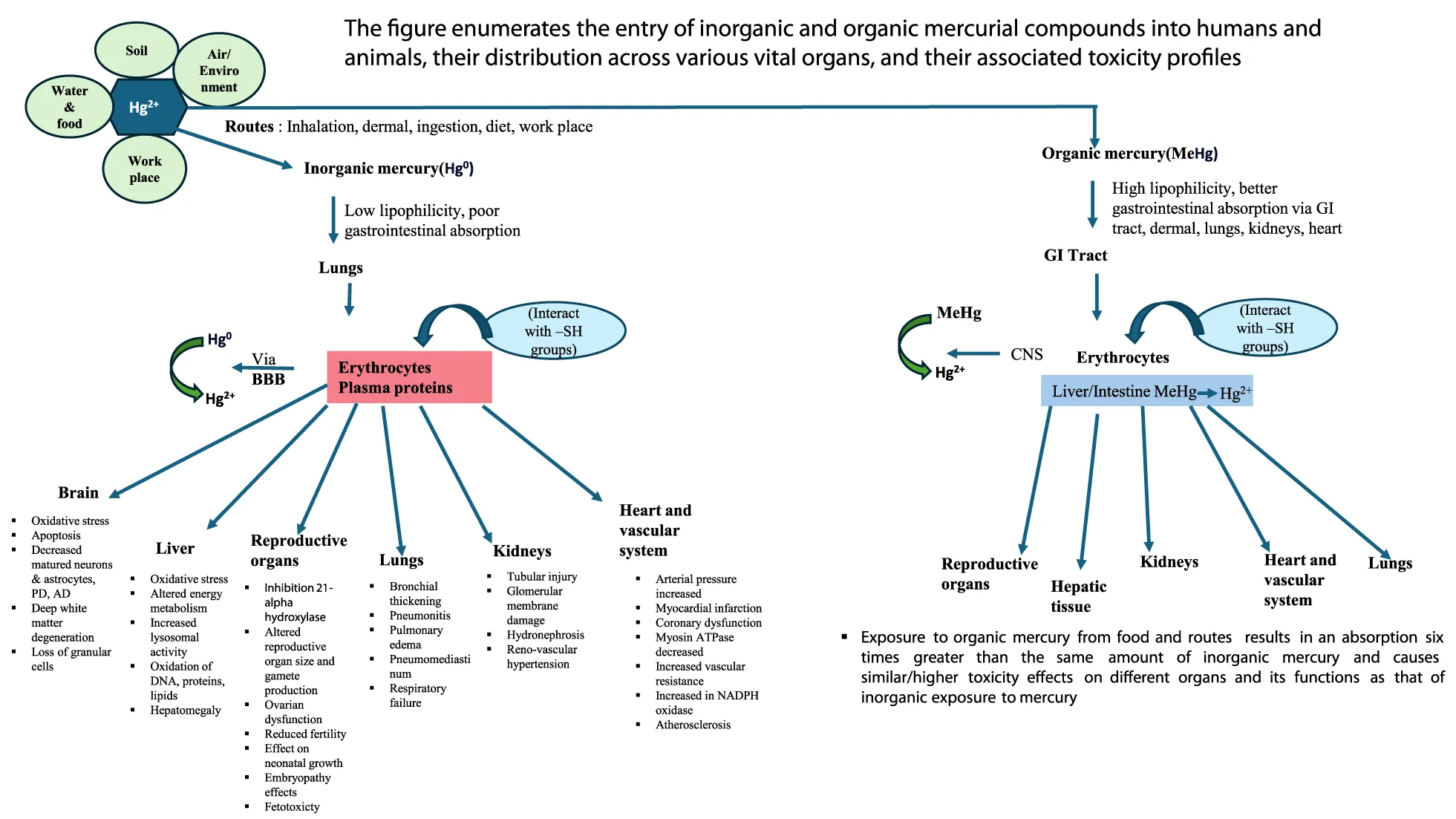
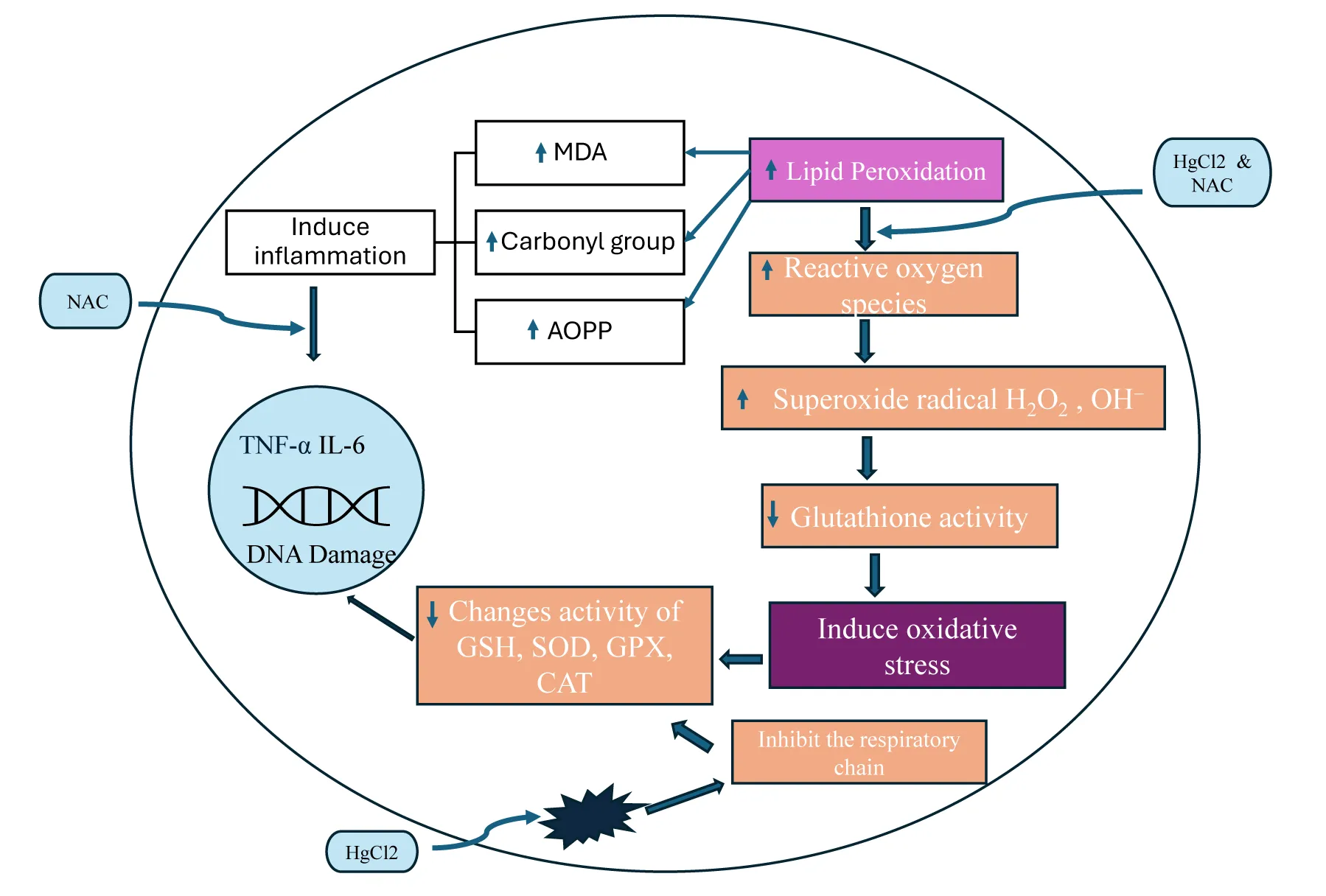
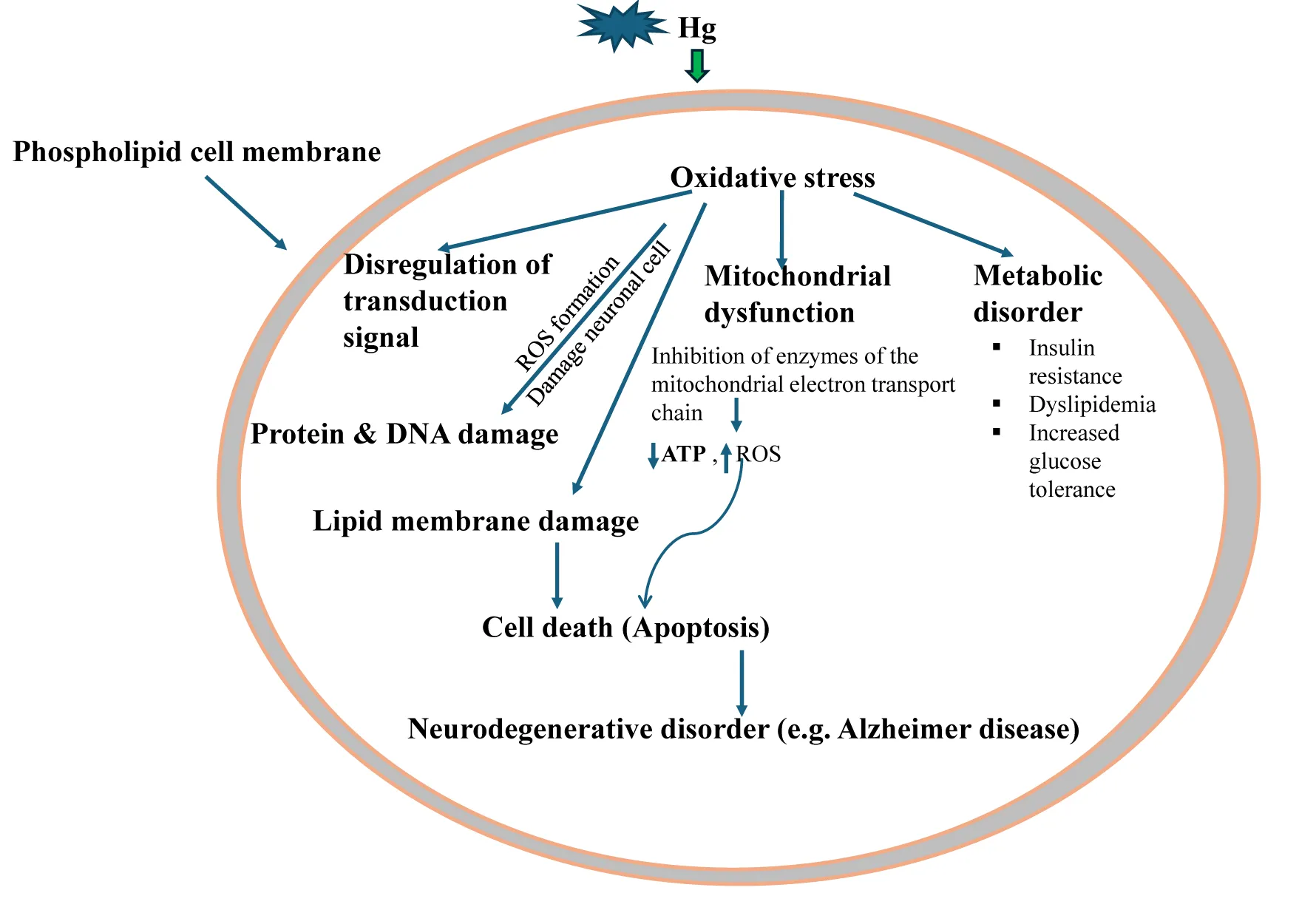
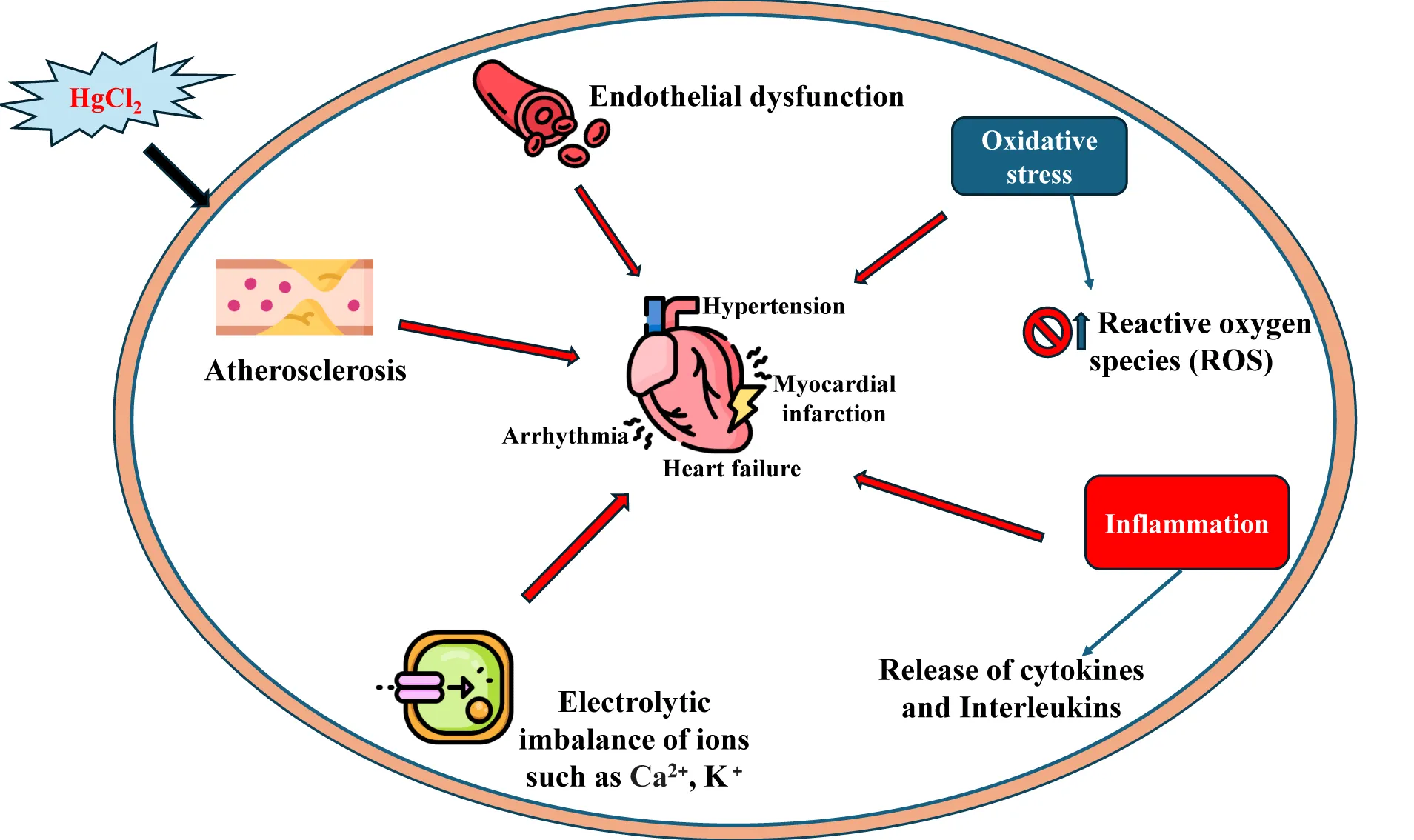
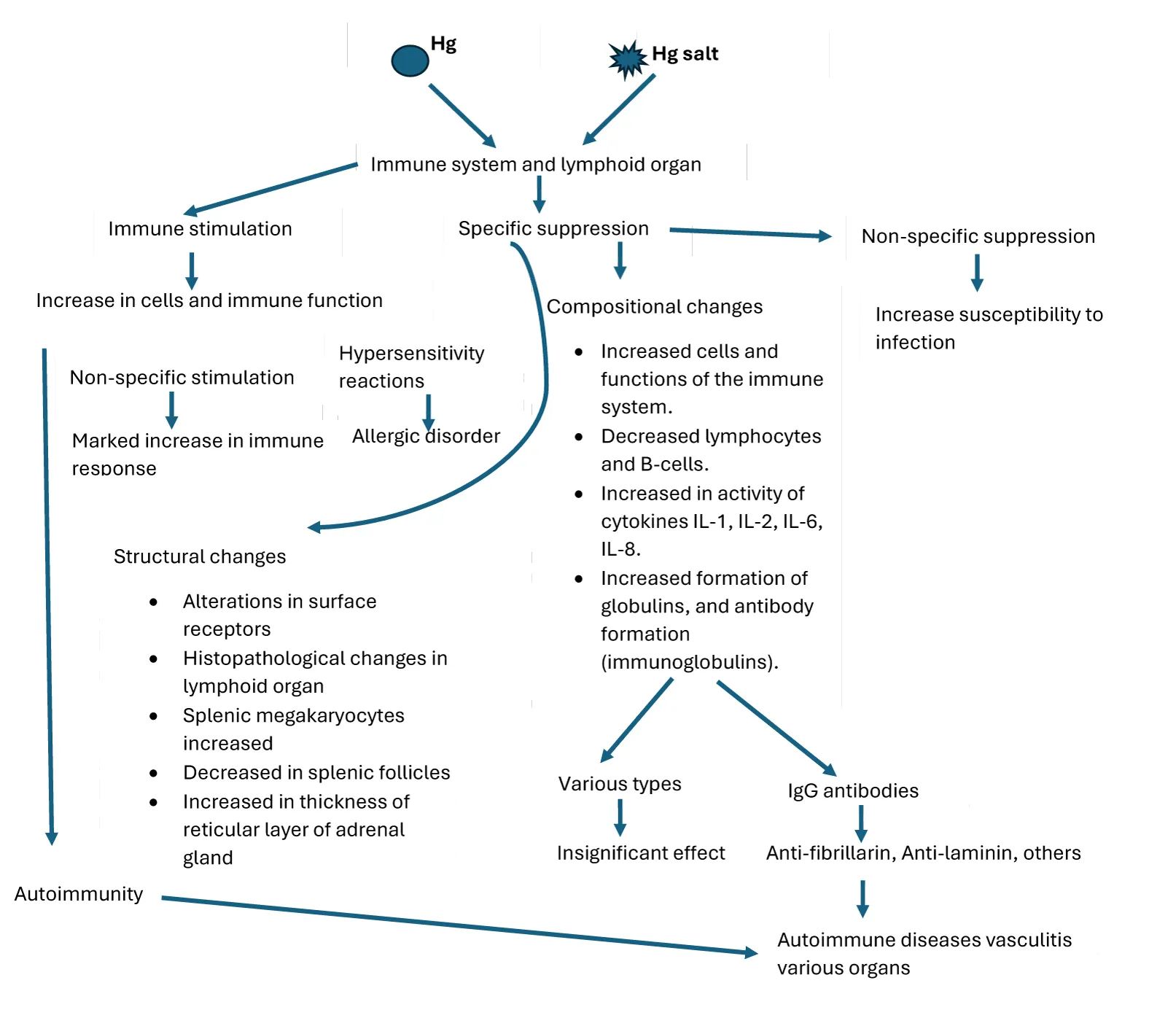
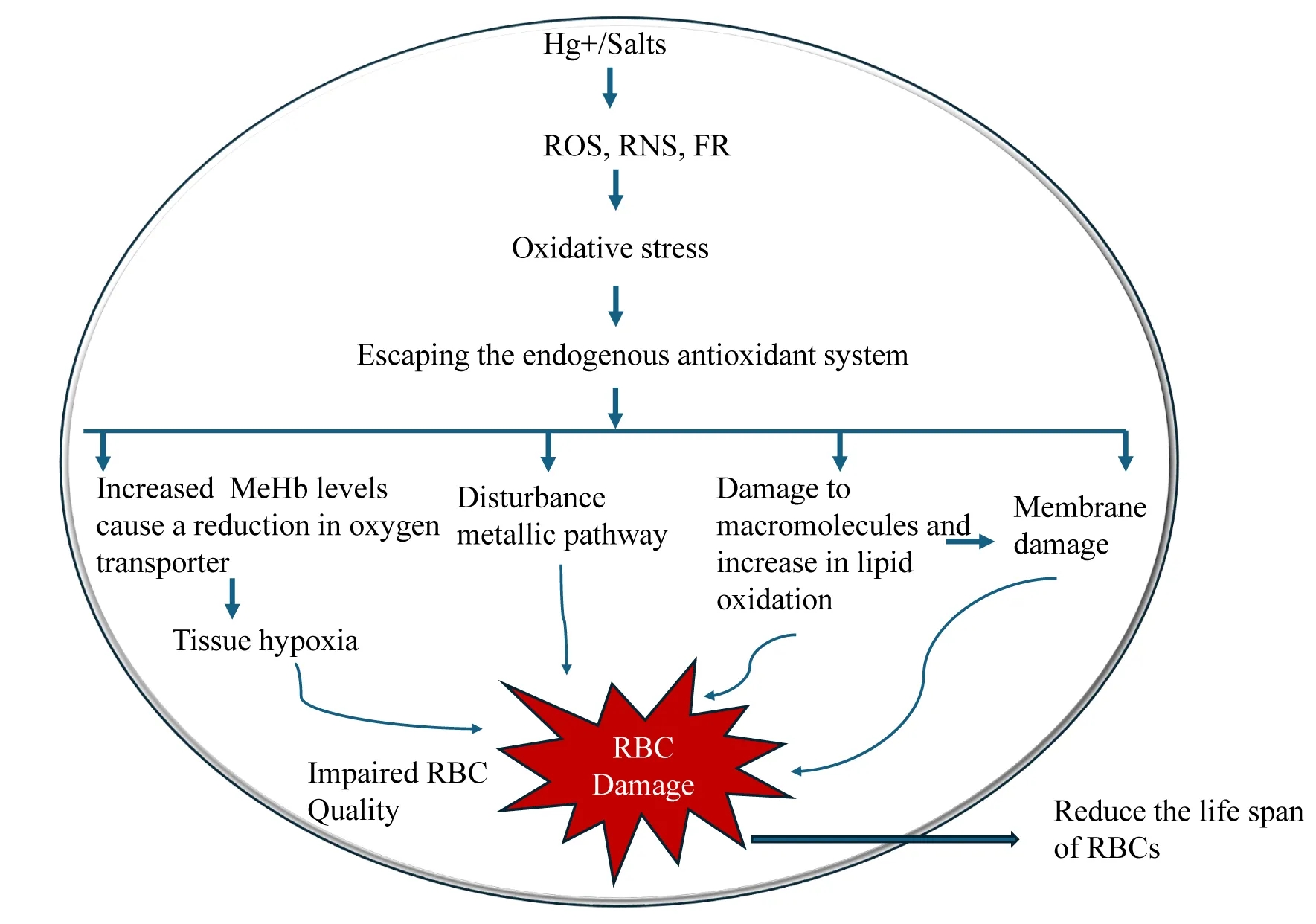
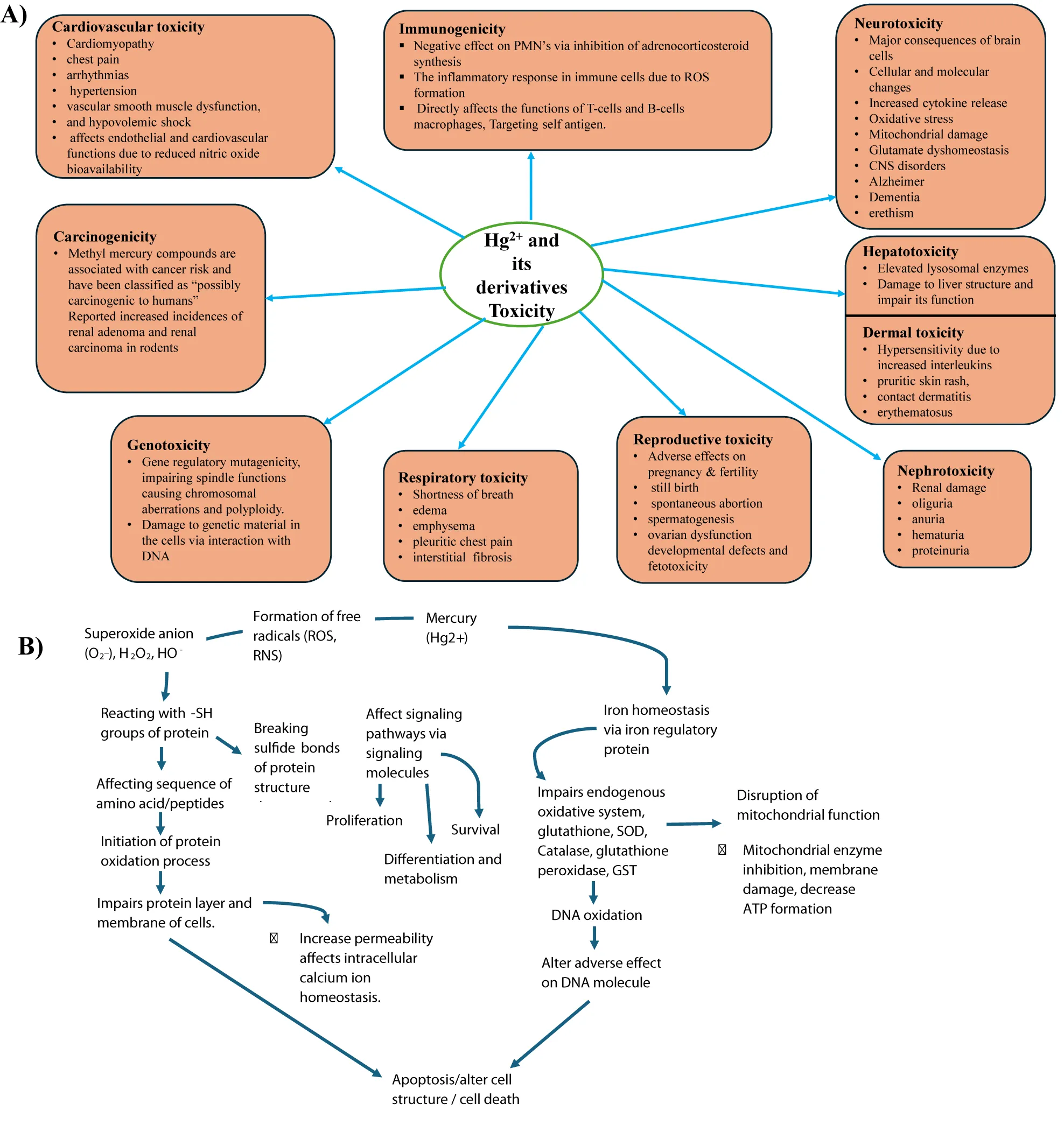
This review examines mercury's toxic effects on multiple organ systems through acute and chronic pathways. Mercury induces neurotoxicity, nephrotoxicity, immune dysfunction, cardiovascular damage, and endocrine disruption, including cancer promotion in both humans and animals. Mercury compounds and mercury-containing xenobiotics interfere with cellular and molecular mechanisms, leading to oxidative stress, DNA damage, mitochondrial damage, apoptosis, epigenetic alterations, and impaired signaling pathways.

The review also highlights mercury's environmental persistence, affecting biodiversity by impairing various species' growth, reproduction, and survival, from microorganisms to higher vertebrates and invertebrates. It explores mercury's broader ecological footprint, including its role in disrupting food web dynamics, soil health, and plant productivity, ultimately impacting global biodiversity and ecosystem stability. The potential for mercury-induced bioaccumulation in aquatic life is emphasized, highlighting its cascading effects on human food safety. Addressing these challenges, the review discusses advances in remediation strategies, such as chelation therapy, natural antioxidants of phytochemical origin, and innovative biotechnological interventions. By incorporating documented research findings, this review aims to inspire future research and policymaking to mitigate mercury's adverse health effects and ensure environmental sustainability.

Review Highlights:

Mercury is a toxic pollutant harming ecosystems and human health globally.It bioaccumulates in food chains, impacting food safety and biodiversity.Mercury causes neuro, nephro, hepato, cardio, and endocrine toxicity, harming organs.It disrupts DNA, mitochondria, and cell signaling, leading to severe toxicity.Advances in remediation include chelation, antioxidants, and biotech solutions.

Article Information

JournalJournal of Biomedical Research & Environmental Sciences (JBRES)
Article TypeReview Article
Published2025-06-09
Volume / IssueVol. 6, Issue 6
DOI10.37871/jbres2116
Pages611-641
LicenseCC BY 4.0 — Free to reuse with attribution
Back to Image Search
Publish with JBRES — Peer-reviewed, multidisciplinary Open Access with rigorous double-blind review, CrossRef DOI, and global visibility.
Double-Blind CrossRef DOI Discoverable