Article Figures
View article figures, metadata, abstract and related content from this JBRES publication.
Article Figures (9)
Abstract
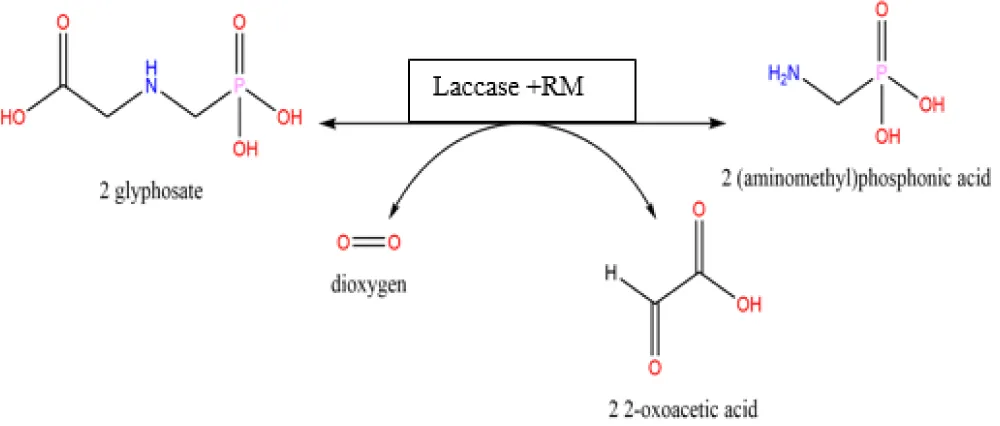
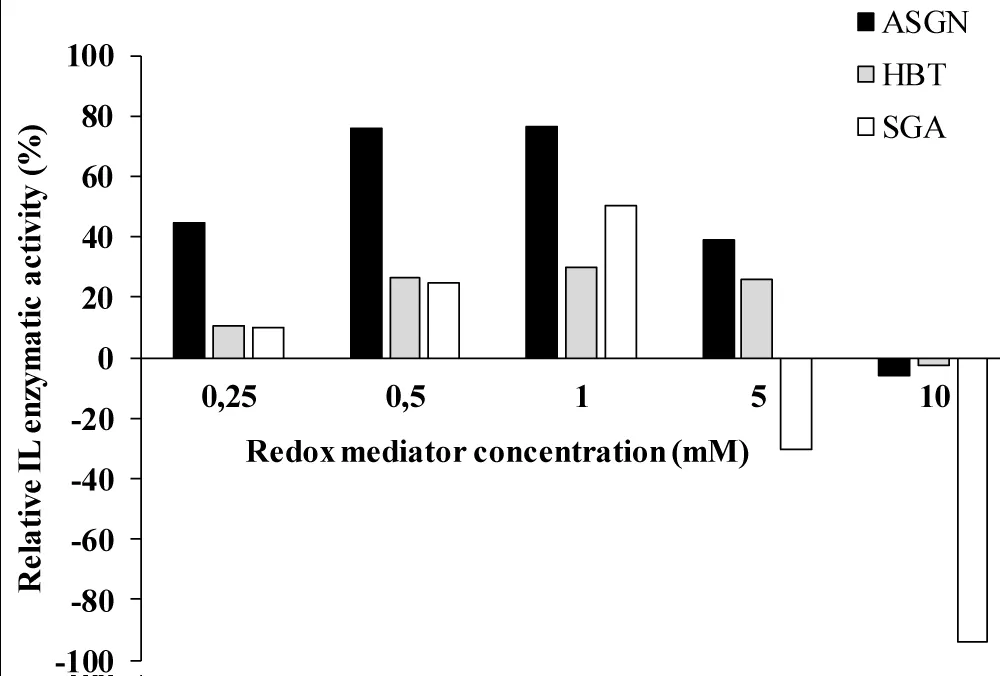
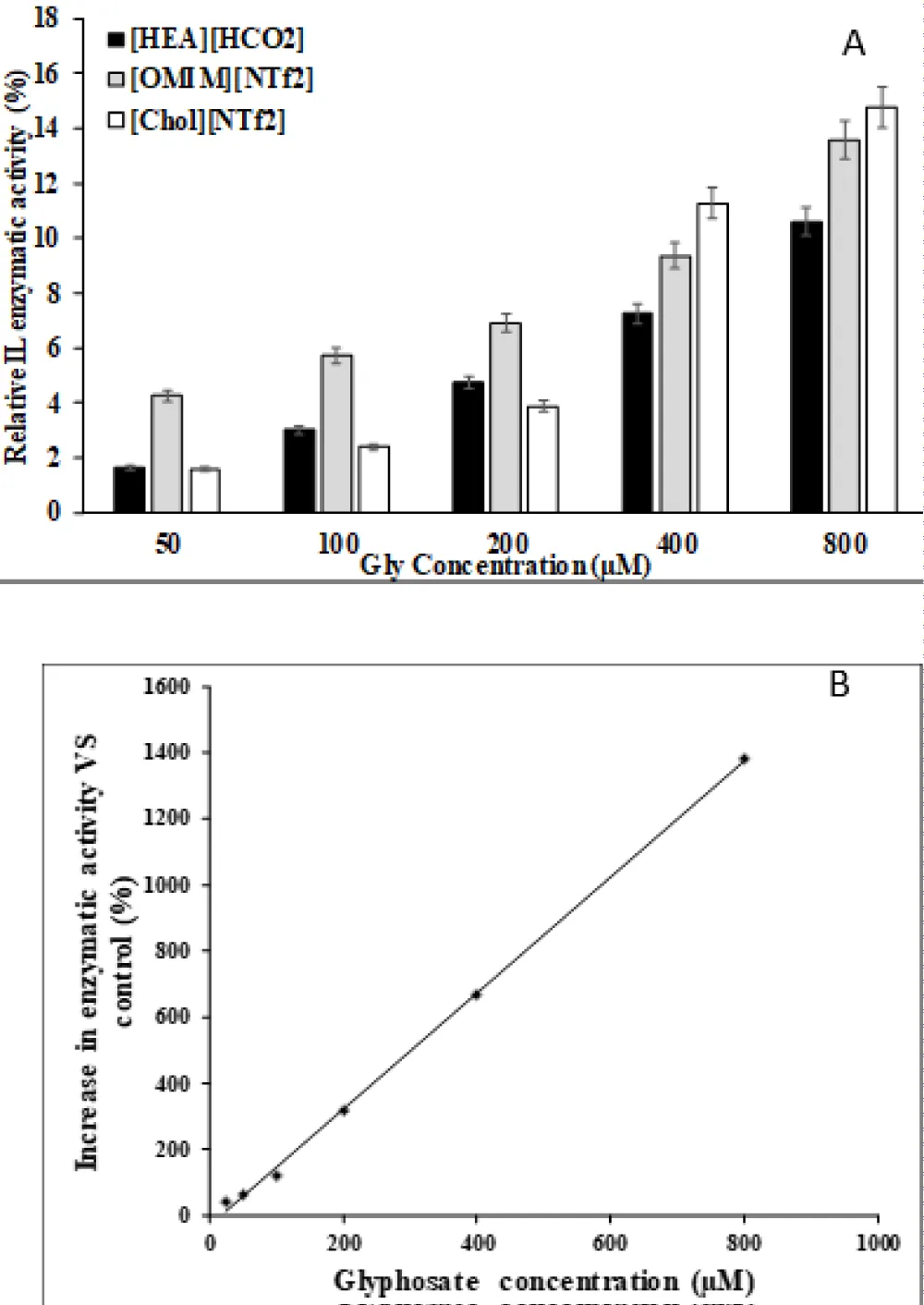
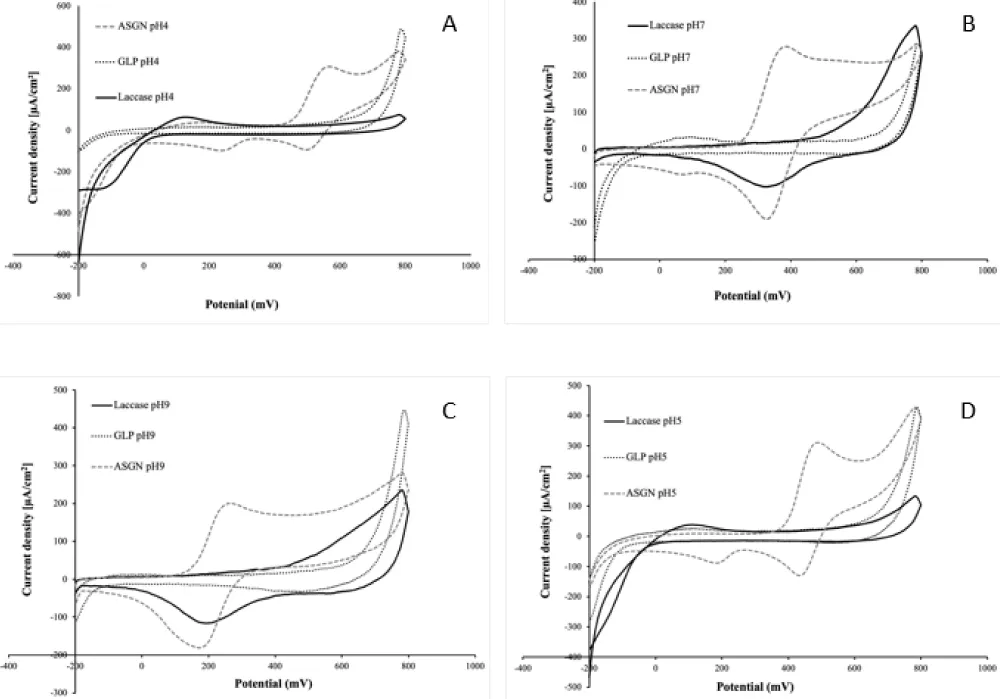
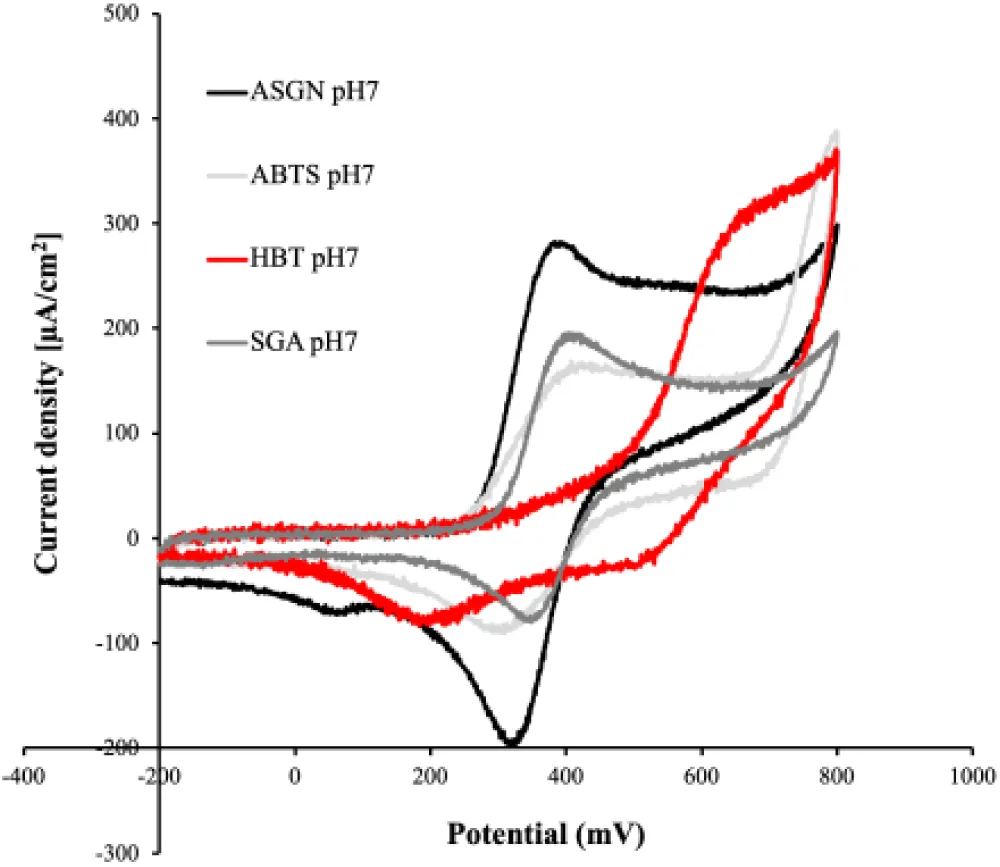
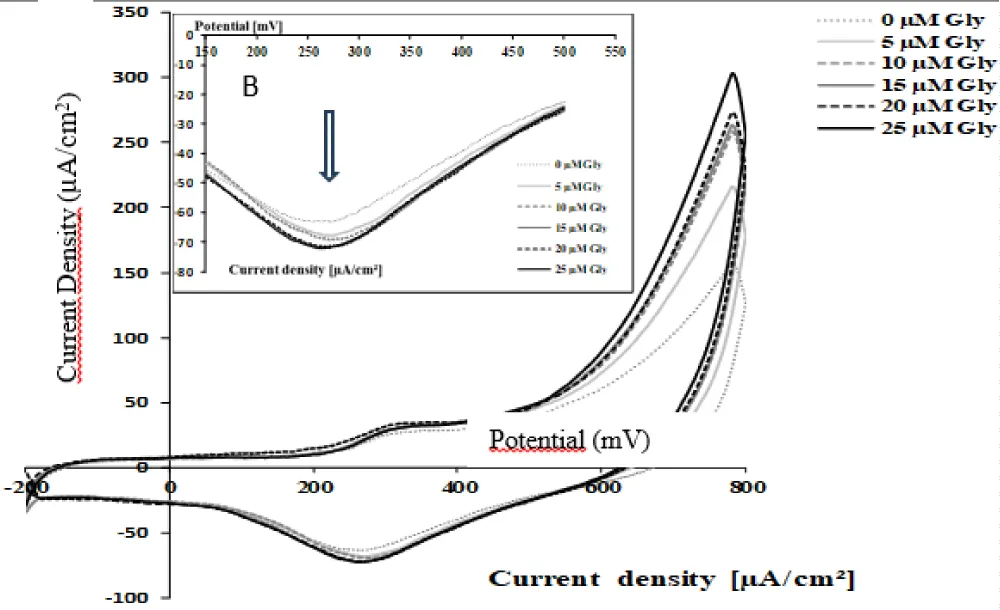
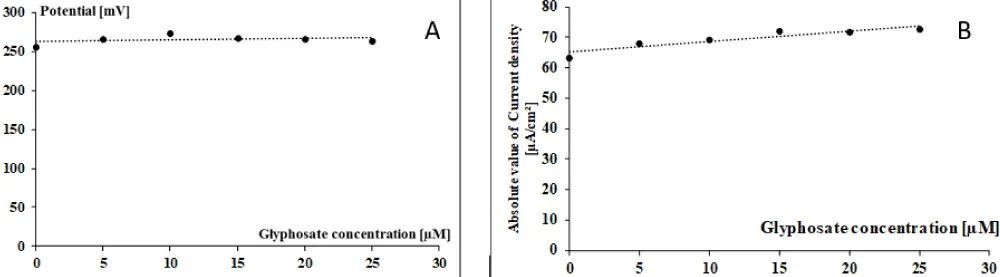
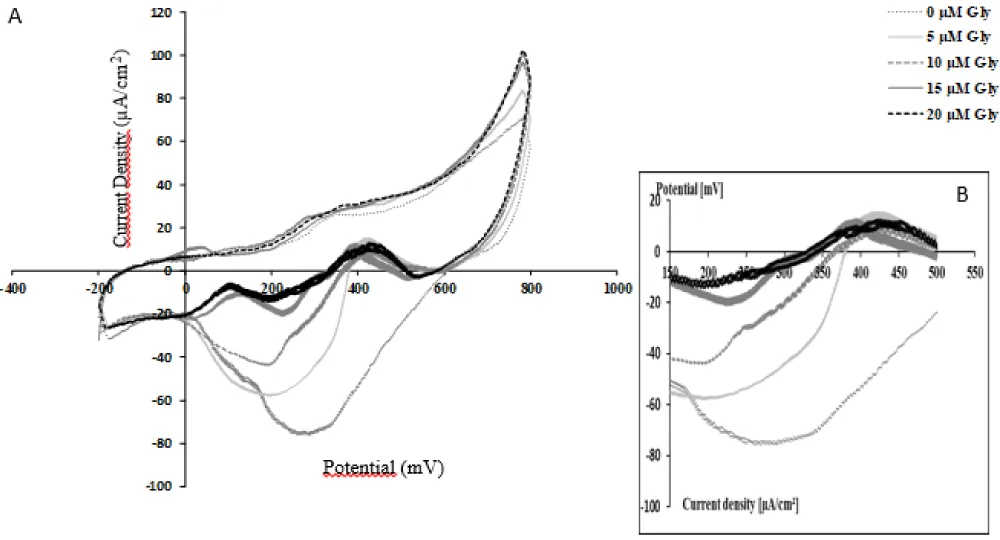
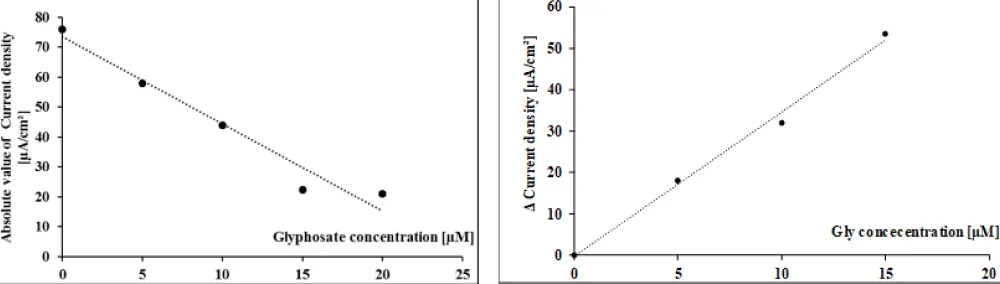
Glyphosate (N- (Phosphonomethyl) glycine), one of the most widely used pesticides in the world. The detection methods are difficult to implement, time consuming and expensive due to its chemical properties and its low prevalence; there is a strong need to develop quick-sensitive analytical methods for Glyphosate (GLP) assay and monitoring. For this purpose, a new biosystem based on enzyme reaction was implemented by laccase, redox mediator (Acetosyringone: ASGN), and ionic liquid (IL, as conservator and activator) to catalyse GLP. The laccase-catalytic system has been investigated by two analytical methods: spectrophotometric and electrochemical one. In terms of efficiency, the detection limit for spectrophotometric method was 25 μM GLP, while electrochemical method was even lowest around 5 μM GLP. The developing biosensor based on this enzymatic system has been carried out using gold-plated screen-printed electrode and Nafion polymer for laccase, redox mediator and ionic liquid complex immobilization. GLP samples were successfully analyzed using Cyclic Voltammetry (CV) measurement at scan rate of 100 mV/s. The concentration of GLP was accurately determined in the range of 5 μM to 15 μM GLP, and high correlation rate (98%) between current density and GLP concentration was determined using the laccase-based-biosensor, which shown good reproducibility and repeatability, high selectivity and therefore it has been used for GLP assays in biological samples (Cell lysate and culture medium).
Article Information
| Journal | Journal of Biomedical Research & Environmental Sciences (JBRES) |
|---|---|
| Article Type | Research Article |
| Published | 2025-10-30 |
| Volume / Issue | Vol. 6, Issue 10 |
| DOI | 10.37871/jbres2215 |
| Pages | 1614-1625 |
| License | CC BY 4.0 — Free to reuse with attribution |