Article Figures
View article figures, metadata, abstract and related content from this JBRES publication.
Article Figures (23)
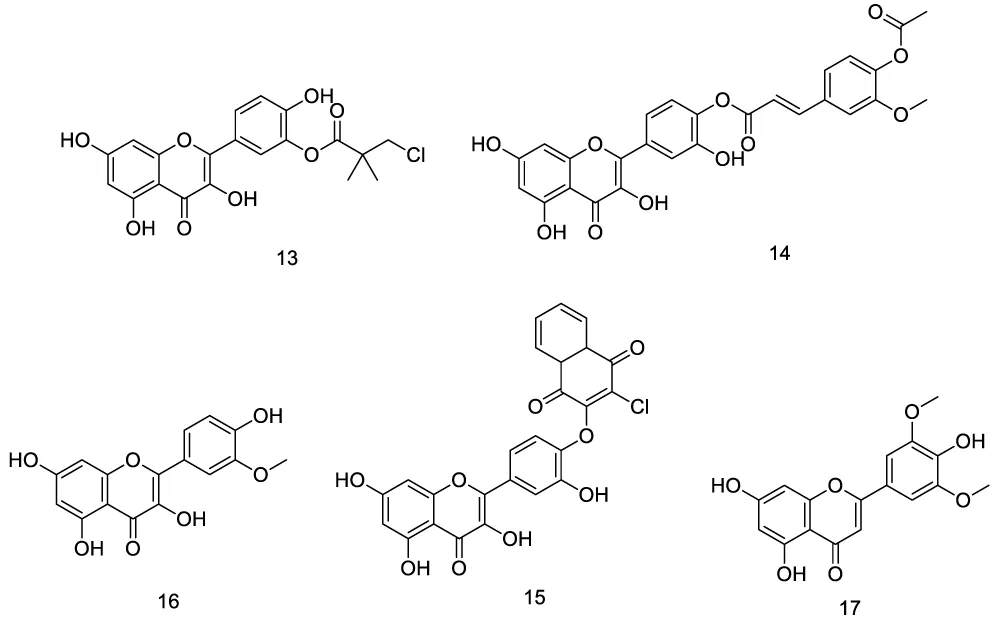
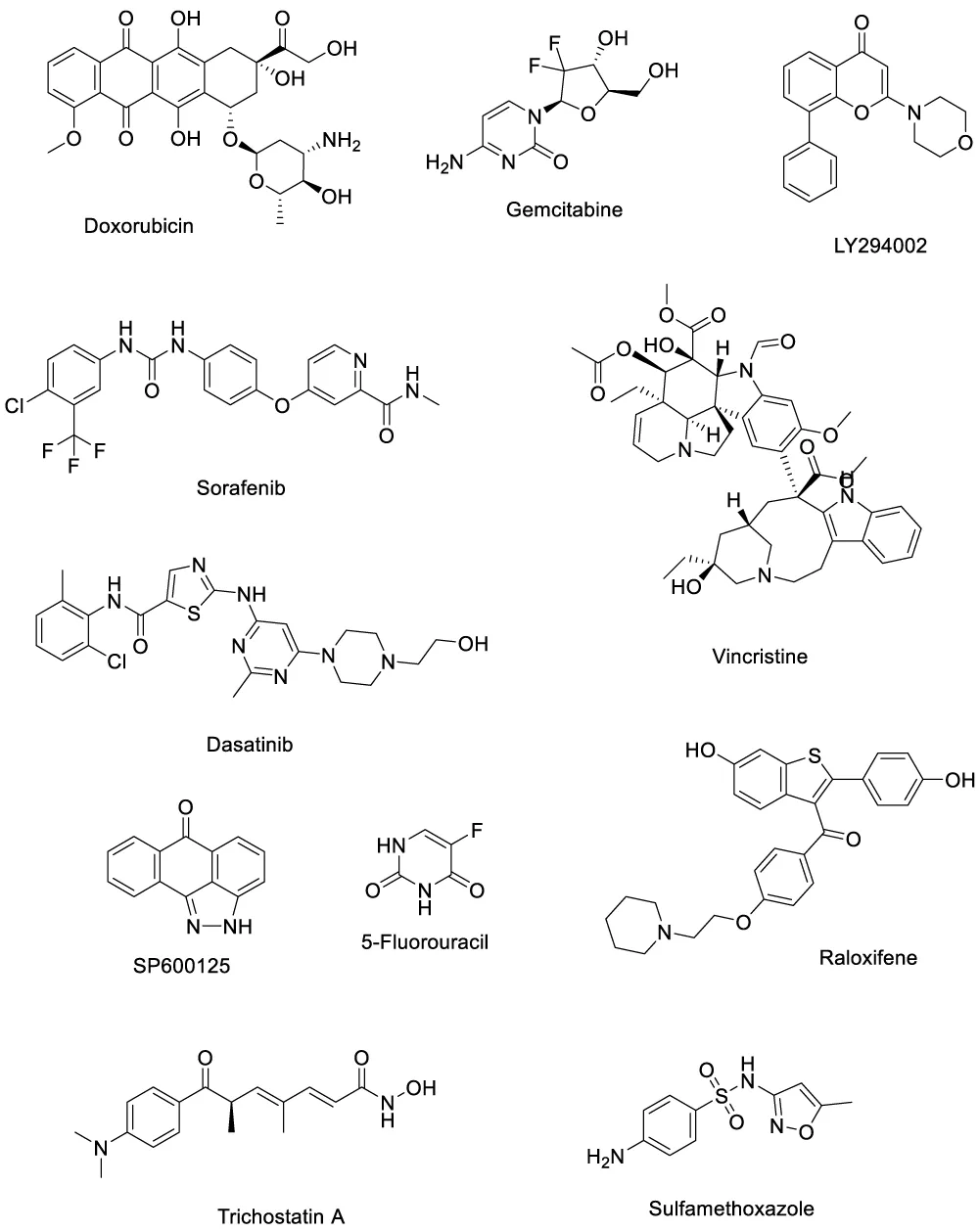
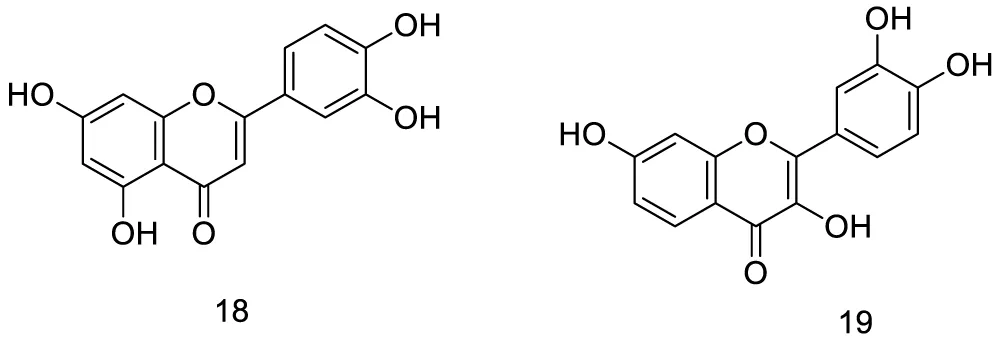
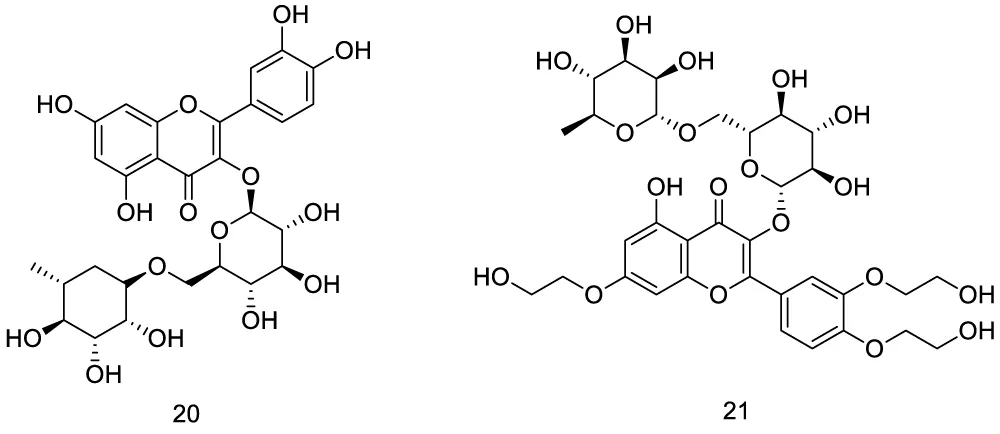
Abstract
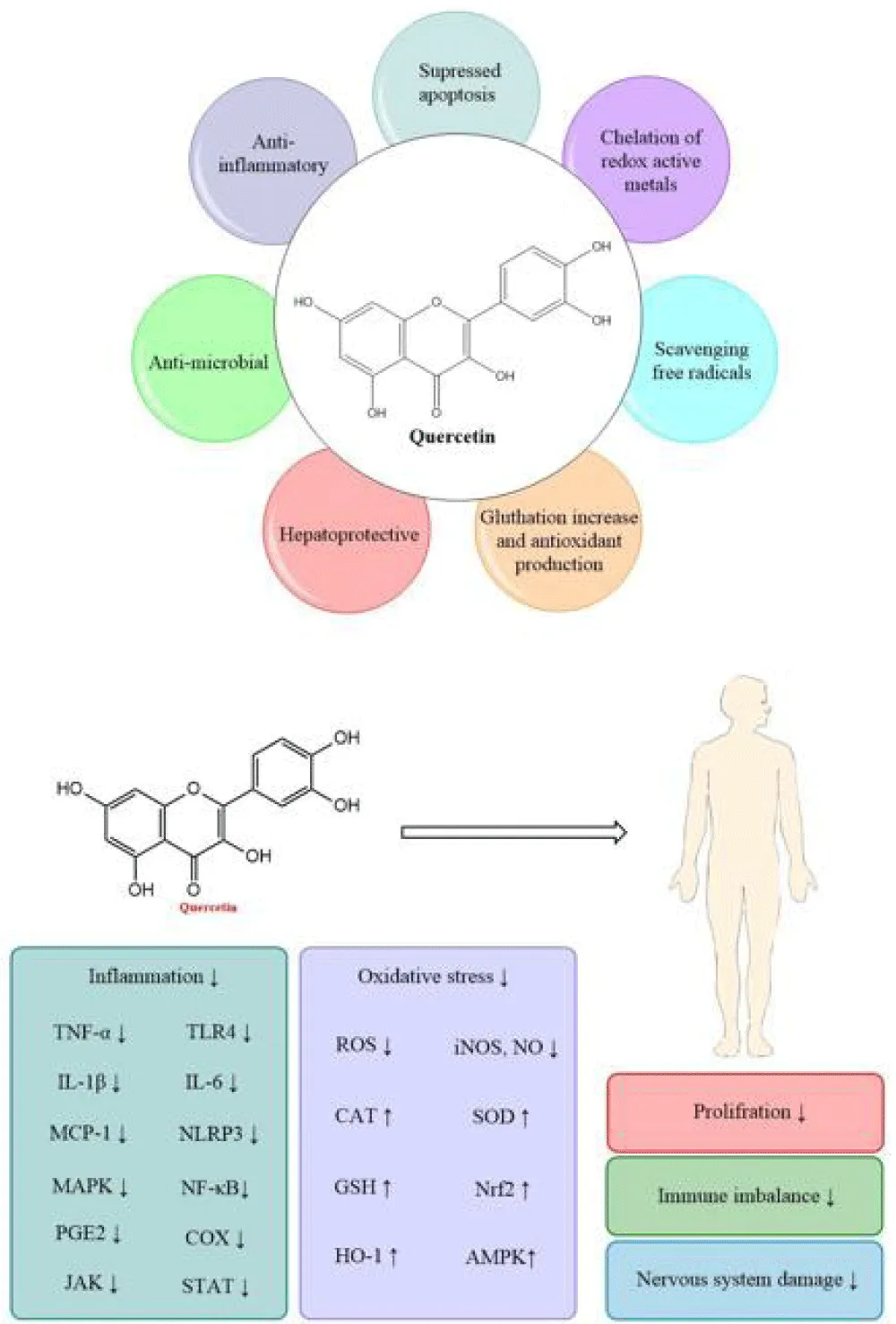
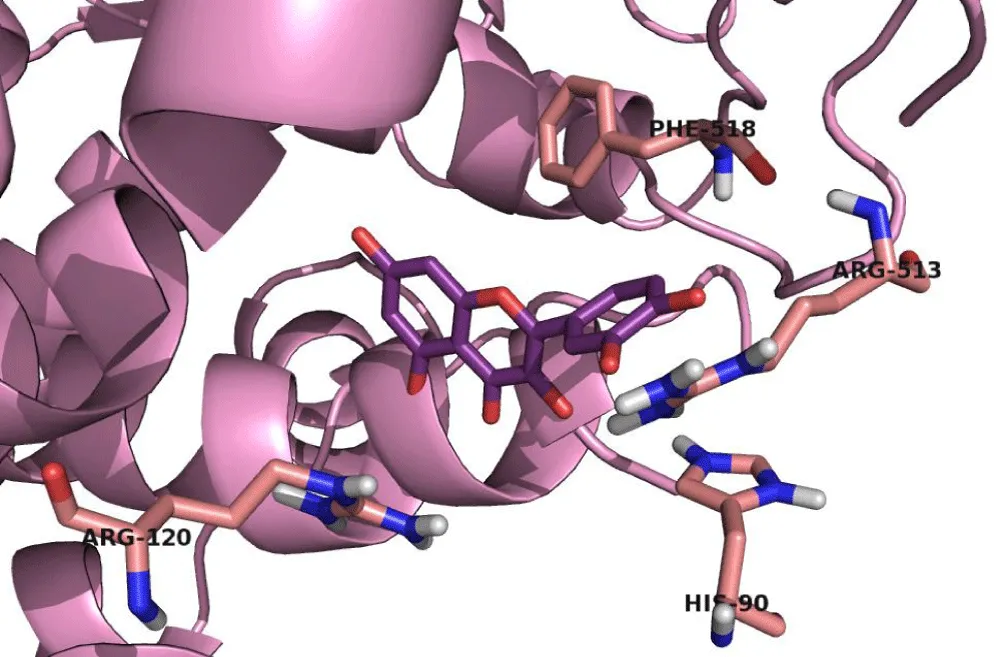
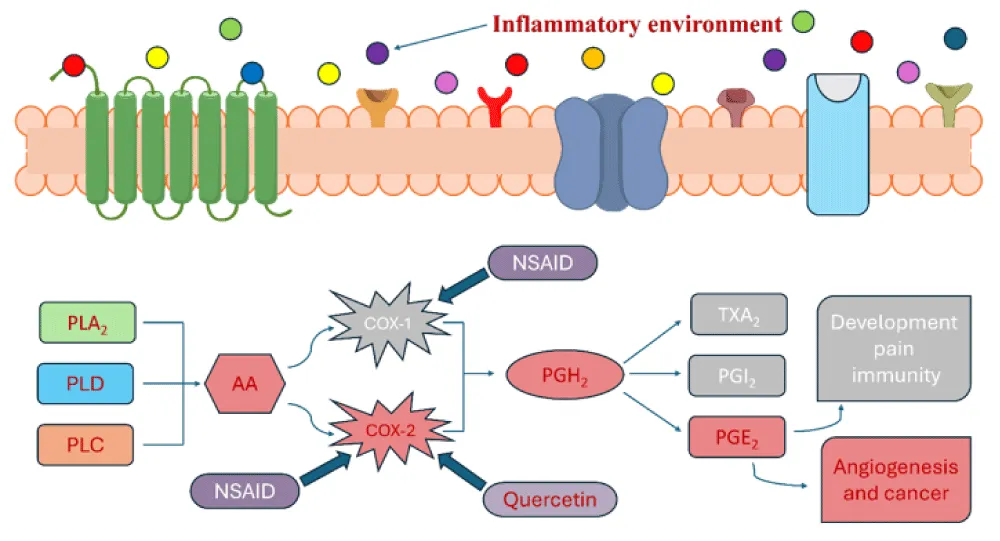
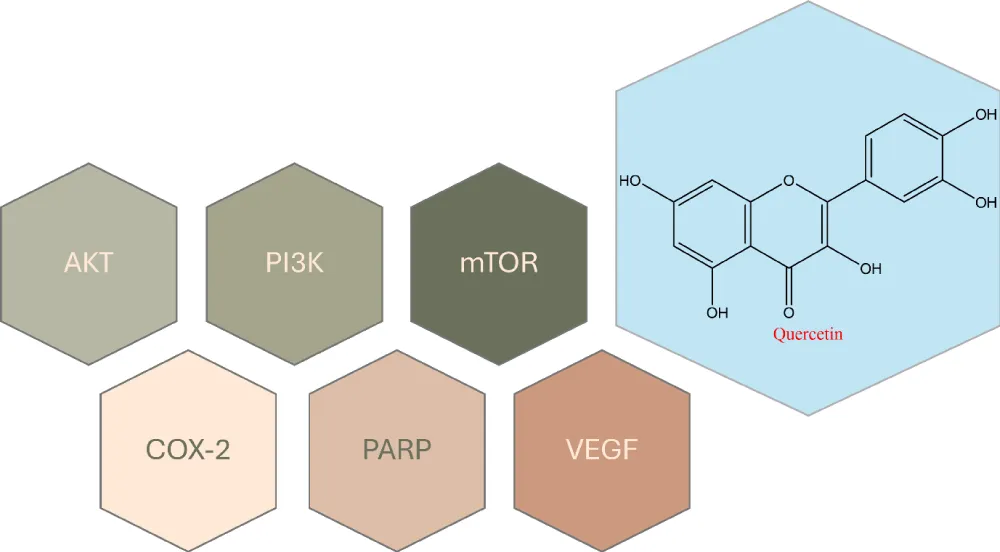
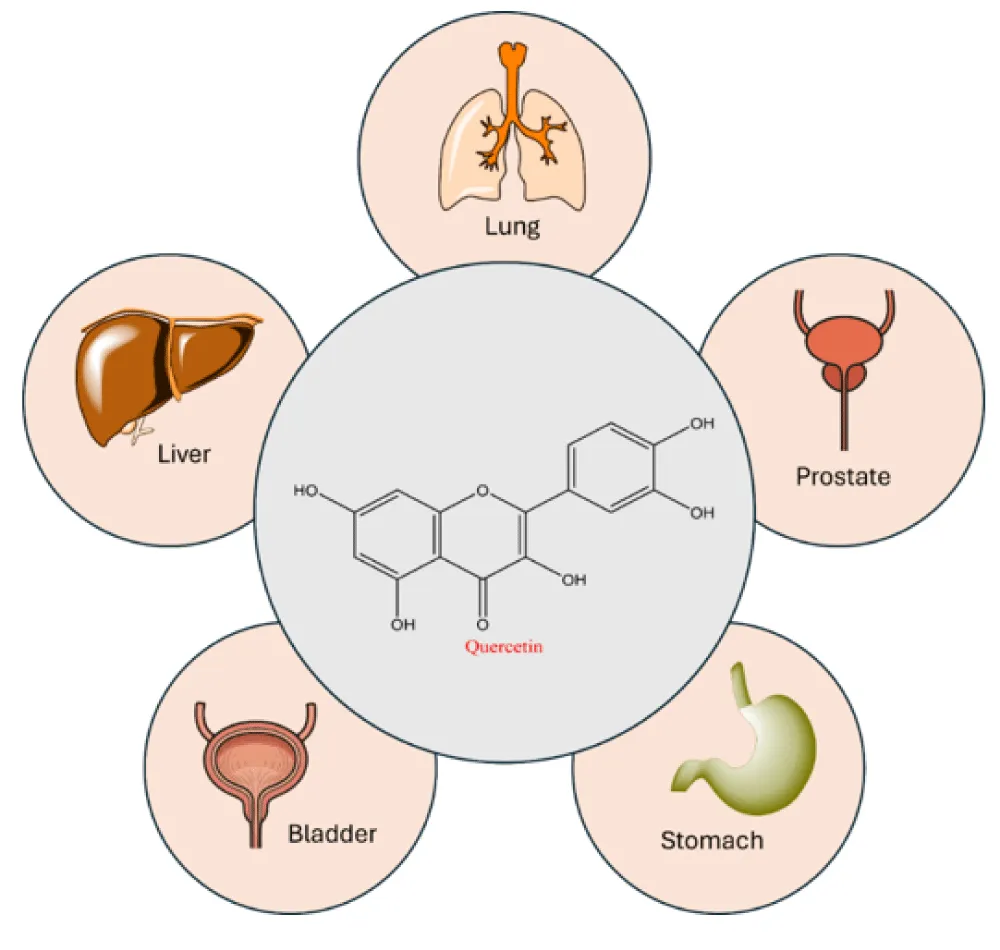
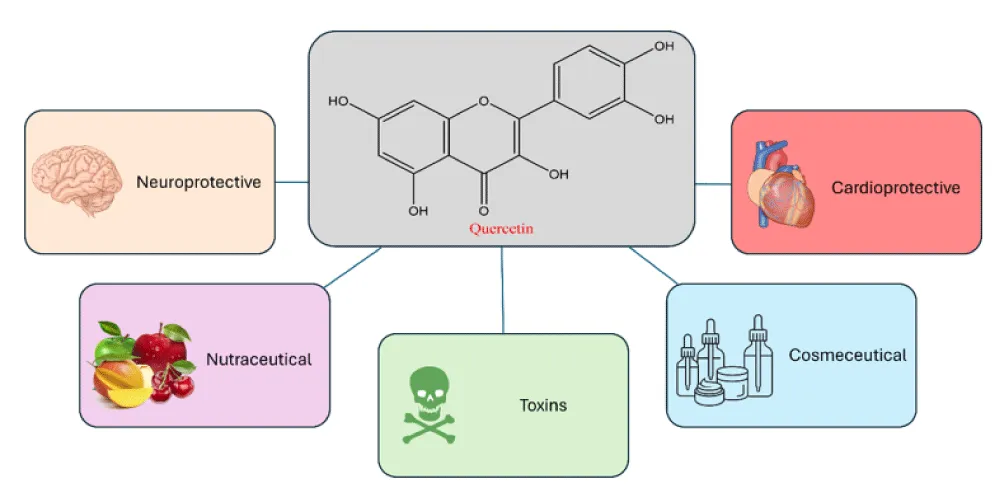
Quercetin is a flavonoid-type chemical molecule found in many people's daily diets. Previous research has shown that quercetin offers a range of benefits, including anti-inflammatory, antioxidant, and cancer-prevention properties. A combination of In vivo and In vitro studies showed that quercetin may have anti-tumor actions via modifying the advancement of the cell cycle, reducing cell division, inducing apoptosis, limiting revascularization and metastatic progression, and influencing autophagy. On the other hand, quercetin's strong toxic action on cancer cells is accompanied by little or no adverse reactions or injury to healthy cells. The previously published data showed that quercetin may act as a potent inhibitor of Cyclooxygenase 2 (COX-2). Quercetin was also found to be useful in preventing neurological illnesses like Alzheimer's and Parkinson's disease, as well as cardiac and chronic inflammatory diseases, including rheumatoid arthritis and rheumatic heart failure. The present review article highlights the data regarding quercetin's pharmacodynamic capability for cancer inhibition as a potent inhibitor for COX-2, supporting the idea that quercetin should be seriously evaluated as a treatment against a variety of cancer types. A basic docking investigation was also added, demonstrating that this chemical interacts effectively with the COX-2. The findings supported the outcome of previous investigations on quercetin's inhibitory effects on the enzyme. Other modes of action for this chemical were also briefly discussed, including inhibition of mTOR, Akt, PARP, and PI3K signaling pathways.
Article Information
| Journal | Journal of Biomedical Research & Environmental Sciences (JBRES) |
|---|---|
| Article Type | Perspective |
| Published | 2025-10-23 |
| Volume / Issue | Vol. 6, Issue 10 |
| DOI | 10.37871/jbres2207 |
| Pages | 1514-1539 |
| License | CC BY 4.0 — Free to reuse with attribution |