Article Figures
View article figures, metadata, abstract and related content from this JBRES publication.
Article Figures (56)
Abstract
One solution to eliminate toxins is to trap them in polymer nanoparticles. Alpha clostridial toxins typically form pores in the cell membrane, allowing them to enter cells and exert their destructive and deadly effects. However, using red blood cells whose membranes are coated with clostridial nanoparticles and toxins can neutralize the virulence of the toxin more efficiently through the spontaneous trapping of toxin nanoparticles in these membranes.
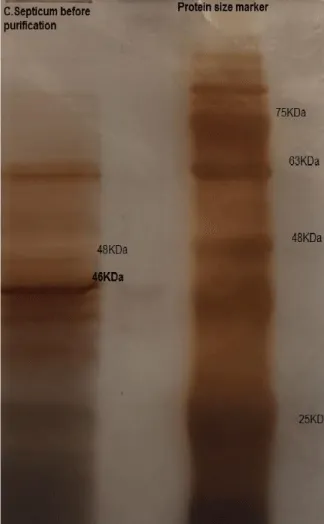
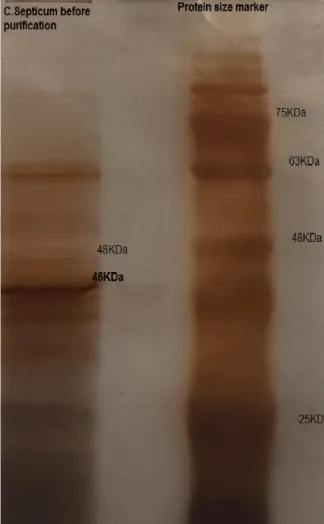
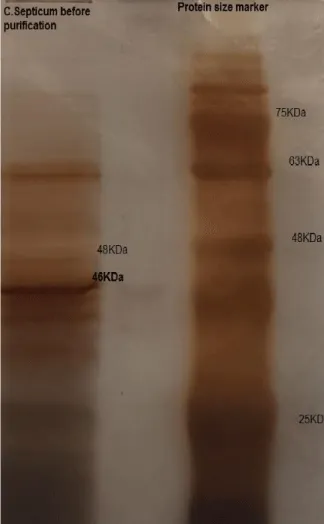
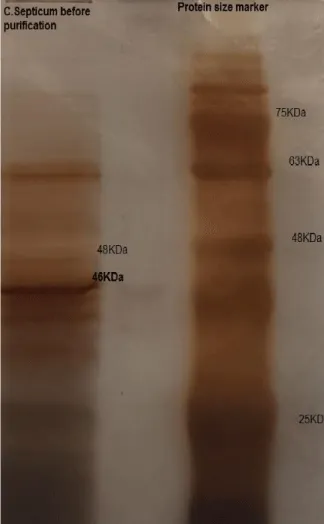
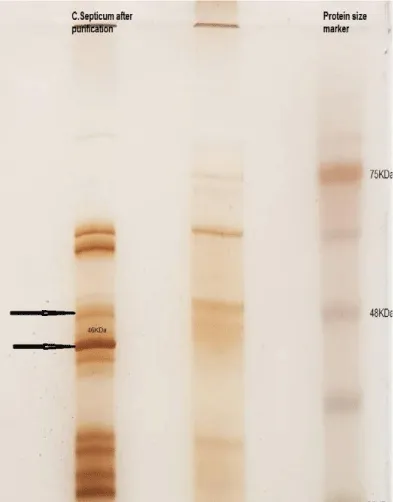
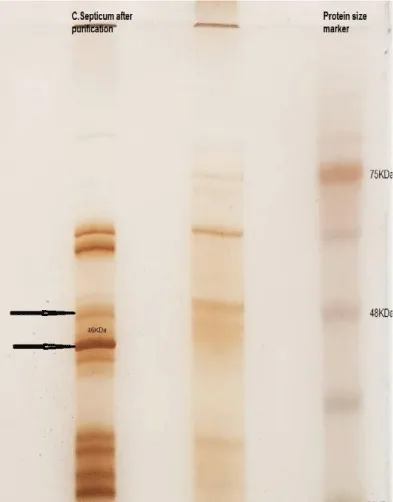
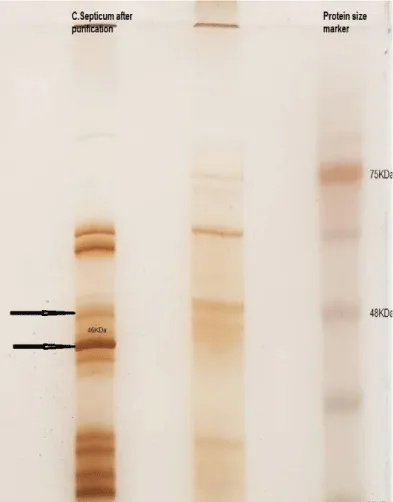
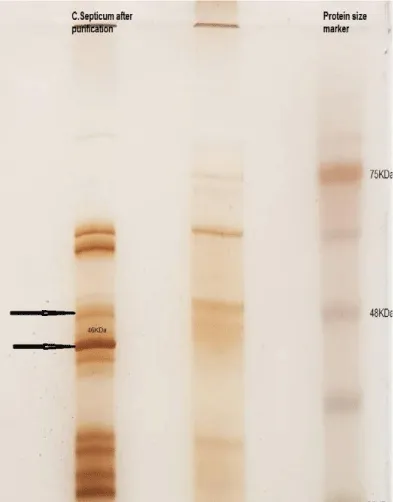
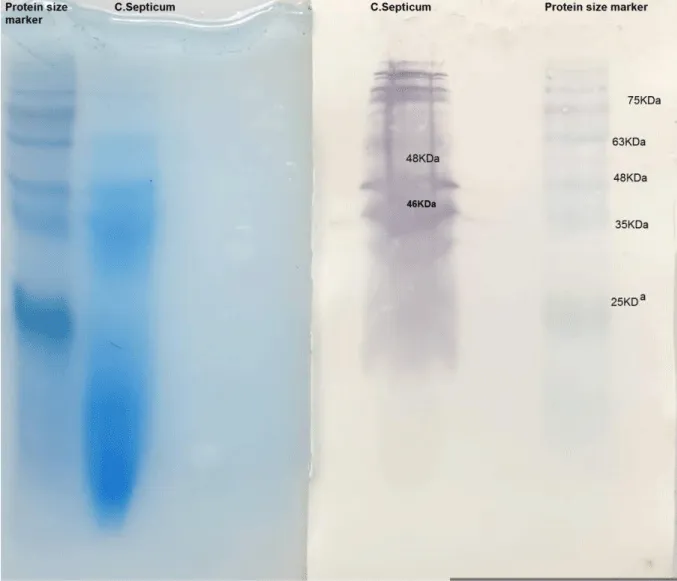
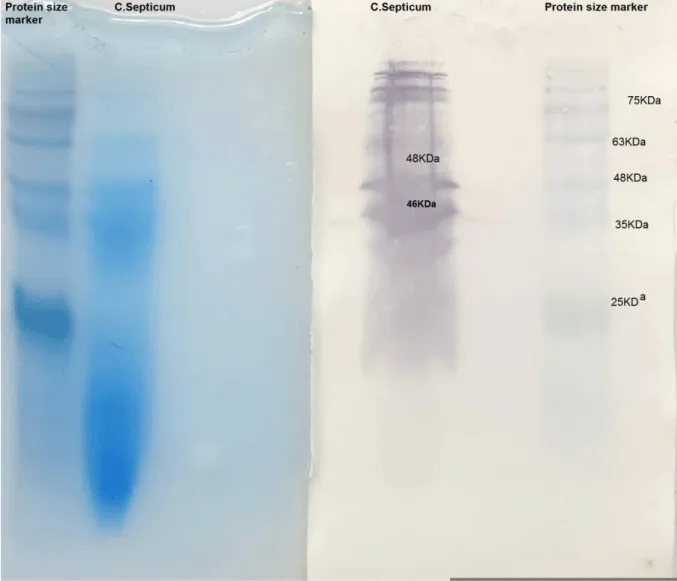
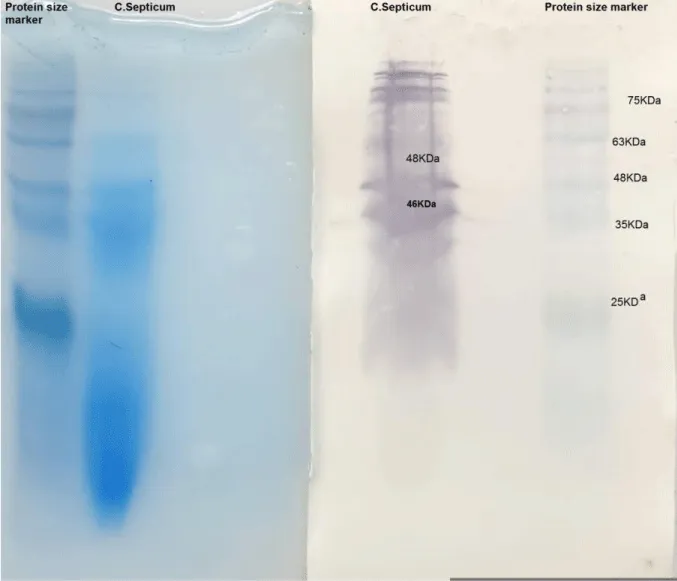
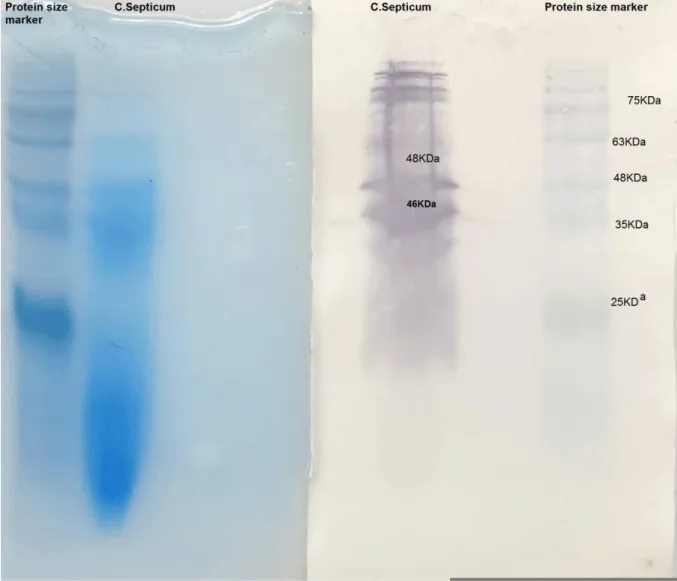
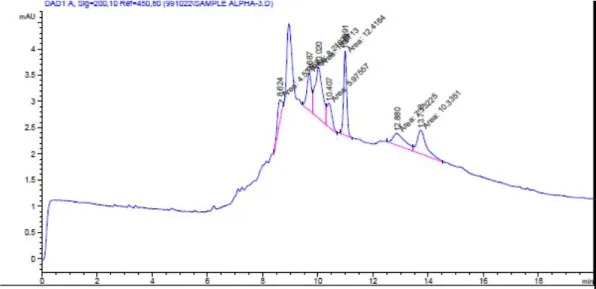
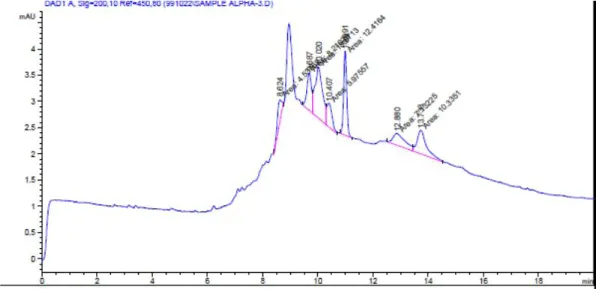
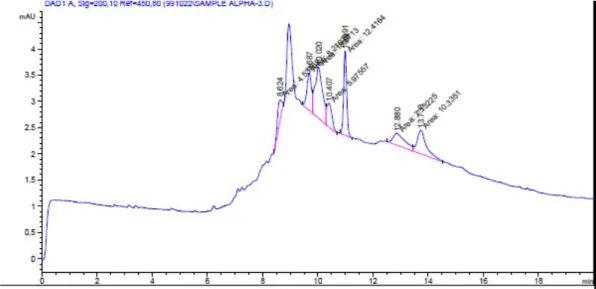
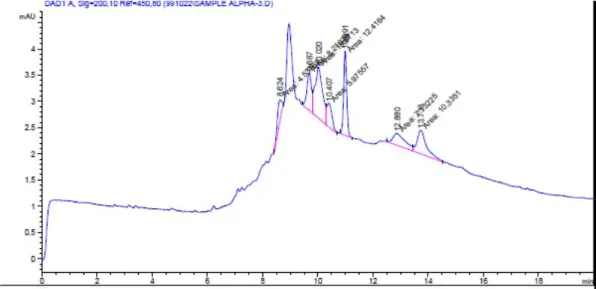
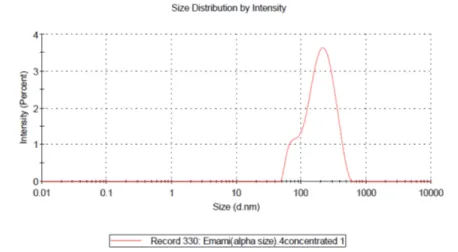
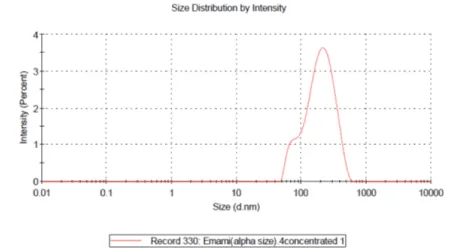
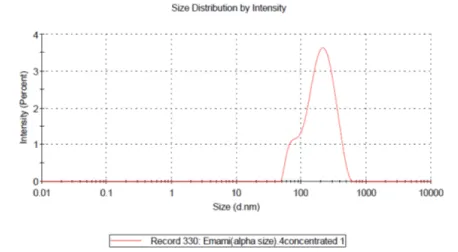
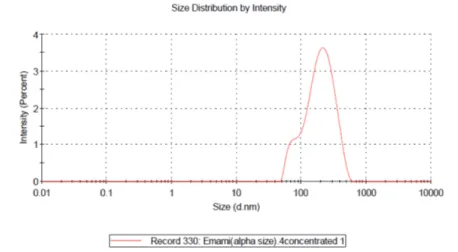
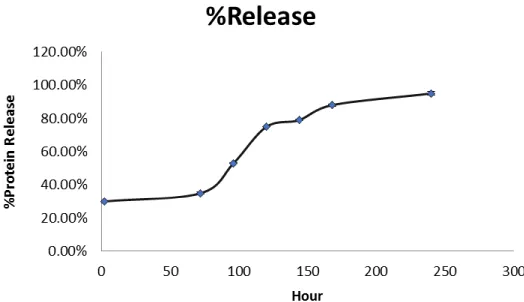
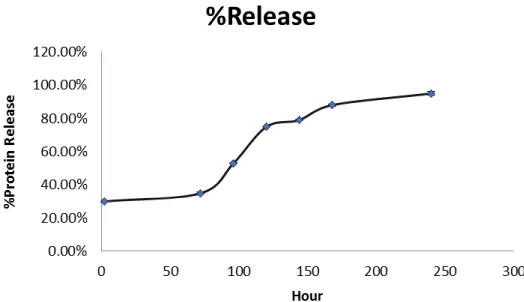
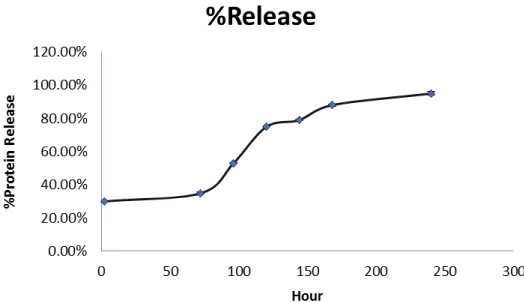
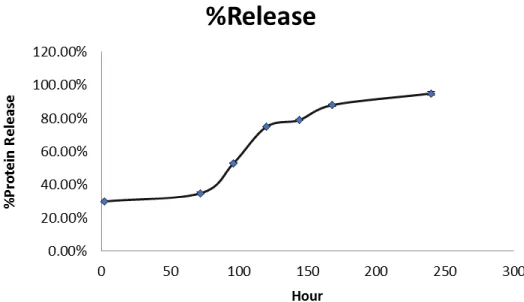
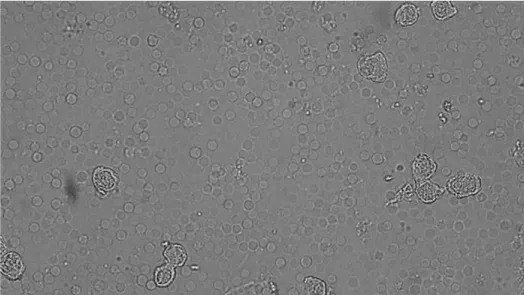
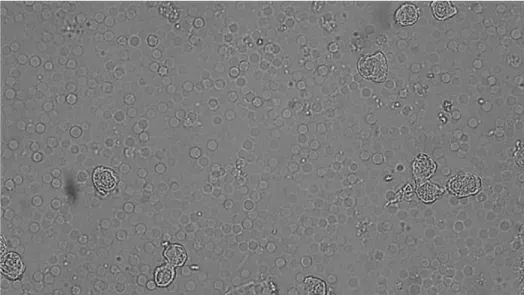
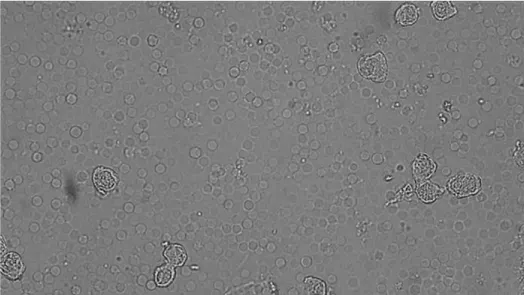
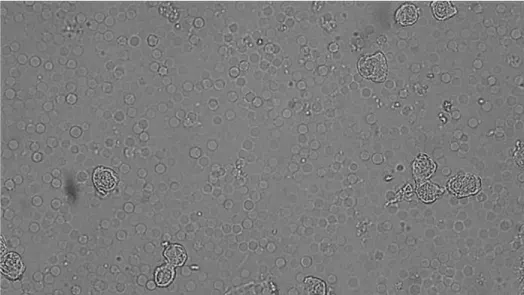
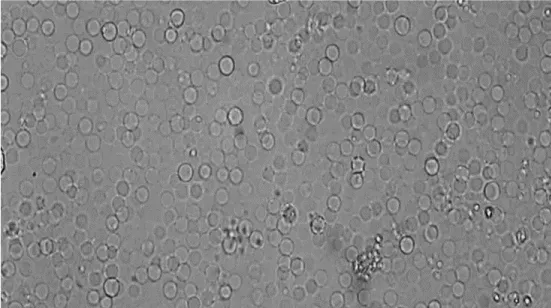
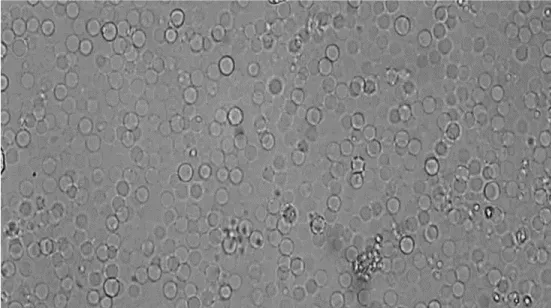
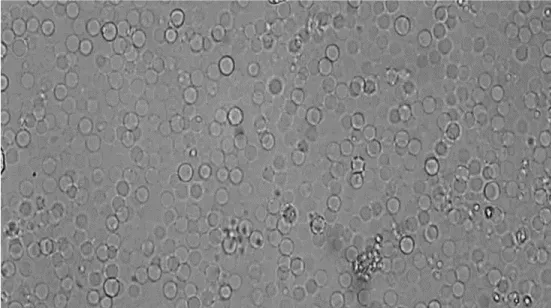
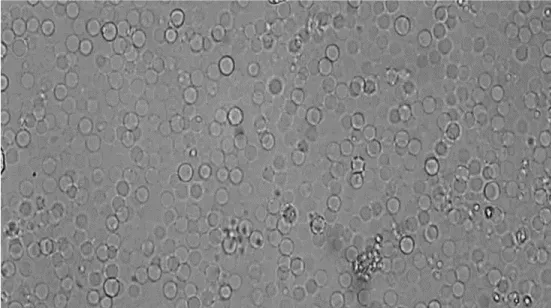
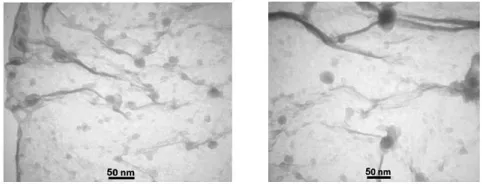
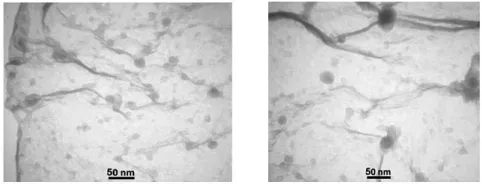
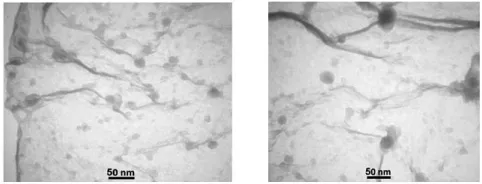
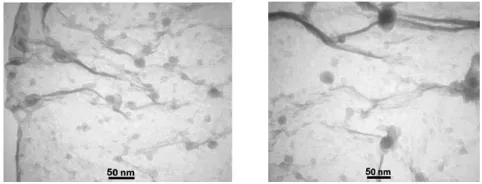
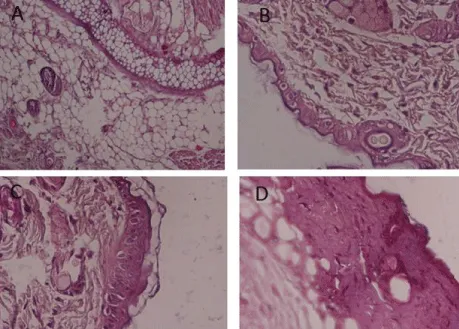
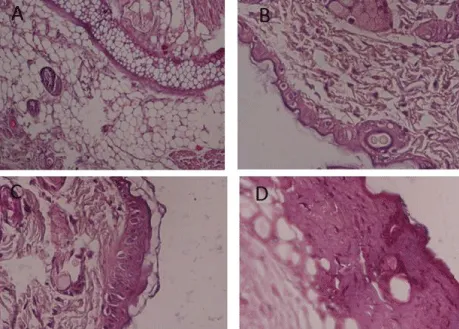
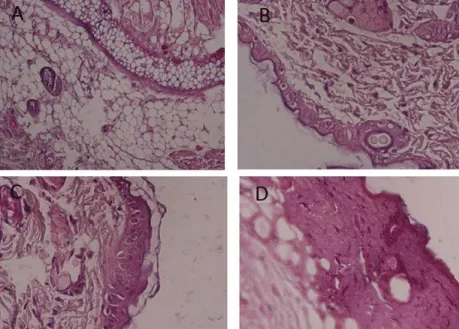
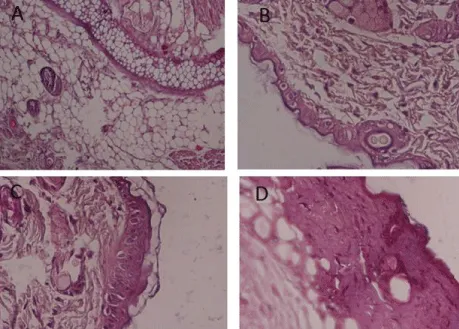
In this research, Clostridium septicum was cultured, and its alpha toxin was semi-purified using chromatography and ultrafiltration. The alpha toxin was encapsulated in PLGA polymer nanoparticles, and red blood cells were prepared from mice and turned into red blood cell silhouettes. The polymer nanoparticles were then enclosed in the red blood cell silhouettes using an extruder, and the size of the resulting nanoparticles was evaluated using electron microscopy. This study demonstrates successful encapsulation, detoxification, and uptake by macrophages, but immunogenicity remains to be evaluated in dedicated vaccination studies. The formulated nanotoxoid showed reduced local toxicity and evidence of biocompatibility in mice, supporting its potential as a candidate for future vaccine development. The manuscript now describes the platform as and application of an established nanotoxoid strategy to a distinct toxin, rather than presenting it as a new concept in nanotechnology.
Article Information
| Journal | Journal of Biomedical Research & Environmental Sciences (JBRES) |
|---|---|
| Article Type | Research Article |
| Published | 2025-12-30 |
| Volume / Issue | Vol. 6, Issue 12 |
| DOI | 10.37871/jbres2247 |
| Pages | 2017-2031 |
| License | CC BY 4.0 — Free to reuse with attribution |