Article Figures
View article figures, metadata, abstract and related content from this JBRES publication.
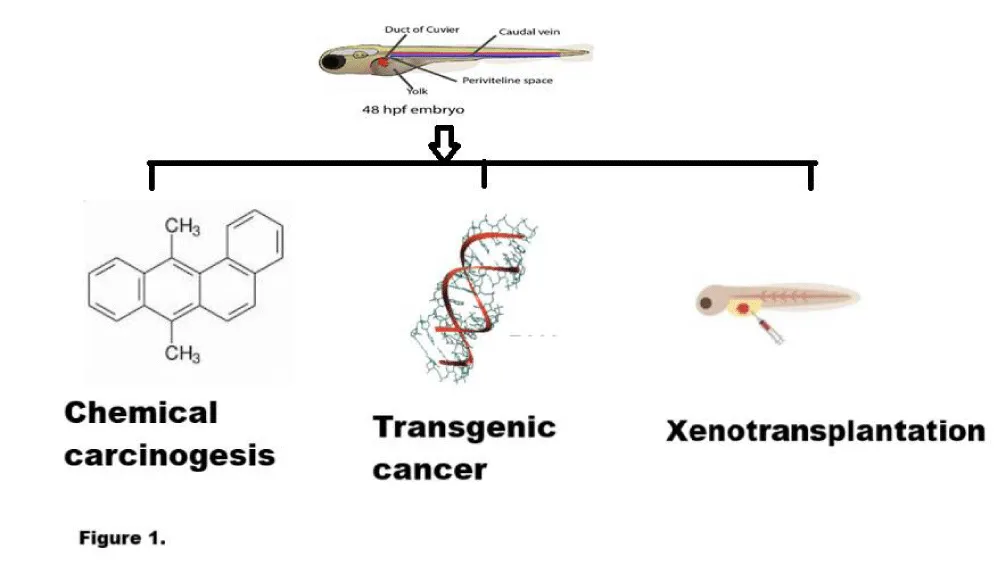
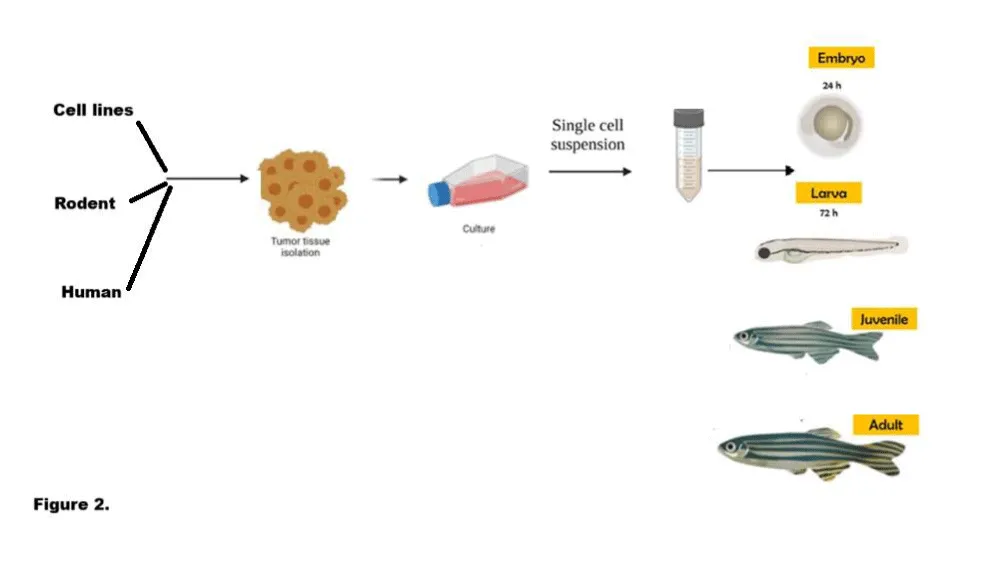
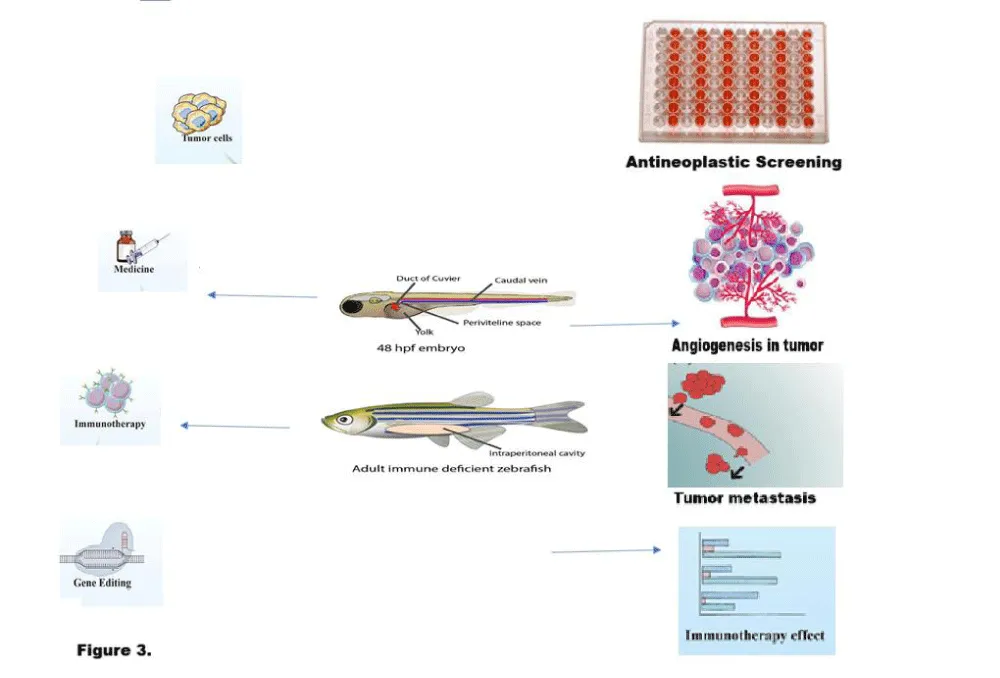
Article Figures (3)
Abstract
Rodent models have provided critical insights into the developmental biology of cancer cells and host responses to transformation. However, mortality from several malignancies remains high, underscoring the need for alternative animal models that allow the integrated study of cancer cell biology, developmental processes, and therapeutic interventions. The zebrafish has emerged as a powerful model owing to its rapid development, tractable genetics, suitability for in vivo imaging, and compatibility with chemical screening.
Multiple approaches-including genetic, xenograft, and chemical models- have been established in zebrafish to investigate alterations in molecular pathways, gene functions during cancer progression, and to evaluate novel anticancer agents. In particular, zebrafish xenograft models provide a low-cost, high-throughput platform that can be rapidly established with minimal sample requirements, making them highly attractive materials for cancer research. These models have been instrumental in exploring tumor proliferation, metastasis, and angiogenesis, while also enabling the study of drug pharmacokinetics, tumor–microenvironment interactions, and the prediction of personalized treatment efficacy.
Collectively, zebrafish models represent a versatile and translationally relevant system for studying tumor biology and accelerating the discovery and evaluation of anticancer therapeutics.
Article Information
| Journal | Journal of Biomedical Research & Environmental Sciences (JBRES) |
|---|---|
| Article Type | Review Article |
| Published | 2025-10-10 |
| Volume / Issue | Vol. 6, Issue 10 |
| DOI | 10.37871/jbres2198 |
| Pages | 1424-1431 |
| License | CC BY 4.0 — Free to reuse with attribution |