Article Figures
View article figures, metadata, abstract and related content from this JBRES publication.
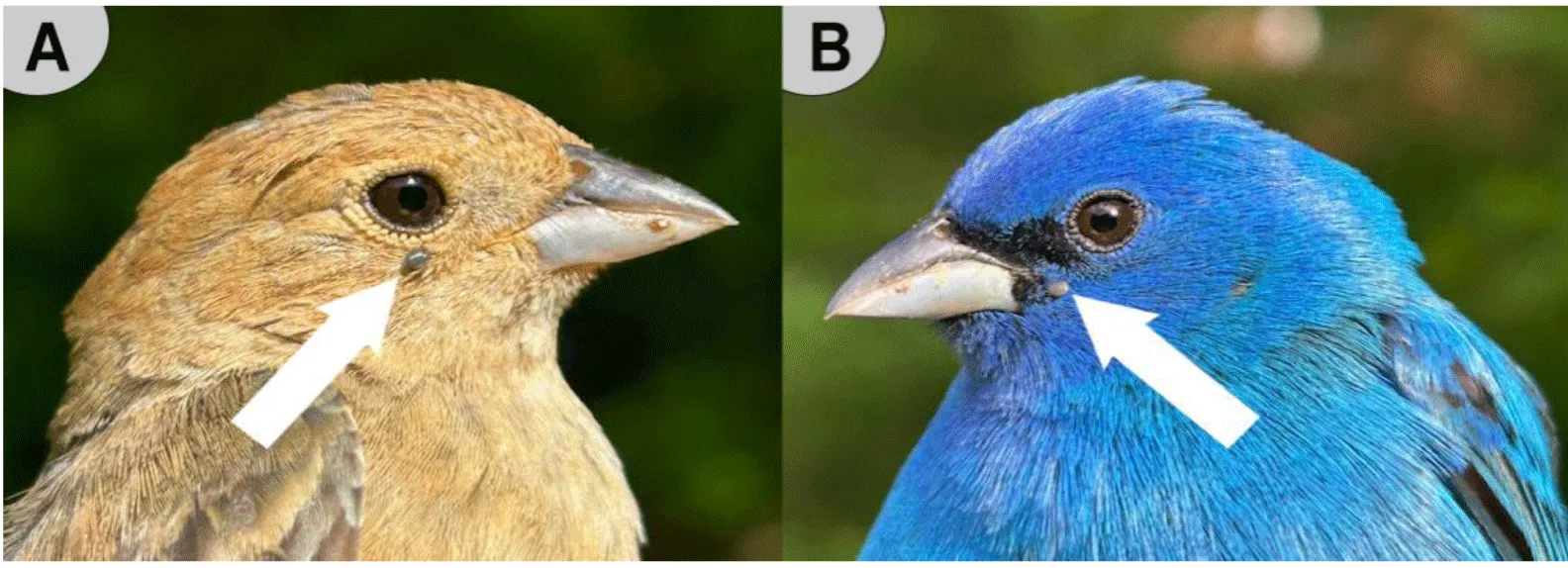
Article Figures (1)
Abstract
Tick-borne zoonotic diseases baffle clinicians and traumatize patients worldwide. We provide the first documentation of four different tick-borne zoonotic pathogens in an established population of blacklegged ticks, Ixodes scapularis, located in eastern Canada. Using real-time and nested PCR we detected 4 pathogens in I. scapularis adults as follows: Borrelia burgdorferi sensu lato (s.l.), 17/25 (68%); Babesia odocoilei, 10/25 (40%); Babesia microti, 2/25 (8%); and Anaplasma phagocytophilum, 3/25 (12%). In addition, we found B. burgdorferi s.l. and B. odocoilei juxtaposed in I. scapularis adults. Moreover, polymicrobial pathogens can be condensed in a single tick bite. Symptoms of human babesiosis caused by B. odocoilei are listed. Babesia odocoilei is a sequestering Babesia sp. that is recalcitrant to treat. Clinicians must be aware that this intraerythrocytic parasite is medically different to treat than the Lyme disease bacterium. Both of these tick-borne zoonotic diseases can be persistent, and often chronic. In reality, there is no such condition as “Post-Treatment Lyme Disease Syndrome (PTLDS).â€
Article Information
| Journal | Journal of Biomedical Research & Environmental Sciences (JBRES) |
|---|---|
| Article Type | Research Article |
| Published | 2025-12-13 |
| Volume / Issue | Vol. 6, Issue 12 |
| DOI | 10.37871/jbres2233 |
| Pages | 1852-1864 |
| License | CC BY 4.0 — Free to reuse with attribution |