CrossRef
 CrossMark
 Mendeley
 Scholar
Background
Autoimmune diseases frequently occur together in the same individual due to shared genetic, hormonal, epigenetic, and immunological pathways. This phenomenon is referred to as polyautoimmunity and has important implications for diagnosis and management [1]. Women are disproportionately affected due to hormonal influences and X-chromosome-related immune regulation.
Takayasu Arteritis (TAK) is a chronic granulomatous vasculitis affecting the aorta and its major branches and primarily affects young women [2-4-7]. Clinical manifestations include diminished pulses, vascular bruits, limb claudication, and hypertension.
Rheumatoid Arthritis (RA) is a systemic autoimmune disease characterized by persistent synovitis, symmetric joint involvement, and autoantibody production including anti-cyclic citrullinated peptide antibodies [8]. Autoimmune hypothyroidism, most commonly Hashimoto thyroiditis, is the most frequent organ‑specific autoimmune disease and may coexist with RA [9,10].
Case Presentation
A 45‑year‑old Sudanese woman presented with a one‑day history of severe watery diarrhea without blood or mucus accompanied by abdominal pain. She reported chronic symmetrical inflammatory joint pain involving the small joints of both hands with morning stiffness.
On examination she appeared ill. Cardiovascular examination revealed absent radial and brachial pulses bilaterally with audible carotid bruits. Blood pressure measured from the popliteal artery was 180/60 mmHg. Neck examination revealed a diffuse goiter.
Laboratory investigations showed ESR 80 mm/hr, positive anti‑CCP antibodies, TSH 35 mIU/L, and reduced T4 levels. Stool examination revealed Giardia trophozoites explaining the acute gastrointestinal symptoms.
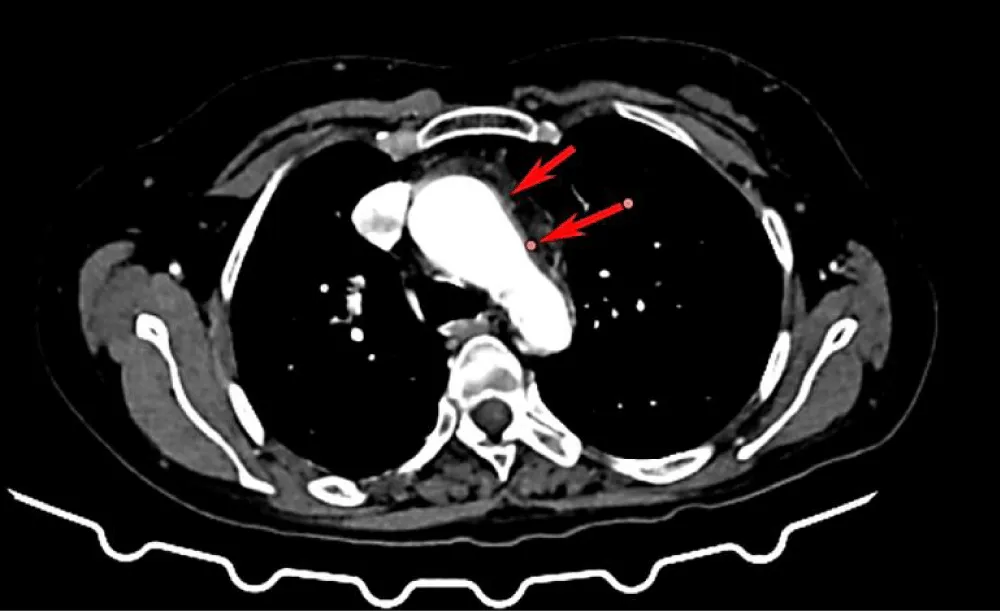
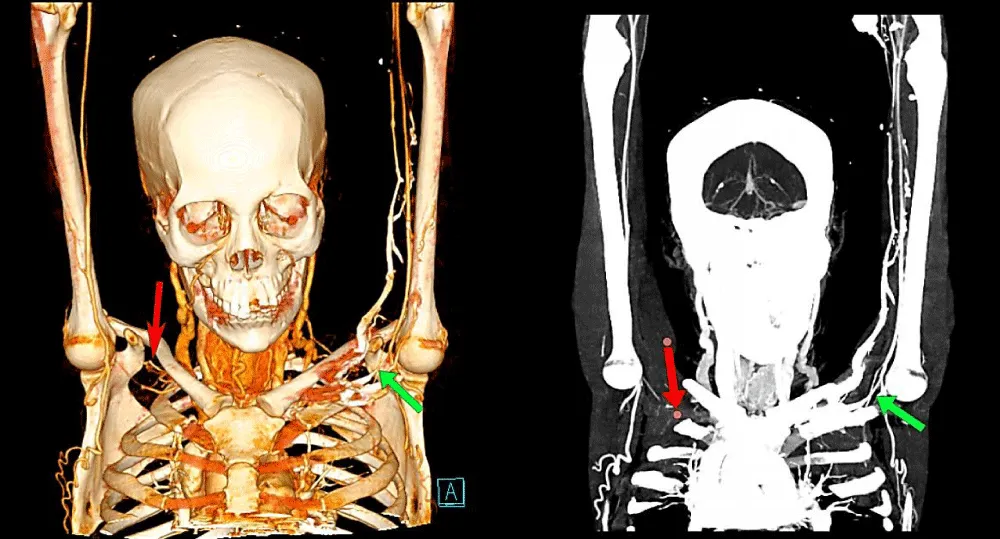
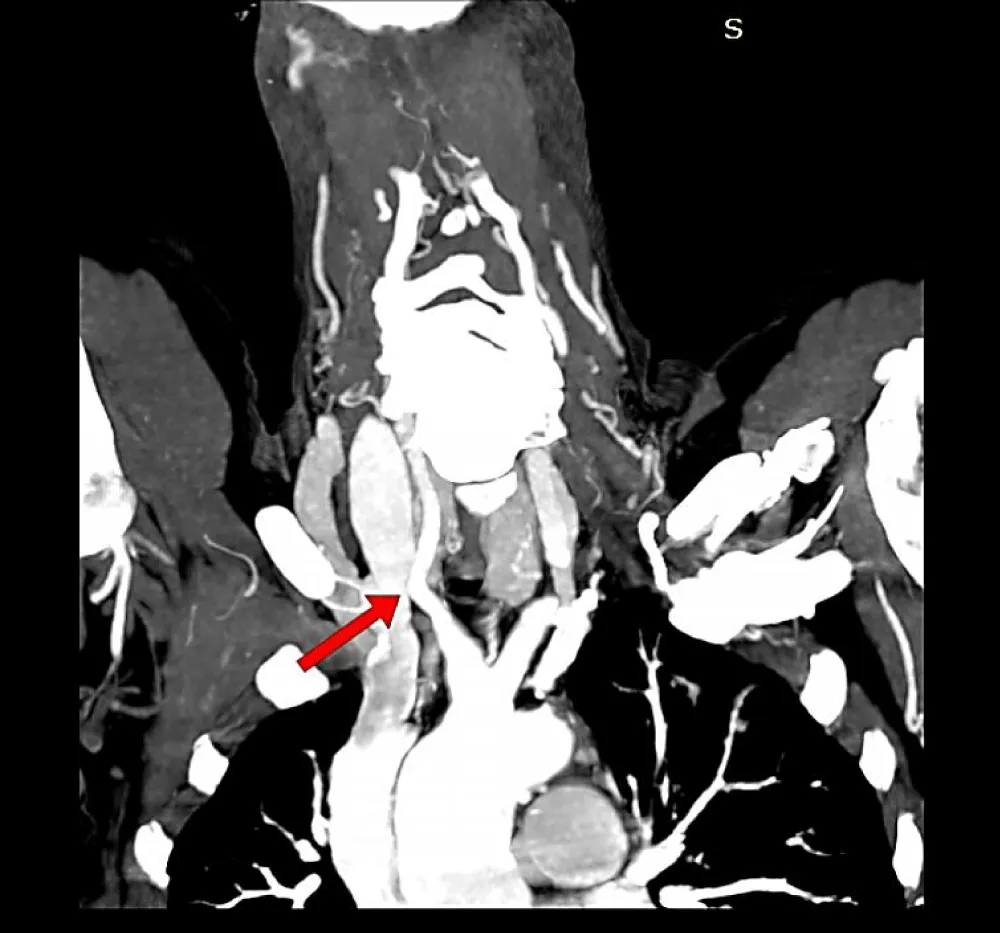
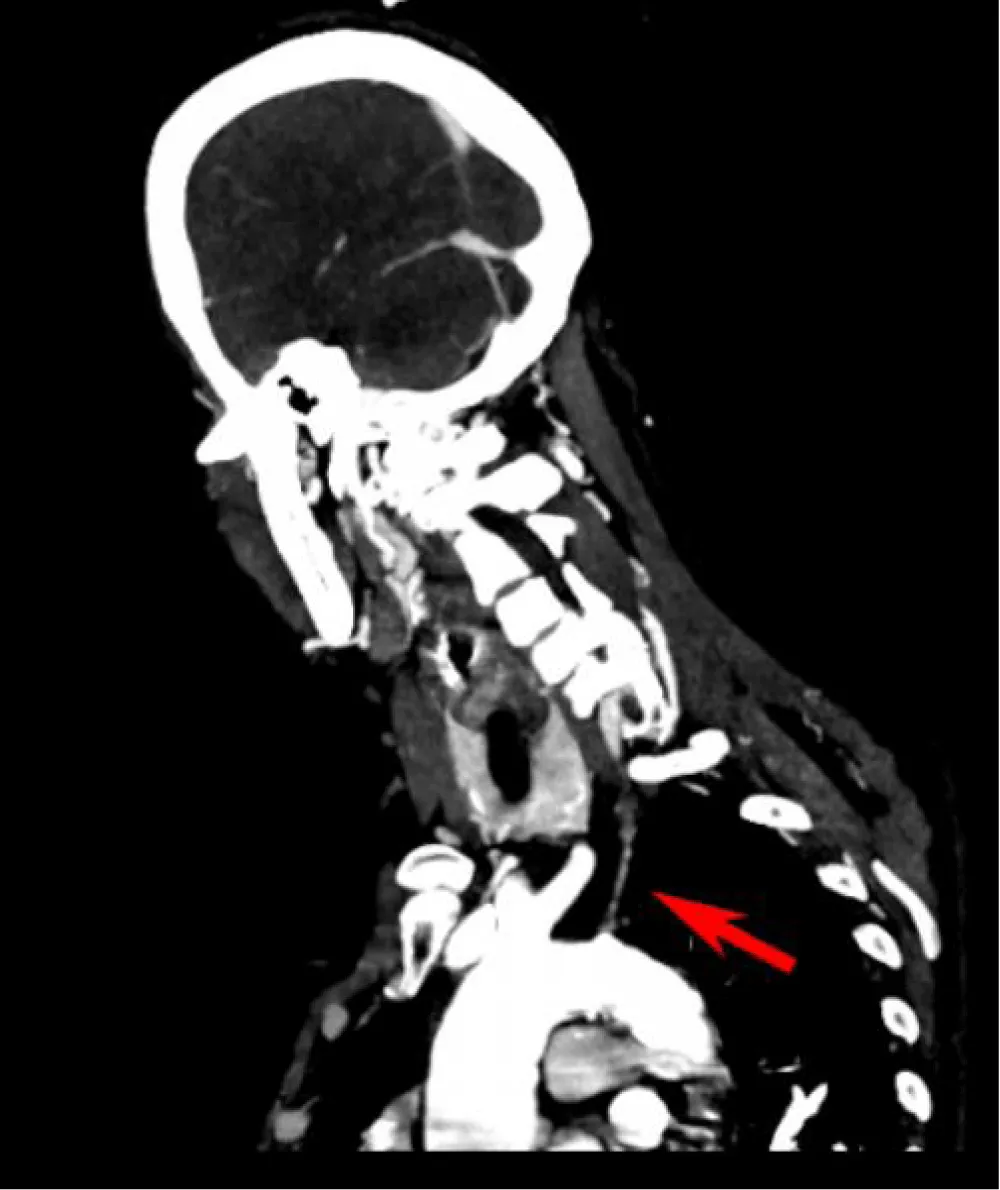
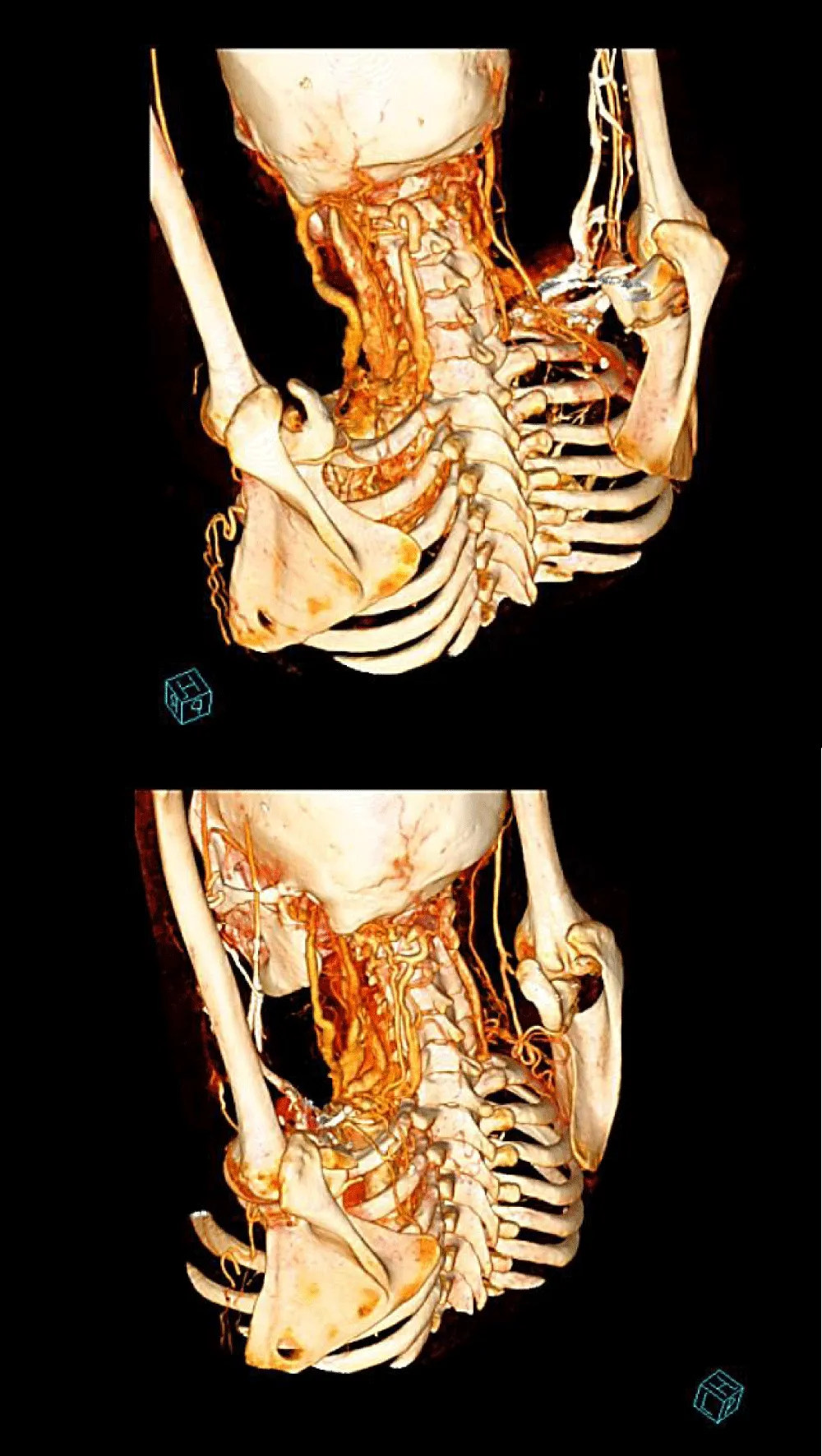
Computed tomography angiography demonstrated inflammatory thickening of the aortic arch with occlusion of the right subclavian artery, marked stenosis of the left subclavian artery, and extensive collateral circulation.
Based on clinical and imaging findings, Takayasu arteritis was diagnosed according to the American College of Rheumatology (ACR) classification criteria [11]. Rheumatoid arthritis was diagnosed according to the 2010 ACR/EULAR criteria supported by chronic symmetrical inflammatory arthritis and positive anti‑CCP antibodies. Thyroid function tests confirmed primary autoimmune hypothyroidism.
Management: The patient was treated with systemic corticosteroid therapy for Takayasu arteritis and disease‑modifying antirheumatic therapy for rheumatoid arthritis. Levothyroxine replacement therapy was initiated for hypothyroidism, and antiparasitic therapy was administered for giardiasis. The patient showed clinical improvement with reduction of inflammatory markers during follow‑up (Table 1).
| Test | Result |
| WBC | 15.8 × 10³/µL |
| ESR | 80 mm/hr |
| Hemoglobin | 14 g/dL |
| Platelets | 311 × 10³/µL |
| Anti‑CCP | Positive |
| ANA profile | Negative |
| TSH | 35 mIU/L |
| T4 | 0.34 |
| Stool exam | Giardia trophozoites |
Discussion
The coexistence of multiple autoimmune diseases reflects the concept of polyautoimmunity, where shared genetic susceptibility and immune dysregulation predispose individuals to more than one autoimmune disorder [1]. Several mechanisms have been proposed including common HLA haplotypes and overlapping inflammatory cytokine pathways such as IL‑6 and TNF‑α.
Previous reports have documented coexistence of Takayasu arteritis with rheumatoid arthritis. Nasu T, et al. [12] described cases where patients presented with features of both conditions, suggesting shared immunopathogenic mechanisms involving Th1 and Th17 immune responses [12-14].
Autoimmune thyroid disease is also frequently associated with rheumatoid arthritis. Studies have demonstrated a higher prevalence of autoimmune thyroid disorders among patients with RA compared with the general population [8-10]. Shared susceptibility genes such as HLA‑DRB1 and CTLA4 may contribute to this relationship.
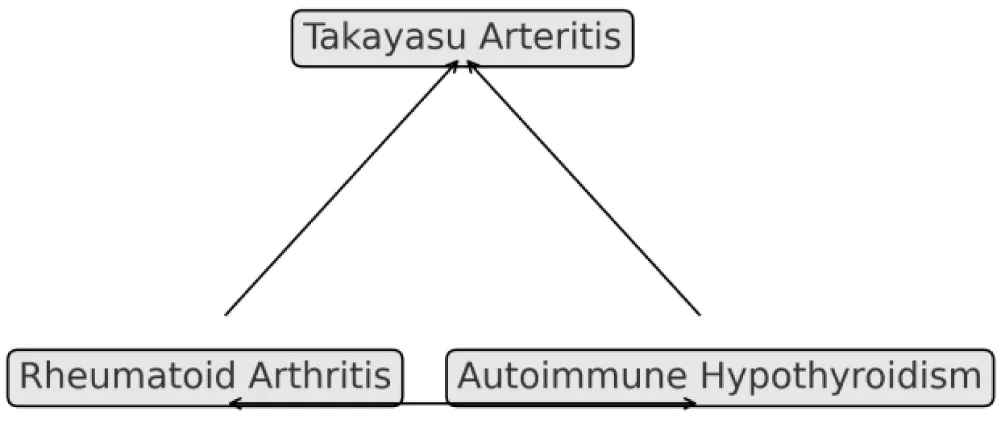
However, the simultaneous occurrence of Takayasu arteritis, rheumatoid arthritis, and autoimmune hypothyroidism is extremely rare. Reporting such cases contributes to better understanding of polyautoimmune syndromes and highlights the need for comprehensive multidisciplinary evaluation.
Conclusion
This case emphasizes the importance of considering polyautoimmunity in patients presenting with multisystem inflammatory manifestations and highlights the need for coordinated multidisciplinary care (Figures 1-6) [15,16].