
2025 December 13;6(12):1852-1864. doi: 10.37871/jbres2233.
-
Subject area(s):

 |
|
 |
|
 |
|

 Research Article
Zoonotic Pathogens Anaplasma phagocytophilum, Babesia microti, Babesia odocoilei, and Borrelia burgdorferi Sensu Lato Detected in Ixodes scapularis Ticks Collected at an Established Population in Eastern Canada
John D Scott* and Catherine M Scott
- Babesia odocoilei
- Blacklegged tick
- Endemic area
- Established population
- Fibrin-bonded entanglements
- Flagging
- Human babesiosis symptoms
- Ixodes scapularis
- Molecular analysis
- Pathogen detection
- Tick-borne pathogen
- Transovarial transmission
- Transstadial passage
Abstract
Tick-borne zoonotic diseases baffle clinicians and traumatize patients worldwide. We provide the first documentation of four different tick-borne zoonotic pathogens in an established population of blacklegged ticks, Ixodes scapularis, located in eastern Canada. Using real-time and nested PCR we detected 4 pathogens in I. scapularis adults as follows: Borrelia burgdorferi sensu lato (s.l.), 17/25 (68%); Babesia odocoilei, 10/25 (40%); Babesia microti, 2/25 (8%); and Anaplasma phagocytophilum, 3/25 (12%). In addition, we found B. burgdorferi s.l. and B. odocoilei juxtaposed in I. scapularis adults. Moreover, polymicrobial pathogens can be condensed in a single tick bite. Symptoms of human babesiosis caused by B. odocoilei are listed. Babesia odocoilei is a sequestering Babesia sp. that is recalcitrant to treat. Clinicians must be aware that this intraerythrocytic parasite is medically different to treat than the Lyme disease bacterium. Both of these tick-borne zoonotic diseases can be persistent, and often chronic. In reality, there is no such condition as “Post-Treatment Lyme Disease Syndrome (PTLDS).”
Introduction
Tick-borne zoonotic diseases induce untold veterinary, medical, and economic woes globally. Additionally, they cause profound family discord. The blacklegged tick, Ixodes scapularis (Acari: Ixodidae), is the primary vector of at least seven tick-borne zoonotic pathogens. They include the genospecies of the Lyme disease bacterium, Borrelia burgdorferi sensu lato (s.l.) complex [1], Babesia odocoilei [2,3], Babesia microti [4], Anaplasma phagocytophilum [5], Borrelia miyamotoi [6], Ehrlichia muris eauclairensis [7], and the virus of Powassan Virus Disease [8]. Of these human pathogens, B. odocoilei is the most recently discovered tick-borne zoonotic pathogen in humans [2,3].
By taxonomy, Babesia odocoilei (Apicomplexa: Piroplasnidae: Babesiidae) is an intracellular, red blood cell piroplasmid which is pathogenic to humans [2,3]. This intraerythrocytic microbe has wide distribution across North America [9], the United Kingdom [10], and European Union [11]. Babesia odocoilei is a sequestering Babesia sp. that is a virulent cousin of Plasmodium falciparum, a causative microorganism of malaria.
The main reservoirs of B. odocoilei are cervids (e.g., white-tailed deer, Odocoileus virginianus) [12,13] and, also, bighorn sheep, Ovis canadensis nelsoni [14]. Ornithologically, B. odocoilei has been detected in songbird-transported I. scapularis larvae and nymphs [9,15-21]. As well, B. odocoilei has been detected in brachial blood of songbirds [22]. Songbirds (Order: Passeriformes; Suborder: Passeri), especially neotropical songbirds, play a primary role in the wide dispersal of songbird-transported ticks. When I. scapularis larvae and nymphs molt to the next live stage, they can transmit B. odocoilei to humans, and initiate human babesiosis caused by B. odocoilei [2,3]. Since B. odocoilei is endogenous (living within a host) in various ground-frequenting songbirds, birds help to propagate the enzootic cycle of B. odocoilei, and other tick-borne zoonotic pathogens. Notably, during a Canada-wide, tick-host-pathogens study, acarologists found that the natural ratio of B. odocoilei to B. microti in I. scapularis adults to be 60:1 [9].
The prevalence of B. burgdorferi s.l. and B. odocoilei are closely balanced in I. scapularis ticks across North America. Scientists have found that the prevalence of these two pathogens (i.e., B. burgdorferi s.l., B. odocoilei) in I. scapularis nationwide to be 40% and 36%, respectively [9].
Babesia odocoilei evades and suppresses the host’s immune system, and produces life-long infections in immunocompetent hosts, including humans. Dementia, a common symptom of human babesiosis caused by B. odocoilei, is escalating at an exponential rate in Canada. Clinicians are either side-stepping this piroplasmid, or they are labeling it as dementia. Deeply troubling, patients often have nowhere to go for knowledgeable healthcare. From a medical standpoint, B. odocoilei requires a totally different antibabesial treatment regimen than other bacterial infections [9].
The primary aim of this tick-pathogen study was to determine the prevalence of four different tick-borne zoonotic pathogens in an established population of I. scapularis adults in Canada.
Material and Methods
Tick collection
Ixodes scapularis adults were collected by flagging a five-ha site in Lanark County which is located within the Canadian Shield in eastern Ontario. Red oak, Quercus rubra; white oak, Quercus alba; white ash, Fraxinus americana; and eastern white pine, Pinus strobus, were the primary tree species. Flagging focused along the edge of an arboreal area. This ecotone zone consisted of tree seedlings, sumac seedlings, serviceberry, ferns, and invasive Amur honeysuckle, Lonicera maackii. These berries are eaten by small mammals that act as suitable hosts.
Since acorns are high in carbohydrates and fats, white-tailed deer eat them to replenish their energy reserves. They are a favorite food in the late fall to help build up fat reserves for the leaner winter months. Deer are reservoirs of B. odocoilei, but on the flip side, deer are not reservoirs of B. burgdorferi s.l.
Ixodes scapularis adults were collected by flagging low-level, dry vegetation in late April 2025. Adults were put in a ziplock plastic bag, and later put in 2 mL micro tubes containing 95% ethyl alcohol. Ticks were sent to the laboratory (J.D.S.) to be identified. An Olympus stereoscopic microscope (SZX16) and authoritative taxonomic keys were used for confirmation of identification [23,24].
Molecular analysis
Ixodes scapularis adults were collected by flagging a five-ha site in Lanark County which is located within the Canadian Shield in eastern Ontario. Red oak, Quercus rubra; white oak, Quercus alba; white ash, Fraxinus americana; and eastern white pine, Pinus strobus, were the primary tree species. Flagging focused along the edge of an arboreal area. This ecotone zone consisted of tree seedlings, sumac seedlings, serviceberry, ferns, and invasive Amur honeysuckle, Lonicera maackii. These berries are eaten by small mammals that act as suitable hosts.
Since acorns are high in carbohydrates and fats, white-tailed deer eat them to replenish their energy reserves. They are a favorite food in the late fall to help build up fat reserves for the leaner winter months. Deer are reservoirs of B. odocoilei, but on the flip side, deer are not reservoirs of B. burgdorferi s.l.
Ixodes scapularis adults were collected by flagging low-level, dry vegetation in late April 2025. Adults were put in a ziplock plastic bag, and later put in 2 mL micro tubes containing 95% ethyl alcohol. Ticks were sent to the laboratory (J.D.S.) to be identified. An Olympus stereoscopic microscope (SZX16) and authoritative taxonomic keys were used for confirmation of identification [23,24]. All DNA extractions and PCRs were completed by Geneticks Inc. The primers and probes used in this study are listed in Table 1 below.
| Table 1: Primers and probes used to detect pathogens harbored by Ixodes scapularis ticks. | ||||||
| Genus/Species | Gene | PCR Type | Primer Name | Sequence(5'-3') | Amplicon Size | Reference |
| Borrelia spp. | 23s IGS | qPCR | Bb23Sf | cgagtcttaaaagggcgatttagt | 75 | [25] |
| Bb23Sr | gcttcagcctggccataaatag | |||||
| Bb23SProbe | FAM-AGATGTGGTAGACCCGAAGCCGAGTG-ECLIPSE | |||||
| Borrelia miyamotoi | flaB | qPCR | flaBf | CCTTCAAGTACTCCAGATCCATTG | 102 | [26] |
| flaBr | AACAAAGACGGCAAGTACGATC | |||||
| flabProbe | FAM-TGCAACAGTAGACAAGCTTGAGCT-ECLIPSE | |||||
| Anaplasma phagocytophilum | msp2 | Nested PCR | AnaP44OutL1-F | GTAGAAGAAACCGCCCTAAT | 850 | [27] |
| AnaP44OutL1-R | TCTATGTTGGTTTGGATTACAG | |||||
| MSP3F | CCAGCGTTTAGCAAGATAAGAG | 334 | [28] | |||
| MSP3R | GCCCAGTAACAACATCATAAGC | |||||
| Bsbesia microti | 18s rRNA | Nested PCR | Bab1 | CTTAGTATAAGCTTTTATACAGC | 238 | [29] |
| Bab4 | ATAGGTCAGAAACTTGAATGATACA | |||||
| Bab2 | GTTATAGTTTATTTGATGTTC | 155 | ||||
| Bab3 | AAGCCATGCGATTCGCTAAT | |||||
| Babesia odocoilei | 18s rRNA | Nested PCR | Bab306R_RCF | TTTCTGCGTCACCGTATT | 331 | [30] |
| BabGenlnR2 | ACGACGGTATCTGATCGTCT | 311 | [27] | |||
| odo563 | CCGTATTTTGACTTTTGTCGACTGT | 311 | ||||
| BabGeninR1 | TCTGATCGTCTTCGATCCCC | |||||
| Bartonella spp. | RibC | Nested PCR | RibC-1F | CGGATATCGGTTGTGTTGAA | 309 | [31] |
| RibC-1R | CATCAATRTGACCAGAAACCA | |||||
| RibC-2F | GCATCAATTGCTTGTTCA | 185 | ||||
| RibC-2R | CCCATTTCATCACCCAAT | |||||
Adult ticks were bisected longitudinally. Each half was homogenized by beating a 400 µl DNA/RNA shield (ZymoResearch) with a mix of 2.3 mm and 0.1 mm Zirconia/Silica beads (BioSpec Products). Samples were subjected to two subsequent runs for 5 min at 2400 RPM in a Mini-Beadbeater-96 (BioSpec Products). Total nucleic acid was isolated from homogenized tick halves using the Quick-DNA/RNA Pathogen Miniprep (Zymo Research) following the manufacturer’s instructions.
A combination of real-time PCR and nested PCR assays were used for pathogen detection. All samples were tested for the presence of Borrelia spp., Borrelia miyamotoi, A. phagocytophilum, B. microti, B. odocoilei, and Bartonella spp. All Borrelia testing was performed using real-time PCR in 30 µl reaction volumes using 15 µl of PC RBIO Probe Blue Mix (PCRBiosystems). Subsequently, 800 nM of both forward and reverse primers, 250 nM of probe, and 10 µl of extracted total nucleic was used as the template. Reactions were subjected to an initial denaturation of 8 min at 95°C followed by 40 cycles at 95°C for 10 sec, and 60°C for 30 sec. Real-time PCR reactions were performed using a Stratagene Mx3005P qPCR machine (Agilent Technologies).
Samples testing positive for Borrelia spp., but negative for B. miyamotoi, were considered positive for B. burgdorferi s.l. Samples that tested negative for both Borrelia spp. and B. miyamotoi were considered negative for all Borrelia spp. Detection of A. phagocytophilum, B. microti, B. odocoilei, and Bartonella spp. was performed by nested PCR in 25 µl reaction volumes using 12.5 µl of 2x Taq FroggaMix (Frogga Bio Scientific Solutions). Next, 400 nM of both forward and revere primers, and 2 µl of template. The outer reaction conditions for A. phagocytophilum included an initial denaturation of 95°C for 10 min followed by 35 cycles of 95°C for 30 sec, 53°C for 30 sec, 72°C for 1 min, and a single final extension of 72°C for 10 min. The inner rection conditions were identical, except annealing which was performed at 55°C, and 40 total reaction cycles were used. The outer reaction conditions for B. odocoilei included an initial denaturation at 95°C for 10 min, followed by 40 cycles at 95°C for 30 sec, then 58°C for 30 sec, 72°C for 30 sec, and a single final extension of 72°C for 10 min. The inner reaction state was identical, except annealing was performed at 63°C for 15 sec, and extension was performed at 72°C for 20 sec. Both outer and inner reaction conditions for B. microti included an initial denaturation at 95°C for 10 min, followed by 35 cycles of 95°C for 30 sec, 55°C for 30 sec, 72°C for 30 sec, and a sole final extension of 72°C for 10 min. For Bartonella spp., the outer reaction included an initial denaturation at 95°C for 10 min, followed by 40 cycles at 95°C for 30 sec, 57°C for 30 sec, 72°C for 60 sec, and a solitary final extension of 72°C for 10 min. The inner reaction was identical, except the annealing temperature was 52°C, and the extension time was reduced to 30 sec. All nested PCR reactions were performed in a MJ Research PTC-225 Tetrad Thermocycler (BioRad).
Results
Tick collection
A total of 25 I. scapularis adults (14 females, 11 males) were collected by flagging low-level vegetation and brush.
Molecular analysis
The infection prevalence of the four tick-borne zoonotic pathogens is provided as follows: Borrelia burgdorferi sensu lato, 17/25 (68%); Babesia odocoilei, 10/25 (40%); Babesia microti, 2/25 (8%); and Anaplasma phagocytophilum, 3/25 (12%).
In the present tick-pathogen study, we had six co-infections and, of these, four were B. burgdorferi sensu lato—B. odocoilei co-infections. One was a B. burgdorferi s.l.—B. microti co-infection, and one was a B. burgdorferi s.l.—A. phagocytophilum co-infection.
Clearly, 25 ticks were adequate to detect the 4 pathogens, and determined their prevalence. Statistical analysis was not applicable.
With the presence of 4 different tick-borne zoonotic pathogens, we reveal why patients do not get better with standard Lyme disease treatments.
In this hyperendemic area, people have a higher risk of becoming infected with tick-borne zoonotic pathogens when bitten by an I. scapularis tick. Whenever transovarial transmission occurs in forest-dwelling areas, there can certainly be an increase in the infection prevalence of B. odocoilei.
Discussion
The origin of piroplasmids and ticks date back to ~300 Ma. Since then, B. odocoilei has honed its genome to adapt to certain Ixodes spp. (i.e., I. scapularis), and current weather conditions in a temperate zone. In order to get a better understanding of the pathophysiology of B. odocoilei, we reviewed the scientific literature of veterinary Babesia and Plasmodium falciparum malaria. Once human babesiosis caused by B. odocoilei establishes in the body, and becomes chronic, it can become a life-threating infection.
Alternative modes of transmission of Babesia odocoilei
Babesia odocoilei has various means of transmission, via natural and man-made portals. Within I. scapularis ticks, B. odocoilei is stored in the salivary glands just posterior to the base of the hypostome. When the tick bites, B. odocoilei is promptly transferred to the host. Babesia odocoilei may also be transmitted by blood transfusion [32], and by organ transplantation [33]. Also, it may be transmitted by maternal-fetal transmission [34-37].
Babesia odocoilei employs highly specific survival strategies
Ixodes scapularis females store B. odocoilei kinetes in their salivary glands. When a B. odocoilei-infected I. scapularis bites its host, kinetes are transmitted very quickly. Transmission is similar to the virus of Powassan Disease Virus, which, likewise, is stored in the tick salivary glands. This transmission can occur in 15 minutes. On the other hand, the midgut can hold an amalgam of pathogens (e.g., B. burgdorferi s.l.) and, upon a tick bite, crosses the epithelium (midgut outer tissue). These pathogens slowly migrates to the salivary glands and, subsequently, are expelled via the hypostome. The journey of B. burgdorferi s.l. is longer, and slower that B. odocoilei. If B. odocoilei is commingling with certain pathogens, such as Powassan virus, B. odocoilei may be transmitted promptly. When the I. scapularis tick begins to feed, the kinetes transmute into infected sporozoites. These sporozoites convert quickly to infected trophozoites. Gradually, they advance to infective merozoites, and they change the pathophysiology of the arterial system of the host. At the same time, fibrinogen converts to fibrin, and adheres to the walls of the blood vessels (endothelium). This process, called cytoadherence, permits fibrin to adhere to the endothelium [38]. Synonymously, fibrin combines with uninfected red blood cells (uRBCs) and infected red blood cells (iRBCs). All together (fibrin, uRBCs, and iRBCs) propagates fibrin-bonded entanglements in capillaries―this process fulfills sequestration [39].
Fibrin-bonded entanglements block capillaries
In time, capillaries and venules become partially or completely occluded. Such blockage depletes the body of oxygen and nutrients. A sequestering Babesia sp., such as B. odocoilei, propagate fibrin-bonded entanglements, especially in the brain, which has the smallest capillaries. Tiny capillaries in the brain, intestines, and lungs exacerbate cytoadherence and sequestration. Remarkably, cytoadherence and sequestration are highly effective modes of evading the spleen and the circulating immune system and, thus, produce chronic infection. Deep-seated fibrin-bonded entanglements are the key obstructive mechanisms, and are the persistence factor in sequestering Babesia spp. Both Lyme disease and human babesiosis can be persistent in the human body.
Transovarial transmission in Ixodes scapularis
Babesia odocoilei belongs to the Babesia sensu stricto lineage, which is characteristic of Babesia spp. that facilitates transovarial transmission (gravid female to eggs to larvae) [39,40]. Kinetes pass through these developmental life stages without a B. odocoilei-infected host. During each molt, B. odocoilei then undergo transstadial passage (larva to nymph &/or nymph to adult) [40,41]. In the case of B. odocoilei-infected I. scapularis, larvae, nymphs and gravid females do not need an infected host to acquire infection because they are already infected. This babesial piroplasmid passes easily to the next generation. Infective gravid females can perpetuate B. odocoilei for several generations.
Coincidently, scientists collected a B. odocoilei-infected I. scapularis from a North American porcupine, Erethizon dorsatum, in the same geographic location as the current established population [20].
Songbirds involved in an established population
Neotropical songbirds play an integral role in the wide dispersal of songbird-transported ticks [9,15-21]. At the collection site, ground-foraging songbirds play key roles in the enzootic cycle of tick-borne zoonotic pathogens (Figure 1). Scientists have detected B. burgdorferi s.l., B. odocoilei and A. phagocytophilum in brachial blood of passerines during the nesting period [42]. When fully engorged larvae and nymphs drop from their hosts, they must go through a molt of 5 to 8 wk before they are ready to take the next blood meal from avian or mammalian hosts, including humans. Thus, when people become infected, the enzootic cycle becomes an epizootic cycle. Ixodes scapularis juveniles and females can transmit tick-borne zoonotic pathogens, such as co-infections of B. burgdorferi s.l. [1] and B. odocoilei [2,3]. During bimodal spring and fall migration, tick-infected songbirds move across borders. During fall migration, neotropical songbirds can transport juvenile I. scapularis as far south as the Caribbeans, Central America, and the northern part of South America.
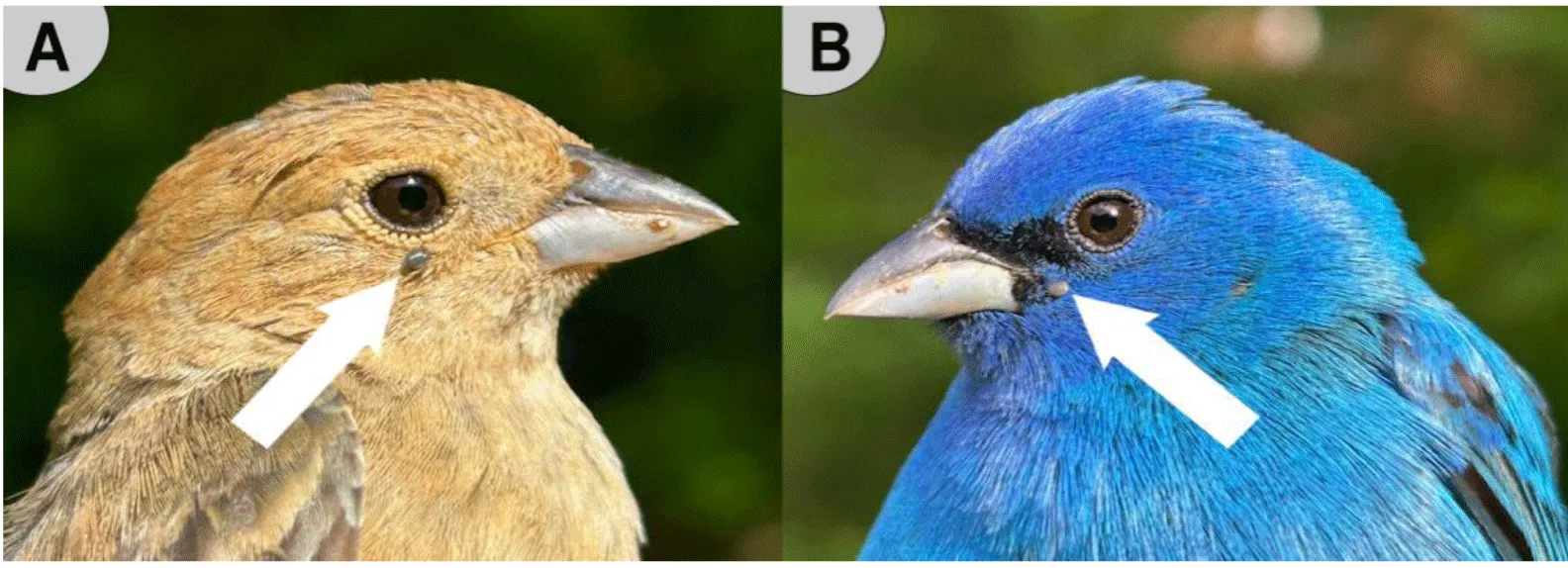
When an I. scapularis larva or nymph, which has parasitized passerines, becomes positive for B. odocoilei, we suggest that these juveniles acquired the infection from the blood of the bird. However, these juvenile I. scapularis can also become infected with B. odocoilei via transovarial transmission. Since the present collection site in Lanark County is a May-June nesting area, this woodland habitat is part of the enzootic transmission cycle of B. burgdorferi s.l., B. odocoilei, and A. phagocytophilum.
Co-infections and polymicrobial treatment
Co-infections and polymicrobial treatments are complex. First, ticks need to be tested for tick-borne zoonotic pathogens. If a person has a co-infection of B. burgdorferi s.l. and B. odocoilei, the later will block the recovery of a Lyme disease patient doing solo Lyme disease treatment [43]. Borrelia burgdorferi s.l. is a spirochetal bacterium, whereas B. odocoilei is a red blood cell piroplasmid. In the present study, we encountered 6 co-infections and, of these, four were B. burgdorferi s.l. and B. odocoilei co-infections. These two tick-borne zoonotic pathogens require much different treatment than a solo regimen.
In the pioneer days of Lyme disease, public health officials decided that they would label hard-to-treat Lyme disease cases as Post-Treatment Lyme Disease Syndrome (PTLDS). In the present study, we provide a bona fide explanation of why PTLDS does not exist. Recognizing co-infections and polymicrobial infection epitomizes the essential need for quick action, and thorough testing for tick-borne zoonotic pathogens.
Babesia odocoilei-infected Ixodes scapularis females induce public health risk
Ixodes scapularis can remain infective B. odocoilei for generations without feeding on infected hosts. In counterpoint, both B. microti (a non-sequestering Babesia sp.) and B. burgdorferi s.l. are not transmitted transovarially. Therefore, uninfected I. scapularis larvae must feed on an infected host to become infected nymphs.
Babesia odocoilei-infected I. scapularis females can greatly amplify B. odocoilei within a humid, arboreal habitat. When a gravid I. scapularis female lays a mass of 1,000 eggs on the forest floor, a new generation of B. odocoilei-infected ticks may be borne. Since these larvae can start the transmission of B. odocoilei one step sooner via transovarial transmission, the prevalence increased greatly. As a result, B. odocoilei-infective I. scapularis amplifies a severe epidemiological health risk, especially for people who visit forest-dwelling habitats during temperate months. Because of their minute size (0.75 mm), larvae are extremely difficult to detect [21]. In other words, I. scapularis larvae hatched from a mass of eggs laid by a B. odocoilei-infected female, will create a danger zone, especially for picnickers or children resting on the ground. Without tick repellant, people frequenting a shady, wooded area in temperate months (above zero °C, and no snow cover) encounter a heighten health hazard via a tiny tick bite.
Symptoms of human babesiosis caused by Babesia odocoilei
Based on morbidity, we categorize the symptoms of human babesiosis caused by B. odocoilei into two sequential categories, namely early-onset and late-onset (Table 2).
| Table 2: Symptoms associated with human babesiosis caused by Babesia odocoilei. | ||
| Early-onset of symptoms: may occur in the first 6 months | ||
| unremitting fatigue | sweats (especially at night) | cognitive impairment |
| sluggishness in head | ischemic (slow blood circulation) | lack of reading comprehension |
| amplified thirst | sleep disturbance/insomnia | clumsiness/poor balance |
| pronounced inflammation | anxiety, tearfulness | headaches/head pressure |
| numbness in fingers/face | constipation, lethargic bowels | anhedonia (inability to feel joy) |
| increased blood pressure | dysphoric (intense uneasiness) | urinary hesitancy |
| difficult remembering | unsteady gait/lack of balance | air hunger, shortness of breath |
| cognitive impairment | hampered reading retention | chills, heat and cold intolerance |
| fluctuation of emotions | sore eyes/unexplained pain | disorientation/delirium |
| nausea/abdominal pain | periods of being in a daze | liver ache (especially at night) |
| muscle ache/joint pain | pathogen-induced depression | irritability/ aggression/rage |
| panic attack/feel scared | weird/wild dreams | loss of interest in hobbies |
| Late-onset of symptoms: typically occur after 6 months | ||
| muscle weakness | poor stamina | major depression |
| dizziness/blurred vision | chronic encephalitis | coma/ stroke/seizures |
| dysautonomia, nervousness | memory loss, dementia | white matter hyperintensities |
| peripheral neuropathy | severe hemolysis | motion sickness/difficulty walking |
| intolerance to physical activity | suicidal/homicidal ideation | dyslexia (trouble reading/writing) |
| intolerance of mental exertion | nightmares, hallucinations | restless legs/muscle spasm/shakes |
As cytoadherence and sequestration develop, human babesiosis patients have severe exertional intolerance, chronic encephalopathy and, in some cases, have fatal outcomes (Daniel Cameron, MD). Since B. odocoilei is a sequestering Babesia sp., fibrin-bonded entanglements will occlude capillaries and post-capillary venules by forming self-contained, self-perpetuating colonies. Notably, this disease is recalcitrant to treat [2,3]. On the contrary, B. microti is a non-sequestering Babesia sp., and is normally less difficult to treat. Some patients are diagnosed with dementia until they are properly re-assessed with human babesiosis caused by B. odocoilei [2,3].
Clinicians have no explanation
Alarmingly, when a clinician is not familiar with human babesiosis caused by B. odocoilei, they label the patient with a medley of different diseases, such as chronic fatigue syndrome, psychotic depression, POTS, mast-cell activation syndrome, fibromyalgia, multiple sclerosis, Alzheimer’s disease, dementia, unexplained autoimmune disease issues, psychiatric illnesses, schizophrenia, Rasmussen’s syndrome, and more. Anyone with a known or suspected tick bite often assume that the pathogen is Lyme disease. Unfortunately, this default treatment only works part of the time with I. scapularis tick bites. Scientists have found that I. scapularis is just as apt to be infected with B. odocoilei as B. burgdorferi s.l. [9].
Sequestering Babesia spp. are notorious for clogging capillaries, and gradually decelerating the function of mitochondria―the body’s energy factories. Because of the ongoing presence of B. odocoilei toxins, production of ATP is greatly hindered. Physical and mental activity quickly exhaust the available ATP. During rest and sleep, humans rejuvenate somewhat with their ATP, but after waking, activity promptly utilizes it. This is the pattern of fatigue in patients with human babesiosis caused by B. odocoilei [2,3,9,44].
Similar to Lyme disease, piroplasmosis becomes chronic when it is fully established throughout the body [45]. The arbitrary time for pronounced symptoms is considered to be 6 months. Based on extensive medical experience, a prolonged antibabesial therapy is required for a cure. Clinicians typically use an antibiotic (i.e., doxycycline) to treat tick bites. Unfortunately, this default treatment only works haphazardly. For multiple reasons, a single-dose doxycycline does not work [46]. Not only does B. burgdorferi s.l. persist in deep-seated niches, it resides in many body tissues. Borrelia burgdorferi s.l. has at least 4 diverse forms, plus a biofilm. Borrelia burgdorferi s.l. sequesters in scar tissue, cartilage, brain, eye, and neuronal and glial cells [47-49]. On the other hand, sequestering Babesia spp. (i.e., Babesia canis, B. odocoilei) elude single-dose doxycycline. A co-infection, which has B. odocoilei, does not respond to doxycycline. In one particular tick study, four different pathogens were detected in a single I. scapularis adult [50]. Tick-borne polymicrobial infections are common in patients, but infrequently reported [51]. When patients have polymicrobial infections, clinicians must use a multiplex antimicrobial regimen. Unquestionably, B. odocoilei stalls Lyme disease recovery.
At autopsy, researchers recently detected B. odocoilei in the brain of a 2-yr-old boy residing in Ontario, Canada and, tragically, he had a fatal outcome [52].
Medically, B. odocoilei is a parasite that doxycycline does not treat. Symptoms of human babesiosis caused by B. odocoilei can be wide-ranging (Table 2), and difficult for healthcare practitioners to recognize. Testing with a reputable health laboratory is fundamental. A missed or delayed diagnosis can be costly and life-destroying [53].
Conclusion
Babesia odocoilei is one tick-borne zoonotic pathogen that can be passed from one generation to the next. Transmission is done by storing B. odocoilei in the ovaries of an I. scapularis female and, subsequently, in rudimentary ovaries of future developmental life stages. When a person is bitten by an I. scapularis tick, they should have the tick tested for tick-borne zoonotic pathogens, especially B. burgdorferi s.l. and B. odocoilei. Ixodes scapularis has a phenomenal ability to multiply B. odocoilei infectivity, especially in established populations.
We show that there is no such medical condition as PTLDS. A tick bite with tick-borne zoonotic pathogens can result in debilitating and fatal outcomes. Whenever someone is having an organ transplantation, patients should have testing for tick-borne pathogens. Likewise, when a donor gives blood, and the recipient receives a blood transfusion, both recipient and donor bloods need to be tested for tick-borne pathogens. If a pregnant person is bitten by a tick during pregnancy, the mother needs to have the cord blood and the placenta tested for tick-borne zoonotic pathogens.
Clinicians must have a polymicrobial regimen to treat polymicrobial infections in people. Patients with human babesiosis caused by B. odocoilei typically exhibit the biomarkers of dementia, and this zoonosis becomes an energy-draining and brain-altering disease. This flagship study re-affirms that anyone can acquire Borrelia burgdorferi sensu lato, Babesia odocoilei, Anaplasma phagocytophilum, and Babesia microti from Ixodes scapularis. Early treatment is vital for full recovery. Moreover, B. burgdorferi and B. odocoilei are often co-infections, and provides further evidence that Lyme disease can be persistent.
Acknowledgments
Ethical consideration
Ethical approval is not required to flag for ticks.
Authors’ contribution
Conceptualization and design: JDS and CMS. Collection and methodology: JDS. Formal analysis: JDS and CMS. Drafting of manuscript: JDS and CMS.
Both authors read and approved the final version of the scientific manuscript.
Competing financial and investment interests
The authors declare that they have no competing financial or investment interests relating to this tick-pathogen study.
Funding
This biological and molecular research is dedicated in honor of the late Dr. Laverne Kindree and his wife Mrs. Norma Kindree (centenarian in 2025) of Squamish, BC. During the late 1980s and 1990s, Dr. and Mrs. Kindree were forerunners in pioneering tick research and, at the same time, supported clinical acumen of tick-borne zoonotic diseases in BC. We are most grateful to their daughter, Ms. Diane Kindree, who has honored her parents by being a philanthropic contributor to this novel, tick-pathogen study. Likewise, we sincerely thank Ms. Sharleine Haycock for the philanthropic donation to this innovative study.
Recognition
We thank a local resident at the site for collecting ticks. We are indebted to Alicia Koechl for helping to compile and type the Excel spreadsheet of ticks. We are thankful that Glenn Funk helped with the computer graphics. We are grateful to Justin Wood for testing ticks for tick-borne zoonotic pathogens. We are obliged to Nancy Furber for allowing us to show her photos of Indigo Bunting: Nancy Furber retains the ownership of these photos.
References
- Burgdorfer W, Barbour AG, Hayes SF, Benach JL, Grunwaldt E, Davis JP. Lyme disease—a tick-borne spirochetosis? Science. 1982 Jun 18;216(4552):1317-9. doi: 10.1126/science.7043737. PMID: 7043737.
- Scott JD, Sajid MS, Pascoe EL, Foley JE. Detection of Babesia odocoilei in humans with babesiosis symptoms. Diagnostics (Basel). 2021 May 25;11(6):947. doi: 10.3390/diagnostics11060947. PMID: 34070625; PMCID: PMC8228967.
- Scott JD. Human babesiosis caused by Babesia odocoilei: A confirmed zoonosis. Am J Inf Dis. 2024;20:50-51.
- Western KA, Benson GD, Gleason NN, Healy GR, Schultz MG. Babesiosis in a Massachusetts resident. N Engl J Med. 1970 Oct 15;283(16):854-6. doi: 10.1056/NEJM197010152831607. PMID: 4989787.
- Dumler JS, Choi KS, Garcia-Garcia JC, Barat NS, Scorpio DG, Garyu JW, Grab DJ, Bakken JS. Human granulocytic anaplasmosis and Anaplasma phagocytophilum. Emerg Infect Dis. 2005 Dec;11(12):1828-34. doi: 10.3201/eid1112.050898. PMID: 16485466; PMCID: PMC3367650.
- Sroda Agudogo J, Febres-Cordero D, Collier AY. A day in the woods in pregnancy: Fetal and neonatal implications. Neoreviews. 2025 Jan 1;26(1):e57-e61. doi: 10.1542/neo.26-1-006. PMID: 39740171.
- Pritt BS, Allerdice MEJ, Sloan LM, Paddock CD, Munderloh UG, Rikihisa Y, Tajima T, Paskewitz SM, Neitzel DF, Hoang Johnson DK, Schiffman E, Davis JP, Goldsmith CS, Nelson CM, Karpathy SE. Proposal to reclassify Ehrlichia muris as Ehrlichia muris subsp. muris subsp. nov. and description of Ehrlichia muris subsp. eauclairensis subsp. nov., a newly recognized tick-borne pathogen of humans. Int J Syst Evol Microbiol. 2017 Jul;67(7):2121-2126. doi: 10.1099/ijsem.0.001896. Epub 2017 Jul 12. PMID: 28699575; PMCID: PMC5775894.
- Anderson JF, Armstrong PM. Prevalence and genetic characterization of Powassan virus strains infecting Ixodes scapularis in Connecticut. Am J Trop Med Hyg. 2012 Oct;87(4):754-9. doi: 10.4269/ajtmh.2012.12-0294. Epub 2012 Aug 13. PMID: 22890037; PMCID: PMC3516331.
- Scott JD, Scott CM. Molecule detection of Borrelia burgdorferi sensu lato, Borrelia miyamotoi, Babesia odocoilei, Babesia microti and Anaplasma phagocytophilum in Ixodes ticks collected across Canada. J Biomed Res Environ Sci. 2024;5:1321-1337.
- Gray A, Capewell P, Zadoks R, Taggart MA, French AS, Katzer F, Shiels BR, Weir W. Wild deer in the United Kingdom are a potential reservoir for the livestock parasite Babesia divergens. Curr Res Parasitol Vector Borne Dis. 2021 Mar 17;1:100019. doi: 10.1016/j.crpvbd.2021.100019. PMID: 35284871; PMCID: PMC8906096.
- Dreghiciu IC, Hoffman D, Dumitru S, Oprescu I, Imre M, Florea T, Plesko A, Iorgoni V, Morariu S, Dărăbuș G, Ilie MS. First Molecular identification of zoonotic Babesia odocoilei in ticks from Romania. Microorganisms. 2025 May 22;13(6):1182. doi: 10.3390/microorganisms13061182. PMID: 40572070; PMCID: PMC12195308.
- Emerson HR, Wright WT. The isolation of a Babesia in white-tailed deer. Wildl Dis. 1968 Oct;4(4):142. doi: 10.7589/0090-3558-4.4.142. PMID: 5693839.
- Emerson HR, Wright WT. Correction. J Wildl Dis. 1970;6:519.
- Goff WL, Jessup DA, Waldrup KA, Thomford JW, Conrad PA, Boyce WM, Gorham JR, Wagner GG. The isolation and partial characterization of a Babesia sp. from desert bighorn sheep (Ovis canadensis nelsoni). J Eukaryot Microbiol. 1993 May-Jun;40(3):237-43. doi: 10.1111/j.1550-7408.1993.tb04909.x. PMID: 8508161.
- Scott JD, Durden LA, Anderson JF. Infection on prevalence of Borrelia burgdorferi in ticks collected from songbirds in far-western Canada. Open J An Sci. 2015;5:232-242.
- Scott JD, Clark KL, Durden LA. Presence of Babesia odocoilei and Borrelia burgdorferi sensu stricto in a tick and dual parasitism of Amblyomma inornatum and Ixodes scapularis on a bird in Canada. Healthcare (Basel). 2019 Mar 20;7(1):46. doi: 10.3390/healthcare7010046. PMID: 30897803; PMCID: PMC6473902.
- Scott JD, Clark KL, Coble NM, Ballantyne TR. Detection and transstadial passage of Babesia species and Borrelia burgdorferi sensu lato in ticks collected from avian and mammalian hosts in Canada. Healthcare (Basel). 2019 Dec 2;7(4):155. doi: 10.3390/healthcare7040155. PMID: 31810270; PMCID: PMC6955799.
- Scott JD, Pascoe EL, Sajid MS, Foley JE. Detection of Babesia odocoilei in Ixodes scapularis ticks collected from songbirds in Ontario and Quebec, Canada. Pathogens. 2020 Sep 24;9(10):781. doi: 10.3390/pathogens9100781. PMID: 32987727; PMCID: PMC7598643.
- Scott JD, Pascoe EL, Sajid MS, Foley JE. Detection of Babesia odocoilei in Ixodes scapularis ticks collected in Southern Ontario, Canada. Pathogens. 2021 Mar 10;10(3):327. doi: 10.3390/pathogens10030327. PMID: 33802071; PMCID: PMC7999371.
- Scott JD, Pesapane RR. Detection of Anaplasma phagocytophilum, Babesia odocoilei, Babesia sp., Borrelia burgdorferi sensu lato, and Hepatozoon canis in Ixodes scapularis ticks collected in Eastern Canada. Pathogens. 2021 Oct 1;10(10):1265. doi: 10.3390/pathogens10101265. PMID: 34684214; PMCID: PMC8541619.
- Scott JD, McGoey E, Pesapane RR. Tick-borne pathogens Anaplasma phagocytophilum, Babesia odocoilei and Borrelia burgdorferi sensu lato in blacklegged ticks widespread across Eastern Canada. J Biomed Res Environ Sci. 2022;3:1249-1256.
- Scott JD, McGoey E, Morales A, Pesapane RR. Molecular Detection of Anaplasma phagocytophilum, Babesia odocoilei, Babesia species and Borrelia burgdorferi sensu lato in songbirds. J Biomed Res Environ Sci. 2022;3:1451-1459.
- Keirans JE, Hutcheson HJ, Durden LA, Klompen JS. Ixodes (Ixodes) scapularis (Acari:Ixodidae): Redescription of all active stages, distribution, hosts, geographical variation, and medical and veterinary importance. J Med Entomol. 1996 May;33(3):297-318. doi: 10.1093/jmedent/33.3.297. PMID: 8667375.
- Durden LA, Keirans JE. Nymphs of the genus Ixodes (Acari: Ixodidae) of the United States: Taxonomy, identification key, distribution, hosts, and medical/veterinary importance. Monographs; Thomas Say Publications in Entomology, Entomological Society of America: Lanham, MD, USA;1996. p.95.
- Courtney JW, Kostelnik LM, Zeidner NS, Massung RF. Multiplex real-time PCR for detection of Anaplasma phagocytophilum and Borrelia burgdorferi. J Clin Microbiol. 2004 Jul;42(7):3164-8. doi: 10.1128/JCM.42.7.3164-3168.2004. PMID: 15243077; PMCID: PMC446246.
- Tokarz R, Tagliafierro T, Cucura DM, Rochlin I, Sameroff S, Lipkin WI. Detection of Anaplasma phagocytophilum, Babesia microti, Borrelia burgdorferi, Borrelia miyamotoi, and Powassan virus in ticks by a multiplex real-time reverse transcription-PCR assay. mSphere. 2017 Apr 19;2(2):e00151-17. doi: 10.1128/mSphere.00151-17. PMID: 28435891; PMCID: PMC5397568.
- Crandall KE, Kerr JT, Millien V. Emerging tick-borne pathogens in central Canada: Recent detections of Babesia odocoilei and Rickettsia rickettsii. Vector Borne Zoonotic Dis. 2022 Nov;22(11):535-544. doi: 10.1089/vbz.2022.0036. Epub 2022 Oct 19. PMID: 36264197.
- Holden K, Boothby JT, Anand S, Massung RF. Detection of Borrelia burgdorferi, Ehrlichia chaffeensis, and Anaplasma phagocytophilum in ticks (Acari: Ixodidae) from a coastal region of California. J Med Entomol. 2003 Jul;40(4):534-9. doi: 10.1603/0022-2585-40.4.534. PMID: 14680123.
- Persing DH, Mathiesen D, Marshall WF, Telford SR, Spielman A, Thomford JW, Conrad PA. Detection of Babesia microti by polymerase chain reaction. J Clin Microbiol. 1992 Aug;30(8):2097-103. doi: 10.1128/jcm.30.8.2097-2103.1992. PMID: 1500517; PMCID: PMC265450.
- Burgess HJ, Lockerbie BP, Ayalew LE, Dibernardo A, Hrazdilová K, Modry D, Bollinger TK. Species-specific PCR assay for the detection of Babesia odocoilei. J Vet Diagn Invest. 2021;33:1188-1192.
- Rajakaruna RS, Capps-Ludwig D, Durden LA, Eremeeva ME. Detection of Rickettsia and Bartonella in fleas and ticks collected from pets at veterinary clinics in Georgia, United States. J Parasitol. 2025 Mar 1;111(2):113-122. doi: 10.1645/24-109. PMID: 40090362.
- Aladeen J, Wadhawan P, Pendyala R, Bajwa B, Bajwa RP. Transfusion related babesiosis in a non-endemic region (Western New York). Oxf Med Case Reports. 2024 Nov 20;2024(11):omae133. doi: 10.1093/omcr/omae133. PMID: 39575087; PMCID: PMC11576543.
- Brennan MB, Herwaldt BL, Kazmierczak JJ, Weiss JW, Klein CL, Leith CP, He R, Oberley MJ, Tonnetti L, Wilkins PP, Gauthier GM. Transmission of Babesia microti parasites by solid organ transplantation. Emerg Infect Dis. 2016 Nov;22(11):1869–76. doi: 10.3201/eid2211.151028. PMID: 27767010; PMCID: PMC5088010.
- New DL, Quinn JB, Qureshi MZ, Sigler SJ. Vertically transmitted babesiosis. J Pediatr. 1997 Jul;131(1 Pt 1):163-4. doi: 10.1016/s0022-3476(97)70143-4. PMID: 9255211.
- Fox LM, Wingerter S, Ahmed A, Arnold A, Chou J, Rhein L, Levy O. Neonatal babesiosis: Case report and review of the literature. Pediatr Infect Dis J. 2006 Feb;25(2):169-73. doi: 10.1097/01.inf.0000195438.09628.b0. PMID: 16462298.
- Cornett JK, Malhotra A, Hart D. Vertical transmission of babesiosis from a pregnant, splenectomized mother to her neonate. Infect Dis Clin Pract. 2012;20:408-410.
- Iyer S, Goodman K. Congenital babesiosis from maternal exposure: A case report. J Emerg Med. 2019 Apr;56(4):e39-e41. doi: 10.1016/j.jemermed.2018.12.044. Epub 2019 Jan 29. PMID: 30709608.
- Newbold C, Craig A, Kyes S, Rowe A, Fernandez-Reyes D, Fagan T. Cytoadherence, pathogenesis and the infected red cell surface in Plasmodium falciparum. Int J Parasitol. 1999 Jun;29(6):927-37. doi: 10.1016/s0020-7519(99)00049-1. PMID: 10480730.
- Schetters T. Mechanisms involved in the persistence of Babesia canis infection in dogs. Pathogens. 2019 Jun 29;8(3):94. doi: 10.3390/pathogens8030094. PMID: 31261942; PMCID: PMC6789894.
- Jalovecka M, Sojka D, Ascencio M, Schnittger L. Babesia life cycle — when phylogeny meets biology. Trends Parasitol. 2019 May;35(5):356-368. doi: 10.1016/j.pt.2019.01.007. Epub 2019 Feb 4. PMID: 30733093.
- Holman PJ, Madeley J, Craig TM, Allsopp BA, Allsopp MT, Petrini KR, Waghela SD, Wagner GG. Antigenic, phenotypic and molecular characterization confirms Babesia odocoilei isolated from three cervids. J Wildl Dis. 2000 Jul;36(3):518-30. doi: 10.7589/0090-3558-36.3.518. PMID: 10941738.
- Scott JD, Anderson JF, Durden LA. Widespread dispersal of Borrelia burgdorferi-infected ticks collected from songbirds across Canada. J Parasitol. 2012 Feb;98(1):49-59. doi: 10.1645/GE-2874.1. Epub 2011 Aug 24. PMID: 21864130.
- Chesney A. Is Babesia blocking your recovery from Lyme disease? 2025.
- Yang X, Wang N, Ren S, Hu Y, Wang H, Ji A, Cao L, Li M, Liu J, Wang H. Phosphorylation regulation of cardiac proteins in Babesia microti infected mice in an effort to restore heart function. Parasit Vectors. 2022 Mar 21;15(1):98. doi: 10.1186/s13071-022-05233-7. PMID: 35313969; PMCID: PMC8935697.
- Stricker RB, Fesler MC. Chronic Lyme disease: A working case definition. Am J Infect Dis. 2018;14:1-44.
- Cameron D. Why single-dose doxycycline after a tick bite is bad medicine. 2025.
- Häupl T, Hahn G, Rittig M, Krause A, Schoerner C, Schönherr U, Kalden JR, Burmester GR. Persistence of Borrelia burgdorferi in ligamentous tissue from a patient with chronic Lyme borreliosis. Arthritis Rheum. 1993 Nov;36(11):1621-6. doi: 10.1002/art.1780361118. PMID: 8240439.
- Preac-Mursic V, Pfister HW, Spiegel H, Burk R, Wilske B, Reinhardt S, Böhmer R. First isolation of Borrelia burgdorferi from an iris biopsy. J Clin Neuroophthalmol. 1993 Sep;13(3):155-61; discussion 162. PMID: 8106639.
- Sapi E, Kasliwala RS, Ismail H, Torres JP, Oldakowski M, Markland S, Gaur G, Melillo A, Eisendle K, Liegner KB, Libien J, Goldman JE. The long-term persistence of Borrelia burgdorferi antigens and DNA in the tissues of a patient with Lyme disease. Antibiotics (Basel). 2019 Oct 11;8(4):183. doi: 10.3390/antibiotics8040183. PMID: 31614557; PMCID: PMC6963883.
- Sanchez-Vicente S, Tagliafierro T, Coleman JL, Benach JL, Tokarz R. Polymicrobial nature of tick-borne diseases. mBio. 2019 Sep 10;10(5):e02055-19. doi: 10.1128/mBio.02055-19. PMID: 31506314; PMCID: PMC6737246.
- Stricker RB. Lyme disease: A potential polymicrobial infection. ASM News. 2003;69:19.
- Breitschwerdt EB, Maggi RG, Robveille C, Kingston E. Bartonella henselae, Babesia odocoilei and Babesia divergens-like MO-1 infection in the brain of a child with seizures, mycotoxin exposure and suspected Rasmussen's encephalitis. J Cent Nerv Syst Dis. 2025 Mar 12;17:11795735251322456. doi: 10.1177/11795735251322456. PMID: 40083671; PMCID: PMC11905044.
- Cameron D. Babesia symptoms can be deadly: A family’s story. 2021.




Content Alerts
SignUp to our
Content alerts.
 This work is licensed under a Creative Commons Attribution 4.0 International License.
