
2025 November 27;6(11):1735-1753. doi: 10.37871/jbres2226.
-
Subject area(s):

 |
|
 |
|
 |
|

 Review Article
Biopolymer-Based Materials for Medicine and Health Care: A Review
Reza KM*
- Biopolymers
- Nano-sized
- Properties
- Health care
- Medicine
Abstract
Natural polymers are derived from agriculture, forestry and marine products or isolated from their wastes. The use of biopolymers, as opposed to synthetic polymers, offers significant advantages by reducing environmental impact and minimizing potential health risks. This study focuses on three polysaccharides (Cellulose, starch, and chitosan) and one protein (Zein), for applications in medicine and healthcare. These biopolymers and some of their derivatives are well-suited for medicine and healthcare applications, due to their several key properties as follows: (1) They are derived from renewable resources, and are environmentally friendly biomaterials, making them promising materials for sustainable medical uses; (2) These biopolymers possess excellent film- and fiber-forming capabilities, which are essential in biomedical engineering and drug delivery systems; (3) Their hydrophilic nature provide a range of surface functional groups that can bind to bioactive compounds, drugs, target organs, and nutritional components, enhancing their stability and effectiveness; (4) The degree of hydrophilicity varies among different biopolymers, enabling a wide range of chemical modifications and expanding their potential applications across medicine, healthcare, and nutrition; (5) The nano-sized biopolymers have demonstrated superior properties and performances compared to their conventional counterparts, offering advanced functionality in areas such as targeted drug delivery, wound healing, and tissue engineering; and (6) The nano-sized biopolymer-based materials and their nano-composites have found extensive applications in drug deliveries, tissue engineering, diagnostics and therapeutics.
Abbreviations
AMA: Antimicrobial Activity; CNC: Cellulose Nano-Crystal; CNCs: Cellulose Nano-Crystals; CNF: Cellulose Nano-Fiber; CNFs: Cellulose Nano-Fibers; CPs: Cranberry Procyanidins; DMSO: Dimethyl Sulfoxide; DNA: Deoxy Nucleic Acid; FDA: Food and Drug Administration; GIT: Gastro Intestinal Tract; GNP: Glyconanoparticle; GNPs: Glyco NPs; GRAS: Generally Recognized As a Safe; MW: Molecular Weight; MPs: Mechanical Properties; MRI: Magnetic Resonance Imaging; NP: Nanoparticle; NPs: Nanoparticles; NM: Nano-Material; NMs: Nano-Materials; OGC: N- Octyl- O- Glycol Chitosan; SPIONP: Super Paramagnetic Iron Oxide Nanoparticle; SPIONPs: Super Paramagnetic Iron Oxide NPs; WVB: Water Vapor Barrier
Introduction
Natural polymers represent one of the fastest-growing areas in polymer science and technology. Renewable resources, abundance and environmentally friendly make them the most promising and interesting materials [1-5]. Biopolymers are eco-friendly materials and safe alternatives for conventional synthetic polymers. They can considerably reduce the negative environmental impact induce by synthetic polymers. Due to biocompatibility and non-toxicity of biopolymers, they can be used in various branches of medicine as fillers, wound healing, implants, and drug delivery systems [6,7].
Polysaccharides and proteins are essential building blocks of life. Proteins, in particular, play a crucial role in a wide range of biological processes related to cellular growth and development, including signaling, adaptation, and defense mechanisms [8-11]. Carbohydrate polymers, commonly known as polysaccharides, are excellent candidates for developing intelligent hydrogels. They play vital roles in numerous biological processes and phenomena, making them highly valuable in biomedical and biotechnological applications [6,12,13]. Depending on functions of polysaccharides, they can be classified as structural (Cellulose and chitin), and storage ones (Starch) [9]. They are widely used in pharmaceutical industries as recipients for the formulation of controlled release systems, as well as in artificial muscles and wound healing, due to their non-toxicity, biodegradability and biocompatibility [11,14]
Among polysaccharides, chitosan stands out due to its unique cationic nature and the presence of amino groups, which contributes to a wide range of remarkable properties, including muco-adhesion, ease of functionalization for targeted drug delivery, permeation enhancement, Antimicrobial Activity (AMA), in situ gelation, and pH sensitivity. These characteristics make chitosan highly versatile, with applications across various fields of medicine such as drug delivery, cancer therapy, tissue engineering, and wound dressing [15].
Zein, a plant-derived protein, is produced as a co-product during the processing of corn grains for food, feed, agricultural product, and fuels [16]. As a by-product of the agricultural sector, zein is emerging as one of the most important industrial biopolymers, owing to its numerous advantages over other proteins. A significant effort has been made to explore potential applications of zein Nanoparticles (NPs) in life science (Food, nutrition, and medicine). Due to its positive surface charge, it is well-suited for the delivery of negatively charged drugs, nutrients, and food components [16-18].
Nanotechnology offers significant potential in various fields, particularly in biomedicine. It plays a critical role in the development of advanced drug delivery systems [19-21].Nano-sized particles have garnered increasing attention due to their unique physicochemical properties, which differ significantly from those of their bulk counterparts [18,22]. A wide variety of functional biopolymers are available for the fabrication of polymeric NPs, making them attractive for numerous applications. Bio-polymeric NPs are of great interest to research groups in the areas of food, nutrition, medicine, and pharmaceutical [23-25]. Biopolymer-based NPs are among the most effective and versatile materials for the protection and delivery of micronutrients and drug compounds [26]. The main challenge in drug delivery systems is transporting of bioactive compounds by carriers in a safe manner. Biopolymers having food grade are safe materials to employ in drug delivery systems [27]. Among a significant number of biopolymers, four biopolymers (Cellulose, starch, chitosan and zein) were selected. All of four biopolymers with vast hydrophobic- hydrophobic characters and properties have at least unique application in medicine “drug delivery.
This manuscript focuses on four above-mentioned promising natural polymers. In this manuscript, an effort has been made to review available literature on the properties of selected biopolymers, both in their bulk and Nano-sized forms. The toxicity of these biopolymers is out of the objectives of this study. This review manuscript shows a direction for research groups for further studies on the properties of bio-polymer based NMs, their characterization and toxicological evaluation, particularly for biomedical applications [28,29].
General aspects of biopolymer-based materials
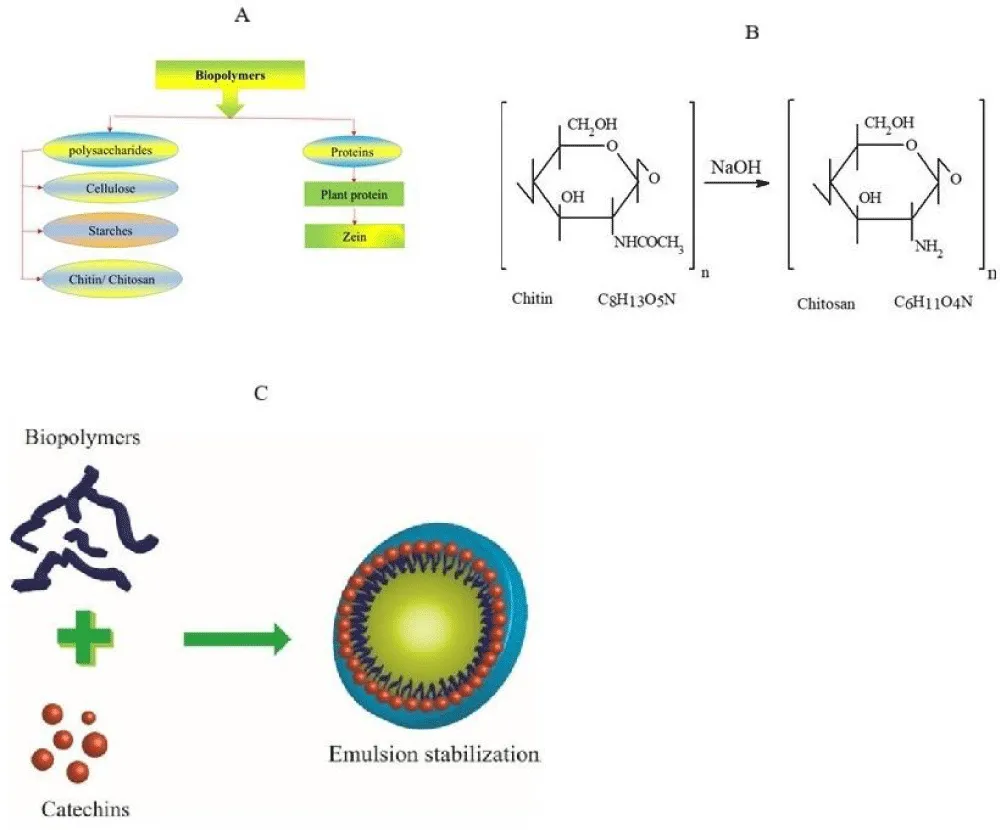
A wide variety of natural polymers relevant to the field of bio-materials, are derived from plants and animals [12]. Four biopolymers are illustrated in figure 1A,B.
Chitin is insoluble in most common organic and inorganic solvents. However, its deacetylation leads to the formation of chitosan, which consists primarily of β-(1→4)-linked D-glucosamine residues. This structural modification significantly enhances chitosan’s solubility and facilitates its processing, thereby expanding its range of practical applications. The term chitosan is commonly used to refer to both partially and fully deacetylated forms. Two critical structural parameters influencing the biological properties of chitosan are the Degree of N-Acetylation (DA) and the Molecular weight (Mw). Generally, chitosans with low DAs exhibits superior biological activity compared to high DAs [30].
Starch is composed of D-glucose units and exists as a mixture of two polysaccharides: amylose and amylopectin. Amylose is primarily a linear polymer consisting mainly of α-D-(1→4)-glucosidic bonds, though it may contain a few numbers of branch points, a characteristic feature more commonly associated with amylopectin. In contrast, amylopectin is a highly branched molecule, composed of α-D-(1→4)-linked glucose chains with branching occurring through α-D-(1→6)-glucosidic linkages, involving approximately 4–5% of the glucose units [31]. The ratio of amylose to amylopectin, along with several factors such as molecular size, particle size distribution, shape, and other physicochemical properties, varies significantly depending on the source and species. These variations contribute to the wide range of applications for starch in both food and non-food industries [22].
Zein is the primary storage protein found in corn [32]. It consists of four main components, α, α, α, and δ, each characterized by distinct peptide chains, molecular sizes, and solubility profiles. Among them, α-zein is the most abundant in commercial zein preparations. It is composed of prolamin-type proteins with molecular weights of approximately 19 and 22 kDa, accounting for about 70-85% of the total zein content [18].
Properties of biopolymers
The above-mentioned properties, combined with their origin from renewable resources [23,33-35], make them superior to synthetic polymers for applications in life sciences and technology, including food, nutrition, healthcare, and medicine [36,37]. Biopolymers and some of their derivatives also exhibit excellent film and fiber-forming properties [38,39]. Each of the four biopolymers and their derivatives has particular properties as follows: (i) Cellulose with hydrophilic nature possesses water absorbent and binding properties [40]; (ii) Starch shows bio-adhesion [34]; (iii) Chitin and chitosan exhibit mucoadhesive properties, AMA and immunostimulatory activity, as well as low immunogenicity [41,42]; and (iv) zein with an amphiphilic (Hydrophobic/ hydrophilic) character exhibits antioxidant properties and oil resistance [18,43].
One of the key physicochemical properties influencing the clinical development of a drug is its water solubility. In many cases, insufficient aqueous solubility limits its ability to achieve effective In vivo therapies. As a result, some promising drug candidates cannot be fully utilized, due to their poor solubility in water. Poor water solubility remains a common challenge, often affecting their bioavailability and overall therapeutic efficacy. Their limited solubility in water often results in their consumption of larger quantities, which may increase the risk of their adverse side effects [44]. In this context, the use of biopolymers in medicine and healthcare offers distinct advantages over synthetic polymers, particularly due to their better solubility in water, which can enhance their efficiency of drug delivery.
General properties of nano-sized biopolymers
The properties of both synthetic polymers and biopolymers are closely linked to their molecular weight (Mw) and molecular weight distribution [45]. Materials that exhibit the following characteristics - one dimension within the nanometer scale (1-100 nm), a high surface area, a large surface area-to-volume ratio, and at least one property that differs significantly from their bulk counterparts, demonstrate novel behaviors and phenomena unique for the nanoscale materials [46,47]. Biopolymer-based NMs have superior physical, mechanical and chemical properties in comparison with the bulk counterparts [41,48]
Nanoscience and nanotechnology are interdisciplinary fields that focus on the study and application of materials at the nanoscale [49,50] Reducing particle size to the nanometer range increases surface area and surface interactions, often resulting in enhanced solubility. When NPs or NMs are used as drug carriers, their absorption by body organs improve significantly, regardless of whether the active compounds are lipophilic or lipophobic [51]. These distinctive properties of NMs enhance their functional performance and expand their potential applications. Notably, nano-sized particles such as nutrients and drugs can penetrate more readily to the human body and access to the vital organs, including the brain, compared to their larger counterparts [52].
Functions and applications of biopolymers in health care and medicine
Natural macromolecules such as polysaccharides and proteins exist in many forms in the nature and play important roles in physiological functions. Due to their nature and characteristics (being biocompatible, biodegradable and non-toxic), they have been used in: (i) Tissue regeneration; (ii) Development of nanofibers, films, and gels for applications in regenerative medicine; and (iii) Smart anticancer Nano medicines (Example: Design of tumor-targeted) [53,54]. Some of polysaccharides exhibit interesting properties and functions (molecular recognition, immune response, biological activity and swelling properties). They have high potential for various applications as follows: (a) As hydrogels in drug-delivery systems; (b) As antimicrobial agents for medical treatments; (c) As antimicrobial agents for extension of shelf-life of foods and protection of various products against several pathogens; (d) As thin films or gels for wound healing; (e) As a tablet for lowering–cholesterol effect in the human body; and (f) Some of the polysaccharides can be used as vaccines. They can also be linked to proteins and conjugate vaccines [9,11,12].
General aspects of biopolymer-based nano-materials for medical applications
Nanotechnology holds significant promise across various branches of medicine and has become an essential component in many medical applications [25,48] Nanomedicine, a multidisciplinary field that merges nanoscience, nanotechnology, biology, and medicine, focuses on the use of NMs, NPs, and nano-devices for a range of medical purposes [49,55]. Its applications include diagnostics, targeted drug deliveries, and therapeutic interventions.
Nanomedicine leverages NMs, imaging contrast agents, targeting molecules, and therapeutic drugs to support healthcare practices such as disease prevention, diagnosis, treatment, and symptom relief [24,25,30,56,57]. Preparation, characterization, properties, and In vitro and In vivo applications of nanomaterials in medicine have been also studied [24,25,58]
Biopolymers are suitable carriers for medical and bioactive compounds and are desirable for medicine and healthcare applications, due to their safety and biocompatibility. Nano delivery systems employing biopolymer-based materials can be designed to control the release of active ingredients such as antimicrobials or antioxidants to extend their efficacy. Different types of carriers are available for loading active compounds. The release of active compounds, such as antioxidants and antimicrobials, can be kinetically controlled through biopolymer-based delivery systems. These systems play a crucial role in the protection, retention, and controlled release of bioactive compounds, with various types of biopolymer-based carriers being employed to optimize their stability and functionality. Protection, retention and release of bioactive compounds have been controlled by different types of biopolymer-based carriers [59-61]. Biopolymers in combination with polyphenols have been used as stabilizing agents for emulsions. The strong interactions between polyphenols and biopolymers result in an enhancement of the surface activity and thus stabilizing emulsions. Figure 1C shows catechin- biopolymer combinations as stabilizing agents for emulsions. Catechins, and polyphenol compounds, are distributed in a variety of foods and herbs and possess several beneficial properties for human health [60].
Sugar- based nano biopolymers are recognized in nanomedicine as promising materials for cancer imaging and therapy [62]. Glyco NPs (GNPs) have shown significant potential in diagnostic applications [63]. The GNNPs (having sugar residues on the surface) have amphiphilic properties that make them suitable for a variety of biomedical applications, including bioassays and targeted drug deliveries [64].
Protein-based NMs are formed through the self-assembly of identical protein subunits or they are combinations of different proteins, and are well-suited for drug delivery systems. A wide range of proteins has been explored for use in therapeutic delivery systems. Proteins are used in medicine to treat cancers, diabetes, anemia and chronic diseases. Protein NMs/NPs are essential key materials in nanomedicine. Proteins are softer and more flexible than polysaccharides. They are primarily water-soluble and biodegradable, and composed of amino acid residues that serve as functional building blocks. Various protein-based NMs have been developed as targeted drug delivery systems, particularly for therapeutic targets such as protein kinases, G-protein-coupled receptors, and proteases. Many anticancer agents targeting these proteins are inherently hydrophobic and are typically formulated using organic solvents like Dimethyl Sulfoxide (DMSO) or ethanol. However, the use of such solvents often leads to the development of dose-limiting toxicities, highlighting the need for safer and more efficient delivery platforms [10,56,65]
NPs and NMs are effective bioactive agents for cancer therapies, largely due to their enhanced permeabilities and retention effects. These phenomena allow NPs to preferentially accumulate in tumor tissues over normal tissues, improving the targeted delivery of therapeutic agents and reducing systemic side effects [25]. NPs can enter the animal or human body via vital organs easier and faster than that of larger particles. Human organs (Skin, lung, and the Gastrointestinal Tract (GIT) are in contact with the environment. The skin is a barrier to foreign substances, whereas the lungs and the GIT system are permeable [66]. Several studies have reported that certain amounts of NMs induce adverse biological effects at the cellular, subcellular, and molecular levels. These potentially harmful impacts may be amplified by the unique ability of NMs to be internalized, circulate throughout the body, accumulate in target organs, penetrate cellular membranes, and interact with biological systems in unintended ways [24,25,56]. The incorporation of bioactive compounds such as vitamins, probiotics, bioactive peptides, and antioxidants into food systems offers a straightforward strategy for developing functional foods and nutrients that may provide physiological benefits or reduce the risk of diseases [18,52].
Generally, biopolymers have been considered as safe materials, because of their biodegradable and biocompatible properties. Cellulose-based NMs, such as Cellulose Nanocrystals (CNCs), have demonstrated very low toxicity in various In vivo and In vitro models [67]. Starch is non-toxic and edible [9,68]. Chitosan has also been considered safe, non-toxic or with a low toxicity [41]. Chitosan is regarded as less toxic than other cationic polymers such as polyarginine, poly-lysine, and poly-ethylene-imine [69]. Corn zein is a safe, nontoxic, biodegradable polymer. It is Generally Recognized As a Safe (GRAS) material for use in food and healthcare applications [17,18,70-72]. Additionally, zein is exempt from certain regulatory and legal requirements concerning food additives, as designated by the U.S. Federal Food, Drug, and Cosmetic Act (FFDCA). Studies on the toxicity of NMs In vitro enables one to predict their toxicity In vivo [24]
Applications of biopolymer-based nano-materials
Biopolymers hold significant potential for diverse applications across food, agriculture, medicine, and textile industries [19]. Natural materials have been long utilized as components in food, nutritional supplements, pharmaceuticals, and cosmetics [74]. Reinforced fillers have also been widely used in polymer composites for various products in the food, hygiene, cosmetics, and medical sectors [75]. The functional properties of biopolymers, such as cellulose, starch, chitosan, and zein can be significantly enhanced through the incorporation of nano-sized fillers, and the formation of bio-nanocomposites [76-79]. The nano-fillers, with at least one dimension in the nanometer range, are well-dispersed within biopolymeric matrices. Furthermore, the integration of bioactive compounds such as vitamins, probiotics, antioxidants, and other nutraceuticals into these materials offers innovative approaches for the development of novel nutrients, functional foods, and therapeutic agents. These advanced materials may provide physiological benefits and contribute to the reduction of disease risks [18,52]. Metal-biopolymer-based nanocomposites demonstrated antimicrobial properties and are utilized in nanomedicine such as antibacterial agents. These nanocomposites prevent microbial infection and the disease caused by the infections [80].
Resources, characteristics, properties, limitations, and disadvantages, for biopolymers, cellulose, starch, chitosan, zein, and their nano-sized counterparts for biomedical applications are presented in table 1. In this table, general information of these biopolymers in bulk form is presented in the first row. Similarly, for different biopolymers are presented in rows 2-5. Since nano-sized form of these biopolymers have characteristics, properties, functions and applications different from their bulk counterparts. The differences between bulk and nano-sized forms have been described in the last row, 6 [81-89].
| Table 1: Resources, characteristics, properties, limitations, and disadvantages for biopolymers (Cellulose, starch, chitosan, zein), and their nano-sized counterparts for biomedical applications. | |||||
| NO | Item | Resources, Characteristics, Properties; Performances and Advantages | Limitations and Disadvantages | Functions and medical Applications | References |
| 1 | Natural Polymers | renewable resources; eco-friendly materials; biodegradable; biocompatible; non-toxic | Low Water Vapor Barrier (WVB) properties | safe for use in medical and healthcare settings. | [2,57,62] |
| 2 | Cellulose | High hydrophilic characters, film-forming, fiber forming; high degree of crystallinity, highly absorbent and binding capability to water molecules | Some types of celluloses have low WVB and low MPs. | Carrier for drugs, genes, nutrients, and bioactive compounds | [28,67,81] |
| 3 | Starch | High hydrophilic characters; film- forming | Both low MPs, and WVB properties | As a filler for drug preparations; scaffolds were fabricated from starch- cellulose composites; Scaffolds exhibited adequate MPs for cartilage tissue engineering; the hydrogel made from starch is a promising biological adhesive for clinical use; | [34,68,82-84] |
| 4 | Chitosan | Cationic nature, film forming, fiber forming, antibacterial and antifungal properties | Low WVB, chitosan with a low Mw does not have strong MPs | Carrier for drug, gene, nutrient, and bioactive compounds; fabrication of biosensors for detecting biochemical markers and diseases; wound dressing | [15,85,86] |
| 5 | Zein | Amphiphilic character; edible, non-toxic, good WVB properties; film- forming, fiber forming; antioxidant properties | Low water solubility | As a shell of encapsulation systems in drug and bioactive compounds delivery; its composites protect cells from oxidative damages | [6,7,18,87-89] |
| 6 | Nano-sized biopolymers | exhibit superior physical, chemical, and biological properties compared to their bulk counterparts | Safety and toxicity of nano-sized biopolymers are underdeveloped and studied | They have greater potential applications in medicine, more effective in different branches of medicine compared to bulk biopolymers; each polysaccharide (cellulose, starch, chitosan) in nano-sized as free or composite form has greater potential applications in comparison with bulk counterpart | [24-56] |
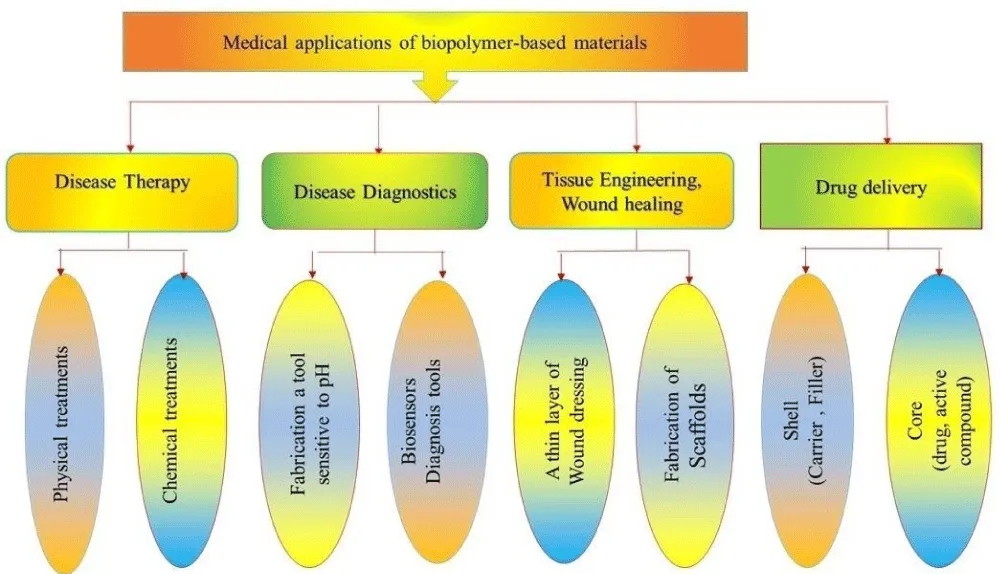
Medical applications of biopolymer- based materials are illustrated in figure 2. In this figure, several treatments using biopolymer-based materials have been described as follows: (1) Disease therapy (a) Physical: Usually equipment has been employed for the treatment of diseases. The equipment is designed based on a form of energy (Thermal, electrical, optical, or mechanical). In this type of treatment both energy and materials such as biopolymers play roles in treatment; (b) Biopolymers with interesting properties and also their safety for living systems can be used in the fabrication of drugs for chemo-therapies; (2) Disease diagnosis: (i) Some of biopolymers or their derivatives are sensitives to the pH of the environment. For instance, the color or voltage of the environment changes, when a particular spoilage is involved. By monitoring the pH, the type of disease can be estimated;(ii) Exposure to microorganisms is a common issue that creates diseases in humans. Followed by, some changes can take place in the body. The measurement of changes by biosensors would yield the detection of diseases; (3) Tissue engineering and wound healing: (Alpha) biopolymers exhibit film-fiber forming and biological properties. A wound can be coated with a film made from a biopolymer that has antimicrobial properties, leading to healing of the wound organ; (beta) biopolymers or combination of two biopolymers exhibit adequate MPs. They can be used to fabricate scaffolds for tissue regeneration; (4) Drug delivery: biopolymers with various properties have been employed in drug delivery systems: (No #1) some of them with biological properties can be a fraction of core systems as well as drugs; and (No # 2) certain biopolymers can be carriers for delivering of drugs to the particular organ.
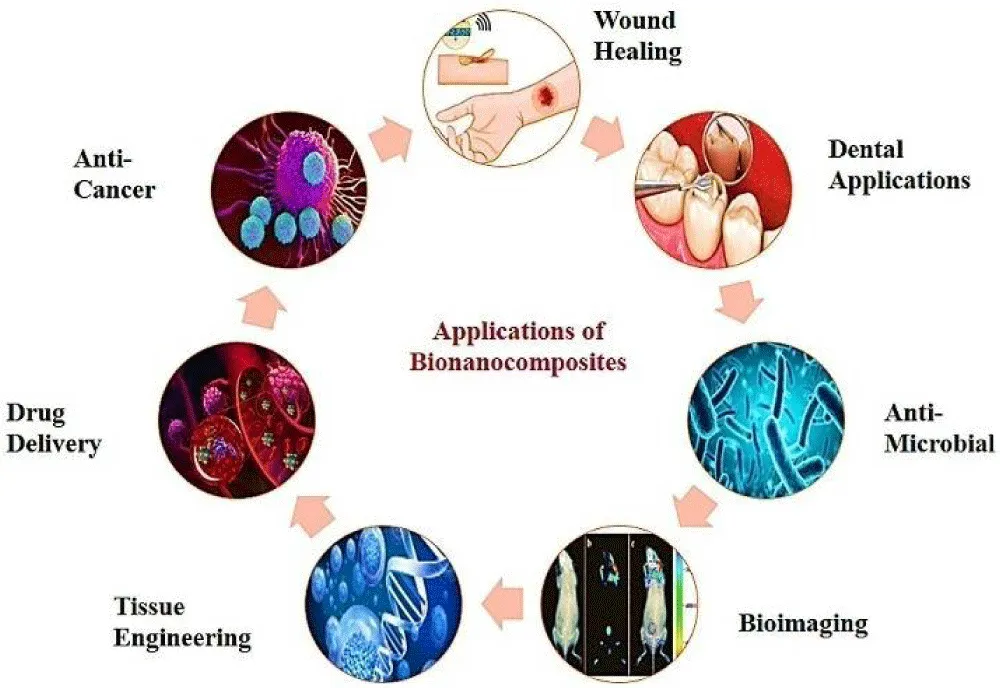
Applications of nanocomposites fabricated from different biopolymers in different branches of medicine including anti-anaemia, antimicrobial, anticancer, and dental treatments, drug delivery systems, bioimaging technologies, tissue engineering scaffolds, and wound dressings [90] are illustrated in figure 3.
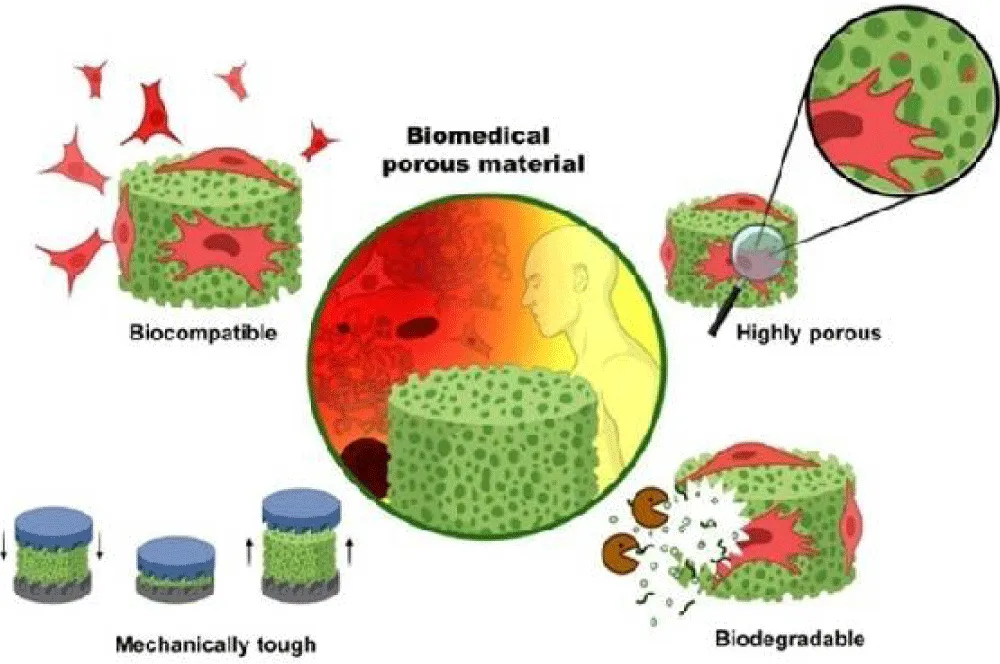
Cellulose: Nano cellulose has a wide range of applications in material science and biomedical engineering, owing to its renewable nature, excellent Mechanical Properties (MPs), non-toxicity, and good biocompatibility [7,33]. Key areas of nanocellulose research include the development of films and fibers, surface modification, the creation of nanocomposites, and the design of medical devices [91]. For instance, cellulose-based materials (Its derivatives, modified cellulose) have been used as follows: (1) CNCs are crystalline NPs with wide applications. Surface modification and conjugation with therapeutic molecules, making CNCs effective nanocarriers for bioactive compounds and drug delivery systems. CNCs have potential applications as drug delivery materials; (2) Self-assembly into micelles, vesicles and other aggregates, for drug/gene delivery, bio-imaging and biosensor [81]; (3) Bioactive compounds were encapsulated in electro-spun fibers of cellulose acetate. The electro-spun cellulose acetate fibers loaded with different bioactive compounds (Curcumin, different drugs, vitamin A, vitamin E or nano-silver) were developed and their release, therapeutic or antimicrobial efficiencies were confirmed [28,92-94]; (4) Bacterial cellulose with nanofiber network structure, as an environmentally friendly material can be a safe biomaterial. Nano-cellulose fibers have potential applications as scaffolds for tissue regeneration. A safe and biocompatible scaffold should have adequate MPs. A typical biocompatible scaffold was illustrated in figure 4 [95]. Nanocellulose-based micro- and nano-scale building materials for regenerative medicine have been developed [13,91,95-96]; and (5) Due to their high specific surface area, low toxicity, ease of availability, and several other advantageous properties, nano-biopolymers have been widely utilized in medicine and healthcare, particularly in drug delivery, tissue engineering, sensing, and biosensing applications. Sensors and biosensors were constructed using nanocellulose to identify several diseases [58].Chitosan: Chitosan has been utilized in various biomedical applications as follows:(a) Curcumin was encapsulated into chitosan/Tween 20 NPs using a nano spray-drying process. The treatment resulted in the formation of spherical particles with a diameter of 285 ± 30 nm [97]. Curcumin is known for its neuroprotective and anti-cancer properties [98]; (b) Chitosan also holds significant potential across several branches of medicine, including drug delivery, gene delivery, cell imaging, and the development of biosensors for detecting biochemical markers and diseases. It is further being investigated for the treatment and diagnosis of various diseases, particularly for different types of cancers [15,85,86]; (c) In wound healing studies: surgical lesions of a rat were treated with either N, N-di-carboxymethyl chitosan or 6-oxychitin sodium salt. Morphological data indicated that healing with 6-oxychitin sodium salt was slower compared to N, N-di-carboxymethyl chitosan. The complete healing was obtained within three weeks. Additionally, 6-oxychitins, derived from fungal and animal sources are available in different forms such as free acids, salts, and esters. They have shown potential as replacements for hyaluronans and bacterial antigens in various medical and healthcare products [25]; (d) Chitosan has shown significant potential as an excipient in non-viral gene delivery systems. It can enhance the bioavailability of DNA-based therapeutics by protecting the DNA during delivery of drugs into the body, thereby improving stability and cellular uptake [99]; (e) Various chemical modifications of chitosan, such as alkyl chain-modified succinyl chitosan and carboxymethyl chitosan have been explored to improve drug-loading capacity and delivering efficacy [100,101]. For instance, the first modified compound demonstrated enhanced drug-loading capability due to the strong affinity of alkyl chains to hydrophobic drug molecules. Additionally, alkyl-modified hydrophilic chitosan, with its positively charged micellar structure, was found to interact effectively with cell membranes, making it a promising micellar drug delivery system [102-104]; (f) A series of amphiphilic chitosan derivatives, such as N-octyl-O-Glycol Chitosan (OGC), which incorporate long alkyl chains as hydrophobic segments and glycol groups as hydrophilic segments have been synthesized as drug carriers. The modified chitosan exhibited excellent biocompatibility and low toxicity, as confirmed through hemolysis assays, acute toxicity evaluations, and histopathological studies, supporting their use as safe excipients in drug delivery systems; (g) Chitosan has potential as an excipient for non-viral gene delivery systems. The bioavailability of DNA-based drugs can be improved, if DNA-based drug is protected by chitosan [99]; (h) Alkyl chain-modified succinyl chitosan [100], and carboxymethyl chitosan [101] showed drug-loading capacities, because the alkyl chains had good affinities to hydrophobic drugs. Alkyl-modified hydrophilic chitosan as a potential micellar drug delivery system with positive charges was interacted with cell membranes [102-104]; (i) A series of modified chitosan molecules with long alkyl chains as hydrophobic moieties and glycol groups as hydrophilic moieties (N-octyl-O-Glycol Chitosan, OGC) (Having amphiphilic properties) were synthesized to employ as drug carriers. The biocompatibility and low toxicity of OGC as an excipient were confirmed by hemolysis, acute toxicity and histo-pathological studies [105];(j) In medicine, chitosan films have been examined as curative wound dressings and as scaffolds for tissue and bone engineering; (k) food grade chitosan and its derivatives with antimicrobial (Antifungal and antibacterial) activities have potential applications in medicine and healthcare to treat some diseases arisen from microorganism strains [106,107]; and (l) The use of chitosan in nanomedicine was initiated with the development of chitosan/Ethylene Oxide-Propylene Oxide (EO-PO) copolymers, which represented one of the early advancements in creating chitosan- based nanocarriers for delivery of drugs. This innovation is a fundamental procedure for a variety of chitosan-polymer hybrid systems, designed to improve drug solubility, drug targeting, and cellular uptake in modern pharmaceutical applications [25]. Both chitosan and its combinations with other biomaterials were used as carriers for proteins, vaccines and delivery of anticancer drugs [53].Starch: Starch has been used in the following branches of medicine: (i) As excipients for tablets in pharmacies; (ii) As a carrier for oral drug delivery in some treatments [22]; (iii) As a thin film for drug packaging [108]; (iv) As a shell for encapsulation of iron oxide NPs. Supper Paramagnetic Iron Oxide Nanoparticles (SPIONPs) with a particular surface architecture and combined with targeting ligands/proteins has a great potential application in drug delivery. The SPIONs is a core (active compound) and starch is a shell (Carrier) in the core- shell assembly; (v) as a coating layer in Magnetic Resonance Imaging (MRI); (vi) As a scaffold in tissue engineering [84,109]; and (viii) As a reinforced filler and a biodegradable film in drug preparations [110-112].
The MPs and WVB properties of starch are inferior to cellulose, due to the lack of strong interactions between polymer chains [84]. Hence, starch is combined with other natural or synthetic polymers to achieve adequate MPs and WVB properties of the resulting composites. A scaffold was fabricated from starch- Cellulose Nanofibers (CNFs) composite via a casting procedure. The resulting scaffold exhibited adequate MPs, and is suitable for cartilage tissue engineering applications. The water uptake for the nanocomposite was remarkably enhanced by the addition of 10% of CNFs to starch. The scaffolds were partially destroyed due to a low degradation rate In vitro after 20 weeks. Cultivation of isolated rabbit chondrocytes on the fabricated scaffold demonstrated that the incorporation of nanofibers in starch structure enhanced both cell attachment and proliferation.
A novel injectable tissue adhesive hydrogel was developed using starch, succinic anhydride, and dopamine, synthesized in situ through enzymatic crosslinking [68]. The resulting hydrogel demonstrated strong integration with biological tissues and effectively induced barriers to minimize blood loss. The developed hydrogels exhibited superior hemostatic performance both In vitro and In vivo, when compared to conventional chitin-based hydrogels. The hydrogels with a porous microstructure also showed several desirable physicochemical and biological properties, including; (a) Biodegradability; (b) Excellent MPs;(c) Very good biocompatibility; and (d) Rapid sol-gel transition. The hydrogel with the above-mentioned structure and properties, along with the ease of application, is a promising biological adhesive for clinical use.
Starch Nano-Crystals (NCs) and starch NPs under different ionic strength conditions have potential applications in drug delivery systems [34,113,114]. Starch NPs have been fabricated by; (a) Acid or enzymatic hydrolysis; and (b) Recrystallization from native starch [82,115]. Zein: Zein has unique amphiphilic and biocompatible properties that make it a promising candidate for applications in healthcare, food, nutrition, and medicine [17,18,70,116,117]. Zein can form nano-sized colloidal particles, which are particularly suited for the encapsulation and delivery of bioactive compounds, due to their stability and controlled-release capabilities.
One notable development involves zein-Hyaluronic Acid (HA) composite NPs, synthesized via the anti-solvent method, enhance the delivery of Naringenin (NAR), a natural flavanone with antioxidant properties, commonly found in citrus peels [118]. NAR plays a key role in protecting cells from oxidative damage [87-89]. The microstructure of zein-HA-NAR NPs is stabilized by hydrophobic, electrostatic, and hydrogen-bonding interactions, leading to improved encapsulation efficiency, enhanced antioxidant activity, and better release of NAR under simulated gastrointestinal conditions. The particles were spherical, with an average diameter of 209.2 ± 1.9 nm, a Polydispersity Index (PDI) of 0.146 ± 0.032, and a zeta potential of −19.0 ± 0.7 mV [119]. Zein-based NPs coated with proteins, polysaccharides, surfactants, or their composites are used in the formulation of Pickering emulsions and edible films [119]. Pickering emulsions, stabilized by solid particles, have gained attention for their enhanced stability and safety compared to traditional surfactants. Zein-stabilized emulsions and colloidal particles provide new platforms for delivering functional food and drug ingredients.
Some specific applications of zein-based NPs include: (a) Zein, with its positive surface charge, is ideal for delivering bioactive components with a negative charge [16]; (b) Curcumin-loaded zein nanofibers demonstrated sustained release and retained curcumin’s free radical scavenging ability, making them suitable for soft tissue engineering scaffolds and drug delivery systems [120]. Figure 5 illustrates several advantages of encapsulated bioactive compounds in zein NPs over their free form [119]. Curcumin was also encapsulated into zein NPs with a high loading capacity and chemical stability. These particles were combined with digestible lipid-based NPs, facilitating the formation of mixed micelles in the small intestine, and leading to significantly improved bio-accessibility of curcumin [121]; (c) A biosensor made of zein was used to determine the limit of detection (0.14 mg.ml-1) of peanut, the main allergen protein [122]; and (d) Cranberry Procyanidins (CPs) were encapsulated into zein protein to form NPs. The CPs-zein NPs decreased the cytotoxicity of procyanidins in human leukemic cells compared to the CPs solution [123].
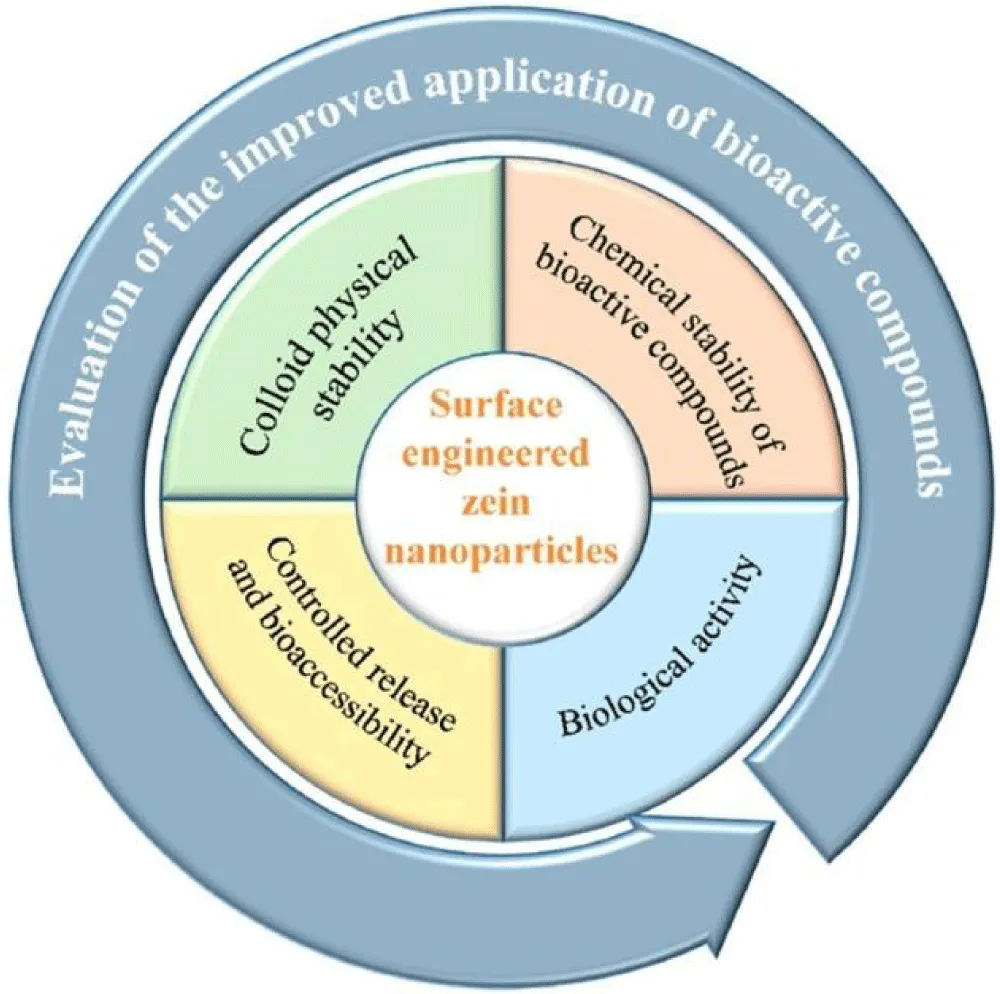
Potential applications for biopolymers, biopolymer- based materials introduced in this review
All of the four biopolymers with a variety of hydrophobic-hydrophobic characteristics and properties possess at least unique application “drug delivery” in several branches of medicine. A variety of the above-mentioned characteristics enables us to modify chemically or physically their structures and expands their potential applications in medicine, healthcare, and nutrition. Additionally, combination of two biopolymers among the investigated four biopolymers results in composite/nanocomposite overcoming the limitations of each biopolymer alone. For instance, cellulose reinforces starch, chitosan, or zein yields in composites with desirable properties (Mechanical strength and biocompatible) for biomedical applications such as fabrication of scaffolds, and artificial organs. These biopolymers with hydrophilic, hydrophobic or amphiphilic characteristics have potential for encapsulation of antimicrobial, antiviral, antioxidant, antitumor and anti-inflammatory compounds.
Cellulose, starch, chitin, chitosan and zein or their composites are desirable choices among all natural and synthetic polymers for various branches of medicine with minimal side impacts. A range of strategies, including nanotechnology, fabrication of composite and nanocomposite materials from these biopolymers, as well as their physical and chemical modifications, have resulted in broad opening for them utilize in biomedical applications. The advantages of these types of bio-composites/nano-bio-nanocomposites over other composites are: these materials are totally biodegradable and recyclable compounds, i.e., both continuous and discontinuous phases are green materials, and biocompatible with renewable resources. Use of biopolymers as discontinuous phase reduces cost of composites and reduces dependency to other types of discontinuous phase. Bio-nanocomposites made from biopolymers, both continuous and discontinuous phases enhance safety of biomedical compounds [124,125].
Conclusion
This review highlighted the significance of four biopolymers (Cellulose, starch, chitosan, and zein) in drug delivery systems, wound healing, tissue engineering, and diagnosis of diseases and their therapies. Biopolymers are alternatives to synthetic polymers. They have been used to reduce the use of synthetic polymers or replace them totally. Combination of biopolymers to each other and fabrication of composites are options to overcome the limitations of each one (low MPs or WVB properties). The combinations of the described biopolymers to each other for fabrication of composites or nanocomposites offer promising solutions for addressing several challenges existing in life science and technology (pharmacy, cosmetics and various branches of medicine and nano-medicine). Additionally, combinations of biopolymers with vitamins, metal oxides or active materials extracted from plants, can lead to enhancing their properties, efficiencies, and performance and expanding their applications. Biopolymers have been used for the production of hydrogels for various branches of biomedical and healthcare applications. The hydrogels as crosslinking biopolymers are useful in the fabrication of above-mentioned assemblies. High water-holding capacity and mechanical stability make them ideal materials for several biomedical applications.
Biopolymers in nanosized represent a safer choice compared to other kinds of nanomaterials for several branches of medicine and health care applications. The average particle size, molecular weight distribution, size distribution, and charge density affect their efficiency and performance. The use of nanosized forms of them with superior properties opens novel possibilities with greater efficiencies.
Future Perspectives
Future studies should focus on the optimization of several formulations through the determination of optimal ratios between ingredients of biopolymers for the fabrication of bio-composites and nano-composites, as well as structural modifications of biopolymers, leading to enhancing their properties and expanding their applications. For example, surface modifications of biopolymers with other bio-active compounds could lead to improvements in therapeutic effects and drug deliveries.
Research in the field of biopolymer-based with nano-sized contribute to longer and higher-quality lives through advancements in medical treatments and healthcare technologies. However, despite the growing interest and applications of biopolymer-based NMs, only a limited amount of research has been carried out to evaluate the toxicity of the nano biopolymers and their nanocomposites. There exists a critical knowledge gap regarding their safety. The toxicity of them must be thoroughly evaluated to mitigate any health risks and ensure safe use in medical and healthcare settings. Now, the production of nano-sized biopolymers with a high purity and their applications in medicine are still at laboratory levels and infant steps. Continued research and innovation in the field of toxicity and safety of nano-sized biopolymers are essential for enhancing pharmaceutical formulations and different applications of biopolymers in medicine. Clear regulatory and knowledge at both national and international levels are suitable guidelines and solution pathways to overcome several challenges and problems existing for achieving the safety levels. Thus, it is needed to follow proper regulations for each step of using the nano-sized biopolymers.
Nanosized biopolymers have the ability to penetrate the cells of the lungs, skin, and digestive system, leading to the accumulation of harmful contaminants within human organs. Moreover, prolonged exposure to these nano-sized biopolymers may yield chronic effects on human health. Factors such as particle size, size distribution, molecular architecture and shape, nano-structure, chemical composition, surface area, surface charge, and porosity are crucial for comprehending the toxic effects of NPs. The toxicity of biopolymer NPs can be evaluated through various biological assays. Research teams can develop effective methodologies for assessing the toxicity of non-sized biopolymers both In vitro and In vivo. Such investigations can lead to the identification of safe dosage levels, a defined range of safety, and the potential risks linked to the applications of nano-sized biopolymers.
The following studies should be fully investigated: (i) The effects of molecular sizes of each nano-polymer In vitro.; (ii) The effects of molecular sizes of each nano-polymer on micro-organisms (Bacteria or fungal) cells In vivo. The clinical trials on certain animal and human cells could lead to some positive impacts; and (iii) The success of clinical trials in animals and humans represent crucial steps toward achieving sustainably in medicine and ensuring a prosperous for commercialization.
Some nano-sized biopolymers, such as nanocelluloses, have already been produced on a large scale [126]. Starch NPs have been commercially manufactured and utilized in the creation of tissue engineering scaffolds, artificial organs, and drug delivery systems [127]. Nevertheless, there remains a considerable journey ahead for the successful transition of nano-sized biopolymers from laboratory settings to the marketplace. The production of these nano-sized biopolymers is crucial as it paves the way for customized designs for a variety of advanced applications, addressing a significant challenge in the production of such materials: achieving control over the design-performance relationship and their subsequent commercialization. The conversion of laboratory scales into marketable products for patient use presents challenges and necessitates standardized developmental frameworks that include responsible and reproducible practices. Before a product can be launched into the market, it must pass through three stages: (a) Product discovery, (b) Clinical research, and (c) Preapproval request [128].
Pre-market regulations for any product are essential (For instance, for tissue engineering scaffold products). To market tissue engineering scaffolds, including those based on nano-cellulose, authorization from a specific regulatory authority is required [129]. Prior to their application in the biomedical sector, these biopolymers must undergo thorough regulatory evaluation to ensure compliance with established safety and quality standards. Regulatory approvals are crucial in ensuring the safety and efficacy of materials used in medicine and healthcare. There is a pressing need to improve clinical trials at the laboratory level. The transition of biopolymers into clinical research is restricted.
Additionally, both In vivo and In vitro characterization, along with advanced engineering modeling and monitoring techniques, will aid in assessing responses for clinical translation. Moreover, it is necessary to modify these biopolymers to develop biomaterials with properties that are conducive to regulatory approvals and successful commercialization [130].
The limited market volume, elevated market prices, few manufacturers, and insufficient data regarding In vitro and In vivo studies at both laboratory and semi-industrial scales present significant obstacles for nano-sized biopolymers. To address these challenges, the following investigations may provide potential solutions: (a) Establish research projects aimed at generating experimental data in both human and animal studies at laboratory and semi-industrial scales; (b) Utilize the same machinery and settings for processing biopolymers as are used for petrochemical polymers, thereby producing biopolymers with similar technical properties and performance; and (c) Fostering increased competition among biopolymer manufacturers and accumulating experimental data could contribute to price reductions [131]. Collaboration among manufacturers, research and development organizations, and scientists are essential for making significant advancements toward commercialization and for overcoming various limitations that persist from laboratory to industrial scales.
Author Contributions
A sole author was prepared this review manuscript.
Conflicts of Interest
The author declares that there is no conflicts of interests regarding the publication of this manuscript.
Funding
This study did not receive any specific grants from funding agencies in the public, commercial, or not-for profit sectors.
Ethical Approval
Not applicable. in this section.
Consent to Participate
Consent to Participate
Consent to Publication
Not applicable. in this section.
Availability of Data and Materials
Not applicable in this section.
References
- Carraher CE. Carraher's polymer chemistry. 10th ed. Boca Raton: Taylor & Francis; 2017.
- Gowthaman N, Lim H, Sreeraj T, Amalraj A, Gopi S. Advantages of biopolymers over synthetic polymers: Social, economic, and environmental aspects. In: Sabu T, Sreeraj G, Augustine A, editors. Biopolymers and Their Industrial Applications; From Plant, Animal, and Marine Sources, to Functional Products. Elsevier: Amsterdam, Chapter 15; 2021. p.351-372,
- Sanchez HH, Lopez GGF. Introduction. In: Sanchez HGF, Lopez G, editors. Food Nano-science and Nanotechnology. Springer: New York; 2015.
- Kasaai MR. biopolymers with renewable resources and recyclable in nature as a promising alternative for synthetic polymers in food packaging applications: A short review. Biopolymer Res. 2022;6(3):116. doi: 10.4172/jrm.1000116.
- Cruz SV, Tecante A. Nano-cellulose and microcrystalline cellulose from agricultural waste: Review on isolation and application as reinforcement in polymeric matrices. Food Hydrocoll. 2021; 118:106771. doi: 10.1016/j.foodhyd.2021.106771.
- Behrooznia Z, Nourmohammadi J. Polysaccharide-Based materials as an eco-friendly alternative in biomedical, environmental, and food packaging. Giant. 2024;19:100301. doi: 10.1016/j.giant.2024.100301.
- Roberts EL, Abdollahi S, Oustadi F, Stephens ED, Badv M. Bacterial-Nanocellulose-Based Biointerfaces and Biomimetic Constructs for Blood-Contacting Medical Applications. ACS Mater Au. 2023 Jun 27;3(5):418-441. doi: 10.1021/acsmaterialsau.3c00021. PMID: 38089096; PMCID: PMC10510515.
- Bull SC, Doig AJ. Properties of protein drug target classes. PLoS One. 2015 Mar 30;10(3):e0117955. doi: 10.1371/journal.pone.0117955. PMID: 25822509; PMCID: PMC4379170.
- Lopez OV, Castillo LA, Garcia MA, Villar MA, Barbosa SE. Food packaging bags based on thermoplastic corn starch reinforced with talc nanoparticles. Food Hydrocoll. 2015;43:18-24. doi: 10.1016/j.foodhyd.2014.04.021.
- Rochani AK, Balasubramanian S, Ravindran Girija A, Raveendran S, Borah A, Nagaoka Y, Nakajima Y, Maekawa T, Kumar DS. Dual mode of cancer cell destruction for pancreatic cancer therapy using Hsp90 inhibitor loaded polymeric nano magnetic formulation. Int J Pharm. 2016 Sep 10;511(1):648-658. doi: 10.1016/j.ijpharm.2016.07.048. Epub 2016 Jul 25. PMID: 27469073.
- Wang PY, Zhu XL, Lin ZB. Antitumor and Immunomodulatory Effects of Polysaccharides from Broken-Spore of Ganoderma lucidum. Front Pharmacol. 2012 Jul 13;3:135. doi: 10.3389/fphar.2012.00135. PMID: 22811667; PMCID: PMC3395810.
- den HF. Random polymers. Springer-Verlag. Berlin. 2009.
- Yu K, Yang L, Zhang N, Wang S, Liu H. Development of nanocellulose hydrogels for application in the food and biomedical industries: A review. Int J Biol Macromol. 2024 Jun;272(Pt 2):132668. doi: 10.1016/j.ijbiomac.2024.132668. Epub 2024 May 29. PMID: 38821305.
- Kasaai MR. Biopolymer-based nanomaterials for food, nutrition, and healthcare sectors: An overview on their properties, functions, and applications, In: Hussain CM. editor. Handbook of functionalized nanomaterials for industrial applications. Micro and Nano Technologies. Elsevier: Amsterdam; 2020. P.167-184. doi: 10.1016/B978-0-12-816787-8.00007-7.
- Álvarez PL, Rubio RL, Vilela VJL. Chitosan-based nanogels for biomedical applications. In: Torchilin V, editor. Handbook of Materials for Nanomedicine: Polymeric Nanomaterials, Jenny Stanford Publishing Pte. Ltd. Singapore; 2020. p.355-416.
- Reddy N, Yang Y. Potential of plant proteins for medical applications. Trends Biotechnol. 2011 Oct;29(10):490-8. doi: 10.1016/j.tibtech.2011.05.003. Epub 2011 Jun 12. PMID: 21665302.
- Kasaai MR. Zein and zein-based NPs for food packaging applications: A global view. Adv Sci Eng Med. 2017a;9(6):439-444.
- Kasaai MR. Zein and zein -based nano-materials for food and nutrition applications: A review. Trends Food Sci Technol. 2018;79:184-197. doi: 10.1016/j.tifs.2018.07.015.
- Cho H, Lai TC, Kwon GS. Poly(ethylene glycol)-block-poly(ε-caprolactone) micelles for combination drug delivery: evaluation of paclitaxel, cyclopamine and gossypol in intraperitoneal xenograft models of ovarian cancer. J Control Release. 2013 Feb 28;166(1):1-9. doi: 10.1016/j.jconrel.2012.12.005. Epub 2012 Dec 13. PMID: 23246471; PMCID: PMC3565042.
- Cho H, Lai TC, Tomoda K, Kwon GS. Polymeric micelles for multi-drug delivery in cancer. AAPS PharmSciTech. 2015 Feb;16(1):10-20. doi: 10.1208/s12249-014-0251-3. Epub 2014 Dec 11. PMID: 25501872; PMCID: PMC4309804.
- Mody VV, Siwale R, Singh A, Mody HR. Introduction to metallic nanoparticles. J Pharm Bioallied Sci. 2010 Oct;2(4):282-9. doi: 10.4103/0975-7406.72127. PMID: 21180459; PMCID: PMC2996072.
- Mahkam M. Starch-based polymeric carriers for oral-insulin delivery. J Biomed Mater Res A. 2010 Mar 15;92(4):1392-7. doi: 10.1002/jbm.a.32490. PMID: 19353572.
- Bae Y, Kataoka K. Intelligent polymeric micelles from functional poly(ethylene glycol)-poly(amino acid) block copolymers. Adv Drug Deliv Rev. 2009 Aug 10;61(10):768-84. doi: 10.1016/j.addr.2009.04.016. Epub 2009 May 5. PMID: 19422866.
- Kumar N, Kumbhat S. Essentials in nano-science and nanotechnology. New Jersey: John Wiley and Sons; 2016.
- Torchilin V, Amiji M. Handbook of materials for Nano medicine polymeric nanomaterials. Jenny Stanford Series on Biomedical Nanotechnology, Jenny Stanford Publishing Pte. Ltd. Singapore. 2020.
- Faridi Esfanjani A, Jafari SM. Biopolymer nano-particles and natural nano-carriers for nano-encapsulation of phenolic compounds. Colloids Surf B Biointerfaces. 2016 Oct 1;146:532-43. doi: 10.1016/j.colsurfb.2016.06.053. Epub 2016 Jun 29. PMID: 27419648.
- Vega-Vásquez P, Mosier NS, Irudayaraj J. Nanoscale Drug Delivery Systems: From Medicine to Agriculture. Front Bioeng Biotechnol. 2020 Feb 18;8:79. doi: 10.3389/fbioe.2020.00079. PMID: 32133353; PMCID: PMC7041307.
- Ansari MM, Heo Y, Do K, Ghosh M, Son YO. Nanocellulose derived from agricultural biowaste by-products–sustainable synthesis, biocompatibility, biomedical applications, and future perspectives: A review. Carbohydr Polym Technol Appl. 2024;3421(8):100529. doi: 10.1016/j.carpta.2024.100529.
- Kasaai MR. Comparison of various solvents for determination of intrinsic viscosity and viscometric constants for cellulose. J Appl Polym Sci. 2002;86(9):2189-2193. doi: 10.1002/app.11164.
- Riseh RS, Hassanisaadi M, Vatankhah M, Babaki SA, Barka EA. Chitosan as a potential natural compound to manage plant diseases. Int J Biol Macromol. 2022 Nov 1;220:998-1009. doi: 10.1016/j.ijbiomac.2022.08.109. Epub 2022 Aug 19. PMID: 35988725.
- Coultate TP. Food: The chemistry of its components. 4th ed. RSC. Cambridge. UK; 2002.
- Guo Y, Liu Z, An H, Li M, Hu J. Nano-structure and properties of maize zein studied by atomic force microscopy. J Cereal Sci. 2005;41:277-281. doi: 10.1016/j.jcs.2004.12.005.
- Mondal S. Preparation, properties and applications of nanocellulosic materials. Carbohydr Polym. 2017 May 1;163:301-316. doi: 10.1016/j.carbpol.2016.12.050. Epub 2016 Dec 29. PMID: 28267510.
- Xie F, Pollet E, Halley PJ, Averous L. Starch-based nano- bio-composites. Prog Polym Sci. 2013;38:1590-1628. doi: 10.1016/j.progpolymsci.2013.05.002.
- Zhang X, Huang J, Chang PR, Li J, Chen Y, Wang D, Yu J, Chen J. Structure and properties of polysaccharide nanocrystal-doped supramolecular hydrogels based on cyclodextrin inclusion. Polymer. 2010;51:4398-4407. doi: 10.1016/j.polymer.2010.07.025.
- Detsi A, Kavetsou E, Kostopoulou I, Pitterou I, Pontillo ARN, Tzani A, Christodoulou P, Siliachli A, Zoumpoulakis P. Nanosystems for the Encapsulation of Natural Products: The Case of Chitosan Biopolymer as a Matrix. Pharmaceutics. 2020 Jul 16;12(7):669. doi: 10.3390/pharmaceutics12070669. PMID: 32708823; PMCID: PMC7407519.
- Pavlidou S, Papaspyrides CD. A review on polymer-layered silicate nanocomposites. Prog Polym Sci. 2008;33:1119-1198. doi: 10.1016/j.progpolymsci.2008.07.008.
- Jiménez A, Fabra MJ, Talens P, Chiralt A. Edible and biodegradable starch films: A review. Food Bioprocess Technol. 2012;5:2058-2076. doi: 10.1007/s11947-012-0835-4.
- Padua GW, Wang Q. Controlled self-organization of zein nanostructures for encapsulation of food ingredients. In: Huang Q, Given P, Qian M, editors. Micro/ Nano Encapsulation of Active Food Ingredients. Washington DC. ACS Symposium Series; 2009. p.1007.
- Ventura-Cruz S, Tecante A. Nano-cellulose and microcrystalline cellulose from agricultural waste: Review on isolation and application as reinforcement in polymeric matrices. Food Hydrocoll. 2021;118:106771. doi: 10.1016/j.foodhyd.2021.106771.
- Jayakumar R, Menon D, Manzoor K, Naira SV, Tamura H. Biomedical applications of chitin and chitosan-based nanomaterials - A short review. Carbohydr Polym. 2010;82:227-232.
- De Souza R, Zahedi P, Allen CJ, Piquette-Miller M. Biocompatibility of injectable chitosan-phospholipid implant systems. Biomaterials. 2009 Aug;30(23-24):3818-24. doi: 10.1016/j.biomaterials.2009.04.003. Epub 2009 Apr 26. PMID: 19394688.
- Smith BM, Bean SR, Selling G, Sessa D, Aramouni FM. Effect of Salt and Ethanol Addition on Zein-Starch Dough and Bread Quality. J Food Sci. 2017 Mar;82(3):613-621. doi: 10.1111/1750-3841.13637. Epub 2017 Feb 2. PMID: 28152197.
- Singh G, Kaur L, Cupta GD. Enhancement of the solubility of poorly water -soluble drugs through solid dispersion: A Comprehensive Review. Ind J Pharm Sci. 2017;79(5):674-687.
- Kasaai MR. Molecular weight and molecular weight distribution for biopolymers. In: Advances in physicochemical properties of biopolymers. Part 1, Bentham Science publishers: CW Soest (The Netherlands); 2017b. p.21-45.
- Nalwa HS. editor. Encyclopedia of nano-science and nanotechnology (General reference. American Scientific Publishers: Stevenson Ranch (CA); 2004.
- Silvestre C, Duraccio D, Cimmino S. Food packaging based on polymer nanomaterials. Prog Polym Sci. 2011;36:1766-1782. doi: 10.1016/j.progpolymsci.2011.02.003.
- Kumar S, Spandanagowda ND, Tirole R, Dave V. Nanotechnology in the agriculture industry. In: Birla S, Singh N, Shukla NK, editors. Nanotechnology: Device Design and Applications. CRC Press, Taylor & Francis Group, LLC: Boca Raton; 2022. p.157-174.
- Gopalakrishnan S, Vaidyanthan K, Kalarikkal N. Recent advances in nanomedicine: applications in diagnosis and therapeutics. In: Thomas S, Kalarikkal N, Stephan Am, Raneesh B, Haghi AK, editors. Apple Academic Press: Toronto; 2015. p.251-287.
- Rai I, Kumar PV, Kalarikkal N. Current advances in Nano-medicine: Applications in clinical medicine and surgery. In: Thomas S, Kalarikkal N, Stephan AM, Raneesh B, Haghi AK, editors. Advanced Nano-materials: Synthesis, Properties and Applications. Apple Academic Press: Toronto; 2015. p.173-199.
- Fahmy TM, Fong PM, Goyal A, Saltzman WM. Targeted for drug delivery. Mater Today. 2005;8:18-26. doi: 10.1016/S1369-7021(05)71033-6.
- Kuo PC. The application of nanotechnology to functional foods and nutraceuticals to enhance their bioactivities. In: Biotechnology in functional foods and nutracuticals. Bagchi D, Lau FC, Ghosh DK, editors. CRC, Taylor and Francis Group: Boca Raton; 2010. p.447-484.
- Raveendran S, Rochani AK, Maekawa T, Kumar DS. Smart Carriers and Nanohealers: A Nanomedical Insight on Natural Polymers. Materials (Basel). 2017 Aug 10;10(8):929. doi: 10.3390/ma10080929. PMID: 28796191; PMCID: PMC5578295.
- Zhang Y, Chan HF, Leong KW. Advanced materials and processing for drug delivery: the past and the future. Adv Drug Deliv Rev. 2013 Jan;65(1):104-20. doi: 10.1016/j.addr.2012.10.003. Epub 2012 Oct 23. PMID: 23088863; PMCID: PMC3565095.
- Lin N, Dufresne A. Nanocellulose in biomedicine: Current status and future prospect. Eur Polym J. 2014;59:302-325. doi: 10.1016/j.eurpolymj.2014.07.025.
- Rochani A, Raveendran S, Kumar DS. Sustainable green polymeric nano-constructs for active and passive cancer therapeutics. In: Torchilin V, Amiji M. editors. Handbook of Materials for Nanomedicine Polymeric Nanomaterials, Jenny Stanford Series on Biomedical Nanotechnology. Jenny Stanford Publishing Pte. Ltd., Singapore; 2020.
- Saberi-Riseh R, Moradi-Pour M, Mohammadinejad R, Thakur VK. Biopolymers for Biological Control of Plant Pathogens: Advances in Microencapsulation of Beneficial Microorganisms. Polymers (Basel). 2021 Jun 10;13(12):1938. doi: 10.3390/polym13121938. PMID: 34200966; PMCID: PMC8230584.
- Kareem F, Chandrawati R, Ahmed MU. Tailoring nano cellulose: A comprehensive exploration of functionalisation with small, macro, and inorganic molecules for enhanced sensing and dual-mode biosensing. Measurement. 2025;239:115499. doi: 10.1016/j.measurement.2024.115499.
- Khezerlou A, Tavassoli M, Alizadeh Sani M, Mohammadi K, Ehsani A, McClements DJ. Application of Nanotechnology to Improve the Performance of Biodegradable Biopolymer-Based Packaging Materials. Polymers (Basel). 2021 Dec 15;13(24):4399. doi: 10.3390/polym13244399. PMID: 34960949; PMCID: PMC8707388.
- Sabaghi M, Hoseyni SZ, Tavasoli S, Mozafari MR, Katouzian I. Strategies of confining green tea catechin compounds in nano-biopolymeric matrices: A review. Colloids Surf B Biointerfaces. 2021 Aug;204:111781. doi: 10.1016/j.colsurfb.2021.111781. Epub 2021 Apr 24. PMID: 33930733.
- Wang C, Gong C, Qin Y, Hu Y, Jiao A, Jin Z, Qiu C, Wang J. Bioactive and functional biodegradable packaging films reinforced with NPs. J Food Eng. 2022;312. doi: 10.1016/j.jfoodeng.2021.110752.
- Eroglu MS, Oner ET, Mutlu EC, Bostan MS. Sugar Based Biopolymers in Nanomedicine; New Emerging Era for Cancer Imaging and Therapy. Curr Top Med Chem. 2017;17(13):1507-1520. doi: 10.2174/1568026616666161222101703. PMID: 28017156.
- Marradi M, García I, Penadés S. Carbohydrate-based nanoparticles for potential applications in medicine. Prog Mol Biol Transl Sci. 2011;104:141-73. doi: 10.1016/B978-0-12-416020-0.00004-8. PMID: 22093219.
- Dong CM. Glyconanoparticles for biomedical applications. Comb Chem High Throughput Screen. 2011 Mar 1;14(3):173-81. doi: 10.2174/138620711794728716. PMID: 21271984.
- Bull SC, Doig AJ. Properties of protein drug target classes. PLoS One. 2015 Mar 30;10(3):e0117955. doi: 10.1371/journal.pone.0117955. PMID: 25822509; PMCID: PMC4379170.
- Patel J, Patel A. Toxicity of nanomaterials on the liver, kidney and spleen. In: Sutariya VB, Pathak Y. editors. Bio-interactions of Nano-materials, CRC Press, Taylor & Francis Group, Boca Raton; 2015.
- Seabra AB, Bernardes JS, Fávaro WJ, Paula AJ, Durán N. Cellulose nanocrystals as carriers in medicine and their toxicities: A review. Carbohydr Polym. 2018 Feb 1;181:514-527. doi: 10.1016/j.carbpol.2017.12.014. Epub 2017 Dec 7. PMID: 29254002.
- Cui R, Chen F, Zhao Y, Huang W, Liu C. A novel injectable starch-based tissue adhesive for hemostasis. J Mater Chem B. 2020 Sep 23;8(36):8282-8293. doi: 10.1039/d0tb01562h. PMID: 32785356.
- Yu H, Chen X, Lu T, Sun J, Tian H, Hu J, Wang Y, Zhang P, Jing X. Poly(L-lysine)-graft-chitosan copolymers: synthesis, characterization, and gene transfection effect. Biomacromolecules. 2007 May;8(5):1425-35. doi: 10.1021/bm060910u. Epub 2007 Apr 11. PMID: 17425363.
- Wang Y, Padua GW. Nanoscale characterization of zein self-assembly. Langmuir. 2012 Feb 7;28(5):2429-35. doi: 10.1021/la204204j. Epub 2012 Jan 20. PMID: 22224954.
- Wang Y, Padua GW. Formation of zein spheres by evaporation-induced self-assembly. Colloids Polym Sci. 2012b;290:1593-1598. doi: 10.1007/s00396-012-2749-0.
- Weissmueller NT, Lu HD, Hurley A, Prud'homme RK. Nanocarriers from GRAS Zein Proteins to Encapsulate Hydrophobic Actives. Biomacromolecules. 2016 Nov 14;17(11):3828-3837. doi: 10.1021/acs.biomac.6b01440. Epub 2016 Oct 31. PMID: 27744703.
- Enright HA, Malfatti MA. Detection methods for the in vivo bio distribution of iron oxide and silica NPs: Efects of size, surface chemistry, and shape. In: Nanotoxicology: Progress toward Nanomedicine. Monteiro-Riviere NA, Longtran C, editors. CRC Press, Taylor and Francis Group: Boca Raton; 2014. p.177-200.
- Corradini E, Curti PS, Meniqueti AB, Martins AF, Rubira AF, Muniz EC. Recent advances in food-packing, pharmaceutical and biomedical applications of zein and zein-based materials. Int J Mol Sci. 2014 Dec 4;15(12):22438-70. doi: 10.3390/ijms151222438. PMID: 25486057; PMCID: PMC4284718.
- Endes C, Camarero-Espinosa S, Mueller S, Foster EJ, Petri-Fink A, Rothen-Rutishauser B, Weder C, Clift MJ. A critical review of the current knowledge regarding the biological impact of nanocellulose. J Nanobiotechnology. 2016 Dec 1;14(1):78. doi: 10.1186/s12951-016-0230-9. PMID: 27903280; PMCID: PMC5131550.
- Arora A, Padua GW. Review: nanocomposites in food packaging. J Food Sci. 2010 Jan-Feb;75(1):R43-9. doi: 10.1111/j.1750-3841.2009.01456.x. PMID: 20492194.
- El Miri N, Abdelouahdi K, Barakat A, Zahouily M, Fihri A, Solhy A, El Achaby M. Bio-nanocomposite films reinforced with cellulose nanocrystals: Rheology of film-forming solutions, transparency, water vapor barrier and tensile properties of films. Carbohydr Polym. 2015 Sep 20;129:156-67. doi: 10.1016/j.carbpol.2015.04.051. Epub 2015 Apr 30. PMID: 26050901.
- Ghanbarzadeh B, Oleyaei SA, Almasi H. Nanostructured Materials Utilized in Biopolymer-based Plastics for Food Packaging Applications. Crit Rev Food Sci Nutr. 2015;55(12):1699-723. doi: 10.1080/10408398.2012.731023. PMID: 24798951.
- Othman SH. Bio-nanocomposite materials for food packaging applications: Types of biopolymer and nano-sized filler. 2nd International Conference on Agricultural and Food Engineering, CAFEi2014. Agri Agricul Sci Procedia. 2014;2:296-303.
- Ghazzy A, Naik RR, Shakya AK. Metal-Polymer Nanocomposites: A Promising Approach to Antibacterial Materials. Polymers (Basel). 2023 May 2;15(9):2167. doi: 10.3390/polym15092167. PMID: 37177313; PMCID: PMC10180664.
- Yang J, Li J. Self-assembled cellulose materials for biomedicine: A review. Carbohydr Polym. 2018 Feb 1;181:264-274. doi: 10.1016/j.carbpol.2017.10.067. Epub 2017 Oct 23. PMID: 29253971.
- Deborah LC, Helene AC. Preparation and application of starch NPs for nano-composites: A review. React Funct Polym. 2014;85:97-120.
- Jiang S, Liu C, Wang X, Xiong L, Sun Q. Physicochemical properties of starch nanocomposite films enhanced by self-assembled potato starch NPs. LWT. 2016;69:251-257.
- Nasri-Nasrabadi B, Mehrasa M, Rafienia M, Bonakdar S, Behzad T, Gavanji S. Porous starch/cellulose nanofibers composite prepared by salt leaching technique for tissue engineering. Carbohydr Polym. 2014 Aug 8;108:232-8. doi: 10.1016/j.carbpol.2014.02.075. Epub 2014 Mar 12. PMID: 24751269.
- Divya K, Vijayan S, Tijith KG, Jisha MS. Antimicrobial properties of chitosan nanoparticles: Mode of action and factors affecting activity. Fiber Polym. 2017;18(2):221-230. doi: 10.1007/s12221-017-6690-1.
- Zhang XH, Li YT, Guo MM, Jin TZ, Arabi SA, He Q, Ismail BB, Hu Y, Lu D. Antimicrobial and UV blocking properties of composite chitosan films with curcumin grafted cellulose nanofiber. Food Hydrocoll. 2021;112. doi: 10.1016/j.foodhyd.2020.106337.
- Liu C, Xu B, McClements DJ, Xu X, Cui S, Gao L, Zhou L, Xiong L, Sun Q, Dai L. Properties of curcumin-loaded zein-tea saponin nanoparticles prepared by antisolvent co-precipitation and precipitation. Food Chem. 2022 Oct 15;391:133224. doi: 10.1016/j.foodchem.2022.133224. Epub 2022 May 16. PMID: 35623284.
- Xu G, Liu D, Zhao G, Chen S, Wang J, Ye X. Effect of eleven antioxidants in inhibiting thermal oxidation of cholesterol. J Am Oil Chem Soc. 2016;93(2):215-225. doi: 10.1007/s11746-015-2757-6.
- Zou L, Ning M, Wang W, Zheng Y, Ma L, Lv J. Naringenin Prevents Propofol Induced Neurodegeneration in Neonatal Mice Brain and Long-Term Neurocognitive Impacts on Adults. Drug Des Devel Ther. 2020 Dec 10;14:5469-5482. doi: 10.2147/DDDT.S280443. PMID: 33328725; PMCID: PMC7735719.
- Nandhini J, Karthikeyan E, Rajeshkumar S. Eco-friendly bio-nanocomposites: pioneering sustainable biomedical advancements in engineering. Discov Nano. 2024 May 9;19(1):86. doi: 10.1186/s11671-024-04007-7. PMID: 38724698; PMCID: PMC11082105.
- Abitbol T, Rivkin A, Cao Y, Nevo Y, Abraham E, Ben-Shalom T, Lapidot S, Shoseyov O. Nanocellulose, a tiny fiber with huge applications. Curr Opin Biotechnol. 2016 Jun;39:76-88. doi: 10.1016/j.copbio.2016.01.002. Epub 2016 Feb 28. PMID: 26930621.
- Suwantong O, Opanasopit P, Ruktanonchai U, Supaphol P. Electrospun cellulose acetate fiber mats containing curcumin and release characteristic of the herbal substance. Polymer. 2007;48:7546-57. doi: 10.1016/j.polymer.2007.11.019.
- Taepaiboon P, Rungsardthong U, Supaphol P. Vitamin-loaded electrospun cellulose acetate nanofiber mats as transdermal and dermal therapeutic agents of vitamin A acid and vitamin E. Eur J Pharm Biopharm. 2007 Sep;67(2):387-97. doi: 10.1016/j.ejpb.2007.03.018. Epub 2007 Mar 31. PMID: 17498935.
- Tungprapa S, Jangchud I, Supaphol P. Release characteristics of four model drugs from drugloaded electrospun cellulose acetate fiber mats. Polymer. 2007;48:5030-41.
- Ferreira FV, Souza AG, Ajdary R, de Souza LP, Lopes JH, Correa DS, Siqueira G, Barud HS, Rosa DDS, Mattoso LHC, Rojas OJ. Nanocellulose-based porous materials: Regulation and pathway to commercialization in regenerative medicine. Bioact Mater. 2023 Jul 12;29:151-176. doi: 10.1016/j.bioactmat.2023.06.020. PMID: 37502678; PMCID: PMC10368849.
- Wu Z, Chen S, Li J, Wang B, Jin M, Liang Q, Zhang D, Han Z, Deng L, Qu X, Wang H. Insights into hierarchical structure-property-application relationships of advanced bacterial cellulose materials. Adv Funct Mater. 2023;33(12). doi: 10.1002/adfm.202214327.
- O'Toole MG, Henderson RM, Soucy PA, Fasciotto BH, Hoblitzell PJ, Keynton RS, Ehringer WD, Gobin AS. Curcumin encapsulation in submicrometer spray-dried chitosan/Tween 20 particles. Biomacromolecules. 2012 Aug 13;13(8):2309-14. doi: 10.1021/bm300564v. Epub 2012 Jul 10. PMID: 22738300.
- Tsai YM, Chien CF, Lin LC, Tsai TH. Curcumin and its nano-formulation: the kinetics of tissue distribution and blood-brain barrier penetration. Int J Pharm. 2011 Sep 15;416(1):331-8. doi: 10.1016/j.ijpharm.2011.06.030. Epub 2011 Jun 24. PMID: 21729743.
- Lee D, Mohapatra SS. Chitosan nanoparticle-mediated gene transfer. Methods Mol Biol. 2008;433:127-40. doi: 10.1007/978-1-59745-237-3_8. PMID: 18679621.
- 100.Xiangyang X, Ling L, Jianping Z, Shiyue L, Jie Y, Xiaojin Y, Jinsheng R. Preparation and characterization of N-succinyl-N'-octyl chitosan micelles as doxorubicin carriers for effective anti-tumor activity. Colloids Surf B Biointerfaces. 2007 Apr 1;55(2):222-8. doi: 10.1016/j.colsurfb.2006.12.006. Epub 2006 Dec 20. PMID: 17254755.
- 101.Zhang Y, Huo MR, Zhou JP, Yu D, Wu YP. Potential of amphiphilically modified low molecular weight chitosan as a novel carrier for hydrophobic anticancer drug: Synthesis, characterization, micellization and cytotoxicity evaluation. Carbohydr Polym. 2009;77:231-238. doi: 10.1016/j.carbpol.2008.12.034.
- 102.Hu FQ, Meng P, Dai YQ, Du YZ, You J, Wei XH, Yuan H. PEGylated chitosan-based polymer micelle as an intracellular delivery carrier for anti-tumor targeting therapy. Eur J Pharm Biopharm. 2008 Nov;70(3):749-57. doi: 10.1016/j.ejpb.2008.06.015. Epub 2008 Jun 24. PMID: 18620050.
- 103.Lee SJ, Park K, Oh YK, Kwon SH, Her S, Kim IS, Choi K, Lee SJ, Kim H, Lee SG, Kim K, Kwon IC. Tumor specificity and therapeutic efficacy of photosensitizer-encapsulated glycol chitosan-based nanoparticles in tumor-bearing mice. Biomaterials. 2009 May;30(15):2929-39. doi: 10.1016/j.biomaterials.2009.01.058. Epub 2009 Feb 28. PMID: 19254811.
- 104.Nam HY, Kwon SM, Chung H, Lee SY, Kwon SH, Jeon H, Kim Y, Park JH, Kim J, Her S, Oh YK, Kwon IC, Kim K, Jeong SY. Cellular uptake mechanism and intracellular fate of hydrophobically modified glycol chitosan nanoparticles. J Control Release. 2009 May 5;135(3):259-67. doi: 10.1016/j.jconrel.2009.01.018. Epub 2009 Feb 3. PMID: 19331853.
- 105.Nam HY, Kwon SM, Chung H, Lee SY, Kwon SH, Jeon H, Kim Y, Park JH, Kim J, Her S, Oh YK, Kwon IC, Kim K, Jeong SY. Cellular uptake mechanism and intracellular fate of hydrophobically modified glycol chitosan nanoparticles. J Control Release. 2009 May 5;135(3):259-67. doi: 10.1016/j.jconrel.2009.01.018. Epub 2009 Feb 3. PMID: 19331853.
- 106.Liu XF, Guan YL, Yang DZ, Li Z, Yao KD. Antibacterial action of chitosan and carboxymethylated chitosan. Journal of Applied Polymer Science. 2001;79:1324-1335. doi:10.1002/1097-4628(20010214)79:7<1324::AID-APP210>3.0.CO;2-L.
- 107.Ing LY, Zin NM, Sarwar A, Katas H. Antifungal activity of chitosan nanoparticles and correlation with their physical properties. Int J Biomater. 2012;2012:632698. doi: 10.1155/2012/632698. Epub 2012 Jul 8. PMID: 22829829; PMCID: PMC3399401.
- 108.Gadhave RV, Das A, Mahanwar PA, Gadekar PT. Starch based bio-plastics: The future of sustainable packaging. J Polm Chem. 2018;8(2):21-33. doi: 10.4236/ojpchem.2018.82003.
- 109.Papazoglou E, Parthasarathy A. In: Bio-nanotechnology, Morgan and Claypool Publishers. New York; 2007. p.47-66.
- 110.Chen Y, Cao X, Chang PR, Huneault MA. A comparative study on the films of poly (vinyl alcohol)/pea starch nanocrystals and poly (vinyl alcohol)/native pea starch. Carbohydr Polym. 2008;73:8-17. doi: 10.1016/j.carbpol.2007.10.015.
- 111.Lin N, Yu J, Chang PR, Li J, Huang J. Poly (butylene succinate) based biocomposites filled with polysaccharide nanocrystals: Structure and properties. Polym Compos. 2011;32(3):472-482. doi: 10.1002/pc.21066.
- 112.Yu J, Ai F, Dufresne A, Gao S, Huang J, Chang PR. Structure and mechanical properties of poly (lactic acid) filled with (Starch nanocrystal)‐graft‐poly(ε‐caprolactone), Macromol. Mater Eng. 2008;293:763-770.
- 113.Jain R, Dandekar P, Loretz B, Melero A, Stauner T, Wenz G, Koch M, Lehr CM. Enhanced cellular delivery of idarubicin by surface modification of propyl starch nanoparticles employing pteroic acid conjugated polyvinyl alcohol. Int J Pharm. 2011 Nov 25;420(1):147-55. doi: 10.1016/j.ijpharm.2011.08.030. Epub 2011 Aug 22. PMID: 21884767.
- 114.Jiang S, Liu C, Wang X, Xiong L, Sun Q. Physicochemical properties of starch nanocomposite films enhanced by self-assembled potato starch NPs. LWT. 2016;69:251-257. doi: 10.1016/j.lwt.2016.01.053.
- 115.Sun Q, Li G, Dai L, Ji N, Xiong L. Green preparation and characterisation of waxy maize starch nanoparticles through enzymolysis and recrystallisation. Food Chem. 2014 Nov 1;162:223-8. doi: 10.1016/j.foodchem.2014.04.068. Epub 2014 Apr 26. PMID: 24874379.
- 116.Luo Y, Wang Q. Zein-based micro- and nano-particles for drug and nutrient delivery: A review. J Appl Polym Sci. 2015;131:12. doi: 10.1002/APP.40696.
- 117.Patel AR, Velikov KP. Zein as a source of functional colloidal nano- and microstructures. Curr Opin Colloid Interface Sci. 2014;19:450-458. doi: 10.1016/j.cocis.2014.08.001.
- 118.Ye G, Wu T, Li Z, Teng M, Ma L, Qin M, Zhao P, Fu Q. Preparation and characterization of novel composite nanoparticles using zein and hyaluronic acid for efficient delivery of naringenin. Food Chem. 2023 Aug 15;417:135890. doi: 10.1016/j.foodchem.2023.135890. Epub 2023 Mar 16. PMID: 36933431.
- 119.Yuan Y, Ma M, Xu Y, Wang D. Surface coating of zein NPs to improve the application of bioactive compounds: A review. Trends Food Sci Technol. 2022;120:1-15. doi: 10.1016/j.tifs.2021.12.025.
- 120.Brahatheeswaran D, Mathew A, Aswathy RG, Nagaoka Y, Venugopal K, Yoshida Y, Maekawa T, Sakthikumar D. Hybrid fluorescent curcumin loaded zein electrospun nanofibrous scaffold for biomedical applications. Biomed Mater. 2012 Aug;7(4):045001. doi: 10.1088/1748-6041/7/4/045001. Epub 2012 May 4. PMID: 22556150..
- 121.Zou L, Zheng B, Zhang R, Zhang Z, Liu W, Liu C, Xiao H, McClements DJ. Enhancing the bio-accessibility of hydrophobic bioactive agents using mixed colloidal dispersions: Curcumin-loaded zein NPs plus digestible lipid NPs. Food Res Int. 2016;81:74-82.
- 122.Gezer PG, Liu GL, Kokini JL. Development of a biodegradable sensor platform from gold coated zein nanophotonic films to detect peanut allergen, Ara h1, using surface enhanced raman spectroscopy. Talanta. 2016 Apr 1;150:224-32. doi: 10.1016/j.talanta.2015.12.034. Epub 2015 Dec 13. PMID: 26838403.
- Zou T, Li Z, Percival SS, Bonard S, Gu L. Fabrication, characterization, and cytotoxicity evaluation of cranberry procyanidins-zein NPs. Food Hydrocoll. 2012;27:293-300. doi: 10.1016/j.foodhyd.2011.10.002.
- 124.Kasaai MR. Nano-sized clays, graphene, and inorganic oxides as fillers of nanocomposites for their mechanical and barrier properties improvement. In: Mallakpour S, Hussain CM, editors. Handbook of Nanofillers. Springer Singapore. 2025;118:(3)101-114. doi: 10.1007/978-981-96-2407-2_149.
- 125.Kasaai MR. Biopolymers as fillers of biopolymer matrices to fabricate green nano-Composites for food coating and packaging. In: Mallakpour S, Hussain CM, editors. Handbook of Nano fillers. Springer Singapore. 2025 ;120:3135-3148 . doi: 10.1007/978-981-96-2407-2_152.
- 126.Vanderfleet OM, Cranston ED. Production routes to tailor the performance of cellulose nanocrystals. Nat Rev Mater. 2021;6:124-144. doi: 10.1038/s41578- 020-00239-y.
- 127.Troncoso OP, Torres FG. Non-Conventional starch nanoparticles for drug delivery applications. Med Devices Sens. 2020;3(10111). doi: 10.1002/mds3.10111.
- 128.Oberweis CV, Marchal JA, López-Ruiz E, Gálvez-Martín P. A Worldwide Overview of Regulatory Frameworks for Tissue-Based Products. Tissue Eng Part B Rev. 2020 Apr;26(2):181-196. doi: 10.1089/ten.TEB.2019.0315. Epub 2020 Jan 28. PMID: 31910099.
- 129.Ferreira FV, Souza AG, Ajdary R, de Souza LP, Lopes JH, Correa DS, Siqueira G, Barud HS, Rosa DDS, Mattoso LHC, Rojas OJ. Nanocellulose-based porous materials: Regulation and pathway to commercialization in regenerative medicine. Bioact Mater. 2023 Jul 12;29:151-176. doi: 10.1016/j.bioactmat.2023.06.020. PMID: 37502678; PMCID: PMC10368849.
- 130.Arif ZU. The role of polysaccharide - based biodegradable soft polymers in the healthcare sector. Adv Ind Eng Pol Res. 2025;8:132-156. doi: 10.1016/j.aiepr.2024.05.001.
- 131.Schick S, Heindel J, Groten R, Seide GH. Overcoming Challenges in the Commercialization of Biopolymers: From Research to Applications-A Review. Polymers (Basel). 2024 Dec 16;16(24):3498. doi: 10.3390/polym16243498. PMID: 39771350; PMCID: PMC11679288.




Content Alerts
SignUp to our
Content alerts.
 This work is licensed under a Creative Commons Attribution 4.0 International License.
