
Medicine Group. 2024 August 12;5(8):949-959. doi: 10.37871/jbres1973.





 Research Article
Sex Hormone-Binding Globulin as more than a Biomarker of Metabolic Diseases and Reproductive Disorders: What Physicians Should Know?
Alessandra Covallero Renck1#, Ericka B Trarbach2*, Sergio Brasil3# and Elaine Maria Frade Costa1#
2Laboratory of Cellular and Molecular Endocrinology, LIM25, Discipline of Endocrinology and Metabolism, Department of Clinical Medicine, Hospital das Clínicas, HCFMUSP, Faculty of Medicine, University of São Paulo, São Paulo, SP, Brazil
3Division of Neurosurgery, Department of Neurology, Hospital das Clínicas, HCFMUSP, Faculty of Medicine, University of São Paulo, São Paulo, SP, Brazil
#These authors are contributed equally
- Sex hormone-binding globulin
- Metabolic syndrome
- Infertility
- Obesity
Abstract
Until recent years, Sex Hormone-Binding Globulin (SHBG) has been considered of less a priority in the management of metabolic and chronic inflammatory states. However, emerging research highlights the remarkable role of SHBG in the screening and follow-up of patients not only with metabolic disorders but also in influencing reproductive outcomes. The present review aims to consolidate current knowledge on the involvement of SHBG in various clinical conditions. The search was performed using multiple databases to identify original studies measuring SHBG levels in conditions such as type-2 diabetes, metabolic syndrome (MetS), male obesity secondary hypogonadism, Polycystic Ovarian Syndrome (PCOS), male equivalent of PCOS, Nonalcoholic Fatty Liver Disease (NAFLD), infantile obesity, and early puberty. Among a total of 93,735 studies, 62 met the inclusion criteria, encompassing data from 127,771 subjects comprising both patients and controls. Studies were predominantly cross-sectional and observational cohorts, with MetS and NAFLD being the most extensively investigated conditions. Across all clinical conditions, significantly lower SHBG levels were consistently observed among patients compared to matched controls. The decrease in SHBG was found to be significantly associated with adverse reproductive, metabolic, and cardiovascular outcomes. These findings underscore the importance of considering SHBG as a valuable marker in routine clinical practice. Clinicians are encouraged to recognize the potential of SHBG as a useful marker in the assessment and management of various health conditions within their routine practice.
Abbreviations
BMI: Body Mass Index; CVD: Cardiovascular Disease; DHT: Dihydrotestosterone; E2: Estradiol; FSH: Follicle-Stimulating Hormone; FT: Free Testosterone; GDM: Gestational Diabetes; HDL-C: High-Density Lipoprotein Cholesterol; HNF-4α: Hepatic Nuclear Factor 4-Alpha; HOMA-IR: Homeostasis Model Assessment-Insulin Resistance; IL-1: Interleukin-1 Beta; LH: Luteinizing Hormone; IR: Insulin Resistance; MetS: Metabolic Syndrome; MOSH: Obesity-Associated Male Hypogonadism; NAFLD: Nonalcoholic Fatty Liver Disease; PCOS: Polycystic Ovarian Syndrome; SHBG : Sex Hormone-Binding Globulin; T: Testosterone; T2D: Type-2 Diabetes; TG: Triglycerides; TNFα: Tumor Necrosis Factor Alpha; TT: Total Testosterone.
Introduction
Sex Hormone-Binding Globulin (SHBG) serves as the primary carrier for sex steroids like Testosterone (T) and Estradiol (E2), playing crucial roles in their transport and serum level regulation. Beyond these transport functions, SHBG may also act as a hormone or signal transduction factor, implicating it in a range of physiological and pathological conditions [1,2]. The affinity of SHBG for different sex steroids decreases in the order of Dihydrotestosterone (DHT), T, androstenediol, E2, and estrone, with its binding affinity for DHT being 5x greater than for testosterone and 20 x greater than for estradiol [3]. Recent studies have identified low levels of SHBG as a common factor in various human developmental, metabolic, and fertility-related conditions. These include Nonalcoholic Fat Liver Disease (NAFLD)[4], obesity, Metabolic Syndrome (MetS) across all ages [5-7], polycystic ovary syndrome (PCOS) [8,9], Obesity-Associated Male Hypogonadism (MOSH) [10], Gestational Diabetes (GDM) [11], Type-2 Diabetes (T2D) [12,13], and cardiovascular disease [14]. Moreover, diminished SHBG levels have been linked with additional pathologies including several types of cancer [15].
These clinical findings are supported by in vitro and in vivo studies revealing SHBG's potential anti-inflammatory and lipid regulation roles. SHBG can inhibit inflammation and lipid accumulation in macrophages and adipocytes [16], protecting target tissue exposure from the disrupting potential of toxic compounds [17], inhibiting metabolic pathways associated with Insulin Resistance (IR) [17,18], and exerting a protective effect against MetS and related conditions [16,19].
The advancements in SHBG understanding highlight its crucial role beyond merely a biomarker, identifying it as a pivotal factor in onset and disease progression across age groups and a potential target for therapeutic interventions. Thus, the aim of this review is to synthesize the current knowledge regarding the clinical relevance of SHBG monitoring in daily healthcare practices, focusing on MetS, T2D, PCOS, MOSH, NAFLD, GDM, infantile obesity and puberty timing, conditions classically associated to high cardiovascular risk and infertility.
Methods
We conducted a comprehensive search across PubMed/MEDLINE, Cochrane Clinical Trials, Web of Science, Literatura Latino Americana e do Caribe em Ciências da Saúde (LILACS), and EMBASE databases. This search spanned from February to June 2021, with an update in May 2023. The search terms "sex hormone-binding globulin" OR "SHBG" were combined with “type-2 diabetes", “metabolic syndrome", "polycystic ovary syndrome”, “male obesity-secondary hypogonadism”, “infertility”, and “gestational diabetes” using Boolean operators to identify potentially eligible articles. The initial selection of articles was based on the relevance of their titles and abstracts to our research criteria. Furthermore, we conducted a manual search through the reference lists of included studies to uncover additional relevant papers. Only in vivo original studies assessing SHBG, published in English, were considered. Experimental studies may be cited but their discussion is outside the scope of this review.
Results
Study selection and main findings
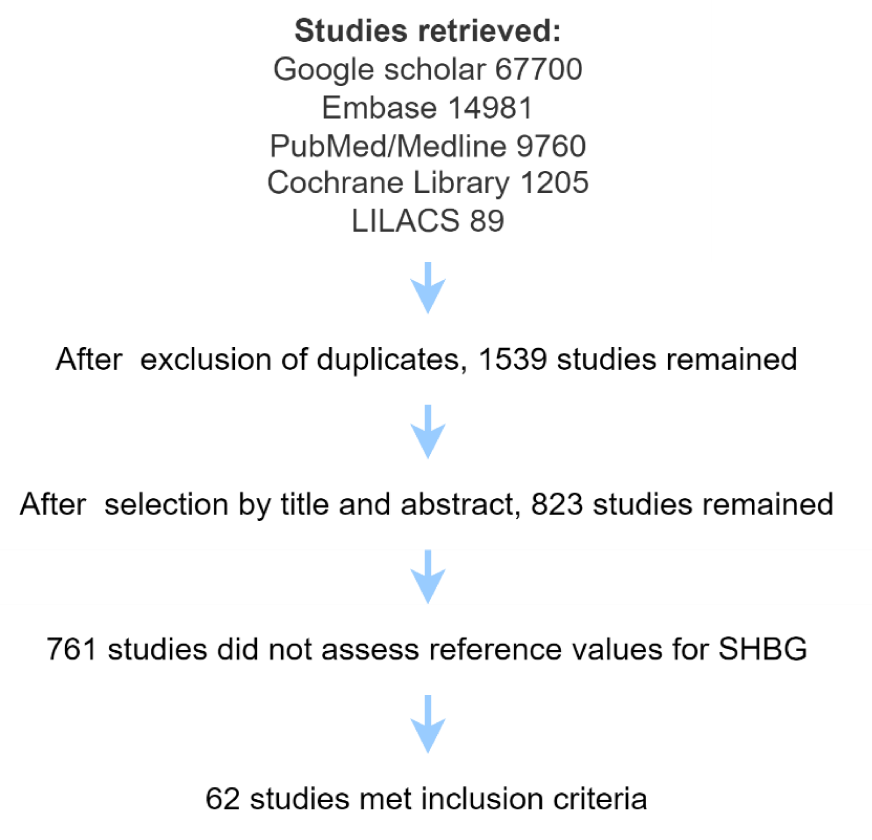
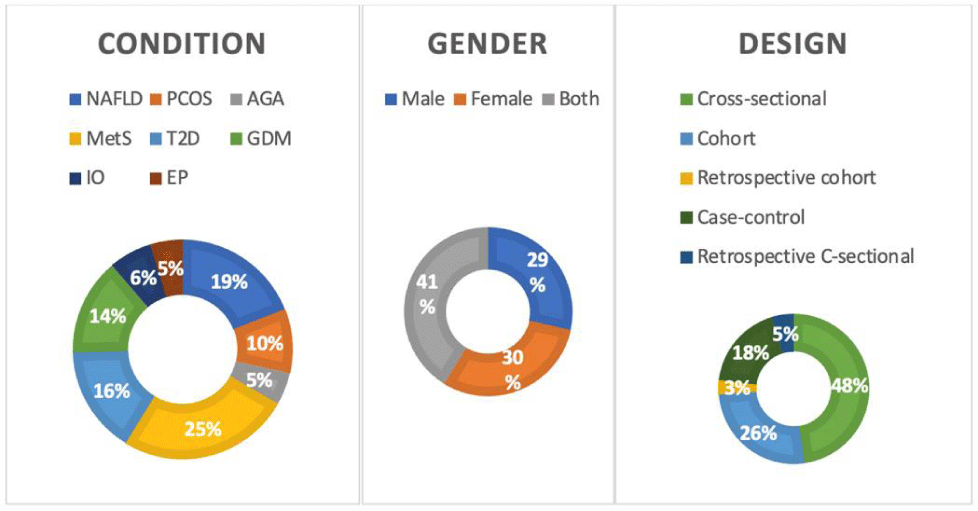
A total of 93,735 articles were identified through the databases. After duplicate exclusion, 62 studies were selected by the reading of titles and abstracts and then were full text read (Figure 1). Studies were predominantly cross-sectional and observational cohorts, with MetS and NAFLD being the most extensively investigated conditions. Collectively, the selected studies encompassed a total of 127,771 subjects comprising both patients and controls. The distribution of the selected studies is detailed in figure 2, where they are categorized by disease, gender, age, and study design.
Virtually all analyzed studies demonstrated a unanimous decrease in SHBG levels in patients with the listed conditions compared to matched controls, highlighting a significant association between SHBG levels and the conditions under review. This paper reviews relevant information indicating that SHBG is a key player involved in several metabolic disturbances, leading to adverse effects on the reproductive system and an increased risk of cardiovascular disease.
SHBG: dynamics and influencing factors
SHBG is found in equal levels in fetal circulation and cord blood across genders, low at birth but increases within the first months. Its levels usually remain high until puberty, when they decrease in both sexes, more pronounced in males [20]. In adults, women have higher SHBG levels than men, with levels increasing up to 10 x until 24 weeks of gestation and then stabilizing [21]. Normally, SHBG levels in men start to rise from 40 to 50 years onwards, while in women, they decrease at the end of reproductive life (45 to 65 years old), followed by a gradual increase [22].
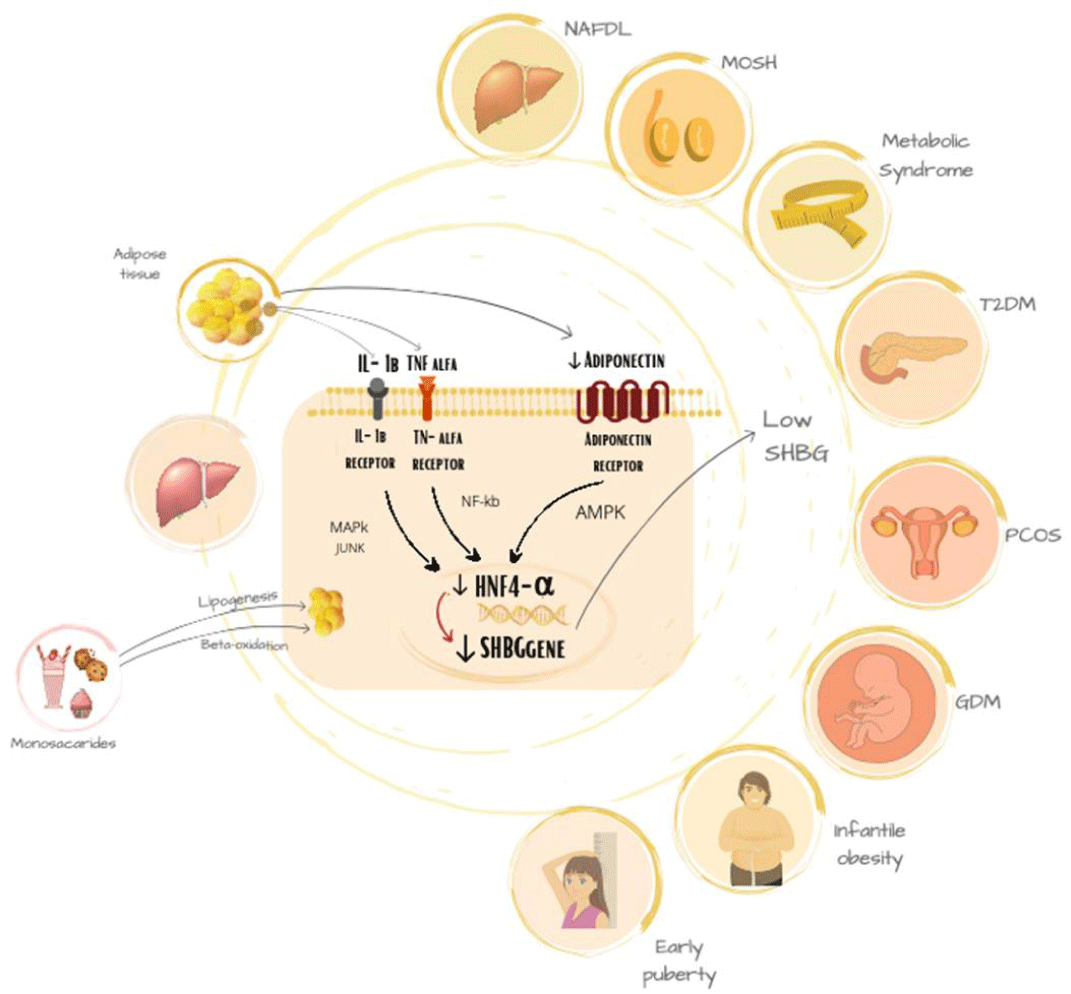
SHBG production primarily occurs in the liver, regulated by Hepatic Nuclear Factor 4-Alpha (HNF-4α), and influenced by hormonal, metabolic, and nutritional factors (Figure 3) [23]. Adiponectin, thyroid, and estrogenic hormones increase SHBG production. Conversely, growth hormone, corticosteroids, insulin, and non-aromatizable androgens decrease its production [24]. Dietary elements like excessive monosaccharides that induce inflammatory cytokines and Insulin Resistance (IR) also reduce SHBG levels [24,25]. SHBG levels are inversely correlated with Body Mass Index (BMI) [26], with liver fat influencing these levels more than total body or visceral fat [27]. In addition, individual variation in SHBG levels is noticeable and can be attributed to hereditary factors [28].
SHBG thresholds
Accurately defining “normal” SHBG seems to be challenging. A study published in 2021 with 1477 North American subjects suggested low SHBG thresholds as follows: men < 50 years at < 12.3 nmol/L, men ≥ 50 years at < 23.5 nmol/L, women < 30 years at< 14.5 nmol/L, and women ≥ 30 years at <21.9 nmol/L [29]. These were proposed as ‘criteria definition’; however, our review found such thresholds common in patients with chronic metabolic disorders.
Likewise, a study with a healthy Italian population suggested SHBG should be above 41.2 nmol/L for men and 62.6 nmol/L for women, with slight flexibility for men aged 20 to 40 [30]. Reference ranges for SHBG levels should also account for childhood [31], pregnancy [32], and aging [33].
Nonalcoholic fat liver disease
In males, normal androgen levels prevent the development of hepatic steatosis by decreasing lipogenesis and enhancing fatty acid oxidation and lipidic mobilization, whereas testosterone deficiency induces hepatic steatosis [34]. In females, E2 acts protectively against hepatic steatosis, inflammation, and gluconeogenesis [35]. Moreover, there is an obvious association between SHBG and the free androgen index, which is calculated from the ratio of Total Testosterone (TT) to SHBG. Female hyperandrogenism is a key contributor to the development of NAFLD, promoting hepatic steatosis, inflammation, and gluconeogenesis [4].
Additionally, low levels of SHBG are indicative of IR [36] and have been proposed as an early biomarker for the onset of NAFLD [4,37]. Studies suggest that increasing levels of TT and SHBG are associated with reduced risk of hepatic steatosis. NAFLD not only contributes to but also is influenced by other metabolic comorbidities such as Type 2 Diabetes (T2D) and obesity, which may suppress the gonadotropic axis, leading to altered levels of sex steroids. Thus, in men, reduced sex steroid levels might be more a consequence of hepatic steatosis rather than its cause [38,39].
Male obesity secondary hypogonadism
Obesity is linked to an elevated risk of developing MOSH, which in turn is associated with an increased risk of MetS, T2D, and mortality from Cardiovascular Diseases (CVD). Obesity contributes to the reduction of SHBG levels through multiple mechanisms. A decrease in SHBG is correlated with higher levels of leptin and lower levels of adiponectin, as well as with MetS, independently of T levels [40]. Considerable evidence exists to support the notion that insulin plays a regulatory role in the expression of HNF4-α and SHBG [41]. Research using HepG2 hepatoma cells has proposed mechanisms through which inflammation impacts SHBG production. Specifically, it has been suggested that Tumor Necrosis Factor-Alpha (TNF-α) suppresses SHBG production by diminishing the hepatic expression of HNF-4α, facilitated through nuclear factor-kappa B activation. In a parallel mechanism, Interleukin-1 Beta (IL-1β) is believed to reduce HNF-4α levels via the MEK-1/2 and JNK MAPK pathways [42]. Additionally, these studies have demonstrated that persistently high plasma concentrations of TNF-α or IL-1β are factors involved in the downregulation of SHBG production [43].
SHBG modulates T production through a negative feedback mechanism, influencing T or E2 cellular entry in the hypothalamus and/or pituitary. Low SHBG increases unbound T and E2, suppressing Luteinizing Hormone (LH) and Follicle Stimulating Hormone (FSH) secretion and leading to their 'inappropriately low' levels in men with reduced testosterone and SHBG [44,45]. In MOSH, it is speculated that low SHBG may enhance T metabolism, exacerbating T deficiency. Given the importance of SHBG in controlling serum levels and the cellular T actions, it is suggested that measuring SHBG is helpful for understanding and managing acquired hypogonadism in men [45].
Metabolic syndrome
The correlation of low levels of SHBG and MetS spans various ages [6,46,47], genders [5,47], and includes subjects regardless of obesity status [7,48]. Over 90% of 12-16-year-old children and adolescents with abdominal obesity had low to medium SHBG terciles, which were even lower in those with MetS [6]. In children, low SHBG significantly predicts insulin resistance, low High-Density Lipoprotein Cholesterol (HDL-C), and MetS, emerging as the strongest MetS predictor [49,50]. Thus, SHBG levels may indicate future cardiovascular risk in either overweight or obese children [51]. SHBG levels are inversely correlated with age, BMI, atherogenic index, and Triglycerides [TG], and directly with HDL-C in children and adolescents [51]. Notably, children with one MetS-affected parent had 24% lower SHBG levels, increasing to 55% with two affected parents [52]. This study also found SHBG and waist circumference as predictors of weight gain over a year in children [52].
While low Testosterone (T) levels in men have been linked to a higher MetS risk in some studies [48,53], the causal relationship between T levels and disease remains unclear [54]. Conversely, low SHBG is more closely associated with incident MetS, independently of T and diabetes, after adjusting for age, adiposity, and comorbidities [55-59], and inversely related to severity and criteria number of MetS in men [60]. A study by Fenske, et al. [61] on a large female cohort found SHBG levels inversely associated with MetS and T2DM, suggesting low SHBG as a potential cardiometabolic risk marker, especially in postmenopausal women. Other studies link SHBG with metabolic profiles, particularly in assessing PCOS.
Polycystic ovary syndrome
A meta-analysis have shown that women with PCOS exhibit significantly lower SHBG levels, about 50% less than healthy counterparts, associating low SHBG with PCOS risk [62]. A study of 733 PCOS patients and 469 matched controls identified the lower normal limits of SHBG as 51.90 nM (25th percentile) [63]. Levels below 42 nmol/L in patients with PCOS correlated with fatty liver and prediabetes [64]. Low SHBG has been found to disrupt the PI3K/AKT pathway's regulation, contributing to Insulin Resistance (IR) and exacerbating hyperandrogenism and IR cycles [9,18].
Insulin significantly influences ovarian testosterone production, exacerbating PCOS's hyperandrogenism through increased androgen levels and reduced SHBG [65]. The inverse correlation between SHBG and Homeostasis Model Assessment-Insulin Resistance (HOMA-IR) was demonstrated in a recent study evaluating newly diagnosed patients with PCOS, suggesting SHBG as a predictor for IR risk [66]. Furthermore, SHBG correlated with several metabolic parameters, including BMI, blood pressure, TG, HDL-C, glycemia, and HOMA-IR pointing to its potential as a metabolic syndrome predictor in PCOS patients [67].
Male equivalent of PCOS
Men with PCOS-like symptoms, referred to as male equivalent of PCOS, often have a family history of classic PCOS [68] and exhibit Insulin Resistance (IR) and early androgenetic alopecia before the age of 35 years [69]. Studies on male first-degree relatives of PCOS patients show elevated TG, IR, glucose, reduced SHBG levels, and more signs of hyperandrogenism. Siblings also display hormonal abnormalities, including lower dehydroepiandrosterone sulfate levels though basal T remains unchanged [70]. Notably, adult male relatives exhibit increased anti-Müllerian hormone, Luteinizing Hormone (LH), and follicle-stimulating hormone (FSH) levels.
Type-2 Diabetes
Multiple studies have suggested that both SHBG and estradiol independently contribute to the T2D risk in women [12,71,72], with high SHBG levels linked to an 80% lower risk of diabetes [73,74]. Additionally, this inverse SHBG-T2D correlation is more pronounced in women [74,75]. Among men, individuals with high E2 and low SHBG had a 20x higher T2D risk [76]. A prospective analysis involving 1377 young adults over 6 years showed low SHBG predicted future IR and T2D risk [77]. Analysis of over 57,941 individuals highlighted T2D's increased risk with SHBG levels below 40 nmol/L for men and 50 nmol/L for women [12]. A study of 8876 women over 8 years found low SHBG and high free and total T levels significantly linked to T2D [72]. Those in the lowest SHBG quartile had a tenfold higher T2D risk compared to the highest quartile. Also, patients in the lowest SHBG quartile (5.8-24.7 nmol/L) had an approximately 10x higher T2D risk compared to the highest quartile (44.4-122.0 nmol/L) [75]. Taken together, these findings underscore low SHBG as a strong predictor of T2D risk, emphasizing its role in IR and T2D pathophysiology.
Gestational diabetes
Recent evidences suggests that SHBG is a highly promising marker for early GDM diagnosis [78,79] and for identifying high-risk pregnancies [11]. Low SHBG levels, both before and during pregnancy, are associated with increased GDM risk, even in low-risk [80] and normal weight-women with no previous history of GDM [11,78,79]. Zhang, et al. [79] showed that women with SHBG levels below 64.5 nmol/L had a 2.6 x increased GDM risk, which rose to 5.3x in the presence of obesity. Very interestingly, low SHBG levels years before pregnancy are also associated with a higher risk of GDM [79]. The association between lower SHBG levels and the risk of GDM was also reported in women with PCOS [81]. In the second trimester of pregnancy, studies suggest a SHBG threshold under 50 nmol/L predicts GDM with high sensitivity and specificity [82]. Meta-analyses show significantly lower SHBG levels in GDM, with every 50 nmol/L increase in SHBG reducing GDM risk by 15%, regardless of adiposity. Of note, SHBG levels are also lower in neonates from GDM pregnancies [83].
Children with obesity and puberty timing
Pinkney, et al. [84] conducted a longitudinal study on 347 children aged 5 to 15 years old, showing that SHBG levels peak at age 5, and then decrease over time. Initially, boys had higher SHBG levels than girls, but by age 15, this reversed. SHBG negatively correlated with adiposity, insulin, insulin-like growth factor 1, C-reactive protein, and leptin, and positively with adiponectin. Lower SHBG levels at age 5 in girls were linked to earlier puberty markers, while in boys, reduced SHBG was associated with early puberty signs but not with LH secretion or peak height velocity onset [84]. The authors postulated that adiposity-related endocrine mechanisms and chronic inflammation contribute to early SHBG decline and puberty onset [84], reflecting the trend towards earlier puberty in recent decades. Sorensen, et al. [85] found girls with precocious puberty had lower SHBG levels, which did not normalize during gonadal suppression with gonadotropin-releasing hormone analog treatment, indicating persistent hormonal/metabolic changes. Additionally, children with premature adrenarche also exhibited lower SHBG levels when compared with healthy controls [86].
Childhood obesity is an important contributor to the early onset of puberty, and this association is notably stronger in girls than in boys [87]. However, the underlying mechanism of this association remains elusive. Hur, et al. [88] reported a 120% increase in risk of advanced bone age per HOMA-IR unit increase, with a positive correlation between bone age, IR, and an inverse correlation with SHBG, suggesting obesity-induced hyperinsulinemia and IR reduce SHBG, accelerating puberty [89]. Comparing SHBG levels in children with and without obesity by age 6-9 years, lower SHBG was found in both sexes of these ones with obesity, inversely correlated to insulin levels [90]. In a large group of children with overweight and obesity, SHBG level was positively correlated with HDL-C and negatively correlated with TG and BMI [91]. Overall, prepubertal children with obesity had lower SHBG levels compared to normal-weight peers in all studies analyzed [31].
In conclusion, the evidence compellingly suggests that SHBG has a direct impact on metabolic and inflammatory diseases, indicating its significance beyond merely serving as an adjunct biomarker. Although there are some limitations and discrepancies in the literature concerning the recommended cut-off values for SHBG levels, improvements in SHBG levels could be considered as an indicator of therapeutic efficacy. The insights presented in this paper advocate for a re-assessment of the currently adopted threshold range and encourage clinicians to carefully consider this information with the aim of enhancing the prevention, diagnosis, and treatment of various metabolic diseases across all age groups.
Competing Interests
The authors have no financial or proprietary interests in any material discussed in this article.
Funding
No funds, grants, or other support was received.
Author contributions
ACR: Study conception, online search, manuscript writing.
SB: Online search, manuscript writing.
EBT: Manuscript writing and review.
EFC: Manuscript review.
References
- Hammond GL. Plasma steroid-binding proteins: primary gatekeepers of steroid hormone action. J Endocrinol. 2016 Jul;230(1):R13-25. doi: 10.1530/JOE-16-0070. Epub 2016 Apr 25. PMID: 27113851; PMCID: PMC5064763.
- Rosner W, Hryb DJ, Khan MS, Nakhla AM, Romas NA. Sex hormone-binding globulin mediates steroid hormone signal transduction at the plasma membrane. J Steroid Biochem Mol Biol. 1999 Apr-Jun;69(1-6):481-5. doi: 10.1016/s0960-0760(99)00070-9. PMID: 10419028.
- Dunn JF, Nisula BC, Rodbard D. Transport of steroid hormones: binding of 21 endogenous steroids to both testosterone-binding globulin and corticosteroid-binding globulin in human plasma. J Clin Endocrinol Metab. 1981 Jul;53(1):58-68. doi: 10.1210/jcem-53-1-58. PMID: 7195404.
- Di Stasi V, Maseroli E, Rastrelli G, Scavello I, Cipriani S, Todisco T, Marchiani S, Sorbi F, Fambrini M, Petraglia F, Maggi M, Vignozzi L. SHBG as a Marker of NAFLD and Metabolic Impairments in Women Referred for Oligomenorrhea and/or Hirsutism and in Women With Sexual Dysfunction. Front Endocrinol (Lausanne). 2021 Mar 29;12:641446. doi: 10.3389/fendo.2021.641446. PMID: 33854482; PMCID: PMC8040974.
- Al-Daghri NM, Khan N, Sabico S, Al-Attas OS, Alokail MS, Kumar S. Gender-specific associations of serum sex hormone-binding globulin with features of metabolic syndrome in children. Diabetol Metab Syndr. 2016 Mar 8;8:22. doi: 10.1186/s13098-016-0134-8. PMID: 26962330; PMCID: PMC4784466.
- de Oya I, Schoppen S, Lasunción MA, Lopez-Simon L, Riestra P, de Oya M, Garcés C. Sex hormone-binding globulin levels and metabolic syndrome and its features in adolescents. Pediatr Diabetes. 2010 May;11(3):188-94. doi: 10.1111/j.1399-5448.2009.00559.x. Epub 2009 Jul 23. PMID: 19656319.
- Brand JS, Rovers MM, Yeap BB, Schneider HJ, Tuomainen TP, Haring R, Corona G, Onat A, Maggio M, Bouchard C, Tong PC, Chen RY, Akishita M, Gietema JA, Gannagé-Yared MH, Undén AL, Hautanen A, Goncharov NP, Kumanov P, Chubb SA, Almeida OP, Wittchen HU, Klotsche J, Wallaschofski H, Völzke H, Kauhanen J, Salonen JT, Ferrucci L, van der Schouw YT. Testosterone, sex hormone-binding globulin and the metabolic syndrome in men: an individual participant data meta-analysis of observational studies. PLoS One. 2014 Jul 14;9(7):e100409. doi: 10.1371/journal.pone.0100409. PMID: 25019163; PMCID: PMC4096400.
- Qu X, Donnelly R. Sex Hormone-Binding Globulin (SHBG) as an Early Biomarker and Therapeutic Target in Polycystic Ovary Syndrome. Int J Mol Sci. 2020 Nov 1;21(21):8191. doi: 10.3390/ijms21218191. PMID: 33139661; PMCID: PMC7663738.
- Zhu JL, Chen Z, Feng WJ, Long SL, Mo ZC. Sex hormone-binding globulin and polycystic ovary syndrome. Clin Chim Acta. 2019 Dec;499:142-148. doi: 10.1016/j.cca.2019.09.010. Epub 2019 Sep 13. PMID: 31525346.
- Yeap BB, Marriott RJ, Antonio L, Chan YX, Raj S, Dwivedi G, Reid CM, Anawalt BD, Bhasin S, Dobs AS, Hankey GJ, Matsumoto AM, Norman PE, O'Neill TW, Ohlsson C, Orwoll ES, Vanderschueren D, Wittert GA, Wu FCW, Murray K. Serum Testosterone is Inversely and Sex Hormone-binding Globulin is Directly Associated with All-cause Mortality in Men. J Clin Endocrinol Metab. 2021 Jan 23;106(2):e625-e637. doi: 10.1210/clinem/dgaa743. PMID: 33059368.
- Li MY, Rawal S, Hinkle SN, Zhu YY, Tekola-Ayele F, Tsai MY, Liu SM, Zhang CL. Sex Hormone-binding Globulin, Cardiometabolic Biomarkers, and Gestational Diabetes: A Longitudinal Study and Meta-analysis. Matern Fetal Med. 2020 Jan 24;2(1):2-9. doi: 10.1097/FM9.0000000000000037. PMID: 32776014; PMCID: PMC7357819.
- O'Reilly MW, Glisic M, Kumarendran B, Subramanian A, Manolopoulos KN, Tahrani AA, Keerthy D, Muka T, Toulis KA, Hanif W, Thomas GN, Franco OH, Arlt W, Nirantharakumar K. Serum testosterone, sex hormone-binding globulin and sex-specific risk of incident type 2 diabetes in a retrospective primary care cohort. Clin Endocrinol (Oxf). 2019 Jan;90(1):145-154. doi: 10.1111/cen.13862. Epub 2018 Oct 23. PMID: 30256433; PMCID: PMC6334272.
- Simons PIHG, Valkenburg O, Stehouwer CDA, Brouwers MCGJ. Sex hormone-binding globulin: biomarker and hepatokine? Trends Endocrinol Metab. 2021 Aug;32(8):544-553. doi: 10.1016/j.tem.2021.05.002. Epub 2021 May 26. PMID: 34052096.
- Li J, Zheng L, Chan KHK, Zou X, Zhang J, Liu J, Zhong Q, Madsen TE, Wu WC, Manson JE, Yu X, Liu S. Sex Hormone-Binding Globulin and Risk of Coronary Heart Disease in Men and Women. Clin Chem. 2023 Apr 3;69(4):374-385. doi: 10.1093/clinchem/hvac209. PMID: 36702572.
- Thaler MA, Seifert-Klauss V, Luppa PB. The biomarker sex hormone-binding globulin - from established applications to emerging trends in clinical medicine. Best Pract Res Clin Endocrinol Metab. 2015 Oct;29(5):749-60. doi: 10.1016/j.beem.2015.06.005. Epub 2015 Jun 30. PMID: 26522459.
- Yamazaki H, Kushiyama A, Sakoda H, Fujishiro M, Yamamotoya T, Nakatsu Y, Kikuchi T, Kaneko S, Tanaka H, Asano T. Protective Effect of Sex Hormone-Binding Globulin against Metabolic Syndrome: In Vitro Evidence Showing Anti-Inflammatory and Lipolytic Effects on Adipocytes and Macrophages. Mediators Inflamm. 2018 Jun 25;2018:3062319. doi: 10.1155/2018/3062319. PMID: 30046278; PMCID: PMC6036814.
- Hong H, Branham WS, Ng HW, Moland CL, Dial SL, Fang H, Perkins R, Sheehan D, Tong W. Human sex hormone-binding globulin binding affinities of 125 structurally diverse chemicals and comparison with their binding to androgen receptor, estrogen receptor, and α-fetoprotein. Toxicol Sci. 2015 Feb;143(2):333-48. doi: 10.1093/toxsci/kfu231. Epub 2014 Oct 27. PMID: 25349334.
- Feng C, Jin Z, Chi X, Zhang B, Wang X, Sun L, Fan J, Sun Q, Zhang X. SHBG expression is correlated with PI3K/AKT pathway activity in a cellular model of human insulin resistance. Gynecol Endocrinol. 2018 Jul;34(7):567-573. doi: 10.1080/09513590.2017.1411474. Epub 2018 Jan 3. PMID: 29298529.
- Saez-Lopez C, Villena JA, Simó R, Selva DM. Sex hormone-binding globulin overexpression protects against high-fat diet-induced obesity in transgenic male mice. J Nutr Biochem. 2020 Nov;85:108480. doi: 10.1016/j.jnutbio.2020.108480. Epub 2020 Aug 12. PMID: 32795655.
- Aydın B, Winters SJ. Sex Hormone-Binding Globulin in Children and Adolescents. J Clin Res Pediatr Endocrinol. 2016 Mar 5;8(1):1-12. doi: 10.4274/jcrpe.2764. Epub 2015 Jan 18. PMID: 26761949; PMCID: PMC4805039.
- O'Leary P, Boyne P, Flett P, Beilby J, James I. Longitudinal assessment of changes in reproductive hormones during normal pregnancy. Clin Chem. 1991 May;37(5):667-72. PMID: 1827758..
- Aribas E, Kavousi M, Laven JSE, Ikram MA, Roeters van Lennep JE. Aging, Cardiovascular Risk, and SHBG Levels in Men and Women From the General Population. J Clin Endocrinol Metab. 2021 Sep 27;106(10):2890-2900. doi: 10.1210/clinem/dgab470. PMID: 34197576; PMCID: PMC8475196.
- Winters SJ, Scoggins CR, Appiah D, Ghooray DT. The hepatic lipidome and HNF4α and SHBG expression in human liver. Endocr Connect. 2020 Oct;9(10):1009-1018. doi: 10.1530/EC-20-0401. PMID: 33064664; PMCID: PMC7576643.
- Selva DM, Hogeveen KN, Innis SM, Hammond GL. Monosaccharide-induced lipogenesis regulates the human hepatic sex hormone-binding globulin gene. J Clin Invest. 2007 Dec;117(12):3979-87. doi: 10.1172/JCI32249. PMID: 17992261; PMCID: PMC2066187.
- Wallace IR, McKinley MC, Bell PM, Hunter SJ. Sex hormone binding globulin and insulin resistance. Clin Endocrinol (Oxf). 2013 Mar;78(3):321-9. doi: 10.1111/cen.12086. PMID: 23121642.
- Derby CA, Zilber S, Brambilla D, Morales KH, McKinlay JB. Body mass index, waist circumference and waist to hip ratio and change in sex steroid hormones: the Massachusetts Male Ageing Study. Clin Endocrinol (Oxf). 2006 Jul;65(1):125-31. doi: 10.1111/j.1365-2265.2006.02560.x. PMID: 16817831.
- Gautier A, Bonnet F, Dubois S, Massart C, Grosheny C, Bachelot A, Aubé C, Balkau B, Ducluzeau PH. Associations between visceral adipose tissue, inflammation and sex steroid concentrations in men. Clin Endocrinol (Oxf). 2013 Mar;78(3):373-8. doi: 10.1111/j.1365-2265.2012.04401.x. PMID: 22469460.
- Coviello AD, Zhuang WV, Lunetta KL, Bhasin S, Ulloor J, Zhang A, Karasik D, Kiel DP, Vasan RS, Murabito JM. Circulating testosterone and SHBG concentrations are heritable in women: the Framingham Heart Study. J Clin Endocrinol Metab. 2011 Sep;96(9):E1491-5. doi: 10.1210/jc.2011-0050. Epub 2011 Jul 13. PMID: 21752884; PMCID: PMC3167671.
- Wang Y. Definition, Prevalence, and Risk Factors of Low Sex Hormone-Binding Globulin in US Adults. J Clin Endocrinol Metab. 2021 Sep 27;106(10):e3946-e3956. doi: 10.1210/clinem/dgab416. PMID: 34125885; PMCID: PMC8571812.
- Buttari B, Riganò R, Palmieri L, Lo Noce C, Blankenberg S, Zeller T, Vannucchi S, Di Lonardo A, Gabbianelli M, Donfrancesco C. Sex hormone-binding globulin and its association to cardiovascular risk factors in an italian adult population cohort. Y Rep. 2022;5(1):5. doi: 10.3390/reports5010005.
- Ramon-Krauel M, Leal-Witt MJ, Osorio-Conles Ó, Amat-Bou M, Lerin C, Selva DM. Relationship between adiponectin, TNFα, and SHBG in prepubertal children with obesity. Mol Cell Pediatr. 2021 Mar 10;8(1):3. doi: 10.1186/s40348-021-00113-z. PMID: 33689083; PMCID: PMC7947057.
- Caglar GS, Ozdemir ED, Cengiz SD, Demirtaş S. Sex-hormone-binding globulin early in pregnancy for the prediction of severe gestational diabetes mellitus and related complications. J Obstet Gynaecol Res. 2012 Nov;38(11):1286-93. doi: 10.1111/j.1447-0756.2012.01870.x. Epub 2012 May 21. PMID: 22612716.
- Stanczyk FZ, Sriprasert I, Karim R, Hwang-Levine J, Mack WJ, Hodis HN. Concentrations of endogenous sex steroid hormones and SHBG in healthy postmenopausal women. J Steroid Biochem Mol Biol. 2022 Oct;223:106080. doi: 10.1016/j.jsbmb.2022.106080. Epub 2022 Feb 16. PMID: 35182725; PMCID: PMC10182837.
- Della Torre S. Beyond the X Factor: Relevance of Sex Hormones in NAFLD Pathophysiology. Cells. 2021 Sep 21;10(9):2502. doi: 10.3390/cells10092502. PMID: 34572151; PMCID: PMC8470830.
- Grossmann M, Wierman ME, Angus P, Handelsman DJ. Reproductive Endocrinology of Nonalcoholic Fatty Liver Disease. Endocr Rev. 2019 Apr 1;40(2):417-446. doi: 10.1210/er.2018-00158. PMID: 30500887.
- Ye J, Yao Z, Tan A, Gao Y, Chen Y, Lin X, He R, Tang R, Hu Y, Zhang H, Yang X, Wang Q, Jiang Y, Mo Z. Low Serum Sex Hormone-Binding Globulin Associated with Insulin Resistance in Men with Nonalcoholic Fatty Liver Disease. Horm Metab Res. 2017 May;49(5):359-364. doi: 10.1055/s-0043-102690. Epub 2017 Mar 10. PMID: 28282659.
- Jaruvongvanich V, Sanguankeo A, Riangwiwat T, Upala S. Testosterone, Sex Hormone-Binding Globulin and Nonalcoholic Fatty Liver Disease: a Systematic Review and Meta-Analysis. Ann Hepatol. 2017 May-Jun;16(3):382-394. doi: 10.5604/16652681.1235481. PMID: 28425408.
- Hua X, Li M, Pan F, Xiao Y, Cui W, Hu Y. Non-alcoholic fatty liver disease is an influencing factor for the association of SHBG with metabolic syndrome in diabetes patients. Sci Rep. 2017 Nov 6;7(1):14532. doi: 10.1038/s41598-017-15232-9. PMID: 29109457; PMCID: PMC5674048.
- Zhang X, Mou Y, Aribas E, Amiri M, Nano J, Bramer WM, Kavousi M, de Knegt RJ, Asllanaj E, Ghanbari M. Associations of Sex Steroids and Sex Hormone-Binding Globulin with Non-Alcoholic Fatty Liver Disease: A Population-Based Study and Meta-Analysis. Genes (Basel). 2022 May 27;13(6):966. doi: 10.3390/genes13060966. PMID: 35741728; PMCID: PMC9223113.
- Liu CC, Huang SP, Cheng KH, Hsieh TJ, Huang CN, Wang CJ, Yeh HC, Tsai CC, Bao BY, Wu WJ, Lee YC. Lower SHBG level is associated with higher leptin and lower adiponectin levels as well as metabolic syndrome, independent of testosterone. Sci Rep. 2017 Jun 2;7(1):2727. doi: 10.1038/s41598-017-03078-0. PMID: 28577342; PMCID: PMC5457423.
- Xie X, Liao H, Dang H, Pang W, Guan Y, Wang X, Shyy JY, Zhu Y, Sladek FM. Down-regulation of hepatic HNF4alpha gene expression during hyperinsulinemia via SREBPs. Mol Endocrinol. 2009 Apr;23(4):434-43. doi: 10.1210/me.2007-0531. Epub 2009 Jan 29. PMID: 19179483; PMCID: PMC2667705.
- Simó R, Barbosa-Desongles A, Hernandez C, Selva DM. IL1β down-regulation of sex hormone-binding globulin production by decreasing HNF-4α via MEK-1/2 and JNK MAPK pathways. Molecular Endocrinology (Baltimore, Md.). 2012 Nov;26(11):1917-1927. DOI: 10.1210/me.2012-1152. PMID: 22902540; PMCID: PMC5416961.
- Simó R, Barbosa-Desongles A, Sáez-Lopez C, Lecube A, Hernandez C, Selva DM. Molecular Mechanism of TNFα-Induced Down-Regulation of SHBG Expression. Mol Endocrinol. 2012 Mar;26(3):438-46. doi: 10.1210/me.2011-1321. Epub 2012 Feb 2. PMID: 22301786; PMCID: PMC5417125.
- de Ronde W, van der Schouw YT, Pierik FH, Pols HA, Muller M, Grobbee DE, Gooren LJ, Weber RF, de Jong FH. Serum levels of sex hormone-binding globulin (SHBG) are not associated with lower levels of non-SHBG-bound testosterone in male newborns and healthy adult men. Clin Endocrinol (Oxf). 2005 Apr;62(4):498-503. doi: 10.1111/j.1365-2265.2005.02252.x. PMID: 15807883.
- Winters SJ. SHBG and total testosterone levels in men with adult onset hypogonadism: what are we overlooking? Clin Diabetes Endocrinol. 2020 Sep 29;6:17. doi: 10.1186/s40842-020-00106-3. PMID: 33014416; PMCID: PMC7526370.
- Chubb SA, Hyde Z, Almeida OP, Flicker L, Norman PE, Jamrozik K, Hankey GJ, Yeap BB. Lower sex hormone-binding globulin is more strongly associated with metabolic syndrome than lower total testosterone in older men: the Health in Men Study. Eur J Endocrinol. 2008 Jun;158(6):785-92. doi: 10.1530/EJE-07-0893. PMID: 18505902.
- Onat A, Hergenç G, Karabulut A, Albayrak S, Can G, Kaya Z. Serum sex hormone-binding globulin, a determinant of cardiometabolic disorders independent of abdominal obesity and insulin resistance in elderly men and women. Metabolism. 2007 Oct;56(10):1356-62. doi: 10.1016/j.metabol.2007.05.020. PMID: 17884445.
- Kupelian V, Page ST, Araujo AB, Travison TG, Bremner WJ, McKinlay JB. Low sex hormone-binding globulin, total testosterone, and symptomatic androgen deficiency are associated with development of the metabolic syndrome in nonobese men. J Clin Endocrinol Metab. 2006 Mar;91(3):843-50. doi: 10.1210/jc.2005-1326. Epub 2006 Jan 4. PMID: 16394089.
- Agirbasli M, Agaoglu NB, Orak N, Caglioz H, Ocek T, Karabağ T, Baykan OA. Sex hormones, insulin resistance and high-density lipoprotein cholesterol levels in children. Horm Res Paediatr. 2010;73(3):166-74. doi: 10.1159/000284357. Epub 2010 Mar 3. PMID: 20197668.
- Agirbasli M, Agaoglu NB, Orak N, Caglioz H, Ocek T, Poci N, Salaj A, Maya S. Sex hormones and metabolic syndrome in children and adolescents. Metabolism. 2009 Sep;58(9):1256-62. doi: 10.1016/j.metabol.2009.03.024. Epub 2009 Jun 18. PMID: 19497594.
- Park G, Song K, Choi Y, Oh JS, Choi HS, Suh J, Kwon A, Kim HS, Chae HW. Sex Hormone-Binding Globulin Is Associated with Obesity and Dyslipidemia in Prepubertal Children. Children (Basel). 2020 Dec 4;7(12):272. doi: 10.3390/children7120272. PMID: 33291623; PMCID: PMC7761898.
- Krishnasamy SS, Chang C, Wang C, Chandiramani R, Winters SJ. Sex hormone-binding globulin and the risk for metabolic syndrome in children of South Asian Indian origin. Endocr Pract. 2012 Sep-Oct;18(5):668-75. doi: 10.4158/EP12026.OR. PMID: 22548950.
- Haring R, Völzke H, Spielhagen C, Nauck M, Wallaschofski H. The role of sex hormone-binding globulin and testosterone in the risk of incident metabolic syndrome. Eur J Prev Cardiol. 2013 Dec;20(6):1061-8. doi: 10.1177/2047487312452965. Epub 2012 Jun 18. PMID: 22711969.
- Laaksonen DE, Niskanen L, Punnonen K, Nyyssönen K, Tuomainen TP, Valkonen VP, Salonen R, Salonen JT. Testosterone and sex hormone-binding globulin predict the metabolic syndrome and diabetes in middle-aged men. Diabetes Care. 2004 May;27(5):1036-41. doi: 10.2337/diacare.27.5.1036. PMID: 15111517.
- Bhasin S, Jasjua GK, Pencina M, D'Agostino R Sr, Coviello AD, Vasan RS, Travison TG. Sex hormone-binding globulin, but not testosterone, is associated prospectively and independently with incident metabolic syndrome in men: the framingham heart study. Diabetes Care. 2011 Nov;34(11):2464-70. doi: 10.2337/dc11-0888. Epub 2011 Sep 16. PMID: 21926281; PMCID: PMC3198304.
- Siddiqui K, Al-Rubeaan K, Nawaz SS, Aburisheh KH, Alaabdin AMZ, Tolba IA. Serum Sex Hormone Binding Globulin (SHBG) Relation with Different Components of Metabolic Syndrome in Men with Type 2 Diabetes. Horm Metab Res. 2018 Feb;50(2):138-144. doi: 10.1055/s-0043-123348. Epub 2017 Dec 15. PMID: 29245159.
- Mohammed M, Al-Habori M, Abdullateef A, Saif-Ali R. Impact of Metabolic Syndrome Factors on Testosterone and SHBG in Type 2 Diabetes Mellitus and Metabolic Syndrome. J Diabetes Res. 2018 Jul 2;2018:4926789. doi: 10.1155/2018/4926789. PMID: 30057912; PMCID: PMC6051249.
- Chin KY, Ima-Nirwana S, Mohamed IN, Aminuddin A, Ngah WZ. Total testosterone and sex hormone-binding globulin are significantly associated with metabolic syndrome in middle-aged and elderly men. Exp Clin Endocrinol Diabetes. 2013 Jul;121(7):407-12. doi: 10.1055/s-0033-1345164. Epub 2013 Jun 13. PMID: 23765753.
- Jarecki P, Herman WA, Pawliczak E, Lacka K. Can Low SHBG Serum Concentration Be A Good Early Marker Of Male Hypogonadism In Metabolic Syndrome? Diabetes Metab Syndr Obes. 2019 Oct 21;12:2181-2191. doi: 10.2147/DMSO.S218545. PMID: 31695461; PMCID: PMC6814954.
- Yang YH, Zhao MJ, Zhou SJ, Lu WH, Liang XW, Xiong CL, Wan CC, Shang XJ, Gu YQ. Is serum sex hormone-binding globulin a dominant risk factor for metabolic syndrome? Asian J Androl. 2015 Nov-Dec;17(6):991-5. doi: 10.4103/1008-682X.150845. PMID: 25851658; PMCID: PMC4814971.
- Fenske B, Kische H, Gross S, Wallaschofski H, Völzke H, Dörr M, Nauck M, Keevil BG, Brabant G, Haring R. Endogenous Androgens and Sex Hormone-Binding Globulin in Women and Risk of Metabolic Syndrome and Type 2 Diabetes. J Clin Endocrinol Metab. 2015 Dec;100(12):4595-603. doi: 10.1210/jc.2015-2546. Epub 2015 Oct 7. PMID: 26445113.
- Deswal R, Yadav A, Dang AS. Sex hormone binding globulin - an important biomarker for predicting PCOS risk: A systematic review and meta-analysis. Syst Biol Reprod Med. 2018 Feb;64(1):12-24. doi: 10.1080/19396368.2017.1410591. Epub 2017 Dec 11. PMID: 29227165.
- Ding M, Liu Y, Yang Y, Ye Y, Li L, Huang J, Chen X, Yang D, Zhao X. The Cutoff Value of Low Sex Hormone-Binding Globulin and Its Predictive Role in Impaired Glucose Metabolism Among Chinese Women with Polycystic Ovarian Syndrome. Metab Syndr Relat Disord. 2021 Sep;19(7):378-385. doi: 10.1089/met.2020.0071. Epub 2021 May 4. PMID: 33945333.
- Biernacka-Bartnik A, Kocełak P, Owczarek AJ, Choręza P, Puzianowska-Kuźnicka M, Markuszewski L, Madej P, Chudek J, Olszanecka-Glinianowicz M. Prediction of Insulin Resistance and Impaired Fasting Glucose Based on Sex Hormone-Binding Globulin (SHBG) Levels in Polycystic Ovary Syndrome. Int J Endocrinol. 2022 Jan 31;2022:6498768. doi: 10.1155/2022/6498768. PMID: 35140785; PMCID: PMC8820943.
- Pateguana NB, Janes A. The contribution of hyperinsulinemia to the hyperandrogenism of polycystic ovary syndrome. J Metab Health. 2019;4(1):a50. doi: 10.4102/jir.v4i1.50.
- Chen F, Liao Y, Chen M, Yin H, Chen G, Huang Q, Chen L, Yang X, Zhang W, Wang P, Yin G. Evaluation of the Efficacy of Sex Hormone-Binding Globulin in Insulin Resistance Assessment Based on HOMA-IR in Patients with PCOS. Reprod Sci. 2021 Sep;28(9):2504-2513. doi: 10.1007/s43032-021-00535-0. Epub 2021 Mar 15. PMID: 33721297.
- Fu C, Minjie C, Weichun Z, Huihuang Y, Guishan C, Qingxia H, Xiaoping Y, Lan C, Ping W, Chujia L, Guoshu Y. Efficacy of sex hormone-binding globulin on predicting metabolic syndrome in newly diagnosed and untreated patients with polycystic ovary syndrome. Hormones (Athens). 2020 Sep;19(3):439-445. doi: 10.1007/s42000-020-00219-5. Epub 2020 Jun 20. PMID: 32562143.
- Baillargeon JP, Carpentier AC. Brothers of women with polycystic ovary syndrome are characterised by impaired glucose tolerance, reduced insulin sensitivity and related metabolic defects. Diabetologia. 2007 Dec;50(12):2424-32. doi: 10.1007/s00125-007-0831-9. Epub 2007 Sep 27. PMID: 17898989; PMCID: PMC3846531.
- Di Guardo F, Ciotta L, Monteleone M, Palumbo M. Male Equivalent Polycystic Ovarian Syndrome: Hormonal, Metabolic, and Clinical Aspects. Int J Fertil Steril. 2020 Jul;14(2):79-83. doi: 10.22074/ijfs.2020.6092. Epub 2020 Jul 15. PMID: 32681618; PMCID: PMC7382675.
- Liu DM, Torchen LC, Sung Y, Paparodis R, Legro RS, Grebe SK, Singh RJ, Taylor RL, Dunaif A. Evidence for gonadotrophin secretory and steroidogenic abnormalities in brothers of women with polycystic ovary syndrome. Hum Reprod. 2014 Dec;29(12):2764-72. doi: 10.1093/humrep/deu282. Epub 2014 Oct 21. PMID: 25336708; PMCID: PMC4227582.
- Muka T, Nano J, Jaspers L, Meun C, Bramer WM, Hofman A, Dehghan A, Kavousi M, Laven JS, Franco OH. Associations of Steroid Sex Hormones and Sex Hormone-Binding Globulin With the Risk of Type 2 Diabetes in Women: A Population-Based Cohort Study and Meta-analysis. Diabetes. 2017 Mar;66(3):577-586. doi: 10.2337/db16-0473. Epub 2016 Oct 10. PMID: 28223343.
- Rasmussen JJ, Selmer C, Frøssing S, Schou M, Faber J, Torp-Pedersen C, Gislason GH, Køber L, Hougaard DM, Cohen AS, Kistorp C. Endogenous Testosterone Levels Are Associated with Risk of Type 2 Diabetes in Women without Established Comorbidity. J Endocr Soc. 2020 May 5;4(6):bvaa050. doi: 10.1210/jendso/bvaa050. PMID: 32537541; PMCID: PMC7278278.
- Perry JR, Weedon MN, Langenberg C, Jackson AU, Lyssenko V, Sparsø T, Thorleifsson G, Grallert H, Ferrucci L, Maggio M, Paolisso G, Walker M, Palmer CN, Payne F, Young E, Herder C, Narisu N, Morken MA, Bonnycastle LL, Owen KR, Shields B, Knight B, Bennett A, Groves CJ, Ruokonen A, Jarvelin MR, Pearson E, Pascoe L, Ferrannini E, Bornstein SR, Stringham HM, Scott LJ, Kuusisto J, Nilsson P, Neptin M, Gjesing AP, Pisinger C, Lauritzen T, Sandbaek A, Sampson M; MAGIC; Zeggini E, Lindgren CM, Steinthorsdottir V, Thorsteinsdottir U, Hansen T, Schwarz P, Illig T, Laakso M, Stefansson K, Morris AD, Groop L, Pedersen O, Boehnke M, Barroso I, Wareham NJ, Hattersley AT, McCarthy MI, Frayling TM. Genetic evidence that raised sex hormone binding globulin (SHBG) levels reduce the risk of type 2 diabetes. Hum Mol Genet. 2010 Feb 1;19(3):535-44. doi: 10.1093/hmg/ddp522. Epub 2009 Nov 18. PMID: 19933169; PMCID: PMC2798726.
- Ding EL, Song Y, Malik VS, Liu S. Sex differences of endogenous sex hormones and risk of type 2 diabetes: a systematic review and meta-analysis. JAMA. 2006 Mar 15;295(11):1288-99. doi: 10.1001/jama.295.11.1288. PMID: 16537739.
- Ding EL, Song Y, Manson JE, Hunter DJ, Lee CC, Rifai N, Buring JE, Gaziano JM, Liu S. Sex hormone-binding globulin and risk of type 2 diabetes in women and men. N Engl J Med. 2009 Sep 17;361(12):1152-63. doi: 10.1056/NEJMoa0804381. Epub 2009 Aug 5. PMID: 19657112; PMCID: PMC2774225.
- Hu J, Zhang A, Yang S, Wang Y, Goswami R, Zhou H, Zhang Y, Wang Z, Li R, Cheng Q, Zhen Q, Li Q. Combined effects of sex hormone-binding globulin and sex hormones on risk of incident type 2 diabetes. J Diabetes. 2016 Jul;8(4):508-15. doi: 10.1111/1753-0407.12322. Epub 2015 Sep 1. PMID: 26119029.
- Wang Q, Kangas AJ, Soininen P, Tiainen M, Tynkkynen T, Puukka K, Ruokonen A, Viikari J, Kähönen M, Lehtimäki T, Salomaa V, Perola M, Davey Smith G, Raitakari OT, Järvelin MR, Würtz P, Kettunen J, Ala-Korpela M. Sex hormone-binding globulin associations with circulating lipids and metabolites and the risk for type 2 diabetes: observational and causal effect estimates. Int J Epidemiol. 2015 Apr;44(2):623-37. doi: 10.1093/ije/dyv093. Epub 2015 Jun 6. PMID: 26050255.
- Liu W, Huang Z, Tang S, Zhang Z, Yu Q, He J. Changes of Serum Sex Hormone-Binding Globulin, Homocysteine, and Hypersensitive CRP Levels during Pregnancy and Their Relationship with Gestational Diabetes Mellitus. Gynecol Obstet Invest. 2021;86(1-2):193-199. doi: 10.1159/000515085. Epub 2021 Apr 27. PMID: 33906193.
- Zhang T, Du T, Li W, Yang S, Liang W. Sex hormone-binding globulin levels during the first trimester may predict gestational diabetes mellitus development. Biomark Med. 2018 Mar;12(3):239-244. doi: 10.2217/bmm-2016-0030. Epub 2018 Feb 20. PMID: 29460646.
- Kumru P, Arisoy R, Erdogdu E, Demirci O, Kavrut M, Ardıc C, Aslaner N, Ozkoral A, Ertekin A. Prediction of gestational diabetes mellitus at first trimester in low-risk pregnancies. Taiwan J Obstet Gynecol. 2016 Dec;55(6):815-820. doi: 10.1016/j.tjog.2016.04.032. PMID: 28040126.
- Zheng W, Huang W, Zhang L, Tian Z, Yan Q, Wang T, Zhang L, Li G. Early pregnancy metabolic factors associated with gestational diabetes mellitus in normal-weight women with polycystic ovary syndrome: a two-phase cohort study. Diabetol Metab Syndr. 2019 Aug 23;11:71. doi: 10.1186/s13098-019-0462-6. PMID: 31462934; PMCID: PMC6708128.
- Tawfeek MA, Alfadhli EM, Alayoubi AM, El-Beshbishy HA, Habib FA. Sex hormone binding globulin as a valuable biochemical marker in predicting gestational diabetes mellitus. BMC Womens Health. 2017 Mar 9;17(1):18. doi: 10.1186/s12905-017-0373-3. PMID: 28279160; PMCID: PMC5345161.
- Aydin BK, Yasa B, Moore JP, Yasa C, Poyrazoglu S, Bas F, Coban A, Darendeliler F, Winters SJ. Impact of Smoking, Obesity and Maternal Diabetes on SHBG Levels in Newborns. Exp Clin Endocrinol Diabetes. 2022 May;130(5):335-342. doi: 10.1055/a-1375-4176. Epub 2021 Feb 22. PMID: 33618372.
- Pinkney J, Streeter A, Hosking J, Mostazir M, Jeffery A, Wilkin T. Adiposity, chronic inflammation, and the prepubertal decline of sex hormone binding globulin in children: evidence for associations with the timing of puberty (Earlybird 58). J Clin Endocrinol Metab. 2014 Sep;99(9):3224-32. doi: 10.1210/jc.2013-3902. Epub 2014 Jun 13. Erratum in: J Clin Endocrinol Metab. 2015 Feb;100(2):763. doi: 10.1210/jc.2014-4414. Mohammod, Mostafir [corrected to Mostazir, Mohammod]. PMID: 24926948.
- Sørensen K, Aksglaede L, Petersen JH, Juul A. Recent changes in pubertal timing in healthy Danish boys: associations with body mass index. J Clin Endocrinol Metab. 2010 Jan;95(1):263-70. doi: 10.1210/jc.2009-1478. Epub 2009 Nov 19. PMID: 19926714.
- Sopher AB, Jean AM, Zwany SK, Winston DM, Pomeranz CB, Bell JJ, McMahon DJ, Hassoun A, Fennoy I, Oberfield SE. Bone age advancement in prepubertal children with obesity and premature adrenarche: possible potentiating factors. Obesity (Silver Spring). 2011 Jun;19(6):1259-64. doi: 10.1038/oby.2010.305. Epub 2011 Feb 10. PMID: 21311512; PMCID: PMC3637026.
- Huang A, Roth CL. The link between obesity and puberty: what is new? Curr Opin Pediatr. 2021 Aug 1;33(4):449-457. doi: 10.1097/MOP.0000000000001035. PMID: 34173790.
- Hur JH, Park S, Jung MK, Kang SJ, Kwon A, Chae HW, Kim HS, Kim DH. Insulin resistance and bone age advancement in girls with central precocious puberty. Ann Pediatr Endocrinol Metab. 2017 Sep;22(3):176-182. doi: 10.6065/apem.2017.22.3.176. Epub 2017 Sep 28. PMID: 29025204; PMCID: PMC5642083.
- de Groot CJ, van den Berg A, Ballieux BEPB, Kroon HM, Rings EHHM, Wit JM, van den Akker ELT. Determinants of Advanced Bone Age in Childhood Obesity . Horm Res Paediatr. 2017;87(4):254-263. doi: 10.1159/000467393. Epub 2017 Mar 31. PMID: 28365712; PMCID: PMC5637288.
- Gascón F, Valle M, Martos R, Ruz FJ, Ríos R, Montilla P, Cañete R. Sex hormone-binding globulin as a marker for hyperinsulinemia and/or insulin resistance in obese children. Eur J Endocrinol. 2000 Jul;143(1):85-9. doi: 10.1530/eje.0.1430085. PMID: 10870035.
- Park G, Song K, Choi Y, Oh JS, Choi HS, Suh J, Kwon A, Kim HS, Chae HW. Sex Hormone-Binding Globulin Is Associated with Obesity and Dyslipidemia in Prepubertal Children. Children (Basel). 2020 Dec 4;7(12):272. doi: 10.3390/children7120272. PMID: 33291623; PMCID: PMC7761898.




Content Alerts
SignUp to our
Content alerts.
 This work is licensed under a Creative Commons Attribution 4.0 International License.
