
2025 December 30;6(12):2017-2031. doi: 10.37871/jbres2247.
-
Subject area(s):

 |
|
 |
|
 |
|

 Research Article
Detoxification and Characterization of an Alpha Nanotoxoid of Clostridium septicum In vitro and In vivo
Emami T1*, Alimolaei M2, Pardis R3, Abbasi E4, Khiav LA3 and Golchinfar F5
2Department of Research & Development, Razi Vaccine and Serum Research Institute-Kerman Branch, Iran
3Department of Anaerobic Vaccine Research and Production, Razi Vaccine and Serum Research Institute, Agricultural Research, Education and Extension Organization, Iran
4Department of Human Bacterial Vaccines Production and Research, Razi Vaccine and Serum Research Institute, Agricultural Research, Education and Extension Organization (AREEO), Karaj, Iran
5Kit and Antibody lab, Department of Research and Development, Razi Vaccine and Serum Research Institute, Agricultural Research, Education and Extension Organization (AREEO), Karaj, Iran
- Clostridium septicum
- Polymer
- Nanovaccine
- Alpha toxin
- Toxoid
Abstract
One solution to eliminate toxins is to trap them in polymer nanoparticles. Alpha clostridial toxins typically form pores in the cell membrane, allowing them to enter cells and exert their destructive and deadly effects. However, using red blood cells whose membranes are coated with clostridial nanoparticles and toxins can neutralize the virulence of the toxin more efficiently through the spontaneous trapping of toxin nanoparticles in these membranes.
In this research, Clostridium septicum was cultured, and its alpha toxin was semi-purified using chromatography and ultrafiltration. The alpha toxin was encapsulated in PLGA polymer nanoparticles, and red blood cells were prepared from mice and turned into red blood cell silhouettes. The polymer nanoparticles were then enclosed in the red blood cell silhouettes using an extruder, and the size of the resulting nanoparticles was evaluated using electron microscopy. This study demonstrates successful encapsulation, detoxification, and uptake by macrophages, but immunogenicity remains to be evaluated in dedicated vaccination studies. The formulated nanotoxoid showed reduced local toxicity and evidence of biocompatibility in mice, supporting its potential as a candidate for future vaccine development. The manuscript now describes the platform as and application of an established nanotoxoid strategy to a distinct toxin, rather than presenting it as a new concept in nanotechnology.
Introduction
Clostridium septicum (CS) produces alpha toxin, the primary cause of fulminant traumatic and non-traumatic gas gangrene in humans, as well as necrotizing enterocolitis. This toxin is the major lethal virulence factor of CS and is essential for the bacterium's pathogenesis. The alpha-toxin is lethal to mice and cytotoxic to a wide range of cell types [1,2]. CS is the causative agent of spontaneous gas gangrene, also known as traumatic myonecrosis, which is a potentially fatal illness that has been increasingly associated with colon cancer. Although alpha-toxin, a pore-forming cytolysin encoded by the CS a gene and secreted as an inactive protoxin, has been extensively studied, the overall disease process remains incompletely understood [3,4]. Proteolytic processing of alpha-toxin removes a 5-kDa peptide from its carboxyl terminus, generating ion-permeable channels in the cell membrane. These channels with a diameter of approximately 1.5 nm, allow ion efflux from erythrocytes, suggesting that alpha-toxin-treated cells undergo lysis through a colloid-osmotic mechanism [5,6]. Although the toxins produced by CS have not been extensively characterized, diagnostic tests and enzymatic activity assays indicate four distinct toxins: alpha-toxin, a lethal and necrotizing toxin; beta-toxin, a DNase; gamma-toxin, a hyaluronidase, and delta-toxin. In addition to these toxins, CS produces multiple enzymes, including proteases and neuraminidases [1,5,7].
Current toxoid vaccine production methods that rely on chemical or heat‑mediated detoxification are challenging because they can disrupt the protein’s tertiary structure and alter antigenic presentation and immunogenicity. These approaches have inherent limitations, often leading to reduced vaccine potency and inconsistent quality control. Moreover, the use of strong immunostimulatory adjuvants can cause unfavourable side effects, which may restrict their suitability in toxoid vaccine formulations [8-10].
Efforts to improve vaccine efficacy and safety have driven the development of alternative toxin‑inactivation strategies that reduce virulence while preserving the toxin’s native structure. For example, recombinant protein engineering has generated non‑virulent toxin variants that show excellent therapeutic efficacy in animal models and are now being evaluated in human clinical studies. These findings suggest that toxoid production can be improved by adopting less intrusive detoxification strategies that more effectively preserve the toxin’s epitopic expression. Nanoparticle‑based approaches have also enabled the delivery of unaltered, non‑denatured protein toxins to elicit a potent anti‑toxin immune response [11-13]. In particular, biomimetic nanoparticles cloaked in biological membranes can sequester membrane‑active toxins, physically restraining them and preventing interaction with cellular targets, thereby abolishing their toxicity. This approach may serve as a basis for a candidate toxoid vaccine after further immunogenicity and protection studies [11-13].
The resulting nanotoxoid retains a nanoparticulate form, which enhances intracellular transport of the associated toxins. This sequestration strategy has significant immunological effects because it enables structurally conserved toxins to be used for immune response while physically restrained. By using nanoparticles, toxins can be targeted to antigen-presenting cells, improving their uptake and processing, and thereby enhancing antigen presentation. In this way, nanoparticle‑based nanotoxoids may increase the efficacy and safety of toxoid vaccines by preserving the antigenic structure while reducing functional toxicity [8,11,14].
In previous nanotoxoid systems, each nanoparticle has been shown to capture hundreds of toxin subunits, and detoxification occurs in a simple, reliable manner when the toxin is mixed with a sufficient excess of nanoparticles. Under these conditions, the resulting nanotoxoid exhibit no discernible toxicity. Nanoparticle‑mediated sequestration restricts toxin mobility and redirects its cellular distribution, preventing interaction with specific cellular targets. This approach may enhance the efficacy and safety of toxoid vaccines by preserving the antigenic structure of the toxin while substantially reducing its functional toxicity [8]. While erythrocyte membrane–coated nanoparticles have been reported for other pore‑forming toxins, their application to Clostridium septicum alpha toxin has not yet been reported. The distinct pathobiology and clinical associations of Clostridium septicum compared with previously studied pathogens may, in turn, influence optimal formulation parameters and detoxification performance for this nanotoxoid platform.
The use of polymeric nanoparticles for vaccine formulation and antigen delivery has emerged as a promising strategy to elicit robust immune response. These nanoparticles can provide sustained antigen release while protecting the cargo from degradation and preserving its bioactivity. Their physicochemical stability and resistance to the surrounding medium make polymeric nanoparticles well suited for large‑scale production. Moreover, they can be engineered to enhance targeting and uptake by antigen‑presenting cells, thereby amplifying the resulting immune response. These nanoparticles can also be engineered for controlled antigen release, which may extend the duration and enhance the magnitude of the immune response. Overall, polymeric nanoparticle–based vaccine platforms have shown promising results and may provide a more effective and efficient means of delivering antigens to the immune system [15].
Another strategy explored in this study is the use of cellular membranes, such as Red Blood Cells (RBCs), to shield polymeric nanoparticles from rapid recognition and clearance by the immune system. In this approach, an RBC membrane produced by extrusion is wrapped around a polymeric nanoparticle core, generating a biomimetic nanovaccine with a core–shell architecture. This design mimics viral “hijacking” mechanisms, whereby pathogens exploit host membranes to evade neutralizing antibodies and prolong circulation.
The use of cellular membranes in vaccine development offers several advantages, including reduced immunogenicity and improved biocompatibility. In particular, the RBC membrane coatings provide a natural and biocompatible surface that can help nanoparticles evade immune recognition and rapid clearance by the mononuclear phagocyte system. The biomimetic nanovaccine can also exploit natural ligands present on the RBC membrane to target specific cells and tissues, thereby enhancing vaccine efficacy and limiting off‑target effects. Overall, this membrane‑camouflaged nanoparticle strategy represents a promising alternative to conventional vaccine platforms and may improve both the efficacy and safety of future vaccines [14,16,17].
The aim of this study was to encapsulate Clostridium septicum (CS) alpha‑toxin in PLGA polymer as a platform for subsequent immunization studies. To this end, CS was cultured in a braxy vaccine medium under anaerobic conditions in a fermenter, and alpha‑toxin was semi‑purified using a 30 kDa membrane, with its bioactivity verified by standard assays. The purified alpha‑toxin was then entrapped in PLGA, which maintained its functional properties despite reduced mobility, and the resulting PLGA–toxin complexes were further cloaked with RBC membranes, leading to loss of detectable virulence. The resulting nanoparticles were physicochemically characterized, and histological analyses were performed to evaluate local tissue responses and biocompatibility. Overall, this work extends previously reported erythrocyte‑membrane–coated nanotoxoid platforms to Clostridium septicum alpha‑toxin and provides initial in vivo histopathological evidence consistent with local detoxification.
Materials and Methods
Materials
Resomer® RG 502 H, Poly (D, L-lactide-co-glycolide), Ammoniumsulfat, Polyvinylalkohol and dialysis sac purchased from sigma Aldrich. 30KDa membranes purchased from Millipore.
Clostridium septicum growth condition
Clostridium septicum vaccine strain was grown anaerobically in an enriched media consisting trypton, pepton, casein hydrolysate, yeast extract, meat extract, cysteine hydrochloride, Na2HPO4, with a final pH of 7.4 and a final concentration of % 50 glucose inoculated with bacteria to the culture media [18,19].
Alpha toxin purification
The CS culture media was precipitated in two steps using 25% ammonium sulfate and then dialyzed against 0.01M Tris buffer (pH = 6.6). The 46 kDa alpha toxin proteins were then separated using ultra-filtration with a 30 kDa Millipore membrane. The alpha toxin protein was analyzed using various techniques, including Western blot, capillary electrophoresis, and the MLD test.
The Western blot test using an anti-alpha toxin polyclonal antibody produced in sheep confirmed the bioactivity of the isolated alpha toxin. The presence of a reaction band on the Western blot indicated the presence of the alpha toxin protein. Capillary electrophoresis and the MLD test were also used to confirm the presence and bioactivity of the alpha toxin, respectively. These analyses were critical for ensuring the quality and purity of the alpha toxin used in the subsequent experiments.
Minimum lethal dose test
To determine the 50% lethality of the toxin, the MLD50 test was used. The purified alpha toxin was diluted in PBS buffer and administered intravenously into 18-22 g NMRI mice in a volume of 500 µl. The lethality was assessed, and the MLD was estimated after 72 hours. The number of survivors and mortalities were recorded, and the LD50 was calculated [5,21].
Alpha toxin encapsulation in PLGA nanoparticle
To entrap CS alpha toxin in PLGA, different protein-to-polymer ratios were calculated and tested to find the optimal ratio for making PLGA-protein nanoparticles. The optimum protein-to-PLGA ratio achieved 0.1. The polymer was synthesized using a double emulsion approach. In this method, a 1% PLGA solution was first prepared in acetone, and then the aqueous phase containing protein with a weight ratio of 1/10 was added dropwise while stirring the solution. The solution was then sonicated for 1 minute. To create a second emulsion, a 1.25% PVA solution was prepared in a volume of 2.5 times that of the first emulsion, and the first emulsion containing PLGA and alpha toxin was added dropwise while stirring. To evaporate the organic solvent, the prepared solution was stirred overnight. The sample was then centrifuged, and the pellet was washed twice in 1X PBS buffer to remove any non-trapped toxin. At this point, the sample's size and zeta potential were measured. The size and zeta potential of the nanoparticles are important parameters that determine their stability and bioactivity. The size of the nanoparticles affects their cellular uptake and biodistribution, while the zeta potential determines their surface charge and stability. The use of double emulsion approach can also improve the encapsulation efficiency and yield of the PLGA-protein nanoparticles. The optimization of the protein-to-polymer ratio is crucial for ensuring that the nanoparticles have the desired size, stability, and antigenic activity. The synthesis and characterization of PLGA-protein nanoparticles are critical steps in the development of effective and safe vaccine formulations. Moreover, the double emulsion technique used in this study is a widely used method for the encapsulation of various biomolecules, including proteins and peptides, in PLGA nanoparticles. This method allows for the efficient entrapment of hydrophilic and hydrophobic molecules, thereby providing a versatile platform for vaccine design. The use of PVA in the second emulsion helps to stabilize the PLGA nanoparticles and improve their yield. The washing step is important for removing any non-trapped toxin and ensuring the purity of the PLGA-protein nanoparticles. The measurement of the sample's size and zeta potential provides essential information about the physicochemical properties of the nanoparticles, which can be used to optimize the formulation and evaluate their potential for vaccine development [22,23].
Red blood cell ghost preparation
Whole blood was collected from BALB/c mice (6-8 weeks old) using citrate anticoagulants to prepare the erythrocyte ghost. The whole blood sample was centrifuged at 800 g for 5 minutes at 4ºC, and then the serum and buffy coat were removed. The resulting pellet, containing packed RBCs, was washed with ice-cold 1X PBS buffer. After centrifugation, the precipitate was dissolved in 0.25 X PBS buffers, a hypotonic medium, to remove the cell contents. The sample was kept in the refrigerator for 30 minutes and then centrifuged at 800 g for 5 minutes at 4ºC. The resulting precipitate was dissolved in 1X PBS buffer, and the sediment can be stored at -70ºC for further use.
Erythrocyte ghost imaging was performed, and the ghost red blood cells were verified using phase contrast microscopy. Erythrocyte ghosts are the empty membrane structures remaining after the removal of cellular contents. These ghosts can be used for various applications, including drug delivery and vaccine development. The use of erythrocyte ghosts is advantageous because they are biocompatible, biodegradable, and have a natural membrane structure that can mimic the properties of living cells. The preparation of erythrocyte ghosts involves several steps, including centrifugation, washing, and dissolution in a hypotonic medium. The resulting ghosts are then verified using microscopy to ensure their integrity and purity [24].
Fusion of PLGA nanoparticles containing alpha toxin with RBC Membrane-Derived Vesicles
For this purpose, polycarbonate nanometer membranes with pore diameters of 400, 200 and 100 nm were used. First, the packed RBC solved in PBS and sonicated using an Elmasonic in a capped glass tube for 5 min. Approximately 1mg of the toxin-containing polymer was mixed with the prepared erythrocyte membrane derived vesicles prepared from 1 mL of whole blood, and sonicated for one minute, then extruded through membranes from bigger nucleopore to smaller nucleopore membrane using an Avanti mini extruder [24].
In vitro toxin release study
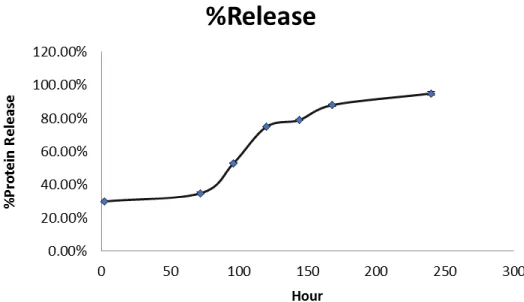
To investigate the release of the trapped toxin inside the polymer, it was examined at 37°C in shaking mode for eleven days. The prepared polymer containing toxin sample was divided into sterile tubes with a diluting buffer and placed in a shaker incubator for this purpose. During specific hours, two tubes were centrifuged and the supernatant which contained released toxin was assessed by protein assay (Lowry Protocol). The results revealed that the toxin sample was steadily released over a ten-day period [25].
Nanoparticle phagocytosis studies
To assess phagocytose activity, florescent microscopy was used. For this purpose all component of assay should be tagged with florescent dyes. J774 macrophage cells were exploited in this investigation to explore nanoparticle phagocytosis. The cells nuclei labeled with DAPI. FITC and Rhodamine were utilized respectively to tag the toxin and PLGA [26,27].
Preparation of Rhodamine loaded PLGA
Emulsion-solvent evaporation method was used to fabricate PLGA loaded with Rhodamine. Briefly, a solution of 1mg/ml rhodamine was added to the 20 mg PLGA in 1 ml of acetone at a volume of 1/100 and sonicated after mixing. After that the solution was added to the 1.25% PVA drop wisely. The organic phase evaporated in the room temperature under stirrer. The labelled PLGA recovered by centrifugation (40min, 12000 RPM) and then the pellet was dissolved in 1X PBS [27].
Fluorescein isothiocyanate (FITC) labelling
Covalent conjugation often uses to tag proteins for further investigation in vivo or in vitro. To label protein with FITC, firstly, 0.05% carbonate buffer (pH 9.5) was synthesized. Protein/FITC ratio assumed 1/100 and then dissolved in carbonate buffer, by adding dropwise FITC to the protein solution during stirring, labelling occurred due to covalent amide bond. After that a Sephadex G25 column was used to remove unattached FITC. The first peak was collected and the 495/280 nm ratio absorbance was calculated. Absorbance between 0.6-0.9 is accepted. Dialysis performed to eliminate additional color. Do not use buffers containing free amine groups because of interference with labeling (tris, glycine, and sodium azide) [28].
Phagocytosis investigation
In this study the nanoparticles got opsonized and then added to the phagocytic cells to investigate if they could get phagocytosed [26]. The procedures performed as following:
- J774 cell cultured in DMEM medium and after centrifugation and counting, it was seeded 104 cell in each well of a 12 well plate and incubated overnight in CO2 incubator.
- To opsonize the labeled toxin and nanoparticles, they were mixed with FBS and incubated for one hour. The number of the particles should be 10 to 100 times of the cells.
- The opsonized particles diluted in the DMEM media and added to the cultured cells. Phagocytosis performed after 1-2 hours of incubation.
- After incubation the plate was placed on ice to stop the phagocytosis, then the top soup was removed and plate well were washed with cold phosphate buffer.
- 0.04% trypan blue added to each well to extinguish the fluorescence of the remained particles and incubated for 30 min.
- Washing twice by cold phosphate buffer.
- Fixing the cells by 4% paraformaldehyde for 10 min.
- Washing twice by cold phosphate buffer.
- Adding DAPI to color the cell nuclei
- Investigating the cells by fluorescence microscopy [26].
Animal numbers and randomization:
BALB/c mice (6-8 weeks old, n = 2 per group) were randomly assigned to the treatment groups (free toxin, toxin-loaded polymer, red blood cell membrane–coated toxin-loaded polymer, polymer-only control, buffer control) using simple randomization based on a random number table.
Histological study
In order to investigate the histological effect of the toxin and prepared formulations, BALB/c mice were provided in three groups. Each mouse received 5 µg of alpha toxin (or equivalent in the encapsulated formulations) in a total volume of 100 µL per injection site intradermal. After three days, the skin was removed and fixed in formalin and pathology study performed.
Results
Gel electrophoresis
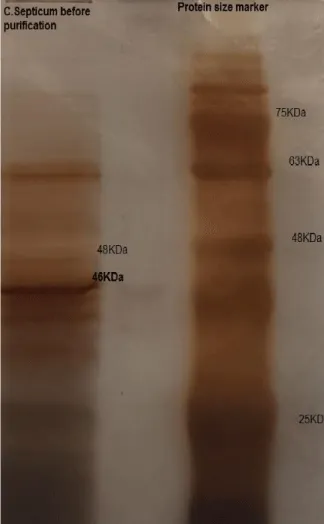
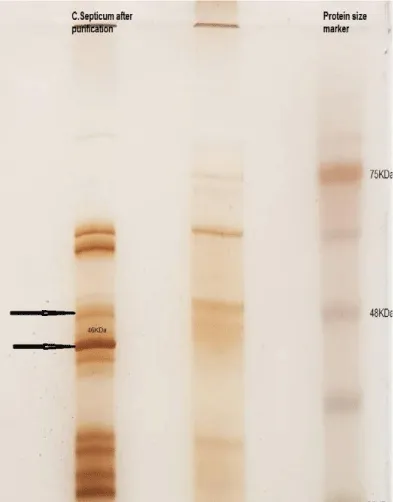
SDS PAGE electrophoresis analysis was performed on Clostridium septicum before and after ultrafiltration using Mini-PROTEAN® Electrophoresis System - Bio-Rad. The cultured Clostridium septicum bacteria precipitated by ammonium sulphate run through the gel and stained with silver nitrate. Figure 1 represents proteins of grown bacteria after precipitation. A 30kDa membrane used for isolating alpha toxin protein using Amicon Stirred Ultrafiltration Cell and then electrophoresis was done. The protein bands between 46-48 kDa shows Clostridium septicum alpha toxin which is represented in figure 2.
Western blot
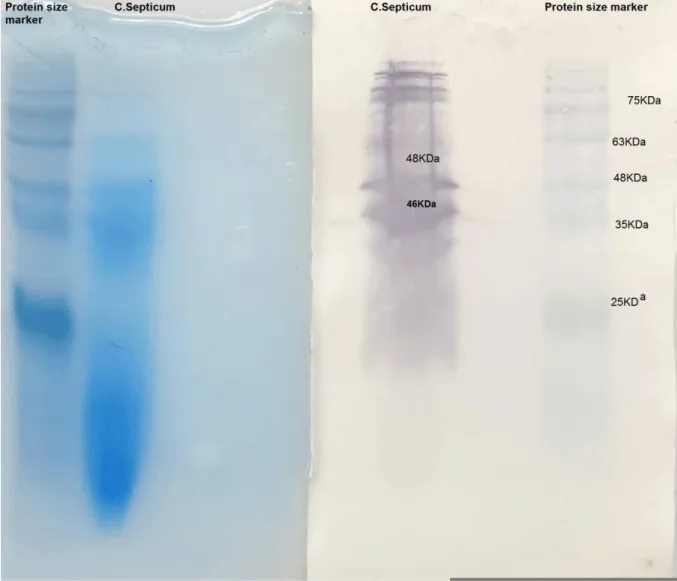
Western blot was used to assess the biological activity of the isolated bacterium toxin. Firstly, 12.5% SDS PAGE gel electrophoresis prepared and electrophoresis performed. Then the gel protein bands transferred to a nitrocellulose membrane using a Trans-Blot® SD Semi-Dry Transfer Cell - Bio-Rad. An Antitoxin produced in sheep was utilized to react with C.Septium protein on nitrocellulose membrane. For enzyme conjugation, HRP-conjugated anti sheep was used and 4-Chloro-1-naphthol as a substrate applied to develop the protein bands, figure 3-5 shows the western blot analysis of alpha toxin.
Minimum lethal dose
The toxicity activity of the isolated alpha toxin determined by minimum lethal dose test by diluting the toxin before and after ultrafiltration. MLD value obtained 1/15 after the fermenter growth and it achieved 1/850 after alpha toxin isolation by ultrafiltration.
Capillary electrophoresis
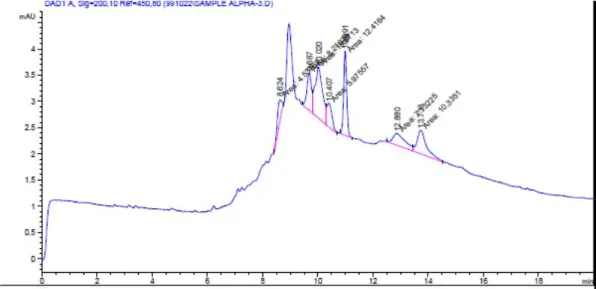
To further investigate the isolated toxin proteins, the target sample (semi purified alpha toxin) was subjected to capillary electrophoresis and the peaks were consistent with the results of acrylamide electrophoresis gel.
Particle size and zeta potential
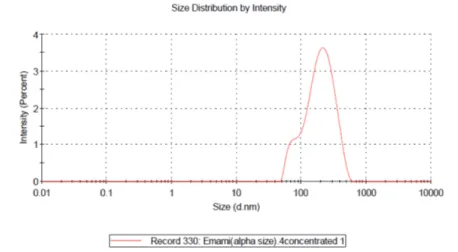
PDI and particle size of PLGA polymer nanoparticle containing alpha toxin were evaluated using the Dynamic Light Scattering (DLS) technique. The PDI value was 0.217 ± 0.01 that is within the acceptable range of PDI values. The z average of nanoparticle was 166 nm.
Alpha toxin encapsulation efficiency
The amount of toxin encapsulation inside the polymer is calculated from the following equation:
Encapsulation efficiency of alpha toxin calculated 68%.
In vitro release of alpha toxin
In order to check the alpha toxin release profile from PLGA polymer, the polymer sample containing the toxin divided into tubes, and the solution of each tube was centrifuged every day at a specified hour, and the supernatant was collected, finally the protein concentration of samples were measured by Lowry method [30]. The result is shown in figure 6-9.
Fluorescence microscope images of phagocytosed particles
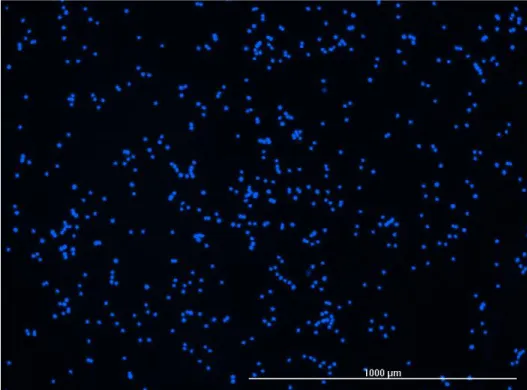
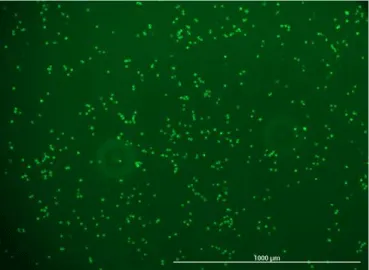
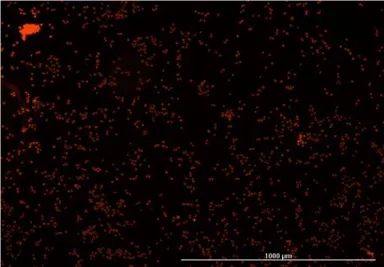
Phagocytosis is a delicate but sophisticated process for pathogen elimination and even apoptotic cells and thus essential for tissue maintaining [31]. It could be the first step toward immune cell activation [32]. In this research we investigated the phagocytosis of the toxin and PLGA nanoparticles. FITC-labeled alpha toxin, Rhodamine-labeled PLGA were added to J774 macrophage cells and investigated with Biotek Lionheart/FX fluorescence microscope to observe phagocytosis. The blue images are captured with a wavelength of 405 nm and show the nucleus of macrophage cells which were colored by DAPI. The red images are rhodamine-labeled polymer that has been phagocytosed into the cells and the image has captured at a wavelength of 590 nm. The green image is FITC-labeled toxin that has been phagocytosed into the cells and imaged at 519 nm wavelength. The results represent that prepared polymer formulation and the alpha toxin were phagocytosed inside the cells.
Red blood cell phase contrast microscopy images
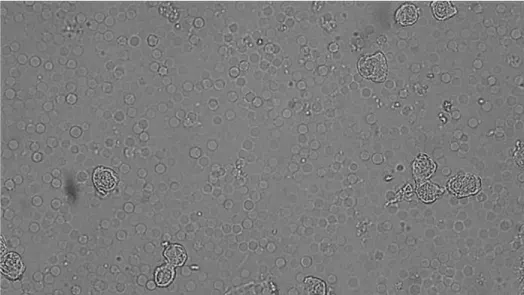
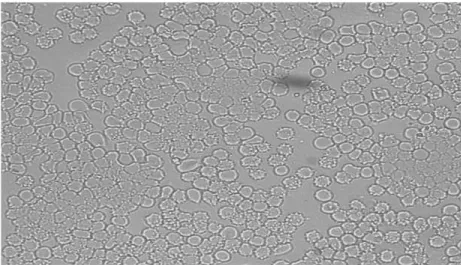
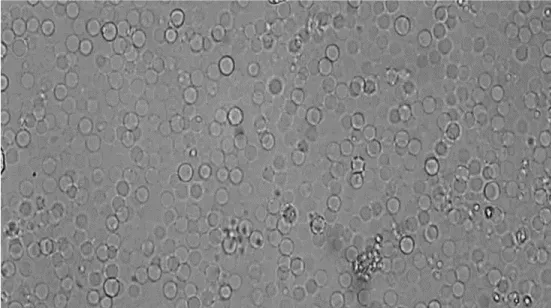
A phase contrast microscope was used to observe the red blood cell ghosts, and it was analyzed in phases. Figure 10 depicts images of intact red blood cell membranes with preserved content, figure 11 depicts wrinkled red blood cell membranes following hemolysis, and figure 12,13 depicts an image of a red blood cell having polymer that is formed membrane which shows the PLGA nanoparticles opened the wrinkles caused by hemolysis and placed inside the membrane.
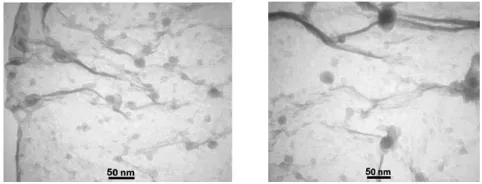
Transmission electron microscopy
Electron microscope pictures of polymer entrapped in the red blood cell membrane were taken based on the nanoscale size of the polymers.
Histological studies
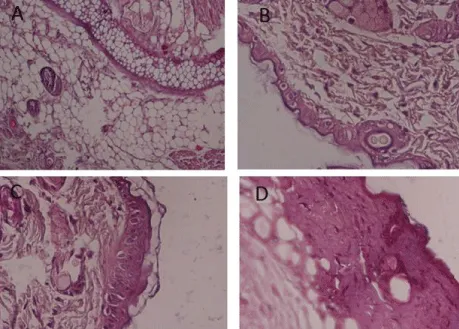
BALB/c mice were provided from Razi Vaccine and Serum Research Institute, Department of Research, Production & Breeding of Laboratory Animals to investigate the effect of polymer on toxin retention and to study the pathological effect of toxin and the effect of polymer on toxin detoxification. For the histological study of alpha toxin samples, polymer containing toxin and red blood cells containing polymer comprising toxin along with control groups that received polymer alone and buffer were injected intradermally in abdomen skin of the BALB/c mice, then after three days the skin of the respective area was separated and pathological study was done with hematoxylic-eosin staining speciments. The results is shown in figure 14, which represents the protective effect of polymer in detoxification of CS alpha toxin. Histological evaluation provided qualitative evidence of reduced local tissue damage for the nanotoxoid and control formulations compared with the free alpha toxin.
Ethics Statement
All procedures involving animals were approved by the Institutional Biosafety Committee and Institutional Animal Ethics Committee of the Razi Vaccine and Serum Research Institute (RVSRI), Karaj, Iran (RVSRI.rec.99.005). All experiments were carried out in agreement with the ARRIVE guideline and regulated by the Committee on Animal Research and Ethics (CARE) of the RVSRI.
Discussion
Clostridium septicum is a gram-positive, anaerobic, spore-forming bacterium that can cause various diseases in both humans and animals. This organism produces alpha toxin, which belongs to a distinct class of pore-forming toxins. The toxin is initially secreted in an inactive protoxin form, and is subsequently activated by cell proteases through proteolytic activation [33]. The major disease caused by this bacterium include non-traumatic gangrene and endogenous muscle necrosis, and malignant edema in livestock [4,33,34]. Previous studies suggest that alpha toxin is a major lethal factor, although its primary role in disease pathogenesis remains unclear. Intravenous administration of alpha toxin to rats and mice has resulted in shock and death. In cells treated with alpha toxin, microtubule fragmentation and the formation of vacuoles in the endoplasmic reticulum have been observed, leading to destruction of the plasma membrane and subsequent bleeding. The sensitivity of cells to alpha toxin depends on the presence of cell surface proteins containing glycosylphosphatidyl inositol. When the toxin attaches to this region, it causes an increase in the local concentration of the toxin, leading to oligomerization and pore formation in the membrane. Oligomerization is a common mechanism used by bacteria to create pores in the membrane, such as Pseudomonas aeruginosa cytotoxin and Clostridium perfringens epsilon toxin [33]. Alpha toxin is coded by the csa gene, and its monomer is secreted with an approximate weight of 46 kilodaltons. This monomer is then broken down by proteases to its active form, which has a weight of 43 kilodaltons [4].
Vaccination is an effective approach to prevent diseases caused by Clostridium bacteria. Clostridial vaccines have been shown to be highly effective in farm animals such as cattle, sheep, and goats, and have been available since the 1950s. These vaccines typically contain one or more exotoxins. The bacterial growth culture is inactivated using formalin, resulting in a monovalent vaccine or a combination vaccine with other Clostridium species [35].
To produce a CS vaccine, the desired bacteria is cultured in a fermenter using a complete culture medium containing casein, peptone, tryptone, yeast, meat extract, and other nutrients for 9 hours. The culture is then subjected to formaldehyde at 37°C to deactivate the bacteria. The bacterial growth culture is precipitated, concentrated, and subjected to ultrafiltration to isolate alpha toxin. Toxoid vaccines, which contain low molecular weight proteins, are weakly immunogenic and require adjuvants for better effectiveness. These vaccines are in high demand as they do not contain bacteria or spores, eliminating the possibility of virulence. Additionally, toxoid vaccines are more stable and less affected by environmental conditions such as light, humidity, and temperature than vaccines containing culture medium [7,35].
In recent years, nanovaccines have received much attention for vaccine production due to their ability to increase antigen presentation to phagocytic cells and enhance the stability of the antigen in the host. One problem in producing vaccines containing pore-forming toxins is converting the toxin into a non-toxic toxoid without altering the antigenic structure and epitopes. Different heat or chemical methods have been used for detoxification, but there is a risk of changing the structure of the antigen and reducing its immunogenicity, which can affect the vaccine's effectiveness. To address this issue, nanoparticles are used to preserve the toxin's structure, and one solution to prevent toxic activity is to use the red blood cell membrane. Mice immunized using this method have shown better immunity than those that received heated toxin [11,36].
In this study, CS bacteria were cultured and the bacterial sample was precipitated with 25% ammonium sulfate in two steps to separate excess proteins. To isolate alpha toxin from the bacteria, a 30 kDa membrane was used for semi-purification. The minimum lethal dose of the isolated toxin was achieved at a 1/850 dilution, which is approximately 60 times more diluted than the crude antigen after precipitation. Capillary electrophoresis and SDS-PAGE electrophoresis were used to investigate bacterial proteins. To ensure the biological properties of the protein were preserved, western blotting was conducted using a polyclonal antibody against alpha toxin. The protein bands related to alpha toxin were detected in the desired area, indicating that the biological activity of the protein was preserved.
PLGA nanoparticles containing alpha toxin were prepared using the Water/Oil/Water (W/O/W) method [23]. In this method, the semi-purified toxin was added to a polymer solution dissolved in acetone, which served as the oily and hydrophobic phase. The toxin was then encapsulated inside the polymer, but due to the hydrophilic and hydrophobic nature of the two solutions, the encapsulation percentage was less than 100%. The water-in-oil solution was mixed with PVA polymer, the second aqueous phase, and placed under a stirrer to evaporate the organic solvent [23]. In this project, the toxin encapsulation percentage achieved was 67%.
The erythrocyte membrane was prepared using the described method, and the toxin-containing polymer was inserted into the erythrocyte membrane using a mini extruder and nucleopore membrane (200 nm), which was confirmed by TEM images showing polymer retention in the erythrocyte [13]. To evaluate toxin release, the samples were subjected to shaking for 250 hours at 37°C, and at specific time points, the samples were removed and centrifuged to measure protein concentration. The results showed a slow release of the toxin over time. The novelty of applying this platform to Clostridium septicum α‑toxin, including differences in LD50 behavior before and after semi‑purification and encapsulation.
In the histological examination, pure toxin injection resulted in epidermal hyperplasia and dilation of blood vessels compared to normal tissue. However, the sample injected with the polymer carrying the toxin trapped in the red blood cell membrane was similar to the normal tissue, and the samples that received polymer alone and polymer and toxin showed conditions similar to normal tissue. In further studies, the produced detoxified toxin will be used to immunize animal models to investigate immunological factors. The fact of histological preservation in skin after intradermal injection of the nanotoxoid, was not reported for this toxin before.
This study did not include quantitative functional assays of toxin neutralization (e.g., hemolysis, cytotoxicity on target cell lines) or measurement of local inflammatory cytokines. These experiments will be required to fully validate the neutralizing capacity and immunomodulatory profile of the nanotoxoid and are planned for future work.
This study did not evaluate systemic immunogenicity or protective efficacy, as antibody titers, neutralization assays, and cytokine profiling were not performed. Dedicated vaccination and challenge experiments will be required to demonstrate whether the nanotoxoid confers effective protection against Clostridium septicum infection.
This work is limited by the absence of quantitative assays directly measuring toxin neutralization (such as hemolysis or cytotoxicity in target cells) and the lack of cytokine measurements to quantify local inflammatory responses. These assays are planned as follow‑up experiments to more rigorously characterize functional neutralization and the inflammatory profile of the nanotoxoid.
References
- Knapp O, Maier E, Mkaddem SB, Benz R, Bens M, Chenal A, Geny B, Vandewalle A, Popoff MR. Clostridium septicum alpha-toxin forms pores and induces rapid cell necrosis. Toxicon. 2010 Jan;55(1):61-72. doi: 10.1016/j.toxicon.2009.06.037. Epub 2009 Jul 24. PMID: 19632260.
- Tweten RK, Parker MW, Johnson AE. The cholesterol-dependent cytolysins. Curr Top Microbiol Immunol. 2001;257:15-33. doi: 10.1007/978-3-642-56508-3_2. PMID: 11417120.
- Kennedy CL, Krejany EO, Young LF, O'Connor JR, Awad MM, Boyd RL, Emmins JJ, Lyras D, Rood JI. The alpha-toxin of Clostridium septicum is essential for virulence. Mol Microbiol. 2005 Sep;57(5):1357-66. doi: 10.1111/j.1365-2958.2005.04774.x. PMID: 16102005.
- Kennedy CL, Lyras D, Cordner LM, Melton-Witt J, Emmins JJ, Tweten RK, Rood JI. Pore-forming activity of alpha-toxin is essential for clostridium septicum-mediated myonecrosis. Infect Immun. 2009 Mar;77(3):943-51. doi: 10.1128/IAI.01267-08. Epub 2009 Jan 12. PMID: 19139192; PMCID: PMC2643643.
- Ballard J, Bryant A, Stevens D, Tweten RK. Purification and characterization of the lethal toxin (alpha-toxin) of Clostridium septicum. Infect Immun. 1992 Mar;60(3):784-90. doi: 10.1128/iai.60.3.784-790.1992. PMID: 1541552; PMCID: PMC257555.
- Ballard J, Sokolov Y, Yuan WL, Kagan BL, Tweten RK. Activation and mechanism of Clostridium septicum alpha toxin. Mol Microbiol. 1993 Nov;10(3):627-34. doi: 10.1111/j.1365-2958.1993.tb00934.x. PMID: 7968539.
- Alves MLF, Ferreira MRA, Donassolo RA, Rodrigues RR, Conceição FR. Clostridium septicum: A review in the light of alpha-toxin and development of vaccines. Vaccine. 2021 Aug 16;39(35):4949-4956. doi: 10.1016/j.vaccine.2021.07.019. Epub 2021 Jul 24. PMID: 34312008.
- Hu CM, Zhang L. Nanotoxoid Vaccines. Nano Today. 2014 Aug 1;9(4):401-404. doi: 10.1016/j.nantod.2014.06.001. PMID: 25285152; PMCID: PMC4180402.
- Scheiblhofer S, Laimer J, Machado Y, Weiss R, Thalhamer J. Influence of protein fold stability on immunogenicity and its implications for vaccine design. Expert Rev Vaccines. 2017 May;16(5):479-489. doi: 10.1080/14760584.2017.1306441. Epub 2017 Mar 24. PMID: 28290225; PMCID: PMC5490637.
- Díaz-Dinamarca DA, Salazar ML, Castillo BN, Manubens A, Vasquez AE, Salazar F, Becker MI. Protein-Based Adjuvants for Vaccines as Immunomodulators of the Innate and Adaptive Immune Response: Current Knowledge, Challenges, and Future Opportunities. Pharmaceutics. 2022 Aug 11;14(8):1671. doi: 10.3390/pharmaceutics14081671. PMID: 36015297; PMCID: PMC9414397.
- Hu CM, Fang RH, Luk BT, Zhang L. Nanoparticle-detained toxins for safe and effective vaccination. Nat Nanotechnol. 2013 Dec;8(12):933-8. doi: 10.1038/nnano.2013.254. Epub 2013 Dec 1. PMID: 24292514; PMCID: PMC3878426.
- Angsantikul P, Fang RH, Zhang L. Toxoid Vaccination against Bacterial Infection Using Cell Membrane-Coated Nanoparticles. Bioconjug Chem. 2018 Mar 21;29(3):604-612. doi: 10.1021/acs.bioconjchem.7b00692. Epub 2017 Dec 27. PMID: 29241006; PMCID: PMC5893865.
- Fang RH, Luk BT, Hu CM, Zhang L. Engineered nanoparticles mimicking cell membranes for toxin neutralization. Adv Drug Deliv Rev. 2015 Aug 1;90:69-80. doi: 10.1016/j.addr.2015.04.001. Epub 2015 Apr 11. PMID: 25868452; PMCID: PMC4547889.
- Escajadillo T, Nizet V. Pharmacological Targeting of Pore-Forming Toxins as Adjunctive Therapy for Invasive Bacterial Infection. Toxins (Basel). 2018 Dec 17;10(12):542. doi: 10.3390/toxins10120542. PMID: 30562923; PMCID: PMC6316385.
- Palacio J, Orozco VH, López BL. Effect of the molecular weight on the physicochemical properties of poly (lactic acid) nanoparticles and on the amount of ovalbumin adsorption. Journal of the Brazilian Chemical Society. 2011;22:2304-11.
- Hu CM, Fang RH, Luk BT, Zhang L. Polymeric nanotherapeutics: clinical development and advances in stealth functionalization strategies. Nanoscale. 2014 Jan 7;6(1):65-75. doi: 10.1039/c3nr05444f. Epub 2013 Nov 26. PMID: 24280870.
- Xia Q, Zhang Y, Li Z, Hou X, Feng N. Red blood cell membrane-camouflaged nanoparticles: a novel drug delivery system for antitumor application. Acta Pharm Sin B. 2019 Jul;9(4):675-689. doi: 10.1016/j.apsb.2019.01.011. Epub 2019 Jan 24. PMID: 31384529; PMCID: PMC6663920.
- Welsh CT. Microbiology: a laboratory manual: Pearson; 2019.
- Cortiñas TI, Mattar MA, Stefanini de Guzmán AM. Alpha-toxin production by Clostridium septicum at different culture conditions. Anaerobe. 1997 Apr-Jun;3(2-3):199-202. doi: 10.1006/anae.1997.0105. PMID: 16887590.
- Ahmad SS, Dalby PA. Thermodynamic parameters for salt-induced reversible protein precipitation from automated microscale experiments. Biotechnol Bioeng. 2011 Feb;108(2):322-32. doi: 10.1002/bit.22957. PMID: 20872822.
- Daas A, Behr-Gross ME, Bruckner L, Redhead K. Collaborative study for the validation of cell line assays for in-process toxicity and antigenicity testing of Clostridium septicum vaccine antigens - Part 1. Pharmeur Bio Sci Notes. 2020;2020:53-124. PMID: 32589137.
- Scholes PD, Coombes AG, Illum L, Davis SS, Watts JF, Ustariz C, Vert M, Davies MC. Detection and determination of surface levels of poloxamer and PVA surfactant on biodegradable nanospheres using SSIMS and XPS. J Control Release. 1999 Jun 2;59(3):261-78. doi: 10.1016/s0168-3659(98)00138-2. PMID: 10332059.
- Feczkó T, Tóth J, Dósa G, Gyenis J. Optimization of protein encapsulation in PLGA nanoparticles. Chemical Engineering and Processing: Process Intensification. 2011;50(8):757-765.
- Hu CM, Zhang L, Aryal S, Cheung C, Fang RH, Zhang L. Erythrocyte membrane-camouflaged polymeric nanoparticles as a biomimetic delivery platform. Proc Natl Acad Sci U S A. 2011 Jul 5;108(27):10980-5. doi: 10.1073/pnas.1106634108. Epub 2011 Jun 20. PMID: 21690347; PMCID: PMC3131364.
- Emami T, Nazari A, Jaafari M. Design, Fabrication and Characterization of Nanoliposomes Containing Snake Venom of Pseudocerastes persicus. Venoms and Toxins. 2022;2:e060122200043.
- Sharma L, Wu W, Dholakiya SL, Gorasiya S, Wu J, Sitapara R, Patel V, Wang M, Zur M, Reddy S, Siegelaub N, Bamba K, Barile FA, Mantell LL. Assessment of phagocytic activity of cultured macrophages using fluorescence microscopy and flow cytometry. Methods Mol Biol. 2014;1172:137-45. doi: 10.1007/978-1-4939-0928-5_12. PMID: 24908301.
- Jonderian A, Maalouf R. Formulation and In vitro Interaction of Rhodamine-B Loaded PLGA Nanoparticles with Cardiac Myocytes. Front Pharmacol. 2016 Dec 6;7:458. doi: 10.3389/fphar.2016.00458. PMID: 27999542; PMCID: PMC5138196.
- Chaganti LK, Venkatakrishnan N, Bose K. An efficient method for FITC labelling of proteins using tandem affinity purification. Biosci Rep. 2018 Dec 11;38(6):BSR20181764. doi: 10.1042/BSR20181764. PMID: 30413608; PMCID: PMC6294648.
- Gordon S. Phagocytosis: an immunobiologic process. Immunity. 2016;44(3):463-75.
- Waterborg JH, Matthews HR. The Lowry method for protein quantitation. Methods Mol Biol. 1994;32:1-4. doi: 10.1385/0-89603-268-X:1. PMID: 7951715.
- Rosales C, Uribe-Querol E. Phagocytosis: A Fundamental Process in Immunity. Biomed Res Int. 2017;2017:9042851. doi: 10.1155/2017/9042851. Epub 2017 Jun 12. PMID: 28691037; PMCID: PMC5485277.
- Uribe-Querol E, Rosales C. Phagocytosis: Our Current Understanding of a Universal Biological Process. Front Immunol. 2020 Jun 2;11:1066. doi: 10.3389/fimmu.2020.01066. PMID: 32582172; PMCID: PMC7280488.
- Hang'ombe MB, Mukamoto M, Kohda T, Sugimoto N, Kozaki S. Cytotoxicity of Clostridium septicum alpha-toxin: its oligomerization in detergent resistant membranes of mammalian cells. Microb Pathog. 2004 Dec;37(6):279-86. doi: 10.1016/j.micpath.2004.09.001. Epub 2004 Nov 13. PMID: 15619423.
- Junior CAO, Silva ROS, Lobato FCF, Navarro MA, Uzal FA. Gas gangrene in mammals: a review. J Vet Diagn Invest. 2020 Mar;32(2):175-183. doi: 10.1177/1040638720905830. Epub 2020 Feb 21. PMID: 32081096; PMCID: PMC7081496.
- Abdolmohammadi Khiav L, Zahmatkesh A. Vaccination against pathogenic clostridia in animals: a review. Trop Anim Health Prod. 2021 Apr 23;53(2):284. doi: 10.1007/s11250-021-02728-w. PMID: 33891221; PMCID: PMC8062623.
- Zhou J, Krishnan N, Guo Z, Ventura CJ, Holay M, Zhang Q, Wei X, Gao W, Fang RH, Zhang L. Nanotoxoid vaccination protects against opportunistic bacterial infections arising from immunodeficiency. Sci Adv. 2022 Sep 9;8(36):eabq5492. doi: 10.1126/sciadv.abq5492. Epub 2022 Sep 9. PMID: 36083909; PMCID: PMC9462688.





Content Alerts
SignUp to our
Content alerts.
 This work is licensed under a Creative Commons Attribution 4.0 International License.
