
General Science Group 2024 October 27;5(10):1398-1402. doi: 10.37871/jbres2028.





 Case Report
Paraneoplastic Yellow Nail Syndrome: A Case Report
Alfano Franco1*, Casoni GL2 and Papi A1
2Pulmonary Division, Medico Chirurgico Specialistico Department, Rovigo Hospital, Rovigo, Italy
- Case report
- Yellow nail syndrome
- Rare disease
- Paraneoplastic syndrome
Abstract
Yellow Nail Syndrome (YNS) is a rare clinical condition affecting multiple districts. Distinctive signs include nail abnormalities, pulmonary manifestations, and lymphedema. The aetiology is unknown; usually presents isolated or as a paraneoplasticsyndrome.
There is no established treatment and resolution is limited. Low dose azithromycin with mucolytics and long-acting muscarinic antagonist could improve the respiratory component of the YNS when present. Here we describe a case of paraneoplastic YNS presenting with cough, sputum, rhinosinusitis, and nail discoloration appearing after a recent history of breast cancer.
In a patient with an oncological history, nail abnormalities associated with pulmonary manifestations and/or lower limbs lymphedema, the diagnosis of paraneoplastic YNS should be considered.
Abbreviations
YNS: Yellow Nail Syndrome; CT: Computed Tomography; OMIM: Online Mendelian Inheritance In Man
Introduction
Yellow Nail Syndrome (YNS) is a rare disorder characterised by the triad of yellow and thickened nails, respiratory manifestations and lower limbs lymphedema [1]. Two of these three clinical characteristics are required for a diagnosis [1]. Less than 400 cases have been described in literature, with a prevalence of < 1/1,000,000 [2]. The diagnosis is clinical, particularly based on nail abnormalities, pulmonary manifestations, lymphedema and sinusitis [2]. YNS is a condition of unknown aetiology that is usually sporadic or presents as a paraneoplastic syndrome [2,3]. Currently, there is no specific treatment for YNS [2]. Resolution has been observed in up to 30% of patients with paraneoplastic condition, either spontaneously or after cancer treatment [2]. Here we present a paraneoplastic case of YNS in a 67-years old never-smoker female who complained of chronic productive purulent cough for the last two years, after being diagnosed with breast cancer.
Case Report
Case history
A 67-years old never-smoker female was referred to a respiratory outpatient clinic complaining of productive purulent cough for the last two years, despite treatments with antitussives. Two years earlier, the patient was diagnosed with left ductal mucinous breast cancer (G2 pT1N0) and underwent quadrant surgery and local radiotherapy. The patient had been in remission since then and is currently receiving hormonal therapy with anastrozole. She had a history of atrial fibrillation (treated with warfarin), otitis, and sinusitis of recent onset (3 months). Family history was silent. High-resolution thoracic Computed Tomography (CT) revealed bronchiectasis in the lower right inferior bronchus with mucus plugs. Spirometry performed under stable conditions revealed mild obstruction. A short course of oral clarithromycin was ineffective in reducing respiratory symptoms. A thoracic CT scan performed after 6 months showed parenchymal consolidation (organising pneumonia) in the lower right lobe (Figure 1A). At this stage the patient was referred to our outpatient clinic.
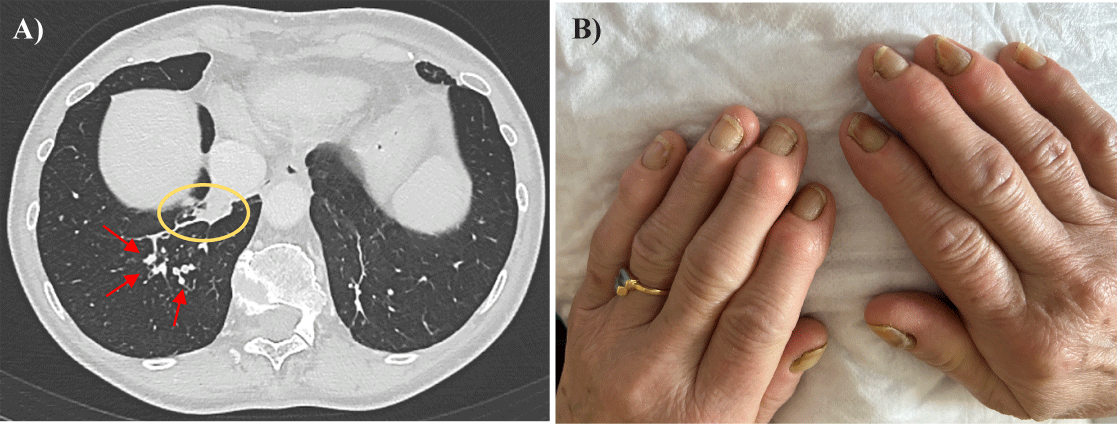
She reported that during the last year, her nails had turned yellow, thicker and frail, with slowed growth of both fingers and toenails (Figure 1B). Onychomycosis was excluded by dermatologic evaluation and the Wood’s lamp test. Chest examination showed expiratory rhonchi at the basis. No history of lower-limb lymphedema was reported, laboratory investigations showed no abnormal values. Owing to persistent respiratory symptoms that were resistant to antibiotic therapy, bronchoscopy was performed, which showed purulent material dripping from the nasal districts and mucous-purulent secretions in the lower right bronchus in the absence of signs of malignancy. Based on the strict association between xantonychia, bronchiectasis, sinusitis, and recent breast cancer detection, in the absence of other concurrent diseases, a diagnosis of paraneoplastic YNS was made.
A short course of azithromycin (500 mg once daily for 3 days) was initiated, although the Bronchoalveolar Lavage (BAL) culture was negative. This resulted in partial remission of the productive cough. The patient was subsequently chronically treated with low-dose oral azithromycin (500 mg twice weekly), repeated regular courses of 600 mg N-Acetyl-L-Cysteine + Lactoferrin + Resveratrol combination, repeated regular courses of 100 mg oral Vitamin E, and daily 55 mcg of inhaled umeclidinium. Six-months after treatment initiation, the patient reported remission of the chronic productive cough, otitis, and sinusitis, but the yellow nails remained unchanged. The patient continues regular oncologist follow-ups and remains in remission.
Discussion
Yellow Nail Syndrome (YNS) - OMIM 153300; ORPHA662 - is a rare disorder characterised by a triad of yellow and thickened nails, respiratory manifestations and primary lymphedema [2]. Two out of these three clinical characteristics are required to diagnose YNS [2,3], as in the case here reported. First described in 1927, this definition dates back to 1966 [4]. Fewer than 400 cases have been described in literature, with a prevalence of less than 1/1,000,000. YNS is a condition of unknown aetiology, is usually sporadic, and affects adults over 50 years of age worldwide, with no sex predominance [2].
The completed triad is present only in 27-60% of cases, with nail chromonychia being the main clinical manifestation, present in more than 85% of cases [2]. The diagnosis is clinical and based on nail abnormalities, pulmonary manifestations, lymphedema, and sinusitis. Chromonychia (nail discoloration), xantonychia (yellow nail coloration), progressive thickening and hardening of the nail plate, and slow growth (reduced by half) are the main characteristics of YNS [1,2,5]. Respiratory manifestations occur in 60-70% of patients, with chronic cough as the most frequent symptom [1,6]. Pleural effusion is present in up to 46% of cases, usually bilateral, with a latescent appearance (chylothorax) and bronchiectasis in 44% [1,2]. Both chronic and acute rhinosinusitis are common, presenting in 14 to 83% of cases with daily mucopurulent rhinorrhoea and nasal obstruction [2]. Lower bilateral limb lymphedema is generally present in 29 to 80% of cases [2]. Lymphatic disorders with defective lymphatic drainage have been hypothesised as the causes of lymphedema, pleural effusion, and subungual tissue sclerosis with nail alterations [2,3]. Another hypothesis considers micro vasculopathy and protein leakage [3,6]. Replacement of the normal subungual stroma by fibrous and dense collagen deposits may reflect the lymphatic obstruction, leading to thickened and slow growth nails [7]. High titanium levels were also detected in the nails of YNS patients, possibly reflecting exposures to implants or surgical staples, medication excipients, food and cosmetics [2].
YNS may present as a paraneoplastic syndrome, associated with malignant diseases, such as lung and breast cancer or non-Hodgkin lymphoma [2]. Reviewing the current literature, we identified 20 cases of paraneoplastic YNS, 3 involving breast cancer (Table 1) [8-25]. The complete triad was present in half of the patients (10/20). In all these cases, paraneoplastic YNS was considered only when the malignancy was diagnosed in the intervening months during the YNS assessment. The paraneoplastic presentation could be due to lymphatic micro-obstruction, possibly correlated with circulating tumour micro emboli [26], or due to cancer histopathology. Other diseases associated with YNS are autoimmune disorders and immunodeficiency [1,2]. The differential diagnosis is broad and includes asbestos-related disease, heart failure, connective tissue diseases, malignancies, and onychomycosis are the main ones [1]. Differential diagnosis of nail discoloration includes also planus lichen, chronic paronychia, psoriasis or alopecia areata and anti-rheumatoid drugs containing thiol compounds such as penicillamine, bucillamine and tiopronin [2].
| Table 1: Yellow nail syndrome cases published in literature, associated with malignancies and clinical manifestations. YN yellow nails, including nail abnormalities, n/a information not available. | ||||
| Patient | Associated malignancy | Age (years), sex | Features of YNS | Complete triad |
| #1 | Lung [8] | n/a | YN, n/a | n/a |
| #2 | Lung [9] | 59, M | YN, pleural effusion, cough, lymphedema | Yes |
| #3 | Lung [10] | 51, M | YN, pleural effusion, lymphedema | Yes |
| #4 | Lung [11] | 66, M | YN, bronchiectasis, lymphedema | Yes |
| #5 | Breast [12] | 62, F | YN, chronic cough, sinusitis | No |
| #6 | Breast [13] | 52, F | YN, tracheobronchitis, lymphedema | Yes |
| #7 | Breast [14] | n/a, F | YN, giant cell interstitial pneumonia | No |
| #8 | Lymphoma [15] | 39, M | Pleural effusion, lymphedema | No |
| #9 | Lymphoma [16] | 78, F | YN, pleural effusion, lymphedema | Yes |
| #10 | Lymphoma [17] | 61, M | YN, bronchiectasis | No |
| #11 | Lymphoma [18] | 72, M | YN, bronchitis, lymphedema | Yes |
| #12 | Melanoma [19] | 56, M | YN, bronchiectasis, rhinosinusitis | No |
| #13 | Melanoma [20] | 31, F | Bronchitis, pleural effusion, lymphedema | No |
| #14 | Myeloma [21] | 53, M | YN, pleural effusion, lymphedema | Yes |
| #15 | Gastric [19] | 71, M | YN, pleural effusion, sinusitis, lymphedema | Yes |
| #16 | Fibrosarcoma [22] | 72, M | YN, pleural effusion, lymphedema | Yes |
| #17 | Kidney [13] | 83, M | YN, bronchiectasis, pleural effusion | No |
| #18 | Larynx [23] | 66, M | YN, bronchiectasis | No |
| #19 | Gallbladder [24] | 54, F | YN, bronchiectasis, sinusitis | No |
| #20 | n/a, probable endometrium [25] | n/a, F | YN, bronchiectasis, pleural effusion, lymphedema | Yes |
To date there is no specific treatment for YNS [1]. Resolution has been observed in up to 30% of patients with paraneoplastic conditions, either spontaneously or after cancer treatment [2]. Oral α-tocopherol (vitamin E) at 1,000-1,200 IU/day, is considered the only partially effective agent on nail alterations [2,5]. Regular antifungal treatment (itraconazole or fluconazole) and oral zinc sulphate have also been attempted with little success [2]. A randomised study using a topical vitamin E preparation showed no difference compared to a placebo [27]. Acute exacerbations of bronchiectasis and sinusitis can be treated with antibiotics and symptomatic drugs, whereas for recurrent respiratory flare-ups or poor symptom control, low dose oral azithromycin (250 mg three times/week), and a physiotherapy program should be prescribed. Flu and pneumococcal vaccinations are recommended [2]. Surgical intervention for recurrent or large pleural effusions can be useful, while somatostatin analogues, such as octreotide, or ligation of the thoracic duct can be attempted for chylothorax [1,5]. Complete decongestive therapy is an option for lymphedema volume reduction [1,2].
Conclusion
Paraneoplastic YNS is a rare and often misdiagnosed syndrome of unknown origin characterised by yellow nails, pulmonary manifestations, and lymphedema. To date, only 20 cases are reported in literature. Treatment is generally supportive and spontaneous resolution may occur in up to 30% of cases. We report a paraneoplastic case of YNS that started with chronic cough and sputum production, rhinosinusitis, and nail discoloration. Respiratory symptoms improved with long-term antibiotic treatment in association with inhaled antimuscarinics and mucolytics.
Declaration of Interest
F. Alfano and G.L. Casoni have no conflicts of interest to declare. A Papi received grants for research from Chiesi, AstraZeneca, GSK, Sanofi and AIFA; consulting fees from Chiesi, AstraZeneca, GSK, Novartis, Sanofi, Avillion, Elpen Pharmaceuticals; lecture fees from Chiesi, AstraZeneca, GSK, Menarini, Novartis, Zambon, Mundipharma, Sanofi, Edmond Pharma, IQVIA, Avillion, Elpen Pharmaceuticals; advisory boards from Chiesi, Astrazeneca, GSK, Novartis, Sanofi, IQVIA, Avillion, Elpen Pharmaceuticals.
Acknowledgement
The authors thank I. Guzzinati, F. Bellini and M.M. Daniele for their support in the preparation of this manuscript.
References
- Cheslock M, Harrington DW. Yellow Nail Syndrome. 2022 Sep 19. In: StatPearls [Internet]. Treasure Island (FL): StatPearls Publishing; 2024 Jan–. PMID: 32491692.
- Vignes S, Baran R. Yellow nail syndrome: a review. Orphanet J Rare Dis. 2017 Feb 27;12(1):42. doi: 10.1186/s13023-017-0594-4. PMID: 28241848; PMCID: PMC5327582.
- Maldonado F, Ryu JH. Yellow nail syndrome. Curr Opin Pulm Med. 2009 Jul;15(4):371-5. doi: 10.1097/MCP.0b013e32832ad45a. PMID: 19373089.
- Emerson PA. Yellow nails, lymphoedema, and pleural effusions. Thorax. 1966 May;21(3):247-53. doi: 10.1136/thx.21.3.247. PMID: 5914998; PMCID: PMC1019033.
- Kurin M, Wiesen J, Mehta AC. Yellow nail syndrome: a case report and review of treatment options. Clin Respir J. 2017 Jul;11(4):405-410. doi: 10.1111/crj.12354. Epub 2015 Sep 24. PMID: 26257383.
- Xu S, Wu X. Respiratory manifestation of yellow nail syndrome: a case report and literature review. J Int Med Res. 2021 Dec;49(12):3000605211063313. doi: 10.1177/03000605211063313. PMID: 34878939; PMCID: PMC8670787.
- D'Alessandro A, Muzi G, Monaco A, Filiberto S, Barboni A, Abbritti G. Yellow nail syndrome: does protein leakage play a role? Eur Respir J. 2001 Jan;17(1):149-52. doi: 10.1183/09031936.01.17101490. PMID: 11307745.
- Maldonado F, Tazelaar HD, Wang CW, Ryu JH. Yellow nail syndrome: analysis of 41 consecutive patients. Chest. 2008 Aug;134(2):375-381. doi: 10.1378/chest.08-0137. Epub 2008 Apr 10. PMID: 18403655.
- Thomas PS, Sidhu B. Yellow nail syndrome and bronchial carcinoma. Chest. 1987 Jul;92(1):191. doi: 10.1378/chest.92.1.191a. PMID: 3595241.
- Hoque SR, Mansour S, Mortimer PS. Yellow nail syndrome: not a genetic disorder? Eleven new cases and a review of the literature. Br J Dermatol. 2007 Jun;156(6):1230-4. doi: 10.1111/j.1365-2133.2007.07894.x. Epub 2007 Apr 25. PMID: 17459037.
- Carnassale G, Margaritora S, Vita ML, Parisi AM, Congedo MT, Cusumano G, Granone PM. Lung cancer in association with yellow nail syndrome. J Clin Oncol. 2011 Mar 1;29(7):e156-8. doi: 10.1200/JCO.2010.31.8402. Epub 2010 Dec 13. PMID: 21149669.
- Iqbal M, Rossoff LJ, Marzouk KA, Steinberg HN. Yellow nail syndrome: resolution of yellow nails after successful treatment of breast cancer. Chest. 2000 May;117(5):1516-8. doi: 10.1378/chest.117.5.1516. PMID: 10807848.
- Piraccini BM, Urciuoli B, Starace M, Tosti A, Balestri R. Yellow nail syndrome: clinical experience in a series of 21 patients. J Dtsch Dermatol Ges. 2014 Feb;12(2):131-7. doi: 10.1111/ddg.12216. Epub 2013 Oct 18. PMID: 24134631.
- Gupta AK, Davies GM, Haberman HF. Yellow nail syndrome. Cutis. 1986 May;37(5):371-4. PMID: 3011360.
- Siegelman SS, Heckman BH, Hasson J. Lymphedema, pleural effusions and yellow nails: associated immunologic deficiency. Dis Chest. 1969 Aug;56(2):114-7. doi: 10.1378/chest.56.2.114. PMID: 5822545.
- Ginarte M, Monteagudo B, Toribio J. Yellow nail syndrome and lung lymphoma. Clin Exp Dermatol. 2004 Jul;29(4):432-3. doi: 10.1111/j.1365-2230.2004.01541.x. PMID: 15245553.
- Seve P, Thieblemont C, Dumontet C, Bouafia F, Arnaud P, Hequet O, Espinouse D, Salles G, Coiffier B. Skin lesions in malignancy. Case 3. Yellow nail syndrome in non-Hodgkin's lymphoma. J Clin Oncol. 2001 Apr 1;19(7):2100-1. doi: 10.1200/JCO.2001.19.7.2100. Erratum in: J Clin Oncol 2001 Jun 1;19(11):2972. Steve, P [corrected to Seve, P]; Coiffer, B [corrected to Coiffier, B]. PMID: 11283146.
- Stosiek N, Peters KP, Hiller D, Riedl B, Hornstein OP. Yellow nail syndrome in a patient with mycosis fungoides. J Am Acad Dermatol. 1993 May;28(5 Pt 1):792-4. doi: 10.1016/s0190-9622(09)80277-6. PMID: 8496432.
- Letheulle J, Deslée G, Guy T, Lebargy F, Jego P, Delaval P, Desrues B, Jouneau S. Le syndrome des ongles jaunes: présentation de cinq cas [The yellow nail syndrome: a series of five cases]. Rev Mal Respir. 2012 Mar;29(3):419-25. French. doi: 10.1016/j.rmr.2011.09.046. Epub 2012 Feb 15. PMID: 22440307.
- Emerson PA. Yellow nails, lymphoedema, and pleural effusions. Thorax. 1966 May;21(3):247-53. doi: 10.1136/thx.21.3.247. PMID: 5914998; PMCID: PMC1019033.
- Xu S, Wu X. Respiratory manifestation of yellow nail syndrome: a case report and literature review. J Int Med Res. 2021 Dec;49(12):3000605211063313. doi: 10.1177/03000605211063313. PMID: 34878939; PMCID: PMC8670787.
- Fujita T, Sakurai T, Miki Y, Tomita K, Nakamura T, Toyoda H, Nakamura H. [A case of yellow nail syndrome associated with fibrosarcoma of the skin successfully treated with pleurodesis]. Nihon Kokyuki Gakkai Zasshi. 2010 Mar;48(3):224-8. Japanese. PMID: 20387528.
- Guin JD, Elleman JH. Yellow nail syndrome. Possible association with malignancy. Arch Dermatol. 1979 Jun;115(6):734-5. PMID: 453878.
- Burrows NP, Jones RR. Yellow nail syndrome in association with carcinoma of the gall bladder. Clin Exp Dermatol. 1991 Nov;16(6):471-3. doi: 10.1111/j.1365-2230.1991.tb01240.x. PMID: 1806327.
- Mambretti-Zumwalt J, Seidman JM, Higano N. Yellow nail syndrome: complete triad with pleural protein turnover studies. South Med J. 1980 Aug;73(8):995-7. PMID: 7403938.
- Umer M, Vaidyanathan R, Nguyen NT, Shiddiky MJA. Circulating tumor microemboli: Progress in molecular understanding and enrichment technologies. Biotechnol Adv. 2018 Jul-Aug;36(4):1367-1389. doi: 10.1016/j.biotechadv.2018.05.002. Epub 2018 May 18. PMID: 29753882.
- Lambert EM, Dziura J, Kauls L, Mercurio M, Antaya RJ. Yellow nail syndrome in three siblings: a randomized double-blind trial of topical vitamin E. Pediatr Dermatol. 2006 Jul-Aug;23(4):390-5. doi: 10.1111/j.1525-1470.2006.00251.x. PMID: 16918641.




Content Alerts
SignUp to our
Content alerts.
 This work is licensed under a Creative Commons Attribution 4.0 International License.
