
2026 January 21;7(1):1-22. doi: 10.37871/jbres2253.
-
Subject area(s):

 |
|
 |
|
 |
|

 Research Article
Effects of Ramadan Fasting on Children and Young Adults with Type 2 Diabetes during the COVID-19 Pandemic: A Prospective Study
Elmajnoun HK1,2*, Gorman S3, Uday S4,5, Greening JE6, Bensaid W4-6, Abu-Median AB1 and Haris PI1
2Histology and Medical Genetics Department, Tripoli University, Tripoli, Libya
3Department of Paediatrics, St Luke's Hospital, Bradford, UK
4Department of Endocrinology and Diabetes, Birmingham Women’s and Children’s Hospital, Birmingham, UK
5Institute of Metabolism and Systems Science, University of Birmingham, Birmingham, UK
6University Hospitals of Leicester NHS Trust, Leicester Royal Infirmary, Leicester, UK
- Ramadan fasting
- Type 2 diabetes
- Lifestyle
- Clinical parameters
- Mental health
- COVID-19 pandemic
- Children
- Young adults
Abstract
Background: The COVID-19 pandemic created unique circumstances for observing Ramadan Fasting (RF), unlike any encountered in recent history. This study aimed to explore the impact of RF on lifestyle patterns, mental health, and glycaemic control among young people living with Type 2 Diabetes (T2D) in the UK during the pandemic period.
Methods: A prospective, observational, crossover, pilot study was conducted. The study participants included children and young adults with T2D, aged 12-24 years, who practised RF for a minimum of 10 days. The study was carried out in three diabetes centres in the UK from March 2021 to June 2021. SoGoSurvey software was used to design online questionnaires that collected data on demographics, medical history, the impacts of the COVID-19 pandemic (weight and mental health), and lifestyle factors (diet patterns, physical activities, and sleep patterns). These questionnaires were completed by the target age group 2 weeks before and 2 weeks after Ramadan. Statistical analyses were performed using SPSS. Ethical approvals were obtained from the Health Research Authority (HRA) and from the Health and Life Science Faculty Research Ethics Committee at De Montfort University.
Results: Nine participants with T2D, including seven females and two males aged 14 to 22 years (Mean ± SD; 17 ± 3), took part. Half of the participants (n = 4) fasted safely the whole month of Ramadan. Participants reported fasting for health benefits (n = 7), and some felt better during fasting (n = 4). Glucose parameters, including HbA1c (p = 0.715), weight (p = 0.343), and Body Mass Index (BMI) (p = 0.249), showed no statistically significant difference before and after RF. Most participants (n = 8) were less active during fasting, and altered sleep patterns were reported (n = 4). RF was associated with increased consumption of fruits and vegetables (n = 4), decreased bread consumption (n = 3) and increased consumption of desserts (n = 3). Before RF, participants (n = 4) reported that the COVID-19 pandemic was associated with weight gain, a finding that was not observed during RF. Deterioration in mental health issues before RF (stress: n = 3, emotional issue: n = 3, depression: n = 2) was reported by participants who had gained weight.
Conclusion: Young people, including children with T2D in the UK, fasted the whole month of Ramadan with no complications. Fasting during the COVID-19 pandemic was associated with varied dietary patterns and improvements in mental health among study participants with T2D. Larger studies are necessary to generalise these findings and to determine the importance of education sessions before RF in the UK.
Background
All Muslims who have reached puberty are required to fast during Ramadan. During the month of Ramadan, the ninth month of the Islamic lunar calendar, millions of Muslims worldwide abstain from food and drink from dawn to sunset every day for a continuous period of 29 to 30 days [1,2]. However, those who are ill or travelling are exempt from fasting. Despite these exemptions, many Muslims with chronic diseases, such as diabetes, choose to fast during Ramadan. Over the last few decades, the effects of Ramadan Fasting (RF) on plasma metabolite modulation in patients with diabetes have been widely discussed. The findings, however, have been contradictory. Some researchers have noted that RF has a positive impact on weight loss, glycaemic control, and lipid profile in both healthy individuals and those with Type 2 Diabetes (T2D) [1]. In contrast, other studies indicate that RF has no significant effect on these metabolites [2]. The majority of research in this area has focused on the impact of RF on blood glucose biomarkers in adults with T2D and healthy subjects [1,2].
To date, no study has explicitly looked at the effects of RF on children and young adults with T2D [3].The incidence of children and young adults with T2D continues to increase globally, with about 42,000 new cases reported in 2021 [4] According to Diabetes UK, “there are more than 7,000 children and young adults under 25 with T2D in England and Wales” (Diabetes.co.uk, 2019). Moreover, in Manitoba, Canada, the rate of T2D among children has risen to 20.55/100,000 [5]. The rapid increase in T2D among young adults has become a significant global public health issue. This study is the first to evaluate how RF affects blood glucose biomarkers and dietary patterns in these groups within the UK. Additionally, the findings aim to inform and inspire further research to support young individuals with T2D who wish to fast during Ramadan.
In addition to the unprecedented circumstances of the COVID-19 pandemic, the number of cases of diabetes and prediabetes is anticipated to double worldwide, potentially leading to an increase in morbidity and mortality among this population [6]. However, a systematic review published in May 2020 reported that children and young adults (up to 21 years old) who contracted COVID-19 had an excellent prognosis, with most making a full recovery, even those with pre-existing health conditions [7] Specifically, the mortality rate among children was about 0.09% out of 8,000 confirmed cases, based on data from healthy children and those with comorbidities [7]. It has been noticed that most children diagnosed with COVID-19 were asymptomatic, though moderate to severe symptoms were recorded in some infants and children with chronic diseases [8,9].
According to Diabetes UK, children with diabetes can contract COVID-19; however, their risk of developing severe illness is generally low (Updates: Coronavirus and Diabetes, 2020). Nevertheless, these people are still vulnerable to COVID-19 infection, so they must take appropriate precautions and be closely monitored by healthcare professionals, particularly for those with poorly controlled blood glucose or additional diabetes-related complications. Therefore, it is crucial to gather evidence on the pandemic's impact on this group. Throughout the COVID-19 pandemic, individuals with T2D who chose to fast were expected to take extra care to remain physically active and to sleep enough to manage their diabetes better [10]. The restrictions imposed by quarantine measures significantly limited opportunities for physical activity, a concern recognised as a considerable public health issue [11]. As a result, recommendations for suitable exercises to perform at home during that period were made [11]. This study therefore, aims to investigate how young people with T2D were affected by the pandemic, with a focus on their physical activity levels during Ramadan.
Numerous studies have documented a high prevalence of mental health issues associated with the COVID-19 pandemic, with many cases attributed to disruptions in daily life [12,13]. The mental health of both children and older adults has been particularly affected by the unprecedented circumstances brought about by the pandemic [14,15]. On the other hand, several publications have reported improvements in mental health associated with RF [16,17]. For instance, one study has observed enhanced psychological well-being among individuals with diabetes who experienced depression during RF [18]. Furthermore, a systematic review concluded that RF does not cause new mental health disorders and that, except for individuals with major psychiatric conditions, there are no primary reasons to discourage fasting [19].
Moreover, research indicates that fasting can have positive effects, such as reducing stress and enhancing [20,21]. These benefits may have supported Muslims who experienced mild stress during the COVID-19 pandemic, including anxiety linked to social isolation and repeated lockdowns. Based on the current literature, this study hypothesised that fasting during Ramadan could confer health benefits for individuals in good health. However, for those with underlying medical conditions, fasting without prior medical advice may lead to serious complications. Thus, while some individuals may benefit, others may face adverse outcomes.
Research Aims/Objectives
Research aim
Examine the impact of RF on lifestyle aspects, mental health, and blood glucose parameters in children and young adults (12 to 24 years old) with T2D during the COVID-19 pandemic in the UK.
Research objectives
To investigate the impacts of RF on the Glycosylated Haemoglobin (HbA1c), Body Mass Index (BMI), Blood Pressure (BP), and Body Weight (BW) in children and young adults with T2D (aged 12–24 years old), during the COVID-19 pandemic. A prospective online survey questionnaire will be designed to gather and compare these data before and after Ramadan 2021 in the UK.
To examine the impacts of RF on diet patterns (food frequencies), physical activities, sleep patterns, and mental health issues among children and young adults with T2D during the pandemic. This will be evaluated by comparing data before and after Ramadan 2021 in the UK.
To evaluate the impact of RF during the COVID-19 pandemic on the feasibility of accessing medical services and maintaining blood glucose control for children and young adults with T2D in the UK.
Methods
Study design and setting
This study was designed as a prospective, observational, crossover pilot study, meaning that each case serves as its own control. The data collected before RF were compared with the data collected after RF. An online questionnaire survey was used to collect data for the study at two measurement points: two weeks before Ramadan and two weeks after Ramadan. The study was undertaken at three medical centres in the UK, including the Leicester Royal Infirmary (University Hospitals of Leicester NHS Trust), the Birmingham Children's Hospital (Birmingham Women's and Children's NHS Foundation Trust), and the Bradford Royal Infirmary (Bradford Teaching Hospitals NHS Foundation Trust). The average fasting hours during Ramadan 2021 in the UK were 16-18 per day, and the average temperature was around 15°C.
Designing the questionnaire
The questionnaire was adapted from the EPIC-Norfolk Food Frequency Questionnaire (FFQ) [22]. This Epic–Norfolk FFQ is covered by the Open Government Licence for public sector information, which allows copying, use, publishing, and transmission of information [22]. It was modified and converted to an online version. In addition, many questions related to the COVID-19 pandemic, participants with diabetes, physical activities, and sleeping patterns were added. This adaptation was carried out using the SOGOSurvey software. The questions were carefully written and designed in clear, understandable lay language to increase response rates and collect the precise information required to achieve the study’s aims. To avoid bias in responses, closed-ended questions, such as yes/no and multiple-choice, were used. The questionnaire was structured to maintain the consistency and order of the required information. Starting with a brief introduction to the study, participants were guided to select the appropriate Participant Information Sheets (PISs) based on their age. All the PISs were provided as links at the beginning of the questionnaire, allowing respondents to access and read them at their convenience. Four different versions of the PISs were developed for: 12-15 year-olds, parents, 16-18 year-olds, and 18 + (Supplementary Material). Subsequently, the interested participants were required to agree to all the statements on the consent form. Two types of consent forms were provided in the surveys: one for parents (children aged 12-15) and one for young adults (aged 16-24) (Supplementary Material). The questionnaire was then divided into four sections:
- Information about you: age, gender, employment status (for people aged 16 to 24 years old), and physical measurements.
- Ramadan fasting and COVID-19: participants must answer questions about COVID-19 and fasting.
- Health and medical history: this section provided background on the study participant’s medical history (with respect to diabetes) and on blood glucose control before and after Ramadan.
- Lifestyle-related information: this section covers all questions related to diet intake, sleep duration/time, and physical activity. Also, some questions about COVID-19 were added to explore its impact across various aspects of lifestyle.
The participants were asked to complete all these steps two weeks before and after Ramadan. SOGOSurvey was used to create several survey URLs and share them with interested participants before and after Ramadan. Contact with the participants was indirect, either via email or over the phone. The links to the questionnaires were sent via email and text message at the participants’ request. Participants were provided with two links; children aged 12 to 15 received two links, one before Ramadan and one after Ramadan. The two other links were sent to study participants aged 16 to 24: one before and one after Ramadan. PDF copies of all the survey links are provided in the Supplementary Material. No personal information was collected in the questionnaire. The survey was self-administered, and participants were instructed that they could complete all sections in 15 to 20 minutes. However, the researcher assisted some participants in completing the survey when they encountered technical issues with the survey links. Children aged 12 were informed that they could complete it with their parents to help them answer all the questions as precisely as possible.
To ensure the validity and reliability of the designed questions, the questionnaires were distributed to different age groups, and they were asked to provide feedback on the time taken to complete the survey and the clarity of the questions. The face validity technique was used [22]. All the feedback was taken into consideration to enhance the questionnaire further and avoid any confusion.
Inclusion and exclusion criteria
This study included participants from all ethnic groups in the UK who could read and understand Basic English. The target age group was children and young adults aged 12 to 24. Moreover, participants diagnosed with T2D who chose to fast for at least 10 days during Ramadan were included. However, people aged under 12 and over 24 were excluded. In addition, this study did not include people with cognitive impairment, individuals who did not know or understand English, or participants who withdrew after completing only the questionnaire before Ramadan.
Sample size and sampling method
The sample size was calculated using G*Power for the two means of the same group, and it is assumed that a two-tailed test was used. The power was 80%, which is the minimum power in medical research studies [23]. The effect size (the significant difference between the two means before and after Ramadan) and the power (the ability to detect differences between the two means) were selected based on the study design. This study involved two sampling methods: convenience sampling (Non-Probability Sampling Methods) and cluster sampling (Probability Sampling Methods). Convenience sampling was used as the simplest way to obtain more participants. Also, cluster sampling was used to divide the individuals into subgroups based on age and NHS location, as they could be identified as clusters. The sample size was adjusted based on alternative methods, such as previous similar or analogous studies in the literature [23]. The average sample size of pilot studies among RF ranges from 8 to 52 participants, including healthy adults and participants with diabetes [24,25].
Gaining the REC and HRA approvals
This research study complied with the Medical Research Council’s (MRC) research ethics guide and the National Ethics Guidelines for Biomedical Research Involving Children. Ethical approvals were obtained locally from the Research Ethics Committee (REC) of the Health Research Authority (HRA) in England, UK, and the Health and Life Science Faculty Research Ethics Committee at De Montfort University, Leicester, UK.
Recruitment and data collection methods
Recruitment began one month before the start of Ramadan 2021. On each site, the interested participants were first approached by the gatekeepers, who invited them to participate in the study. They were contacted by phone and/or email, and they received the research flyers and the PISs to obtain more information about the study. Then, participants interested in the research were guided to contact the researcher, who provided all the information needed and supported them throughout the study. To increase the response rate, interested participants were reminded several times to complete the questionnaires.
Data analysis methods
Data were exported from the SOGOSurvey software to the Statistical Package for the Social Sciences (SPSS), version 26 (IBM Corporation, Armonk, NY, USA), for analysis. In SPSS, the data were organised, cleaned, and coded. Both anonymisation and pseudonymisation techniques were used during data analysis. The survey questions were divided into three types: categorical variables, ordinal variables, and continuous variables. The distribution of continuous variables was examined using visual inspection and statistical tests, including Shapiro & Wilk’s test (p < 0.05) and histogram, Q-Q plot, and Box plot. Percentages and counts were used for categorical variables. Descriptive statistical analysis was conducted; mean ± Standard Deviation (SD) was used for continuous variables, which are normally distributed, and the median and Interquartile Range (IQR) or range were used for the skewed data. Paired t-test and Wilcoxon Signed Ranks test were used to compare the differences between outcome variables before and after the month of Ramadan for paired parametric and non-parametric data, respectively. Statistical significance was set at P < 0.05 (two-tailed).
Results
Participants characteristics
Of the 26 recruited participants with T2D, only 9 (7 male, 2 female) completed all study stages (22.5% response rate). The mean age group was at (mean & SD; 17 ± 3), and about two-thirds of the respondents were obese and about one-fifth were overweight (Table 1). Only one respondent was an employee and did not work during the pandemic period. The other respondents were unemployed. Participants were diagnosed with T2D for a mean duration of 3 ± 2 years. All participants had a family history of T2D, and most (n = 8) were on oral medications; half of these participants were on diet/exercise as part of their diabetes management. Out of 8 respondents, half of them (n = 4) fasted the whole month of Ramadan 2021, as illustrated in figure 1. Moreover, 7 participants had observed Ramadan in the previous months over the last three years.
| Table 1: Participant demographic characteristics, medical history and fasting during Ramadan (n = 9). | ||
| Participants characteristics | N | |
| Age; Mean ± SD; range | 17 ± 3 (14-22) | |
| Weight (Kg); Mean ± SD | 87.67 ± 19 | |
| Body mass index; Mean ± SD | 30.81 ± 7.47 | |
| Gender | ||
| Male | 2 | |
| Female | 7 | |
| BMI classification | ||
| Healthy | 1 | |
| Overweight | 2 | |
| Obese | 6 | |
| Type 2 diabetes duration; Mean ± SD | 3 ± 2 | |
| Family history of T2D | ||
| No | 0 | |
| Yes | 9 | |
| Diabetes Medication | ||
| Insulin injection | 0 | |
| Oral medication | 8 | |
| Insulin oral medication | 1 | |
| With diet and exercise | 4 | |
| Fasting days (n = 8) | ||
| 10 days | 1 | |
| 10-15 days | 1 | |
| 16-20 days | 2 | |
| The whole month | 4 | |
| Observing the previous months of Ramadan | ||
| 2018 | 7 | |
| 2019 | 8 | |
| 2020 | 9 | |
| Employment status | ||
| Employed | 1 | |
| Unemployed | 4 | |
| Not applicable | 4 | |
| working before Ramadan 2021 (during the COVID-19 pandemic) | ||
| No | 4 | |
| Not applicable | 5 | |
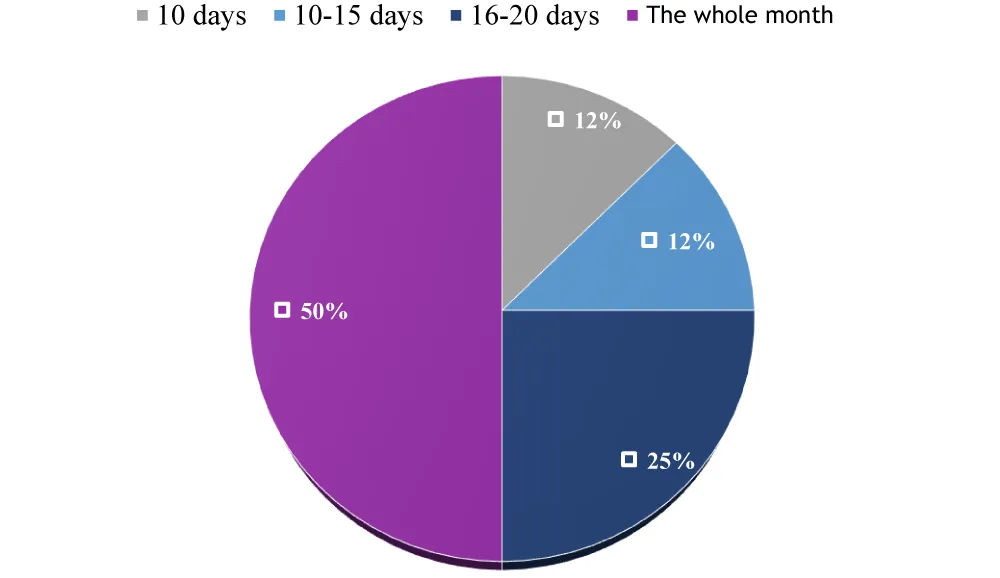
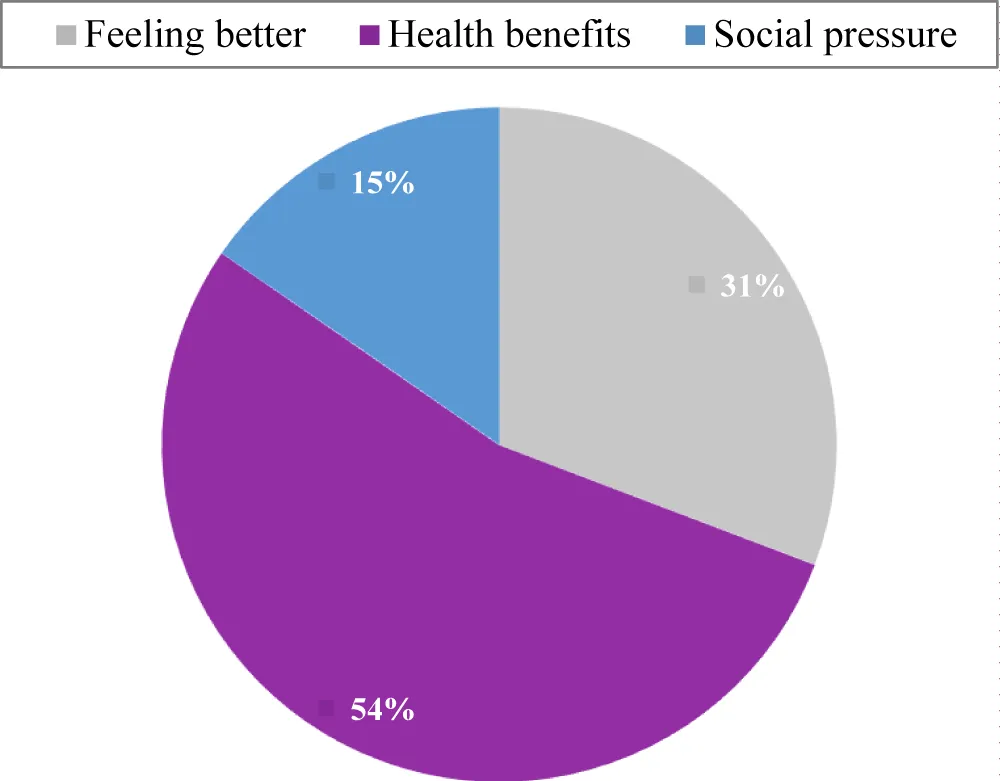
Table 2 shows that the vast majority of participants (n = 7) did not have comorbid diabetes, and 6 participants received diabetes education during their illness. However, some participants reported that they have proteinuria (n = 1) and pelvic inflammatory disease (n = 1) as diabetes-associated comorbidities. Moreover, hypoglycaemia was reported by one study participant before the month of Ramadan. All participants reported that medical services were available before Ramadan 2021, and more than half (n = 5) were in regular contact with their doctors. In addition, 5 participants reported that their diabetes was under control before Ramadan, and 7 reported taking their medication regularly, with no change during Ramadan. Just two respondents reported that their medications were reversed (the usual morning dose was taken in the evening, and the usual evening dose was taken in the early morning) during the month of Ramadan. In addition, as shown in figure 2,7 respondents with T2D reported fasting during Ramadan for the health benefits, and about half of these people (n = 4) reported feeling better during fasting. However, 2 respondents, aged 14 and 15, stated that they fasted during Ramadan due to social pressure.
| Table 2: Medical characteristics of the respondents (n = 9). | ||
| N | ||
| Diabetes associated comorbidities | Heart disease | 0 |
| Kidney disease | 0 | |
| Nerve damage | 0 | |
| Vision | 0 | |
| I do not know | 7 | |
| High protein in urine | 1 | |
| Pelvic inflammatory disease | 1 | |
| Diabetes symptoms before Ramadan 2021 | Hypoglycaemia | 1 |
| Hyperglycaemia | 0 | |
| DKA | 0 | |
| other | 0 | |
| Do you take your treatments regularly before Ramadan 2021? | No | 2 |
| Yes | 7 | |
| Diabetes education | No | 3 |
| Yes | 6 | |
| Change medications before Ramadan | Reduced | 0 |
| Reversed (morning and evening medication) | 2 | |
| Increased | 0 | |
| None | 7 | |
| Diabetes control before Ramadan 2021 | It was under control | 5 |
| It was not under control | 0 | |
| I cannot remember | 3 | |
| Medical services availability before Ramadan 2021 | No | 0 |
| Yes | 9 | |
| Regular contact with the doctor before Ramadan 2021 | No | 4 |
| Yes | 5 | |
| Reasons that motivate you to fast in Ramadan | Health benefit | 7 |
| Feeling better | 4 | |
| Social pressure | 2 | |
Dietary patterns among study participants with T2D during Ramadan 2021
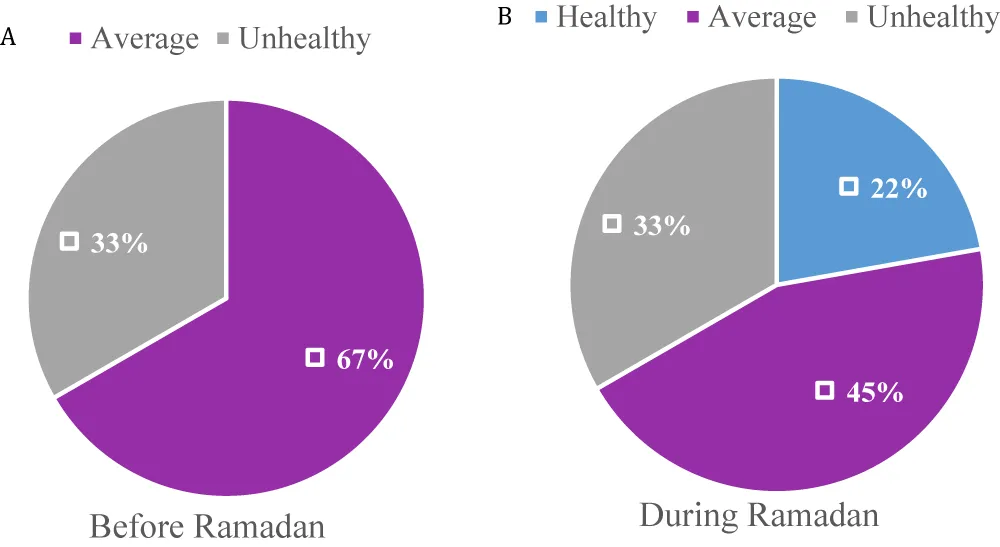
Table 3 shows differences in dietary patterns before and during Ramadan. Participants were asked to rate their diet as healthy, average (moderately healthy), or unhealthy. Of the 9 respondents, about two-thirds (n = 6) reported that their regular diet was average before the month of Ramadan. The other third (n = 3) reported that their diet was unhealthy, and this was similarly seen during the month of Ramadan. However, 2 respondents reported consuming healthy food during Ramadan (Figure 3). Participants consumed more fruits and vegetables during Ramadan, with 2-3 portions/day (n = 4) and 4 - 5 portions/day (n = 2), compared to just 1 portion/day before Ramadan (n = 4). In addition, descriptive data indicated that one respondent reduced consumption of sugary drinks during Ramadan from 6+ times per day to once a day. However, the consumption of desserts (cakes, doughnuts, and sweet biscuits) increased slightly from 1-3 times/month to 2-4 times/week in one third of the respondents (n = 3) (Table 3).
| Table 3: Comparison between the frequencies of the regularly consumed food before Ramadan and during the month of Ramadan (n = 9). | |||
| Before Ramadan | During Ramadan | ||
| N | N | ||
| Diet assessment | Healthy | 0 | 2 |
| Average | 6 | 4 | |
| Unhealthy | 3 | 3 | |
| Fruit and vegetables | One portion/day | 4 | 2 |
| 2-3 portions/day | 3 | 4 | |
| 4-5 portions/day | 0 | 2 | |
| 2-4 portions/week | 1 | 0 | |
| 5-6 portions/week | 1 | 1 | |
| Sugary Drinks | Never | 1 | 2 |
| 1-3/month | 1 | 1 | |
| Once a week | 2 | 3 | |
| 2-4/week | 2 | 2 | |
| 5-6/week | 1 | 0 | |
| Once a day | 0 | 1 | |
| 4-5/day | 1 | 0 | |
| 6+/day | 1 | 0 | |
| Desserts (Cakes, doughnuts, a sweet biscuit, sweets, or a bar of chocolate | Never | 0 | 1 |
| 1-3/month | 3 | 0 | |
| Once a week | 2 | 2 | |
| 2-4/week | 2 | 3 | |
| 5-6/week | 0 | 2 | |
| Once a day | 2 | 0 | |
| 2-3/day | 0 | 1 | |
| Bread | Never | 0 | 3 |
| 1-3/month | 0 | 2 | |
| Once a week | 0 | 1 | |
| 2-4/week | 5 | 1 | |
| 5-6/week | 0 | 1 | |
| Once a day | 3 | 1 | |
| 2-3/day | 1 | 0 | |
| Rice, potatoes, couscous, and pasta | One portion/day | 1 | 3 |
| One portion a week | 2 | 1 | |
| 2-4 portions/week | 6 | 2 | |
| 5-6 portions/week | 0 | 1 | |
| 1-3 portions/month | 0 | 2 | |
| Cereals | Never | 1 | 3 |
| 1-3/month | 2 | 0 | |
| Once a week | 0 | 3 | |
| 2-4/week | 4 | 2 | |
| 5-6/week | 0 | 1 | |
| Once a day | 1 | 0 | |
| 2-3/day | 1 | 0 | |
| Diary consumption | Full-fat blue top | 3 | 4 |
| Semi-skimmed green top | 5 | 5 | |
| Soya milk | 1 | 0 | |
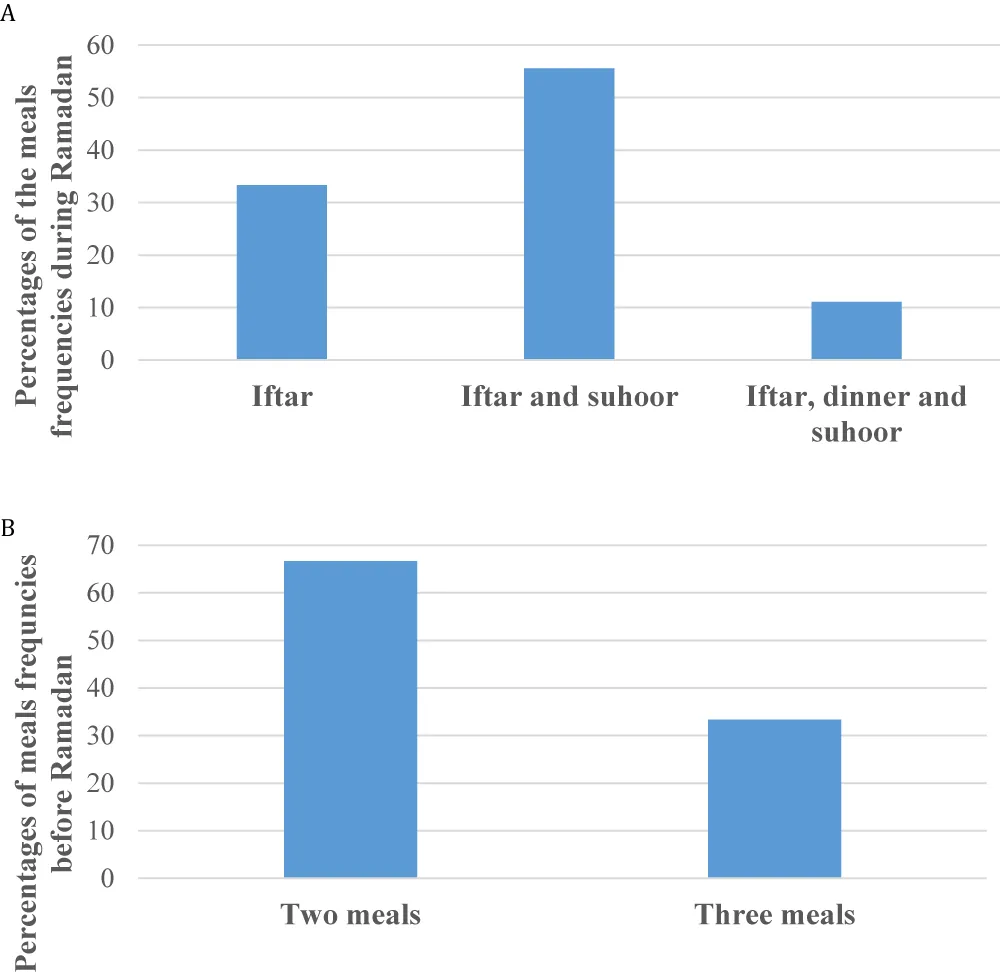
Furthermore, 5 respondents reported that they usually consume bread 2-4 times per week before Ramadan. This was reduced to never (n = 3) and 1-3/month (n = 2) during Ramadan (Table 3). This pattern was similarly observed for cereal consumption, with frequencies decreasing from 2-4 times a week (n = 4) before Ramadan to never (n = 3) and once a week (n = 3) during Ramadan. However, 6 participants reported eating starchy foods such as rice or potatoes in 2-4 portions per week before Ramadan, and 3 respondents reported consuming 1 portion per day during Ramadan. However, the frequency pattern among the remaining respondents ranged from 1 portion per week to 1-3 portions per month (Table 3). Moreover, there were no differences in usual dairy consumption before Ramadan or in the frequency consumed during Ramadan. Most respondents reported consuming 2 meals per day before and during Ramadan, at n = 6 and n = 5, respectively. However, one respondent had three meals during Ramadan (Figure 4).
Physical activities and sleeping patterns in T2D study participants during the month of Ramadan
Table 4 shows that the frequency of light exercise decreased among one-third of the participants (n = 3), from once a day before Ramadan to 2 - 4 times a week during Ramadan. Similarly, practising moderate exercise decreased from 2-4 times per week before fasting to never and 1-3 times a month during Ramadan. However, the frequency of vigorous exercise remained about the same before and during Ramadan, once a week at n = 3. Of 9 respondents, 7 (78%) reported practising exercise regularly before Ramadan, while only 4 (44%) routinely practised during Ramadan (Figure 5). The most common types of exercise were lifting weights (n = 3) before Ramadan and brisk walking (n = 4) during Ramadan, as illustrated in figure 6. Furthermore, 8 (89%) respondents reported being less active during Ramadan, while about 6 (67%) reported being more active before Ramadan (Figure 7).
| Table 4: Comparison of the exercise patterns before and during Ramadan. | |||||
| Before Ramadan | During Ramadan | ||||
| N | N | ||||
| Light exercise | Never | 1 | 1 | ||
| 1-3/month | 0 | 2 | |||
| Once a week | 0 | 2 | |||
| 2-4/week | 4 | 3 | |||
| 5-6/week | 0 | 1 | |||
| Once a day | 3 | 0 | |||
| 2-3/day | 1 | 0 | |||
| Moderate exercise | Never | 2 | 3 | ||
| 1-3/month | 0 | 2 | |||
| Once a week | 2 | 1 | |||
| 2-4/week | 5 | 0 | |||
| 5-6/week | 0 | 2 | |||
| 2-3/day | 0 | 1 | |||
| Vigorous exercise | Never | 4 | 5 | ||
| 1-3/month | 1 | 0 | |||
| Once a week | 3 | 3 | |||
| 2-4/week | 1 | 1 | |||
| Physically assessment | More | 6 | 0 | ||
| Less | 1 | 8 | |||
| Same | 2 | 1 | |||
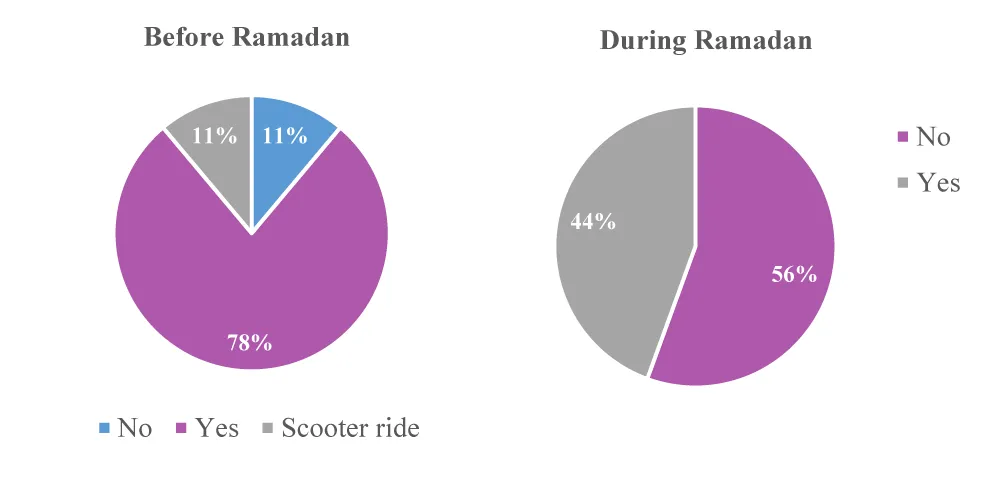
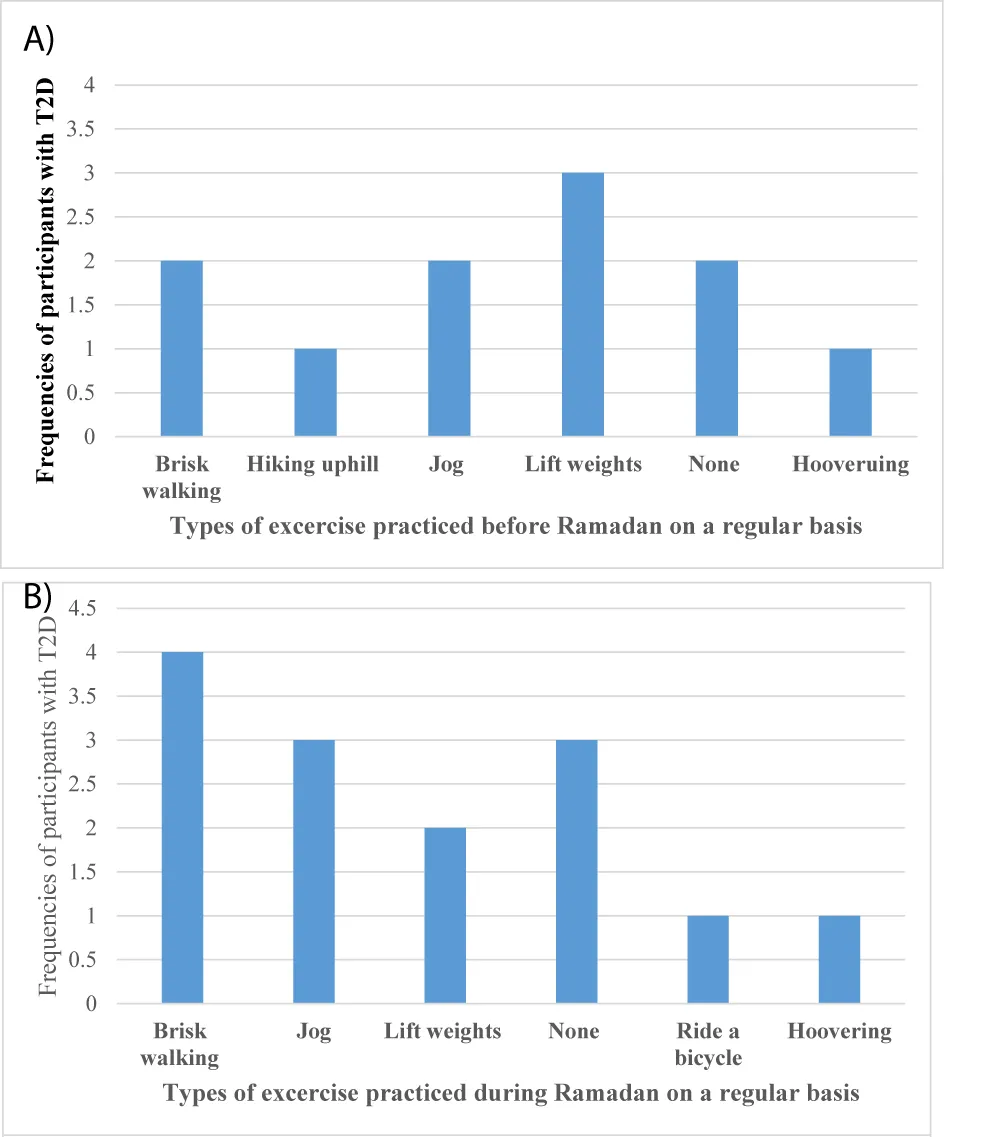
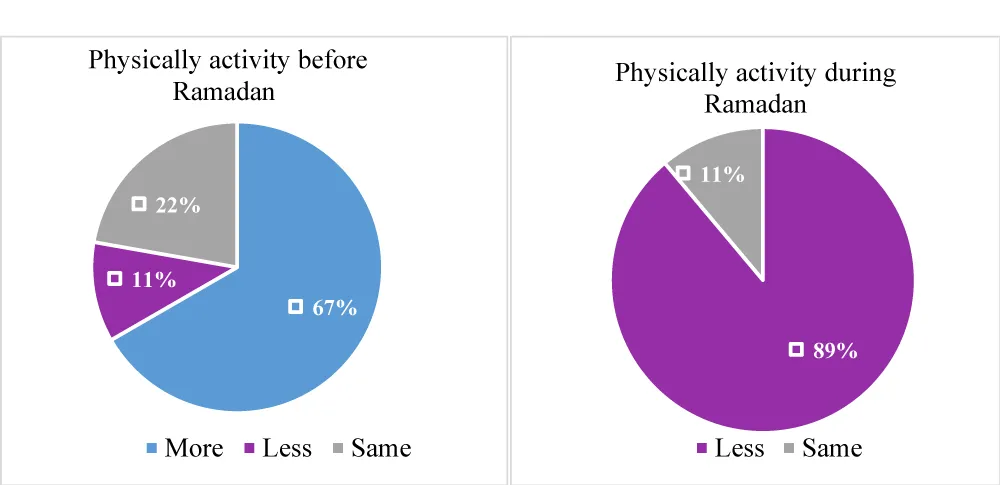
Table 5 illustrates the sleeping pattern before and during Ramadan in T2D participants; 4 respondents reported falling asleep in < 15 minutes during Ramadan, compared to 3 before Ramadan. Moreover, among the 9 participants, 3 reported that they usually fall asleep >60 minutes before Ramadan, compared with only 2 during Ramadan. It was observed that participants went to bed for sleep at 4 am (median; range from 23:00–1:00) and got up at 9 am (median; range from 6:00–15:00). However, data indicated that sleeping hours at night and the total sleeping hours (day and night) were quite similar before and during Ramadan (Table 5). Respondents (n = 3) reported that they usually have > 8 hours of total sleep before Ramadan. Just one participant reported this during Ramadan. In addition, about half of the respondents (n = 4, 45%) reported that the sleep quality was fairly bad, and one participant reported it as very bad during the month of Ramadan. On the other hand, before Ramadan, 3 respondents reported very good sleep quality, and the other 6 reported it as fairly good (n = 2), fairly bad (n = 2), or very bad (n = 2) (Figure 8). Clinical characteristics for the participants before and after Ramadan 2021
| Table 5: Comparison between sleeping patterns before and during the month of Ramadan (n = 9). | |||||
| Before Ramadan N | During Ramadan N | ||||
| Time to fall asleep each night | < 15 minutes | 3 | 4 | ||
| 15-30 minutes | 2 | 2 | |||
| 31-60 minutes | 1 | 1 | |||
| > 60 minutes | 3 | 2 | |||
| Sleeping hours at night | Less than 5 hours | 2 | 2 | ||
| 5-6 hours | 1 | 3 | |||
| 7-8 hours | 3 | 3 | |||
| > 8 hours | 2 | 1 | |||
| Depends on the night | 1 | 0 | |||
| Total sleeping hours | Less than 5 hours | 1 | 2 | ||
| 5-6 hours | 2 | 3 | |||
| 7-8 hours | 3 | 3 | |||
| More than 8 hours | 3 | 1 | |||
| Sleep quality | Very good | 3 | 1 | ||
| Fairly good | 2 | 3 | |||
| Fairly bad | 2 | 4 | |||
| Very bad | 2 | 1 | |||
| Medicine to help with sleep | No | 9 | 9 | ||
| Yes | 0 | 0 | |||
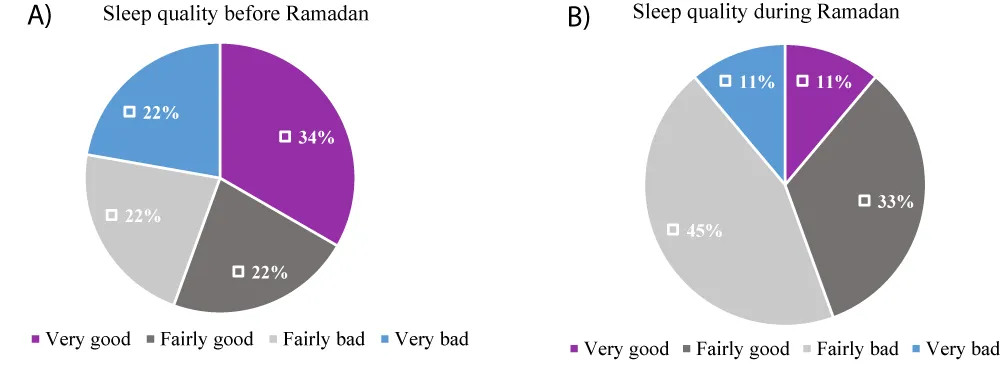
Table 6 shows that the mean body weight did not change after the month of Ramadan 2021 (p = 0.343). Similarly, all other parameters, including BMI and systolic and diastolic blood pressure, did not change significantly after the month of Ramadan. The HbA1c level increased slightly by 0.87 after Ramadan, but this was not statistically significant.
| Table 6: Comparing the clinical and the anthropometric measurements before and after the month of Ramadan 2021. | |||||
| Mean ± SD | p value | ||||
| Before Ramadan Median (range) | After Ramadan Median (range) | ||||
| Weight (Kg) (n = 8) | 89.25 | (68 - 122.5) | 89.23 | (68-122) | 0.343 |
| BMI (kg/m2) (n = 8) | 31.29 | (25.59-45) | 31.47 | (26.56-46.78) | 0.249 |
| SBP (mmHg) (n = 4) | 123.50 | (120-144) | 129.50 | (119-135) | 1.000 |
| DBP (mmHg) (n = 4) | 74.00 | (69-84) | 76.50 | (70-78) | 0.465 |
| HbA1c (n = 4) | 57.63 | (35-103) | 58.50 | (36-89) | 0.715 |
| p-value based on Related-Samples Wilcoxon Signed Rank Test; p-value significant at the level of 0.05. Data were collected approximately 2 months before Ramadan and 3 months after Ramadan. BMI, body mass index; SBP, systolic blood pressure; DBP, diastolic blood pressure; HbA1c; Haemoglobin A 1c. | |||||
Impact of the COVID-19 pandemic on participants' lifestyles before and during Ramadan.
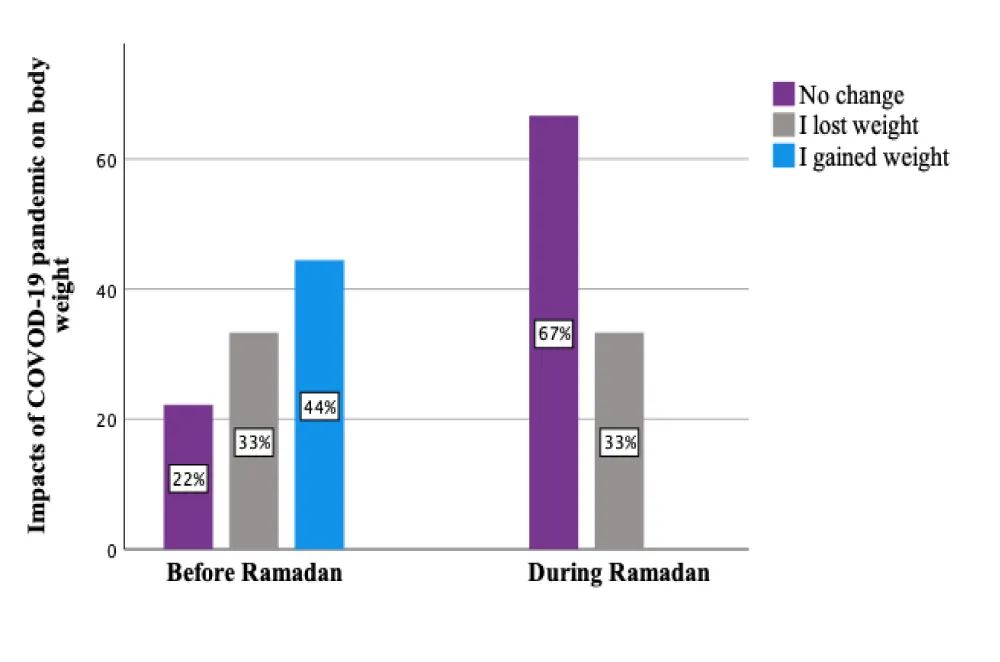
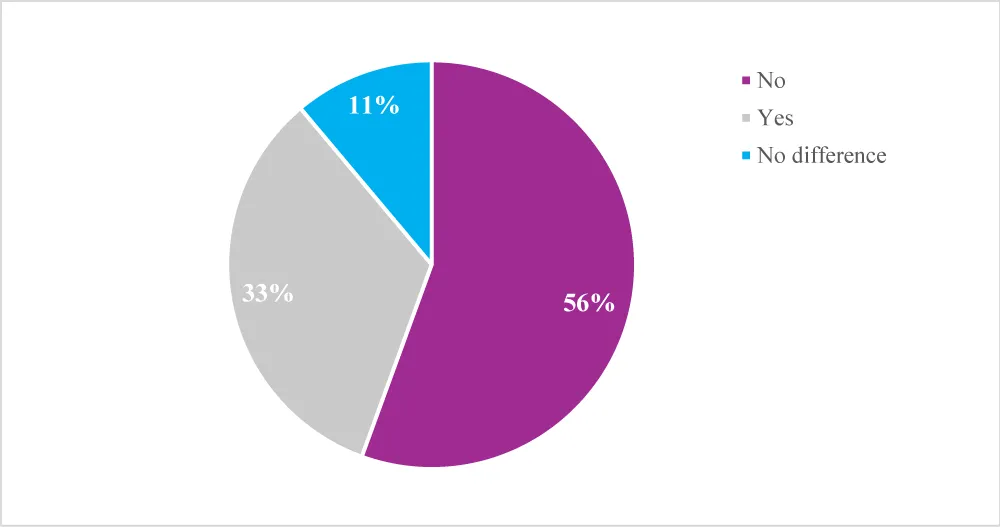
Out of the 9 participants, just one respondent reported that he had a COVID-19 infection and a household with a COVID-19 infection before Ramadan, and he was willing to fast the month of Ramadan. Moreover, respondents reported that the COVID-19 pandemic was associated with weight gain before Ramadan (n = 4, 44%); however, this was not reported during Ramadan (Figure 9). Moreover, the vast majority (n = 6, 67%) did not notice any change in body weight during Ramadan, and one-third (n = 3, 33%) reported that the COVID-19 pandemic was associated with weight loss before and during Ramadan. A respondent who had a COVID-19 infection before Ramadan reported weight gain. Compared with previous months of Ramadan, 5 (56%) participants reported that fasting during Ramadan 2021 was not stressful. However, 3 (33%) respondents reported that it was more stressful (Figure 10).
In addition, participants reported that the COVID-19 pandemic was associated with depression (n = 2), emotional issues (n = 3), family problems (n = 2), and loneliness (n = 2) before Ramadan. The reported frequency of these issues decreased slightly during the month of Ramadan. Besides, participants (n = 4) reported no associated mental health issues during Ramadan, compared with 3 participants before Ramadan (Figure 11). On the other hand, the frequency of participants who reported that the COVID-19 pandemic was associated with stress decreased slightly during the month of Ramadan compared to before Ramadan, at n = 3 and n = 4, respectively (Figure 11). One respondent reported anxiety before Ramadan, but this was not reported during Ramadan. However, financial problems (n = 1) were reported only during Ramadan. Participants who had a COVID-19 infection before Ramadan experienced depression, stress, emotional issues, loneliness, and anxiety, and this was not reported during Ramadan (Supplementary Material).
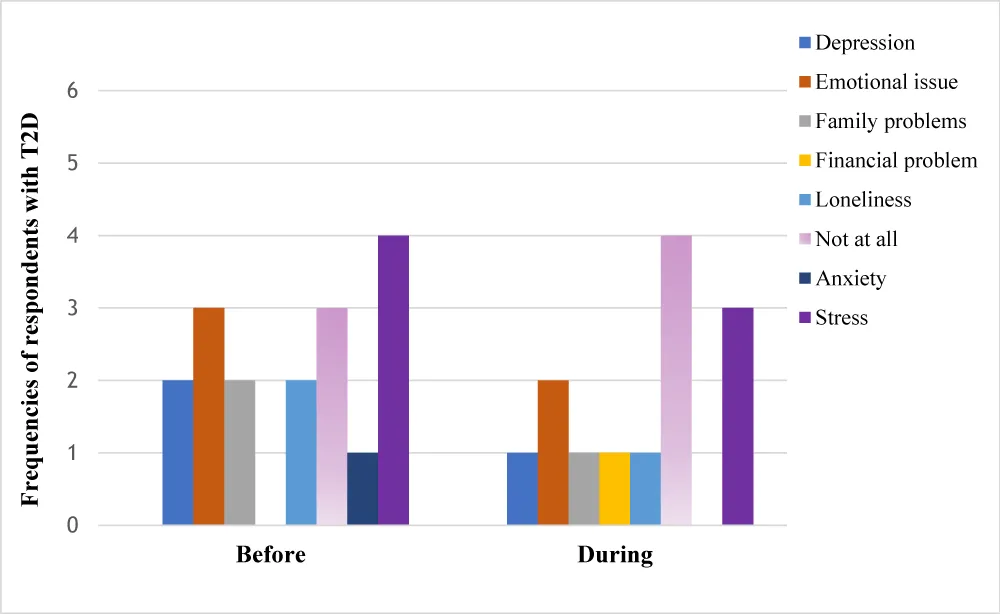
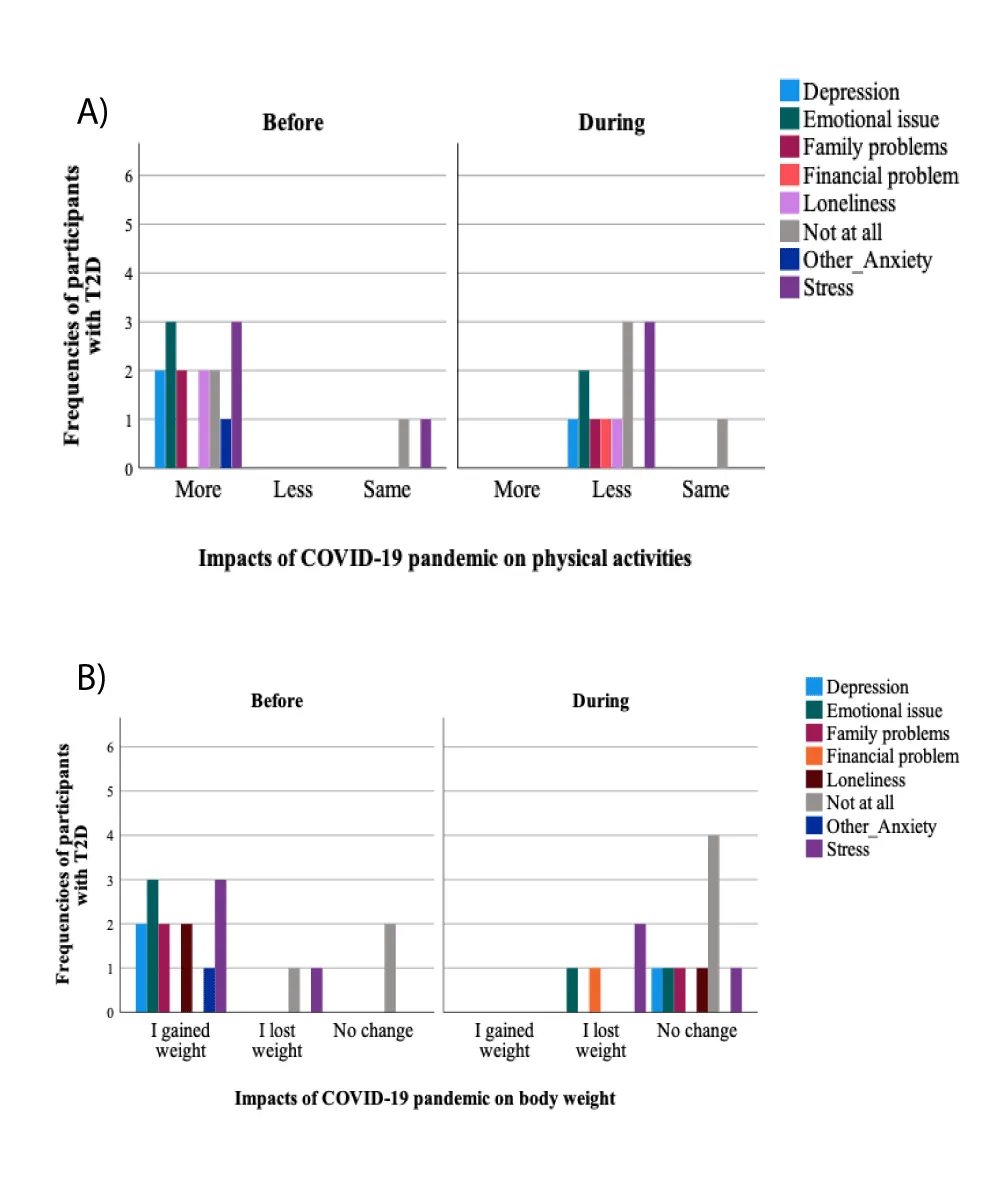
Figure 12 illustrates the relationship between the impacts of COVID-19 pandemic-related mental health issues on physical activities and body weight. Participants who had depression, stress, emotional issues, loneliness, and anxiety reported that they were more active before Ramadan. Moreover, respondents reported that depression, emotional issues, loneliness, and stress were associated with gaining weight before the month of Ramadan, and this association was not reported during Ramadan.
Participants (n = 4) reported that the COVID-19 pandemic had restricted their access to medical services before Ramadan, much less than before the pandemic, and the other 2 respondents reported that it was slightly less than before. However, during Ramadan, more than half (n = 5) reported that the general health care services were the same as before the pandemic period (Figure 13).
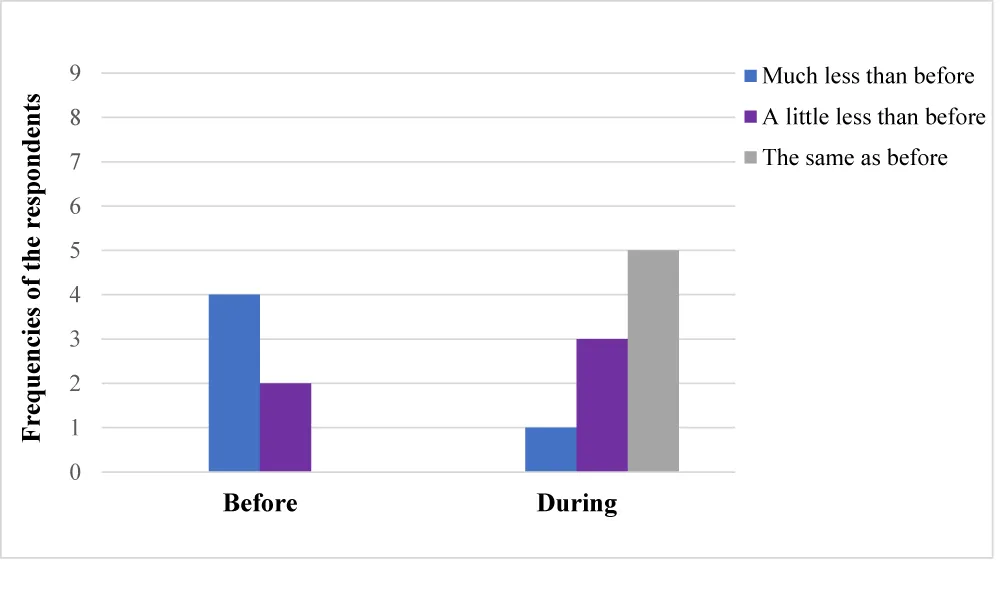
Compared with previous years (pre-pandemic period), 8 participants reported being less active during Ramadan 2021 (Table 7). Moreover, out of 9 respondents, 7 reported that the COVID-19 pandemic was not associated with longer sleep during Ramadan 2021. In addition, respondents (n = 4) reported that fasting during the pandemic period was not associated with any complications compared to the previous months of Ramadan. Besides, participants (n = 4) reported that their blood glucose slightly improved during RF, and one respondent reported that his diabetes significantly improved during fasting. No participants reported that their diabetes worsened during fasting, compared to RF in previous years during the pre-pandemic period (Table 7).
| Table 7: Impact of the COVID-19 pandemic on health issues and lifestyle sectors duringn Ramadan 202 compared with Ramadan during the pre-pandemic period (n = 9). | ||
| N | ||
| Physical activities | The same | 1 |
| Less active | 8 | |
| Longer sleep | No – No difference in sleep | 7 |
| I do not know | 1 | |
| Other, sometimes | 1 | |
| Health issues due to fasting | Yes, I had to break my fast many times | 0 |
| Yes, I had to break my fast sometimes | 1 | |
| No difference | 4 | |
| No, I had no complications | 4 | |
| Other | 0 | |
| Impacts of fasting on diabetes control | Greatly improved | 1 |
| Slightly improved | 4 | |
| Got worse | 0 | |
| No difference | 2 | |
| I do not know | 2 | |
| COVID-19 pandemic impacts on diet | Improved consumption of healthy food | 1 |
| Reduced consumption of healthy foods | 3 | |
| Made no difference | 5 | |
| Reasons for the unhealthy | Yes, I was unable to access some food | 1 |
| Yes, the price was high for some food | 1 | |
| No, the food was available | 6 | |
| Other | 1 | |
| Physical activities | The same | 1 |
| Less active | 8 | |
| Longer sleep | No – No difference in sleep | 7 |
| I do not know | 1 | |
| Other, sometimes | 1 | |
Furthermore, respondents (n = 5) reported that the COVID-19 pandemic had no impact on the quality of the foods consumed during Ramadan. Also, participants (n = 6) reported no problems with food availability during Ramadan during the pandemic.
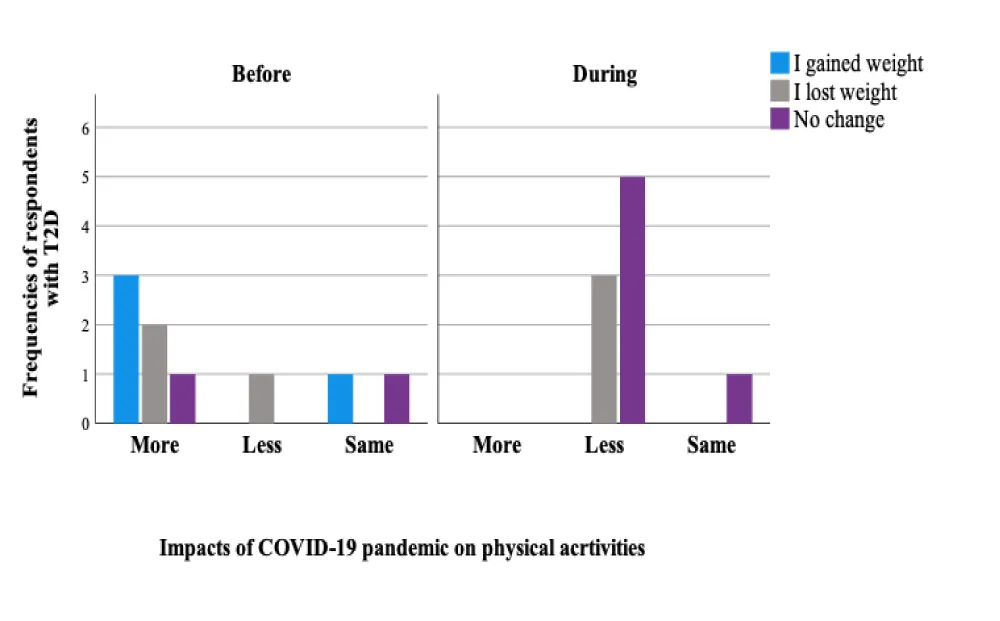
Studying the relationship between variables using descriptive analysis and the Fisher exact test revealed no association between physical activity and weight gain or weight loss before and during Ramadan during the pandemic period (Figure 14). Respondents (n = 5) reported that they were less active and did not notice any change in body weight during Ramadan. Three respondents reported being more active and gaining weight before Ramadan, but this was not reported during Ramadan. However, the other 3 respondents who described themselves as less active during Ramadan reported weight loss.
Discussion
This study provides evidence that, during the pandemic, children and young people with T2D in the UK fasted during the month of Ramadan without serious complications. The participants reported that they had been observing the month of Ramadan over the past few years for its health benefits and to feel better during fasting. However, a few participants reported that social pressure influenced their decision to fast. Half of the study participants fasted the whole month of Ramadan. There was no change in their HbA1c, BMI, body weight, or blood pressure before and after Ramadan 2021. Similarly, the feasibility of fasting was reported among children/adolescents with T1D, even though the disease pathogenesis varied between the different types of diabetes [26]. It has been shown that there was no significant change in biochemical parameters during fasting compared with before and after RF [26]. In addition, with appropriate training for parents, children/adolescents (> 8 years) with T1D can fast safely during the month of Ramadan [26,27]. However, Alamoudi RM, et al. [28] reported that Saudi patients with T1D who fasted during the pandemic suffered from recurrent hypoglycaemia and hyperglycaemia, and the average fasting days were around 24 days. Research on the effects of RF on children and young adults with T2D is limited, but studies in adults and in young people with type 1 diabetes have shown mixed results, with some reporting improvements in glycaemic control and others finding no significant changes. Zabeen B, et al. [29] concluded that the COVID-19 pandemic had minimal effects on young Bengali patients with diabetes (aged 14-24), with no significant increase in HbA1c after Ramadan.
It can be argued that fasting during RF significantly influences physiological/ biological mechanisms, which may be related to dietary patterns, including macro- and micronutrients. Researchers found that dietary patterns changed significantly during RF, with increased protein and fat intake in healthy young boys aged 12 to 15 years [30]. Moreover, they found that this contributed to the significant weight gain in the last week of Ramadan and two weeks after Ramadan. In addition, they conducted this study using a 24-hour recall, supported by digital records [30]. Furthermore, dietary patterns during Ramadan are strongly influenced by cultural practices. For example, a substantial rise in the consumption of carbohydrate-based foods and fat has been reported among healthy Algerian young adults [31]. Herein, similarly, data showed that young study participants with T2D increased their consumption of desserts, fruits, and vegetables; however, weight gain was not reported.
A prospective study conducted among healthy adolescents (mean age of 15 years, n = 366) in Ghana reported that the dietary patterns were remarkably altered during the month of Ramadan [32]. They found a significant reduction in fast-food consumption with increased intake of fruits, vegetables, and a variety of foods, and this was associated with transient weight loss during fasting. Moreover, they reported that about half of the participants practised fasting after Ramadan [32]. Therefore, it could be argued that the presence of diabetes has little impact on dietary habits, and patients behave similarly to healthy people. Assessment of dietary intake and frequent evaluation of nutrient intake are essential and part of diabetes management [33]. However, nutrition management among children/adolescents with diabetes is associated with many challenges and low compliance. The young participants with T2D investigated in this study reported a diet between unhealthy and average before Ramadan. Interestingly, during RF, one-fifth of healthy diet consumption emerged. This could explain the maintenance of the same weight during fasting among study participants who are between obese and overweight.
On the other hand, most participants in this study reported weight gain before fasting, and this was attributed mainly to the negative consequences of the COVID-19 pandemic. Poor adherence to the recommended diet and physical activities in people with obesity during the pandemic has been reported [34]. In addition, it could highlight that the quarantine consequences, including stress, anxiety, and restriction of physical activities, were associated with weight gain and deterioration in sleeping and diet patterns in adult patients with diabetes (T1D and T2D) [35,36]. Several studies reported that physical activity decreased during Ramadan among adult patients with T1D and T2D [37,38]. Consistently, this was observed in the current research study among the young people with T2D. Interestingly, another study among adults with T2D found that RF had no effect on physical activity, and activity levels did not differ from those before Ramadan [39]. This could be related to the natural variations in the study participants included in different studies. Furthermore, a recent study conducted by Abdelmalek S, et al. [40] reported that exercising during RF was associated with significant weight loss among healthy adolescents with obesity [40]. It has been suggested that education on maintaining physical activity and a nutritious diet during fasting is paramount [41].
In a study investigating the effects of RF on sleep patterns among Saudis with T2D and T1D (aged > 20 years), total sleep hours did not change during Ramadan [42]. Study participants reported that they had their sleep time mainly during the daytime instead. Moreover, reduced sleep duration and quality have been reported among young, healthy athletes during Ramadan [43]. Consequently, this could harm mental health by increasing stress and anxiety. However, it has been shown that the severity of depression was reduced during the month of Ramadan in adult patients with diabetes [44]. Likewise, this was observed and reported by the young T2D participants in this study. During the COVID-19 pandemic, children with T1D were found to be more noticeably affected by quarantine measures than adolescent patients [45]. It was found that adolescents demonstrated the ability to accommodate and engage in several physical activities during the pandemic. Importantly, evidence indicates that the incidence of depression among patients with T2D is remarkably high and is related to uncontrolled blood glucose and diabetes comorbidities [46,47]. Moreover, this has been observed among the children and young adults with T1D as well [48]. Thus, improvement in depression levels during fasting could have a great impact on the quality of life of individuals with diabetes and the disease prognosis.
Therefore, close communication with medical professionals before Ramadan could significantly help maintain blood glucose control during fasting [49]. This could be achieved by running pre-Ramadan clinics for all patients willing to fast during Ramadan, focusing on adjusting diet, maintaining physical activity, and improving sleep quality during fasting [50]. However, this is not common practice in Western countries, for instance, in the UK. Recently, the official website of Diabetes UK has been providing advice and guidance on the importance of following the best-agreed plan with a medical professional before fasting [51]. This is usually shared with patients as an information leaflet in some centres. Yet, it could be mentioned that this approach may not be suitable for young people with diabetes, and direct face-to-face or virtual pre-Ramadan education sessions with the patients and their parents are necessary and more effective.
Limitations of the study
This study has several limitations, and caution in interpretation is warranted. Most notably, the small sample size restricts the generalisability of the conclusions, as statistical analyses could not be robustly applied to identify differences between categorical and continuous variables, nor could relationships between variables be reliably assessed. There were also instances where some data was missing from the records, which may have affected the completeness of the analysis. Additionally, the recruitment process, which relied on convenience and cluster sampling, may have introduced selection bias, as participants who were more motivated or able to respond during the pandemic may not be representative of the broader population of young people with T2D. Furthermore, it was not possible to administer a face-to-face questionnaire; therefore, the reliance on self-reported dietary intake collected via online questionnaires raises the possibility of recall bias, as participants may not have accurately remembered or recorded their food consumption.
Conclusion
The findings of this research have contributed to current knowledge by providing data on young patients with T2D who chose to perform RF during the COVID-19 pandemic in 2021. These study participants fasted safely during Ramadan. Fasting during the COVID-19 pandemic circumstances was not stressful for most participants and improved patients’ mental health with no significant change in body weight or blood glucose parameters after the month of Ramadan. Dietary patterns were variable, and sleep quality was fairly poor during Ramadan; this was not related to the COVID-19 pandemic. Although healthcare professionals clearly emphasised the importance of staying physically active during the pandemic, young patients with T2D remained physically inactive and were clearly affected by pandemic restrictions. Soon, much larger studies will be necessary to determine the impacts of RF on young people with T2D. This could be carried out through prospective studies or retrospective analyses of patient data from hospitals and medical centres, especially regarding adherence to medication, blood glucose control, and lifestyle patterns during fasting.
Acknowledgment
This work would not have been possible without the willingness of the study participants and their parents. Our deepest gratitude to all the staff who are working on the research and innovation administrators in the three NHS trusts, Leicester, Bradford, Birmingham, and De Montfort University. They are very much appreciated for their efforts to mitigate the risk of infection and for providing the best support in conducting a significant part of this research during the COVID-19 pandemic. All co-authors would like to sincere thanks the research coordinator, Rutger Clarke from Bradford Teaching Hospitals NHS Foundation Trust, and Dr. Douglas Gray, head of the Faculty of Health and Life Sciences Research Ethics Committee (FREC) at De Montfort University, for their outstanding support and guidance in understanding the process of setting up the study and obtaining the research ethical approvals from the Research Ethics Committee (REC), the Health Research Authority (HRA) in the UK.
Conflict of Interest
The authors declare that the research was conducted in the absence of any commercial or financial relationships that could be construed as a potential conflict of interest.
References
- Bener A, A Al-Hamaq AOA, Öztürk M, Çatan F, Haris PI, Rajput KU, Ömer A. Effect of ramadan fasting on glycemic control and other essential variables in diabetic patients. Ann Afr Med. 2018 Oct-Dec;17(4):196-202. doi: 10.4103/aam.aam_63_17. PMID: 30588933; PMCID: PMC6330786.
- Elhadd T, Dabbous Z, Bashir M, Elzouki A, Ghadban W, Baagar K, Benjamin S, Hassanien M, Saeed AAM, Dukhan K, Malik RA, Abou-Samra AB; PROFAST Study Group. Incidence of hypoglycaemia in patients with type-2 diabetes taking multiple glucose lowering therapies during Ramadan: the PROFAST Ramadan Study. J Diabetes Metab Disord. 2018 Nov 19;17(2):309-314. doi: 10.1007/s40200-018-0374-2. PMID: 30918866; PMCID: PMC6405393.
- Elmajnoun HK, Faris ME, Abdelrahim DN, Haris PI, Abu-Median AB. Effects of Ramadan Fasting on Glycaemic Control Among Patients with Type 2 Diabetes: Systematic Review and Meta-analysis of Observational Studies. Diabetes Ther. 2023 Mar;14(3):479-496. doi: 10.1007/s13300-022-01363-4. Epub 2023 Feb 2. PMID: 36725794; PMCID: PMC9981835.
- Wu H, Patterson CC, Zhang X, Ghani RBA, Magliano DJ, Boyko EJ, Ogle GD, Luk AOY. Worldwide estimates of incidence of type 2 diabetes in children and adolescents in 2021. Diabetes Res Clin Pract. 2022 Mar;185:109785. doi: 10.1016/j.diabres.2022.109785. Epub 2022 Feb 18. PMID: 35189261.
- Sellers EA, Wicklow BA, Dean HJ. Clinical and demographic characteristics of type 2 diabetes in youth at diagnosis in Manitoba and northwestern Ontario (2006-2011). Canadian Journal of Diabetes. 2012;36(3):114-8. doi: 10.1016/j.jcjd.2012.04.013.
- Hani NS, Thomas IH. Changes in Pediatric Type 2 Diabetes During the COVID-19 Pandemic. Pediatr Ann. 2024 Jul;53(7):e249-e253. doi: 10.3928/19382359-20240502-03. Epub 2024 Jul 1. PMID: 38949870.
- Hoang A, Chorath K, Moreira A, Evans M, Burmeister-Morton F, Burmeister F, Naqvi R, Petershack M, Moreira A. COVID-19 in 7780 pediatric patients: A systematic review. EClinicalMedicine. 2020 Jun 26;24:100433. doi: 10.1016/j.eclinm.2020.100433. PMID: 32766542; PMCID: PMC7318942.
- Lu X, Zhang L, Du H, Zhang J, Li YY, Qu J, Zhang W, Wang Y, Bao S, Li Y, Wu C, Liu H, Liu D, Liu D, Shao J, Peng X, Yang Y, Liu Z, Xiang Y, Zhang F, Silva RM, Pinkerton KE, Shen K, Xiao H, Xu S, Wong GWK. SARS-CoV-2 infection in children. N Engl J Med. 2020;382(17):1663-5. doi: 10.1056/NEJMc2005073.
- Dong Y, Mo X, Hu Y, Qi X, Jiang F, Jiang Z, Tong S. Epidemiology of COVID-19 Among Children in China. Pediatrics. 2020 Jun;145(6):e20200702. doi: 10.1542/peds.2020-0702. Epub 2020 Mar 16. PMID: 32179660.
- Moghadam MT, Taati B, Paydar Ardakani SM, Suzuki K. Ramadan Fasting During the COVID-19 Pandemic; Observance of Health, Nutrition and Exercise Criteria for Improving the Immune System. Front Nutr. 2021 Jan 13;7:570235. doi: 10.3389/fnut.2020.570235. PMID: 33521030; PMCID: PMC7838371.
- Fallon K. Exercise in the time of COVID-19. Aust J Gen Pract. 2020 Apr 22;49. doi: 10.31128/AJGP-COVID-13. PMID: 32321207.
- Wang D, Hu B, Hu C, Zhu F, Liu X, Zhang J, Wang B, Xiang H, Cheng Z, Xiong Y, Zhao Y, Li Y, Wang X, Peng Z. Clinical Characteristics of 138 Hospitalized Patients With 2019 Novel Coronavirus-Infected Pneumonia in Wuhan, China. JAMA. 2020 Mar 17;323(11):1061-1069. doi: 10.1001/jama.2020.1585. Erratum in: JAMA. 2021 Mar 16;325(11):1113. doi: 10.1001/jama.2021.2336. PMID: 32031570; PMCID: PMC7042881.
- Zhu N, Zhang D, Wang W, Li X, Yang B, Song J, Zhao X, Huang B, Shi W, Lu R, Niu P, Zhan F, Ma X, Wang D, Xu W, Wu G, Gao GF, Tan W; China Novel Coronavirus Investigating and Research Team. A Novel Coronavirus from Patients with Pneumonia in China, 2019. N Engl J Med. 2020 Feb 20;382(8):727-733. doi: 10.1056/NEJMoa2001017. Epub 2020 Jan 24. PMID: 31978945; PMCID: PMC7092803.
- Liu W, Zhang Q, Chen J, Xiang R, Song H, Shu S, Chen L, Liang L, Zhou J, You L, Wu P, Zhang B, Lu Y, Xia L, Huang L, Yang Y, Liu F, Semple MG, Cowling BJ, Lan K, Sun Z, Yu H, Liu Y. Detection of Covid-19 in Children in Early January 2020 in Wuhan, China. N Engl J Med. 2020 Apr 2;382(14):1370-1371. doi: 10.1056/NEJMc2003717. Epub 2020 Mar 12. PMID: 32163697; PMCID: PMC7121643.
- Serafini G, Parmigiani B, Amerio A, Aguglia A, Sher L, Amore M. The psychological impact of COVID-19 on the mental health in the general population. QJM. 2020 Jun 22;113(8):531–7. doi: 10.1093/qjmed/hcaa201. Epub ahead of print. PMID: 32569360; PMCID: PMC7337855.
- Ahmad S, Shukla AK, Pant B, Shrama S, Chaudhary V. Stress level of feelings and thoughts among healthy adult Muslims during the month of Ramadan in Meerut, Uttar Pradesh, India. International Journal of Contemporary Microbiology. 2017;3(1):34-9. doi: 10.5958/2395-1796.2017.00009.6.
- Bayani AA, Esmaeili R, Ganji G. The Impact of Fasting on the Psychological Well-Being of Muslim Graduate Students. J Relig Health. 2020 Dec;59(6):3270-3275. doi: 10.1007/s10943-018-00740-3. PMID: 30523485.
- Al-Ozairi E, AlAwadhi MM, Al-Ozairi A, Taghadom E, Ismail K. A prospective study of the effect of fasting during the month of Ramadan on depression and diabetes distress in people with type 2 diabetes. Diabetes Res Clin Pract. 2019 Jul;153:145-149. doi: 10.1016/j.diabres.2019.05.006. Epub 2019 May 18. PMID: 31108138.
- Heun R. A systematic review on the effect of Ramadan on mental health: minor effects and no harm in general, but increased risk of relapse in schizophrenia and bipolar disorder. Global Psychiatry. 2018;1(1):7-16. doi: 10.2478/gp-2018-0002.
- Akuchekian S, Ebrahimi A, Alvandian S. Effect of the holy month of Ramadan on coping strategies. 2004.
- Almeneessier AS, BaHammam AA, Alzoghaibi M, Olaish AH, Nashwan SZ, BaHammam AS. The effects of diurnal intermittent fasting on proinflammatory cytokine levels while controlling for sleep/wake pattern, meal composition and energy expenditure. PLoS One. 2019 Dec 10;14(12):e0226034. doi: 10.1371/journal.pone.0226034. PMID: 31821377; PMCID: PMC6903761.
- Taherdoost H. Validity and reliability of the research instrument; how to test the validation of a questionnaire/survey in research. How to test the validation of a questionnaire/survey in research. 2016. doi: 10.2139/ssrn.3205040.
- Bacchetti P. Current sample size conventions: flaws, harms, and alternatives. BMC Med. 2010 Mar 22;8:17. doi: 10.1186/1741-7015-8-17. PMID: 20307281; PMCID: PMC2856520.
- BaHammam AS, Pandi-Perumal SR, Alzoghaibi MA. The effect of Ramadan intermittent fasting on lipid peroxidation in healthy young men while controlling for diet and sleep: A pilot study. Ann Thorac Med. 2016 Jan-Mar;11(1):43-8. doi: 10.4103/1817-1737.172296. PMID: 26933456; PMCID: PMC4748614.
- Peeters B, Mehuys E, Van Tongelen I, Van Bever E, Bultereys L, Avonts D, Yıldız G, Remon JP, Boussery K. Ramadan fasting and diabetes: an observational study among Turkish migrants in Belgium. Prim Care Diabetes. 2012 Dec;6(4):293-6. doi: 10.1016/j.pcd.2012.02.003. Epub 2012 Mar 21. PMID: 22445057.
- AlAlwan I, Al Banyan A. Effects of Ramadan fasting on children with type 1 diabetes. International Journal of Diabetes Mellitus. 2010;2(2):127–9. doi:10.1016/j.ijdm.2010.05.009.
- Mohamed K, Al-Abdulrazzaq D, Fayed A, El Busairi E, Al Shawaf F, Abdul-Rasoul M, Shaltout AA. Fasting during the holy month of Ramadan among older children and adolescents with type 1 diabetes in Kuwait. J Pediatr Endocrinol Metab. 2019 Aug 27;32(8):843-849. doi: 10.1515/jpem-2019-0009. PMID: 31318694.
- Alamoudi RM, Aljohani NJ, Alfadhli EM, Alzaman N, Alfadhly AF, Kallash MA, Alshenqete AM, Batais MA, Alharbi M, Ekhzaimy AA, Sheshah E, Ahmedani MY, Buyukbese MA, Shaltout I, Hemaida K, Belkhadir J, Afandi B, Hafidh K, Hussein Z, Elbarbary NS, Hassanein M. Fasting Ramadan in patients with T1DM - Saudi Arabia versus other countries during the COVID-19 pandemic. Diabetes Metab Syndr. 2023 Jan;17(1):102676. doi: 10.1016/j.dsx.2022.102676. Epub 2022 Nov PMID: 36463695.
- Zabeen B, Ahmed B, Nahar J, Tayyeb S, Islam N, Mohsin F, Azad K. Higher HbA1c was observed in young people with diabetes who fasted during COVID-19 pandemic lockdown of 2020 Ramadan in Bangladesh - A Post Ramadan survey. Diabetes Res Clin Pract. 2022 Apr;186:109812. doi: 10.1016/j.diabres.2022.109812. Epub 2022 Mar 15. PMID: 35301071; PMCID: PMC8920591.
- Farooq A, Herrera CP, Almudahka F, Mansour R. A Prospective Study of the Physiological and Neurobehavioral Effects of Ramadan Fasting in Preteen and Teenage Boys. J Acad Nutr Diet. 2015 Jun;115(6):889-97. doi: 10.1016/j.jand.2015.02.012. Epub 2015 Apr 1. PMID: 25840939.
- Lamri-Senhadji MY, El Kebir B, Belleville J, Bouchenak M. Assessment of dietary consumption and time-course of changes in serum lipids and lipoproteins before, during and after Ramadan in young Algerian adults. Singapore Med J. 2009 Mar;50(3):288-94. PMID: 19352573.
- Ali Z, Abizari AR. Ramadan fasting alters food patterns, dietary diversity and body weight among Ghanaian adolescents. Nutr J. 2018 Aug 11;17(1):75. doi: 10.1186/s12937-018-0386-2. PMID: 30098591; PMCID: PMC6086999.
- Eliuz Tipici B, Atik Altınok Y, Keser A. Frequently Asked Questions and Evidence-Based Answers on Medical Nutritional Therapy in Children with Type 1 Diabetes for Health Care Professionals. J Clin Res Pediatr Endocrinol. 2023 May 29;15(2):120-126. doi: 10.4274/jcrpe.galenos.2022.2022-6-4. Epub 2022 Nov 23. PMID: 36416458; PMCID: PMC10234064.
- Caldwell AE, Thomas EA, Rynders C, Holliman BD, Perreira C, Ostendorf DM, Catenacci VA. Improving lifestyle obesity treatment during the COVID-19 pandemic and beyond: New challenges for weight management. Obes Sci Pract. 2021 Jul 1;8(1):32-44. doi: 10.1002/osp4.540. PMID: 34540266; PMCID: PMC8441901.
- Hanif S, Ali SN, Hassanein M, Khunti K, Hanif W. Managing People with Diabetes Fasting for Ramadan During the COVID-19 Pandemic: A South Asian Health Foundation Update. Diabet Med. 2020 Jul;37(7):1094-1102. doi: 10.1111/dme.14312. Epub 2020 Jun 5. PMID: 32333691; PMCID: PMC7267620.
- Erthal IN, Alessi J, Teixeira JB, Jaeger EH, de Oliveira GB, Scherer GDLG, de Carvalho TR, Schaan BD, Telo GH. Lifestyle pattern changes, eating disorders, and sleep quality in diabetes: how are the effects of 18 months of COVID-19 pandemic being felt? Acta Diabetol. 2022 Oct;59(10):1265-1274. doi: 10.1007/s00592-022-01927-7. Epub 2022 Jul 13. PMID: 35829915.
- Hassanein M, Al Awadi FF, El Hadidy KES, Ali SS, Echtay A, Djaballah K, Dessapt-Baradez C, Khazaal FAK, Abu-Hijleh MO, Al Shaikh A, Gharbi MEH, Shehadeh N, Bennakhi A, Al Arouj M. The characteristics and pattern of care for the type 2 diabetes mellitus population in the MENA region during Ramadan: An international prospective study (DAR-MENA T2DM). Diabetes Res Clin Pract. 2019 May;151:275-284. doi: 10.1016/j.diabres.2019.02.020. Epub 2019 Feb 27. PMID: 30825560.
- Jabbar A, Hassanein M, Beshyah SA, Boye KS, Yu M, Babineaux SM. CREED study: Hypoglycaemia during Ramadan in individuals with Type 2 diabetes mellitus from three continents. Diabetes Res Clin Pract. 2017 Oct;132:19-26. doi: 10.1016/j.diabres.2017.07.014. Epub 2017 Jul 13. PMID: 28783529.
- Al-Mendalawi MD. Effects of Ramadan fasting on glucose levels and serum lipid profile among type 2 diabetic patients. Saudi Med J. 2011 Jun;32(6):647; author reply 647. PMID: 21666953.
- Abedelmalek S, Aloui K, Denguezli Bouzgarou M, Adam H, Souissi N, Chtourou H. Exergaming During Ramadan Intermittent Fasting Improve Body Composition as Well as Physiological and Psychological Responses to Physical Exercise in Adolescents With Obesity. Front Nutr. 2022 Jun 28;9:851054. doi: 10.3389/fnut.2022.851054. PMID: 35836586; PMCID: PMC9274190.
- Sydor S, Engin E, Wittek S, Lemmer P, Best J, Steinmetz M, Figge A, Jähnert A, Özcürümez M, Broecker-Preuss M, Syn WK, Canbay A, Manka P. Religious intermittent fasting: Effects on liver health, metabolic markers, and gut microbiota in type 2 diabetes patients. Clinical Nutrition Open Science. 2024;58:370-83. doi: 10.1016/j.nutos.2024.11.001.
- Al-Maiman R, Al-Orf S, Bawazeer N. Impact of fasting during Ramadan on daily habits, diet and body weight of individuals with diabetes: a sample of Saudi Arabia. Malays J Med Health Sci. 2022;18:141-9. doi: 10.47836/mjmhs18.4.20.
- Hsouna H, Abdessalem R, Boukhris O, Trabelsi K, Chtourou L, Tahri N, Engel FA, Shephard RJ, Chtourou H. Short-term maximal performance, alertness, dietary intake, sleep pattern and mood states of physically active young men before, during and after Ramadan observance. PLoS One. 2019 Jun 4;14(6):e0217851. doi: 10.1371/journal.pone.0217851. PMID: 31163075; PMCID: PMC6548427.
- Al-Ozairi E, AlAwadhi MM, Al-Ozairi A, Taghadom E, Ismail K. A prospective study of the effect of fasting during the month of Ramadan on depression and diabetes distress in people with type 2 diabetes. Diabetes Res Clin Pract. 2019 Jul;153:145-149. doi: 10.1016/j.diabres.2019.05.006. Epub 2019 May 18. PMID: 31108138.
- Passanisi S, Pecoraro M, Pira F, Alibrandi A, Donia V, Lonia P, Pajno GB, Salzano G, Lombardo F. Quarantine Due to the COVID-19 Pandemic From the Perspective of Pediatric Patients With Type 1 Diabetes: A Web-Based Survey. Front Pediatr. 2020 Jul 31;8:491. doi: 10.3389/fped.2020.00491. PMID: 32850562; PMCID: PMC7411347.
- Baucom KJW, Turner SL, Tracy EL, Berg CA, Wiebe DJ. Depressive symptoms and diabetes management from late adolescence to emerging adulthood. Health Psychol. 2018 Aug;37(8):716-724. doi: 10.1037/hea0000645. PMID: 30024228; PMCID: PMC6080212.
- Katon W, Van der Feltz-Cornelis CM. Treatment of depression in patients with diabetes: efficacy, effectiveness and maintenance trials, and new service models. Depression and diabetes. 2010;9:81-107. doi: 10.1002/9780470667309.ch4.
- Alaqeel A, Almijmaj M, Almushaigeh A, Aldakheel Y, Almesned R, Al Ahmadi H. High Rate of Depression among Saudi Children with Type 1 Diabetes. Int J Environ Res Public Health. 2021 Nov 8;18(21):11714. doi: 10.3390/ijerph182111714. PMID: 34770232; PMCID: PMC8583043.
- Albishi LA, Alamri NA, Ahmed NF. Impact of Ramadan Fasting on metabolic control in children and adolescents with type 1 diabetes in tabuk city, Saudi Arabia. 2022.
- Alharthi S, Alrajeh A, Alyusuf E, Alguwaihes AM, Jammah A, Al-Sofiani ME. "Pre-Ramadan" telemedicine: Effect on fasting experience and glycemic control during ramadan in people with type 1 diabetes. Diabetes Metab Syndr. 2022 Aug;16(8):102567. doi: 10.1016/j.dsx.2022.102567. Epub 2022 Jul 20. PMID: 35939941.
- Diabetes and Ramadan Anonymous. 2025.




Content Alerts
SignUp to our
Content alerts.
 This work is licensed under a Creative Commons Attribution 4.0 International License.
