
Environmental Sciences . 2022 January 11;3(1):020-027. doi: 10.37871/jbres1396.





 Original Article
Improvement of Techno-Functional Characteristics of Fish Gelatin Films Using Peptide-Sugar Conjugates: Maillard Reaction Products
Forouzan Sabzipour1, Armin Mirzapour-Kouhdasht2*, Jong-Bang Eun1# and Marco Garcia-Vaquero2#
2School Agriculture and Food Science, University College Dublin, Dublin, Ireland
#Authors are equally contributed this work
- Food packaging
- Fish gelatin films
- Maillard reaction
- MRPs
- Conjugates
Abstract
The effects of Maillard Reaction Products (MRPs) obtained from fish gelatin hydrolysates and D-glucose conjugation on the techno-functional characteristics of fish gelatin films were investigated, and the antioxidant effects were measured. MRPs were added to a gelatin solution at different concentrations (5-30% of the gelatin weight). The results revealed that the addition of the MRPs changed the film thickness from 0.15 mm (control) to 0.199 mm (film containing 30% MRPs). Some parameters including density, opacity, and color (ΔE) of the films were directly related to the MRPs concentration. Unlike these parameters, the solubility of the samples was not significantly altered, and the degree of swelling was indirectly changed owing to the MRPs addition. The results also indicated that the MRPs could dramatically decrease the water vapor permeability and oxygen permeability. The viscosity and mechanical properties of the films were increased as the MRPs concentration increased. The UV protective and the DPPH radical scavenging activities of the films were positively related to the MRPs concentration. The control sample (8.71 mg/mL) and the sample containing 30% MRPs (IC50 at 1.72 mg/mL) showed the lowest and highest antioxidant activities, respectively. The results of this study revealed that a fish gelatin film containing MRPs could be used as an active film in food packaging.
Introduction
The application of biopolymers in food packaging has gained much attention owing to their biocompatibility, biodiversity, and biodegradability [1,2]. Among the various types of food packaging investigated for use in biodegradable films, gelatin is a promising option that is obtainable from many natural sources [3-6]. Fish gelatin is one of the best sources of gelatin owing to the large amounts of fish waste that can be used for gelatin production [7-10]. Fish gelatin hydrolysates have important biological and functional applications in the food and pharmaceutical industries because of their health-promoting properties, such as their antioxidant, antimicrobial, and anticancer effects [11,12]. However, further investigations on improving their bioactivity should be conducted. In some studies, the conjugation of fish gelatin hydrolysates and other natural components, such as various sugars, has been examined. Studies have investigated the Maillard reaction of fish gelatin hydrolysates with different monosaccharides, including ribose, glucose, xylose, and fructose [13-15]. The Maillard Reaction Products (MRPs) obtained from these reactions showed better functional properties, such as antioxidant capacity. To the best of our knowledge, the use of MRPs obtained from fish gelatin hydrolysates as natural antioxidant agents in fish gelatin films has yet to be investigated. Therefore, this study aimed to investigate the effects of different concentrations of MRPs on the properties of fish gelatin films.
Materials and Methods
Fermented skate (Raja Kenojei) skin was obtained from a local market in Naju, South Korea. Kiwi fruit was obtained from a local market in Gwangju, South Korea. Alcalase (9 tyrosine equivalent units/mg) was purchased from Megazyme International Ireland Ltd., Bray, Co. (Wicklow, Ireland). All chemicals and reagents were of analytical grade and were obtained from Sigma Aldrich, Inc. (St. Louis, MO, USA).
Gelatin extraction
Gelatin was extracted from the fermented skate skin according to the method reported by Cho Jahncke [16]. After removing impurities using tap water, the liming process was conducted by immersing 200 g of the skins in 1.5% calcium hydroxide solution (pH 6.0) with a ratio of 1:5 w/v. Subsequently, the skins were washed, and gelatin was extracted using hot distilled water at 50°C for 4h. The extracts were centrifuged at 4,000 × g for 30 min in a J2-21 centrifuge (Beckman Instruments Ltd., Palo Alto, CA, USA); then, the supernatant was passed through Whatman No. 1 filter paper and caracole activated powder (250-350 mesh). Afterward, permeate was lyophilized and stored at -20°C until further experiments.
Gelatin hydrolysis
Gelatin was hydrolyzed using the method described by Mirzapour-Kouhdasht, Moosavi-Nasab [11]. In summary, a gelatin dispersion (2.5% w/v) was prepared in 50 mM Tris-HCl buffer. Hydrolysis was initiated by adding alcalase to the mixture at a ratio of 1:100 (enzyme:protein substrate), followed by shaking for 3 h at 60°C. The second step of hydrolysis was performed using actinidin at the same ratio and time at 37°C. After stopping the reaction by adding 12% TCA, the solution was centrifuged at 4000 × g for 45 min at 10°C. The supernatant was separated and stored at -20°C until further analyses.
Preparation of MRPs
Gelatin hydrolysates were dissolved in distilled water (20 mg/mL), and D-glucose was added to the solution at a ratio of 1:2 (gelatin hydrolysates:sugar). After adjusting the pH to 7.5, the mixture was heated in a water bath at 95°C for 5h. Afterward, the reaction was stopped using cold gel solid plastic, and the samples were lyophilized and stored at -20°C until further experiments. The fish gelatin hydrolysate solution (without the addition of sugar) underwent the same treatment and was used as a control.
Preparation of gelatin films enriched with MRPs
A gelatin solution (3.5% w/v concentration) in distilled water was prepared, followed by heating at 60°C for 15 min. Glycerol was applied as plasticizer with a concentration of 30% w/w (of gelatin content). The MRPs (with different concentrations of 5-30% w/w of gelatin content) were added to the mixture. Samples nomenclature from this forward is according to the percentage of MRPs. Solutions (20 mL) were poured into petri dishes by the casting method and subsequently dried at room temperature for 12h.
Film characterization
Thickness and density: Film thickness was measured using a micrometer (Mitutoyo, Model ID-C112PM, Serial No. 00320, Mitutoyo Corp., Kawasaki-shi, Japan) at five random locations of each film. Film density was calculated after determining the film volume according to the dimensions and thickness.
Opacity: To determine the opacity of the films, the inner surface of a spectrophotometer cuvette was covered by pieces of film, and the absorbance of the samples was detected at 600 nm. The opacity of each film was determined by dividing the absorbance (at 600 nm) by its thickness (mm).
Color: The color of the films was evaluated using the method discussed by Afshari-Jouybari and Farahnaky [17]. The picture of specimens was captured in a box (40 × 40 × 40 cm) with Natural light Source (K = 6500) equipped with a digital camera (Canon Powershot A630 with 8 Mega Pixels) at a distance of 40 cm from the samples. The L*, a*, and b* values were measured by filter/blur/average command in Photoshop software. After determining the values of L*, a*, and b*, the total color difference (ΔE) was calculated according to the following equation:
ΔE = [(Lc* - Ls*)2 + (ac*- as*)2 + (bc*- bs*)2]1/2,
where Lc*, ac*, and bc* are the color values of the white standard plate, and Ls*, as*, and bs* are the color values of the samples.
Solubility and degree of swelling: These two factors were determined as described by Yadav, et al. [18]. For this purpose, the films were cut into pieces, dried in an oven at 105°C, and weighed (W1). The pieces were placed in 100 mL beakers, and 50 mL distilled water was added. Then, the beakers were closed, wrapped with aluminum foil, and kept at room temperature for 24h. Afterward, the films were drained on filter paper and weighed again (W2). The solubility of the films was calculated according to the following equation:
Solubility =
The films were weighed (W1) and then placed in beakers containing 30 mL distilled water at room temperature. Then, the swollen samples were weighed (W2). This step was performed three times to obtain the average amount of swelling. The degree of swelling during 24h with every 6h intervals was determined using the given equation:
Degree of swelling =
Water Vapor Permeability (WVP): The WVP of the films was determined as described by ASTM [19] method modified by (Yadav, Mehrotra [18]. Summarily, samples were wrapped over especial cups. The cups were filled with distilled water and placed in a desiccator individually. Changes in the cup weight were determined during 72h every 4h intervals. The WVP was measured using the following equation:
Water vapor permeability = ,
where W, x, and t are the weight change (g) of the film samples, the film thickness (m), and the lapsed time (s) for the weight change of the film, respectively. Moreover, ΔP is the difference in partial vapor pressure between the pure water and dry atmosphere (2339 Pa at 20°C).
Oxygen permeability: The films were cut into 2 × 2 cm2 strips and used to wrap bottles with a size of 10 × 50 mm2 . Subsequently, the wrapped bottles were placed in a desiccator at room temperature for 72h. The weight of the bottles was recorded every 24h. After plotting the data of weight change vs. time, the slope of each resulting line was determined by linear regression (R2 > 0.99). The Oxygen Permeability Transmission Rate (OPTR) and OP were measured using the following equations:
OPTR =
OP =
where ΔP is the difference in partial vapor pressure between the pure water and dry atmosphere at room temperature (0.02308 atm) and L is the average film thickness.
UV–vis spectroscopy: UV–vis analysis was performed using a UV–vis spectrometer (Synergy HT Multi-detection microplate reader, BioTek Instruments, Winooski, VT, USA).
Viscosity: Film viscosity was determined using a Brookfield viscometer (DV2 Pro II, Brookfield Engineering Laboratories, Middleborough, MA, USA) with a cp51 spindle.
Mechanical properties: The mechanical properties (Tensile Strength [TS] and Elongation At Break [EAB]) of the films were measured according to the standard method ASTM [19] with some modifications using a texture analyzer machine (500 N; ZWICK Gmbh & Co. KG, Ulm, Germany). The films were equilibrated by placing them under conditions of 25°C and 50% relative humidity for 72h. The initial grip separation and crosshead speed were adjusted to 30 mm and 30 mm/min, respectively, until rupture. Film clamping and deformation were conducted under tensile loading using a 100 N load cell.
Antioxidant capacity
The antioxidant capacities of peptides before and after conjugation and those of films with and without MRPs were determined according to the method described by Ambigaipalan and Shahidi [20]. A volume of 200 µL of a samples (1 mg/mL) was added to 800 µL of 0.1 mM DPPH in 95% methanol. Afterward, the samples were vortexed and kept in darkness for 30 min. The samples absorbance was recorded at 517 nm. For the control, the sample was replaced with 95% methanol. DPPH radical inhibition was determined using the following equation:
DPPH radical inhibition (%) = (Acontrol - Asample,/) / Acontrol
Statistical analysis
All experiments were performed in triplicate. The mean comparison of three replicates was conducted by one-way analysis of variance in IBM SPSS Statistics 25. Tukey’s test was applied to determine the significance among the mean comparisons with a probability level of 5%.
Results and Discussion
Thickness and density
The physicochemical characteristics of the fish gelatin films with MRPs are shown in table 1. The thickness of the control film was 0.15 mm, and the addition of MRPs up to a concentration of 15% of the gelatin content did not change the thickness significantly. The thickness of the film containing 30% MRPs was significantly higher than that of the control film (0.19 mm). The results of the present study were in agreement with the findings of Wang [21], who investigated high amylose starch-composited gelatin films.
| Table 1: Dimensional and visual characteristics of films with different concentrations of MRPs. | ||||
| Sample | Thickness (mm) | Density (g/mm3) | Opacity (A600 nm) | Color (ΔE) |
| Control | 0.15 ± 0.00b | 1.35 ± 0.10g | 1.84 ± 0.22e | 15.36 ± 0.06 e |
| 5 | 0.15 ± 0.01b | 1.75 ± 0.15f | 1.89 ± 0.05e | 16.25 ± 0.90 e |
| 10 | 0.16 ± 0.02b | 1.94 ± 0.12e | 2.03 ± 0.02d | 18.41 ± 0.17 d |
| 15 | 0.16 ± 0.01b | 2.20 ± 0.04d | 2.15 ± 0.01c | 23.15 ± 0.83 c |
| 20 | 0.18 ± 0.02a | 2.58 ± 0.12c | 2.34 ± 0.02b | 26.30 ± 0.51 b |
| 25 | 0.19 ± 0.01a | 2.70 ± 0.04b | 2.90 ± 0.03a | 28.44 ± 0.05 a |
| 30 | 0.19 ± 0.02a | 2.92 ± 0.07a | 2.95 ± 0.02a | 29.96 ± 0.14a |
| All data are the mean ± SD of three replicates. Different lowercase letters represent significant differences (p < 0.05) between values in each column. | ||||
The results regarding film density revealed the dose dependency of this parameter. The density of the films was significantly increased with the increasing MRP concentration. Owing to very small changes in film dimensions, it can be concluded that the addition of MRPs could significantly increase film mass, leading to a statistically significant increase in the density. These results confirm the interactions between gelatin and the MRPs because the density is directly related to the mass of the products. Since the interaction between gelatin and the MRPs can increase the mass, it is rationally concluded that our hypothesis was right.
Opacity
The opacity of films prepared with different concentrations of MRPs is also shown in table 1. The absorbance of the films at 600 nm clearly revealed a positive relationship with the MRP concentration. The control sample had the lowest absorbance (1.84), which was not significantly different from that of the film containing 5% MRPs (1.89). The highest absorbance (2.95) was observed with the film containing 30% MRPs, which did not show any significant difference from that of the film containing 25% MRPs (2.90). Numerous factors affect the opacity of films, such as particle size, the initial volume fraction of different phases, phase changes during film production, homogeneity, and the varying refractive indices of different phases [22].
Color
A higher Maillard reaction ratio leads to a higher conjugation ratio and color development, which is a result of pigment production during this reaction. As the Maillard reaction continues, high-molecular-weight pigments (melanoidins) with maximum absorption at 420 nm are produced [14]. For films intended for use in food packaging, color is a key factor. The results of this experiment are shown in table 1. To mathematically compare the colors of samples, comparisons of the ΔE value of each sample were performed. As revealed in table 1, the ΔE of the control sample was 15.36, which was not significantly different from that of the film with 5% MRPs (sample 5). Significant differences were observed in the films with higher MRP concentrations (≥10% of the gelatin content). Samples 25 and 30 revealed the highest ΔE at 28.44 and 29.96, respectively. These results showed that the control and 5% samples were the most transparent. In a study performed by Martinez-Alvarenga, Martinez-Rodriguez [23], the results indicated that the higher reactant ratios in whey protein isolate and maltodextrin conjugation resulted in greater color development.
Solubility and degree of swelling
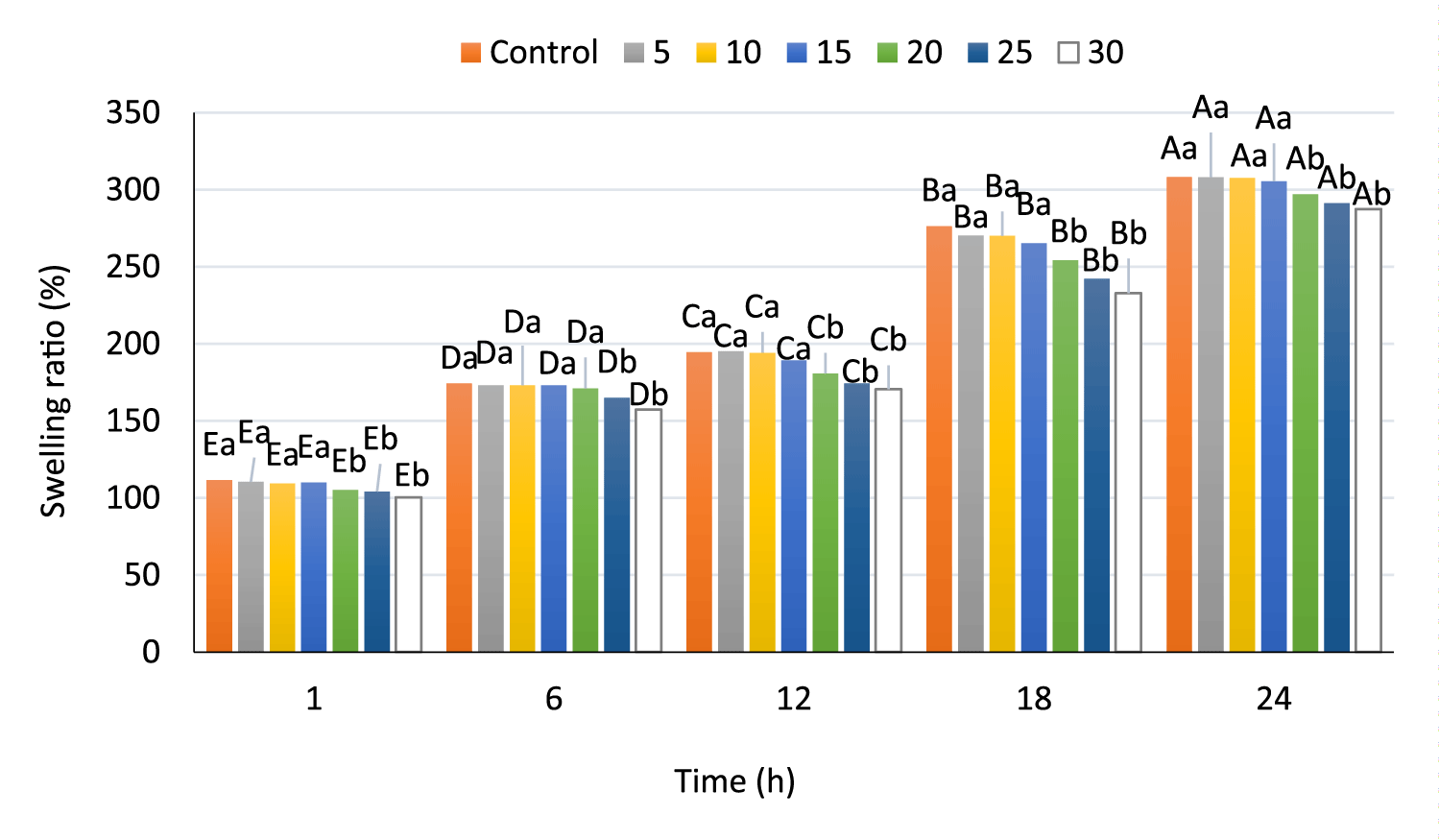
It is necessary to measure the water solubility/resistance of films intended to be used in food packaging. The results of solubility of the films (Table 2) indicated that the water solubility did not change significantly until the films reached an MRP concentration of 15% (sample 15). Sample 30 and the control exhibited the lowest (31.82%) and highest (35.50%) levels of water solubility among the films, respectively. The lower solubility of films with a higher MRP content might be attributed to the lower swelling ratio.
| Table 2: Solubility and barrier properties of films with different concentrations of MRPs. | |||
| Sample | Solubility (%) | WVP × 10−8 (g/msPa) | OP (cc/m·24 h·atm) |
| Control | 35.50 ± 0.11a | 10.32 ± 0.08a | 7.86 ± 0.01a |
| 5 | 34.18 ± 0.04a | 9.75 ± 0.07b | 7.24 ± 0.02b |
| 10 | 34.12 ± 0.01a | 9.17 ± 0.21c | 6.87 ± 0.01c |
| 15 | 33.57 ± 0.10a,b | 8.78 ± 0.15d | 6.28 ± 0.03d |
| 20 | 32.99 ± 0.04b | 8.09 ± 0.07e | 5.79 ± 0.01e |
| 25 | 32.52 ± 0.07b | 7.35 ± 0.00f | 4.19 ± 0.03f |
| 30 | 31.82 ± 0.02b | 7.28 ± 0.13f | 4.18 ± 0.02f |
| All data are the mean ± SD of three replicates. Different lowercase letters represent significant differences (p < 0.05) between values in each column. | |||
The swelling ratios of the samples are depicted in figure 1, which reveals that the swelling ratio increases as the reaction time increases. Moreover, it can be interpreted that the MRP concentration is indirectly related to the swelling ratio. This could be attributed to some hydrophobic amino acids (such as alanine, valine, leucine, and isoleucine) in the peptides. These results confirm the abovementioned results of water solubility. Furthermore, the results of the present study are in agreement with the results of Yadav, Mehrotra [18], in which the swelling ratios of quercetin-based chitosan-gelatin films were reduced due to the hydrophobicity of quercetin.
Water Vapor Permeability (WVP)
The WVP is one of the most prominent properties of films that are intended for food packaging. This experiment was conducted to assess the barrier role of the film to prevent moisture transfer between the food material and the environment. Numerous parameters can affect the WVP of films including the type and concentration of ingredients in film forming, the hydrophobic interactions in the film, and the polymer backbone [24]. It can be seen (Table 2) that glycosylation could inversely influence the WVP. The results indicated that this parameter was dose dependent, and the lowest WVP was related to the film containing 30% MRPs. However, the difference between the WVP of samples 25 and 30 (7.35 × 10⁻⁸ and 7.28 × 10⁻⁸ g/msPa, respectively) was not significant. The highest WVP (10.32 × 10⁻⁸ g/msPa) was observed in the control sample, which was significantly higher than that of sample 5.
Oxygen Permeability (OP)
The OP is a very important characteristic of films, especially those used with foods with a high fat content. A higher OP may result in the rancidification of the fat contained in the food. The OP measurements of the samples are shown in table 2. The results revealed that the OP was negatively related to the degree of glycosylation. The results were similar to the findings of WVP, as a dose-dependent reduction in OP was observed as the MRP concentration increased. The highest OP (7.86 × 10⁻⁶ cc/m•24 h•atm) was observed in the control sample, which showed a statistically significant difference from the result of sample 5 (7.24 × 10⁻⁶ cc/m•24 h•atm). The lowest OP (4.18 × 10⁻⁶ cc/m•24 h•atm) was observed in sample 30, which was not significantly different from that of sample 25 (4.19 × 10⁻⁶ cc/m•24 h•atm). To the best of our knowledge, there has yet to be a study focused on the OP characteristics of films obtained from gelatin containing MRPs. In a study performed by Yadav, Mehrotra [18], the OP of chitosan films (7.03 × 10⁻⁶ cc/m•24 h•atm) was decreased after the addition of gelatin (6.73 × 10⁻⁶ cc/m•24 h•atm) and gelatin with quercetin (3.58 × 10⁻⁶ cc/m•24 h•atm).
UV–vis spectroscopy analysis
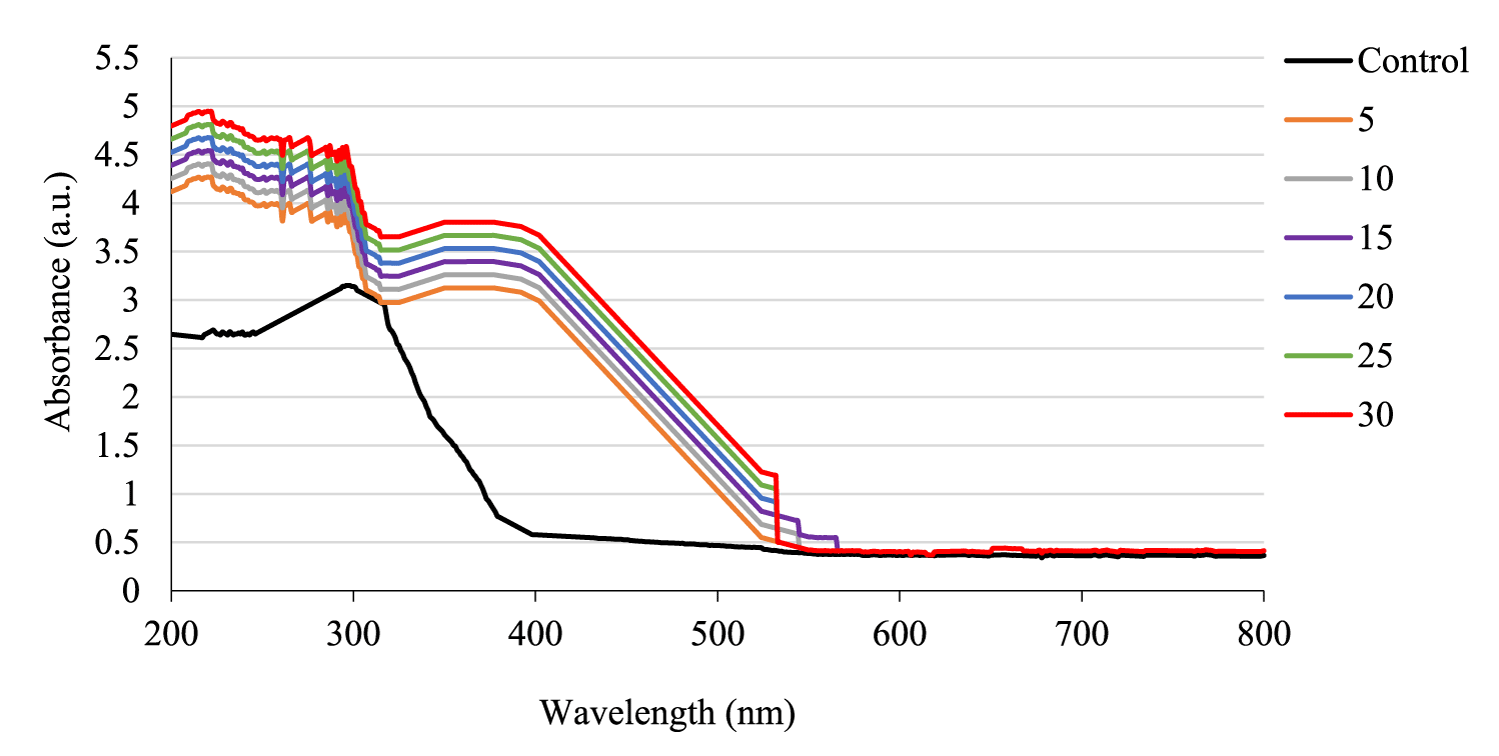
The UV-protective effect is one of the most important characteristics of films that affect their efficacy for food packaging, due to the generation of free radicals by UV light [25]. The films were scanned in the UV–vis regions (200-700 nm) (Figure 2). All films showed high UV absorption at 200-400 nm. The results indicated that the addition of 5-30% MRPs to the films significantly enhanced absorption in the 200-300 nm region as well as extended absorption in the 400-500 nm region. This significantly higher UV absorption, especially around 215 nm, is attributed to the peptides found in the structures of MRPs. The dramatically higher UV absorption of MRP-containing films compared to that of the control film around 290-300 nm is probably attributed to the colorless intermediate products of the Maillard reaction with an ultraviolet absorption peak at 294 nm. The intermediate products are fabricated by the reaction of the two functional groups including carbonyl and amino groups during the preliminary steps of the Maillard reaction [26]. Another study performed by Etxabide, Uranga [27] demonstrated that the amino group in lysine can contribute to the Maillard reaction, leading to an increase in UV absorption in the range of 250-300 nm.
Viscosity
Viscosity is a very useful parameter that provides much information regarding the structure and rearrangement of the film. Various factors affect the viscosity of a polymer mixture, such as the molecular size, interactions, and conformation of the polymers [28]. As shown in table 3, the viscosity of the films was increased as the concentration of the MRPs increased. The highest viscosity was observed with 25% and 30% MRPs (39.67 and 39.92 cP, respectively). The control film revealed the lowest viscosity (22.41 cP), which was significantly lower than that of sample 5 (25.60 cP). Viscosity is a relative parameter that is highly dependent on the application and the purpose of this application. A solution with low viscosity is ideal for high-shear processing, such as filling and pumping, whereas high viscosity is desirable for improving mouthfeel [29].
Mechanical properties
The TS and EAB parameters showed the same increasing trend (Table 3). The direct relationship between the TS and MRP concentration indicated that the addition of MRPs even at 5% can change the TS significantly. The TS of the control sample and sample 30 were 18.04 and 33.98 MPa, respectively. The highest and lowest EAB values (5.69% and 9.80%, respectively) were related to the control sample and sample 30, respectively. The increase in TS values after the addition of the MRPs indicated that the gelatin and MRPs had good compatibility. The changes in TS might be attributed to some structural changes following MRP addition. Furthermore, changes in TS values are indicative of greater molecular interactions between the polymer and MRPs. The mechanical properties of films are affected by many parameters, especially the distribution and density of intra- and intermolecular interactions in the polymer backbones [30].
| Table 3: Viscosity and mechanical properties of films with different concentrations of MRPs. | |||
| Sample | Viscosity (cP) | TS (MPa) | EAB (%) |
| Control | 22.41 ± 0.12f | 18.04 ± 0.02f | 5.69 ± 0.02f |
| 5 | 25.60 ± 0.08e | 23.71 ± 0.08e | 6.53 ± 0.01e |
| 10 | 28.92 ± 0.11d | 27.29 ± 0.01d | 7.06 ± 0.02d |
| 15 | 31.45 ± 0.09c | 29.88 ± 0.10c | 7.91 ± 0.03c |
| 20 | 35.88 ± 0.05b | 31.75 ± 0.07b | 8.44 ± 0.02b |
| 25 | 39.67 ± 0.10a | 33.97 ± 0.12a | 9.78 ± 0.00a |
| 30 | 39.92 ± 0.12a | 33.98 ± 0.08a | 9.80 ± 0.03a |
| All data are the mean ± SD of three replicates. Different lowercase letters represent significant differences (p < 0.05) between values in each column. | |||
Antioxidant capacity
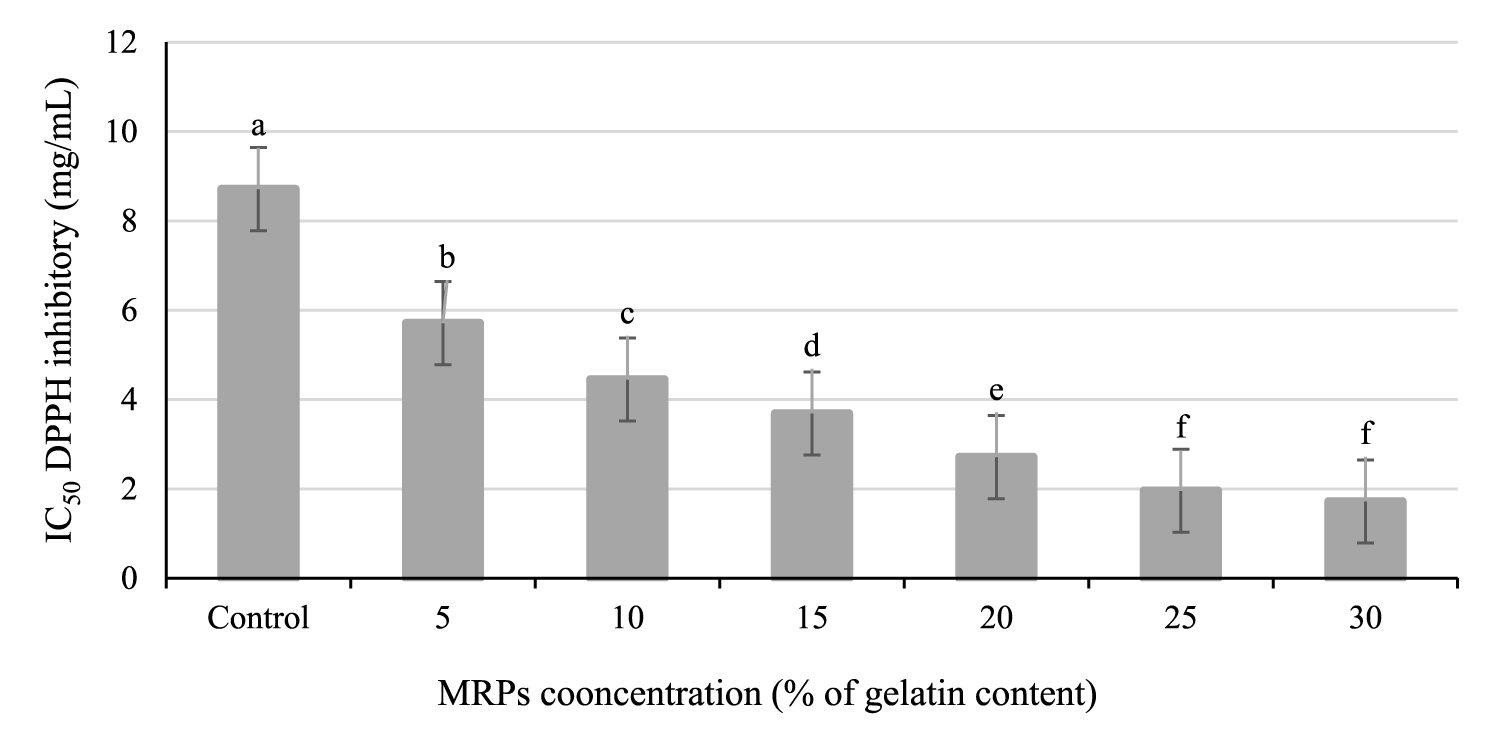
As shown in figure 3, the antioxidant capacity of the films was positively increased by the increase in the MRP concentration. Numerous studies have demonstrated the DPPH radical scavenging activity of the fish gelatin hydrolysates [11,31-34]. The significant increase in the DPPH inhibitory activity of the films with higher MRP concentrations is probably due to the DPPH radical scavenging activity of the gelatin hydrolysates used to produce the MRPs. Additionally, in a study performed by Chen Yang [14], the modification of fish gelatin hydrolysates with different sugars was investigated, revealing that D-glucose (which was used in the present study to prepare the MRPs) could increase the DPPH radical scavenging activity of the hydrolysates. Furthermore, there are several studies in which the antioxidant activity of melanoidins is reported. This reveals that the bioactive peptides and their glycoside conjugates (with D-glucose) are responsible for the increase in the antioxidant activity of the films.
Conclusion
Some parameters of the fish gelatin films, including thickness, density, opacity, and color (ΔE), were significantly affected by the increase in the MRP concentration.
Unlike these parameters, the solubility of the films did not change dramatically, and the degree of swelling was inversely changed after the addition of the MRPs. The results also revealed that the WVP and OP were inversely related to the MRP concentration, whereas the viscosity and mechanical properties of the films were directly related to the MRP concentration. The UV–vis spectra of the fish gelatin films showed significant UV light absorbance as the concentration of the MRPs increased. Considering the DPPH radical scavenging activity, the IC50 of the control sample was significantly higher than those of the other samples. This study demonstrated that the MRPs obtained from fish gelatin hydrolysates and D-glucose are natural additives that can be used to enhance the techno-functional properties of fish gelatin films.
Acknowledgment
Dr. Armin Mirzapour-Kouhdasht works within the project AMBROSIA (code: 2020HDHL102) funded within the Horizon 2020 Joint Programming Initiative (ERA HDHL PREVNUT 2020) project administered by the Department of Agriculture Food and the Marine (DAFM). Financial support was provided by Heilongjiang Provincial Natural Science Foundation of China [grant no. ZD2019C002], and the National Key Research and Development Program of China [grant no. 2018YFD0401101].
References
- Debeaufort F, Quezada-Gallo JA, Voilley A. Edible films and coatings: tomorrow's packagings: a review. Crit Rev Food Sci Nutr. 1998 May;38(4):299-313. doi: 10.1080/10408699891274219. PMID: 9626488.
- Janjarasskul T, Krochta JM. Edible packaging materials. Annu Rev Food Sci Technol. 2010;1:415-48. doi: 10.1146/annurev.food.080708.100836. PMID: 22129343.
- Fakhouri FM, et al. Edible films and coatings based on starch/gelatin: Film properties and effect of coatings on quality of refrigerated Red Crimson grapes. Postharvest Biology and Technology. 2015;109:57-64. doi: 10.1016/j.postharvbio.2015.05.015.
- Tongnuanchan P, et al. Emulsion film based on fish skin gelatin and palm oil: Physical, structural and thermal properties. Food Hydrocolloids. 2015;48:248-259. doi: 10.1016/j.foodhyd.2015.02.025.
- Bonilla J, Sobral PJ. Investigation of the physicochemical, antimicrobial and antioxidant properties of gelatin-chitosan edible film mixed with plant ethanolic extracts. Food Bioscience. 2016;16:17-25. doi: 10.1016/j.fbio.2016.07.003.
- Nazmi N, Isa M, Sarbon N. Preparation and characterization of chicken skin gelatin/CMC composite film as compared to bovine gelatin film. Food bioscience. 2017;19:149-155. doi: 10.1016/j.fbio.2017.07.002.
- Mirzapour Kouhdasht A, Moosavi-Nasab M, Aminlari M. Gelatin production using fish wastes by extracted alkaline protease from Bacillus licheniformis. J Food Sci Technol. 2018 Dec;55(12):5175-5180. doi: 10.1007/s13197-018-3449-7. Epub 2018 Oct 10. PMID: 30483015; PMCID: PMC6233464.
- Kouhdasht AM, Moosavi-Nasab M, Bioactive peptides derived from fish by‐product collagen. International Journal of Environmental Sciences & Nartural Resources. 2018;13(2):555859. doi: 10.19080/IJESNR.2018.13.555859.
- Wasswa J, Tang J, Gu X. Utilization of fish processing by-products in the gelatin industry. Food Reviews International. 2007;23(2):159-174. doi: 10.1080/87559120701225029.
- Prasad M, Murugadas V. Microbial quality and safety of fish and fishery waste. ICAR-Central Institute of Fisheries Technology. 2019. https://tinyurl.com/2hjxtbdd
- Mirzapour-Kouhdasht A, et al. Optimization of gelatin production from Barred mackerel by-products: Characterization and hydrolysis using native and commercial proteases. Food Hydrocolloids. 2020;105970. doi: 10.1016/j.foodhyd.2020.105970
- Abuine R, Rathnayake AU, Byun HG. Biological activity of peptides purified from fish skin hydrolysates. Fisheries and aquatic sciences. 2019;22(1):10. doi: 10.1186/s41240-019-0125-4.
- Chen X, Fang F, Wang S. Physicochemical properties and hepatoprotective effects of glycated Snapper fish scale peptides conjugated with xylose via maillard reaction. Food Chem Toxicol. 2020 Mar;137:111115. doi: 10.1016/j.fct.2020.111115. Epub 2020 Jan 3. PMID: 31911128.
- Chen K, Yang X, Huang Z, Jia S, Zhang Y, Shi J, Hong H, Feng L, Luo Y. Modification of gelatin hydrolysates from grass carp (Ctenopharyngodon idellus) scales by Maillard reaction: Antioxidant activity and volatile compounds. Food Chem. 2019 Oct 15;295:569-578. doi: 10.1016/j.foodchem.2019.05.156. Epub 2019 May 23. PMID: 31174797.
- Song R, et al. Identification of bioactive peptides from half-fin anchovy (Setipinna taty) hydrolysates and further modification using Maillard reaction to improve antibacterial activities. Journal of Functional Foods. 2019;58:161-170. doi: 10.1016/j.jff.2019.05.001.
- Cho SH, et al. The effect of processing conditions on the properties of gelatin from skate (Raja kenojei) skins. Food Hydrocolloids. 2006;20(6):810-816. doi: 10.1016/j.foodhyd.2005.08.002
- Afshari-Jouybari H, Farahnaky A. Evaluation of Photoshop software potential for food colorimetry. Journal of Food Engineering. 2011;106(2):170-175. doi: 10.1016/j.jfoodeng.2011.02.034.
- Yadav S, Mehrotra GK, Bhartiya P, Singh A, Dutta PK. Preparation, physicochemical and biological evaluation of quercetin based chitosan-gelatin film for food packaging. Carbohydr Polym. 2020 Jan 1;227:115348. doi: 10.1016/j.carbpol.2019.115348. Epub 2019 Sep 25. PMID: 31590881.
- ASTM D. 882-01, Standard test method for tensile properties of thin plastic sheeting. Annual Book of ASTM Standards, Designation D882-01, American Society for Testing Materials, Philadelphia, PA, 2001. doi: 10.1520/D0882-10.
- Ambigaipalan P and Shahidi F, Date seed flour and hydrolysates affect physicochemical properties of muffin. Food bioscience. 2015;12:54-60. doi: 10.1016/j.fbio.2015.06.001.
- Wang W, Wang K, Xiao J, Liu Y, Zhao Y, Liu A. Performance of high amylose starch-composited gelatin films influenced by gelatinization and concentration. Int J Biol Macromol. 2017 Jan;94(Pt A):258-265. doi: 10.1016/j.ijbiomac.2016.10.014. Epub 2016 Oct 11. PMID: 27732878.
- Rubilar JF, Zúñiga RN, Osorio F, Pedreschi F. Physical properties of emulsion-based hydroxypropyl methylcellulose/whey protein isolate (HPMC/WPI) edible films. Carbohydr Polym. 2015 Jun 5;123:27-38. doi: 10.1016/j.carbpol.2015.01.010. Epub 2015 Jan 13. PMID: 25843831.
- Martinez-Alvarenga M, et al. Effect of Maillard reaction conditions on the degree of glycation and functional properties of whey protein isolate–Maltodextrin conjugates. Food Hydrocolloids. 2014;38:110-118. doi: 10.1016/j.foodhyd.2013.11.006.
- Aguirre-Loredo RY, Rodríguez-Hernández AI, Morales-Sánchez E, Gómez-Aldapa CA, Velazquez G. Effect of equilibrium moisture content on barrier, mechanical and thermal properties of chitosan films. Food Chem. 2016 Apr 1;196:560-6. doi: 10.1016/j.foodchem.2015.09.065. Epub 2015 Sep 21. PMID: 26593528.
- Duncan SE, Chang HH. Implications of light energy on food quality and packaging selection. Adv Food Nutr Res. 2012;67:25-73. doi: 10.1016/B978-0-12-394598-3.00002-2. PMID: 23034114.
- Delgado-Andrade C, et al. Development of the Maillard reaction in foods cooked by different techniques. Intake of Maillard-derived compounds. Food Chemistry. 2010;122(1):145-153. doi: 10.1016/j.foodchem.2010.02.031.
- Etxabide A, et al. Improvement of barrier properties of fish gelatin films promoted by gelatin glycation with lactose at high temperatures. LWT-Food Science and Technology. 2015;63(1):315-321. doi: 10.1016/j.lwt.2015.03.079.
- Schmitt C, Sanchez C, Desobry-Banon S, Hardy J. Structure and technofunctional properties of protein-polysaccharide complexes: a review. Crit Rev Food Sci Nutr. 1998 Nov;38(8):689-753. doi: 10.1080/10408699891274354. PMID: 9850463.
- Alpizar-Reyes E, Román-Guerrero A, Gallardo-Rivera R, Varela-Guerrero V, Cruz-Olivares J, Pérez-Alonso C. Rheological properties of tamarind (Tamarindus indica L.) seed mucilage obtained by spray-drying as a novel source of hydrocolloid. Int J Biol Macromol. 2018 Feb;107(Pt A):817-824. doi: 10.1016/j.ijbiomac.2017.09.048. Epub 2017 Sep 18. PMID: 28928066.
- Ojagh SM, et al. Development and evaluation of a novel biodegradable film made from chitosan and cinnamon essential oil with low affinity toward water. Food Chemistry. 2010;122(1):161-166. doi: 10.1016/j.foodchem.2010.02.033.
- Yang JI, Ho HY, Chu YJ, Chow CJ. Characteristic and antioxidant activity of retorted gelatin hydrolysates from cobia (Rachycentron canadum) skin. Food Chem. 2008 Sep 1;110(1):128-36. doi: 10.1016/j.foodchem.2008.01.072. Epub 2008 Feb 15. PMID: 26050175.
- Khantaphant S, Benjakul S. Comparative study on the proteases from fish pyloric caeca and the use for production of gelatin hydrolysate with antioxidative activity. Comp Biochem Physiol B Biochem Mol Biol. 2008 Dec;151(4):410-9. doi: 10.1016/j.cbpb.2008.08.011. Epub 2008 Aug 31. PMID: 18793744.
- Alolod GAL, et al. Bioactivity and Functionality of Gelatin Hydrolysates from the Skin of Oneknife Unicornfish (Naso thynnoides). Journal of Aquatic Food Product Technology. 2019;28(10):1013-1026. doi: 10.1080/10498850.2019.1682094.
- Ketnawa S, Benjakul S, Martínez-Alvarez O, Rawdkuen S. Fish skin gelatin hydrolysates produced by visceral peptidase and bovine trypsin: Bioactivity and stability. Food Chem. 2017 Jan 15;215:383-90. doi: 10.1016/j.foodchem.2016.07.145. Epub 2016 Jul 28. PMID: 27542490.




Content Alerts
SignUp to our
Content alerts.
 This work is licensed under a Creative Commons Attribution 4.0 International License.
