
Medicine Group . 2022 January 08;3(1):007-013. doi: 10.37871/jbres1393.





 Original Article
Association of eNOS and STAT6 Gene Polymorphisms with the Susceptibility of Polycystic Ovary Syndrome in South Indian Women
Manjula Bhanoori1*, Veena KV1, Swapna Siddamalla1, Praveen Guruvaiah1, Tumu Venkat Reddy1, Suresh Govatati1, Mamata Deenadayal2 and Sisinthy Shivaji3,4
2Infertility Institute and Research Centre (IIRC), India
3Centre for Cellular and Molecular Biology (CCMB), India
4Brien Holden Eye Research Centre, L V Prasad Eye Institute, India
- Polycystic ovary syndrome
- eNOS
- STAT6
- Single nucleotide polymorphisms
Abstract
Purpose: Polycystic Ovary Syndrome (PCOS) is a complex multifactorial endocrine metabolic disorder of reproductive-aged women characterized by hyperandrogenism, hirsutism, anovulation, hyperinsulinemia and polycystic ovaries. The main aim of this study was to investigate the association of eNOS and STAT6 gene Single Nucleotide Polymorphisms (SNPs) with the susceptibility of PCOS in South Indian Women.
Research question: What is the association status of eNOS and STAT6 SNPs with PCOS?
Methods: The present genetic association study involves clinically confirmed PCOS patients (n = 105) and non-PCOS controls (n = 110) of the Dravidian linguistic group. Genotyping of +894G/T (Glu298Asp) SNP of eNOS and 2964G/A SNP of STAT6 was performed by Polymerase Chain Reaction (PCR) and sequencing analysis.
Results: There were statistically significant differences in the genotype and allele frequencies of eNOS+894G/T (p = 0.1110) and STAT62964G/A (0.0019) between the cases and controls, according to codominant, dominant and recessive genotype models.
Conclusion: In conclusion, the eNOS and STAT6 gene polymorphisms may constitute an inheritable risk factor for PCOS in South Indian women.
Introduction
Polycystic Ovary Syndrome (PCOS) or Stein–Leventhal syndrome is one of the common endocrine multifactorial disorders affecting reproductive-aged women with a prevalence of 6-10% [1,2] and is a leading cause of infertility [3]. It is characterized by the presence of several disorders such as polycystic ovaries, hyperandrogenism, hirsutism, acne, androgenic alopecia, anovulation and hypersecretion of LH [4,5]. Metabolic disorders such as hyperinsulinemia, insulin resistance, impaired pancreatic cell insulin secretion, type 2 diabetes, endometrial and ovarian cancer are associated with PCOS [6,7]. The observation of familial aggregation indicates the heritable tendency of the PCOS, but the etiology and pathogenesis remain unclear. PCOS is well documented as a polygenic disease. Analyzing the genetic variations in the disease susceptibility genes would give better insights in understanding the disease pathophysiology. Previously, studies from our lab demonstrated the correlation between various candidate genes and PCOS risk in Indian population [8-11].
Nitric oxide plays pivotal role in many physiological functions which are compromised in PCOS, for example, follicular maturation, ovulation, etc. Endothelial Nitric Oxide Synthase (eNOS) located at the 7q35-q36 region is involved in the production of nitric oxide in ovaries and mediate the process leading to ovulation [12,13]. PCOS women was reported to have reduced eNOS expression augmenting nitric oxide deficiency [14]. eNOS is considered to be a highly polymorphic gene and the most common Single Nucleotide Polymorphism (SNP) 894G/T located in exon 7 is extensively studied [15]. The +894G/T SNP is located in the protein-coding region and genomic change G to T results in Glu298Asp (rs1799983) change in the coded protein. The frequency of this polymorphism has been reported in several association studies such as endometriosis [16] and unexplained recurrent spontaneous abortion [17], but no reports have been documented in PCOS of South Indian women.
Cytokine mediated immunoregulatory mechanism contributes to ovarian dysfunction and metabolic abnormalities in PCOS [18]. An imbalance between pro- and anti-inflammatory cytokines have been implicated in the pathogenesis of PCOS [19]. Signal Transducer and Activator of Transcription 6 (STAT6) located on chromosome 12q13.3-q14.1, is a transcription factor implicated in the initiation of signals from activated Th2 cells, specifically through anti-inflammatory cytokines IL-4 and IL-13 [20]. STAT6 is also widely studied for the down regulation of immunological surveillance in various tumors including ovarian cancer [21-23]. SNPs in STAT6 gene are associated with various diseases among different populations which include eczema in the Caucasian population [24], asthma in Chinese population [25]. The common 2964G/A (rs324015) polymorphism in the 3'-untranslated region (3'-UTR) located in exon 23 of the human STAT6 gene is shown to be associated with inflammatory bowel disease [26] and endometriosis [27], but no reports have been authenticated in PCOS. Moreover, recent bioinformatic studies revealed STAT6 transcription binding site in the promoter region of eNOS gene [28] and also studies have provided an evidence that eNOS regulates anti-inflammatory signaling through STAT6 [29]. Therefore, we hypothesized a role for both the genes and analyzed their polymorphisms with the risk of PCOS in South Indian women.
In the present case-control study, we determined the distribution of the Endothelial Nitric Oxide Synthase (eNOS) +894G/T and signal transducer and activator of transcription 6 (STAT6)2964G/A polymorphisms and their correlation with the risk of developing PCOS in South Indian women.
Materials and Methods
Study population
One hundred and five (n = 105) women of reproductive age 18-40 years (mean age: 27 years) with PCOS and one hundred and ten (n = 110) healthy women without PCOS (mean age: 26 years) as controls were recruited at the Infertility Institute and Research Centre (IIRC), Secunderabad, India. Blood samples were collected, and plasma was removed followed by storage at -20°C until further analysis. Informed written consent was obtained from all subjects prior to participation in this study. The study was approved by ethical committee and review board of Centre for Cellular and Molecular Biology (CCMB), Hyderabad. All the participants included in study were of South Indian origin (Dravidian linguistic group) [8-11].
Inclusion-exclusion criteria: Cases were selected as per the Rotterdam consensus criteria to diagnose PCOS [30]. All subjects (PCOS cases and controls) were, non-pregnant and non-smokers. Criteria for the diagnosis of PCOS included oligoovulation (cycles longer than 35 days or less than 26 days, elevated free testosterone levels (0.5 ng/dl; the cut-off level for free testosterone level was the mean ± 2 SD according to normal levels in controls), oligomenorrhea or amenorrhea. In accordance with the above criteria polycystic ovary morphology was determined by transvaginal ultrasonography, which defines PCOS as the presence of 12 or more small follicles (2 to 9 mm) in each ovary.
Control subjects had no signs of menstrual dysfunction and their normal glucose tolerance, androgen levels were within normal range, and no family history of hirsutism, type 2 diabetes mellitus, and infertility. The Body Mass Index (BMI) was calculated as body weight (kg) divided by body height squared (m2). The demographic and biochemical characteristics of PCOS women and controls were summarized in supplementary table 1. Women with other causes of hyperandrogenism such as hyperprolactinemia, Cushing syndrome, androgen-secreting tumors and non-classic congenital hyperplasia, were excluded from this study [8-11].
| Table 1: Primers and PCR conditions used in this study. | ||||
| Gene | SNP | Primers | PCR conditions | References |
| eNOS3 | +894G/T | F : 5'-TCCCTGAGG AGGGCATGAGGCT-3' R : 5'-TGAGGGTCA CACAGGTTCCT-3' |
Denaturation: 96°C (5min); 35 cycles: 94°C (40Sec); 61°C (45Sec);72°C (50Sec); Extension: 72°C (10min) |
Bhanoori M, et al. [31]. |
| STAT6 | 2964G/A | F : 5'-AGCTCTTCT ACTACCCCCACA-3' R : 5'-ACATGTCCA GACCCCTCCTA-3' |
Denaturation: 96°C (5min); 35 cycles: 94°C (40Sec); 54°C (45Sec);72°C (50Sec); Extension: 72°C (10min) |
Bhanoori M, et al. [27]. |
| PCR: Polymerase Chain Reaction | ||||
Genetic analysis
Genotyping of +894G/T (rs1799983) SNP of eNOS and 2964G/A 3'-UTR (rs324015) SNP of STAT6 variants was performed by PCR and sequencing analysis as per the protocols described earlier [27,31]. PCR was carried out in a total reaction volume of 25 μl, containing 50 ng genomic DNA, 1X Taq polymerase buffer (1.5 mM MgCl2), 2-6 pmole of each primer, and 0.25 units of Amplitaq DNA polymerase (Perkin Elmer, Foster City, USA). The primers and PCR conditions were summarized in table 1. PCR amplification was performed in a programmable thermal cycler gradient PCR system (Eppendorf AG, Hamburg, Germany). PCR products were analyzed by 1.5% agarose gel stained with ethidium bromide and then sequenced with a Taq-Dye deoxy-terminator cycle sequencing kit (Applied BioSystems, USA) using an automated ABI 3770 DNA sequencer (Applied BioSystems, USA). Genotype calling was performed by using Chromas V.2 software (Technelysium Ltd., Australia). In addition, we also genotyped eight other SNPs present in the STAT6 gene (Supplementary table 2).
| Table 2: Risk estimates for the association of eNOS and STAT6 SNPs in PCOS. | ||||||
| Genotypes/Alleles | Cases (n = 105) |
Controls (n = 110) |
p - value | Odds ratio | 95% CI | |
| eNOS | ||||||
| rs1799983/Genotypes Codominant model |
||||||
| GG | 61 | 79 | - | Reference | ||
| GT | 36 | 29 | 0.1149 | 1.6077 | 0.8892 - 2.9069 | |
| TT | 8 | 2 | 0.0255 | 5.1803 | 1.0616 - 25.279 | |
| Recessive model | ||||||
| TT | 8 | 2 | ||||
| GT+GG | 97 | 108 | 0.0435 | 4.4536 | 0.9232-21.483 | |
| Dominant model | ||||||
| GT+TT | 44 | 31 | ||||
| GG | 61 | 79 | 0.0348 | 1.8382 | 1.0414-3.2445 | |
| Alleles | ||||||
| G | 158 | 187 | ||||
| T | 52 | 33 | 0.1110 | 0.5362 | 0.3302-0.8708 | |
| STAT6 rs324015 |
||||||
| Genotypes Codominant model |
||||||
| AA | 42 | 61 | - | Reference | ||
| AG | 42 | 41 | 0.180 | 1.4878 | 0.8307-2.6646 | |
| GG | 21 | 8 | 0.0025 | 3.8125 | 1.5436-9.4167 | |
| Recessive model | ||||||
| GG | 21 | 8 | ||||
| AG+AA | 84 | 102 | 0.0063 | 3.1875 | 1.3434-7.5629 | |
| Dominant model | ||||||
| AG+GG | 63 | 49 | ||||
| AA | 42 | 61 | 0.0233 | 1.8675 | 1.0859-3.2109 | |
| Alleles | ||||||
| A | 126 | 163 | ||||
| G | 84 | 57 | 0.0019 | 0.5245 | 0.3485-0.7894 | |
| Ref: Reference; CI: Confidence Interval Fisher’s exact test (2x2 table at 1 df); p < 0.05 Fisher’s exact test (3x2 table at 2 df); p < 0.05 |
||||||
Statistical analysis
The results for continuous variables are expressed as the mean ± SD. The means of the two genotype groups were compared in an SPSS statistical package (V 11.0). Genotype frequencies in cases and controls were tested for Hardy–Weinberg Equilibrium (HWE) using Fisher’s exact test, and any deviation between the observed and expected frequencies was tested for significance using the Chi square (χ2) test. In addition, the Odds Ratio (OR) and 95% Confidence Interval (CI) values were calculated using the online Vassar Stats Calculator (https://www.facul ty.vassar.edu/lowry/VassarStats.html). In this study, the p-value below < 0.05 was considered statistically significant [32].
Results
All subjects (n = 215) were successfully genotyped. The genotype distributions of individual SNPs, as well as allele system, were all in Hardy-Weinberg equilibrium (p < 0.05) in both cases and controls.
eNOS +894G/T (rs1799983) polymorphism
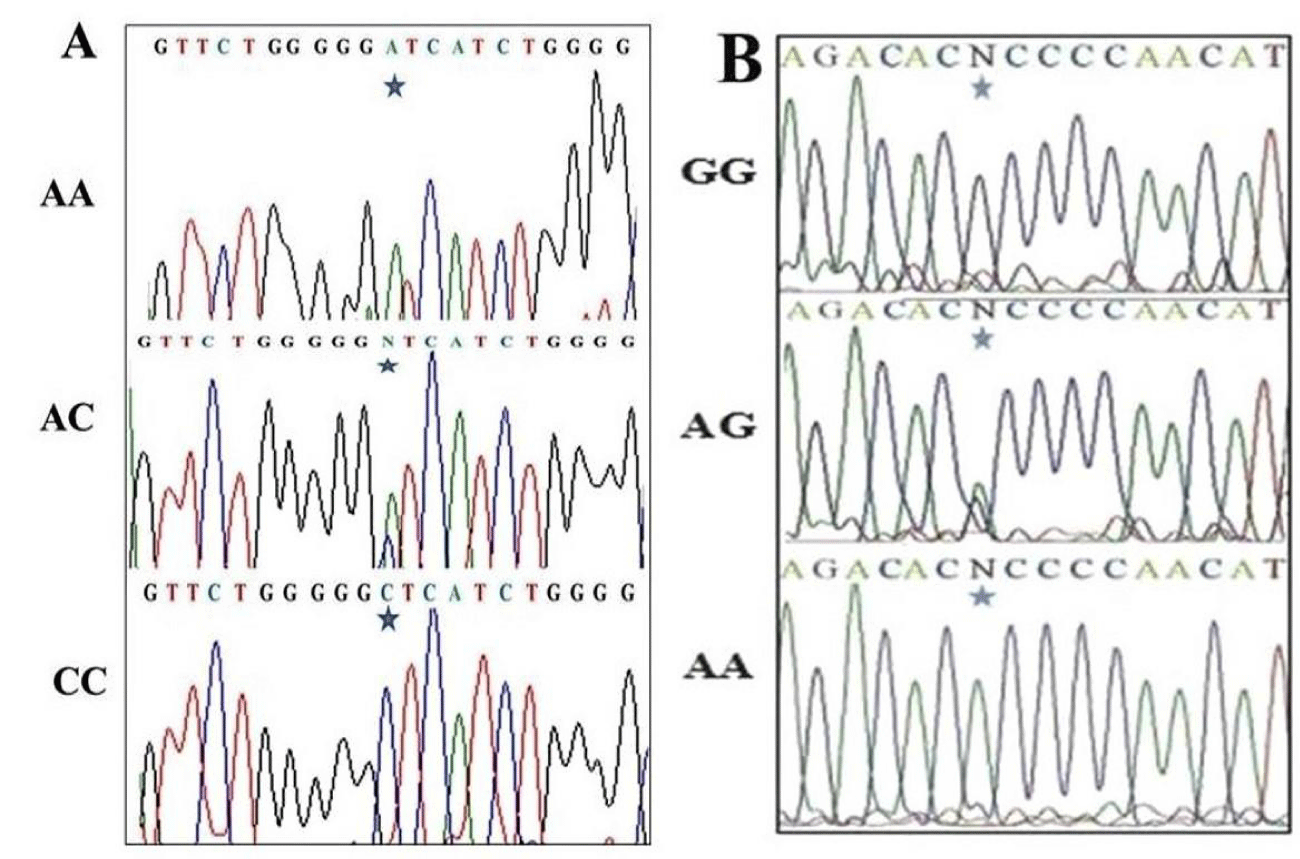
Sequence analyses of the 457 bp product of the eNOS SNP are shown in figure 1A. GG and TT homozygotes manifested as a single peak, whereas the heterozygote GT is seen as a double peak. There were statistically significant differences in the genotype (p < 0.05) distributions and allele frequency (p = 0.1110) of the eNOS3 +894G/T SNP between the cases and controls, according to codominant, dominant and recessive genotype models (Table 2). There was a significant reduction of the wild type genotype (GG) frequency and elevation of the mutant genotype (TT) frequency in patients as compared to controls. The allele frequency also showed a similar trend indicating that the ‘T' allele might confer risk to PCOS.
STAT6 2964G/A 3'-UTR (rs324015) polymorphism
Sequence analyses of the 510 bp product of the STAT6 3'-UTR region SNP are shown in figure 1B. AA and GG homozygotes manifested as a single peak, whereas the heterozygote AG is seen as a double peak. The distribution of STAT6 genotypes in women with PCOS and controls is shown in table 2. There were statistically significant differences in the genotype (p < 0.05) distributions and allele frequency (0.0019) of the STAT6 2964G/A SNP between the cases and controls, according to codominant, dominant and recessive genotype models. There was a significant reduction of the wild type genotype (A/A) frequency and elevation of the mutant genotype (G/G) frequency in patients as compared to controls indicating that ‘G' allele might confer risk to PCOS and ‘A' allele may provide protection against development of the disease. In addition to the 2964G/A STAT6 3'-UTR region polymorphism, we also genotyped eight other SNPs present in the STAT6 gene (Supplementary table 2). However, the eight sites analyzed were monomorphic in both patients and controls.
Discussion
PCOS is a polygenically inherited disease with multifactorial pathogenesis [33]. A variety of molecular epidemiological studies have been focused on the association between cytokine (TNF-α, IL-1A, IL-1B, IL-6, IL-10, or IL-18) gene polymorphisms and PCOS risk [34]. However, few studies have been conducted on the down-stream signaling molecules. PCOS oocyte is accompanied by reduced levels of IL4 and nitric oxide resulting in impaired follicular growth and ovulation [12,35,36]. Preovulatory follicles of human ovary possess large number of cytokines that play an important role in the immunoregulation of hormones which are involved in ovarian folliculogenesis [37,38]. Moreover, IL-4 has been among cytokines whose signaling via STAT6 in human ovarian surface epithelial cells play a significant role in oocyte maturation, ovulation and corpus luteum function in the ovary [39]. The expression of eNOS can be induced by IL4 /STAT6 signaling cascade [29,40] and the increased expression of eNOS in ovary cause nitric oxide production leading to follicular development and ovulation. STAT6 is reported to have binding site on eNOS regulating its gene expression and nitric oxide availability [28]. Therefore, we hypothesized that SNPs in the STAT6 gene that have major effects on the IL-4/IL-13 induced signaling pathway and polymorphism in eNOS that impairs nitric oxide availability may contribution to follicle persistence and ovulation failure in PCOS women and conducted this study.
In the current study, SNP in eNOSrs1799983 and STAT6 rs324015genes were investigated to ascertain whether the polymorphisms are associated with PCOS susceptibility in South Indian women. Our study has demonstrated an association of the polymorphism rs1799983(G/T) with PCOS, which is located in the exon region of eNOS. An earlier study showed that the presence of ‘Asp' allele for the Glu298Asp reduces eNOS activity [41]. The presence of ‘T' allele causes down regulation of NOS3 and reduces the expression of eNOS. In the present study, we found high frequency of ‘T' allele in women with PCOS when compared to control indicating rs1799983 may be a genetic risk factor for the disease development.
The STAT6 rs324015G/A polymorphism showed significant difference in genotype and allelic frequency between patients and controls. We found that the frequency of ‘G’ allele was significantly higher in PCOS patients than unaffected controls from the same population. In addition, genotype frequency of the G/G was also significantly higher in PCOS patients. Thus, our results indicate STAT6as a candidate gene for PCOS. The analyzed SNP of STAT6 (rs324015, G2964A) is localized at the 3’ UTR region. It is evident from the literature that the 3’-UTR region plays an essential role in the appropriate expression of many genes by affecting translation and mRNA stability [27], suggesting an important role for 3’-UTR polymorphisms in gene expression. Moreover, the G2964A polymorphism was in significant linkage disequilibrium with the dinucleotide repeat polymorphism (13-GT repeat allele) of STAT6 exon 1 [42], which is known to modulate the STAT6 promoter activity. In earlier studies, ‘G' allele of 2964G/A polymorphism was identified as one of the risk factors for the development of various diseases such as asthma and endometriosis [25,27], the present study also showed a similar trend in PCOS.
The minor allelic frequencies for the SNPs evaluated were compared with the mutation frequency data from populations of different ethnic origins, obtained from HapMap, 1000Genomes, Genome Aggregation Database (GnomAD) and EXAC database (dbSNP) (Supplementary table 3). For the polymorphism in the eNOS gene rs1799983, the frequency of the T allele is higher in Europeans and Americans than among Asians and Africans, whereas for STAT6 rs324015, very little variation in the G allele frequency was observed among different populations. Since Indians are a part of Asian ethnic group, the minor allelic frequencies for rs324015 found in the cases were close with the Asians represented in 1000 Genome database and also with Africans represented in all the databases whereas, rs1799983 was found to be close with Europeans (Supplementary table 3), for further verification on this, studies with large sample size are needed.
In conclusion this case-control study showed a significant association between the studied polymorphisms and risk of developing PCOS in South Indian women. Further studies with larger sample size are required to validate the results presented in this study.
Acknowledgment
We are thankful to all the patients who participated in the present study. Praveen Guruvaiah would like to thank University Grants Commission (UGC), India for awarding Junior Research Fellowship (JRF, NET).
Author’s Contribution
- Bhanoori M: Conception and design of study, execution of experiments, analysis and interpretation of data, statistical analysis and drafting of the manuscript.
- Veena KV: Data analysis
- Siddamalla S: Data analysis
- Venkatreddy T: Data analysis
- Guruvaiah P: Execution of experiments and data analysis.
- Govatati S: Execution of experiments and data analysis
- Deenadayal M: Acquisition of data.
- Shivaji S: Analysis and interpretation of data, drafting of manuscript.
All authors will have seen and agreed to the ‘Author Contribution’ statement.
Funding
This work was supported in part by grants from the SERB (DST), India (Lr. No: SR/FT/LS-188/2009) and OU-DST PURSE Programme-II (DST Sanction No. SR/PURSE Phase 2/32(G), Department of Science and Technology (DST), India to Dr. Manjula Bhanoori.
Compliance with Ethical Standards
Ethical approval
The study was approved by the ethical committee and review board of Centre for Cellular and Molecular biology (CCMB), Hyderabad. In the study all the participants were of South Indian origin (Dravidian linguistic group).
Informed consent
Informed written consent form was obtained from all subjects prior to participation in this study.
References
- Azziz R, Woods KS, Reyna R, Key TJ, Knochenhauer ES, Yildiz BO. The prevalence and features of the polycystic ovary syndrome in an unselected population. J Clin Endocrinol Metab. 2004 Jun;89(6):2745-9. doi: 10.1210/jc.2003-032046. PMID: 15181052.
- Siddamalla S, Govatati S, Venu VK, Erram N, Deenadayal M, Shivaji S, Bhanoori M. Association of genetic variations in phosphatase and tensin homolog (PTEN) gene with polycystic ovary syndrome in South Indian women: a case control study. Arch Gynecol Obstet. 2020 Oct;302(4):1033-1040. doi: 10.1007/s00404-020-05658-4. Epub 2020 Jun 24. PMID: 32583210.
- Jayasena CN, Franks S. The management of patients with polycystic ovary syndrome. Nat Rev Endocrinol. 2014 Oct;10(10):624-36. doi: 10.1038/nrendo.2014.102. Epub 2014 Jul 15. PMID: 25022814.
- McAllister JM, Modi B, Miller BA, Biegler J, Bruggeman R, Legro RS, Strauss JF 3rd. Overexpression of a DENND1A isoform produces a polycystic ovary syndrome theca phenotype. Proc Natl Acad Sci U S A. 2014 Apr 15;111(15):E1519-27. doi: 10.1073/pnas.1400574111. Epub 2014 Mar 31. PMID: 24706793; PMCID: PMC3992676.
- Goodarzi MO, Dumesic DA, Chazenbalk G, Azziz R. Polycystic ovary syndrome: etiology, pathogenesis and diagnosis. Nat Rev Endocrinol. 2011 Apr;7(4):219-31. doi: 10.1038/nrendo.2010.217. Epub 2011 Jan 25. PMID: 21263450.
- Li L, Baek KH. Molecular genetics of polycystic ovary syndrome: an update. Curr Mol Med. 2015;15(4):331-42. doi: 10.2174/1566524015666150505160140. PMID: 25941819.
- Wang F, Pan J, Liu Y et al. Alternative splicing of the androgen receptor in polycystic ovary syndrome. Proc Natl Acad Sci USA. 2015;112(15):4743-4748.
- Tumu VR, Govatati S, Guruvaiah P, Deenadayal M, Shivaji S, Bhanoori M. An interleukin-6 gene promoter polymorphism is associated with polycystic ovary syndrome in South Indian women. J Assist Reprod Genet. 2013 Dec;30(12):1541-6. doi: 10.1007/s10815-013-0111-1. Epub 2013 Oct 10. PMID: 24114630; PMCID: PMC3843174.
- Guruvaiah P, Govatati S, Reddy TV, Lomada D, Deenadayal M, Shivaji S, Bhanoori M. The VEGF +405 G>C 5' untranslated region polymorphism and risk of PCOS: a study in the South Indian Women. J Assist Reprod Genet. 2014 Oct;31(10):1383-9. doi: 10.1007/s10815-014-0310-4. Epub 2014 Aug 9. PMID: 25106940; PMCID: PMC4171416.
- Siddamalla S, Reddy TV, Govatati S, Erram N, Deenadayal M, Shivaji S, Bhanoori M. Vitamin D receptor gene polymorphisms and risk of polycystic ovary syndrome in South Indian women. Gynecol Endocrinol. 2018 Feb;34(2):161-165. doi: 10.1080/09513590.2017.1371128. Epub 2017 Sep 3. PMID: 28868946.
- Siddamalla S, Reddy TV, Govatati S, Guruvaiah P, Deenadayal M, Shivaji S, Bhanoori M. Influence of tumour suppressor gene (TP53, BRCA1 and BRCA2) polymorphisms on polycystic ovary syndrome in South Indian women. Eur J Obstet Gynecol Reprod Biol. 2018 Aug;227:13-18. doi: 10.1016/j.ejogrb.2018.05.027. Epub 2018 May 24. PMID: 29860059.
- Krishna MB, Joseph A, Thomas PL, Dsilva B, Pillai SM, Laloraya M. Impaired Arginine Metabolism Coupled to a Defective Redox Conduit Contributes to Low Plasma Nitric Oxide in Polycystic Ovary Syndrome. Cell Physiol Biochem. 2017;43(5):1880-1892. doi: 10.1159/000484107. Epub 2017 Oct 20. PMID: 29055959.
- Marsden PA, Heng HH, Scherer SW, Stewart RJ, Hall AV, Shi XM, Tsui LC, Schappert KT. Structure and chromosomal localization of the human constitutive endothelial nitric oxide synthase gene. J Biol Chem. 1993 Aug 15;268(23):17478-88. PMID: 7688726.
- Sortino MA, Salomone S, Carruba MO, Drago F. Polycystic Ovary Syndrome: Insights into the Therapeutic Approach with Inositols. Front Pharmacol. 2017 Jun 8;8:341. doi: 10.3389/fphar.2017.00341. PMID: 28642705; PMCID: PMC5463048.
- Rai H, Parveen F, Kumar S, Kapoor A, Sinha N. Association of endothelial nitric oxide synthase gene polymorphisms with coronary artery disease: an updated meta-analysis and systematic review. PLoS One. 2014 Nov 19;9(11):e113363. doi: 10.1371/journal.pone.0113363. PMID: 25409023; PMCID: PMC4237457.
- Kim H, Ku SY, Kim SH, Lee GH, Choi YM, Kim JM, Lee TH, Moon SY. Endothelial nitric oxide synthase gene Glu298Asp polymorphism is associated with advanced stage endometriosis. Hum Reprod. 2009 Oct;24(10):2656-9. doi: 10.1093/humrep/dep212. Epub 2009 Jun 16. PMID: 19531501.
- Zhao X, Li Q, Yu F, Lin L, Yin W, Li J, Feng X. Gene polymorphism associated with endothelial nitric oxide synthase (4VNTR, G894T, C786T) and unexplained recurrent spontaneous abortion risk: A meta-analysis. Medicine (Baltimore). 2019 Jan;98(4):e14175. doi: 10.1097/MD.0000000000014175. PMID: 30681586; PMCID: PMC6358376.
- Ebejer K, Calleja-Agius J. The role of cytokines in polycystic ovarian syndrome. Gynecol Endocrinol. 2013 Jun;29(6):536-40. doi: 10.3109/09513590.2012.760195. Epub 2013 Feb 1. PMID: 23368758.
- Karadeniz M, Erdogan M, Zengi A, Tamsel S, Berdeli A, Saygili F, Yilmaz C. Polymorphism of the interleukin-10 gene in polycystic ovary syndrome. Int J Immunogenet. 2008 Apr;35(2):119-23. doi: 10.1111/j.1744-313X.2007.00746.x. Epub 2008 Jan 24. PMID: 18218037.
- Junttila IS. Tuning the Cytokine Responses: An Update on Interleukin (IL)-4 and IL-13 Receptor Complexes. Front Immunol. 2018 Jun 7;9:888. doi: 10.3389/fimmu.2018.00888. PMID: 29930549; PMCID: PMC6001902.
- Demicco EG, Harms PW, Patel RM, Smith SC, Ingram D, Torres K, Carskadon SL, Camelo-Piragua S, McHugh JB, Siddiqui J, Palanisamy N, Lucas DR, Lazar AJ, Wang WL. Extensive survey of STAT6 expression in a large series of mesenchymal tumors. Am J Clin Pathol. 2015 May;143(5):672-82. doi: 10.1309/AJCPN25NJTOUNPNF. PMID: 25873501; PMCID: PMC4505928.
- Bai Y, Yin K, Su T, Ji F, Zhang S. CTHRC1 in Ovarian Cancer Promotes M2-Like Polarization of Tumor-Associated Macrophages via Regulation of the STAT6 Signaling Pathway. Onco Targets Ther. 2020 Jun 17;13:5743-5753. doi: 10.2147/OTT.S250520. PMID: 32606786; PMCID: PMC7306458.
- Li S, Sheng B, Zhao M, Shen Q, Zhu H, Zhu X. The prognostic values of signal transducers activators of transcription family in ovarian cancer. Biosci Rep. 2017 Jul 16;37(4):BSR20170650. doi: 10.1042/BSR20170650. PMID: 28536310; PMCID: PMC5518537.
- Ziyab AH, Davies GA, Ewart S, Hopkin JM, Schauberger EM, Wills-Karp M, Holloway JW, Arshad SH, Zhang H, Karmaus W. Interactive effect of STAT6 and IL13 gene polymorphisms on eczema status: results from a longitudinal and a cross-sectional study. BMC Med Genet. 2013 Jul 2;14:67. doi: 10.1186/1471-2350-14-67. PMID: 23815671; PMCID: PMC3700873.
- Qian X, Gao Y, Ye X, Lu M. Association of STAT6 variants with asthma risk: a systematic review and meta-analysis. Hum Immunol. 2014 Aug;75(8):847-53. doi: 10.1016/j.humimm.2014.06.007. Epub 2014 Jun 19. PMID: 24952213.
- Xia B, Crusius JB, Wu J, Zwiers A, van Bodegraven AA, Peña AS. Signal transducer and activator of transcription 6 gene G2964A polymorphism and inflammatory bowel disease. Clin Exp Immunol. 2003 Mar;131(3):446-50. doi: 10.1046/j.1365-2249.2003.02079.x. PMID: 12605697; PMCID: PMC1808642.
- Bhanoori M, Deenadayal M, Kennedy S, Shivaji S. The G2964A 3'-untranslated region polymorphism of the signal transducer and activator of transcription 6 gene is associated with endometriosis in South Indian women. Hum Reprod. 2007 Apr;22(4):1026-30. doi: 10.1093/humrep/del486. Epub 2007 Jan 9. PMID: 17213269.
- Shaheen G, Jahan S, Bibi N, Ullah A, Faryal R, Almajwal A, Afsar T, Al-Disi D, Abulmeaty M, Al Khuraif AA, Arshad M, Razak S. Association of endothelial nitric oxide synthase gene variants with preeclampsia. Reprod Health. 2021 Jul 28;18(1):163. doi: 10.1186/s12978-021-01213-9. PMID: 34321043; PMCID: PMC8320179.
- Dick BP, McMahan R, Knowles T, Becker L, Gharib SA, Vaisar T, Wietecha T, O'Brien KD, Bornfeldt KE, Chait A, Kim F. Hematopoietic Cell-Expressed Endothelial Nitric Oxide Protects the Liver From Insulin Resistance. Arterioscler Thromb Vasc Biol. 2020 Mar;40(3):670-681. doi: 10.1161/ATVBAHA.119.313648. Epub 2020 Jan 30. PMID: 31996027; PMCID: PMC7047596.
- Rotterdam ESHRE/ASRM-Sponsored PCOS Consensus Workshop Group. Revised 2003 consensus on diagnostic criteria and long-term health risks related to polycystic ovary syndrome. Fertil Steril. 2004 Jan;81(1):19-25. doi: 10.1016/j.fertnstert.2003.10.004. PMID: 14711538.
- Bhanoori M, Kameshwari DB, Zondervan KT, Deenadayal M, Kennedy S, Shivaji S. The endothelial nitric oxide synthase Glu298Asp polymorphism is not a risk factor for endometriosis in south Indian women. Eur J Obstet Gynecol Reprod Biol. 2008 Jul;139(1):53-8. doi: 10.1016/j.ejogrb.2008.01.006. Epub 2008 Mar 7. PMID: 18313829.
- Biau DJ, Jolles BM, Porcher R. P value and the theory of hypothesis testing: an explanation for new researchers. Clin Orthop Relat Res. 2010 Mar;468(3):885-92. doi: 10.1007/s11999-009-1164-4. PMID: 19921345; PMCID: PMC2816758.
- Khan MJ, Ullah A, Basit S. Genetic Basis of Polycystic Ovary Syndrome (PCOS): Current Perspectives. Appl Clin Genet. 2019 Dec 24;12:249-260. doi: 10.2147/TACG.S200341. PMID: 31920361; PMCID: PMC6935309.
- Wu H, Yu K, Yang Z. Associations between TNF-α and interleukin gene polymorphisms with polycystic ovary syndrome risk: a systematic review and meta-analysis. J Assist Reprod Genet. 2015 Apr;32(4):625-34. doi: 10.1007/s10815-015-0449-7. Epub 2015 Feb 18. PMID: 25690158; PMCID: PMC4380887.
- Chen H, Zhang Y, Li S, Tao Y, Gao R, Xu W, Yang Y, Cheng K, Wang Y, Qin L. The Association Between Genetically Predicted Systemic Inflammatory Regulators and Polycystic Ovary Syndrome: A Mendelian Randomization Study. Front Endocrinol (Lausanne). 2021 Sep 27;12:731569. doi: 10.3389/fendo.2021.731569. PMID: 34646235; PMCID: PMC8503255.
- Benson S, Janssen OE, Hahn S, Tan S, Dietz T, Mann K, Pleger K, Schedlowski M, Arck PC, Elsenbruch S. Obesity, depression, and chronic low-grade inflammation in women with polycystic ovary syndrome. Brain Behav Immun. 2008 Feb;22(2):177-84. doi: 10.1016/j.bbi.2007.07.003. Epub 2007 Aug 22. PMID: 17716857.
- Field SL, Dasgupta T, Cummings M, Orsi NM. Cytokines in ovarian folliculogenesis, oocyte maturation and luteinisation. Mol Reprod Dev. 2014 Apr;81(4):284-314. doi: 10.1002/mrd.22285. Epub 2013 Dec 13. PMID: 24273059.
- Gallinelli A, Ciaccio I, Giannella L, Salvatori M, Marsella T, Volpe A. Correlations between concentrations of interleukin-12 and interleukin-13 and lymphocyte subsets in the follicular fluid of women with and without polycystic ovary syndrome. Fertil Steril. 2003 Jun;79(6):1365-72. doi: 10.1016/s0015-0282(03)00344-3. PMID: 12798884.
- Papacleovoulou G, Critchley HO, Hillier SG, Mason JI. IL1α and IL4 signalling in human ovarian surface epithelial cells. J Endocrinol. 2011 Dec;211(3):273-83. doi: 10.1530/JOE-11-0081. Epub 2011 Sep 8. PMID: 21903865.
- Shao Y, Cheng Z, Li X, Chernaya V, Wang H, Yang XF. Immunosuppressive/anti-inflammatory cytokines directly and indirectly inhibit endothelial dysfunction--a novel mechanism for maintaining vascular function. J Hematol Oncol. 2014 Oct 31;7:80. doi: 10.1186/s13045-014-0080-6. PMID: 25387998; PMCID: PMC4236671.
- Joshi MS, Mineo C, Shaul PW, Bauer JA. Biochemical consequences of the NOS3 Glu298Asp variation in human endothelium: altered caveolar localization and impaired response to shear. FASEB J. 2007 Sep;21(11):2655-63. doi: 10.1096/fj.06-7088com. Epub 2007 Apr 20. PMID: 17449720; PMCID: PMC7460804.
- Gao PS, Heller NM, Walker W, Chen CH, Moller M, Plunkett B, Roberts MH, Schleimer RP, Hopkin JM, Huang SK. Variation in dinucleotide (GT) repeat sequence in the first exon of the STAT6 gene is associated with atopic asthma and differentially regulates the promoter activity in vitro. J Med Genet. 2004 Jul;41(7):535-9. doi: 10.1136/jmg.2003.015842. PMID: 15235025; PMCID: PMC1447608.




Content Alerts
SignUp to our
Content alerts.
 This work is licensed under a Creative Commons Attribution 4.0 International License.
