
2025 October 21;6(10):1505-1513. doi: 10.37871/jbres2207.
-
Subject area(s):

 |
|
 |
|
 |
|

 Perspective
Quercetin Analogs as Cancer Chemopreventive Agents: A New Perspective
Aliabadi A1, Mahboubi RM1, Bayat L1, Hakimimofrad R2, Ghobadi K1, Omidifard N1, Chaman A1, Bayanati M3 and Zarghi A4*
2School of Pharmacy, Shahid Beheshti University of Medical Sciences, Tehran, Iran
3Department of Food Technology Research, National Nutrition, and Food Technology Research Institute/Faculty of Nutrition Sciences and Food Technology, Shahid Beheshti University of Medical Sciences, Tehran, Iran
4Department of Pharmacoeconomics and Pharma Management, School of Pharmacy, Shahid Beheshti University of Medical Sciences, Tehran, Iran
- Quercetin
- COX-2
- Cyclooxygenase
- Cancer
- Flavonoids
- Chemopreventive agents
Abstract
Quercetin is a flavonoid-type chemical molecule found in many people's daily diets. Previous research has shown that quercetin offers a range of benefits, including anti-inflammatory, antioxidant, and cancer-prevention properties. A combination of In vivo and In vitro studies showed that quercetin may have anti-tumor actions via modifying the advancement of the cell cycle, reducing cell division, inducing apoptosis, limiting revascularization and metastatic progression, and influencing autophagy. On the other hand, quercetin's strong toxic action on cancer cells is accompanied by little or no adverse reactions or injury to healthy cells. The previously published data showed that quercetin may act as a potent inhibitor of Cyclooxygenase 2 (COX-2). Quercetin was also found to be useful in preventing neurological illnesses like Alzheimer's and Parkinson's disease, as well as cardiac and chronic inflammatory diseases, including rheumatoid arthritis and rheumatic heart failure. The present review article highlights the data regarding quercetin's pharmacodynamic capability for cancer inhibition as a potent inhibitor for COX-2, supporting the idea that quercetin should be seriously evaluated as a treatment against a variety of cancer types. A basic docking investigation was also added, demonstrating that this chemical interacts effectively with the COX-2. The findings supported the outcome of previous investigations on quercetin's inhibitory effects on the enzyme. Other modes of action for this chemical were also briefly discussed, including inhibition of mTOR, Akt, PARP, and PI3K signaling pathways.
Abbreviations
Q: Quercetin; RAL: Raloxifene; BC: Breast Cancer; MDA-MB-231: Human breast cancer cell line; MCF-7: Human breast cancer cell line; BRCA1: Breast Cancer type 1 susceptibility protein; TNBC: Triple Negative Breast Cancer; ER+: Estrogen Receptor positive; CUR: Curcumin; CP: Cisplatin; VEGFR2: Vascular Endothelial Growth Factor Receptor 2; F: Fisetin; MMP: Matrix Metalloproteinase; OSCC: Oral Squamous Cell Carcinoma; S: Sulfamethoxazole; SQ: Sulfamethoxazole + Quercetin combination; PC3: Human prostate cancer cell line; HCT-116: Human colon cancer cell line; HepG2: Human hepatocellular carcinoma cell line; EAC: Ehrlich Ascites Carcinoma; SOD: Superoxide Dismutase; GSH: Glutathione; CAT: Catalase; NF-κB: Nuclear Factor kappa-light-chain-enhancer of activated B cells; SCC-25: Human tongue squamous cell carcinoma cell line; UBC: Urinary Bladder Cancer; p-AMPK: Phosphorylated AMP-activated protein kinase; mTOR: mammalian Target of Rapamycin; CPQ: Monochloropivaloyl Quercetin; MAFQ: Monoacetylferuloyl Quercetin; CHNQ: Chloronaphthoquinone Quercetin; ROS: Reactive Oxygen Species; COX-2: Cyclooxygenase-2; JNK: c-Jun N-terminal Kinase; ERK: Extracellular signal-Regulated Kinase; TLR-2: Toll-Like Receptor 2; ACE: Angiotensin-Converting Enzyme; NO: Nitric Oxide; TNF-α: Tumor Necrosis Factor-alpha; SGOT: Serum Glutamate-Oxaloacetate Transaminase; SGPT: Serum Glutamate-Pyruvate Transaminase; HCC: Hepatocellular Carcinoma; GEM: Gemcitabine; PaC: Pancreatic Cancer; PC: Prostate Cancer
Introduction
Quercetin (Q, Compound 1, figures 1,2), also known as 3,3′,4′,5,7-pentahydroxyflavone, is a significant flavonol found in six flavonoid subclasses [1]. Q itself is believed to be the most abundant and well-studied flavonoid found in a variety of foods, including fruits, vegetables, nuts, wine, as well as seeds. Q has a variety of biological effects, comprising antioxidant, anti-inflammatory, antibacterial, antiviral, radical scavenging, gastroprotective, and immune-modulatory capabilities. In numerous newly filed patents, the broad medicinal uses of Q and its analogs are outlined in depth. Q demonstrates a diverse variety of biological functions that are relevant to the pharmaceutical, cosmetic, and food industries. In recent decades, several studies demonstrated that combining Q with other medicines can greatly increase the entire therapeutic benefit when compared to solo usage. Our research team has already introduced and explored the Structure-Activity Relationship (SAR) of selective Cyclooxygenase-2 (COX-2) inhibitors as cancer chemopreventive agents in our previously published review articles. Moreover, the effects of various natural substances on this enzyme have been highlighted in detail in some other previous works of us [1-6]. This study examines the pharmacological properties of Q and its derivatives as possible COX-2 inhibitors. Due to the potential anticancer activity of selective COX-2 inhibitors, it appears that Q and its derivatives might possibly play a preventative role in cancer [3-5,7,8]. In addition, Q, as one of the major efficient therapeutic elements in traditional Chinese medicine, may successfully cure and prevent newly emerging fatal viral diseases like coronavirus disease 2019 (SARS-Cov-19/COVID-19) [9-15]. As a result, Q has both application value plus therapeutic drug potency. This study included a large number of Q analogs and their therapeutic properties, particularly anticancer activity, depending on the enzyme inhibitory action, especially against COX-2. However, some other pharmacodynamic mechanisms of Q activity against chronic inflammatory diseases, and tumors are also summarized.
Quercetin as an Anti-Inflammatory Agent
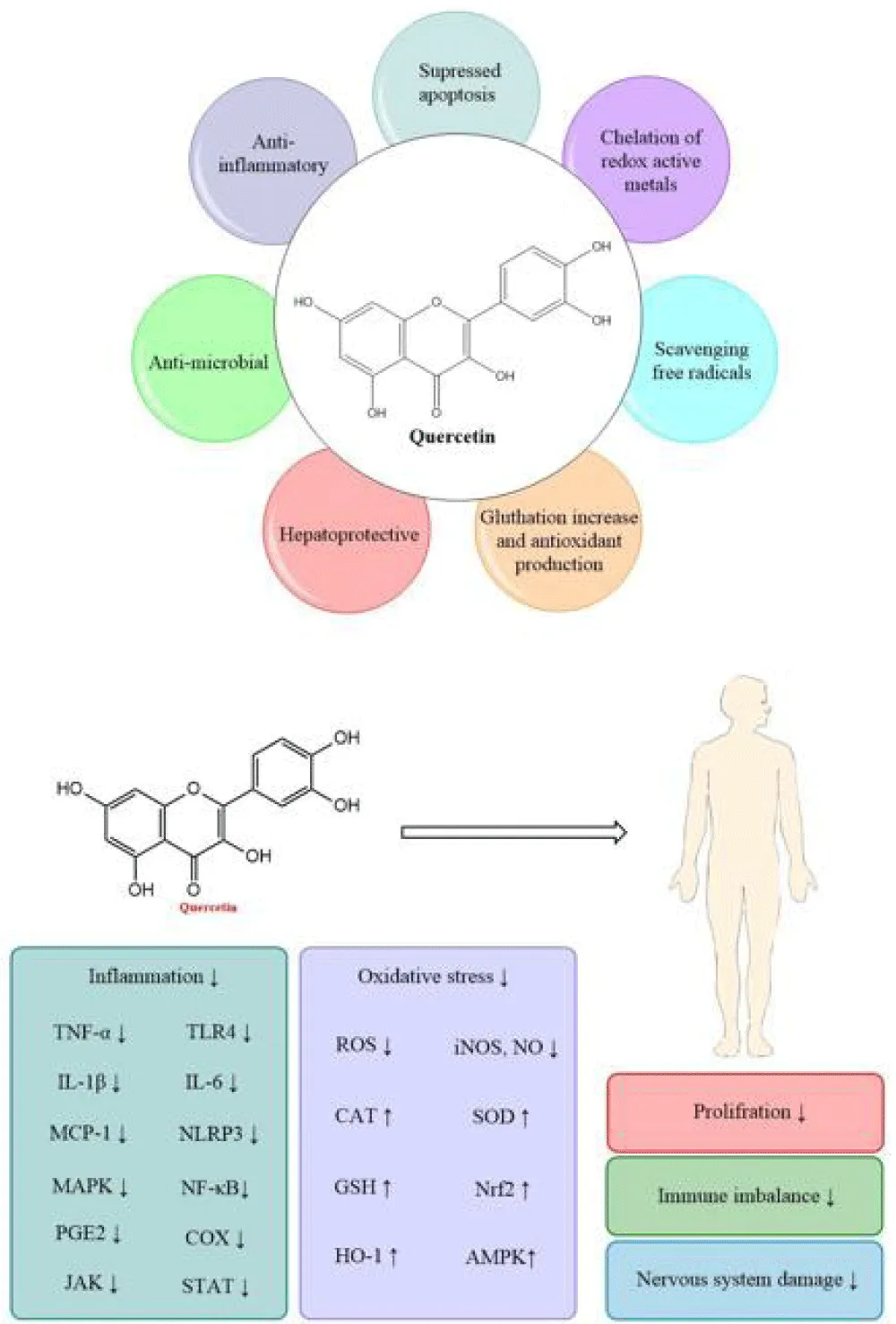
Natural goods have recently acquired appeal due to their anti-inflammatory and antioxidant properties, which are mediated by chemical substances in their makeup. From a different standpoint, edible versions of these goods are recommended in regular diets due to their possible cancer-preventing properties. Q, as a well-known nutraceutical found in many natural foods, acts as an anti-inflammatory and antiproliferative agent (Figure 1). These impacts manifest in numerous ways, the most common of which is the suppression of the COX-2 [16]. Moreover, Q shows anti-inflammatory action via different mechanisms, including the suppression of pathways like mTOR and PI3K [17,18]. These processes eventually lead to a decrease in the formation of oxidative free radicals and cancer-promoting chemicals. Much research has stressed Q's anti-cancer and anti-inflammatory benefits. Lots of these research have looked at the inhibitory effects of Q, a flavonoid, on COX-2. Some of these data were reviewed in the following. The first area we'll look at is Q's effect in reducing inflammation by inhibiting COX-2. In 2012, prepared an experiment to see how Q affected Lipopolysaccharide (LPS)-induced osteoclast death and bone resorption. LPS provoked osteoclast development in RAW264.7 cells, upregulating protein expression of RANK, TRAF6, and COX-2. Q, on the other hand, significantly reduced the quantity of LPS-induced osteoclasts in a dose-dependent way. Q reduced the mRNA expression of osteoclast-related genes as well as the protein levels of RANK, TRAF6, and COX-2 in mature osteoclasts produced by LPS. Q also promoted apoptosis as well as prevented bone resorption in mature osteoclasts stimulated by LPS. Furthermore, Q boosted the apoptotic pathway, notably raising the phosphorylation of c-Jun N-terminal kinases and p38-MAPK [19].
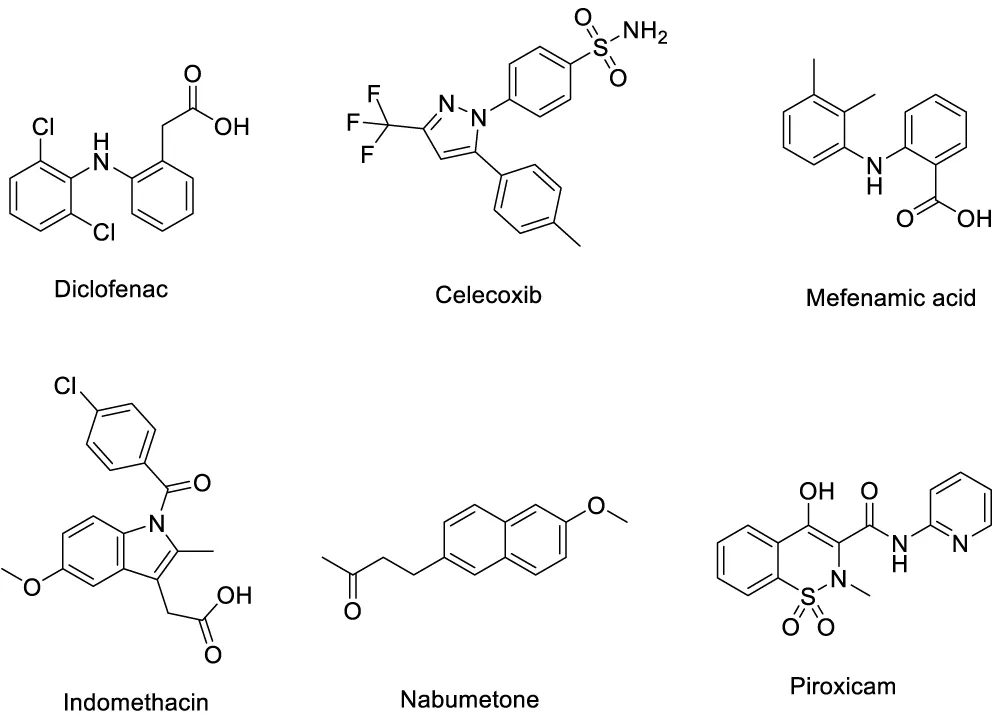
Kaempferol is one of the Q-related substances with a relatively similar structure. Crespo and colleagues investigated how kaempferol (Compound 2, figure 2) and Q impacted the levels of VCAM-1, ICAM-1, E-selectin, iNOS, and COX-2. The study identified differences in how kaempferol and Q regulate pro-inflammatory genes and decrease NF-κB and AP-1 activity. Minor structural differences between the two flavonols influence their anti-inflammatory properties and capacity to inhibit signaling molecules. At a specific dosage, Kaempferol significantly reduced reactive oxygen and nitrogen species production; this indicates that Kaempferol suppresses COX-2 far better than Q. The results above were supported by further molecular modelling data. Kaempferol supplementation reduced cytokine-induced increases in VCAM-1, ICAM-1, and E-selection expression. However, it had a lesser impact on NF-κB and AP-1 binding activity at higher dosages compared to Q [20]. The chemical structures of some of the most studied quercetin analogs and their glycoside derivatives are summarized in figure 2. As we all know, molecular research docking is one of the most often utilized methods in drug design and production. Docking studies may determine the extent to which a chemical substance has a potential biological impact. In addition, it can serve as a confirmation seal for the experimental results. Within a molecular modelling investigation into the effects of flavonoids on COX-2 activity, the findings demonstrated that the most effective hydrogen bond was the Q, which could be identified by the presence of five hydrogen bonds as opposed to Diclofenac (Figure 3), which at first had only two hydrogen bonds with the residues in the location of binding. According to the score, Q requires less energy to engage with the COX-2 receptor than Diclofenac, and some other classic NSAIDS depicted in figure 3. In silico, Q analogs are expected to outperform Diclofenac in terms of COX-2 inhibition [21]. This all suggests that anti-inflammatory benefits and even the potential anticancer effects of Q may be mediated the suppression of COX-2 activity.
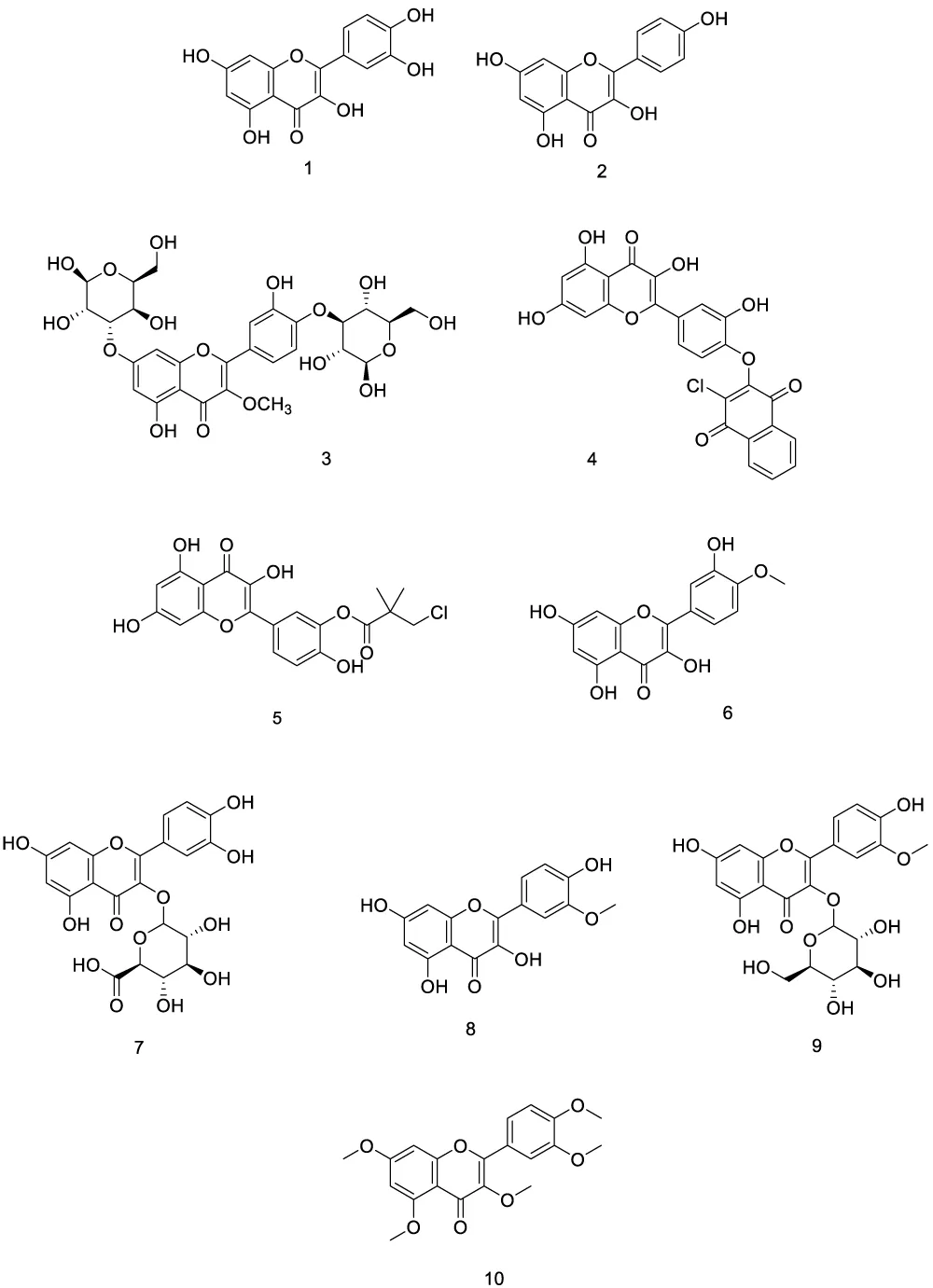
The development of abdominal aortic aneurysms is associated with elevated expression of Vascular Endothelial Growth Factor (VEGF), which promotes angiogenesis through COX-2 activity. A research team led by Wang found that Q led to a significant reduction in aneurysm growth in mice and also suppressed medial neovascularization. Q subsequently reduced the expression of proangiogenic mediators, such as VEGF-A. The Q treatment suppressed the expression of COX-2 and the Hypoxia-Inducible Factor 1α (HIF-1α) [22]. Q was also found to suppress pain signaling pathways and pain sensation. Mondal and colleagues investigated the possible analgesic and anti-inflammatory properties of quercetin-3-methoxy-4'-glucosyl-7-glucoside (Compound 3, figure 2), an established Q metabolite extracted from M. heterophylla. When compared to controls, this chemical inhibited carrageenan-induced inflammation the most effectively. It also showed significant analgesic efficacy by lengthening the animals' reaction time based on the hot plate and tail flick response. The test chemical was shown to inhibit COX-1 and, more effectively, COX-2 [23]. One of the most debilitating inflammatory diseases is bronchitis, which is caused due to viral or bacterial infections or just inflammation. Q was found as a potent supportive supplemental therapy for patients affected by bronchitis. Sarkar P, et al. [24] studied Lung Epithelial (LE) cells after they had been exposed to Acrolein and two different concentrations of Q. The study sought to establish whether Q might protect against Acrolein-induced COX-2 expression. Acrolein lowered cell viability, although Q mitigated the negative effect. It was previously observed that exposing LE cells to Acrolein caused an increase in COX-2 expression, which was inhibited by Q. Acrolein increased the expression of NFκB, ERK, MEK, and MAP kinases, whereas Q decreased the expression. The anti-inflammatory effects of Q through inhibiting COX-2 were also proved against inflammatory joint diseases like Rheumatoid Arthritis, Osteoarthritis, and Gout [25]. Thus, in a similar vein, the anti-inflammatory properties of Q are likely to suppress various other forms of inflammatory disorders. One of the variables that contributes to inflammation and cancer formation is oxidative stress, which is induced by Reactive Oxygen Species (ROS). ROS have also been linked to severe tissue harm caused by inflammatory and autoimmune illnesses such as Ulcerative Colitis (UC). Two derivatives of the Q, chloronaphthoquinone (Compound 4) and monochloropivaloyl (Compound 5, figure 2), demonstrated better antioxidant activities in various disease conditions [26]. Lesjak and colleagues juxtaposed the antioxidant alongside anti-inflammatory activities of a novel assortment of Q derivatives, involving (Compounds 6-10, figure 2), to the activity of the typical onion extract as the primary conduit of dietary Q. The examined Compounds exhibited remarkable bioactivities comparable to standards. The derivatization of Q hydroxyl groups was observed to diminish antioxidant efficacy. Yet, the quantity of Q-free hydroxyl groups did not correlate with its ability to decrease inflammatory mediator production [27].
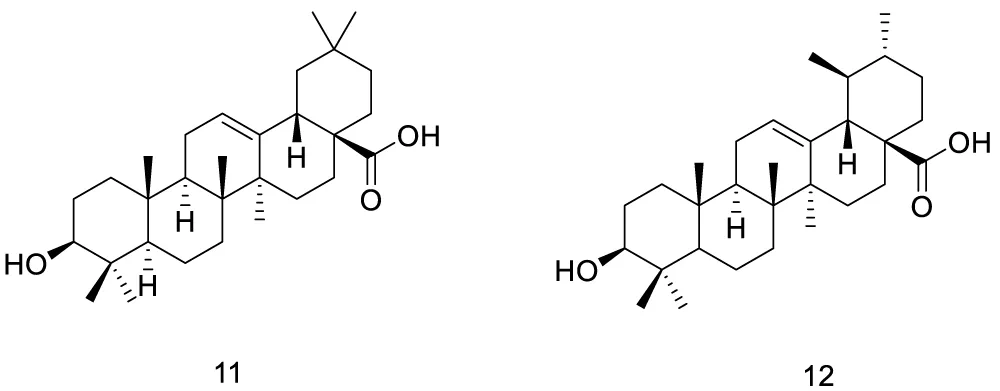
Yerba Mate tea, an all-natural source of saponins, is gaining popularity across the world. Puangpraphant and associates' study sought to evaluate the possible anti-inflammatory properties of yerba mate tea extracts. Mate saponins and oleanolic acid (Compound 11, figure 4) greatly inhibited iNOS/NO pathways, while ursolic acid (Compound 12, figure 4) had little or no inhibitory activity. Q was the most powerful inhibitor of pro-inflammatory reactions, at a level ten times lower than that of other substances. The combination of Q/mate saponins culminated in a synergistic interaction, reducing both NO and PGE2 generation. The combination therapy suppressed LPS-induced nuclear translocation of nuclear factor-κB subunits [28]. As a result, Q acts as a multi-task Compound in this research.
In a research aiming to explore the protective impact of Q against experimental ischemia-reperfusion damage of the small intestine, Q was given intraperitoneally before superior mesenteric artery ischemia and the subsequent reperfusion phase. In the acute phase, four hours after the initiation of reperfusion, the Q caused a substantial drop in the mucosal damage index, which was followed by a large decrease in COX-2 expression in the epithelial lining of the intestinal villi [29]. Unilateral Ureteral Obstruction (UUO) causes higher incidence rate of inflammation, and oxidative stress in the renal cells. Investigations found that UUO caused significant COX-2 activation in Renal Medullary Interstitial Cells (RMICs). Q partially inhibited COX-2 activation in the renal tissue in the aftermath of UUO. It seems that the MAPK ERK1/2 pathway may be implicated in this Q-mediated decrease in COX-2 levels [30].
Quercetin as a Cancer Chemopreventive Agent
Cancer is a global issue due to the prevalence increasing worldwide, and treatment options are frequently restricted. As a result, it is critical to identify novel therapeutic targets and Compounds with tumor-specific therapeutic benefits. Several studies have shown that the flavonoids possess stronger anticancer properties than many other Compounds, while they induce fewer adverse drug reactions against normal cells. Q is one of the most abundant flavonoids in human diets. In recent decades, various anticancer properties of Q have been discovered, including pro-apoptotic, anti-cell multiplication, and anti-oxidant actions. In fact, it is well known that Q can inhibit several enzymes involved in cell growth and signal transduction pathways. Moreover, some studies have shown that combining Q with chemotherapeutic drugs or radiation can have a synergistic effect. A diverse set of studies on the anticancer potential of these combination therapies has already been published, with the majority producing positive results. It is widely recognized that Q can act on chemosensitization and radiosensitization while also protecting normal cells from the negative effects of chemotherapy and radiation, which clearly provides significant benefits in its use in anticancer treatment. In this respect, the following section of the review focuses on the link between flavonoids and cancer, with specific emphasis on the role of Q as a potential COX-2 inhibitor [31]. Furthermore, molecular docking studies proved the potential activity of Q against COX-2. Molecular docking analysis revealed that Q could partially suppress the COX-2 activity through binding with the enzyme subunit a, which possesses peroxidase activity and hence is a source of ROS. Moreover, Q demonstrated a minimal effect on normal intestinal epithelial cells [32].
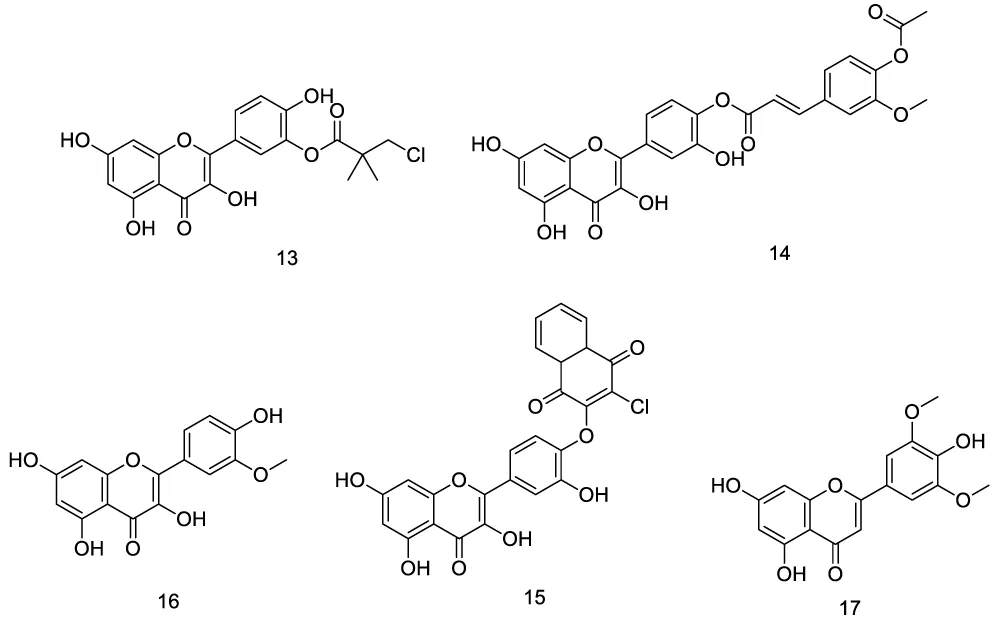
In a study, there used computational approaches to explore the attachment of Q and other flavonoids to COX-2 [33], confirming the experimental data on Q's COX-2 inhibiting properties. Excessive activity of COX-2 and its products has been linked to tumor growth, so the antitumoral activity of Q analogs will be discussed next. Hepatic malignancies are among the deadliest diseases. Viral infections caused by Hepatitis B (HBV) and C (HCV) are major risk factors for liver cancer. Inflammatory mediators such as COX-2 and NF-kB play crucial roles in this pathophysiologic process. Granado S, et al. [34] investigated the anti-inflammatory effects of Q and its impact on the NF-κB pathway and COX-2 in a Human hepatoma cell line (HepG2). The inhibitory effect of Q was mediated by JNK and ROS, and it was associated with decreased COX-2 levels. In a work performed and published by Sezer ED, et al. [35] the most abundant polyphenols in V. myrtillus extracts were compounds 1,2 (Figure 2). The chemicals were assessed for the potential anticancer effects on treated HCT-116 cells by measuring total antioxidant, total oxidant, and oxidative stress marker levels. In contrast to untreated cells, Compound-treated cells had lower total oxidant levels and oxidative stress index values. Summation data suggested that Q and kaempferol had strong cytotoxic, antioxidant, and apoptotic effects on HCT-116 cells. In another work done by a research team led by Narayan Singh, the effects of cranberry extract and Q on basal expression of COX-2 and IκBα, as well as their effects on Phorbol 12-Myristate 13-Acetate (PMA)-induced COX-2 expression, were measured in HT-29 colon cancer cells. The results indicated that Q decreased COX-2 expression and suppressed the degradation of IκBα in unstimulated cells. The overall findings suggested that the anti-cancer activity of cranberry and Q is partly mediated by its COX-2 inhibitory as well as the anti-inflammatory actions [36]. Zizkova P, et al. [37] developed a novel set of O-substituted Q derivatives with the goal of improving Q's bioavailability and redox properties. In cellular systems, Q derivatives were found to be better antioxidants than Q. The cytotoxic, antiproliferative, and anti-inflammatory properties of monochloropivaloyl Q (CPQ, Compound 13), monoacetylferuloyl Q (MAFQ, Compound 14), and chloronaphthoquinone Q (CHNQ, Compound 15) analogs (Figure 5) were investigated in cellular models of BHNF-3 fibroblasts, microglial cell line BV-2, and colorectal cancer cell lines HCT-116 and HT-29. CHNQ was found to reduce colon inflammation caused by acetic acid. Furthermore, CHNQ represents a novel, promising agent that exerts its anticancer effect by inducing oxidative stress-dependent cell death.
Viruses have been linked to the development of several malignancies throughout the last two decades [38,39]. Some even argue that the high occurrence of some forms of cancer is attributable to the strong transmission capacity of carcinogenic viruses or oncoviruses. We already addressed how the hepatitis virus contributes to the development of liver tumors. One of the other oncoviruses is Epstein-Barr Virus (EBV). Latent EBV infection is believed to cause life threatening cancers such as Burkitt's and Hodgkin's lymphoma. In a study carried out by Lee and colleagues concerning the anti-cancer effects of Q and isoliquiritigenin (Compound 16, figure 5) against EBV(+) human gastric carcinoma (SNU719) or EBV(-) human gastric carcinoma (MKN74), Q demonstrated a greater anticancer effect than isoliquiritigenin in SNU719 cells. By contrast, Q and isoliquiritigenin showed similar anti-cancer effects in MKN74. Interestingly, Q reduced EBV-related EBNA-1 and LMP-2 proteins in SNU719. In SNU719 cells, Q induced p53-dependent apoptosis more effectively than isoliquiritigenin. This effect was associated with higher levels of activated caspases and Poly (ADP-ribose) Polymerase (PARP). In MKN74 cells, both Q and isoliquiritigenin induced the expression of p53, and apoptosis regulator Bax protein, as well as the cleaved forms of caspases and PARP at similar levels [40].
Another common and potentially dangerous type of cancer is breast cancer. Breast cancer is one of the most common types of cancer for which a wide variety of treatment methods have been used. However, in some cases, this disease may not be treatable with conventional methods [41]. In addition, finding effective novel methods to prevent this disease is of great importance. Chekuri's study found that Q was effective in treating the breast cancer cell lines MCF-7 and MDA-MB-231. Their comparison of Q to the commonly used doxorubicin (DOX, figure 6) revealed that it can inhibit MCF-7 and MDA-MB-231 cells. Measurements of apoptosis and cell cycle phase confirmed this. Furthermore, a ladder formed as a result of cellular damage caused by ROS provided additional evidence of the drug's effect on DNA integrity. Notably, the concentration of pro-apoptotic proteins were found to be increased in cells treated with Q [42].
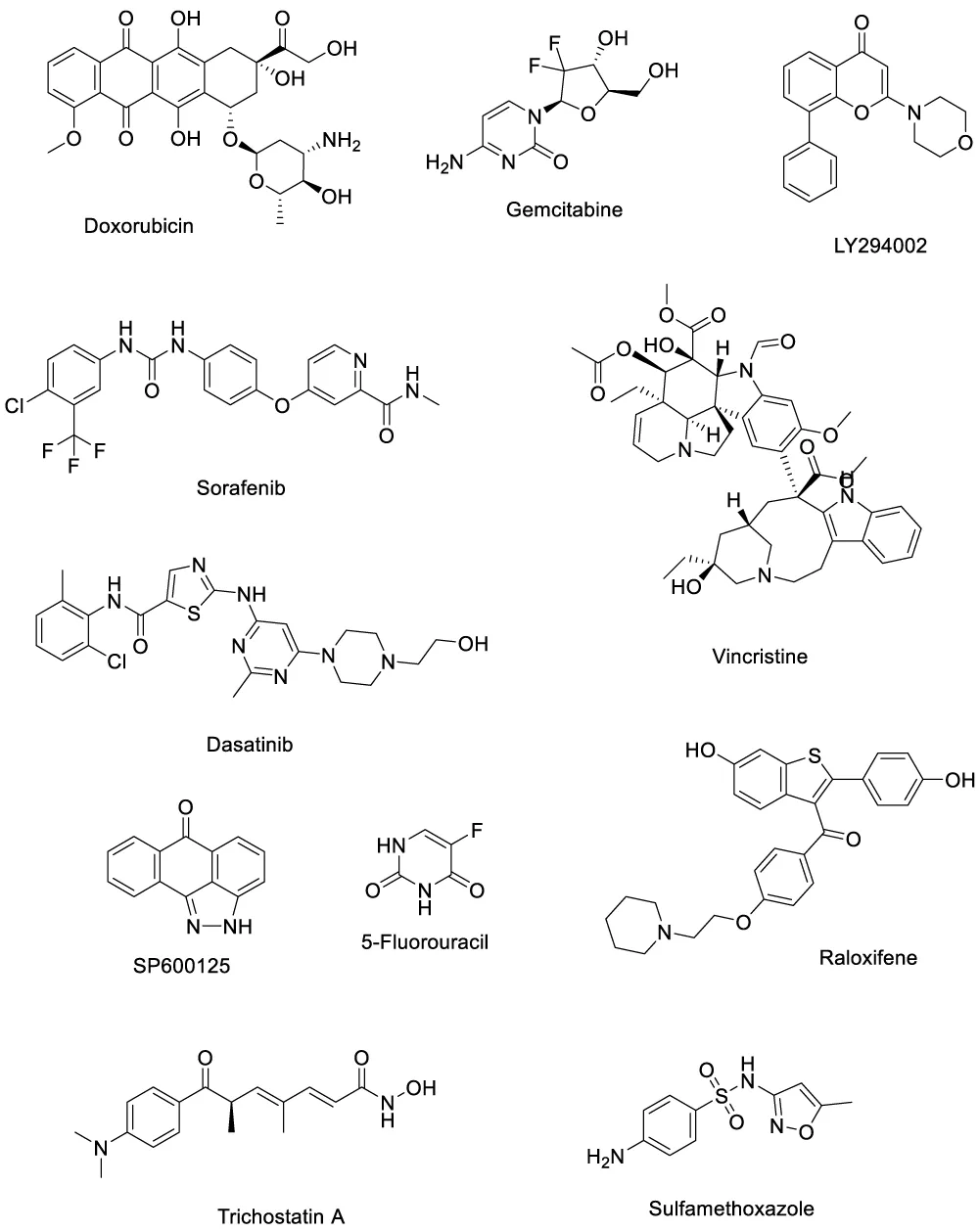
In another study, the synergistic impact of Q and raloxifene (RAL, figure 6) on BC cell lines was investigated. Q substantially decreased the viability of MDA-231 and MCF-7 cells. In addition, RAL levels dropped dramatically in both cell types. The collaborative impact of Q and RAL was also greater in MDA231 cells. Q-RAL greatly reduced cell migration as well as the expression of MMPs 2 and 9. Q-RAL showed combinatorial therapeutic impacts on cell survival, movement, and apoptotic genes [43]. Chrysin is a dihydroxyflavone derivative that acts as a protective antioxidant, antineoplastic, and radical scavenger [44]. In a similar study, breast cancer cells were treated with chrysin (Compound 17, figure 5), and varying concentrations of Q. An improved cytotoxicity against cancer cells was identified, particularly with Q preincubation. In MDA-MB-231 cells, combination treatment with Q and chrysin caused cell cycle arrest in the sub-G0/G1 phase, altering the expression of caspases, leading to late apoptosis and cell death [45]. The BRCA1 gene encodes a protein known as the Breast Cancer type 1 susceptibility protein (BRCA1). Certain BRCA1 gene variants enhance the chance of developing breast cancer as part of an inherited breast-ovarian cancer syndrome [44]. Women who carry the BRCA1 mutation and lack BRCA1 activity are more likely to develop Triple-Negative Breast Cancer (TNBC). BRCA1 regulation may offer a treatment option for TNBC patients. Kundur S, et al. [46] colleagues revealed that BRCA1 remains under-expressed in TNBC cell populations while overexpressed in ER+ breast cancer cells. To regulate BRCA1 expression, they looked at two distinct food factors to determine whether either of them might activate tumor suppression genes. They discovered that Q and CUR enhanced BRCA1 expression in a dose-dependent manner. Moreover, Q and CUR acted synergistically to modulate BRCA1 levels while inhibiting TNBC cell survival and migration. Q and CUR appeared to induce histone acetylation in the BRCA1 promoter. Furthermore, the combined treatment of Q and CUR significantly reduced BRCA1 knockdown-induced cell survival and migration in ER+ cells [46]. In 2019, Liu H, et al. [47] evaluated the effect of Q on Cisplatin (CP)'s antineoplastic activity along with the CP-induced drug toxicity. The tumor volume of the CP/Q group was considerably smaller than that of the group treated with the CP alone. Overall, the results indicated that Q/CP boosted cellular toxicity in BC cells, suppressed cancer development, and enhanced CP's anti-tumor activity. Q also decreased renal toxic effects, which was a possible adverse effect of CP.
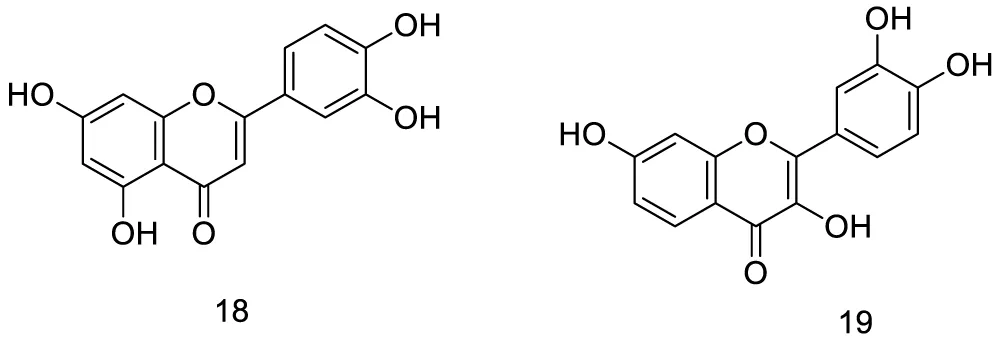
As discussed before, one of the best targets for designing antineoplastic drugs to combat with the BC is angiogenesis. Q and its analogs were found to possess strong antiangiogenic activities. Ravishankar D, et al. [48] studied Q analogs' potential as antiangiogenic agents. They precisely generated natural Q and Luteolin (L, Compound 18, figure 7) analogs, showed strong antiangiogenic action in an In vitro scratch experiment. Western blotting investigations demonstrated that most of drugs reduced the phosphorylation of the VEGF Receptor-2 (VEGFR2), resulting in antiangiogenic action. The findings of molecular docking studies validated the drugs' affinity for VEGFR. Moreover, the cytotoxicity tests of these flavonoid Compounds towards MCF-7 cells indicated an instant anti-cancer action [48]. Hosseini SS, et al. [49] investigated the potential synergistic effects of Q and Fisetin (F, Compound 19, figure 7) on MCF-7, MDA-MB-231, BT549, T47D, and 4T1 breast cancer cells. Q/F showed considerable synergistic effects in all cell lines. In colony formation and wound healing experiments, combined treatment outperformed individual therapies. The results showed that Q/F inhibits proliferation of cancer cells, migration, and colony formation in a synergistic manner. MMP signaling and apoptotic pathways are mainly accountable for suppressive actions.
One of the most serious issues with chemotherapy is medication resistance, while another is drug toxicity. Drug toxicity may initially suppress the tumor but subsequently cause it to develop again in the same area or elsewhere [50]. One of the real examples of drug toxicity is chemotherapeutic agent induced cell senescence or cell aging. Chemotherapy can stimulate the drug-induced senescence pathway in both normal and cancer cells, which can lead to detrimental adverse consequences like senescence-associated secretory phenotype, recurrent senescence, and cancer progression. Q may destroy senescent cells in a controlled way, especially when coupled with the kinase inhibitor dasatinib (Figure 6). Lewinska A, et al. [51] produced new Q analogs and tested them for increased senolytic action against etoposide-induced senescent human regular mammary epithelial cells along with TNBC cells. The transformation of the catechol moiety to diphenylmethylene ketal, as well as the addition of three acetyl arms to the Q, enhanced the clearance of senescent cancer cells, as demonstrated by higher apoptosis as opposed to etoposide-treated cells. Tumor cells demonstrated reduced beta-galactosidase activity and HSP-70 levels, implying a senolytic effect. Comparable impacts were not observed in senescent normal cells. TNBC-type breast cancers have been mentioned several times in previous chapters. Some types of breast cancers do not express the Estrogen Receptor (ER), Progesterone Receptor (PR), or HER-2/Neu amplification. TNBC is defined as the absence of these three genetic markers [52]. Nguyen LT, et al. [53] investigated the anti-cancer effect of Q and its underlying mechanisms in TNBC cells. Q increased cell apoptosis while also inhibiting cell cycle progression. Q elevated FasL mRNA expression and p51, p21, and GADD45 signaling activity. Q has also been shown to increase Foxo3a protein levels, transcriptional activity, and nuclear translocation. Knocking down Foxo3a significantly reduced Q's effect on cell apoptosis and cell cycle arrest. Furthermore, treatment with the JNK inhibitor (SP600125, figure 6) abolished Q-stimulated Foxo3a activity, indicating that JNK may be an upstream signaling pathway in the regulation of Foxo3a activity. Foxo3a knockdown and JNK inhibition reduced the signaling activities of p53, p21, and GADD45, which were triggered by Q. Colon adenocarcinoma is another common type of cancer, especially in countries like Iran [54]. Raja SB, et al. [32] demonstrated the differential cytotoxic activity of Q on two human colonic cancer cell lines, HT29 and HCT15. Q-treated HT29 cells exhibited caspase-3 activation, increased cytosolic cytochrome c, and decreased levels of pAkt, pGSK-3β, and cyclin D1. Q-treated HCT15 cells were also found not to express COX-2, implying the inverse relationship between COX-2 expression and Q. However, this is not the only underlying mechanism of Q-induced antineoplastic effects.
Colorectal Cancer Stem Cells (CSC) with the CD133+ phenotype are a rare type of cancer cell capable of self-renewal, unrestricted proliferation, and resistance to chemotherapeutic regimens. DOX is an extensively administered chemotherapeutic agent that is considered one of the main drugs for the treatment of this type of tumor. In some cases, DOX antitumoral effectiveness is deterred due to the medication resistance, especially in CSC cells. Atashpour S, et al. [55] investigated the anticancer effects of Q and DOX (Figure 6) in HT29 cancer cells along with the isolated CD133+ CSCs. Q, DOX, and Q/DOX reduced cell proliferation and increased apoptosis in HT29 cells and, to a lesser extent, CSCs. Q was identified to enhance the cytotoxicity and apoptosis induction of DOX at low concentrations in both cell types. Q/DOX was found to induce G2/M arrest in HT29 cells and CSCs. Q alone had significant cytotoxic effects on HT29 cells, and it also increased the cytotoxicity of DOX in combination therapy.
In another research work led by Erdogan, the antitumor effects of Q and L combined with a reference anticancer drug, 5-fluorouracil (5-FU, figure 6) in HT-29 human colorectal cancer cell line were studied thoroughly. The findings revealed that Q, L, and the combination of them with 5-FU reduced the development of HT-29 cells. HT-29 cells treated with 5-FU/Q and 5-FU/L had a higher rate of apoptosis. The combination therapies considerably lowered VEGF levels. The expression of pro-apoptotic genes such as p53, Bax, p38 MAPK, and PTEN was enhanced by either 5-FU/Q, or 5-FU/L. The suppressive impacts were also shown with the anti-apoptotic genes, including Bcl-2, mTOR, and Akt aftermath. These findings revealed that Q and L synergistically increased 5-FU's anticancer impact on HT-29 cells, potentially reducing its harmful effects in the treatment process of colorectal cancer [56]. In a study by Sung MS, et al. [57] the effects of Q on the IL-1β-induced proliferation of Rheumatoid Synovial Fibroblasts (RASFs), along with the enzymatic activities of COX and Matrix Metalloproteinases (MMPs) in RASFs, were thoroughly studied. Q was identified to inhibit RASF proliferation, MMP-1, 3, and COX-2 expression in both unstimulated and IL-1β-induced cell proliferation. Q was also found to deter the phosphorylation of ERK1/2 and JNK, as well as the activation of NF-kB by IL-1.
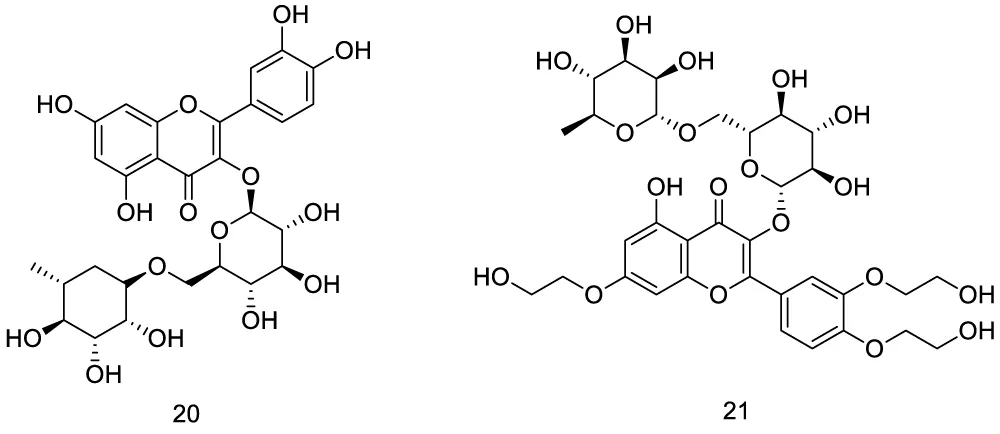
Lee and colleagues investigated the radical scavenging properties of Q, rutin (Compound 20, figure 8) and troxerutin (Compound 21, figure 8). Q and rutin demonstrated a high capability to eliminate active ROS, whereas troxerutin and the classic anti-inflammatory COX inhibitor, aspirin, demonstrated lesser activity. At low concentrations, Q, rutin, and troxerutin did not cause cellular toxicity in RAW 264.7 tumor cells, caused by Abelson murine leukemia virus. In addition, Q, rutin, and troxerutin significantly reduced COX-2 protein expression in LPS-inflamed cells compared to aspirin. Furthermore, higher concentrations of Q and rutin significantly reduced nitrogen oxide levels in inflamed cells. Q, rutin, and troxerutin may prevent inflammation in RAW 264.7 cancer cells by lowering NO levels and reducing COX-2 and TNF-α expression [58].
Q's ester derivatives, particularly water-soluble esters like sulfate analogs, have gotten a lot of interest. A study was conducted to evaluate the antineoplastic properties of Q and its water-soluble sulfated derivative, QS, in human colon cancer LoVo and breast cancer MCF-7 cells. It was discovered that both Q and QS can inhibit the growth of cancer cells, implying that QS is more effective against cancer cells than Q. Furthermore, it was found that Q, and QS analogs could mediate cell-cycle arrest substantially in the S phase [59]. Another study sought to determine Q's protective effects on Carbon Tetrachloride (CCl4)-induced liver fibrosis and the mechanisms underlying its anti-hepatofibrotic activity. Wang R, et al. [60] found that Q had In vivo hepatoprotective effects against CCl4-induced liver injury by enhancing pathological manifestations and lowering the activities of plasma total bilirubin, along with two main hepatic isozymes, Serum Glutamate-Oxaloacetate Transaminase (SGOT), and Serum Glutamate-Pyruvate Transaminase (SGPT). Furthermore, in a dose-dependent manner, Q downregulated Bax, upregulated Bcl-2, and eventually suppressed caspase-3 activation. Sorafenib (Figure 6) became the first medicine licensed for the management of advanced Hepatocellular Carcinoma (HCC), and it is currently regarded the gold standard. Yet, developed drug resistance is a key problem for sorafenib treatment. The physiological data revealed that Q, either alone or when used with sorafenib, dramatically reduced HCC development, produced cell cycle arrest, or triggered cell death. The report's molecular data demonstrates that Q, either by itself or in combination with sorafenib, diminished key genes linked to inflammatory processes, cell proliferation, and angiogenesis (TNF-κ, VEGF, P53, and NF-κB). The combination Q/sorafenib therapy greatly improved the appearance of the liver injury caused and revealed considerable antioxidant and anticarcinogenic activities [61]. Previous studies conducted by Xiao J, et al. [62] demonstrated that Q inhibits COX-2 and Bcl-2 expressions while also inducing apoptosis in human leukemia HL-60 cells. Q was shown to suppress the protein expression of LKB1, phosphorylated AMPK, as well as COX-2 in HL-60 malignant cells. The data indicated that Q stimulates AMPK expression in HL-60 cells. Furthermore, Q was discovered to reduce COX-2 gene expression by activating AMPK. Q altered Bcl-2-dependent apoptotic pathways to achieve its anti-leukemic effect. Turner N, et al. [63] found that adding Q to a diet inhibited the formation of high multiplicity aberrant crypt foci, reduced proliferation, and increased apoptosis in a colon cancer model. There was also an experiment to see how Q affected the expressions of iNOS and COX-2, which are elevated in colon cancer. Azoxymethane (AOM, Compound 22, figure 9)-induced crypt foci had significantly elevated iNOS expression in the absence of Q, but the expression of these proteins in AOM-induced lesions was not significantly higher with Q.
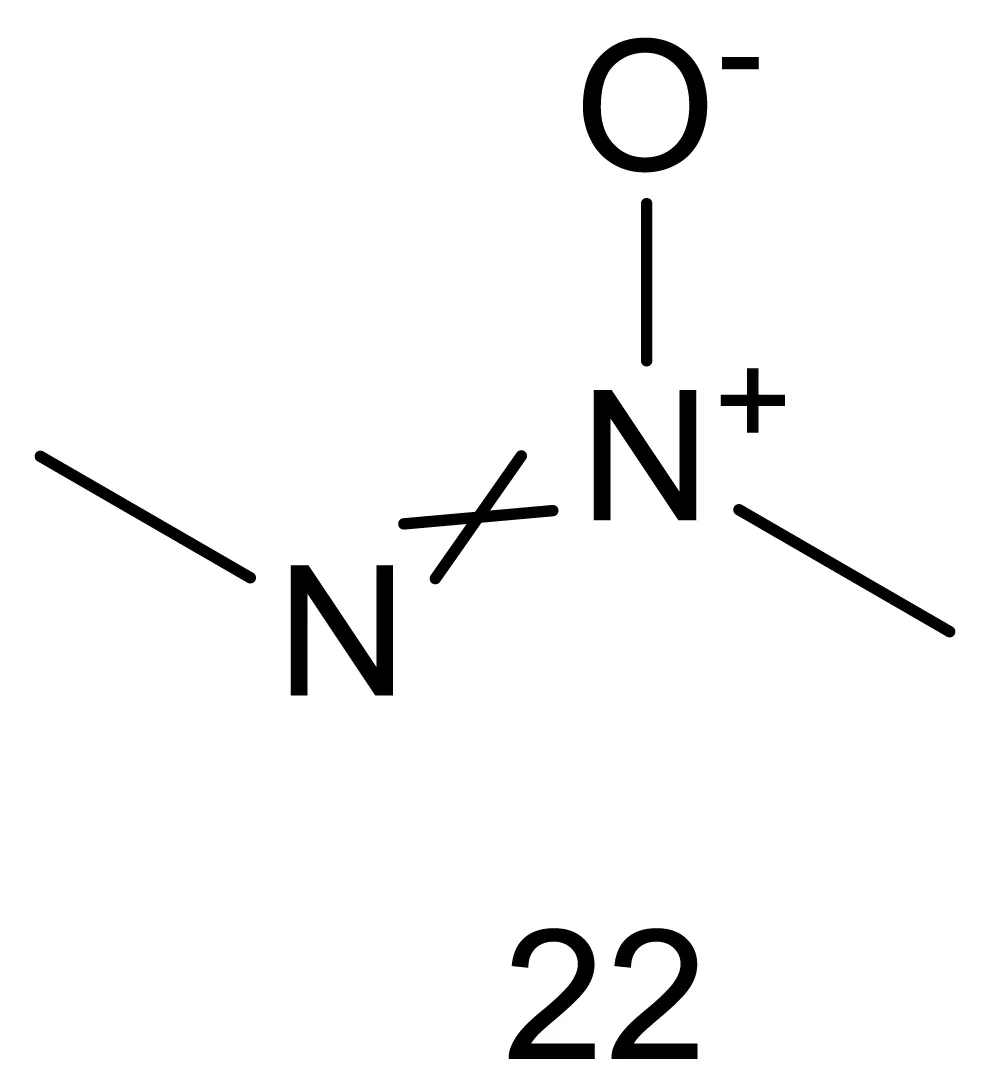
In a study by Warren CA, et al. [64] Q was identified to diminish the cancer cells proliferative index, reducing the AOM-induced increase in crypt column cell number and tumor size. The proportion of apoptotic bodies in AOM-injected tissues increased after Q treatment. Q was also found to inhibit the formation of early pre-tumoral lesions in colon carcinoma, concomitantly with reduction in cancer cell proliferation, as well as the apoptosis induction.
Henrietta Lacks cell line (HeLa cells) is the oldest immortal human cervical cancer cell line used in biological research, collected from Henrietta Lacks, an African-American woman in 1951. A549 is a lung cancer cell line that was isolated from adenocarcinoma-originated human alveolar basal epithelial cells in 1972. Following Q treatment, IL-15 expression was found to be significantly reduced in these two cell lines. Q inhibited cancer cell proliferation while reducing IL-15 expression [65]. Some studies revealed that COX-2 expression and IL-15 activity are interrelated. It seems that Q may lower IL-15 activity through suppressing COX-2 expression [66]. Li T, et al. [67] demonstrated that Q has anti-tumor effects and increases CP sensitivity in Nasopharyngeal Carcinoma (NPC). Q was found to inhibit NPC cell multiplication, cell viability, cell motility, and tumor development, as well as inducing apoptosis, thereby inhibiting NPC progression. Interestingly, Q significantly enhanced the cytotoxic effects of high-dose CP on CP-resistant NPC/CDDP cells. Additionally, the findings showed that Q suppressed YES-Associated Protein (YAP), which plays a major role in inhibiting cancer progression and inducing resistance to the therapeutic effects of CP. Suppressing YAP is believed to be the main mechanism of Q to combat CP resistance in NPC/CDDP cells. A huge volume of research works indicated that Q and its analogs can increase cancer cells' susceptibility to the therapeutic effects of anticancer medicines. Q was found to suppress drug resistance in oral cancer cells while increasing cell sensitivity to vincristine (Figure 6). Q induced apoptosis in human oral cancer SAS cells via modifying mitochondrial signaling pathways. Q was found to inhibit cell survival and metastatic ability through epithelial-to-mesenchymal transition-mediated signaling pathways in Oral Squamous Cell Carcinoma (OSCC) [68].
Sulfamethoxazole (S) (Figure 6) is a common antibacterial chemical utilized for the medical management of infections, particularly urinary tract and intestinal infections, together with trimethoprim, under the generic name co-trimoxazole [69]. Furthermore, this chemical is one of the substances that can improve the efficacy of conventional anticancer treatments [70,71]. In a study aimed to investigate the antineoplastic effects of Q alone and in combination with S, the antitumor effects of S, Q, and SQ on some of the most prevalent cancer cell lines including prostate cancer PC3, human colon cancer HCT-116, hepatic cancer HepG2, and breast cancer MCF-7 cell lines were examined. Moreover, the effects of these drugs were assessed using Ehrlich Ascites Carcinoma (EAC) tumor cells. In vitro data showed that SQ has strong anticancer activity by inducing apoptosis and cell cycle arrest. SQ treatment resulted in higher levels of Superoxide Dismutase (SOD), Glutathione (GSH), and Catalase (CAT), as well as lower levels of malondialdehyde, indicating radical scavenging, antioxidant, and protective effects against EAC cell invasion. EAC treated with SQ demonstrated NFkB down-regulation, and up-modulation of caspases, indicating an apoptotic pathway and decreased cell proliferation and metastasis [72]. OSCC is a kind of malignancy that develops from the squamous cells that line the mouth and throat. It is frequently associated with hazards such as tobacco and alcohol intake [73]. Despite increased therapy experience, the overall outcome of OSCC has remained unchanged due to chemotherapeutic drug resistance, as well as local invasion and frequent regional lymph node metastases. Cell viability and colony-forming potential of cancer cells were reduced after Q treatment. Q also suppressed SCC-25 cell proliferation by arresting the G1 cell cycle, along with the induction of mitochondria-mediated apoptosis. Q also decreased SCC-25 cells' ability to migrate and invade [74]. Urinary Bladder Cancer (UBC) is a common genitourinary malignancy has a high mortality rate globally. Q was discovered to inhibit the proliferation of the human UBC cell line and promote the apoptosis of BIU-87 cells. Furthermore, Q has been shown to inhibit the expression of p-P70S6K and induce apoptosis via p-AMPK. Q was also discovered to restrict tumor growth through the AMPK/mTOR cascade, preventing colony formation of human UBC cells by inducing DNA damage [75]. Both pathways are interrelated with the COX-2 signaling pathway. As discussed earlier, these cell pathways are also known to collaborate in numerous distinct malignancies, therefore their combined involvement in healthy cellular activities has been investigated [76]. Prostate Cancer (PC) is a cell proliferation that begins in the prostate, a tiny organ responsible for sperm production. It's the second most frequent cancer among men. PC is generally detected early and develops slowly. Most people with PC have recovered. Treatment choices might involve a surgical procedure, radiation treatment, or closely monitoring the PC to see whether it expands [77]. Pellegrino and colleagues investigated the anticancer properties of Curcumin (CUR, Compound 23, figure 10) in conjunction with Q in a LPS-stimulated RAW 264.7 cells and a human PC cell line, PC-3. Q-CUR was found to strongly decrease cancer cells spread, stop the cell cycle, and induce apoptosis, demonstrating synergic actions greater than single drug usage [78].
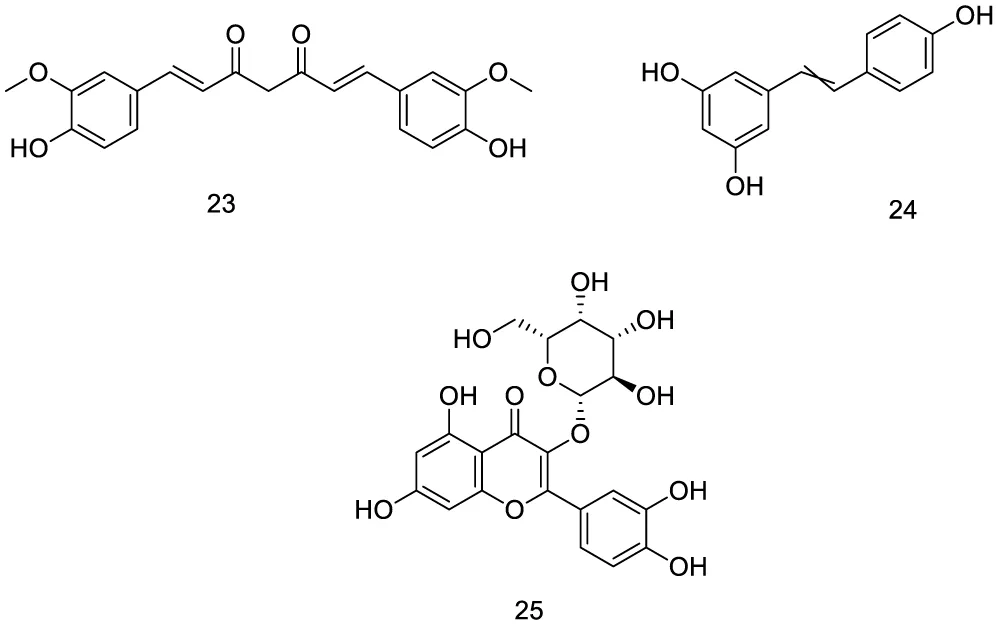
Pancreatic Cancer (PaC) is a lethal cancer with an increasing mortality rate worldwide. This cancer is difficult to diagnose because it rarely causes symptoms, and the majority of patients have an irremediable tumor with a five-year survival rate. Q was reported to demonstrate valuable anticancer properties, used as an adjunct to PaC treatment through inhibitory or stimulatory mechanisms, and increased sensitivity to chemotherapy agents [79]. Liu ZJ, et al. [80] investigated the anticancer effects and mechanisms of Q in Gemcitabine (Figure 6) (G)-resistant cancer cells. PC (BxPC-3, PANC-1) and Hepatocellular Carcinoma (HepG2, Huh-7) cell lines were investigated. Proliferation assays revealed that Q was cytotoxic to GEM-resistant cell lines (HepG2 and PANC-1), indicating a significant pro-apoptotic effect on these cell lines. G in combination with Q had stronger anticancer effects than G alone. Q caused S phase arrest in G-resistant cell lines, upregulation of tumor protein p53, and downregulation of cyclin D1. Resveratrol (R, Compound 24, figure 10) is a well-known polyphenolic Compound with potential therapeutic properties, which is found in various plant sources, notably in red wine. R is a considerably powerful radical scavenging agent. R and Q in combination were previously shown to inhibit growth in human leukemia cells. The same mixture was studied in HT-29 colon cancer cells. RQ was found to deliberately reduce the ROS production in HT-29 cells. RQ also activated caspase-3, promoting PARP cleavage more effectively in comparison with the Q or R alone. Specificity protein (Sp) transcription factors are overexpressed in colon cancers, regulating genes necessary for cell proliferation, survival, and angiogenesis. RQ was discovered to limit the expression level of Sp1, Sp3, and Sp4 mRNAs. Furthermore, the Sp-dependent antiapoptotic survival gene survivin was markedly reduced [81]. Esophageal Cancer (EC) is considered the sixth leading cause of cancer-related mortality worldwide. Despite advancements in the treatment of EC, current methods remain ineffective. Davoodvandi and colleagues discuss how Q, due to its natural origin and low cost in comparison to synthetic cancer drugs, could be an important supplement for EC prevention, treatment, and management [82]. Hence the EC is another life-threatening disease in which Q treatment, in solitude or in combination with R may act as a potential adjuvant to the conventional therapy diets. Q and Hyperoside (H, Compound 25-30, figure 10) in combination were previously shown to inhibit the growth of human leukemia cells. Studied the anticancer properties of the same mixture in 786-O renal cancer cells. Q/H reduced ROS production and increased antioxidant capacity in 786-O cells. Q/H treatment was found to reduce the expression of Sp1, Sp3, and Sp4 mRNAs. The obtained results were consistent with previous investigations regarding the effects of botanical anticancer agents in colon cancer cells [83]. Trichostatin (TSA, Figure 6) is an antifungal agent that selectively inhibits the class I and II mammalian histone deacetylases [84]. It has been recognized as a moderately strong anticancer drug. In a study done by TSA revealed a pretty substantial growth suppression action in a Non-Small Cell Lung Cancer (NSCLC) line over the normal control [85]. Chan ST, et al. [86] studied the effects of Q on the anticancer activity of TSA. They initially found that Q greatly boosted growth arrest and apoptosis in TSA-induced A549 cells. Likewise, Q dramatically increased TSA-induced p53 expression in A549 cells. The researchers discovered that Q increased TSA-induced apoptosis through the mitochondrial route. Q enhanced the acetylation of histones H3 and H4 caused by TSA in A549 cells. Carcinoma cells given both TSA and Q exhibited higher concentrations of p53 and apoptosis than those treated with TSA alone. The results indicated that Q's control of p53 expression has a crucial role in increasing TSA-induced apoptosis in A549 cells.
Glioblastoma Multiforme (GBM) is the most prevalent and severe malignant brain tumor in adulthood. It normally begins in the brain and is associated with a poor prognosis, frequently ending in mortality within six months of diagnosis. Present-day treatment choices are broad, including surgical resection, radiation, and chemotherapy. Early identification and treatment are critical to increasing the likelihood of survival. In this sense, utilizing preventative approaches may assist to improve the treatment's final outcome. Q and its analogs have the potential to treat GBM. Kiekow CJ, et al. [87] discovered that Q analogs increased apoptosis in GBM. Some of the newly-developed Q analogs had no cytotoxic effects on hippocampal organotypic cultures, a model for healthy neural cells.
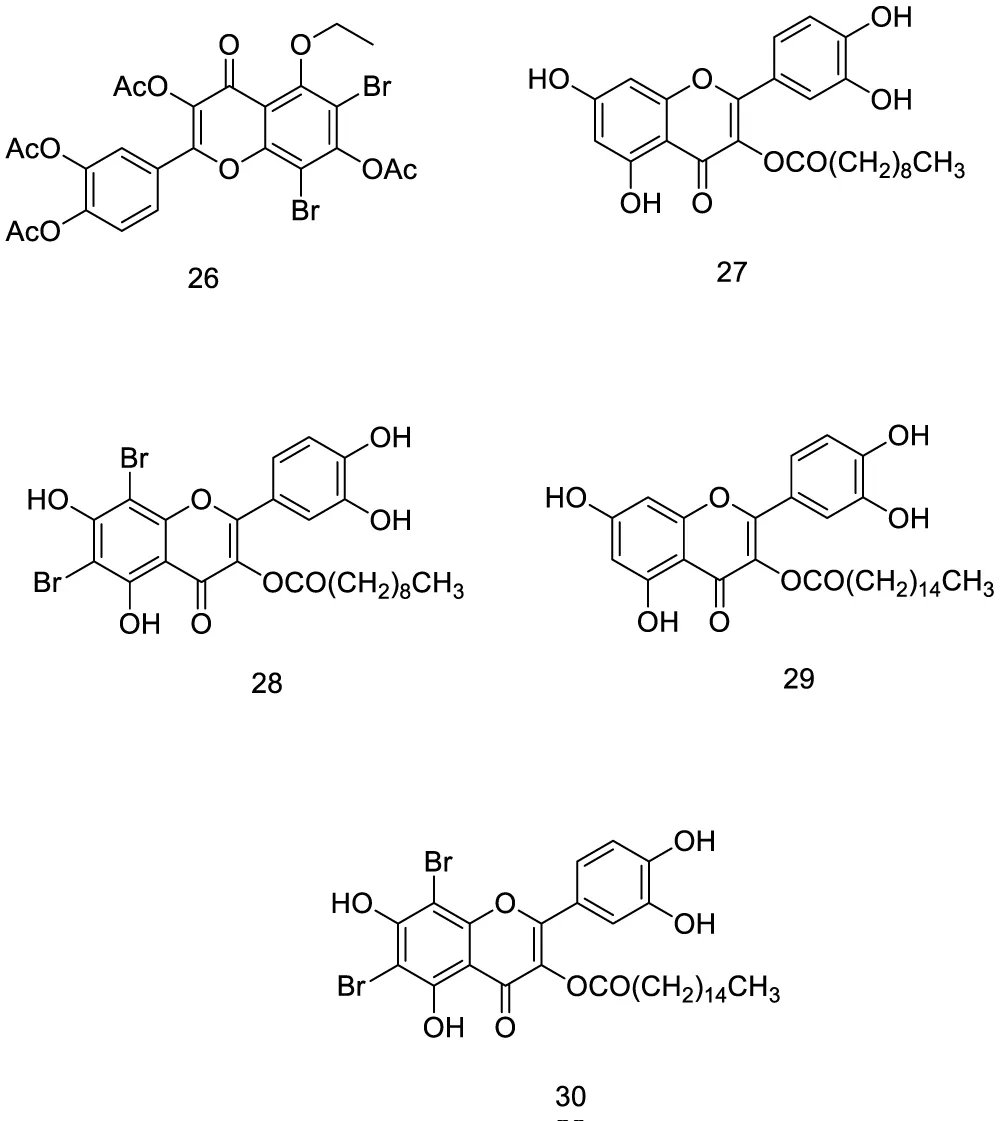
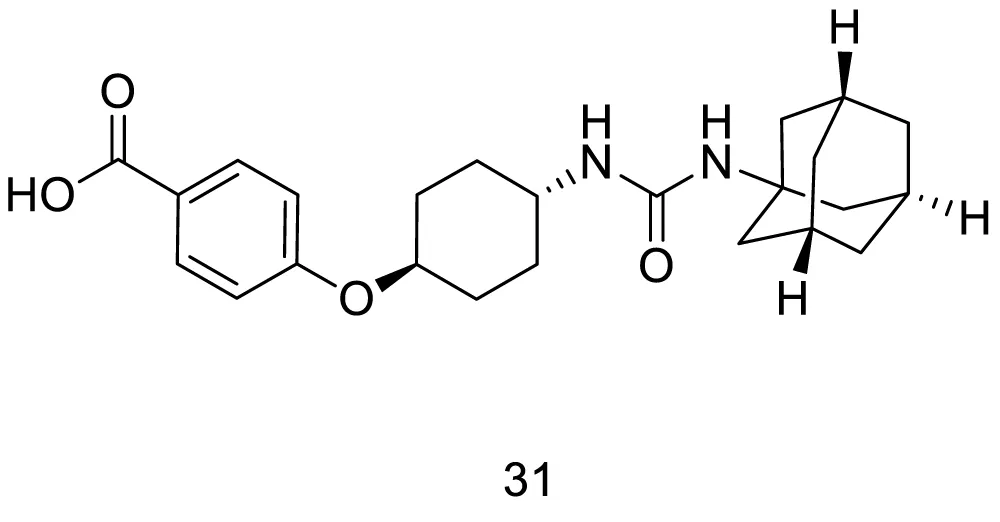
Dell'Albani P, et al. [88] investigated the impact of Q and its derived Compounds on the ability to survive of U373-MG or 9L glioma cell lines. The exposure of glioma cells to the Q-derivatives, such as acylated and brominated Q, caused a considerable increase in cell mortality. Amongst all investigated Compounds, O-decanoyl Q analogs were extremely cytotoxic in both U373-MG and 9L cells. The cytotoxic effects of Q-derivatives 26-30 (Figure 11) were shown to be extremely specific for glioma cells. The findings revealed that selective esterification or bromination of Q improves the harmful effects of this polyphenol versus glioma cells, presenting a possible new weapon for cytospecific glioma therapy [88]. soluble Epoxide Hydrolase Inhibitors (sEHIs) have been shown to protect Epoxyeicosatrienoic Acids (EETs), which play a role in anti-inflammatory and tumorigenesis processes. Although Li and colleagues previously discovered some effects of t-AUCB (Compound 31, figure 12) on glioma In vitro. The t-AUCB was found to inhibit cell proliferation, metastasis, and aggressiveness, causing cell cycle G1 phase arrest; increased Hsp27 activation. It was found that COX-2 overexpression confers resistance to t-AUCB treatment in glioblastoma. Q was discovered to sensitize glioblastoma to t-AUCB by inhibiting both Hsp27 and COX-2. These findings suggested that combining t-AUCB and Q could be a promising approach to treating glioblastoma [89]. Epoxyeicosatrienoic Acids (EETs), which are involved in anti-inflammatory and carcinogenesis processes, have been demonstrated to be protected by soluble Epoxide Hydrolase Inhibitors (sEHIs). Li J, et al. [90] had earlier noticed some antineoplastic effects of t-AUCB on glioma In vitro, wherein t-AUCB was observed to inhibit cell growth, metastasis, and aggressiveness, causing cell cycle G1 phase apprehend, and raised Hsp-27 activation. Nevertheless, it was found that COX-2 overexpression conferred resistance to t-AUCB treatment in glioblastoma, and that Q sensitized glioblastoma to t-AUCB by inhibiting both Hsp27 and COX-2.
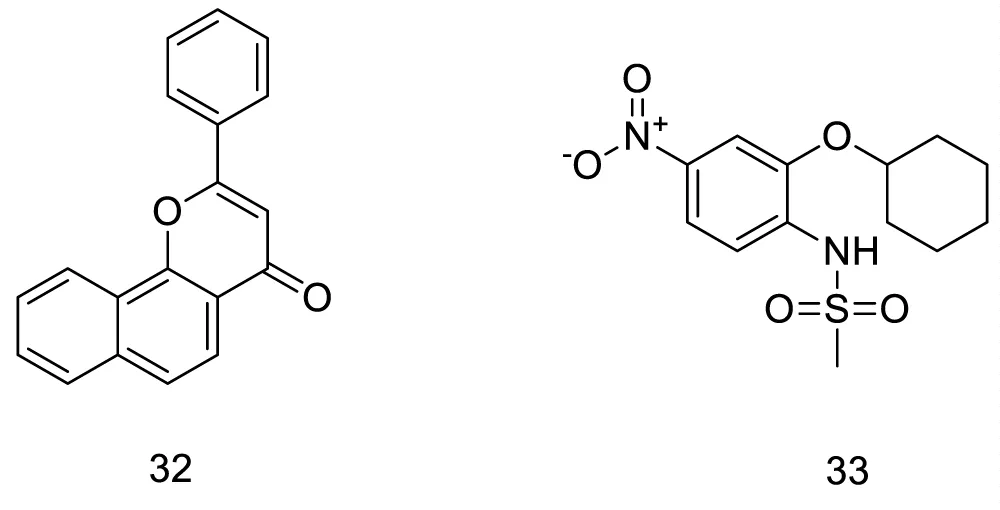
Cooking Oil Fumes (COF) are the main sources of dangerous reactive oxygen, as well as potential mutagens [91]. In a research done, Q was compared to α-naphthoflavone (α-NF, Compound 32, figure 13), NS-398 (Compound 33, figure 13), COX-2 inhibitors, and other ROS scavengers to determine its effectiveness in protecting against COF-induced DNA mutations in specific cases of lung cancer. Q was proven to be the most effective inhibitor of COF-induced DNA damage. It was also discovered that inhibiting COF-induced DNA damage of Q involves altering COX-2 gene expression via the NF-κB pathway. COF-induced coexpression of COX-2 has been shown to contribute to genomic instability in the development of lung cancer. Hence, Q was proved to possess the ability to act as a potent chemopreventive agent of lung cancer [92].
Quercetin as a Cosmeceutical
Skin is a multifunctional organ that protects, metabolizes, and regulates. It is constantly exposed to oxidizing agents from the sun and through contact with the environment. These agents may overwhelm the skin's auto-defense capacity. Exogenous antioxidant supplementation is a promising strategy for strengthening skin defense mechanisms against oxidative stress and inflammation. Certain investigations look at the function of Q in the avoidance and management of dermatological illnesses, including its biochemical effects, transmission of signals, and metabolic processes. The reported characteristics of Q's potential for skin therapy comprise defense from aging and UV radiation, promotion of wound repair, decrease in melanin production, and safeguarding against skin oxidation [93]. Hyperpigmentation diseases are recognized by the presence of dark skin patches. Tyrosinase inhibitors, chemical peeling, keratolytic agents, and laser treatment are all used to manage hypermelanosis, although they can induce itchiness and other negative side effects. Q may act as a cosmeceutical component with antioxidant and anti-tyrosinase capabilities, rendering it a promising natural treatment for skin hyperpigmentation. The disadvantages of employing Q include inadequate solubility in water and significant chemical instability, which can be overcome with nanoencapsulation. Silva CC, et al. [94] studied the physicochemical and biological features of Q-loaded olive oil Nanoemulsion (Q-NE) to see if it might be utilized as an alternative therapy for hypermelanosis. Shin and companions studied Q's preventive impact versus UV-induced skin aging, as well as the molecular processes that underpin it. Q therapy was shown to inhibit UV-induced MMP-1 and COX-2 expression. Q was also shown to dramatically reduce UV-induced Activator Protein-1 (AP-1) activity. Additional research into the upward signaling pathways found that Q suppresses UV-induced phosphorylation of ERK, JNK, Akt, and STAT3. Refined protein kinase tests revealed that Q significantly suppresses PKCδ and JAK2 activity. Q could safeguard the skin from UV-induced aging and inflammation by hitting PKCδ and JAK2 [95]. Despite Q, which has been thoroughly characterized for its broad spectrum of pharmacological actions, encompassing skin protection, the pharmacological advantages and processes of Q-3-glucuronide (Compound 34, figure 14) in the skin are not completely recognized. Ha AT, et al. [95] used Human Keratinocytes (HaCaT) and melanoma (B16F10) cells to study Q-3-G's skin-protective characteristics over UVB-induced dermatitis, moisturizing effects, and antimelanogenesis activities. Q-3-G inhibited the production of pro-inflammatory genes and cytokines such as COX-2 and TNF-α in UVB-irradiated HaCaT cells. Q-3-G reduced melanin synthesis in α-MSH-induced B16F10 cells. The water-retaining effects and processes of Q-3-G were examined by examining moisturizing factor-related genes such as Transglutaminase-1 (TGM-1), Filaggrin (FLG), or Hyaluronic Acid Synthase (HAS)-1. Q-3-G has been shown to induce phosphorylation of JNK, MKK4, along with TAK1 in the MAPKs/AP-1 pathway, as well as IκBκ, (IKK)-α, Akt, and Src in the NF-κB pathway [96].
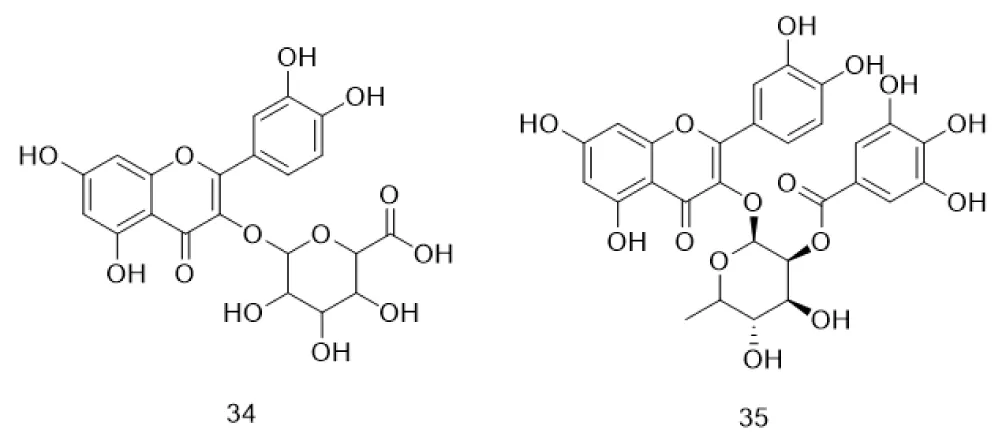
Q-3-O-(2″-gallate)-α-l-rhamnopyranoside (QGR, Compound 35, figure 14) is a new Q derivative isolated from Acer ginnala Maxim leaves. In a research work by Park EJ, et al. [97] the results showed that QGR treatment decreased the mRNA levels of iNOS and COX-2. Topical QGR significantly decreased iNOS and COX-2 mRNA expression in the skin. QGR also significantly reduced the increase in total plasma IgE and eosinophils. Moreover, topical application of QGR reduced the expression of the cytokines IL-4,5 and 13, which were induced by Df ointment stimulation. Topical application of QGR reduced Df-induced AD-like inflammatory responses. These results demonstrate that QGR may be beneficial in the treatment of AD.
Quercetin and Toxins
Arsenite (Compound 36, figure 15) is a renowned metalloid carcinogen that is significantly associated with an elevated risk of carcinoma of the liver. Arsenite was discovered to stimulate PGE2 production in liver epithelial cells. The preliminary treatment with Q was observed to inhibit arsenite-induced COX-2 activity, resulting in PGE2 generation. Q reduced arsenite-induced phosphorylation of Akt, p70S6K, and ERK. Q was additionally found to inhibit arsenite-induced PI3-K activity upstream of Akt in RLE cell lysates. Likewise, LY294002 (a PI3K inhibitor; figure 6), dramatically decreased PGE2 generation in arsenite-treated RLE cells [98].
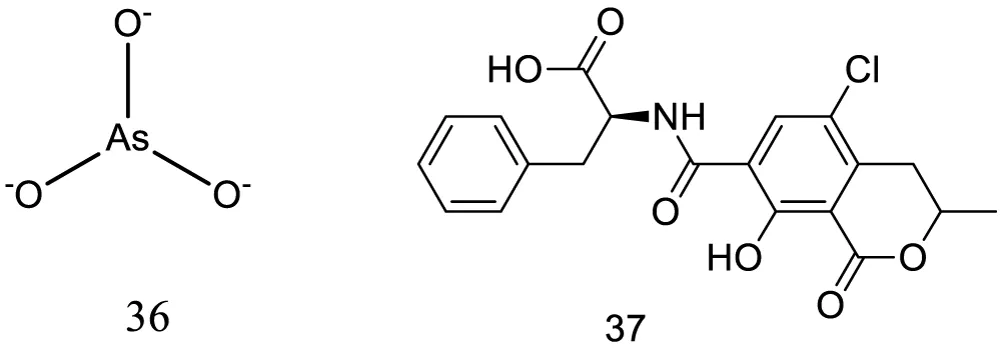
Ochratoxin A (OTA, Compound 37, figure 15) is a mycotoxin, causes significant cell damage, and its toxicity is fairly well understood. Apparently, oxidative stress is thought to play a role. The study by Ramyaa P, et al. [99] attempted to unravel the sequence of various molecular pathways for ochratoxin-induced toxic effects, as well as the cytoprotective impact of Q on OTA-induced toxicity. Pre-treatment with Q decreased ROS, calcium discharge, and NF-κB expression. Q enhanced Nrf-2 nuclear translocation and expression. Its anti-inflammatory activities were proven when it inhibited COX-2. Q's anti-genotoxic properties were established by its capacity to mitigate DNA damage and micronucleus production. Actually, Q reduced the OTA-induced oxidative stress and redox signaling in HepG2 cells.
Quercetin as a Novel Antimicrobial Agent
The antibacterial and antiviral activities of Q have been widely explored. Some of the studies have recruited new-age pharmaceutical formulations of Q. In a research study, antibacterial and antiviral properties of Q-enriched lecithin formulations were shown to be superior to Q, most likely due to synergy between polar lipids and Q. Q-enriched lecithin formulations demonstrated excellent antibacterial activity when compared to native lecithin and Q, separately. Elevated Q amount in the aforementioned formulation resulted in enhanced antibacterial activity. In addition, the Q-enriched lecithin formulation demonstrated strong antibacterial efficacy against gram-positive bacteria. For instance, Q-enriched lecithin formulation had a dramatic influence on protein production in cells of Bacillus subtilis [100]. Güran M, et al. [101] investigated the combinatory anti-inflammatory interactions between Q and CUR, as well as their combination antibacterial efficacy against Methicillin-Resistant Staphylococcus Aureus (MRSA). The combination of Q and CUR significantly reduced COX-2 levels and inhibited NFκβ activation in cells, equivalent to greater doses of Q and C separately. The Q-CUR treatment was also observed to cause a considerable decrease in NO generation. The checkerboard test revealed that a blend of Q and CUR is more effective in destroying MRSA. Propionibacterium acnes (P. acnes) is a major skin bacterial pathogen that contributes to the development of acne inflammation. Acne has been found to originate from an inflammatory genesis. Many inflammatory mediators, particularly COX-2, have a role in the progression of this illness. Lim HJ, et al. [101] studied the effects of Q on P. acnes-induced inflammatory acne disease. The findings revealed that Q inhibited the generation of pro-inflammatory cytokines in P. acnes-stimulated cell lines including HaCaT, THP-1, and RAW 264.7. Q also inhibited TLR-2 expression and activation of p38, ERK, and JNK in P. acnes-stimulated HaCaT and THP1 cells. It also reduced MMP-9 messenger RNA levels in two cell lines subjected to P. acnes [102].
Quercetin as a Cardioprotective Agent
The primary cause of death in the older population is age-related cardiovascular disease. Celecoxib (Figure 3) is a selective COX-2 inhibitor that is used for the treatment of osteoarthritis and rheumatoid arthritis. However, numerous coxibs have been withdrawn due to severe cardiovascular events. COX-2 has COX and Peroxidase (POX) sites. Recently, it was shown that Q-like flavonoid Compounds containing OH groups in their B-rings work as COX-2 activators via binding to the POX site. Flavonols similar to Galangin (Compound 38, figure 16) inhibited COX-2. Unexpectedly, Nabumetone (Figure 3), Flurbiprofen Axetil (Figure 3), Piketoprofen-Amide (Figure 3), and Nepafenac (Figure 3) are ester prodrugs that block COX-2. Combining galangin-like flavonol Compounds with these prodrugs might lead to the creation of new COX-2 inhibitors [103].
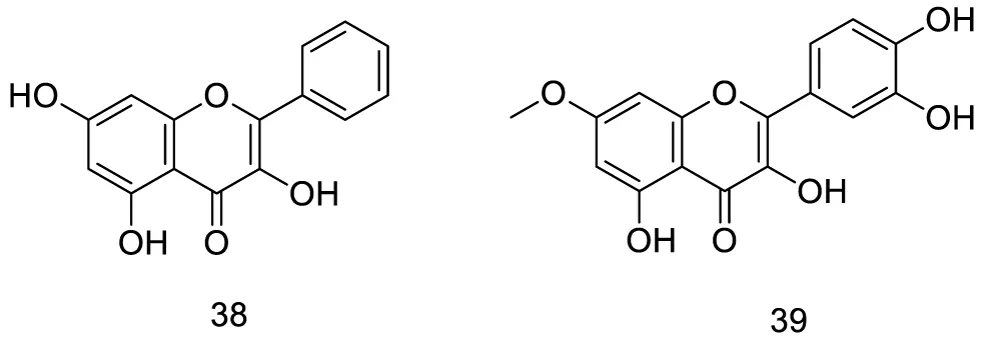
Q and its principal derivatives, including rhamnetin (Compound 39, figure 16) and rutin (Compound 20, figure 8), have been shown to have beneficial effects on the cardiovascular system. Ferenczyova KB, et al. [104] present a complicated picture of the most recent information on the effects of Q and its derivatives in many forms of cardiac damage, primarily ischemia-reperfusion injury of the heart. It appears that Q and its analogs inherit considerable cardioprotective effects in a variety of experimental models of heart damage, most likely due to their antioxidant, COX-2 inhibitory, and molecular pathway modifying properties.
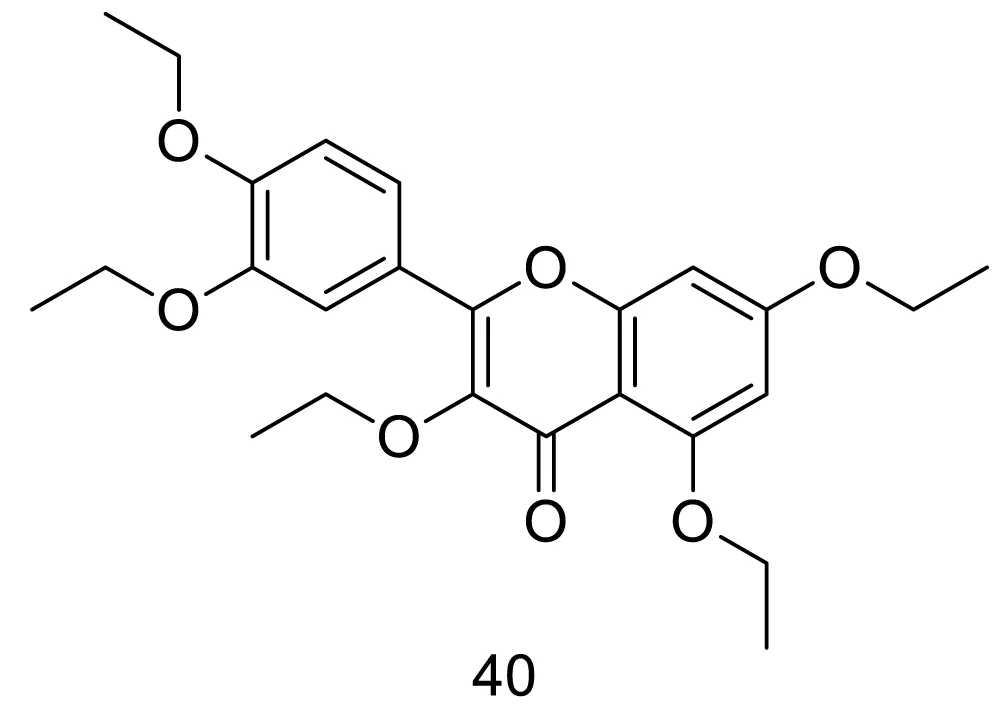
Q is endowed with a cardioprotective action against myocardial ischemia injury by inhibiting Angiotensin-Converting Enzyme (ACE) activity and promoting vascular relaxation. In a research on the synthesis of five distinct Q analogs, some novel analogs were synthesized and assessed by replacing all OH groups with hydrophobic functional moieties. Only the ethyl analog (Compound 40, figure 17) was shown to lower left ventricular pressure among the Q derivatives. Considering all the acquired results, the ethyl derivative may represent a suitable candidate for therapeutic usage in hypertension [105].
Quercetin as a Neuroprotective Agent
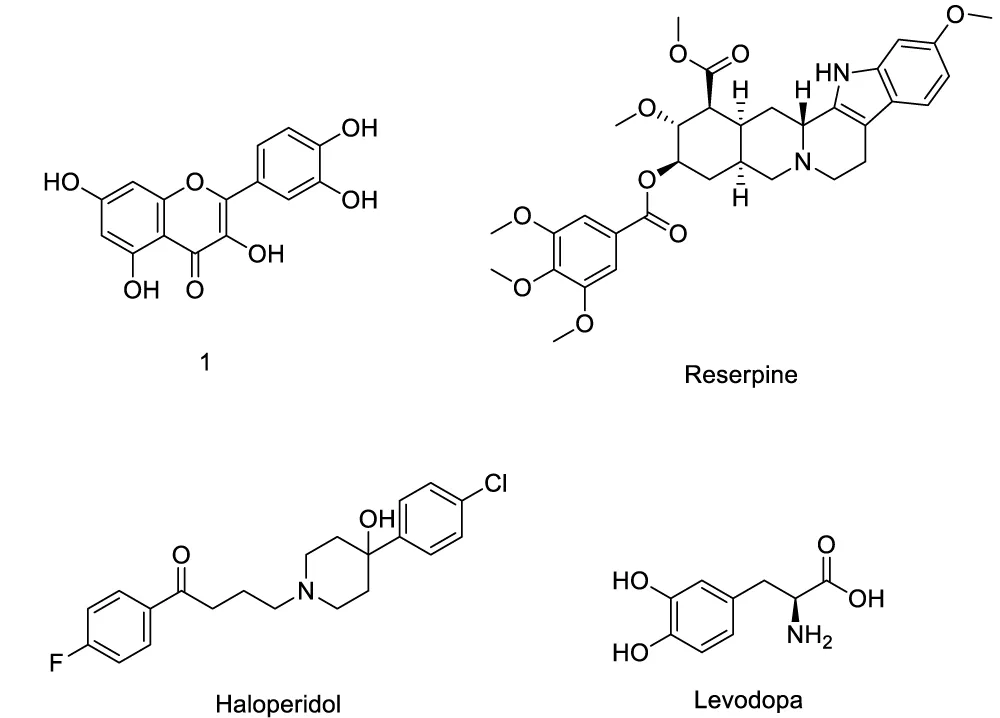
Q, according to current research, is a possible therapeutic option in the management of nervous system diseases due to its protective function against oxidative stress including neurological inflammation. Q modulates a variety of molecular signals, notably ion channels, neuroreceptors, as well as neurotrophic and antioxidative signaling molecules. Though the research of Q in neurological diseases has concentrated on a variety of target molecules, the effect of Q in specific molecular targets such as G-protein-coupled receptors and enzymes such as COX-2 has yet to be completely investigated [106,107]. The goal of a study by Pany SA, et al. [108] was to investigate Q's neuroprotective effects in an animal model of neurodegeneration. In the haloperidol (Figure 18) induced catalepsy model, the elevated cataleptic score was dramatically decreased by both the conventional treatment levodopa (Figure 18) and the test drug Q. The increased frequency of vacuous chewing motions seen after reserpine delivery (Figure 18) was reversed with Q therapy. Q substantially corrected the reserpine-induced lower actophotometer activity score. The treatment of Q lowered lipid peroxidation and raised glutathione levels, reversing the toxicity of MPTP.
Spinal cord damage has a convoluted cause, including oxidative stress, inflammation, cell death, and autophagy. Q has lately attracted a lot of interest due to its positive impact on neurodegenerative diseases. Multiple studies of preclinical research showed its neuroprotective effects [109]. Shi and colleagues developed an experiment to investigate the effects of Q, and its analogs on high glucose-induced apoptosis in cultured Dorsal Root Ganglion (DRG) neurons. Hyperglycemia therapy significantly accelerated DRG neuron death by raising intracellular ROS levels and activating the NF-κB pathway. Q immediately scavenged ROS and dramatically enhanced the expression of Nrf-2 and HO-1 in DRG neurons. Q blocked NF-κB signaling and reduced production of iNOS, COX-2, IL-6, and TNF-α90 in neurons [109]. Depression is a global health condition with increasing incidence and substantial consequences for sufferers' everyday lives. However, the adverse effects of modern antidepressants significantly impair patient compliance. Chen and colleagues' study highlights the data supporting the pharmaceutical use of Q to treat depression. They elucidated how Q regulates neurotransmitter levels, promotes hippocampus neuron regeneration, and improves Hypothalamic-Pituitary-Adrenal (HPA) axis dysfunction [110].
Expert Opinion
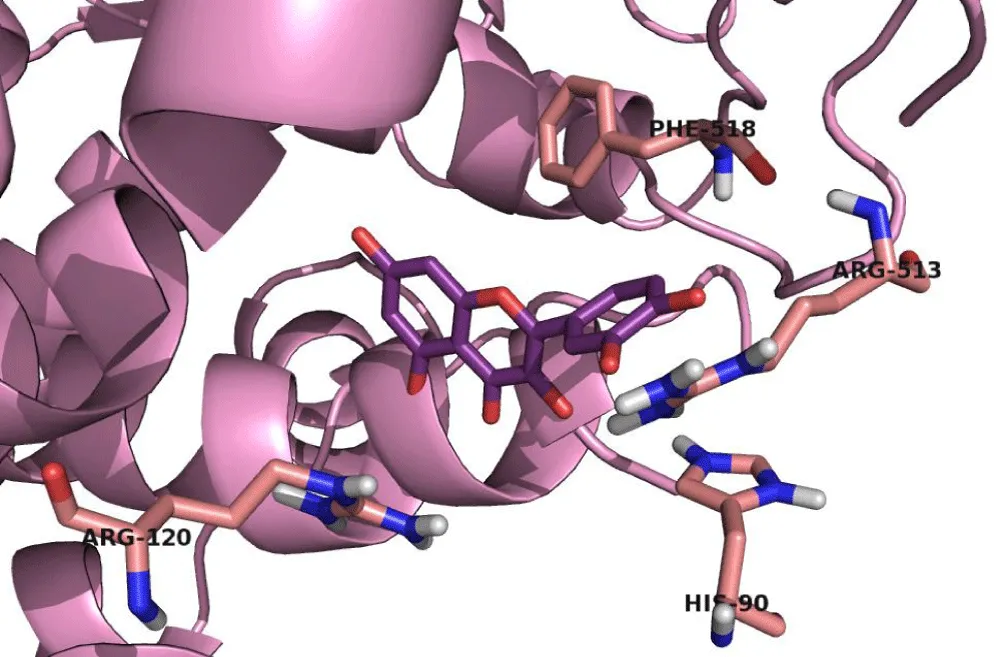
Q is a naturally produced flavonoid found in a variety of fruits, vegetables, plants, and grains. It pertains to the polyphenol class of phytochemicals. Quercetin, being among the most researched dietary flavonoids, has sparked widespread scientific attention due to its various biological activity and possible health advantages. Q has high antioxidant, anti-inflammatory, antiviral, and anticancer characteristics, making it a potential molecule for the prevention and treatment of a variety of chronic illnesses, such as cardiovascular problems, neurological ailments, and some forms of cancer. Its antioxidant action originates from its capacity to scavenge free radicals and regulate critical cellular signaling pathways such as the cyclooxygenase pathway. Quercetin has also been shown to alter immunological function and may help to reduce allergy responses and oxidative stress-related damage. A graphical rendering of the binding mode of Q to the active site of COX-1 is represented in the figure 19. The binding interactions are depicted in detail. Q forms hydrogen bonds with ARG513, HIS90, and ARG120 as presented. Moreover, the aromatic core can bind with the aromatic side chain of PHE518. These findings proved that Q has the potential to inhibit COX-2 through binding with the active site critical residues. As discussed earlier, Q acts as a cancer chemopreventive agent through a diverse set of mechanisms, one of them is suppressing COX-2. As represented in figure 17, COX-2 produced PGE2 may induce angiogenesis. Suppressing COX-2 may act as an antiangiogenic factor through inhibiting COX-2 (Figure 20).
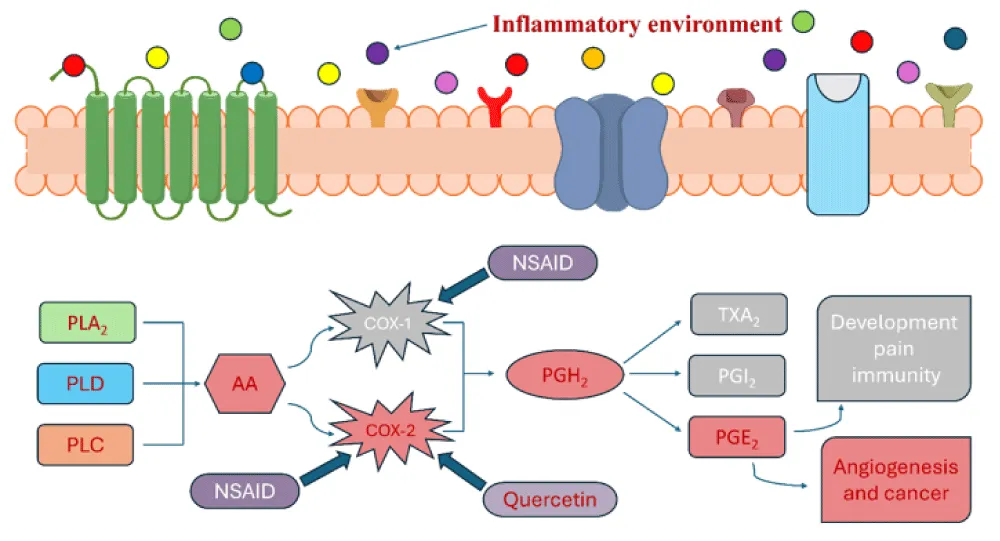
Q acts also via inhibiting PI3K, mTOR, and Akt signaling pathways. Moreover, Q may show anticancer effects through suppressing VEGF, and PARP enzyme activities (Figure 21). All these signaling pathways play major roles in cancer pathogenesis. The signaling pathway consisting of sequential PI3K/AKT/mTOR, is an intracellular signaling mechanism that regulates the cell cycle. The pathway is intimately linked to cellular slumber, proliferating, cancer, and lifespan. Hence, its inhibition in part by PTEN, and somehow by the use of Q and its analogs may be a good choice to combat with tumor development.
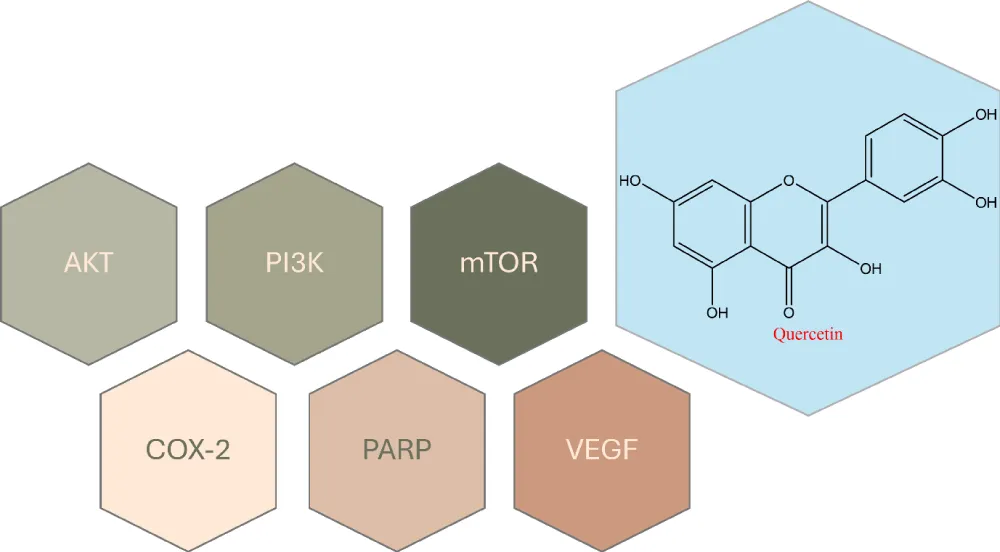
Q and its novel analogs are also potential inhibitors for the VEGF. VEGF, is a protein produced by many cells stimulates the formation of blood vessels. VEGF is a sub-family of growth factors, crucial in angiogenesis. It is part of the system that restores the oxygen supply to tissues when blood circulation is inadequate. Solid tumors may not grow beyond a limited size without an adequate blood supply, thus cancer cells that may express VEGF are able to grow and metastasize. Suppression of VEGF by Q may act as a strategy against cancer cells.
Q promotes apoptosis by decreasing antiapoptotic proteins and activating apoptotic agents such as P53. Q may stimulate apoptotic cell death in malignant cells while allowing normal cells to thrive. Nonetheless, Q is a molecule with poor bioavailability and limited water solubility, which limits its application as a medicinal agent. The bioavailability of quercetin can be considerably increased if it is transformed into a new generation of Q analogs, as it has been. In recent years, a large amount of experimental data on the generation of novel Q analogs has been collected.
Q analogs are capable of inducing different responses that need to be characterized to understand how the analogs of this molecule might be useful in cancer chemoprevention. It was found that methyl ether and ester derivatives of Q are more potent against cancer development. Moreover, this new generation of Q analogs may possess more favorable pharmacokinetic properties. Many of these analogs have been proved to possess anticancer activity against many types of cancers (Figure 22).
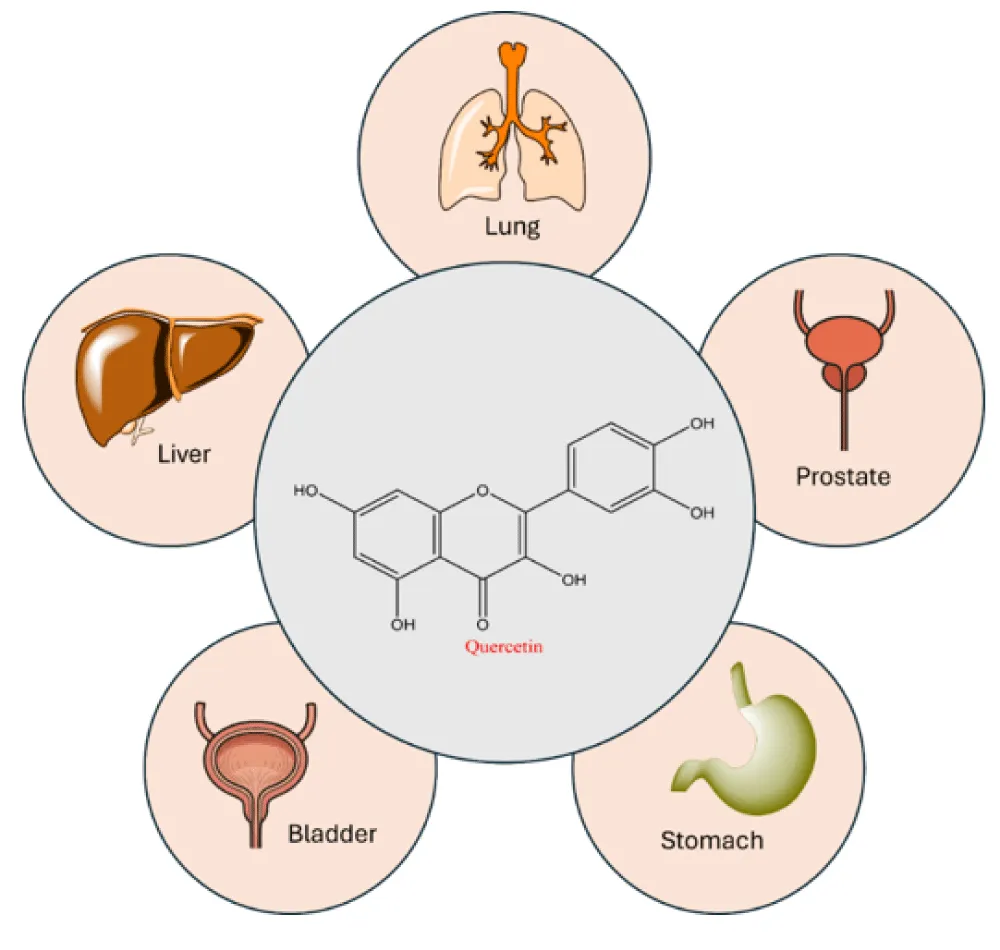
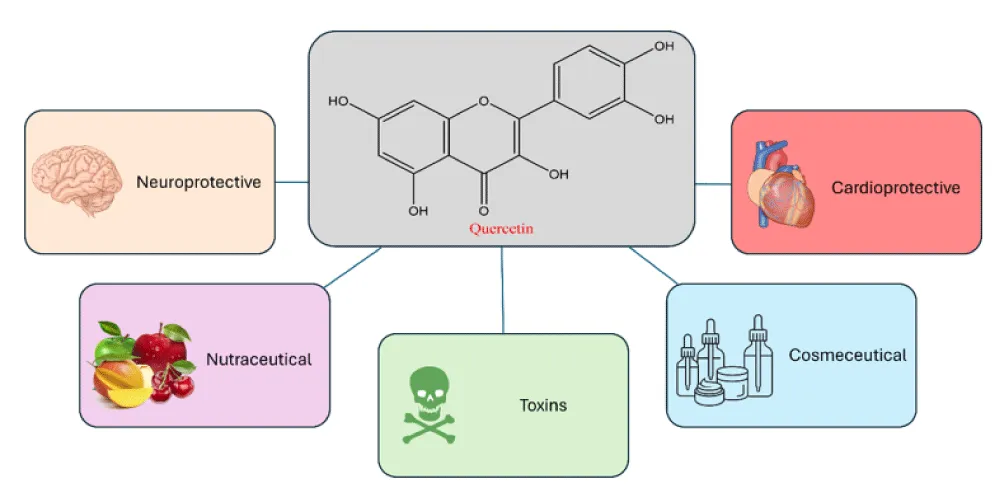
Due to the antioxidant activity of flavonoids like Q, it may scavenge oxidative toxins, including ROS. In this respect, Q is not only capable of anticancer, and cancer chemopreventive activity, but also has positive effects on the health of the nervous, and the cardiovascular system. It is protecting the skin from diseases and the damaging effects of radiation. It is also found in many dietary supplements and cosmetic products as cosmeceutical. Q is also effective in combating toxins. Many of toxins act through mitochondrial signaling pathways. Radical scavengers like flavonoids are potent agents against mitochondrial toxicity (Figure 23). Overall, Q represents a compelling subject of study in the fields of nutrition, cancer pharmacology, and food science.
References
- Mahboubi-Rabbani M, Abbasi M, Zarghi A. Natural-Derived COX-2 Inhibitors as Anticancer Drugs: A Review of their Structural Diversity and Mechanism of Action. Anticancer Agents Med Chem. 2023;23(1):15-36. doi: 10.2174/1389450123666220516153915. PMID: 35638275.
- Mahboubi-Rabbani M, Abdolghaffari AH, Ghesmati M, Amini A, Zarghi A. Selective COX-2 inhibitors as anticancer agents: a patent review (2018-2023). Expert Opin Ther Pat. 2024 Sep;34(9):733-757. doi: 10.1080/13543776.2024.2373771. Epub 2024 Jul 3. PMID: 38958471.
- Tajdari M, Peyrovinasab A, Bayanati M, Ismail Mahboubi Rabbani M, Abdolghaffari AH, Zarghi A. Dual COX-2/TNF-α Inhibitors as Promising Anti-inflammatory and Cancer Chemopreventive Agents: A Review. Iran J Pharm Res. 2024 Oct 29;23(1):e151312. doi: 10.5812/ijpr-151312. PMID: 39830670; PMCID: PMC11742592.
- Mahboubi-Rabbani M, Zarghi A. Dual Human Carbonic Anhydrase/Cyclooxygenase-2 Inhibitors: A Promising Approach for Cancer Treatment. Anticancer Agents Med Chem. 2021 Oct 28;21(16):2163-2180. doi: 10.2174/1871520621666210129093116. PMID: 33511940.
- Mahboubi-Rabbani M, Zarei R, Baradaran M, Bayanati M, Zarghi A. Chalcones as Potential Cyclooxygenase-2 Inhibitors: A Review. Anticancer Agents Med Chem. 2024;24(2):77-95. doi: 10.2174/0118715206267309231103053808. PMID: 37962049.
- Mahboubi Rabbani SMI, Zarghi A. Selective COX-2 inhibitors as anticancer agents: a patent review (2014-2018). Expert Opin Ther Pat. 2019 Jun;29(6):407-427. doi: 10.1080/13543776.2019.1623880. Epub 2019 May 27. PMID: 31132889.
- Mahboubi-Rabbani M, Abdolghaffari AH, Ghesmati M, Amini A, Zarghi A. Selective COX-2 inhibitors as anticancer agents: a patent review (2018-2023). Expert Opin Ther Pat. 2024 Sep;34(9):733-757. doi: 10.1080/13543776.2024.2373771. Epub 2024 Jul 3. PMID: 38958471.
- Mahboubi Rabbani SMI, Zarghi A. Selective COX-2 inhibitors as anticancer agents: a patent review (2014-2018). Expert Opin Ther Pat. 2019 Jun;29(6):407-427. doi: 10.1080/13543776.2019.1623880. Epub 2019 May 27. PMID: 31132889.
- Zou H, Ye H, Kamaraj R, Zhang T, Zhang J, Pavek P. A review on pharmacological activities and synergistic effect of quercetin with small molecule agents. Phytomedicine. 2021 Nov;92:153736. doi: 10.1016/j.phymed.2021.153736. Epub 2021 Sep 13. PMID: 34560520.
- Yousefifard M, Zali A, Zarghi A, Madani Neishaboori A, Hosseini M, Safari S. Non-steroidal anti-inflammatory drugs in management of COVID-19; A systematic review on current evidence. Int J Clin Pract. 2020 Sep;74(9):e13557. doi: 10.1111/ijcp.13557. Epub 2020 Jun 14. PMID: 32460369; PMCID: PMC7267090.
- Gasmi A, Mujawdiya PK, Lysiuk R, Shanaida M, Peana M, Gasmi Benahmed A, Beley N, Kovalska N, Bjørklund G. Quercetin in the Prevention and Treatment of Coronavirus Infections: A Focus on SARS-CoV-2. Pharmaceuticals (Basel). 2022 Aug 25;15(9):1049. doi: 10.3390/ph15091049. PMID: 36145270; PMCID: PMC9504481.
- Ziaei S, Alimohammadi-Kamalabadi M, Hasani M, Malekahmadi M, Persad E, Heshmati J. The effect of quercetin supplementation on clinical outcomes in COVID-19 patients: A systematic review and meta-analysis. Food Sci Nutr. 2023 Sep 26;11(12):7504-7514. doi: 10.1002/fsn3.3715. PMID: 38107099; PMCID: PMC10724618.
- Ho WY, Shen ZH, Chen Y, Chen TH, Lu X, Fu YS. Therapeutic implications of quercetin and its derived-products in COVID-19 protection and prophylactic. Heliyon. 2024 Apr 30;10(9):e30080. doi: 10.1016/j.heliyon.2024.e30080. PMID: 38765079; PMCID: PMC11098804.
- Ho WY, Shen ZH, Chen Y, Chen TH, Lu X, Fu YS. Therapeutic implications of quercetin and its derived-products in COVID-19 protection and prophylactic. Heliyon. 2024 Apr 30;10(9):e30080. doi: 10.1016/j.heliyon.2024.e30080. PMID: 38765079; PMCID: PMC11098804.
- Di Petrillo A, Orrù G, Fais A, Fantini MC. Quercetin and its derivates as antiviral potentials: A comprehensive review. Phytother Res. 2022 Jan;36(1):266-278. doi: 10.1002/ptr.7309. Epub 2021 Oct 28. PMID: 34709675; PMCID: PMC8662201.
- Xiao X, Shi D, Liu L, Wang J, Xie X, Kang T, Deng W. Quercetin suppresses cyclooxygenase-2 expression and angiogenesis through inactivation of P300 signaling. PLoS One. 2011;6(8):e22934. doi: 10.1371/journal.pone.0022934. Epub 2011 Aug 8. PMID: 21857970; PMCID: PMC3152552.
- Hasan AMW. Quercetin promises anticancer activity through PI3K-AKT-mTOR pathway: A literature review. Pharmacological Research. 2025;7:100206.
- Bruning A. Inhibition of mTOR signaling by quercetin in cancer treatment and prevention. Anticancer Agents Med Chem. 2013 Sep;13(7):1025-31. doi: 10.2174/18715206113139990114. PMID: 23272907.
- Guo C, Hou GQ, Li XD, Xia X, Liu DX, Huang DY, Du SX. Quercetin triggers apoptosis of lipopolysaccharide (LPS)-induced osteoclasts and inhibits bone resorption in RAW264.7 cells. Cell Physiol Biochem. 2012;30(1):123-36. doi: 10.1159/000339052. Epub 2012 Jan 8. PMID: 22759961.
- Crespo I, García-Mediavilla MV, Gutiérrez B, Sánchez-Campos S, Tuñón MJ, González-Gallego J. A comparison of the effects of kaempferol and quercetin on cytokine-induced pro-inflammatory status of cultured human endothelial cells. Br J Nutr. 2008 Nov;100(5):968-76. doi: 10.1017/S0007114508966083. Epub 2008 Apr 8. PMID: 18394220.
- Khoswanto C. Molecular docking analysis of quercetin and diclofenac as COX-2 potential inhibitors. Journal of International Dental and Medical Research. 2022;15:552-555.
- Wang L, Wu H, Xiong L, Liu X, Yang N, Luo L, Qin T, Zhu X, Shen Z, Jing H, Chen J. Quercetin Downregulates Cyclooxygenase-2 Expression and HIF-1α/VEGF Signaling-Related Angiogenesis in a Mouse Model of Abdominal Aortic Aneurysm. Biomed Res Int. 2020 Aug 22;2020:9485398. doi: 10.1155/2020/9485398. PMID: 32908926; PMCID: PMC7463408.
- Mondal A, Maity TK, Bishayee A. Analgesic and Anti-Inflammatory Activities of Quercetin-3-methoxy-4'-glucosyl-7-glucoside Isolated from Indian Medicinal Plant Melothria heterophylla. Medicines (Basel). 2019 May 27;6(2):59. doi: 10.3390/medicines6020059. PMID: 31137810; PMCID: PMC6631596.
- Sarkar P, Hayes BE. Protective effect of quercetin on acrolein-induced COX-2 expression in lung epithelial cells. Toxicological & Environmental Chemistry. 2013;95(5):837-845.
- Goyal A, Agrawal N. Quercetin: A Potential Candidate for the Treatment of Arthritis. Curr Mol Med. 2022;22(4):325-335. doi: 10.2174/1566524021666210315125330. PMID: 33719956.
- Sotnikova R, Nosalova V, Navarova J. Efficacy of quercetin derivatives in prevention of ulcerative colitis in rats. Interdiscip Toxicol. 2013 Mar;6(1):9-12. doi: 10.2478/intox-2013-0002. PMID: 24170973; PMCID: PMC3795315.
- Lesjak M. Antioxidant and anti-inflammatory activities of quercetin and its derivatives. Journal of functional foods. 2018;40:68-75.
- Puangpraphant S, de Mejia EG. Saponins in yerba mate tea ( Ilex paraguariensis A. St.-Hil) and quercetin synergistically inhibit iNOS and COX-2 in lipopolysaccharide-induced macrophages through NFkappaB pathways. J Agric Food Chem. 2009 Oct 14;57(19):8873-83. doi: 10.1021/jf902255h. PMID: 19807157.
- Tóth Š, Jonecová Z, Čurgali K, Maretta M, Šoltés J, Švaňa M, Kalpadikis T, Caprnda M, Adamek M, Rodrigo L, Kruzliak P. Quercetin attenuates the ischemia reperfusion induced COX-2 and MPO expression in the small intestine mucosa. Biomed Pharmacother. 2017 Nov;95:346-354. doi: 10.1016/j.biopha.2017.08.038. Epub 2017 Sep 12. PMID: 28858733.
- Carlsen I, Frøkiær J, Nørregaard R. Quercetin attenuates cyclooxygenase-2 expression in response to acute ureteral obstruction. Am J Physiol Renal Physiol. 2015 Jun 1;308(11):F1297-305. doi: 10.1152/ajprenal.00514.2014. Epub 2015 Mar 25. PMID: 25810437.
- Brito AF, Ribeiro M, Abrantes AM, Pires AS, Teixo RJ, Tralhão JG, Botelho MF. Quercetin in Cancer Treatment, Alone or in Combination with Conventional Therapeutics? Curr Med Chem. 2015;22(26):3025-39. doi: 10.2174/0929867322666150812145435. PMID: 26264923.
- Raja SB, Rajendiran V, Kasinathan NK, P A, Venkatabalasubramanian S, Murali MR, Devaraj H, Devaraj SN. Differential cytotoxic activity of Quercetin on colonic cancer cells depends on ROS generation through COX-2 expression. Food Chem Toxicol. 2017 Aug;106(Pt A):92-106. doi: 10.1016/j.fct.2017.05.006. Epub 2017 May 4. PMID: 28479391.
- D’Mello P. Modeling of COX-2 inhibitory activity of flavonoids. Int J Pharm Pharm Sci. 2011;3(4):33-40.
- Granado-Serrano AB, Martín MÁ, Bravo L, Goya L, Ramos S. Quercetin attenuates TNF-induced inflammation in hepatic cells by inhibiting the NF-κB pathway. Nutr Cancer. 2012;64(4):588-98. doi: 10.1080/01635581.2012.661513. Epub 2012 Mar 27. PMID: 22452660.
- Sezer ED, Oktay LM, Karadadaş E, Memmedov H, Selvi Gunel N, Sözmen E. Assessing Anticancer Potential of Blueberry Flavonoids, Quercetin, Kaempferol, and Gentisic Acid, Through Oxidative Stress and Apoptosis Parameters on HCT-116 Cells. J Med Food. 2019 Nov;22(11):1118-1126. doi: 10.1089/jmf.2019.0098. Epub 2019 Jun 26. PMID: 31241392.
- Narayan SR, Hurta RA. Cranberry extract and quercetin modulate the expression of cyclooxygenase‐2 (COX‐2) and IκBα in human colon cancer cells. Journal of the Science of Food and Agriculture. 2009;89(3):542-547.
- Zizkova P, Stefek M, Rackova L, Prnova M, Horakova L. Novel quercetin derivatives: From redox properties to promising treatment of oxidative stress related diseases. Chem Biol Interact. 2017 Mar 1;265:36-46. doi: 10.1016/j.cbi.2017.01.019. Epub 2017 Jan 28. PMID: 28137512.
- Mui UN, Haley CT, Tyring SK. Viral Oncology: Molecular Biology and Pathogenesis. J Clin Med. 2017 Nov 29;6(12):111. doi: 10.3390/jcm6120111. PMID: 29186062; PMCID: PMC5742800.
- Ahmed K, Jha S. Oncoviruses: How do they hijack their host and current treatment regimes. Biochim Biophys Acta Rev Cancer. 2023 Sep;1878(5):188960. doi: 10.1016/j.bbcan.2023.188960. Epub 2023 Jul 27. PMID: 37507056.
- Lee HH, Lee S, Shin YS, Cho M, Kang H, Cho H. Anti-Cancer Effect of Quercetin in Xenograft Models with EBV-Associated Human Gastric Carcinoma. Molecules. 2016 Sep 26;21(10):1286. doi: 10.3390/molecules21101286. PMID: 27681719; PMCID: PMC6274130.
- Kim J, Harper A, McCormack V, Sung H, Houssami N, Morgan E, Mutebi M, Garvey G, Soerjomataram I, Fidler-Benaoudia MM. Global patterns and trends in breast cancer incidence and mortality across 185 countries. Nat Med. 2025 Apr;31(4):1154-1162. doi: 10.1038/s41591-025-03502-3. Epub 2025 Feb 24. PMID: 39994475.
- Chekuri S, Vyshnava SS, Somisetti SL, Cheniya SBK, Gandu C, Anupalli RR. Isolation and anticancer activity of quercetin from Acalypha indica L. against breast cancer cell lines MCF-7 and MDA-MB-231. 3 Biotech. 2023 Aug;13(8):289. doi: 10.1007/s13205-023-03705-w. Epub 2023 Aug 2. PMID: 37547624; PMCID: PMC10397153.
- Khazaei M. Quercetin and raloxifene effect on breast cancer cell viability, migration, nitric oxide secretion and apoptotic genes expression. WCRJ. 2023;10:e2679.
- Mani R, Natesan V. Chrysin: Sources, beneficial pharmacological activities, and molecular mechanism of action. Phytochemistry. 2018 Jan;145:187-196. doi: 10.1016/j.phytochem.2017.09.016. Epub 2017 Nov 20. PMID: 29161583.
- Ramos PS, Ferreira C, Passos CLA, Silva JL, Fialho E. Effect of quercetin and chrysin and its association on viability and cell cycle progression in MDA-MB-231 and MCF-7 human breast cancer cells. Biomed Pharmacother. 2024 Oct;179:117276. doi: 10.1016/j.biopha.2024.117276. Epub 2024 Aug 14. PMID: 39146763.
- Kundur S, Prayag A, Selvakumar P, Nguyen H, McKee L, Cruz C, Srinivasan A, Shoyele S, Lakshmikuttyamma A. Synergistic anticancer action of quercetin and curcumin against triple-negative breast cancer cell lines. J Cell Physiol. 2019 Jul;234(7):11103-11118. doi: 10.1002/jcp.27761. Epub 2018 Nov 27. PMID: 30478904.
- Liu H, Lee JI, Ahn TG. Effect of quercetin on the anti-tumor activity of cisplatin in EMT6 breast tumor-bearing mice. Obstet Gynecol Sci. 2019 Jul;62(4):242-248. doi: 10.5468/ogs.2019.62.4.242. Epub 2019 Jun 19. PMID: 31338341; PMCID: PMC6629990.
- Ravishankar D, Watson KA, Boateng SY, Green RJ, Greco F, Osborn HM. Exploring quercetin and luteolin derivatives as antiangiogenic agents. Eur J Med Chem. 2015 Jun 5;97:259-74. doi: 10.1016/j.ejmech.2015.04.056. Epub 2015 Apr 29. PMID: 25984842.
- Hosseini SS, Ebrahimi SO, Haji Ghasem Kashani M, Reiisi S. Study of quercetin and fisetin synergistic effect on breast cancer and potentially involved signaling pathways. Cell Biol Int. 2023 Jan;47(1):98-109. doi: 10.1002/cbin.11942. Epub 2022 Oct 23. PMID: 36273436.
- van den Boogaard WMC, Komninos DSJ, Vermeij WP. Chemotherapy Side-Effects: Not All DNA Damage Is Equal. Cancers (Basel). 2022 Jan 26;14(3):627. doi: 10.3390/cancers14030627. PMID: 35158895; PMCID: PMC8833520.
- Lewińska A, Przybylski P, Adamczyk-Grochala J, Błoniarz D, Litwinienko G, Wnuk M. Senolysis-Based Elimination of Chemotherapy-Induced Senescent Breast Cancer Cells by Quercetin Derivative with Blocked Hydroxy Groups. Cancers (Basel). 2022 Jan 25;14(3):605. doi: 10.3390/cancers14030605. PMID: 35158873; PMCID: PMC8833762.
- Chavez KJ, Garimella SV, Lipkowitz S. Triple negative breast cancer cell lines: one tool in the search for better treatment of triple negative breast cancer. Breast Dis. 2010;32(1-2):35-48. doi: 10.3233/BD-2010-0307. PMID: 21778573; PMCID: PMC3532890.
- Nguyen LT, Lee YH, Sharma AR, Park JB, Jagga S, Sharma G, Lee SS, Nam JS. Quercetin induces apoptosis and cell cycle arrest in triple-negative breast cancer cells through modulation of Foxo3a activity. Korean J Physiol Pharmacol. 2017 Mar;21(2):205-213. doi: 10.4196/kjpp.2017.21.2.205. Epub 2017 Feb 21. PMID: 28280414; PMCID: PMC5343054.
- Vardanjani HM, Haghdoost A, Bagheri-Lankarani K, Hadipour M. Estimation and Projection of Prevalence of Colorectal Cancer in Iran, 2015-2020. Adv Biomed Res. 2018 Jan 30;7:20. doi: 10.4103/abr.abr_178_16. PMID: 29456991; PMCID: PMC5812060.
- Atashpour S, Fouladdel S, Movahhed TK, Barzegar E, Ghahremani MH, Ostad SN, Azizi E. Quercetin induces cell cycle arrest and apoptosis in CD133(+) cancer stem cells of human colorectal HT29 cancer cell line and enhances anticancer effects of doxorubicin. Iran J Basic Med Sci. 2015 Jul;18(7):635-43. PMID: 26351552; PMCID: PMC4556754.
- Erdoğan MK, Ağca CA, Aşkın H. Quercetin and Luteolin Improve the Anticancer Effects of 5-Fluorouracil in Human Colorectal Adenocarcinoma In Vitro Model: A Mechanistic Insight. Nutr Cancer. 2022;74(2):660-676. doi: 10.1080/01635581.2021.1900301. Epub 2021 Jul 26. PMID: 34309458.
- Sung MS, Lee EG, Jeon HS, Chae HJ, Park SJ, Lee YC, Yoo WH. Quercetin inhibits IL-1β-induced proliferation and production of MMPs, COX-2, and PGE2 by rheumatoid synovial fibroblast. Inflammation. 2012 Aug;35(4):1585-94. doi: 10.1007/s10753-012-9473-2. PMID: 22592909.
- Lee GB, Kim Y, Lee KE, Vinayagam R, Singh M, Kang SG. Anti-Inflammatory Effects of Quercetin, Rutin, and Troxerutin Result From the Inhibition of NO Production and the Reduction of COX-2 Levels in RAW 264.7 Cells Treated with LPS. Appl Biochem Biotechnol. 2024 Dec;196(12):8431-8452. doi: 10.1007/s12010-024-05003-4. Epub 2024 Aug 3. PMID: 39096472.
- Zhang H, Zhang M, Yu L, Zhao Y, He N, Yang X. Antitumor activities of quercetin and quercetin-5',8-disulfonate in human colon and breast cancer cell lines. Food Chem Toxicol. 2012 May;50(5):1589-99. doi: 10.1016/j.fct.2012.01.025. Epub 2012 Jan 27. PMID: 22310237.
- Wang R, Zhang H, Wang Y, Song F, Yuan Y. Inhibitory effects of quercetin on the progression of liver fibrosis through the regulation of NF-кB/IкBα, p38 MAPK, and Bcl-2/Bax signaling. Int Immunopharmacol. 2017 Jun;47:126-133. doi: 10.1016/j.intimp.2017.03.029. Epub 2017 Apr 6. PMID: 28391159.
- Abdu S, Juaid N, Amin A, Moulay M, Miled N. Effects of Sorafenib and Quercetin Alone or in Combination in Treating Hepatocellular Carcinoma: In Vitro and In Vivo Approaches. Molecules. 2022 Nov 21;27(22):0. doi: 10.3390/molecules27228082. PMID: 36432184; PMCID: PMC9697794.
- Xiao J, Niu G, Yin S, Xie S, Li Y, Nie D, Ma L, Wang X, Wu Y. The role of AMP-activated protein kinase in quercetin-induced apoptosis of HL-60 cells. Acta Biochim Biophys Sin (Shanghai). 2014 May;46(5):394-400. doi: 10.1093/abbs/gmu014. Epub 2014 Apr 4. PMID: 24705122.
- Turner ND, Paulhill KJ, Warren CA, Davidson LA, Chapkin RS, Lupton JR, Carroll RJ, Wang N. Quercetin Suppresses Early Colon Carcinogenesis Partly through Inhibition of Inflammatory Mediators. Acta Hortic. 2009;841:237-242. doi: 10.17660/actahortic.2009.841.28. PMID: 20396589; PMCID: PMC2854410.
- Warren CA, Paulhill KJ, Davidson LA, Lupton JR, Taddeo SS, Hong MY, Carroll RJ, Chapkin RS, Turner ND. Quercetin may suppress rat aberrant crypt foci formation by suppressing inflammatory mediators that influence proliferation and apoptosis. J Nutr. 2009 Jan;139(1):101-5. doi: 10.3945/jn.108.096271. Epub 2008 Dec 3. Erratum in: J Nutr. 2009 Apr;139(4):792. PMID: 19056647; PMCID: PMC2714375.
- Zhang M, Lu A, Wang H, Yang J. Quercetin downregulates the expression of IL15 in cancer cells through DNA methylation. Eur Rev Med Pharmacol Sci. 2023 Mar;27(6):2580-2590. doi: 10.26355/eurrev_202303_31795. PMID: 37013776.
- Min SY, Hwang SY, Jung YO, Jeong J, Park SH, Cho CS, Kim HY, Kim WU. Increase of cyclooxygenase-2 expression by interleukin 15 in rheumatoid synoviocytes. J Rheumatol. 2004 May;31(5):875-83. PMID: 15124245.
- Li T, Li Y. Quercetin acts as a novel anti-cancer drug to suppress cancer aggressiveness and cisplatin-resistance in nasopharyngeal carcinoma (NPC) through regulating the yes-associated protein/Hippo signaling pathway. Immunobiology. 2023 Mar;228(2):152324. doi: 10.1016/j.imbio.2022.152324. Epub 2022 Dec 30. PMID: 36608594.
- Li N, Wang J. Quercetin induces cytotoxicity and apoptosis, reduces metastasis and drug resistance in oral cancer cells. Turkish Journal of Biochemistry. 2024;49(2):148-156.
- Sher EK, Džidić-Krivić A, Sesar A, Farhat EK, Čeliković A, Beća-Zećo M, Pinjic E, Sher F. Current state and novel outlook on prevention and treatment of rising antibiotic resistance in urinary tract infections. Pharmacol Ther. 2024 Sep;261:108688. doi: 10.1016/j.pharmthera.2024.108688. Epub 2024 Jul 6. PMID: 38972453.
- Gupta R, Kazmi I, Afzal M, Khan R, Chauhan M, Al-Abbasi FA, Ahmad A, Anwar F. Combination of sulfamethoxazole and selenium in anticancer therapy: a novel approach. Mol Cell Biochem. 2013 Dec;384(1-2):279-85. doi: 10.1007/s11010-013-1811-7. Epub 2013 Sep 20. PMID: 24052147.
- Vaickelionienė R, Petrikaitė V, Vaškevičienė I, Pavilonis A, Mickevičius V. Synthesis of novel sulphamethoxazole derivatives and exploration of their anticancer and antimicrobial properties. PLoS One. 2023 Mar 23;18(3):e0283289. doi: 10.1371/journal.pone.0283289. PMID: 36952512; PMCID: PMC10035904.
- Sahyon HAE, Ramadan ENM, Althobaiti F, Mashaly MMA. Anti-proliferative effects of the combination of Sulfamethoxazole and Quercetin via caspase3 and NFkB gene regulation: an in vitro and in vivo study. Naunyn Schmiedebergs Arch Pharmacol. 2022 Feb;395(2):227-246. doi: 10.1007/s00210-021-02174-3. Epub 2022 Jan 7. PMID: 34994822.
- Jagadeesan D, Sathasivam KV, Fuloria NK, Balakrishnan V, Khor GH, Ravichandran M, Solyappan M, Fuloria S, Gupta G, Ahlawat A, Yadav G, Kaur P, Husseen B. Comprehensive insights into oral squamous cell carcinoma: Diagnosis, pathogenesis, and therapeutic advances. Pathol Res Pract. 2024 Sep;261:155489. doi: 10.1016/j.prp.2024.155489. Epub 2024 Jul 26. PMID: 39111016.
- Chen SF, Nien S, Wu CH, Liu CL, Chang YC, Lin YS. Reappraisal of the anticancer efficacy of quercetin in oral cancer cells. J Chin Med Assoc. 2013 Mar;76(3):146-52. doi: 10.1016/j.jcma.2012.11.008. Epub 2013 Jan 24. PMID: 23497967.
- Golmohammadi M, Elmaghraby DA, Ramírez-Coronel AA, Rakhimov N, Mohammed SS, Romero-Parra RM, Jawad MA, Zamanian MY, Soltani A, Taheri N, Kianifar F, Vousooghi N. A comprehensive view on the quercetin impact on bladder cancer: Focusing on oxidative stress, cellular, and molecular mechanisms. Fundam Clin Pharmacol. 2023 Oct;37(5):900-909. doi: 10.1111/fcp.12896. Epub 2023 Mar 30. PMID: 36960597.
- Tyagi A, Kamal MA, Poddar NK. Integrated Pathways of COX-2 and mTOR: Roles in Cell Sensing and Alzheimer's Disease. Front Neurosci. 2020 Jul 9;14:693. doi: 10.3389/fnins.2020.00693. PMID: 32742252; PMCID: PMC7364283.
- Testa U, Castelli G, Pelosi E. Cellular and Molecular Mechanisms Underlying Prostate Cancer Development: Therapeutic Implications. Medicines (Basel). 2019 Jul 30;6(3):82. doi: 10.3390/medicines6030082. PMID: 31366128; PMCID: PMC6789661.
- Pellegrino M, Bevacqua E, Frattaruolo L, Cappello AR, Aquaro S, Tucci P. Enhancing the Anticancer and Anti-Inflammatory Properties of Curcumin in Combination with Quercetin, for the Prevention and Treatment of Prostate Cancer. Biomedicines. 2023 Jul 18;11(7):2023. doi: 10.3390/biomedicines11072023. PMID: 37509660; PMCID: PMC10377667.
- Asgharian P, Tazehkand AP, Soofiyani SR, Hosseini K, Martorell M, Tarhriz V, Ahangari H, Cruz-Martins N, Sharifi-Rad J, Almarhoon ZM, Ydyrys A, Nurzhanyat A, Yessenbekova A, Cho WC. Quercetin Impact in Pancreatic Cancer: An Overview on Its Therapeutic Effects. Oxid Med Cell Longev. 2021 Nov 3;2021:4393266. doi: 10.1155/2021/4393266. PMID: 34777687; PMCID: PMC8580629.
- Liu ZJ, Xu W, Han J, Liu QY, Gao LF, Wang XH, Li XL. Quercetin induces apoptosis and enhances gemcitabine therapeutic efficacy against gemcitabine-resistant cancer cells. Anticancer Drugs. 2020 Aug;31(7):684-692. doi: 10.1097/CAD.0000000000000933. PMID: 32282368.
- Del Follo-Martinez A, Banerjee N, Li X, Safe S, Mertens-Talcott S. Resveratrol and quercetin in combination have anticancer activity in colon cancer cells and repress oncogenic microRNA-27a. Nutr Cancer. 2013;65(3):494-504. doi: 10.1080/01635581.2012.725194. PMID: 23530649.82. 82. Davoodvandi, A., et al., Quercetin as an anticancer agent: Focus on esophageal cancer. Journal of Food Biochemistry, 2020. 44(9): p. e13374.
- Li W, Liu M, Xu YF, Feng Y, Che JP, Wang GC, Zheng JH. Combination of quercetin and hyperoside has anticancer effects on renal cancer cells through inhibition of oncogenic microRNA-27a. Oncol Rep. 2014 Jan;31(1):117-24. doi: 10.3892/or.2013.2811. Epub 2013 Oct 24. PMID: 24173369.
- Kim SH, Kang HJ, Na H, Lee MO. Trichostatin A enhances acetylation as well as protein stability of ERalpha through induction of p300 protein. Breast Cancer Res. 2010;12(2):R22. doi: 10.1186/bcr2562. Epub 2010 Apr 13. PMID: 20388208; PMCID: PMC2879569.
- Mukhopadhyay NK, Weisberg E, Gilchrist D, Bueno R, Sugarbaker DJ, Jaklitsch MT. Effectiveness of trichostatin A as a potential candidate for anticancer therapy in non-small-cell lung cancer. Ann Thorac Surg. 2006 Mar;81(3):1034-42. doi: 10.1016/j.athoracsur.2005.06.059. PMID: 16488717.
- Chan ST, Yang NC, Huang CS, Liao JW, Yeh SL. Quercetin enhances the antitumor activity of trichostatin A through upregulation of p53 protein expression in vitro and in vivo. PLoS One. 2013;8(1):e54255. doi: 10.1371/journal.pone.0054255. Epub 2013 Jan 16. PMID: 23342112; PMCID: PMC3546961.
- Chan ST, Yang NC, Huang CS, Liao JW, Yeh SL. Quercetin enhances the antitumor activity of trichostatin A through upregulation of p53 protein expression in vitro and in vivo. PLoS One. 2013;8(1):e54255. doi: 10.1371/journal.pone.0054255. Epub 2013 Jan 16. PMID: 23342112; PMCID: PMC3546961.
- Dell'Albani P, Di Marco B, Grasso S, Rocco C, Foti MC. Quercetin derivatives as potent inducers of selective cytotoxicity in glioma cells. Eur J Pharm Sci. 2017 Apr 1;101:56-65. doi: 10.1016/j.ejps.2017.01.036. Epub 2017 Jan 30. PMID: 28153636.
- Li J, Tang C, Li L, Li R, Fan Y. Quercetin sensitizes glioblastoma to t-AUCB by dual inhibition of Hsp27 and COX-2 in vitro and in vivo. J Exp Clin Cancer Res. 2016 Apr 2;35:61. doi: 10.1186/s13046-016-0331-1. PMID: 27039073; PMCID: PMC4818891.
- Li J, Tang C, Li L, Li R, Fan Y. Quercetin sensitizes glioblastoma to t-AUCB by dual inhibition of Hsp27 and COX-2 in vitro and in vivo. J Exp Clin Cancer Res. 2016 Apr 2;35:61. doi: 10.1186/s13046-016-0331-1. PMID: 27039073; PMCID: PMC4818891.
- Wu M, Che W, Zhang Z. Enhanced sensitivity to DNA damage induced by cooking oil fumes in human OGG1 deficient cells. Environ Mol Mutagen. 2008 May;49(4):265-75. doi: 10.1002/em.20381. PMID: 18338377.
- Lin SY, Tsai SJ, Wang LH, Wu MF, Lee H. Protection by quercetin against cooking oil fumes-induced DNA damage in human lung adenocarcinoma CL-3 cells: role of COX-2. Nutr Cancer. 2002;44(1):95-101. doi: 10.1207/S15327914NC441_13. PMID: 12672646.
- Zaborowski MK, Długosz A, Błaszak B, Szulc J, Leis K. The Role of Quercetin as a Plant-Derived Bioactive Agent in Preventive Medicine and Treatment in Skin Disorders. Molecules. 2024 Jul 5;29(13):3206. doi: 10.3390/molecules29133206. PMID: 38999158; PMCID: PMC11243040.
- Silva CC, Benati RB, Massaro TNC, Pereira KC, Gaspar LR, Marcato PD. Antioxidant and anti-tyrosinase activities of quercetin-loaded olive oil nanoemulsion as potential formulation for skin hyperpigmentation. Journal of Dispersion Science and Technology, 2023;44(14):2628-2638. doi: 10.1080/01932691.2022.2116715.
- Shin EJ, Lee JS, Hong S, Lim TG, Byun S. Quercetin Directly Targets JAK2 and PKCδ and Prevents UV-Induced Photoaging in Human Skin. Int J Mol Sci. 2019 Oct 23;20(21):5262. doi: 10.3390/ijms20215262. PMID: 31652815; PMCID: PMC6862686.
- Ha AT, Rahmawati L, You L, Hossain MA, Kim JH, Cho JY. Anti-Inflammatory, Antioxidant, Moisturizing, and Antimelanogenesis Effects of Quercetin 3-O-β-D-Glucuronide in Human Keratinocytes and Melanoma Cells via Activation of NF-κB and AP-1 Pathways. Int J Mol Sci. 2021 Dec 31;23(1):433. doi: 10.3390/ijms23010433. PMID: 35008862; PMCID: PMC8745180.
- Park EJ, Kim JY, Jeong MS, Park KY, Park KH, Lee MW, Joo SS, Seo SJ. Effect of topical application of quercetin-3-O-(2″-gallate)-α-l-rhamnopyranoside on atopic dermatitis in NC/Nga mice. J Dermatol Sci. 2015 Mar;77(3):166-72. doi: 10.1016/j.jdermsci.2014.12.005. Epub 2015 Jan 3. PMID: 25617237.
- Lee KM, Hwang MK, Lee DE, Lee KW, Lee HJ. Protective effect of quercetin against arsenite-induced COX-2 expression by targeting PI3K in rat liver epithelial cells. J Agric Food Chem. 2010 May 12;58(9):5815-20. doi: 10.1021/jf903698s. PMID: 20377179.
- Ramyaa P, Krishnaswamy R, Padma VV. Quercetin modulates OTA-induced oxidative stress and redox signalling in HepG2 cells - up regulation of Nrf2 expression and down regulation of NF-κB and COX-2. Biochim Biophys Acta. 2014 Jan;1840(1):681-92. doi: 10.1016/j.bbagen.2013.10.024. Epub 2013 Oct 24. PMID: 24161694.
- Ramadan MF, Selim Asker MM. Antimicrobical and antivirial impact of novel quercetin‐enriched lecithin. Journal of Food Biochemistry, 2009;33(4):557-571. doi: 10.1111/j.1745-4514.2009.00237.x.
- 100.Güran M, Şanlıtürk G, Kerküklü NR, Altundağ EM, Süha Yalçın A. Combined effects of quercetin and curcumin on anti-inflammatory and antimicrobial parameters in vitro. Eur J Pharmacol. 2019 Sep 15;859:172486. doi: 10.1016/j.ejphar.2019.172486. Epub 2019 Jun 25. PMID: 31251919.
- 101.Lim HJ, Kang SH, Song YJ, Jeon YD, Jin JS. Inhibitory Effect of Quercetin on Propionibacterium acnes-induced Skin Inflammation. Int Immunopharmacol. 2021 Jul;96:107557. doi: 10.1016/j.intimp.2021.107557. Epub 2021 Mar 31. PMID: 33812252.
- 102.Chen W, Zhong Y, Feng N, Guo Z, Wang S, Xing D. New horizons in the roles and associations of COX-2 and novel natural inhibitors in cardiovascular diseases. Mol Med. 2021 Sep 30;27(1):123. doi: 10.1186/s10020-021-00358-4. PMID: 34592918; PMCID: PMC8482621.
- 103.Ferenczyova K, Kalocayova B, Bartekova M. Potential Implications of Quercetin and its Derivatives in Cardioprotection. Int J Mol Sci. 2020 Feb 26;21(5):1585. doi: 10.3390/ijms21051585. PMID: 32111033; PMCID: PMC7084176.
- 104.Grande F, Parisi OI, Mordocco RA, Rocca C, Puoci F, Scrivano L, Quintieri AM, Cantafio P, Ferla S, Brancale A, Saturnino C, Cerra MC, Sinicropi MS, Angelone T. Quercetin derivatives as novel antihypertensive agents: Synthesis and physiological characterization. Eur J Pharm Sci. 2016 Jan 20;82:161-70. doi: 10.1016/j.ejps.2015.11.021. Epub 2015 Dec 2. PMID: 26631584.
- 105.Jakaria M, Azam S, Jo SH, Kim IS, Dash R, Choi DK. Potential Therapeutic Targets of Quercetin and Its Derivatives: Its Role in the Therapy of Cognitive Impairment. J Clin Med. 2019 Oct 25;8(11):1789. doi: 10.3390/jcm8111789. PMID: 31717708; PMCID: PMC6912580.
- 106.Agrawal K, Chakraborty P, Dewanjee S, Arfin S, Das SS, Dey A, Moustafa M, Mishra PC, Jafari SM, Jha NK, Jha SK, Kumar D. Neuropharmacological interventions of quercetin and its derivatives in neurological and psychological disorders. Neurosci Biobehav Rev. 2023 Jan;144:104955. doi: 10.1016/j.neubiorev.2022.104955. Epub 2022 Nov 14. PMID: 36395983.
- 107.Pany S, Pal A, Sahu PK. Neuroprotective effect of quercetin in neurotoxicity induced rats: role of neuroinflammation in neurodegeneration. Asian J Pharm Clin Res. 2014;7(4):152-156.
- 108.Fakhri S, Gravandi MM, Abdian S, Moradi SZ, Echeverría J. Quercetin Derivatives in Combating Spinal Cord Injury: A Mechanistic and Systematic Review. Life (Basel). 2022 Nov 23;12(12):1960. doi: 10.3390/life12121960. PMID: 36556325; PMCID: PMC9783198.
- 109.Chen S, Tang Y, Gao Y, Nie K, Wang H, Su H, Wang Z, Lu F, Huang W, Dong H. Antidepressant Potential of Quercetin and its Glycoside Derivatives: A Comprehensive Review and Update. Front Pharmacol. 2022 Apr 8;13:865376. doi: 10.3389/fphar.2022.865376. PMID: 35462940; PMCID: PMC9024056.
- 110.Hassan B, Akcakanat A, Holder AM, Meric-Bernstam F. Targeting the PI3-kinase/Akt/mTOR signaling pathway. Surg Oncol Clin N Am. 2013 Oct;22(4):641-64. doi: 10.1016/j.soc.2013.06.008. Epub 2013 Aug 6. PMID: 24012393; PMCID: PMC3811932.




Content Alerts
SignUp to our
Content alerts.
 This work is licensed under a Creative Commons Attribution 4.0 International License.
