
2025 October 23;6(10):1540-1543. doi: 10.37871/jbres2208.
-
Subject area(s):

 |
|
 |
|
 |
|

 Case Study
Stabilization of Gas Counter Pressure in Supercritical Microcellular Injection Molding: A Case-Review
Chen SC1,2*, Wang YC1,2, Feng CT1,2 and Lee SW2,3
2R&D Center for Smart Manufacturing, Chung Yuan Christian University, Taoyuan, Taiwan
3Moldintel Co., Ltd. Taoyuan, Taiwan
- Microcellular injection molding
- Gas counter pressure
- Cell uniformity
- Green manufacturing
Abstract
MuCell® Microcellular Injection Molding (MIM) is a key green technology that reduces energy consumption and material usage while facilitating recycling. Despite its benefits, surface defects and inconsistent foaming remain challenges. Gas Counter Pressure (GCP) has been introduced to improve foam morphology, but conventional methods often suffer from pressure instability. This study investigates the impact of a stabilization device in GCP-assisted molding. Results show that stabilized GCP increases cell density by approximately 41% compared to conventional GCP, and reduces the standard deviation of cell diameter from 2.54 µm to 1.77 µm. These improvements significantly enhance cell uniformity, underscoring the broader potential of MuCell® technology in plastic manufacturing.
Introduction
Microcellular injection molding (MuCell®) has emerged as a key technology in sustainable plastic production. By introducing supercritical fluids into polymer melts, MuCell® enables the formation of microcells, which reduce material usage and improve energy efficiency. Despite its advantages, the process often results in surface defects and non-uniform cell structures, limiting its application in high-precision industries. To address these issues, Gas Counter Pressure (GCP) has been employed to suppress premature foaming and improve cell morphology. The GCP process involves sequential steps of gas inlet, mold closing with gas compression, melt filling under counter pressure, gas release, and mold opening, as illustrated in figure 1. However, conventional GCP systems frequently exhibit pressure fluctuations, which compromise foam consistency. This study explores the integration of a pressure stabilization device into the GCP system to enhance process control and product quality [1].
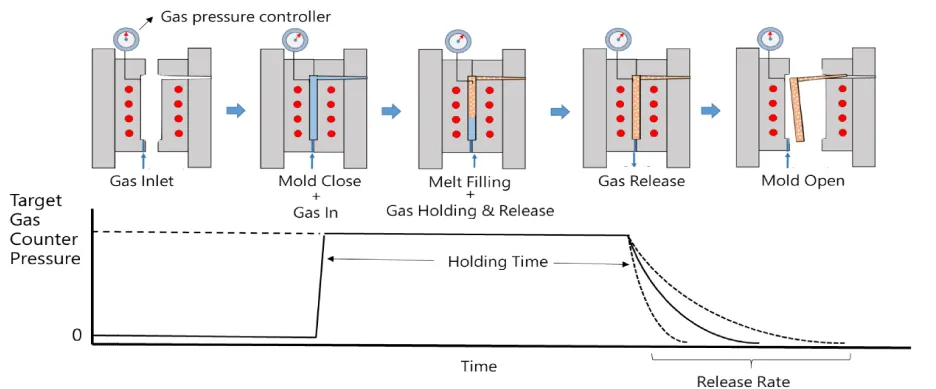
Gas Counter Pressure in MuCell®
Gas Counter Pressure (GCP) was introduced to control bubble nucleation by applying a back pressure within the mold cavity [2-5]. Chen SC, et al. [2] first demonstrated that applying GCP above a critical threshold suppresses bubble nucleation during filling, enabling smooth, transparent foamed products without a skin layer. Later, Chen SC, et al. [3] proposed a Pressure-Temperature (P-T) path strategy for precise control of cell size and distribution, enhancing structural uniformity and mechanical strength. Agustion YH, et al. [4] further validated GCP in polycarbonate, showing that ~80 bar reduced average cell size from 40 µm to 20.9 µm and doubled cell density while maintaining 30% weight reduction. For soft polymers like TPU, Chen SC, et al. [5] combined GCP with dynamic mold temperature control, achieving 50% higher cell density and up to 60% weight reduction, producing lightweight midsoles with highly uniform morphology. While GCP is effective, unstable pressure profiles can still compromise cell uniformity. However, air compression during injection also influences counter pressure, yet this has been little studied.
Experiment: Stabilization of GCP
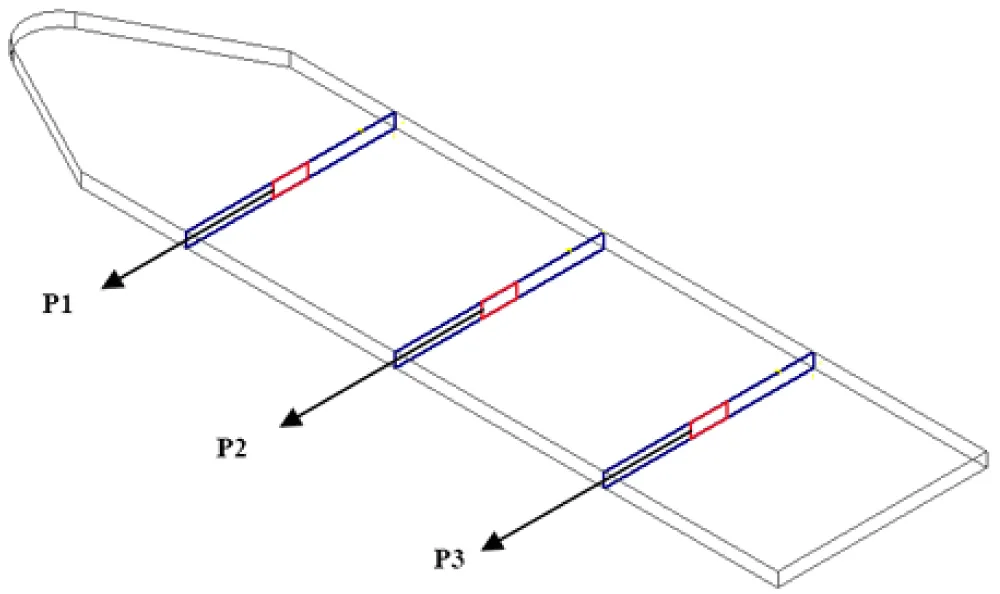
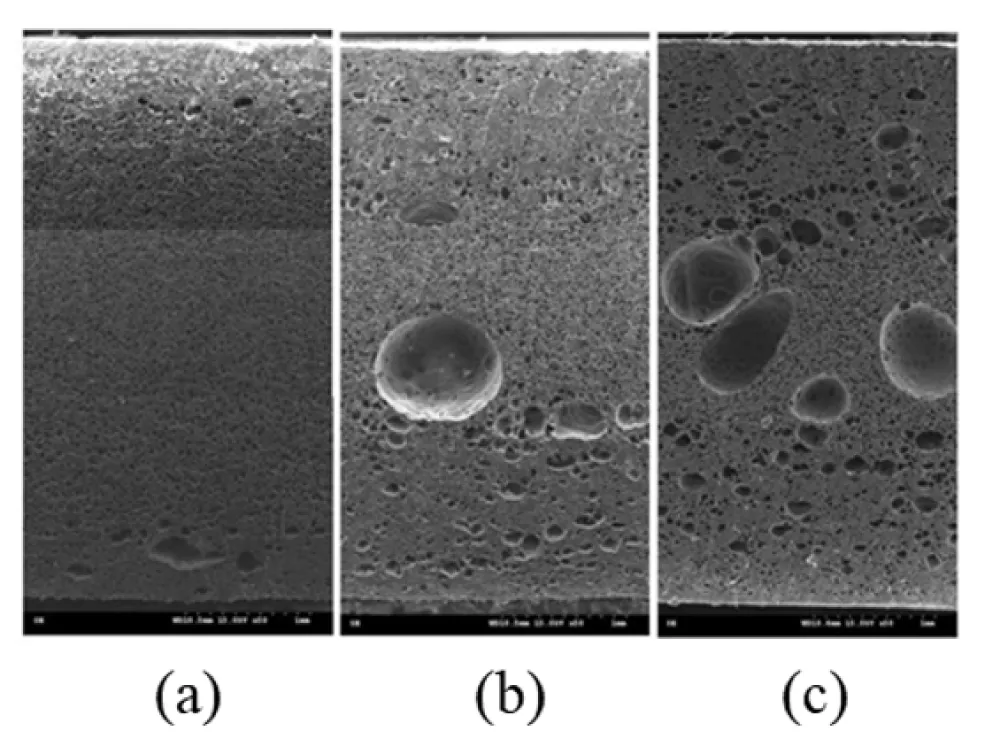
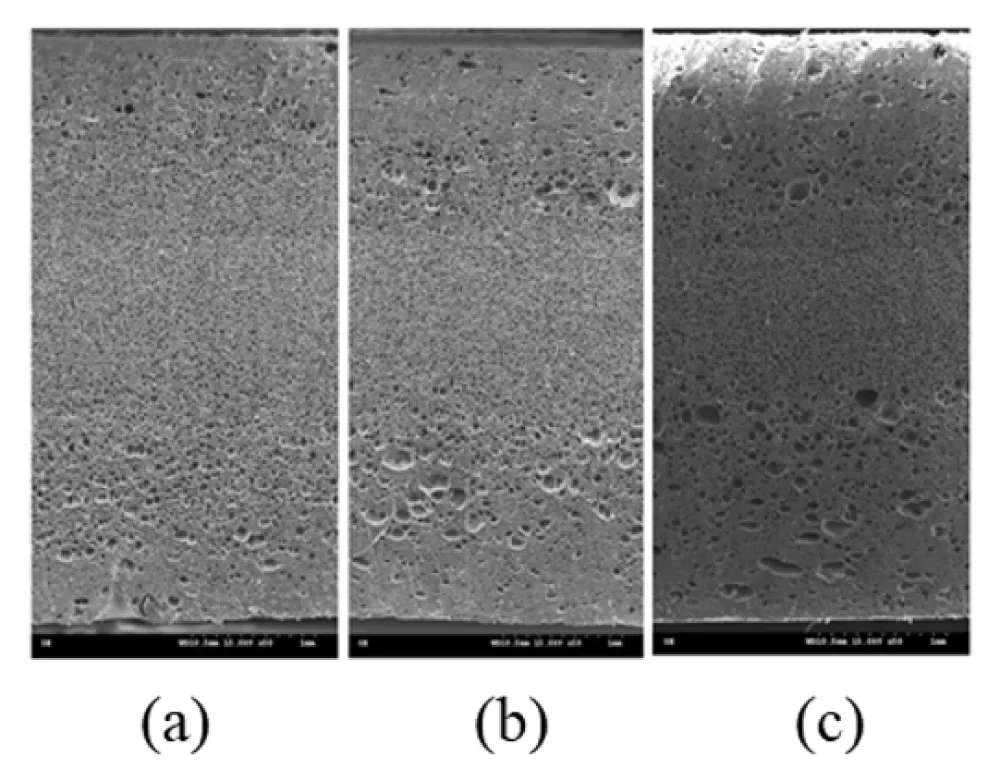
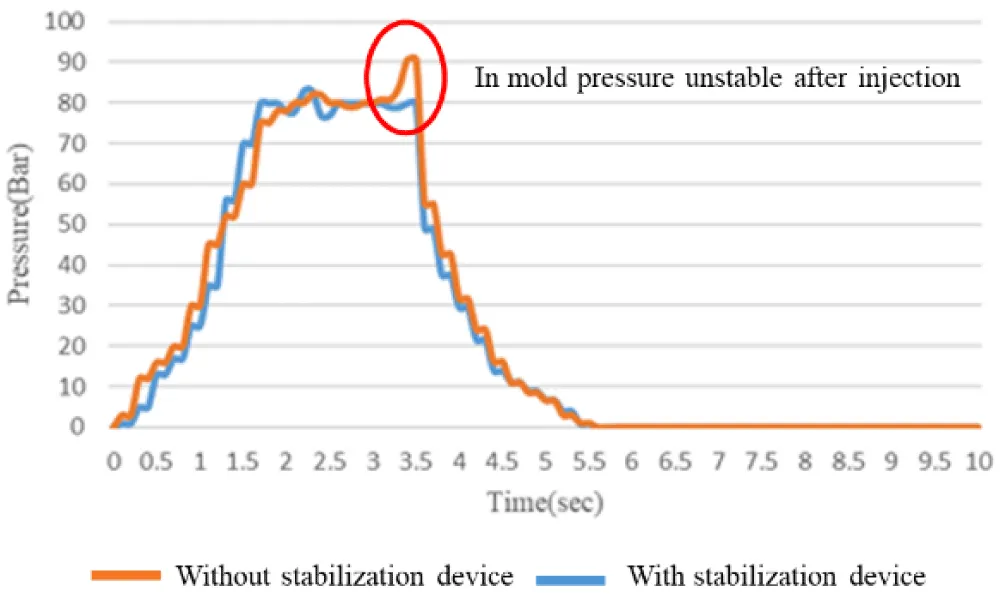
To overcome this limitation, a stabilization device has been proposed. By actively regulating cavity pressure during the filling stage, stable GCP enables more consistent control of bubble formation and growth. The device consists of a pressure sensor, timer module, solenoid valves, and a throttling valve, coordinated with a programmable controller. When the cavity pressure exceeds the preset value, the sensor triggers the solenoid valve to release gas until stability is restored, while at the end of injection the timer activates another valve to vent the cavity at controlled rates. This automated feedback loop ensures precise pressure regulation. Measurements on side-gated flat plaques at three positions (Figure 2)-Near gate (P1), Center (P2), and far gate (P3)-Show clear improvements (Figures 3,4). TPU was used as the thermoplastic material in this experiment. TPU is also an important material used in the midsole of spot shoes. With the stabilization device, average cell diameters decreased to 28.08 µm, 28.90 µm, and 31.47 µm at P1, P2, and P3, respectively, compared with 31.34 µm, 34.97 µm, and 36.22 µm without stabilization. Correspondingly, cell densities increased from 1.06×10¹², 7.35×10¹¹, and 6.94×10¹¹ cells/cm³ to 1.38×10¹², 1.20×10¹², and 9.48×10¹¹ cells/cm³, result summation show in table 1, under GCP settings in table 2. Moreover, the standard deviation of cell diameter was reduced from 2.54 µm to 1.77 µm, confirming enhanced uniformity and reproducibility of the foamed structures. Figure 5 illustrates the cavity counter pressure histories with and without stabilization, where the non-stabilized group exhibits a distinct pressure peak immediately after injection. The stabilization of counter pressure was achieved by using a pressure-regulation valve near gas inlet location.
| Table 1: Result summation. | ||
| Position | Avg. Diameter (mm)-Stabilized |
Avg. Diameter (mm)-Unstabilized |
| P1 | 28.08 | 31.34 |
| P2 | 28.9 | 31.97 |
| P3 | 31.47 | 36.22 |
| Position | Cell Density (cells/cm3)-Stabilized |
Cell Density (cells/cm3)-Unstabilized |
| P1 | 1.38E+12 | 1.03E+12 |
| P2 | 1.20E+12 | 7.35E+11 |
| P3 | 9.48E+11 | 6.94E+11 |
| Table 2: Result summation. | |
| Parameters | Value |
| Gas Counter Pressure | 80 |
| Release Rate (bars/s) | 40 |
| Holding Time (s) | 3.5 |
Conclusion
This study demonstrates that incorporating a pressure stabilization device into the GCP system significantly enhances the performance of microcellular injection molding. The improvements in cell density and uniformity contribute to better surface quality and mechanical properties, making MuCell® technology more viable for high-precision and sustainable manufacturing applications. Particularly, traditional chemical foaming for shoe soles will be excluded in the shoe market. This research progress will accelerate the employment of physical foaming using supercritical foaming in the manufacturing of shoe soles. Future research may focus on refining stabilization mechanisms and exploring their effects across different polymer materials and industrial component.
References
- Mahboubi-Rabbani M, Abbasi M, Zarghi A. Natural-Derived COX-2 Inhibitors as Anticancer Drugs: A Review of their Structural Diversity and Mechanism of Action. Anticancer Agents Med Chem. 2023;23(1):15-36. doi: 10.2174/1389450123666220516153915. PMID: 35638275.
- Mahboubi-Rabbani M, Abdolghaffari AH, Ghesmati M, Amini A, Zarghi A. Selective COX-2 inhibitors as anticancer agents: a patent review (2018-2023). Expert Opin Ther Pat. 2024 Sep;34(9):733-757. doi: 10.1080/13543776.2024.2373771. Epub 2024 Jul 3. PMID: 38958471.
- Tajdari M, Peyrovinasab A, Bayanati M, Ismail Mahboubi Rabbani M, Abdolghaffari AH, Zarghi A. Dual COX-2/TNF-α Inhibitors as Promising Anti-inflammatory and Cancer Chemopreventive Agents: A Review. Iran J Pharm Res. 2024 Oct 29;23(1):e151312. doi: 10.5812/ijpr-151312. PMID: 39830670; PMCID: PMC11742592.
- Mahboubi-Rabbani M, Zarghi A. Dual Human Carbonic Anhydrase/Cyclooxygenase-2 Inhibitors: A Promising Approach for Cancer Treatment. Anticancer Agents Med Chem. 2021 Oct 28;21(16):2163-2180. doi: 10.2174/1871520621666210129093116. PMID: 33511940.
- Mahboubi-Rabbani M, Zarei R, Baradaran M, Bayanati M, Zarghi A. Chalcones as Potential Cyclooxygenase-2 Inhibitors: A Review. Anticancer Agents Med Chem. 2024;24(2):77-95. doi: 10.2174/0118715206267309231103053808. PMID: 37962049.
- Mahboubi Rabbani SMI, Zarghi A. Selective COX-2 inhibitors as anticancer agents: a patent review (2014-2018). Expert Opin Ther Pat. 2019 Jun;29(6):407-427. doi: 10.1080/13543776.2019.1623880. Epub 2019 May 27. PMID: 31132889.
- Mahboubi-Rabbani M, Abdolghaffari AH, Ghesmati M, Amini A, Zarghi A. Selective COX-2 inhibitors as anticancer agents: a patent review (2018-2023). Expert Opin Ther Pat. 2024 Sep;34(9):733-757. doi: 10.1080/13543776.2024.2373771. Epub 2024 Jul 3. PMID: 38958471.
- Mahboubi Rabbani SMI, Zarghi A. Selective COX-2 inhibitors as anticancer agents: a patent review (2014-2018). Expert Opin Ther Pat. 2019 Jun;29(6):407-427. doi: 10.1080/13543776.2019.1623880. Epub 2019 May 27. PMID: 31132889.
- Zou H, Ye H, Kamaraj R, Zhang T, Zhang J, Pavek P. A review on pharmacological activities and synergistic effect of quercetin with small molecule agents. Phytomedicine. 2021 Nov;92:153736. doi: 10.1016/j.phymed.2021.153736. Epub 2021 Sep 13. PMID: 34560520.
- Yousefifard M, Zali A, Zarghi A, Madani Neishaboori A, Hosseini M, Safari S. Non-steroidal anti-inflammatory drugs in management of COVID-19; A systematic review on current evidence. Int J Clin Pract. 2020 Sep;74(9):e13557. doi: 10.1111/ijcp.13557. Epub 2020 Jun 14. PMID: 32460369; PMCID: PMC7267090.
- Gasmi A, Mujawdiya PK, Lysiuk R, Shanaida M, Peana M, Gasmi Benahmed A, Beley N, Kovalska N, Bjørklund G. Quercetin in the Prevention and Treatment of Coronavirus Infections: A Focus on SARS-CoV-2. Pharmaceuticals (Basel). 2022 Aug 25;15(9):1049. doi: 10.3390/ph15091049. PMID: 36145270; PMCID: PMC9504481.
- Ziaei S, Alimohammadi-Kamalabadi M, Hasani M, Malekahmadi M, Persad E, Heshmati J. The effect of quercetin supplementation on clinical outcomes in COVID-19 patients: A systematic review and meta-analysis. Food Sci Nutr. 2023 Sep 26;11(12):7504-7514. doi: 10.1002/fsn3.3715. PMID: 38107099; PMCID: PMC10724618.
- Ho WY, Shen ZH, Chen Y, Chen TH, Lu X, Fu YS. Therapeutic implications of quercetin and its derived-products in COVID-19 protection and prophylactic. Heliyon. 2024 Apr 30;10(9):e30080. doi: 10.1016/j.heliyon.2024.e30080. PMID: 38765079; PMCID: PMC11098804.
- Ho WY, Shen ZH, Chen Y, Chen TH, Lu X, Fu YS. Therapeutic implications of quercetin and its derived-products in COVID-19 protection and prophylactic. Heliyon. 2024 Apr 30;10(9):e30080. doi: 10.1016/j.heliyon.2024.e30080. PMID: 38765079; PMCID: PMC11098804.
- Di Petrillo A, Orrù G, Fais A, Fantini MC. Quercetin and its derivates as antiviral potentials: A comprehensive review. Phytother Res. 2022 Jan;36(1):266-278. doi: 10.1002/ptr.7309. Epub 2021 Oct 28. PMID: 34709675; PMCID: PMC8662201.
- Xiao X, Shi D, Liu L, Wang J, Xie X, Kang T, Deng W. Quercetin suppresses cyclooxygenase-2 expression and angiogenesis through inactivation of P300 signaling. PLoS One. 2011;6(8):e22934. doi: 10.1371/journal.pone.0022934. Epub 2011 Aug 8. PMID: 21857970; PMCID: PMC3152552.
- Hasan AMW. Quercetin promises anticancer activity through PI3K-AKT-mTOR pathway: A literature review. Pharmacological Research. 2025;7:100206.
- Bruning A. Inhibition of mTOR signaling by quercetin in cancer treatment and prevention. Anticancer Agents Med Chem. 2013 Sep;13(7):1025-31. doi: 10.2174/18715206113139990114. PMID: 23272907.
- Guo C, Hou GQ, Li XD, Xia X, Liu DX, Huang DY, Du SX. Quercetin triggers apoptosis of lipopolysaccharide (LPS)-induced osteoclasts and inhibits bone resorption in RAW264.7 cells. Cell Physiol Biochem. 2012;30(1):123-36. doi: 10.1159/000339052. Epub 2012 Jan 8. PMID: 22759961.
- Crespo I, García-Mediavilla MV, Gutiérrez B, Sánchez-Campos S, Tuñón MJ, González-Gallego J. A comparison of the effects of kaempferol and quercetin on cytokine-induced pro-inflammatory status of cultured human endothelial cells. Br J Nutr. 2008 Nov;100(5):968-76. doi: 10.1017/S0007114508966083. Epub 2008 Apr 8. PMID: 18394220.
- Khoswanto C. Molecular docking analysis of quercetin and diclofenac as COX-2 potential inhibitors. Journal of International Dental and Medical Research. 2022;15:552-555.
- Wang L, Wu H, Xiong L, Liu X, Yang N, Luo L, Qin T, Zhu X, Shen Z, Jing H, Chen J. Quercetin Downregulates Cyclooxygenase-2 Expression and HIF-1α/VEGF Signaling-Related Angiogenesis in a Mouse Model of Abdominal Aortic Aneurysm. Biomed Res Int. 2020 Aug 22;2020:9485398. doi: 10.1155/2020/9485398. PMID: 32908926; PMCID: PMC7463408.
- Mondal A, Maity TK, Bishayee A. Analgesic and Anti-Inflammatory Activities of Quercetin-3-methoxy-4'-glucosyl-7-glucoside Isolated from Indian Medicinal Plant Melothria heterophylla. Medicines (Basel). 2019 May 27;6(2):59. doi: 10.3390/medicines6020059. PMID: 31137810; PMCID: PMC6631596.
- Sarkar P, Hayes BE. Protective effect of quercetin on acrolein-induced COX-2 expression in lung epithelial cells. Toxicological & Environmental Chemistry. 2013;95(5):837-845.
- Goyal A, Agrawal N. Quercetin: A Potential Candidate for the Treatment of Arthritis. Curr Mol Med. 2022;22(4):325-335. doi: 10.2174/1566524021666210315125330. PMID: 33719956.
- Sotnikova R, Nosalova V, Navarova J. Efficacy of quercetin derivatives in prevention of ulcerative colitis in rats. Interdiscip Toxicol. 2013 Mar;6(1):9-12. doi: 10.2478/intox-2013-0002. PMID: 24170973; PMCID: PMC3795315.
- Lesjak M. Antioxidant and anti-inflammatory activities of quercetin and its derivatives. Journal of functional foods. 2018;40:68-75.
- Puangpraphant S, de Mejia EG. Saponins in yerba mate tea ( Ilex paraguariensis A. St.-Hil) and quercetin synergistically inhibit iNOS and COX-2 in lipopolysaccharide-induced macrophages through NFkappaB pathways. J Agric Food Chem. 2009 Oct 14;57(19):8873-83. doi: 10.1021/jf902255h. PMID: 19807157.
- Tóth Š, Jonecová Z, Čurgali K, Maretta M, Šoltés J, Švaňa M, Kalpadikis T, Caprnda M, Adamek M, Rodrigo L, Kruzliak P. Quercetin attenuates the ischemia reperfusion induced COX-2 and MPO expression in the small intestine mucosa. Biomed Pharmacother. 2017 Nov;95:346-354. doi: 10.1016/j.biopha.2017.08.038. Epub 2017 Sep 12. PMID: 28858733.
- Carlsen I, Frøkiær J, Nørregaard R. Quercetin attenuates cyclooxygenase-2 expression in response to acute ureteral obstruction. Am J Physiol Renal Physiol. 2015 Jun 1;308(11):F1297-305. doi: 10.1152/ajprenal.00514.2014. Epub 2015 Mar 25. PMID: 25810437.
- Brito AF, Ribeiro M, Abrantes AM, Pires AS, Teixo RJ, Tralhão JG, Botelho MF. Quercetin in Cancer Treatment, Alone or in Combination with Conventional Therapeutics? Curr Med Chem. 2015;22(26):3025-39. doi: 10.2174/0929867322666150812145435. PMID: 26264923.
- Raja SB, Rajendiran V, Kasinathan NK, P A, Venkatabalasubramanian S, Murali MR, Devaraj H, Devaraj SN. Differential cytotoxic activity of Quercetin on colonic cancer cells depends on ROS generation through COX-2 expression. Food Chem Toxicol. 2017 Aug;106(Pt A):92-106. doi: 10.1016/j.fct.2017.05.006. Epub 2017 May 4. PMID: 28479391.
- D’Mello P. Modeling of COX-2 inhibitory activity of flavonoids. Int J Pharm Pharm Sci. 2011;3(4):33-40.
- Granado-Serrano AB, Martín MÁ, Bravo L, Goya L, Ramos S. Quercetin attenuates TNF-induced inflammation in hepatic cells by inhibiting the NF-κB pathway. Nutr Cancer. 2012;64(4):588-98. doi: 10.1080/01635581.2012.661513. Epub 2012 Mar 27. PMID: 22452660.
- Sezer ED, Oktay LM, Karadadaş E, Memmedov H, Selvi Gunel N, Sözmen E. Assessing Anticancer Potential of Blueberry Flavonoids, Quercetin, Kaempferol, and Gentisic Acid, Through Oxidative Stress and Apoptosis Parameters on HCT-116 Cells. J Med Food. 2019 Nov;22(11):1118-1126. doi: 10.1089/jmf.2019.0098. Epub 2019 Jun 26. PMID: 31241392.
- Narayan SR, Hurta RA. Cranberry extract and quercetin modulate the expression of cyclooxygenase‐2 (COX‐2) and IκBα in human colon cancer cells. Journal of the Science of Food and Agriculture. 2009;89(3):542-547.
- Zizkova P, Stefek M, Rackova L, Prnova M, Horakova L. Novel quercetin derivatives: From redox properties to promising treatment of oxidative stress related diseases. Chem Biol Interact. 2017 Mar 1;265:36-46. doi: 10.1016/j.cbi.2017.01.019. Epub 2017 Jan 28. PMID: 28137512.
- Mui UN, Haley CT, Tyring SK. Viral Oncology: Molecular Biology and Pathogenesis. J Clin Med. 2017 Nov 29;6(12):111. doi: 10.3390/jcm6120111. PMID: 29186062; PMCID: PMC5742800.
- Ahmed K, Jha S. Oncoviruses: How do they hijack their host and current treatment regimes. Biochim Biophys Acta Rev Cancer. 2023 Sep;1878(5):188960. doi: 10.1016/j.bbcan.2023.188960. Epub 2023 Jul 27. PMID: 37507056.
- Lee HH, Lee S, Shin YS, Cho M, Kang H, Cho H. Anti-Cancer Effect of Quercetin in Xenograft Models with EBV-Associated Human Gastric Carcinoma. Molecules. 2016 Sep 26;21(10):1286. doi: 10.3390/molecules21101286. PMID: 27681719; PMCID: PMC6274130.
- Kim J, Harper A, McCormack V, Sung H, Houssami N, Morgan E, Mutebi M, Garvey G, Soerjomataram I, Fidler-Benaoudia MM. Global patterns and trends in breast cancer incidence and mortality across 185 countries. Nat Med. 2025 Apr;31(4):1154-1162. doi: 10.1038/s41591-025-03502-3. Epub 2025 Feb 24. PMID: 39994475.
- Chekuri S, Vyshnava SS, Somisetti SL, Cheniya SBK, Gandu C, Anupalli RR. Isolation and anticancer activity of quercetin from Acalypha indica L. against breast cancer cell lines MCF-7 and MDA-MB-231. 3 Biotech. 2023 Aug;13(8):289. doi: 10.1007/s13205-023-03705-w. Epub 2023 Aug 2. PMID: 37547624; PMCID: PMC10397153.
- Khazaei M. Quercetin and raloxifene effect on breast cancer cell viability, migration, nitric oxide secretion and apoptotic genes expression. WCRJ. 2023;10:e2679.
- Mani R, Natesan V. Chrysin: Sources, beneficial pharmacological activities, and molecular mechanism of action. Phytochemistry. 2018 Jan;145:187-196. doi: 10.1016/j.phytochem.2017.09.016. Epub 2017 Nov 20. PMID: 29161583.
- Ramos PS, Ferreira C, Passos CLA, Silva JL, Fialho E. Effect of quercetin and chrysin and its association on viability and cell cycle progression in MDA-MB-231 and MCF-7 human breast cancer cells. Biomed Pharmacother. 2024 Oct;179:117276. doi: 10.1016/j.biopha.2024.117276. Epub 2024 Aug 14. PMID: 39146763.
- Kundur S, Prayag A, Selvakumar P, Nguyen H, McKee L, Cruz C, Srinivasan A, Shoyele S, Lakshmikuttyamma A. Synergistic anticancer action of quercetin and curcumin against triple-negative breast cancer cell lines. J Cell Physiol. 2019 Jul;234(7):11103-11118. doi: 10.1002/jcp.27761. Epub 2018 Nov 27. PMID: 30478904.
- Liu H, Lee JI, Ahn TG. Effect of quercetin on the anti-tumor activity of cisplatin in EMT6 breast tumor-bearing mice. Obstet Gynecol Sci. 2019 Jul;62(4):242-248. doi: 10.5468/ogs.2019.62.4.242. Epub 2019 Jun 19. PMID: 31338341; PMCID: PMC6629990.
- Ravishankar D, Watson KA, Boateng SY, Green RJ, Greco F, Osborn HM. Exploring quercetin and luteolin derivatives as antiangiogenic agents. Eur J Med Chem. 2015 Jun 5;97:259-74. doi: 10.1016/j.ejmech.2015.04.056. Epub 2015 Apr 29. PMID: 25984842.
- Hosseini SS, Ebrahimi SO, Haji Ghasem Kashani M, Reiisi S. Study of quercetin and fisetin synergistic effect on breast cancer and potentially involved signaling pathways. Cell Biol Int. 2023 Jan;47(1):98-109. doi: 10.1002/cbin.11942. Epub 2022 Oct 23. PMID: 36273436.
- van den Boogaard WMC, Komninos DSJ, Vermeij WP. Chemotherapy Side-Effects: Not All DNA Damage Is Equal. Cancers (Basel). 2022 Jan 26;14(3):627. doi: 10.3390/cancers14030627. PMID: 35158895; PMCID: PMC8833520.
- Lewińska A, Przybylski P, Adamczyk-Grochala J, Błoniarz D, Litwinienko G, Wnuk M. Senolysis-Based Elimination of Chemotherapy-Induced Senescent Breast Cancer Cells by Quercetin Derivative with Blocked Hydroxy Groups. Cancers (Basel). 2022 Jan 25;14(3):605. doi: 10.3390/cancers14030605. PMID: 35158873; PMCID: PMC8833762.
- Chavez KJ, Garimella SV, Lipkowitz S. Triple negative breast cancer cell lines: one tool in the search for better treatment of triple negative breast cancer. Breast Dis. 2010;32(1-2):35-48. doi: 10.3233/BD-2010-0307. PMID: 21778573; PMCID: PMC3532890.
- Nguyen LT, Lee YH, Sharma AR, Park JB, Jagga S, Sharma G, Lee SS, Nam JS. Quercetin induces apoptosis and cell cycle arrest in triple-negative breast cancer cells through modulation of Foxo3a activity. Korean J Physiol Pharmacol. 2017 Mar;21(2):205-213. doi: 10.4196/kjpp.2017.21.2.205. Epub 2017 Feb 21. PMID: 28280414; PMCID: PMC5343054.
- Vardanjani HM, Haghdoost A, Bagheri-Lankarani K, Hadipour M. Estimation and Projection of Prevalence of Colorectal Cancer in Iran, 2015-2020. Adv Biomed Res. 2018 Jan 30;7:20. doi: 10.4103/abr.abr_178_16. PMID: 29456991; PMCID: PMC5812060.
- Atashpour S, Fouladdel S, Movahhed TK, Barzegar E, Ghahremani MH, Ostad SN, Azizi E. Quercetin induces cell cycle arrest and apoptosis in CD133(+) cancer stem cells of human colorectal HT29 cancer cell line and enhances anticancer effects of doxorubicin. Iran J Basic Med Sci. 2015 Jul;18(7):635-43. PMID: 26351552; PMCID: PMC4556754.
- Erdoğan MK, Ağca CA, Aşkın H. Quercetin and Luteolin Improve the Anticancer Effects of 5-Fluorouracil in Human Colorectal Adenocarcinoma In Vitro Model: A Mechanistic Insight. Nutr Cancer. 2022;74(2):660-676. doi: 10.1080/01635581.2021.1900301. Epub 2021 Jul 26. PMID: 34309458.
- Sung MS, Lee EG, Jeon HS, Chae HJ, Park SJ, Lee YC, Yoo WH. Quercetin inhibits IL-1β-induced proliferation and production of MMPs, COX-2, and PGE2 by rheumatoid synovial fibroblast. Inflammation. 2012 Aug;35(4):1585-94. doi: 10.1007/s10753-012-9473-2. PMID: 22592909.
- Lee GB, Kim Y, Lee KE, Vinayagam R, Singh M, Kang SG. Anti-Inflammatory Effects of Quercetin, Rutin, and Troxerutin Result From the Inhibition of NO Production and the Reduction of COX-2 Levels in RAW 264.7 Cells Treated with LPS. Appl Biochem Biotechnol. 2024 Dec;196(12):8431-8452. doi: 10.1007/s12010-024-05003-4. Epub 2024 Aug 3. PMID: 39096472.
- Zhang H, Zhang M, Yu L, Zhao Y, He N, Yang X. Antitumor activities of quercetin and quercetin-5',8-disulfonate in human colon and breast cancer cell lines. Food Chem Toxicol. 2012 May;50(5):1589-99. doi: 10.1016/j.fct.2012.01.025. Epub 2012 Jan 27. PMID: 22310237.
- Wang R, Zhang H, Wang Y, Song F, Yuan Y. Inhibitory effects of quercetin on the progression of liver fibrosis through the regulation of NF-кB/IкBα, p38 MAPK, and Bcl-2/Bax signaling. Int Immunopharmacol. 2017 Jun;47:126-133. doi: 10.1016/j.intimp.2017.03.029. Epub 2017 Apr 6. PMID: 28391159.
- Abdu S, Juaid N, Amin A, Moulay M, Miled N. Effects of Sorafenib and Quercetin Alone or in Combination in Treating Hepatocellular Carcinoma: In Vitro and In Vivo Approaches. Molecules. 2022 Nov 21;27(22):0. doi: 10.3390/molecules27228082. PMID: 36432184; PMCID: PMC9697794.
- Xiao J, Niu G, Yin S, Xie S, Li Y, Nie D, Ma L, Wang X, Wu Y. The role of AMP-activated protein kinase in quercetin-induced apoptosis of HL-60 cells. Acta Biochim Biophys Sin (Shanghai). 2014 May;46(5):394-400. doi: 10.1093/abbs/gmu014. Epub 2014 Apr 4. PMID: 24705122.
- Turner ND, Paulhill KJ, Warren CA, Davidson LA, Chapkin RS, Lupton JR, Carroll RJ, Wang N. Quercetin Suppresses Early Colon Carcinogenesis Partly through Inhibition of Inflammatory Mediators. Acta Hortic. 2009;841:237-242. doi: 10.17660/actahortic.2009.841.28. PMID: 20396589; PMCID: PMC2854410.
- Warren CA, Paulhill KJ, Davidson LA, Lupton JR, Taddeo SS, Hong MY, Carroll RJ, Chapkin RS, Turner ND. Quercetin may suppress rat aberrant crypt foci formation by suppressing inflammatory mediators that influence proliferation and apoptosis. J Nutr. 2009 Jan;139(1):101-5. doi: 10.3945/jn.108.096271. Epub 2008 Dec 3. Erratum in: J Nutr. 2009 Apr;139(4):792. PMID: 19056647; PMCID: PMC2714375.
- Zhang M, Lu A, Wang H, Yang J. Quercetin downregulates the expression of IL15 in cancer cells through DNA methylation. Eur Rev Med Pharmacol Sci. 2023 Mar;27(6):2580-2590. doi: 10.26355/eurrev_202303_31795. PMID: 37013776.
- Min SY, Hwang SY, Jung YO, Jeong J, Park SH, Cho CS, Kim HY, Kim WU. Increase of cyclooxygenase-2 expression by interleukin 15 in rheumatoid synoviocytes. J Rheumatol. 2004 May;31(5):875-83. PMID: 15124245.
- Li T, Li Y. Quercetin acts as a novel anti-cancer drug to suppress cancer aggressiveness and cisplatin-resistance in nasopharyngeal carcinoma (NPC) through regulating the yes-associated protein/Hippo signaling pathway. Immunobiology. 2023 Mar;228(2):152324. doi: 10.1016/j.imbio.2022.152324. Epub 2022 Dec 30. PMID: 36608594.
- Li N, Wang J. Quercetin induces cytotoxicity and apoptosis, reduces metastasis and drug resistance in oral cancer cells. Turkish Journal of Biochemistry. 2024;49(2):148-156.
- Sher EK, Džidić-Krivić A, Sesar A, Farhat EK, Čeliković A, Beća-Zećo M, Pinjic E, Sher F. Current state and novel outlook on prevention and treatment of rising antibiotic resistance in urinary tract infections. Pharmacol Ther. 2024 Sep;261:108688. doi: 10.1016/j.pharmthera.2024.108688. Epub 2024 Jul 6. PMID: 38972453.
- Gupta R, Kazmi I, Afzal M, Khan R, Chauhan M, Al-Abbasi FA, Ahmad A, Anwar F. Combination of sulfamethoxazole and selenium in anticancer therapy: a novel approach. Mol Cell Biochem. 2013 Dec;384(1-2):279-85. doi: 10.1007/s11010-013-1811-7. Epub 2013 Sep 20. PMID: 24052147.
- Vaickelionienė R, Petrikaitė V, Vaškevičienė I, Pavilonis A, Mickevičius V. Synthesis of novel sulphamethoxazole derivatives and exploration of their anticancer and antimicrobial properties. PLoS One. 2023 Mar 23;18(3):e0283289. doi: 10.1371/journal.pone.0283289. PMID: 36952512; PMCID: PMC10035904.
- Sahyon HAE, Ramadan ENM, Althobaiti F, Mashaly MMA. Anti-proliferative effects of the combination of Sulfamethoxazole and Quercetin via caspase3 and NFkB gene regulation: an in vitro and in vivo study. Naunyn Schmiedebergs Arch Pharmacol. 2022 Feb;395(2):227-246. doi: 10.1007/s00210-021-02174-3. Epub 2022 Jan 7. PMID: 34994822.
- Jagadeesan D, Sathasivam KV, Fuloria NK, Balakrishnan V, Khor GH, Ravichandran M, Solyappan M, Fuloria S, Gupta G, Ahlawat A, Yadav G, Kaur P, Husseen B. Comprehensive insights into oral squamous cell carcinoma: Diagnosis, pathogenesis, and therapeutic advances. Pathol Res Pract. 2024 Sep;261:155489. doi: 10.1016/j.prp.2024.155489. Epub 2024 Jul 26. PMID: 39111016.
- Chen SF, Nien S, Wu CH, Liu CL, Chang YC, Lin YS. Reappraisal of the anticancer efficacy of quercetin in oral cancer cells. J Chin Med Assoc. 2013 Mar;76(3):146-52. doi: 10.1016/j.jcma.2012.11.008. Epub 2013 Jan 24. PMID: 23497967.
- Golmohammadi M, Elmaghraby DA, Ramírez-Coronel AA, Rakhimov N, Mohammed SS, Romero-Parra RM, Jawad MA, Zamanian MY, Soltani A, Taheri N, Kianifar F, Vousooghi N. A comprehensive view on the quercetin impact on bladder cancer: Focusing on oxidative stress, cellular, and molecular mechanisms. Fundam Clin Pharmacol. 2023 Oct;37(5):900-909. doi: 10.1111/fcp.12896. Epub 2023 Mar 30. PMID: 36960597.
- Tyagi A, Kamal MA, Poddar NK. Integrated Pathways of COX-2 and mTOR: Roles in Cell Sensing and Alzheimer's Disease. Front Neurosci. 2020 Jul 9;14:693. doi: 10.3389/fnins.2020.00693. PMID: 32742252; PMCID: PMC7364283.
- Testa U, Castelli G, Pelosi E. Cellular and Molecular Mechanisms Underlying Prostate Cancer Development: Therapeutic Implications. Medicines (Basel). 2019 Jul 30;6(3):82. doi: 10.3390/medicines6030082. PMID: 31366128; PMCID: PMC6789661.
- Pellegrino M, Bevacqua E, Frattaruolo L, Cappello AR, Aquaro S, Tucci P. Enhancing the Anticancer and Anti-Inflammatory Properties of Curcumin in Combination with Quercetin, for the Prevention and Treatment of Prostate Cancer. Biomedicines. 2023 Jul 18;11(7):2023. doi: 10.3390/biomedicines11072023. PMID: 37509660; PMCID: PMC10377667.
- Asgharian P, Tazehkand AP, Soofiyani SR, Hosseini K, Martorell M, Tarhriz V, Ahangari H, Cruz-Martins N, Sharifi-Rad J, Almarhoon ZM, Ydyrys A, Nurzhanyat A, Yessenbekova A, Cho WC. Quercetin Impact in Pancreatic Cancer: An Overview on Its Therapeutic Effects. Oxid Med Cell Longev. 2021 Nov 3;2021:4393266. doi: 10.1155/2021/4393266. PMID: 34777687; PMCID: PMC8580629.
- Liu ZJ, Xu W, Han J, Liu QY, Gao LF, Wang XH, Li XL. Quercetin induces apoptosis and enhances gemcitabine therapeutic efficacy against gemcitabine-resistant cancer cells. Anticancer Drugs. 2020 Aug;31(7):684-692. doi: 10.1097/CAD.0000000000000933. PMID: 32282368.
- Del Follo-Martinez A, Banerjee N, Li X, Safe S, Mertens-Talcott S. Resveratrol and quercetin in combination have anticancer activity in colon cancer cells and repress oncogenic microRNA-27a. Nutr Cancer. 2013;65(3):494-504. doi: 10.1080/01635581.2012.725194. PMID: 23530649.82. 82. Davoodvandi, A., et al., Quercetin as an anticancer agent: Focus on esophageal cancer. Journal of Food Biochemistry, 2020. 44(9): p. e13374.
- Li W, Liu M, Xu YF, Feng Y, Che JP, Wang GC, Zheng JH. Combination of quercetin and hyperoside has anticancer effects on renal cancer cells through inhibition of oncogenic microRNA-27a. Oncol Rep. 2014 Jan;31(1):117-24. doi: 10.3892/or.2013.2811. Epub 2013 Oct 24. PMID: 24173369.
- Kim SH, Kang HJ, Na H, Lee MO. Trichostatin A enhances acetylation as well as protein stability of ERalpha through induction of p300 protein. Breast Cancer Res. 2010;12(2):R22. doi: 10.1186/bcr2562. Epub 2010 Apr 13. PMID: 20388208; PMCID: PMC2879569.
- Mukhopadhyay NK, Weisberg E, Gilchrist D, Bueno R, Sugarbaker DJ, Jaklitsch MT. Effectiveness of trichostatin A as a potential candidate for anticancer therapy in non-small-cell lung cancer. Ann Thorac Surg. 2006 Mar;81(3):1034-42. doi: 10.1016/j.athoracsur.2005.06.059. PMID: 16488717.
- Chan ST, Yang NC, Huang CS, Liao JW, Yeh SL. Quercetin enhances the antitumor activity of trichostatin A through upregulation of p53 protein expression in vitro and in vivo. PLoS One. 2013;8(1):e54255. doi: 10.1371/journal.pone.0054255. Epub 2013 Jan 16. PMID: 23342112; PMCID: PMC3546961.
- Chan ST, Yang NC, Huang CS, Liao JW, Yeh SL. Quercetin enhances the antitumor activity of trichostatin A through upregulation of p53 protein expression in vitro and in vivo. PLoS One. 2013;8(1):e54255. doi: 10.1371/journal.pone.0054255. Epub 2013 Jan 16. PMID: 23342112; PMCID: PMC3546961.
- Dell'Albani P, Di Marco B, Grasso S, Rocco C, Foti MC. Quercetin derivatives as potent inducers of selective cytotoxicity in glioma cells. Eur J Pharm Sci. 2017 Apr 1;101:56-65. doi: 10.1016/j.ejps.2017.01.036. Epub 2017 Jan 30. PMID: 28153636.
- Li J, Tang C, Li L, Li R, Fan Y. Quercetin sensitizes glioblastoma to t-AUCB by dual inhibition of Hsp27 and COX-2 in vitro and in vivo. J Exp Clin Cancer Res. 2016 Apr 2;35:61. doi: 10.1186/s13046-016-0331-1. PMID: 27039073; PMCID: PMC4818891.
- Li J, Tang C, Li L, Li R, Fan Y. Quercetin sensitizes glioblastoma to t-AUCB by dual inhibition of Hsp27 and COX-2 in vitro and in vivo. J Exp Clin Cancer Res. 2016 Apr 2;35:61. doi: 10.1186/s13046-016-0331-1. PMID: 27039073; PMCID: PMC4818891.
- Wu M, Che W, Zhang Z. Enhanced sensitivity to DNA damage induced by cooking oil fumes in human OGG1 deficient cells. Environ Mol Mutagen. 2008 May;49(4):265-75. doi: 10.1002/em.20381. PMID: 18338377.
- Lin SY, Tsai SJ, Wang LH, Wu MF, Lee H. Protection by quercetin against cooking oil fumes-induced DNA damage in human lung adenocarcinoma CL-3 cells: role of COX-2. Nutr Cancer. 2002;44(1):95-101. doi: 10.1207/S15327914NC441_13. PMID: 12672646.
- Zaborowski MK, Długosz A, Błaszak B, Szulc J, Leis K. The Role of Quercetin as a Plant-Derived Bioactive Agent in Preventive Medicine and Treatment in Skin Disorders. Molecules. 2024 Jul 5;29(13):3206. doi: 10.3390/molecules29133206. PMID: 38999158; PMCID: PMC11243040.
- Silva CC, Benati RB, Massaro TNC, Pereira KC, Gaspar LR, Marcato PD. Antioxidant and anti-tyrosinase activities of quercetin-loaded olive oil nanoemulsion as potential formulation for skin hyperpigmentation. Journal of Dispersion Science and Technology, 2023;44(14):2628-2638. doi: 10.1080/01932691.2022.2116715.
- Shin EJ, Lee JS, Hong S, Lim TG, Byun S. Quercetin Directly Targets JAK2 and PKCδ and Prevents UV-Induced Photoaging in Human Skin. Int J Mol Sci. 2019 Oct 23;20(21):5262. doi: 10.3390/ijms20215262. PMID: 31652815; PMCID: PMC6862686.
- Ha AT, Rahmawati L, You L, Hossain MA, Kim JH, Cho JY. Anti-Inflammatory, Antioxidant, Moisturizing, and Antimelanogenesis Effects of Quercetin 3-O-β-D-Glucuronide in Human Keratinocytes and Melanoma Cells via Activation of NF-κB and AP-1 Pathways. Int J Mol Sci. 2021 Dec 31;23(1):433. doi: 10.3390/ijms23010433. PMID: 35008862; PMCID: PMC8745180.
- Park EJ, Kim JY, Jeong MS, Park KY, Park KH, Lee MW, Joo SS, Seo SJ. Effect of topical application of quercetin-3-O-(2″-gallate)-α-l-rhamnopyranoside on atopic dermatitis in NC/Nga mice. J Dermatol Sci. 2015 Mar;77(3):166-72. doi: 10.1016/j.jdermsci.2014.12.005. Epub 2015 Jan 3. PMID: 25617237.
- Lee KM, Hwang MK, Lee DE, Lee KW, Lee HJ. Protective effect of quercetin against arsenite-induced COX-2 expression by targeting PI3K in rat liver epithelial cells. J Agric Food Chem. 2010 May 12;58(9):5815-20. doi: 10.1021/jf903698s. PMID: 20377179.
- Ramyaa P, Krishnaswamy R, Padma VV. Quercetin modulates OTA-induced oxidative stress and redox signalling in HepG2 cells - up regulation of Nrf2 expression and down regulation of NF-κB and COX-2. Biochim Biophys Acta. 2014 Jan;1840(1):681-92. doi: 10.1016/j.bbagen.2013.10.024. Epub 2013 Oct 24. PMID: 24161694.
- Ramadan MF, Selim Asker MM. Antimicrobical and antivirial impact of novel quercetin‐enriched lecithin. Journal of Food Biochemistry, 2009;33(4):557-571. doi: 10.1111/j.1745-4514.2009.00237.x.
- 100.Güran M, Şanlıtürk G, Kerküklü NR, Altundağ EM, Süha Yalçın A. Combined effects of quercetin and curcumin on anti-inflammatory and antimicrobial parameters in vitro. Eur J Pharmacol. 2019 Sep 15;859:172486. doi: 10.1016/j.ejphar.2019.172486. Epub 2019 Jun 25. PMID: 31251919.
- 101.Lim HJ, Kang SH, Song YJ, Jeon YD, Jin JS. Inhibitory Effect of Quercetin on Propionibacterium acnes-induced Skin Inflammation. Int Immunopharmacol. 2021 Jul;96:107557. doi: 10.1016/j.intimp.2021.107557. Epub 2021 Mar 31. PMID: 33812252.
- 102.Chen W, Zhong Y, Feng N, Guo Z, Wang S, Xing D. New horizons in the roles and associations of COX-2 and novel natural inhibitors in cardiovascular diseases. Mol Med. 2021 Sep 30;27(1):123. doi: 10.1186/s10020-021-00358-4. PMID: 34592918; PMCID: PMC8482621.
- 103.Ferenczyova K, Kalocayova B, Bartekova M. Potential Implications of Quercetin and its Derivatives in Cardioprotection. Int J Mol Sci. 2020 Feb 26;21(5):1585. doi: 10.3390/ijms21051585. PMID: 32111033; PMCID: PMC7084176.
- 104.Grande F, Parisi OI, Mordocco RA, Rocca C, Puoci F, Scrivano L, Quintieri AM, Cantafio P, Ferla S, Brancale A, Saturnino C, Cerra MC, Sinicropi MS, Angelone T. Quercetin derivatives as novel antihypertensive agents: Synthesis and physiological characterization. Eur J Pharm Sci. 2016 Jan 20;82:161-70. doi: 10.1016/j.ejps.2015.11.021. Epub 2015 Dec 2. PMID: 26631584.
- 105.Jakaria M, Azam S, Jo SH, Kim IS, Dash R, Choi DK. Potential Therapeutic Targets of Quercetin and Its Derivatives: Its Role in the Therapy of Cognitive Impairment. J Clin Med. 2019 Oct 25;8(11):1789. doi: 10.3390/jcm8111789. PMID: 31717708; PMCID: PMC6912580.
- 106.Agrawal K, Chakraborty P, Dewanjee S, Arfin S, Das SS, Dey A, Moustafa M, Mishra PC, Jafari SM, Jha NK, Jha SK, Kumar D. Neuropharmacological interventions of quercetin and its derivatives in neurological and psychological disorders. Neurosci Biobehav Rev. 2023 Jan;144:104955. doi: 10.1016/j.neubiorev.2022.104955. Epub 2022 Nov 14. PMID: 36395983.
- 107.Pany S, Pal A, Sahu PK. Neuroprotective effect of quercetin in neurotoxicity induced rats: role of neuroinflammation in neurodegeneration. Asian J Pharm Clin Res. 2014;7(4):152-156.
- 108.Fakhri S, Gravandi MM, Abdian S, Moradi SZ, Echeverría J. Quercetin Derivatives in Combating Spinal Cord Injury: A Mechanistic and Systematic Review. Life (Basel). 2022 Nov 23;12(12):1960. doi: 10.3390/life12121960. PMID: 36556325; PMCID: PMC9783198.
- 109.Chen S, Tang Y, Gao Y, Nie K, Wang H, Su H, Wang Z, Lu F, Huang W, Dong H. Antidepressant Potential of Quercetin and its Glycoside Derivatives: A Comprehensive Review and Update. Front Pharmacol. 2022 Apr 8;13:865376. doi: 10.3389/fphar.2022.865376. PMID: 35462940; PMCID: PMC9024056.
- 110.Hassan B, Akcakanat A, Holder AM, Meric-Bernstam F. Targeting the PI3-kinase/Akt/mTOR signaling pathway. Surg Oncol Clin N Am. 2013 Oct;22(4):641-64. doi: 10.1016/j.soc.2013.06.008. Epub 2013 Aug 6. PMID: 24012393; PMCID: PMC3811932.




Content Alerts
SignUp to our
Content alerts.
 This work is licensed under a Creative Commons Attribution 4.0 International License.
