
2025 October 20;6(10):1492-1504. doi: 10.37871/jbres2205.
-
Subject area(s):

 |
|
 |
|
 |
|

 Research Article
Trends in Air Pollutants: A Comprehensive Analysis of a Poultry House in Federal College of Agriculture, Akure, Nigeria
Francis Olawale Abulude1*, Akinyemi Albert Fadiyimu2, Rasheed Folorunso2, Kayode Sule2 and Ugochi Esther Okpakpor2
- Poultry house
- Pollutants
- Birds
- Health risk
- Environmental impact
- Sentin Air low-cost sensor
Abstract
A large portion of the world's population depends on poultry for vital goods and services, and substantial production of birds leads to inadequate indoor air quality, air pollutant emissions, and worldwide atmospheric components. Bird buildings are zootechnical structures used for the enhancing and utilization of poultry or laying hens. Because extensive poultry farming amenities include numerous ecological consequences, this study aimed to evaluate the CO2, NO2, O3, PM1, PM2.5, and PM10 of an indoor poultry facility at the Federal College of Agriculture, Akure, Nigeria, over a period of six months using a SentinAir low-cost air quality detector. With their respective interquartiles of 54.77, 11, 4, 8, 12, and 12, the mean findings showed CO2 (592.44 ± 53.15 ppm), NO2 (181.38 ± 16.48 ppb), O3 (68.11 ± 10.06 ppb), PM1 (11.26 ± 7.67 µg/m³), PM2.5 (16.66 ± 11.92 µg/m³), and PM10 (17.66 ± 13.11 µg/m³). The period between 4000 and 5000 was when all contaminants peaked the highest. According to Pearson correlations, there were connections between the pollutants, with PMs exhibiting substantial correlations (0.98-1.00) and NO2 and O3 (r = + 0.79). The workers' possible health risks fall into the moderate and unhealthy for sensitive group categories. Even if the data indicated that there was no risk to the animals or people inside the poultry house, the house nevertheless needs to be continuously monitored.
Introduction
Zoo technical structures called bird houses are used to raise and take benefit from eggs laid by hens or other fowl. These structures are built with the purpose of making (eggs or meat) in mind, and certain factors need to be taken into account, like technological options for the eating arrangement, upkeep systems, watering, manure disposal, and the level of technology and automation of the manufacturing procedures [1-3]. Because of the numerous environmental implications associated with raising poultry amenities, projects involving extensive poultry farming operations are forced to undergo an evaluation of their environmental effects [4]. The possible effects on the natural environment of the poultry raising operation include nitrogen and phosphorus leaks from dung into the soil, groundwater, and surface water, as well as the release of ammonia into the air. Although poultry waste has a substantial amount of vital vitamins and minerals and can be employed as a natural fertilizer for plants [5], misuse and overuse of the manure can cause ammonia vaporization, nutrient loss, increased nitrogen mineralization, damage to sensitive plants, or high phosphorus pollution of surface water [6,7].
As a result of the breakdown of excreta, the breathing process of poultry, as well as various operations in the animal restriction structures, the primary air pollutants-collectively known as bio-aerosols-found in poultry farms and hatcheries consist of endotoxins, pathogens, poultry dust (primarily made from microbes and their metabolites), and Nitrogen (NH3) and Carbon Dioxide (CO2). Negative effects on the health of humans and the environment are linked to a variety of elements, such as dung, trash, feathers, animal pieces, and animal skin.
According to epidemiological findings, people on poultry farms frequently experience both acute and chronic pulmonary illnesses as a result of their frequent contact to live birds in confined facilities and the surrounding environment. Long-term contact with organic dust may have been linked to hypersensitive lung conditions such extrinsic allergic alveolitis as well as numerous acute respiratory signs like coughing, wheezing, and difficulty breathing. People on poultry farms likewise frequently suffer from chronic respiratory conditions, among the most prevalent of which are asthma and "ODTS (organic dust toxic syndrome)." The degree and frequency of exposure determine the kind of health reaction [8]. According to reports, 20% of poultry farm workers get acute respiratory conditions that manifest as coughing, phlegm, mucus, and wheezing [9].
Particulate matter
It is getting increasingly clear that Particulate Matter (PM) can cause or worsen lung illness. The air makeup of chicken houses differs significantly from that of the atmosphere due to the constraints of the growing environment. A significant quantity of PM are produced by feed, feces, feathers, and dander, which are mostly expressed during the entire production phase and are hard to remove [10]. The content and amount of PM can vary greatly owing to different types of PM and their temporal and spatial fluctuations [11]. In confined places, PM in poultry buildings was roughly 10-100 times greater than outside [12]. Broilers' upper respiratory tracts can be reached by PM with a particle size of less than 10 mm (PM10), and their lungs can be reached by PM with a particle size of less than 2.5 mm (PM2.5).
The following are the three primary ways that PM in poultry facilities impacts respiratory wellness: inhaled PM upsets the respiratory tract, lowers immune resistance, and causes respiratory illness; pollutants in PM cause discomfort to the respiratory tract; and diseases with pathogenic and non-pathogenic microorganisms associated with PM cause respiratory diseases. The two last forms of impact are more detrimental. The respiratory system of poultry has been discovered to contain varying levels of suspended particles of varying sizes. In broilers that were 4 weeks old, PM10 entered their lower respiratory tract, and in broilers that were 1-day old, the percentage of PM20 (aerodynamic diameter < 20 µm) to PM1 (aerodynamic diameter < 1 µm) deposited in their lungs rose from 3 to 17% [13]. Over fifty percent of broilers subjected to a heated chamber had bronchial lesions of varying severity where dust particles could be seen, as airborne PM increased [14]. The tracheal mucosa and air pouch tissues of broilers are harmed by PM produced from litter [15]. Increased concentrations of PM were associated with increased immunity levels in poultry [16]. In a pair of investigations that used mice as a biological model, mice responded to intratracheal instillation of PM in the poultry building and contact with poultry house air by exhibiting increased immunity and inflammation, respectively [17,18].
Nitrous oxide
Despite the fact that this gas, often known as laughing gas, has stimulating benefits when inhaled, it in turn harms poultry health. In addition to carbon dioxide, the gas is categorized as a powerful Greenhouse Gas (GHG) that has the ability to contribute to global warming. In the natural environment, this gas lasts a long time. The nitrification-denitrification cycle is typically used to produce nitrous oxide, which has a formula of N2O [19]. According to investigations, there are two detrimental processes associated with N2O emissions in poultry houses. The adverse impact on thermal warming is the first pathway, whereas the adverse impact on poultry health and the environment represents the second [20]. Both the direct and indirect consequences are typically seen in the process of N2O's negative impact on poultry. Development and output (meat and eggs) ultimately decline as a result of these consequences. In terms of direct impacts, the bird experiences heat stress and changes in its normal physiology as a result of the N2O release. The strain that follows will trigger behavioral and metabolic alterations, which will eventually end in a reduction in feed intake and the onset of nutritional exhaustion. At the level seen over time (the indirect effect), the release of N2O has an adverse impact on rainfall and the production and quality of food yield, which puts poultry in a condition of nutritional stress. Each bird is projected to produce 46 mg of gas per day [21]. According to a different investigation, the amounts released by every individual bird were 1.74 and 2.13 mg.h-1 in the summer and winter, respectively [22]. On the thirtieth day of the breeding phase, the amounts reached 0.409 mg.kg-1.h-1 kg [23]. The enteric fermentation process produced between 3 × 10⁻⁸ and 4.90 × 10⁻⁵ kg head-1 life cycle-1 of gas per year [24].
Carbon dioxide
Among the most significant gases generated in livestock farms is Carbon dioxide (CO2). Following the decomposition of uric acid in poultry manure, the gas breaks down [25,26]. The amount of CO2 increases noticeably in chicken housing. Gas levels are mostly determined by the quantity, size, and rate of respiration of the birds as well as the circumstances under which they handle manure [27]. Particularly while in the brooding stage of output, applications like the use of flame heaters and management techniques (low aeration) typically raise the levels [22]. Apart from the previously mentioned variables, the CO2 concentration levels within poultry places are also influenced by feed intake rates, diet composition, level of activity, and bird age [28]. The investigations that utilized the mechanisms of the gas's detrimental influence on poultry were defined by limited availability on the one hand, and the low pathways studied in the bird's body and its different organs on the contrary. In any case, with an extremely short past assessment, it was discovered that exposing chicks to a concentration level of 4000 ppm had no adverse consequences, while at a level of 118,000 ppm, the birds started dying at 174000 ppm. For 12 to 54 hours, laying hens exhibited breathing problems, gasping, and reduced desire for feed at levels ranging from 20,000 to 50,000 parts per million. As Haugh unit values rose, this was followed by a reduction in the egg's shell thickness. Turkey chickens given 2000 ppm CO2 for three weeks had higher total body weight gain than those subjected to 4,000 and 6,000 ppm CO2, according to [29]. However, the various CO2 concentrations had no effect on feed intake, feed conversion, or death rates. Birds' metabolisms are impacted when exposed to high CO2 levels.
Southwest Nigeria, which has a humid tropical climate with distinct wet and dry seasons, is home to the Federal College of Agriculture, Akure (FECA). Climate conditions have an impact on the spread, buildup, and conversion of pollutants. While the wet season's climate promotes pollutant scavenging through precipitation and air mixing, the dry season's low rainfall increases particle resuspension, which raises PM levels. The chemical makeup of the air surrounding agricultural facilities and background pollutants are influenced by a number of factors, including the burning of biomass, vehicle emissions, and agricultural operations. Our study aims to examine the trends, correlations, and health effects of air pollutants at FECA in light of environmental and climatic dynamics.
Studies on extensive poultry production that examined the effects of contaminants in bird houses can be found in previous studies on poultry production [30-32]. These contaminants remain to be studied yet for poultry houses with fewer layers, though. To evaluate possible health and environmental threats and suggest suitable mitigation measures by looking into and analyzing the patterns, concentrations, and interactions of the main air pollutants in a chicken house setting at the FECA, Akure, Nigeria. Assessing the CO2, NO2, O3, PM1, PM2.5, and PM10 levels linked to the breeding of hens housed in a chicken house is the study's goal.
This goal is achieved through the implementation of the following research tasks:
- To determine the concentrations of CO2, NO2, O3, PM1, PM2.5, and PM10 in poultry house.
- To quantify the basic descriptive pattern of the pollutants with the view of understanding their behaviors and distribution.
- To evaluate the temporal trends in pollutant levels by applying pictorial and inferential statistical methods
- To determine the relationships that exist within the pollutants and possible pollutant sources and interactions.
- To check the compliance of the pollutants levels with WHO guidelines.
- To determine the potential health risk for the poultry birds and workers due to the exposure in the workplace
- To recommend interventions for improvement of indoor air quality of the poultry.
Literature Review
Particulate Matter (PM) constitutes one of the primary challenges for the global poultry sector, as stated by Wang SY, et al. [25]. A wide range of contaminants, notably ammonia, heavy metal ions, and persistent organic substances like pathogenic microbes, might be absorbed and transported by PM due to its huge particular area of coverage. Elevated PM levels cause respiratory irritation in chickens and lead to a number of illnesses. Nevertheless, because of its intricacy and the dearth of reliable assays, the pathogenic mechanism of PM in poultry farms on respiratory disorders remains unclear. This phenomena can be explained in three distinct manners in regards to pathogenesis: breathed in PM disturbs the respiratory tract, lowers immunological response, and results in respiratory diseases; PM-associated illnesses with microorganisms that are pathogenic or not also cause respiratory tract discomfort. The two last forms of effect are particularly detrimental. More specifically, a number of harmful processes, such as oxidative stress, metabolic problems, lung flora dysbiosis, and ammonia intake and bioaccumulation, which can cause PM to cause respiratory disease.
Arguably the most significant issues confronting the poultry industry in all production-related areas is the contamination of the air in the surroundings where chickens are kept [27]. Ammonia is arguably a particularly hazardous gas released by chicken barns. There might be catastrophic effects if the air contains a great deal of this gas beyond the allowable threshold (15 ppm). Since ammonia causes ammonia blindness in birds along with a host of respiratory illnesses that reduce productivity and raise rearing expenses, ammonia has a direct impact on the health and safety of birds. Furthermore, elevated ammonia levels (greater than 20 parts per million) enhance Newcastle and bronchitis infections caused by viruses in birds. Generally speaking, the four primary greenhouse gases released by chicken homes were carbon dioxide, nitrous oxide, methane, and hydrogen sulfide. There has not been enough research done on how they directly affect birds' productivity and health. The behavior of greenhouse gases shows up in their indirect consequences as a contributor of nutritional stress and an array of diseases and parasites that decrease production levels. In the direct form, as the levels of greenhouse gases reach very high limits, they prompt death by asphyxia. Numerous parameters, including place of residence, season, venting methods, humidity, litter quality, nutritional status, and stocking density, are directly associated to the intensity and concentrations of gas emissions. The removal of all dangerous gases, particularly those that rely on negative pressure, has been made possible in large part by advancements in ventilation systems. Nonetheless, greenhouse gasses continue to pose a serious risk to the surroundings at large and the poultry industry in specifically.
In a yearly process, Szablewski T, et al. [32] conducted a thorough evaluation of the contamination from microbes (Pseudomonas, Enterobacteriaceae, and microscopic fungi) of all the components which comprise the poultry house setting, including feed, litter, dust contaminants, and the surroundings. Both the quantity and the quality of volatile chemicals in the air from both kinds of farms were examined. Commercial and backyard farms' laying hens raised on litter were evaluated. Overall microbe contamination of the atmosphere and surroundings of the hen houses with volatile compounds appears to be significantly influenced by the seasons and the henkeeping technique. Commercially owned farms pose less of a microbiological harm to the surroundings than home farms, according to the outcomes of chemical, microbiological, and questionnaire testing.
To track the atmosphere, ascertain the health condition of workers, and evaluate the application of conventional management procedures, Hamid A, et al. [33] studied eight chicken farms in Lahore and Sheikhupura. A pulmonary function test, a health questionnaire survey, and monitoring of the surroundings were conducted. For the lung function test and health evaluation survey, 71 individuals were chosen. With the exception of temperature and humidity, the analyzed air-quality variables were found to be significantly under the allowable occupational standards. The highest temperature ever recorded was 32.75ºC, and the greatest observed humidity was 85.5%. It was demonstrated that farms complied with accepted standards and management techniques. In comparison with earlier research, the workers' health survey showed a lower incidence associated with work complaints. Nevertheless, 38% of workers experienced heatstroke, 21.1% experienced heat-induced dermatosis, and the majority had no exposure to any general hazards. Between 16.9% and 31% of people had eye issues, such as watery, red, and itchy eyes. The following breathing-related symptoms were reported: coughing (15.5%), chest tightness (16.9%), shortness of breath with chest tightness (9.9%), wheezing during colds (18.3%), and wheezing other than during colds (1.4%). According to the FEV1/FVC ratio, the detected lung function pattern was 87 ± 17.7, with 21% exhibiting "obstructive" lung function, 65% having "restrictive" disorder, and 21% having normal lung function. The study concludes that the chosen poultry farms have improved well-being and health management overall.
In certain poultry farms in Lagos and Ogun States, Nigeria, Okiki APP, et al. [34] used active sampling instruments to measure the amounts of particles in the air and ammonia in chicken houses and a survey to gauge both the mental and physical wellness of poultry employees. It was discovered that the ammonia concentrations in poultry houses, which were 52.53 + 23.56 parts per million (ppm), were significantly greater above the permitted level of 25 ppm. It was discovered that the working conditions for poultry were dustier compared to those for humans. Compared to the control population, poultry employees had a considerably higher frequency of physical illness signs (p < 0.001). Both groups under study had low depression metrics, and there was no discernible variation in the incidence of signs of depression. While the control population exhibited no anxiety, poultry workers with an anxiety score of 0.23 were found to be moderately apprehensive. Poultry workers experienced considerably more anxiety symptoms than the control group (p < 0.001). Compared to their male counterparts, female poultry workers had considerably greater levels of anxiety, depression, and physical illness signs (p < 0.001, in all cases). According to the data, there exists a significant concentration of noxious gasses, respirable dust, and other substances in poultry air that might be working together to negatively impact the physical and mental well-being of poultry workers.
Materials and Methods
Study location
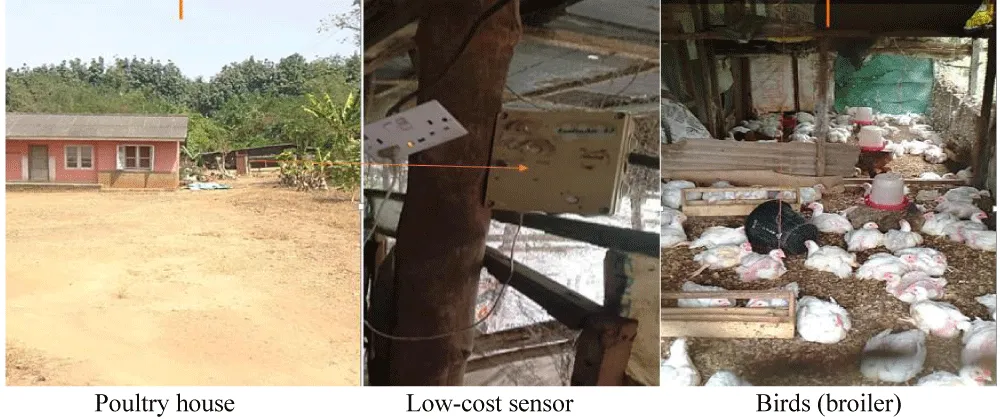
The indoor investigation tracking was conducted for 6 months in the Federal College of Agriculture, Akure (FECA) poultry house (Figure 1), and it lasted for twenty-four hours. The SentinAir detector was fixed to a structure that was 1.8 meters tall. Employing a low-cost air detector (Model: SentinAir S3) (https://github.com/domenico-suriano/SentinAir), the amounts of Carbon Dioxide (CO2), Nitrogen Dioxide (NO2), Ozone (O3), and Particulate Matter (PM1, PM2.5, and PM10) were measured [35].
Description of sensor
An instrument called SentinAir was created to collect data from a variety of instruments, sensors, or devices (Figure 1). Since the Raspberry 3 B+ board serves as the system's central component, the software described in this guide can be installed on either a Raspberry 3 B+ board or a SentinAir device. SentinAir requires that devices be connected via USB, Ethernet, serial UART, SPI, or I2C interface. Only devices connected to the Raspberry board-the "brain" of SentinAir-through its USB, I2C, Ethernet, and serial UART ports have been used to test the system thus far. With the exception of the web pages that are delivered via the internal web server, the system is based on command line interfaces [35].
Calibration
The device itself, its colocation, and all the components and procedures required to build it are described in detail in previous articles and in an online repository [35-37]. Indoor and outdoor trials have been used to test the sensor: such tests have been performed for validating the calibration functions once they were calculated. An evaluation between RI evaluations and the outcomes provided by the sensor data, as explained by the Linear Regression (LR) and Multivariate Linear Regression (MLR) models, was conducted in order to evaluate the sensor's performance [35]. The coefficient of determination (R2), Mean Absolute Error (MAE), Root Mean Squared Error (RMSE), and normalized Root Mean Squared Error (nRMSE), as described by Equations 1, 2, 3, 4, and 5, were the metrics used for both the validation and calibration procedures. The readings made by the tool and reference instruments during the validation period were displayed in the Suriano D, et al. [35] report, which also illustrated the accuracy of the system's observations in relation to the actual gas levels.
where N is the number of documentation in the dataset, f(xi) is the amount of gas value determined by the sensor data at time i, and r(xi) is the reference value that corresponds to the sensor value xi at time i. Since NDIR CO2 sensors typically have high sensitivity and selectivity, Aleixandre and Gerboles [38] state that the effects of interfering gases were not anticipated and, as a result, were not determined. In the equations above, N is the number of records in the dataset, mi is the model's ith value, ri is the reference instrument's reading, r- is the average of the reference readings, and m- is the average of the measurements the model provided. The coefficient of determination, or the degree of correlation between AQM and reference data, is a number between 0 and 1 that indicates how well the AQM measurements match the reference values. Good performance is shown by values around 1; poor correlation is indicated by values near 0. Both RMSE and MAE are indicators that reveal the type of error that exists between the reference and the model.
AQI
The AQI for each location was calculated using the PM2.5 concentration data (https://www.airnow.gov/aqi/aqi-calculator/). The AQI is a standardized index that converts PM2.5 levels into a single number representing the overall air quality, categorized into different health impact levels. The calculation followed the guidelines set by the U.S. Environmental Protection Agency [39], which provide a clear framework for interpreting PM2.5 data in terms of health risks.
Results and Discussion
Table 1 shows the basic description of the pollutants from the study. CO2 value is 592.44 ± 53.15 ppm. The minimum and maximum are 446.5 and 892.6 µg/m3 respectively. The CO2 value is moderate but below the WHO recommended limit. NO2 (181.38 ± 16.48 ppb) and O3 (68.11 ± 10.06 ppb) reported in the table may be elevated which could exceed the guideline if subjected to prolong exposure. PM1 (11.26 ± 7.67 µg/m3), PM2.5 (16.66 ± 11.92 µg/m3), and PM10 (17.66 ± 13.11 µg/m3) show low values but the deviation is a little bit high which is confirmed by the difference between the minimum and maximum. In all the PM there is strong positive Skewness indicating that most values are low, but occasionally extreme spikes happens. Similar spiking pattern is depicted in NO2 because it is right-skewed (2.44), while O3 is negatively skewed (-3.35). All PMs has high kurtosis indicating heavy-tailed distributions. The outliers in PMs suggest episodic pollution events. NO2 and O3 show leptokurtic behaviour. There is tendency for public health risks for the birds and occupants of the poultry house because of the high levels and variability of NO2 and PM. The Skewness, kurtosis, and Q-Q plot confirm the non-normal distributions of the data. From the descriptive statistics, it could be seen that there are spikes in PM and NO2 meaning that there is episodic events caused the harmful pollution. Nearly all the pollutants are highly skewed and peaked distributed. There is the need for creation of awareness and constant monitoring of the poultry house in terms of pollutants.
| Table 1: Descriptive statistic of the pollutants studied. | ||||||
| CO2 (ppm) | NO2 (ppb) | O3 (ppb) | PM1 (µg/m3) | PM2.5 (µg/m3) | PM10 (µg/m3) | |
| Mean | 592.44 | 181.38 | 68.11 | 11.26 | 16.66 | 17.66 |
| Std. Deviation | 53.15 | 16.48 | 10.06 | 7.67 | 11.92 | 13.11 |
| Minimum | 446.5 | 138 | 14 | 0 | 0 | 0 |
| Maximum | 892.6 | 272 | 80 | 186 | 295 | 321 |
| Quartile 1 | 559.63 | 174 | 68 | 7 | 10 | 11 |
| Quartile 3 | 614.4 | 185 | 72 | 15 | 22 | 23 |
| Interquartile Range | 54.77 | 11 | 4 | 8 | 12 | 12 |
| Skew | 0.41 | 2.44 | -3.35 | 6.89 | 7.94 | 8.02 |
| Kurtosis | 1.47 | 8.84 | 11.92 | 111.83 | 133.24 | 132.04 |
| 95% Confidence interval of Mean | 590.96 - 593.92 | 180.92 - 181.83 | 67.83 - 68.39 | 11.04 - 11.47 | 16.33 - 16.99 | 17.3 - 18.03 |
| Mean ± Std. | 592.44 ± 53.15 | 181.38 ± 16.48 | 68.11 ± 10.06 | 11.26 ± 7.67 | 16.66 ± 11.92 | 17.66 ± 13.11 |
According to Winkel A, et al. [40], the measured levels of CO2, PM2.5, and PM10 exceeded than those found in the scientific literature. There are a number of reasons for this discovery. When broilers grow older, the amount of PM in their homes starts to increase logarithmically. Activity related to broiler feeding and farm personnel management also had an impact on the PM concentration of particulate matter in the home [41]. Two sizable layer hen houses with manure belts and mechanical ventilation showed comparable trends in NH3 concentrations [42]. The current investigation's levels of carbon dioxide were above levels seen in earlier research [43,44]. Low airflow and the buildup of CO2 in broiler cages during the winter months could be the cause of this discrepancy. With low levels in all three production phases, there were also no noticeable variations between the in-cage and aisle airspeeds.
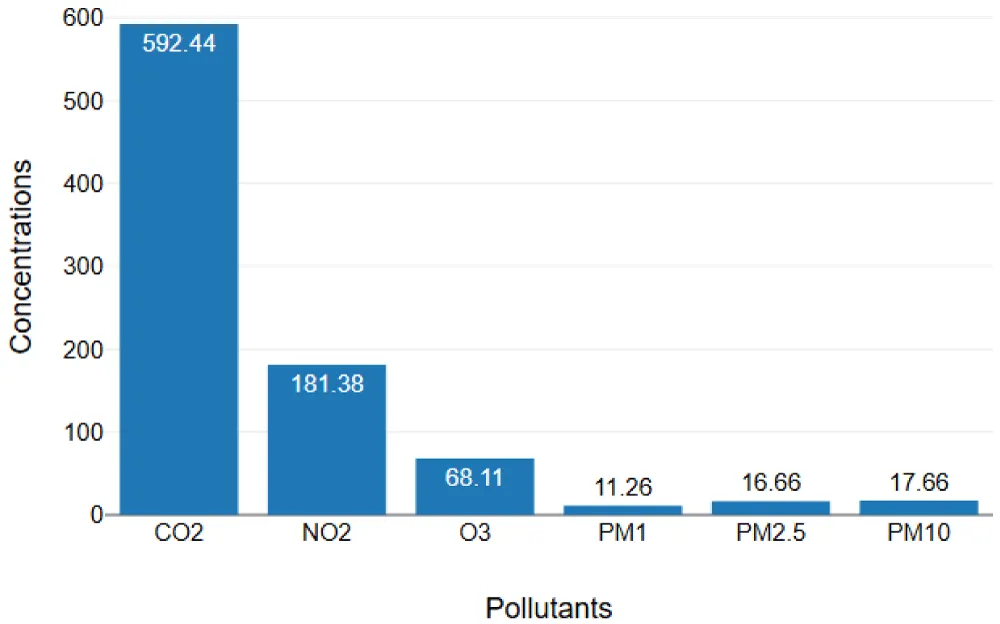
Figure 2 showed the mean level of CO2 as 592.44 ppm which could be due to poor ventilation but not toxic at this present moment. Levels of 500-800 ppm suggest inadequate ventilation in closed places which are lower than WHO level of 1000 ppm. NO2 concentration of 181.38 ppb is higher than WHO 1 h exposure level (200 µg/m3 ≈ 106 ppb). The source for this pollutant could be due to the sources of heating (lantern, stove, and biomass burning) the poultry house. The high NO2 which when exposed to can contribute to airway inflammation, bronchitis, and respiratory risk especially to the vulnerable individuals. O3 (68 ppb) value is not as high as other pollutants, but it is within values of 60 - 100 ppb WHO guideline. The concentration is an indication of outdoor to indoor infiltration. The workers in the poultry should be careful because the pollutant can cause throat, lung, and eye irritation. The mean PMs ranged thus: PM1 (11.26 µg/m3), PM2.5 (16.66 µg/m3), and PM10 (17.66 µg/m3). According to WHO [45] 24 h guideline, there is no limit set for PM1, but PM2.5 and PM10 have 15 µg/m3 and 45 µg/m3 respectively. Although these values were below WHO guidelines they are potential harmful to individuals. PM1 poses a threat due to the particle size which can penetrate deep into the lung. Added to the indoor sources mentioned earlier, open burning outside the poultry house could add more risk. To sum it up, the results depicted the order as: CO2 > NO2 > O3 > PM10, PM2.5, and PM1. Although PMs values look lower, but have higher health risks per µg/m3 especially PM2.5 and PM10. The study confirms a multifaceted air pollution problem both in the institute and the poultry house then there is the need for improvements in the poultry house, use of clean energy, and constant monitoring of pollutants.
PM contains allergens, endotoxins, and pathogenic microorganisms. Respiratory conditions such dust poisoning syndrome, asthma, and chronic bronchitis are frequently brought on by these causes [33,46]. Numerous microorganisms were associated to the PM2.5 in a chicken barn with inadequate ventilation, and their numbers rose as the PM concentrations rose [47]. Over fifty percent of broilers subjected to a heated chamber had bronchial lesions of varied degrees wherein dust particles could be seen, as airborne PM increased [14].
Table 2 depicted the Dunn-Bonferroni results of the pollutants in this study. This result is significant showing that one of the pollutant’s levels are significantly different from others. The table also shows the p-value to be < .001 and the adjusted p-values < .001, this differences has no random variation. This differences could be due to differences in the anthropogenic sources and meteorological dispersion patterns of the pollutants. The results showed that CO2 and PM1 had 21,871.6 units with test stat of 126.62, that of CO2 - PM2.5 and CO2-PM10 had a very high test stat of >100. The implication of these results depicted that the CO2 emission could have resulted from combustion related sources like generator, vehicular movements, and burning of wastes. From the results, the PM trend varied thus PM1 > PM2.5 > PM10 (with values of PM1-PM2.5 (-2857.29, p < .001; PM1-PM10 (-3215.31, p < .001). These negative levels showed higher levels of ultrafine particles suggesting proximity to combustion sources. This is significant for respiratory health. The PM2.5 and PM10 has p = 0.038. The Bonferroni adjustment of p = 0.573 suggested that the PM concentrations are statistically the same. The significant difference between NO2, O3, and all the PMs confirm unique sources. The low concentrations of O3 compared to CO2 and PMs are likely due to low sunlight-driven photochemical reactions. The implications of high PMs and CO2 is that students and other inhabitants of the college should be aware that there should be a serious concerns about the air quality and public health. High PM1 is an evidence that the sources are from combustion.
| Table 2: The dunn-bonferroni-tests of the pollutants. | |||||
| Test Statistic | Std. Error | Std. Test Statistic | p | Adj. p | |
| CO2 - NO2 | 4986.19 | 172.73 | 28.87 | <.001 | <.001 |
| CO2 - O3 | 10081.6 | 172.73 | 58.37 | <.001 | <.001 |
| CO2 - PM1 | 21871.6 | 172.73 | 126.62 | <.001 | <.001 |
| CO2 - PM10 | 19014.32 | 172.73 | 110.08 | <.001 | <.001 |
| CO2 - PM10 | 18656.3 | 172.73 | 108.01 | <.001 | <.001 |
| NO2 - O3 | 5095.41 | 172.73 | 29.5 | <.001 | <.001 |
| NO2 - PM1 | 16885.42 | 172.73 | 97.75 | <.001 | <.001 |
| NO2 - PM2.5 | 14028.13 | 172.73 | 81.21 | <.001 | <.001 |
| NO2 - PM10 | 13670.11 | 172.73 | 79.14 | <.001 | <.001 |
| O3 - PM1 | 11790.01 | 172.73 | 68.26 | <.001 | <.001 |
| O3 - PM2.5 | 8932.72 | 172.73 | 51.71 | <.001 | <.001 |
| O3 - PM10 | 8574.7 | 172.73 | 49.64 | <.001 | <.001 |
| PM1 - PM2.5 | -2857.29 | 172.73 | -16.54 | <.001 | <.001 |
| PM1 - PM10 | -3215.31 | 172.73 | -18.61 | <.001 | <.001 |
| PM2.5 - PM10 | -358.02 | 172.73 | -2.07 | .038 | .573 |
Figure 3 depicted the plot showed the range (spread), observations (density), and the outliers and central tendencies. On the plot, CO2 is shown as the highest concentration of between 400 and over 800 ppm, a cluster density between 500-600 ppm which above recommended 400 ppm of outdoor baseline. CO2 levels is an indirect marker of indoor air quality, a high CO2 level depicts poor ventilation. The PM levels looks moderately high. PM2.5 and PM10 levels showed outliers of above 200 µg/m3. The long tails and narrow distributions suggested occasional pollution spikes. The low levels of NO2 and O3 are significant. The distributions of NO2 has a distribution between 180 and 200 ppb, while O3 has between 60 and 80 ppb which could be due to vehicular movements/fossil fuel combustion and photochemical activity respectively. Dunn-Bonferroni test in table 2 confirmed that the pollutants are statistically and environmental distinct in source and behaviour.
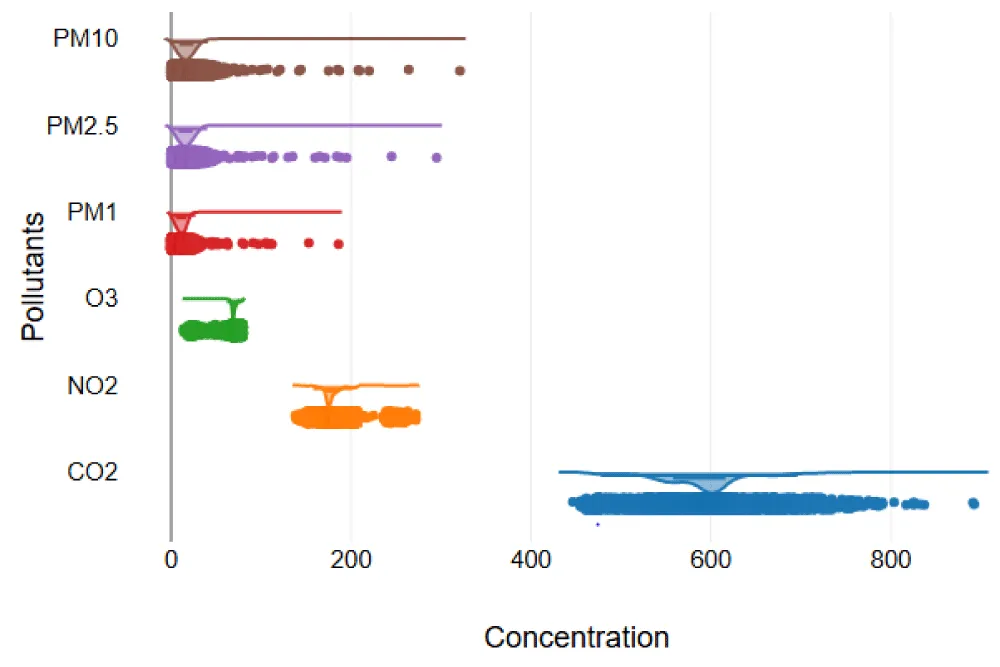
Figure 4 showed the comparison of sample quantiles and the theoretical quantiles which deviates (S-curve) from normal distribution. The straight line which move across the mid-point of the graph is the ideal 1:1 relationship. It explains that if data obtained are normally distributed, all points will be on the line. The second line which is not straight is the distribution of pollutants levels after standardization (z-scores). In the graph, there is departure from normality showing upper (bends upward) and lower (bends slightly) tails moving away from the straight line. The upper tail indicated a positive skweness. It is evident from the graph that the pollutant data deviated from the normal distribution it shows that parametric tests like ANOVA are not here, this justifies the use of non-parametric test, Dunn-Bonferroni which do not assume normality. The outliers obtained in the upper tail show the peak pollution periods (episodic events), this could be during release of emission of biomass burning, different methods used for heating up indoor, or litter type, stoking density and management may affect the gas concentration and emission from broiler houses [21]. According to Reddy AR, et al. [48], poultry faecal matter that gets collected in the droppings pit inside the poultry house contains high organic matter and nitrogen. As this material gets accumulated the inner layers become anaerobic and develop reducing conditions. The plot affirms the pollutants levels deviate from normal distribution showing asymmetry and heavy tails, where high-intensity events within the poultry house elevate indoor air quality deterioration.
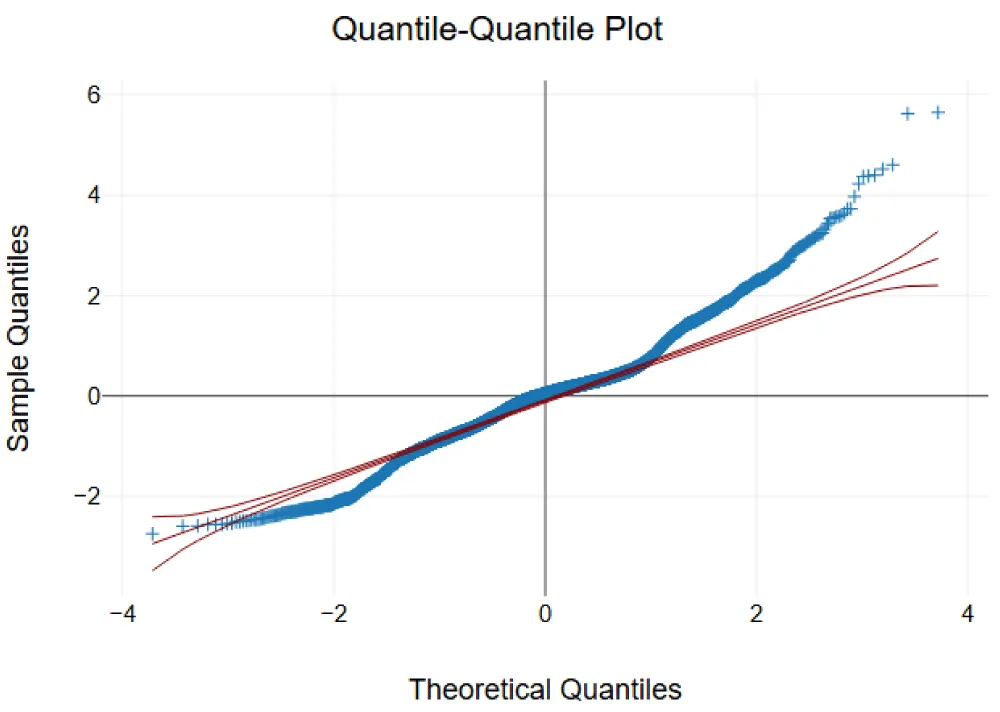
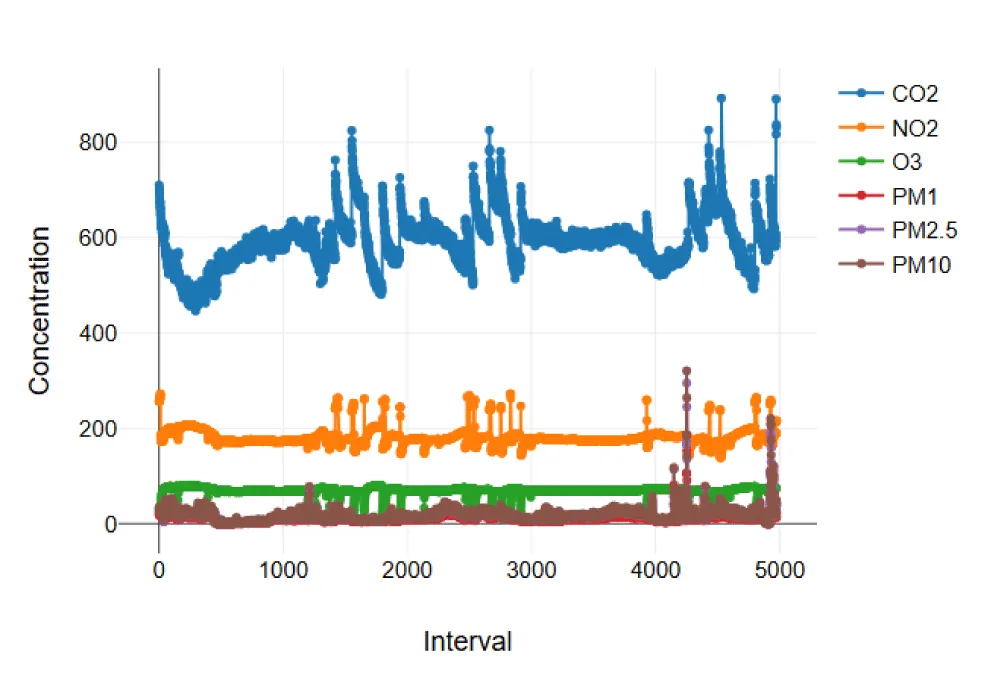
Figure 5 depicted the line graph of the results of pollutants. x - axis shows the time interval. CO2 which ranged between 500 and 800 ppm is shown at the top most part of the chart. The fluctuations and peaks occurred at regular time intervals. The highest peak occurred between 4000 and 5000-time interval. The next fluctuations which are visible on the chat are NO2 and O3. It showed that O3 peaks are stable compared to others. This situation could be as a result of the reaction with other pollutants in the presence of sunlight. Regarding its effects on the surroundings, atmospheric NO2 has a lengthy half-life and plays a major role in the phenomenon of greenhouse gases and climate change [49,50]. Additionally, via photochemical incidents, it adds to the stratosphere's ozone layer's thinning [51]. The PMs peaks are shown below close to the zero axis. Most of the noticeable spikes are observed within 4000 to 4500 at the interval. The sudden increases in the spikes especially by PM10 indicates sudden specific events like biomass burning and dust storms which release larger PM into the poultry house. Understanding the sources of pollution in the poultry house is crucial and this could be observed in the trends (continuous and event-driven spikes).
PM is one of the main air pollutants that poses a serious concern to public and bird well-being, air quality, and climate change. According to Cambra-López M, et al. [52], broiler houses in European countries had TSP (inhalable PM) concentrations ranging from 1 to 14 mg m−3. Particularly during colder months when the house will have less ventilation, the levels of PM in broiler houses have an impact on the health and welfare of the birds. These effects include eye irritation, throat irritation, coughing, phlegm, chest tightness, sneezing, headache, fever, nasal congestion, and wheezing. In addition, prolonged exposure to PM raises the risk of lung cancer, cardiovascular illness, pneumonia lesions, obstructive pulmonary disease, chronic bronchitis, asthma-like symptoms, and even death.
Table 3 showed the Pearson correlations of pollutants. The range values of +1 (perfect positive correlation), -1 (perfect negative correlation), and 0 (no linear relationship) are employed. There are many pairs obtained in the study which include: CO2 and NO2 (r = -0.53) moderate relationship, suggesting different sources. CO2 and O3 (r = -0.70), strong negative relationship, this could be due to photochemical reactions. CO2 and PMs (r = < 0.20 to 0.21), weak positive relationship, meaning the duo were not from same sources. NO2 and O3 (r = +0.79), strong positive relationship due to same sources from combustion processes, vehicular emissions and chemical reactions within the poultry litters. NO2 and PMs (r = < 0.17 to 0.19), weak positive relationship, O3 and PMs (r = < 0.0.9-0.12), very weak relationship, and PMs (0.98-1.00), extremely strong positive correlations indicating they are like to come from the same sources and co-emission and uniform dispersion. CO2 source from the poultry house could be as result of indoor respiration of the birds, plants, incomplete combustion, and workers. Weak PM and gases correlations suggest mixed sources combustion and non-combustion (farming nearby the house) activities.
| Table 3: Pearson correlation coefficients between air pollutants within the poultry house. | ||||||
| CO2 | NO2 | O3 | PM1 | PM2.5 | PM10 | |
| CO2 | 1 | -0.53 | -0.7 | 0.2 | 0.21 | 0.21 |
| NO2 | -0.53 | 1 | 0.79 | 0.19 | 0.17 | 0.17 |
| O3 | -0.7 | 0.79 | 1 | 0.12 | 0.1 | 0.09 |
| PM1 | 0.2 | 0.19 | 0.12 | 1 | 0.98 | 0.98 |
| PM2.5 | 0.21 | 0.17 | 0.1 | 0.98 | 1 | 1 |
| PM10 | 0.21 | 0.17 | 0.09 | 0.98 | 1 | 1 |
Varying levels of exposure to pollutants are shown in table 4, the different pollutants has implications for human health risk. The AQI categories has insight into the potential risks to workers, especially those in sensitive group (elderly, individuals with respiratory issues and children. The mean concentration of NO2 (181.38 ppb) has an AQI of 116 and categorized as unhealthy for sensitive group. O3 has AQI of 93 and PM2.5 and PM10 fall in the category of moderate. For workers and birds to be in safe conditions, table 4 is a good guide to be strictly followed.
| Table 4: Potential health risk for workers due to the exposure in the workplace. | ||||||
| Parameter | Mean Concentration | AQI | AQI Category | Sensitive Groups | Health Effects Statements | Cautionary Statements |
| NO2 | 181.38 ppb | 116 | Unhealthy for sensitive group | The most vulnerable categories include youngsters, the elderly, and those with heart or respiratory conditions. | Premature death in those with cardiopulmonary disease and the elderly, escalation of heart or lung disease, and an increased risk of respiratory symptoms in sensitive people. | People with respiratory or heart disease, the elderly and children should limit prolonged exertion. |
| O3 | 68.11 ppb | 93 | Moderate | The most vulnerable categories include youngsters, the elderly, and those with heart or respiratory conditions. | Unusually sensitive people should consider reducing prolonged or heavy exertion | Unusually sensitive people should consider reducing prolonged or heavy exertion |
| PM1 | 11.26 µg/m3 | - | - | - | - | |
| PM2.5 | 16.66 µg/m3 | 65 | Moderate | The most vulnerable categories include youngsters, the elderly, and those with heart or respiratory conditions. | Unusually sensitive people should consider reducing prolonged or heavy exertion. | Unusually sensitive people should consider reducing prolonged or heavy exertion. |
| PM10 | 17.66 µg/m3 | 67 | Moderate | The most vulnerable categories include youngsters, the elderly, and those with heart or respiratory conditions. | Unusually sensitive people should consider reducing prolonged or heavy exertion. | Unusually sensitive people should consider reducing prolonged or heavy exertion. |
Conclusion
This study's evaluation of the air pollutants at the FECA location's poultry house showed different levels of each pollutant and their interactions, which are a reflection of both environmental and operational factors. Results quantified the basic descriptive pattern of the pollutants. CO2 was below the WHO 24 h guideline. Temporal trends showed that all pollutants had their spikes between 4000 and 5000 intervals. Pearson correlation coefficient revealed weak and strong relationships (PMs and CO2:O3). Dunn-Bonferroni test confirmed that pollutants are statistically and environmental distinct in source and behaviour. In the graph, there is departure from normality showing upper (bends upward) and lower (bends slightly) tails moving away from the straight line. Ozone and PMs were in the moderate range, indicating possible dangers to people during prolonged exposure, whilst nitrogen dioxide was the most concerning because it is deemed dangerous for sensitive groups. Strong correlations between the PM suggest that feed handling, dust resuspension, and animal activity in the poultry house are the main sources of emissions. According to these findings, in order to safeguard the respiratory health of employees and guarantee their best possible welfare, ventilation systems, dust suppression techniques, and routine air quality monitoring in the poultry environment must be improved. Additionally, this study offers proof in favor of optimal management practices and the development of environmental health policies in Nigeria's expanding chicken industry. Encouraging safer and more sustainable animal production methods can be achieved by strengthening these regulations and helping to bring agricultural air quality standards into compliance with international norms.
Data Availability
All data generated or analyzed during this study are included in this published article.
Acknowledgements
The authors are grateful to Dr. Domenico Suriano and Prof. M. Penza of ENEA-Italian National Agency for New Technologies, Energy and Sustainable Economic Development, Brindisi Research Center, SS. 7 Appia, km 706, 72100 Brindisi, Italy for the gift of SentinAir low-cost sensor used in this work.
Contributions
The first draft of the manuscript was written by Francis Olawale Abulude and all authors commented on previous versions of the manuscript. All authors read and approved the final manuscript.
References
- Directive 2010/75 / EU of the European parliament and of the council for the intensive rearing of poultry and pigs.
- Stafie LC, Antohe R. Laying hens in free range system practical growing guide. Waldpress Publishing House. Timisoara. 2018.
- Mitroi R, Stoian O, Mierla CIC, Manea C. Pollutants resulting from intensive poultry farming activities and their impact on the environment. E3S Web of Conferences. 2021;286(3):03018. doi: 10.1051/e3sconf/202128603018.
- Punga I, Iordanov IR. Environmental impact assessment: Case study. AO "EcoContac”. Chisinau: Sn. 2016.
- Hu Y, Cheng H, Tao S. Environmental and human health challenges of industrial livestock and poultry farming in China and their mitigation. Environ Int. 2017 Oct;107:111-130. doi: 10.1016/j.envint.2017.07.003. Epub 2017 Jul 15. PMID: 28719840.
- Decision no. 964/2000 on the approval of the action plan for the protection of waters against nitrate pollution from agricultural sources with subsequent amendments and completions. FAO. 2000.
- Alionte CG, Comeaga DC. Noise assessment of the small-scale wind farm. E3S Web of Conferences. 2019;112:02011. doi: 10.1051/e3sconf/201911202011.
- Viegas S, Faísca VM, Dias H, Clérigo A, Carolino E, Viegas C. Occupational exposure to poultry dust and effects on the respiratory system in workers. J Toxicol Environ Health A. 2013;76(4-5):230-9. doi: 10.1080/15287394.2013.757199. PMID: 23514065.
- Oppliger A, Charrière N, Droz PO, Rinsoz T. Exposure to bioaerosols in poultry houses at different stages of fattening; use of real-time PCR for airborne bacterial quantification. Ann Occup Hyg. 2008 Jul;52(5):405-12. doi: 10.1093/annhyg/men021. Epub 2008 May 22. PMID: 18497431; PMCID: PMC2488377.
- Shen D, Wu S, Dai PY, Li YS, Li CM. Distribution of particulate matter and ammonia and physicochemical properties of fine particulate matter in a layer house. Poult Sci. 2018 Dec 1;97(12):4137-4149. doi: 10.3382/ps/pey285. PMID: 29982840.
- Fernandez AP, Demmers TG, Tong Q, Youssef A,Norton T, Vranken E, Berckmans D. (2019). Real-time modelling of indoor particulate matter concentration in poultry houses using broiler activity and ventilation rate. Biosyst. Eng. 187:214–225. doi: 10.1016/j.biosystemseng.2019.09.004.
- Hu F, Cheng B, Wang-Li L. Characteristics of particulate matter emissions from swine and poultry production houses in the United States. American Society of Agricultural and Biological Engineers. 2021;64(5):1569-1579. doi: 10.13031/trans.14622.
- Corbanie EA, Matthijs MG, van Eck JH, Remon JP, Landman WJ, Vervaet C. Deposition of differently sized airborne microspheres in the respiratory tract of chickens. Avian Pathol. 2006 Dec;35(6):475-85. doi: 10.1080/03079450601028845. PMID: 17121737.
- Riddell C, Schwean K, Classen HL. Inflammation of the bronchi in broiler chickens, associated with barn dust and the influence of barn temperature. Avian. Dis. 1998;42:225-229.
- Terzich M, Quarles C, Goodwin MA, Brown J. Effect of Poultry Litter Treatment(R) (PLT(R)) on the development of respiratory tract lesions in broilers. Avian Pathol. 1998;27(6):566-9. doi: 10.1080/03079459808419385. PMID: 18484274.
- Roque K, Shin KM, Jo JH, Kim HA, Heo Y. Relationship between chicken cellular immunity and endotoxin levels in dust from chicken housing environments. J Vet Sci. 2015;16(2):173-7. doi: 10.4142/jvs.2015.16.2.173. Epub 2014 Dec 24. PMID: 25549222; PMCID: PMC4483500.
- Franzi LM, Linderholm AL, Rabowsky M, Last JA. Lung toxicity in mice of airborne particulate matter from a modern layer hen facility containing Proposition 2-compliant animal caging. Toxicol Ind Health. 2017 Mar;33(3):211-221. doi: 10.1177/0748233716630490. Epub 2016 Jul 9. PMID: 26939833.
- Liu D, Wagner JG, Harkema JR, Gerlofs-Nijland ME, Pinelli E, Folkerts G, Vandebriel RJ, Cassee FR. Livestock farm particulate matter enhances airway inflammation in mice with or without allergic airway disease. World Allergy Organ J. 2020 Apr 3;13(4):100114. doi: 10.1016/j.waojou.2020.100114. PMID: 32256941; PMCID: PMC7132261.
- Le Riche EL, VanderZaag AC, Wagner-Riddle C, Dunfield K, Sokolov VK, Gordon R. Do volatile solids from bedding materials increase greenhouse gas emissions for stored dairy manure? Canadian Journal of Soil Science. 2017;97(3):512-521. doi: 10.1139/cjss-2016-0119.
- Knížatová M, Mihina Š, Brouček J, Karandušovská I, Mačuhová J. The influence of litter age, litter temperature and ventilation rate on ammonia emissions from a broiler rearing facility. Czech Journal of Animal Science. 2010;55: 337.
- Méda B, Hassouna M, Fléchard C, Lecomte M, Germain K, Picard S, Cellier P, Robin P. Housing emissions of NH3, N2O and CH4 and outdoor emissions of CH4 and N2O from organic broilers. In: Köfer J, Schobesberger H, editors. Proceedings of the XVth International Congress of the International Society for Animal Hygiene. Tribun, EU; 2011. p.215-218.
- Calvet S, Cambra-López M, Estellés F, Torres AG. Characterization of gas emissions from a Mediterranean broiler farm. Poult Sci. 2011 Mar;90(3):534-42. doi: 10.3382/ps.2010-01037. PMID: 21325223.
- Dolan A, Ludačková J, Pražma F. Measurement and evaluation of emission gasses production in the selected poultry farm (in Czech). In: Sborník mezinárodní vědecké konference: Technika pro zemědělské, ko-munální a environmentální technologie, oponované příspěvky jako součást časopisu Komunální technika. Praha: Profi Press; 2013:7(5). p.6.
- Jepson KH. Carbon dioxide emission and water evaporation from deep litter systems. J Agr Eng. 2000;77:429-440.
- Wang SY, Huang DJ. Assessment of greenhouse gas emissions from poultry enteric fermentation. Asian-Aust. J Anim Sci. 2005;18(6): 873-878.
- Miles DM, Owens PR, Rowe DE. Spatial variability of litter gaseous flux within a commercial broiler house: ammonia, nitrous oxide, carbon dioxide, and methane. Poult Sci. 2006 Feb;85(2):167-72. doi: 10.1093/ps/85.2.167. PMID: 16523609.
- Al-Kerwi MSM, Mardenli O, Jasim MRM, Al-Majeed MA. Effects of harmful gases emitted from poultry houses on productive and health performance. IOP Conf. Series: Earth and Environmental Science. 2022. doi: 10.1088/1755-1315/1060/1/012082.
- Pedersen S, Blanes-Vidal V, Jørgensen H, Chwalibog A, Haeussermann A, Heetkamp MJW, Aarnink AJA. Carbon dioxide production in animal houses: A literature review. CIGR Ejournal 10: BC. 2008.
- Cândido MGL, Xiong Y, Gates RS, Tinôco IFF, Koelkebeck KW. Effects of carbon dioxide on turkey poult performance and behaviour. Poultry Science. 2018;97(8):2768-2774.
- Schulze A, van Strien R, Ehrenstein V, Schierl R, Küchenhoff H, Radon K. Ambient endotoxin level in an area with intensive livestock production. Ann Agric Environ Med. 2006;13(1):87-91. PMID: 16841878.
- Hartung J, Schulz J. Occupational and Environmental Risks Caused by Bio-Aerosols in and from Farm Animal Hauses. Agricurtular Eng Int CIGR J. 2011;13:1173-1179.
- Szablewski T, Stuper-Szablewska K, Cegielska-Radziejewska R, Tomczyk Ł, Szwajkowska-Michałek L, Nowaczewski S. Comprehensive assessment of environmental pollution in a poultry farm depending on the season and the laying hen breeding system. Animals: an open access journal from MDPI. 2022;12(6):740. doi: 10.3390/ani12060740.
- Hamid A, Ahmad AS, Khan N. Respiratory and other health risks among poultry farm workers and evaluation of management practices in poultry farms. Rev Bras Cienc Avic. 2018;20(1):111-118. doi: 10.1590/1806-9061-2017-0513.
- Okiki AP, Ogbimi OA, Edafiadhe EW. Effects of air-borne hazards on the physical and psychological health of Nigerian poultry workers. Journal of Biology Agriculture and Healthcare. 2013;3(7):102-110
- Suriano D. SentinAir system software: A flexible tool for data acquisition from heterogeneous sensors and devices. SoftwareX. 2020;12. doi: 100589. 10.1016/j.softx.2020.100589.
- Suriano D, Penza M. Assessment of the Performance of a low-cost air quality monitor in an Indoor Environment through different calibration models. Atmosphere. 2022.
- Suriano D, Abulude FO, Penza M. The use of low-cost gas sensors for air quality monitoring with smartphone technology: A preliminary study. Chemosensors. 2025;13:189. doi: 10.3390/ chemosensors13050189.
- Aleixandre M, Gerboles M. Review of small commercial sensors for indicative monitoring of ambient gas. chemical engineering transactions. 2012;30:169-174. doi: 10.3303/CET1230029.
- Particulate Matter (PM) Basics. U.S. Environmental Protection Agency (EPA). 2020.
- Winkel A, Mosquera J, Koerkamp PWGG, Ogink NWM, Aarnink AJA. Emissions of particulate matter from animal houses in the Netherlands. Atmos. Environ. 2015;111:202-212. doi: 10.1016/j.atmosenv.2015.03.047.
- Li M, Zhou Z, Zhang Q, Zhang J, Suo Y, Liu J, Shen D, Luo L, Li Y, Li C. Multivariate analysis for data mining to characterize poultry house environment in winter. Poult Sci. 2024 May;103(5):103633. doi: 10.1016/j.psj.2024.103633. Epub 2024 Mar 8. PMID: 38552343; PMCID: PMC11000107.
- Chai LL, Ni JQ, Chen Y, Diehl CA, Heber AJ, Lim TT. Assessment of long-term gas sampling design at two commercial manure-belt layer barns. J Air Waste Manag Assoc. 2010 Jun;60(6):702-10. doi: 10.3155/1047-3289.60.6.702. PMID: 20564996.
- Alberdi O, Arriaga H, Calvet S, Estelles F, Merino P. Ammonia and greenhouse gas emissions from an enriched cage laying hen facility. Biosyst Eng. 2016;144:1-12. doi: 10.1016/j.biosystemseng.2016.01.009.
- Zheng W, Xiong Y, Gates RS, Wang Y, Koelkebeck KW. Air temperature, carbon dioxide, and ammonia assessment inside a commercial cage layer barn with manure-drying tunnels. Poult Sci. 2020 Aug;99(8):3885-3896. doi: 10.1016/j.psj.2020.05.009. Epub 2020 Jun 17. PMID: 32731975; PMCID: PMC7597998.
- WHO global air quality guidelines: Particulate matter (PM2.5 and PM10), ozone, nitrogen dioxide, sulfur dioxide and carbon monoxide [Internet]. Geneva: World Health Organization; 2021.
- Stuper-Szablewska K, Szablewski T, Nowaczewski S, Gornowicz E Chemical and microbiological hazards related to poultry farming. Medycyna Srodowiskowa. 2018;21:53-63.
- Nimmermark S, Lund V, Gustafsson G, Eduard W. Ammonia, dust and bacteria in welfare-oriented systems for laying hens. Ann Agric Environ Med. 2009;16(1):103-13. PMID: 19630203.
- Reddy AR, Praveen P, Prasadini P, Anuradha A. Assessment of air quality in a poultry house. Journal of Industrial Pollution Control. 2007;23(2):369-372.
- The Intergovernmental Panel on Climate Change (IPCC). In: Calvo Buendia E, Tanabe K, Kranjc A, Baasansuren J, Fukuda M, Ngarize S, Osako A, Pyrozhenko Y, Shermanau P, Federici S, editors. Refinement to the 2006 IPCC guidelines for national greenhouse gas inventories. Geneva, Switzerland: IPCC; 2019.
- Bittman S, Dedina M, Howard CM, Oenema O, Sutton MA. Options for ammonia mitigation: guidance from the UNECE task force on reactive nitrogen; Project Reference: CEH Project no. C04910. Edinburgh, UK: NERC/Centre for Ecology & Hydrology; 2014. p.83
- Pereira LS, Garcia J, Trindade H. Review of measures to control airborne pollutants in broiler housing. IntechOpen. 2023. doi: 10.5772/intechopen.110582.
- Cambra-López M, Aarnink AJ, Zhao Y, Calvet S, Torres AG. Airborne particulate matter from livestock production systems: a review of an air pollution problem. Environ Pollut. 2010 Jan;158(1):1-17. doi: 10.1016/j.envpol.2009.07.011. Epub 2009 Aug 4. PMID: 19656601.





Content Alerts
SignUp to our
Content alerts.
 This work is licensed under a Creative Commons Attribution 4.0 International License.
