
Medicine Group 2024 November 26;5(11):1516-1524. doi: 10.37871/jbres2040.





 Case Report
Tricuspid Stenosis of a Complex Etiology in a 26-Year-Old Woman after Surgical Correction of Congenital Gerbode Defect, successfully treated with Percutaneous Balloon Valvuloplasty
Zydzik L1, Gackowski A2,3, Zajdel W4, Olszanecka A1,5, Wojciechowska W1,5, Chyrchel B6, Kielbasa G1,5, Golinska-Grzybala K3, Kapelak B7, Bartus S6, Rajzer M1,5 and Sorysz D6*
2Department of Coronary Artery Disease and Heart Failure, Jagiellonian University Medical College, John Paul II Hospital, Krakow, Poland
3Noninvasive Cardiovascular Laboratory, John Paul II Hospital, Krakow, Poland
4Department of Interventional Cardiology, Institute of Cardiology, Jagiellonian University Medical College, John Paul II Hospital, Krakow, Poland
5First Department of Cardiology, Interventional Electrocardiology and Hypertension, Jagiellonian University, Medical College, Krakow, Poland
6Clinical Department of Cardiology and Cardiovascular Interventions, University Hospital, Krakow, Poland; Second Department of Cardiology, Institute of Cardiology, Jagiellonian University Medical College, Krakow, Poland
7Department of Cardiovascular Surgery and Transplantology, Institute of Cardiology, John Paul II Hospital, Jagiellonian University Medical College, Krakow, Poland
Abstract
Adults with Congenital Heart Disease (ACHD) are a constantly growing population that often presents significant challenges and requires a multidisciplinary approach. Therapeutic decisions must balance potential benefits and procedural risks, especially in young patients. Interventional cardiology offers treatments that may postpone cardiac surgery if the surgical long-term durability is doubtful. A particularly challenging group of patients includes those with rare defects or complex etiology, for which therapeutic standards have not been clearly established.
Tricuspid Stenosis (TS) is an uncommon valvular abnormality of acquired, congenital, or iatrogenic origin. Rarely, the etiology is multifactorial.
We present the case of a 26-year-old woman with a congenital Gerbode defect, initially surgically corrected in childhood with subsequent surgery of residual ventricular septal defect. Mild TS was observed after surgery but it progressed to severe symptomatic TS after double pacemaker lead replacement and fusion of ventricular pacing lead with the tricuspid leaflets. Because of the complex etiology of valve disease, the diagnosis and treatment were challenging and required the use of multimodality imaging, with the pivotal role of advanced echocardiography. Due to age, high surgical risk, pacemaker dependency, small tricuspid annulus, and the prospect of further interventions in the future, the choice of treatment strategy was demanding and required an expert approach. The surgery was considered suboptimal as the durability of the tricuspid valve prosthesis was doubtful and could cause severe complications in a young woman. The patient was finally treated successfully with a Percutaneous Tricuspid Balloon Valvuloplasty (PTVB), an unusual procedure with only casuistic reports. PTVB improved symptoms and postponed surgery.
The case shows the importance of multimodality imaging and individualized treatment plans for ACHD. It highlights the need for specialized teams to improve the outcomes.
Case Report
A 26-year-old woman was referred to cardiology department due to dyspnea on exertion. The patient had a history of a congenital gerbode defect partially closed with the septal leaflet of Tricuspid Valve (TV). At the age of 16 months, she underwent surgical correction with a dacron patch and TV repair. One year later, she required reoperation for a residual ventricular septal defect. Since her initial cardiac surgery, mild TS had been observed, with a mean gradient of 3-4 mmHg. Ten years later, a dual-chamber pacemaker was implanted due to symptomatic third-degree atrioventricular block. At age 26, the ventricular pacing lead was replaced twice within a year due to dysfunction. Two months after the last procedure, the patient started to develop dyspnea on exertion (New York Heart Association NYHA class III) accompanied by nausea.
On examination she was characterized by a petite stature, with a Body Mass Index (BMI) of 19.2 kg/m² (height 153 cm, weight 45 kg). Auscultation revealed a regular heartrate at 65 per minute, with a diastolic rumble noted in the lower left sternal border at the fourth intercostal space, increasing on inspiration. Lung examination was clear, and there was no peripheral edema or hepatomegaly. The electrocardiogram showed normal sinus rhythm with ventricular pacing. Laboratory tests indicated mildly elevated levels of N-Terminal pro-B-Type Natriuretic Peptide (NT-proBNP) at 194 pg/ml and Gamma-glutamyl Transferase (GGTP) at 60 U/l. The other parameters, including Alanine Aminotransferase (ALT) and Aspartate Aminotransferase (AST) were within normal limits (ALT 22 U/I, AST 27 U/I). There were no signs of infection, and inflammatory markers were negative. Chest radiography demonstrated a normal heart silhouette with two pacemaker leads in proper positions.
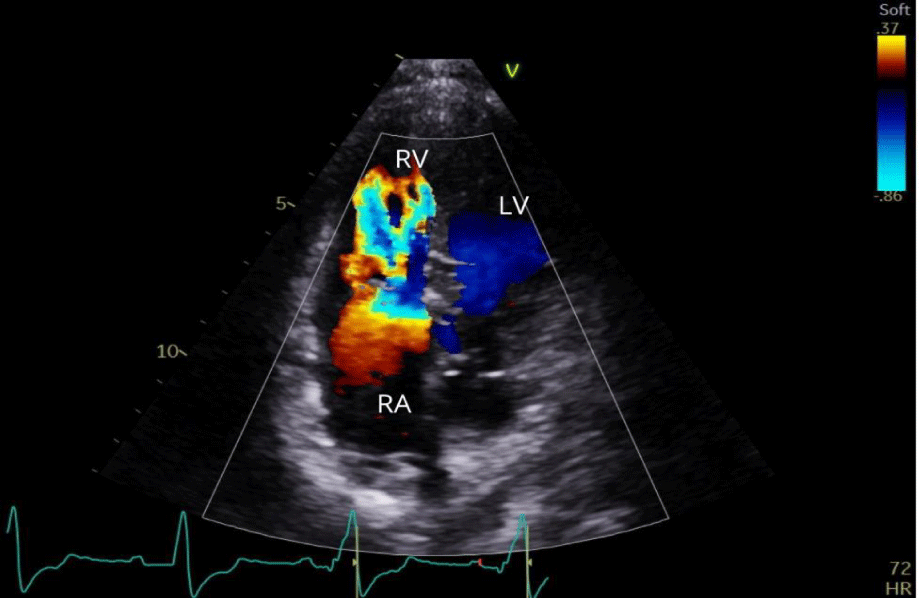
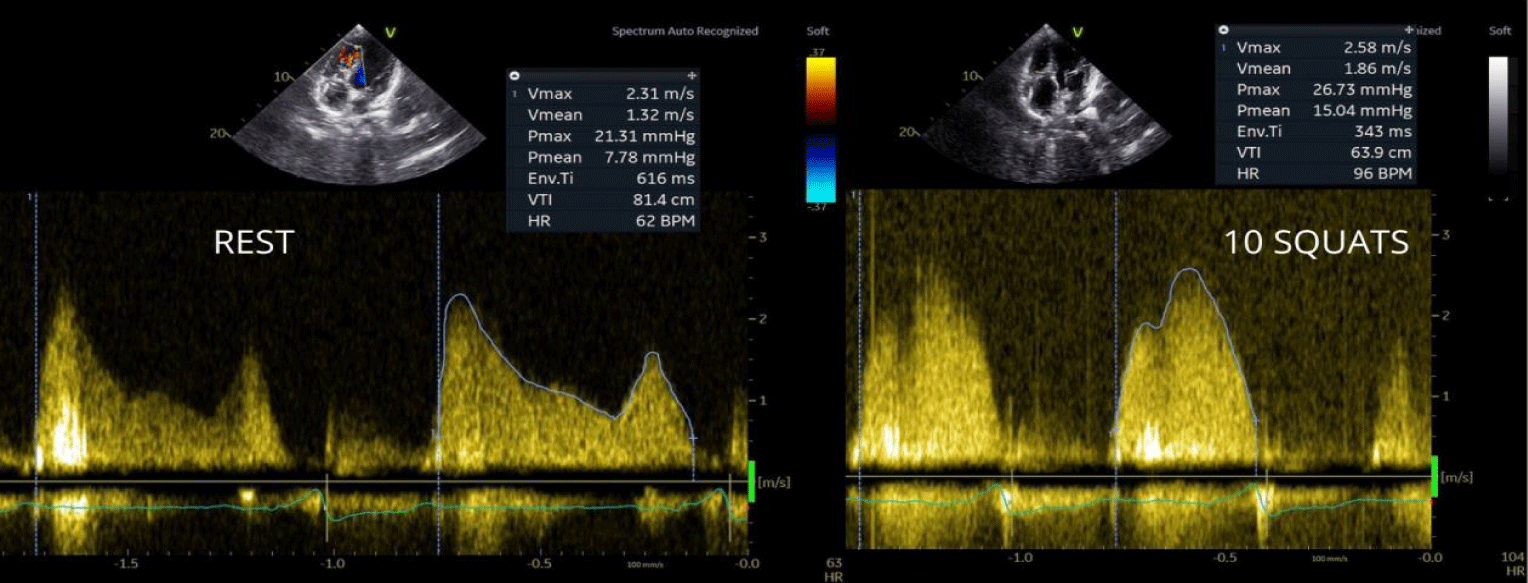
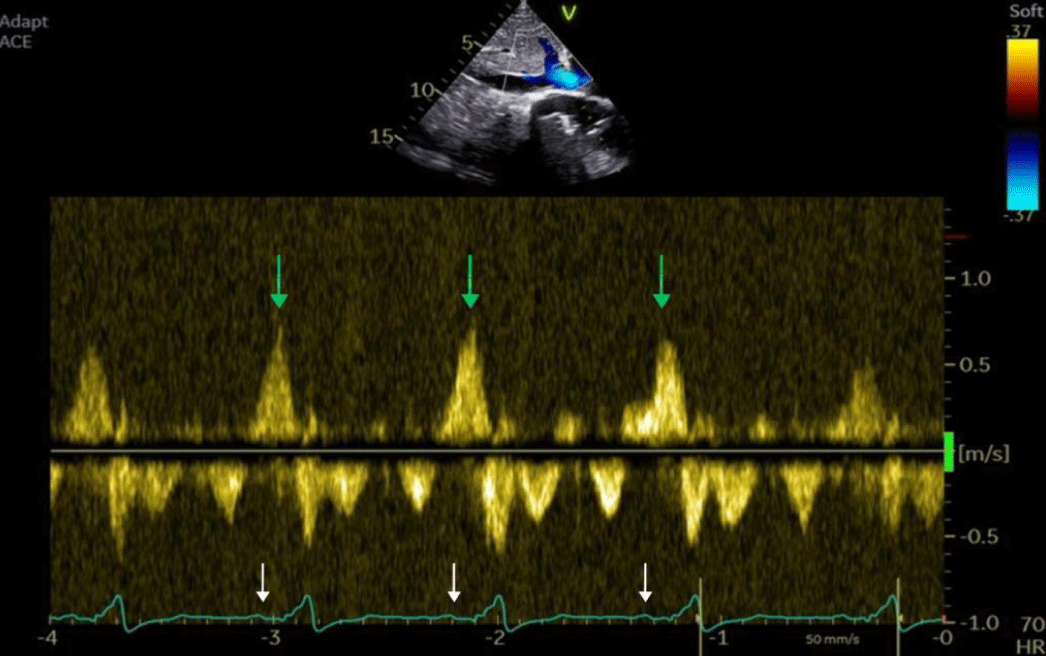
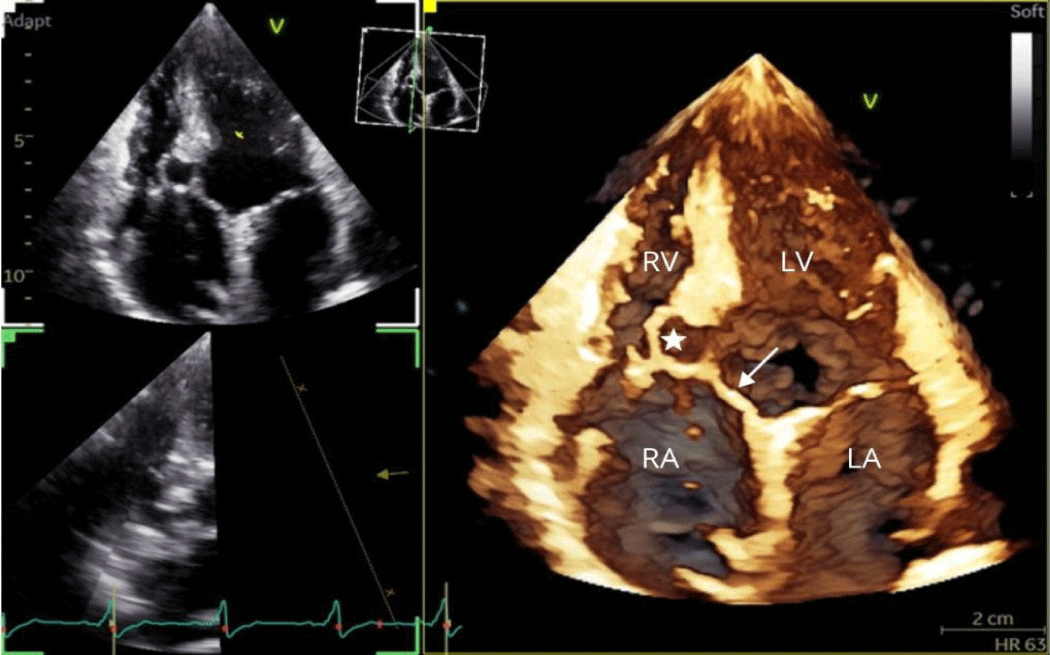
Transthoracic Echocardiography (TTE) revealed thickened TV leaflets and subvalvular apparatus with shortened chordae, as well as a doming motion of the valve. The TV leaflets appeared to be adherent to the ventricular lead (Figure 1A). Color Doppler imaging demonstrated turbulent inflow across the TV (Figure 1B) and mild Tricuspid Regurgitation (TR). The mean transvalvular gradient across the TV was 7.8 mmHg, increasing significantly to 15 mmHg after ten squats (Figure 1C). The Right Atrium (RA) was enlarged (59 ml, 39 ml/m2), the inferior vena cava was stiff during respiration, and Doppler imaging of the hepatic veins revealed ‘giant A-waves’ (Figure 1D). Intact patch on the atrioventricular septum and an aneurysm of the membranous septum measuring 1.8 x 0.4 cm without evidence of a shunt were also noted (Figure 1E). No signs of pulmonary hypertension were observed. Both left and right ventricular function were normal. These findings suggested severe symptomatic TS, most likely related to adhesion of the leaflets to the ventricular lead with commissural fusion.
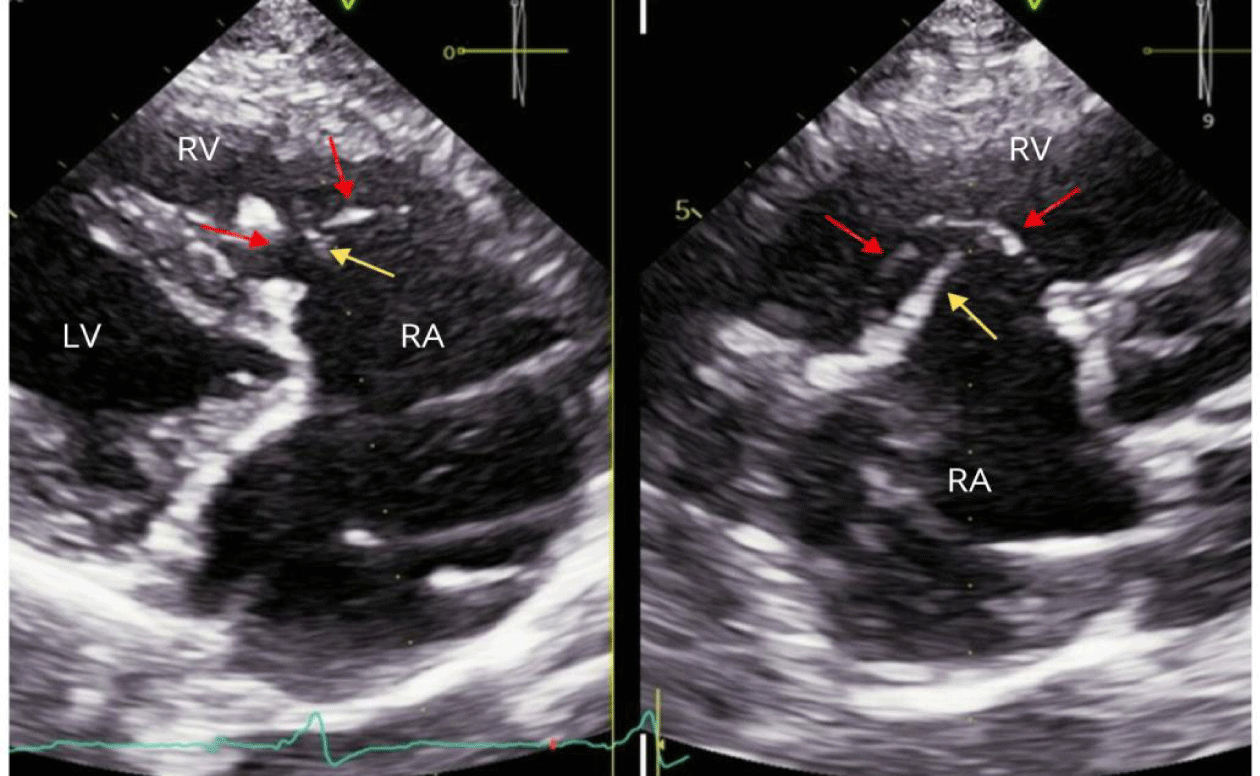
Figure 1A: TTE parasternal biplane view showing thickened TV leaflets (red arrows) with doming motion, ventricular lead marked with a yellow arrow. RA- Right Atrium, RV- Right Ventricle, LV- Left Ventricle.
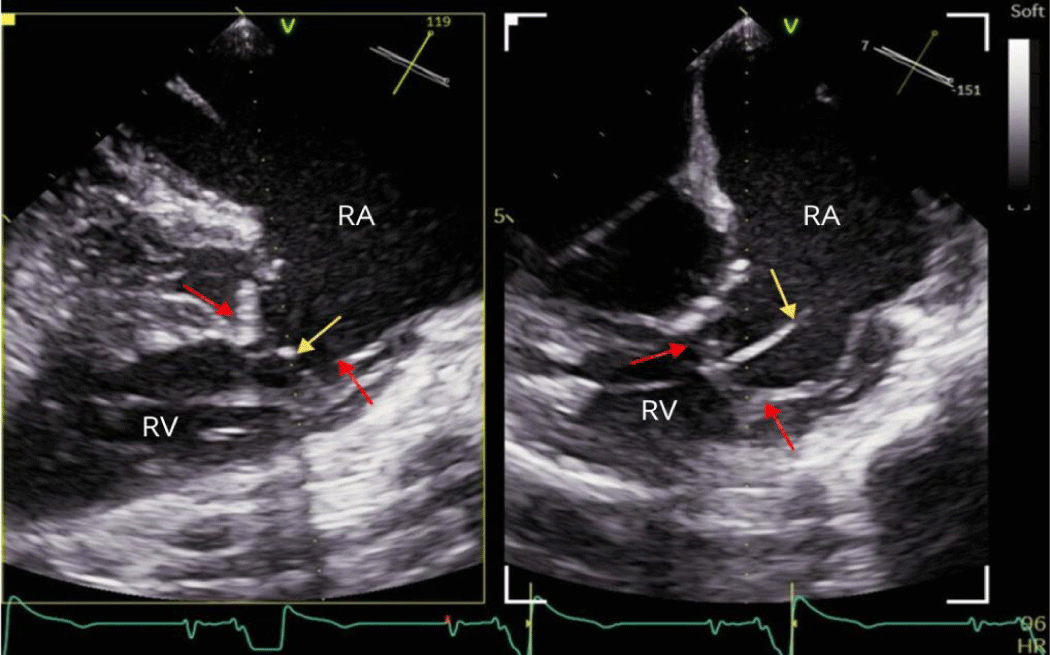
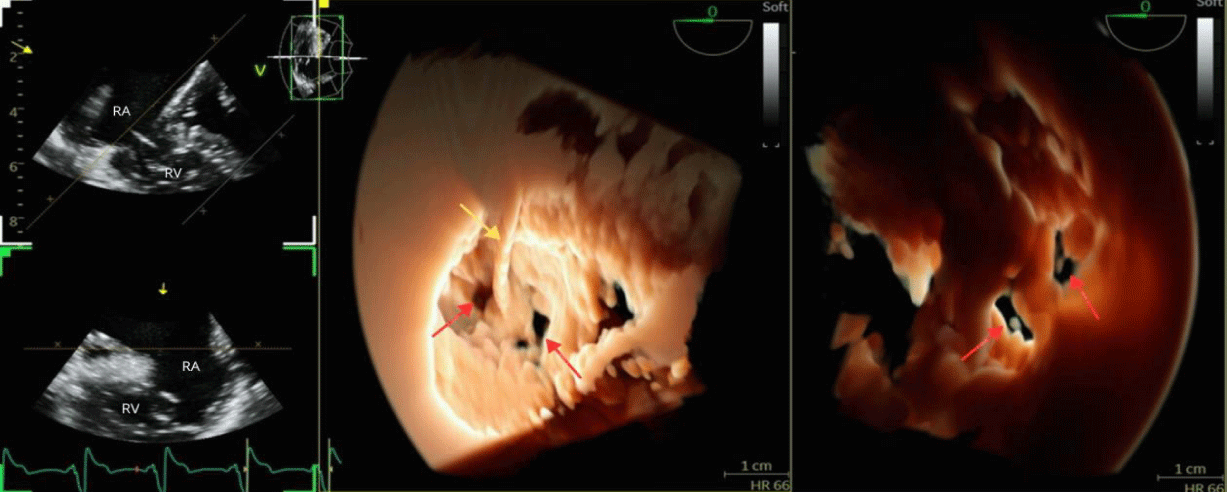
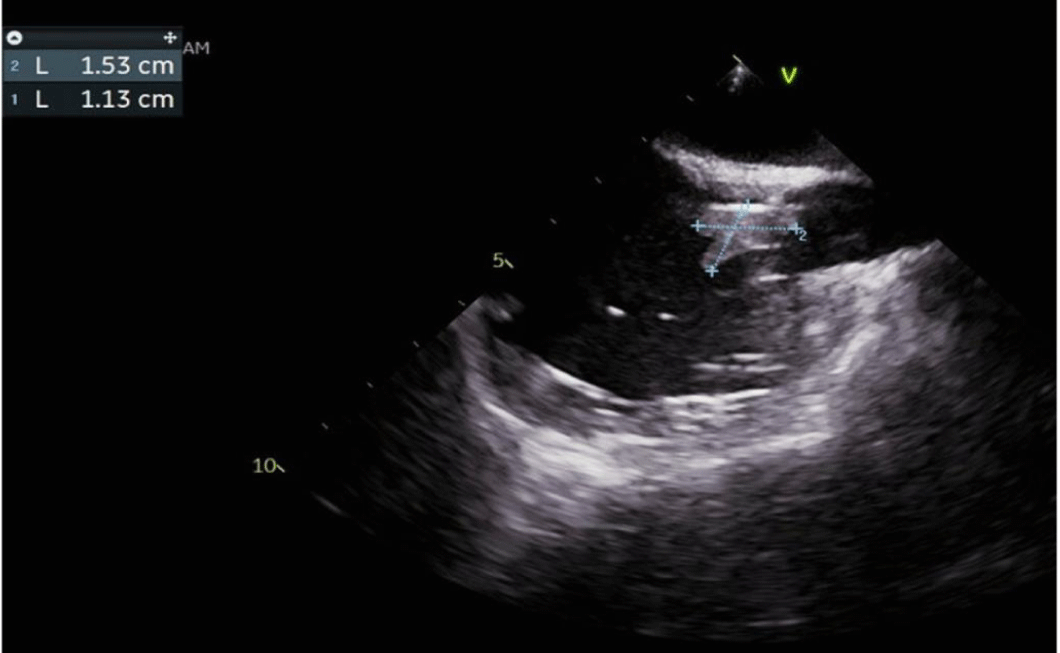
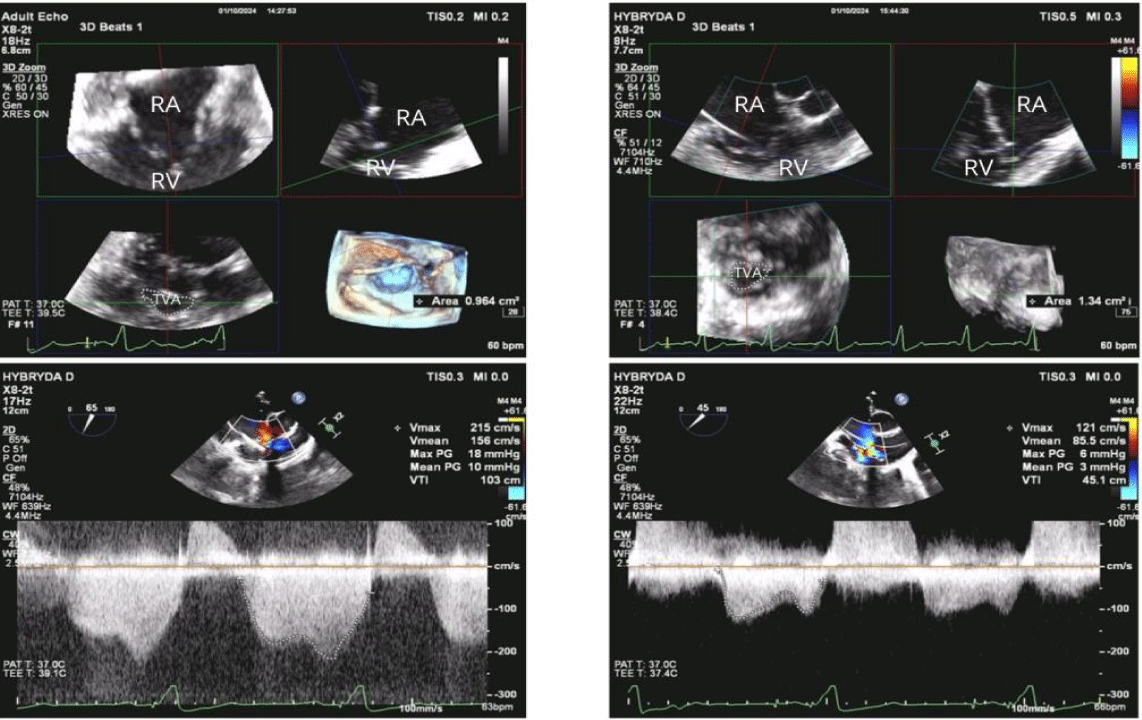
To establish the detailed mechanism of TS, Transesophageal Echocardiography (TEE) was performed, revealing a short and restrictive septal TV leaflet, with both anterior and posterior TV leaflets thickened and distally adherent to the ventricular pacemaker lead (Figure 1F). Despite challenging imaging conditions, three-dimensional (3D) imaging allowed for an approximate planimetric estimation of the TV area at 0.8 cm² (Figure 1G). Additionally, we observed a mobile mass (1.5 x 1.1 cm) on the ventricular lead in the RA, most likely a thrombus (Figure 1H). The patient was initiated on oral anticoagulation at that time.
For further assessment, the patient underwent Cardiac Computed Tomography Angiography (CCTA) and Cardiac Magnetic Resonance (CMR). CCTA revealed normal coronary arteries and excluded calcifications in the TV apparatus. CMR confirmed normal function of both ventricles and right atrial enlargement. Thickened TV leaflets with doming motion were visualized in both imaging modalities (Figure 1I); however, due to attenuation artifacts from the leads, no additional information about the TV could be obtained.
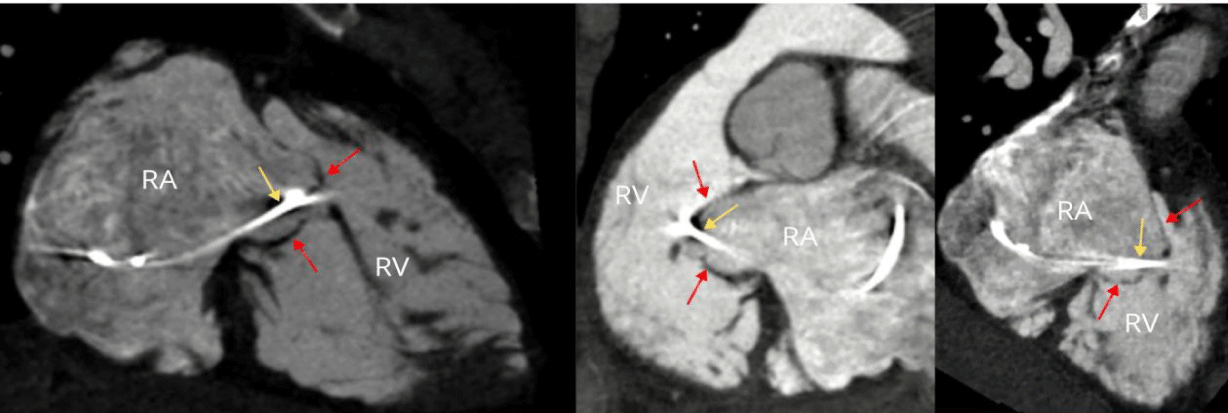
Based on the patient's history and detailed multimodal assessment, we concluded that the most probable mechanism of TS progression was leaflets injury and inflammation with subsequent adhesion triggered by the ventricular lead extractions. Given the severity of the symptoms and hemodynamic consequences including thrombosis in the RA, intervention was deemed necessary.
Therapeutic options included surgical lead removal with TV commissurotomy or valve replacement. However, due to the patient's history of two cardiac surgeries, young age, and reproductive plans, this approach was not considered optimal. Additional concerns included a small tricuspid annulus and the questionable durability of the potential prosthesis. Furthermore, the patient’s pacemaker dependency would necessitate alternative forms of cardiac stimulation. Given the presence of only mild TR and TV commissural fusion without calcifications, the multidisciplinary team opted for a PTBV. The patient was informed about the potential risk of conversion to open-heart surgery in the event of unsuccessful percutaneous treatment.
PTBV was performed under general anesthesia in a hybrid operating room, with a cardiac surgeon present. The procedure was monitored using both TEE and TTE. Vascular access was obtained via the right femoral vein. The mean transvalvular gradient measured by TEE at baseline was 10 mmHg. A 26 mm Inoue balloon was advanced under fluoroscopy and TEE guidance. A single inflation of the balloon to the diameter of approximately 22 mm was performed, resulting in a reduction of the transvalvular gradient to 3 mmHg (Figure 2A,2B). There was no progression of TR. On the following day, the patient underwent exercise stress echocardiography, which demonstrated good exercise tolerance with a TV mean gradient of 8 -10 mmHg at maximal workload (200 W), confirming the beneficial effect of PTBV. The patient was discharged without complications. Four weeks after the procedure, she reported significant improvement in exercise capacity, achieving NYHA functional class I/II, with transvalvular mean gradient of 4.6 mmHg (Figure 3).
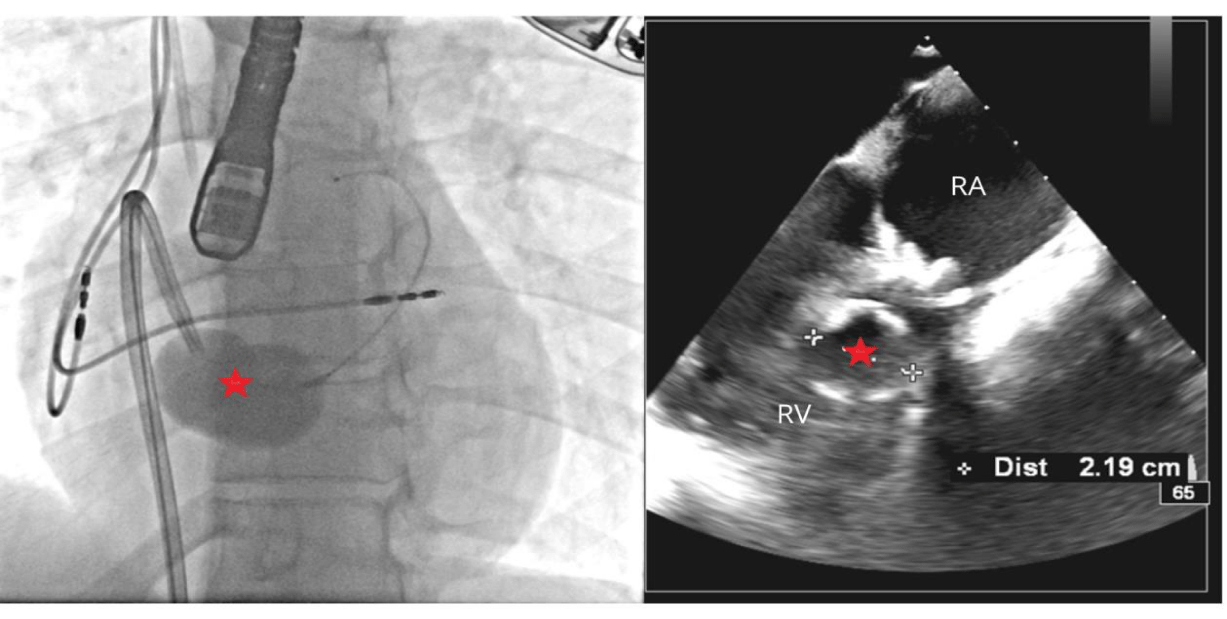
Figure 2A: Balloon (star) inflated in the tricuspid valve visible in fluoroscopy (on the left) and echocardiography (on the right) with the measurement of the inflated baloon diameter.
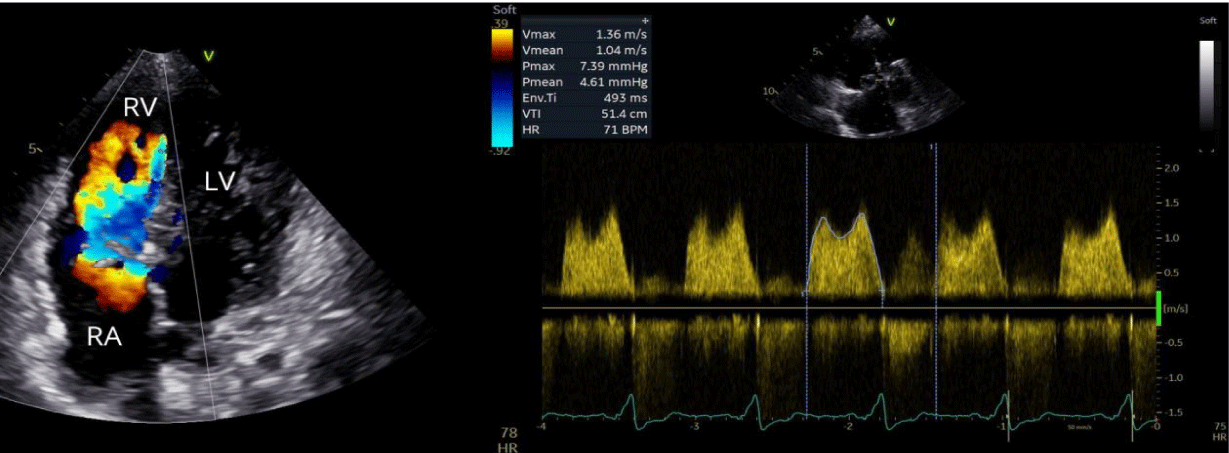
TTE - on the left apical four chamber view with color doppler showing wider inflow through TV with larger PISA; on the right - continuous wave doppler through TV- mean gradient 4.6 mmHg.
Discussion
ACHD represent a diverse population, with the number of affected individuals steadily increasing due to advances in pediatric cardiac care and improved life expectancy. Managing these patients, particularly those with complex or rare conditions, presents unique challenges for clinicians, requiring careful consideration of both congenital heart defects and acquired conditions that may complicate the clinical picture.
TS is a rare entity, particularly when considered in isolation, accounting for approximately 2-4% of all valvular diseases. TS obstructs blood flow from the RA to the Right Ventricle (RV), leading to increased RA pressure, subsequent dilation, and, over time, potential right heart failure. Symptoms can be subtle and often include fatigue, palpitations, and signs of right heart failure, such as edema and ascites [1]. The increased central venous pressure is transmitted to the inferior vena cava and hepatic veins, causing liver congestion. It can manifest as elevated transaminase, alkaline phosphatase, GGTP or bilirubin levels. Long-term congestion can eventually lead to cirrhosis. In adults, TS is more frequently seen in patients with rheumatic heart disease, while in the context of congenital heart disease, it may occur alongside other defects, particularly in adults with a history of cardiac surgery [2]. Lead-related TS is a complication that can occur in patients with Cardiac Implantable Electronic Devices (CIEDs), such as pacemakers and implantable cardioverter-defibrillators. Histopathological examinations in cases of lead-related TS have shown chronic inflammatory changes in the tissues surrounding the valve and leads, contributing to fibrosis, adhesion and consequential stenosis [3]. It is a relatively rare but significant complication, particularly in patients who have undergone multiple lead placements or replacements [4]. Due to the increasing number of patients with CIEDs, it is expected that the number of cases of lead-related TS will rise in the future.
Echocardiography remains the cornerstone of TS diagnosis, providing valuable information regarding valve morphology, the degree of stenosis, and associated hemodynamic changes [5]. However, in patients with CIEDs, artifacts from the leads can complicate assessment. Typical echocardiographic features of severe TS include a mean gradient > 5 mmHg, a Pressure Half-Time (PHT) > 190 ms, an enlarged RA, and a dilated inferior vena cava without respiratory variation. TS causes resistance to RA emptying, leading to increased back pressure in the venous system; this can manifest as "giant a waves" on hepatic vein Doppler studies.
TTE and TEE, particularly with 3D reconstruction, can provide an en face view of the TV, allowing for the measurement of the TV orifice area by planimetry. A valve area of < 1 cm² suggests hemodynamically significant TS [5,6]. In instances where echocardiographic findings are inconclusive or when detailed anatomical and functional information is necessary, CMR and CCTA can be utilized. In this case, CCTA successfully excluded coronary artery disease and TV calcifications, which was crucial for considering percutaneous treatment. Furthermore, CCTA facilitated precise measurements of the tricuspid annulus, guiding balloon size selection.
In our case, the primary challenge was not the clinical diagnosis itself but the selection of an optimal therapeutic approach. Surgical treatment raised concerns due to the relatively high risk associated with the patient’s history of two prior sternotomies in childhood. Previous operations can lead to complications such as adhesions or altered anatomy, complicating subsequent interventions and often necessitating more intricate surgical techniques [6]. Surgical commissurotomy did not guarantee an effective and definitive cure. The presence of a prosthetic valve in the tricuspid position introduces further complications, including a relatively high risk of thrombosis [6] and infective endocarditis [7]. Management during a potential pregnancy was another concern, particularly if a mechanical valve were selected. Additionally, patient was pacemaker-dependent, therefore surgical option would require the use of an alternative form of stimulation, such as epicardial pacing, leadless pacemaker or coronary sinus stimulation.
Percutaneous Balloon Valvuloplasty (PBV) is a well-established procedure used to treat valvular stenosis, most commonly in the aortic and mitral positions. This technique allows for the relief of obstruction without the need for surgical intervention, particularly in high-risk patients. Although less common, PBV can be considered in patients with significant TS, particularly when it is secondary to rheumatic disease or lead-related obstruction [5]. The literature suggests that percutaneous interventions for lead-related TS can be both safe and effective [8]. However, some studies caution that while PBV can provide temporary relief, the durability of the results may be limited, necessitating repeat interventions [9]. Therefore, careful patient selection is crucial. Although generally considered safe, the method carries its own risks. The mechanical force applied during balloon inflation poses a risk of tearing the tricuspid valve leaflets or annulus, particularly in a small, fibrotic, or calcified valve. This risk is exacerbated in patients with prior surgical interventions or structural abnormalities [8]. PBV may also lead to development of significant TR, this is particularly concerning in patients with a small RV, as it has limited reserve capacity to accommodate rapid changes in volume. In the presented case, the RV was characterized by a small cavity and limited compliance due to pressure overload secondary to the VSD, leading to significant risk of decompensation in case of acute TR progression. Therefore, we exercised caution in selecting the balloon diameter. Due to the unpredictability of the procedure's course and outcomes, as well as the potential need for conversion to surgery, the PBV in our case was performed in a hybrid operating room, with a cardiac surgeon present. Fortunately, with the detailed planning of the procedure based on multimodality imaging guided by fluoroscopy and echocardiography, an optimal results have been achieved.
Conclusion
This case underscores the complexities involved in managing ACHD, particularly those with rare conditions such as TS. The patient's unique history and subsequent interventions highlighted the necessity of a multidisciplinary, expert approach to diagnosis and treatment. The use of advanced multimodal imaging techniques was pivotal in accurately assessing the TV, understanding the complex mechanism of stenosis as well as planning and guiding treatment.
In this case, the decision-making process was significantly influenced by the patient’s young age, surgical history, and pacemaker dependency. The chosen intervention of PTBV provided effective symptom relief while postponing the need for high-risk surgical options. This outcome illustrates the potential of less invasive procedures in carefully selected patients, particularly in those with complex anatomical and functional considerations.
Ultimately, this case reinforces the importance of individualized treatment strategies in ACHD patients, advocating for collaborative care among specialists to enhance outcomes and quality of life. Future management plans should continue to prioritize patient-centered approaches, taking into account both immediate and long-term implications of interventions.
References
- Rao PS. Tricuspid stenosis: Diagnosis and management. Cardiology Clinics. 2018;36(1):155-166.
- Raza A. Tricuspid valve disease: A review. Cardiology Clinics. 2019;37(4):529-542.
- Rheude T. Histopathological findings in lead-related tricuspid stenosis. Heart Rhythm. 2018;15(3):456-462.
- Bäcker S. Lead-related tricuspid stenosis: A rare but significant complication in patients with pacemakers. Europace. 2018;20(6):1040-1045.
- Hahn R. Echocardiographic evaluation of tricuspid stenosis. Journal of the American Society of Echocardiography. 2019;32(10):1240-1252.
- Kouchoukos NT. Congenital Heart Surgery. Cardiac surgery: A complete guide. 1st ed. Elsevier; 2016.
- Murphy JG. Infective endocarditis in patients with prosthetic heart valves. Circulation. 2018;137(10):1005-1014.
- Alfieri O. Transcatheter interventions for tricuspid valve disease: State of the art. European Heart Journal. 2018;40(1):52-59.
- Wren C, Hunter S. Balloon dilatation of a stenosed bioprosthesis in the tricuspid valve position. Br Heart J. 1989 Jan;61(1):65-7. doi: 10.1136/hrt.61.1.65. PMID: 2917101; PMCID: PMC1216622.




Content Alerts
SignUp to our
Content alerts.
 This work is licensed under a Creative Commons Attribution 4.0 International License.
