
Medicine Group 2024 October 22;5(10):1338-1348. doi: 10.37871/jbres2021.





 Short Communication
Cell-to-Cell Communication in Prostate Differentiation and Cancer
Alvin Y Liu*
Introduction
We are taught that cancer is caused by accumulation of DNA mutations that activate oncogenes and inactivate suppressor genes. This mutation theory is, in several ways, quite unsatisfactory. First, mutation is a very rare event yet 13/100 men are diagnosed with prostate cancer in America each year, with higher incidence for Black men than White [1]. Second, for organs in the same anatomical area, cancer strikes the prostate the highest, the bladder lower, the seminal vesicles almost never. Third, why is the incidence higher in certain geographical regions than others? These imply that mutation, which should be non-selective, is anything but. One celebrated finding is the prostate cancer-specific TMPRSS2-ERG gene fusion [2]. However, this event shows a variable frequency in different world populations. Its only utility is in early detection for men who have this genomic alteration. Overall, a majority of cases are sporadic than familial. A small number of unfortunate men inherited mutated genes that makes them predisposed to cancer. Much effort has been spent in scanning the genome for disease-associated nucleotide changes [3]. Methods have been developed to knock out or knock in cancer-relevant gene candidates in mouse models to show that they are responsible [4]. Accordingly, cancer and progression to lethality is irreversible and incurable. We present a different take on how cancer develops and becomes lethal due rather to abnormal communication between cell types. Our study approach is to isolate by flow cytometry live cell populations from tumor and benign tissues of the prostate (and bladder for comparative analyses), determine their individual transcriptomes, and combine various cell populations in co-culture to observe interaction through secreted factors with or without cell contact. The experimental details can be found in our published articles in the reference list.
CD immunostaining of organ component cell types
In many aspects, prostate is an ideal human organ for research on intercellular signaling. The gland is a relatively simple organ composed of only three major cell types. Due to the high incidence of prostate cancer and open surgeries for its treatment one could have a reliable source of prostatic tissue, normal/benign and cancer, with informed patient consent for experimentation in cellular and molecular biology. Also available are metastases harvested from donor autopsies and their corresponding xenograft lines (e.g., the UW LuCaP family). For multicellular organs like the prostate and bladder, cell-to-cell communication via hormone molecules and heterotypic cell contact maintains proper differentiation of the component cell types. During embryogenesis, mesenchymal cells in the urogenital sinus instruct stem/progenitor cells to differentiate into functional mature epithelial or urothelial cells as appropriate [5,6]. Diseases such as neoplasia, hyperplasia, hypoplasia or dysplasia may develop if this communication is missing. It means that the instruction for terminal differentiation is no longer on hand leading to immature and not fully functional cells. We used immunostaining of Cluster Designation (CD) antibodies against cell surface antigens to tag the various cell types [7,8]. In the adult prostate, the stromal compartment contains CD49a+ smooth muscle cells (designated NPstrom – normal prostate stromal cells for convenience) and the epithelial compartment contains CD26+ luminal and CD104+ basal cells (plus a small number of neuroendocrine and possible organ progenitor cells) [9,10]. Other identifiable cell types include infiltrating CD45+ white blood cells, CD31+ endothelial cells of blood vessels, CD56+ nerve fiber cells. In adult bladder, the prostate stromal equivalent are CD13+ cells localized in the proximal lamina propria (NBstrom – normal bladder stromal cells) next to the urothelium of CD9+ urothelial and CD104+ basal cells (and progenitor cells) [11].
Principal components analysis plot of cell type-specific transcriptomes
As a means to study differentiation, we generated a 3D so-called Principal Components Analysis (PCA) plot from cell transcriptomes. Flow cytometry was used to purify the cell populations of CD49a+ stromal, CD26+ luminal, CD104+ basal, and CD31+ endothelial from the prostate [9,12], CD13+ stromal, CD9+ urothelial, and CD104+ basal from the bladder [11] for transcriptomics by DNA microarrays. For stem cells, we determined the transcriptomes of cultured Embryonic Stem (ES), Embryonal Carcinoma (EC), and induced Pluripotent (iPS) [13] cells. In this plot, the separation measured by a ∆ value between any two transcriptome datapoints representing cell types indicates their degree of relatedness, the smaller the ∆ the more related [12]. The stem cell types occupy a near center locale whereas the differentiated cell types are located toward the periphery with large ∆ between them as well as between them individually and stem cells (Figure 1A). When the prostate and bladder PCA plots are displayed together, we can see the transcriptome (i.e., gene expression) difference between CD49a+ NPstrom and CD13+ NBstrom, between CD26+ prostate luminal and CD9+ bladder urothelial, and between their respective CD104+ basal (Figure 1B). The practical utility of this analysis tool will be demonstrated below. The main drawback is the requirement of a single platform to determine gene expression of all cell types. Previously, we showed that transcriptomes determined from laser-capture microdissected cell populations were not useful in generating such plots [14].
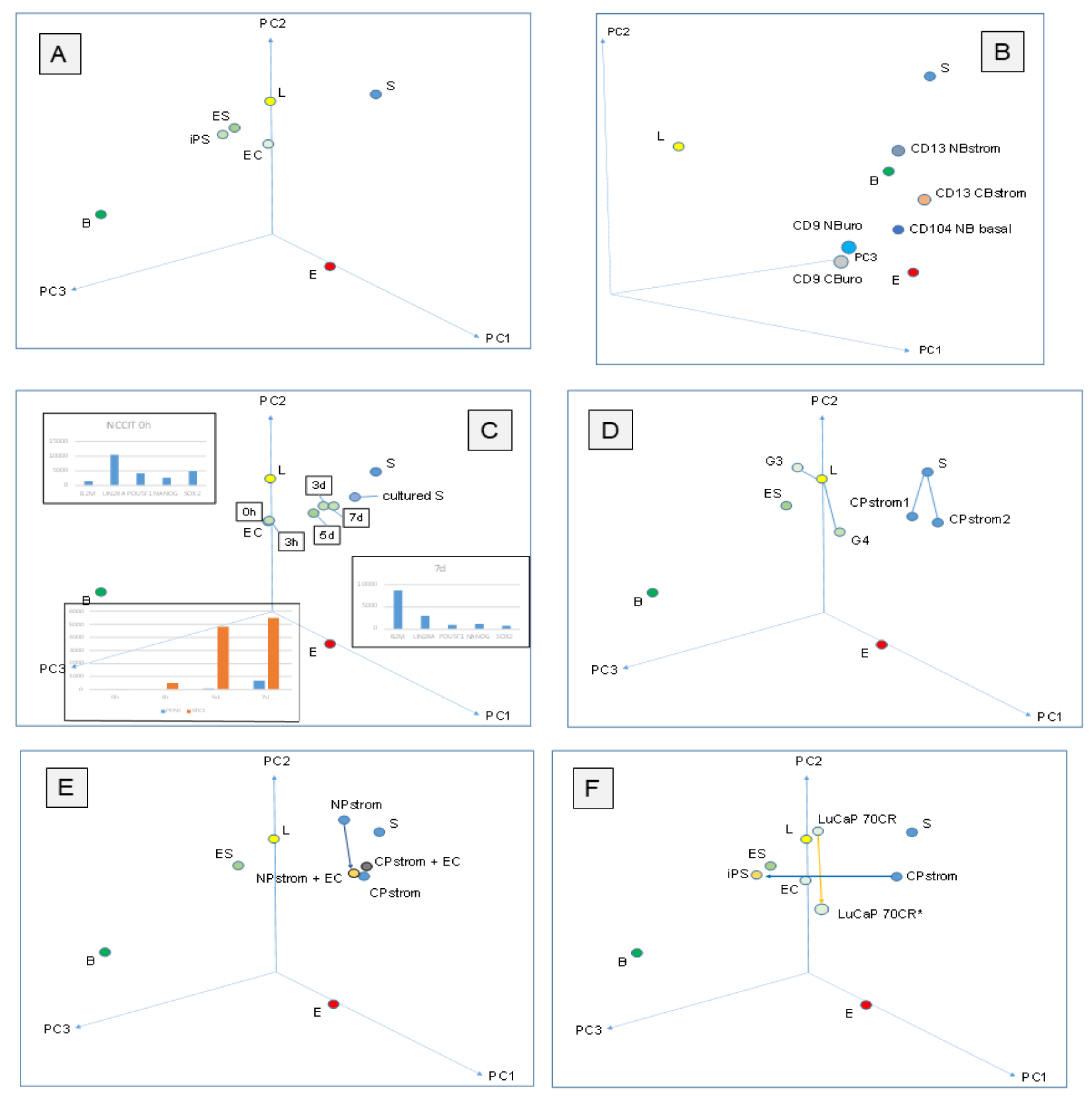
These schematics are adapted from published data to show the following.
A. The prostate PCA is generated from the transcriptomes of luminal (L), stromal (S), basal (B) and endothelial (E) cells plus those of ES, EC and iPS cells.
B. Bladder cell-type transcriptomes are displayed in the prostate PCA space to show that bladder cell types – NBstrom, CBstrom, NBuro, CBuro, NBbasal – are distinct from the corresponding prostate ones. The 3D display is rotated for a different perspective of the datapoints than that in panel A.
C. Transcriptomes of induced NCCIT cells at various time points are visualized with respect to those of cultured and sorted (S) stromal cells. The expression levels of scTF, B2M at the beginning of co-culture (0h) and at 7d are shown in histogram format of DNA microarray signal intensity values (y-axis). The induction of STC1 and PENK in NCCIT by NPstrom in the time course is shown in the bottom left.
D. The gene expression difference between sorted NPstrom (S) and CPstrom, between sorted luminal (L) and cancers (G3, G4) are shown. The separation between L and G3 is smaller than that between S and CPstrom indicating more expression changes in CPstrom than G3 cancer from their normal counterpart.
E. The conversion of NPstrom by diffusible NCCIT factors in culture to CPstrom-like can be seen by the placement of the datapoints (mRNA) – NPstrom+NCCIT, CPstrom+NCCIT, CPstrom. NCCIT showed minimal effect on the transcriptome of CPstrom (CPstrom+NCCIT).
F. The changes in transcriptome between LuCaP 70CR and LuCaP 70CR*, between CPstrom and its iPS are compared. The respective ∆ values are equally large.
Stromal cell induction of stem cells
To demonstrate the functional property of stromal cells, we employed a co-culture of isolated stromal cells and stem cells represented by the EC cell line NCCIT, which has a gene signature similar to that of ES cells differing in only a small number of genes. The co-culture involved either growing the two cell types separated by a semi-permeable membrane barrier or one type with conditioned media of the other [12]. Interaction was monitored by cell/colony appearance and gene expression changes over a period of 7d. NCCIT cells in media of NPstrom or NBstrom became stromal-like by gene expression, best illustrated by down-regulation of the four stem cell Transcription Factors LIN28A, NANOG, POU5F1, SOX2 (scTF) and concomitant up-regulation of β2-microglobulin; (B2M). The PCA plot provides a visualization of the transcriptome change from 0h to 7d with the treated NCCIT datapoints “migrating” toward that of cultured stromal cells (Figure 1C). Note separation of the datapoints of cultured and flow-sorted Stromal (S), which is due mainly to genes activated in cell proliferation [15]. B2M expression is 10-fold less in stem and stem-like cancer cells than differentiated cells based on its DNA microarray signal intensity levels, which were verified by Reverse Transcriptase-Polymerase Chain Reaction (RT-PCR) [16]. Robust colony growth typical of EC cells was greatly diminished with reduced cell density shown by gaps among colonies. Genes were induced differentially by NPstrom vs. NBstrom highlighting the ability of stem cells to respond to different sources of signaling or differentiation instructions [12].
What are the organ-specific (i.e., prostate vs. bladder) diffusible stromal factors present in the media? To answer, we carried out a comparative transcriptomic analysis between NPstrom and NBstrom for expressed genes encoding secreted proteins [17]. The bladder stromal cells are found in a 10-20-cell thick layer immunostained by CD13 in the lamina propria [11]. Prostate stromal cells are negative for CD13, although a number of other CD antigens are shared by both stromal cell types. We termed the CD13+ layer superficial lamina propria, which is also found in the mouse bladder [17]. The top identified genes for NPstrom were those that encode Proenkephalin (PENK), stanniocalcins STC1 and STC2. When these genes were queried from the transcriptome datasets of treated NCCIT cells, STC1 was detected early at 3h of co-culture, and its expression rose sharply over time, while PENK was detected later at 5d and, more important, not induced by NBstrom showing the specificity of stromal influence [12]. STC1 and STC2 were induced quantitatively different with higher STC1/lower STC2 by NPstrom vs. lower STC1/higher STC2 by NBstrom reflecting their expression patterns in CD49a+ NPstrom and CD13+ NBstrom [17].
Absent stromal PENK signaling in prostate cancer
PENK expression in the prostate was validated by immunohistochemistry using a polyclonal antibody raised against a selected peptide sequence. In addition to stromal staining, smooth muscle cells of large blood vessels and the bladder muscularis were positive [17]. Staining was absent in tumors, specifically the cancer-associated stroma. RT-PCR showed PENK expression minimal or undetectable in prostate tumors of different Gleason scores (3+3, 3+4, 4+5) as well as bone and liver metastases. Dataset query showed “present” only in the transcriptome of CD49a+ prostate stromal cells [17]. Cancer-associated stromal cells (CPstrom) are strongly positive for CD90 [18]. About a 20-cell width of CPstrom separates cancer epithelial cells from PENK-positive NPstrom of adjacent benign areas. Secreted PENK signaling is likely effective at a short distance, and could not affect cancer cells within tumor foci. Although lacking PENK, CD90-sorted CPstrom could still induce NCCIT to down-regulate the four scTF and up-regulate B2M indicating factors other than PENK could induce differentiation since Gleason pattern 3 (G3) tumors still possess a glandular histology [19,20]. Candidates include the STC proteins (see below), which, like PENK, have been reported to be involved in early development [21,22]. STC1 is expressed by both stromal and epithelial cells in NP and CP, which was verified by RT-PCR analysis and dataset query [17,20]. Its expression is decreased in cancer cells of advanced tumors and cancer cell lines [20]. As shown above, its induction in NCCIT predates that of PENK.
Difference between NPstrom and CPstrom
We showed by transcriptomics of sorted CD90+ CPstrom and CD49a+ NPstrom that the difference in gene expression was even more than that between luminal and G3 cancer [23,24] (Figure 1D). What is the nature of CPstrom? The interaction between co-cultured stromal cells and NCCIT was found bidirectional. Secreted stem factors from EC cells could convert co-cultured NPstrom into CPstrom-like based on transcriptomics [25] (Figure 1E). Cultured stromal fibroblastic cells initiated from different donor tissue specimens displayed a consistent gene expression profile with a correlation efficiency R = 0.99 [26]. Genes needed for cell division were activated in culture, but cell division was essential to produce changes in response to signaling. Co-culture of NCCIT and stromal cells lasted 3d. No gross morphology differences between NPstrom, CPstrom, or after co-culture with NCCIT were observed. However, co-cultured NPstrom were found to express qualitatively and quantitatively microRNA (miRNA) and mRNA similar to CPstrom. In contrast, no significant changes were found in co-cultured CPstrom. Examples of miRNA with increased expression include let-7f, miR-29b, miR-23a, miR-21. In particular, miR-21 is associated with cellular dedifferentiation [27]. Examples of mRNA increases include CD90, MiRN21, HGF, SFRP1, BGN and decreases include IGFBP5, HSD11B1. MiRN21 is the poly-adenylated, capped transcript to be processed to miR-21. The increase in CD90 corresponds to its stronger immunostaining of CPstrom. HGF (hepatocyte growth factor) is a known signaling molecule in stromal-epithelial interaction with high expression in the undifferentiated mesenchyme at embryogenesis and less in the adult [28]. Increased miR-21 and HGF is indicative that CPstrom represents a less differentiated state of NPstrom. Of note, tissue inhibitor of metallopeptidase TIMP3 was decreased and matrix metalloproteinase MMP1 was increased in CPstrom, which would affect integrity of the extracellular matrix allowing cancer cells to spread beyond the tumor foci [19]. These results suggest that unlike NPstrom, CPstrom is functionally defective in induction by not producing a key signaling factor PENK, which could then lead to abnormal epithelial cell differentiation, and perhaps cancer development [29].
Prostate cancer cell types
Prostate cancer shows loss of differentiation from low to higher Gleason, from tumors with glandular histology to tumors without, from adenocarcinoma to non-adenocarcinoma and small cell carcinoma. Based on transcriptome and placement in the PCA plot, prostate cancer cells can be either like luminal cells (differing in the expression of a few hundred genes [24]) or less like luminal and more like stem cells [30]. The luminal-like cancer cells include G3 cancer, LNCaP, C4-2, LuCaP adenocarcinoma cell lines. The stem-like cancer cells include Gleason 4 (G4) cancer, CL1, PC3, DU145, LuCaP non-adenocarcinoma and small cell carcinoma cell lines.
We showed a lineage relationship between these two groupings by using scTF vectors to transfect and reprogram five adenocarcinoma LuCaP lines. These were adapted to grow with Mouse Embryonic Fibroblasts (MEF) [31]. No significant expression changes were reported for the xenograft LuCaP 147 cells cultured in vitro as spheroids [32]. Reprogramming is an experimental process whereby differentiated cells are converted to iPS cells. The reprogrammed LuCaP cells became small cell carcinoma-like and stem-like in three weeks. The ∆ between, for example, LuCaP 70CR (CR=Castration Resistant) and reprogrammed LuCaP 70CR* (* to indicate scTF-transfected) was similar to that between CPstrom and its iPS (Figure 1F). All five reprogrammed LuCaP derivatives appeared dark compared to their untransfected or mock transfected parentals, and were relatively smaller in size. The colony morphology was unlike that of cultured ES cells, and the dependence on MEF remained. RT-PCR showed that adenocarcinoma line LuCaP 23.12 was POU5F1+B2Mhi while small cell carcinoma LuCaP 145.1 was POU5F1+LIN28A+SOX2+NANOG+B2Mlo [31]. Thus, luminal-like cancer cells can be phenotyped as scTF−B2Mhi with respect to all four scTF vs. scTF+B2Mlo for stem-like cancer cells [16]. Loss of prostate cancer differentiation could be attributed to the activation of scTF as in cellular reprogramming.
PENK-induced differentiation of cancer cells
Could stromal factors such as PENK induce stem-like prostate cancer cells to undergo differentiation as in NPstrom induction of germ cell tumor-derived EC cells? We cloned PENK to transfect scTF+B2Mlo LuCaP 145.1. The cancer cells were adapted to grow in vitro with MEF after tissue digestion of a freshly resected xenograft [20]. Of note, LuCaP 145.1 cells have a lighter density (ρ = 1.035) than adenocarcinoma cells (ρ = 1.07) on banding in a discontinuous density gradient [16], another indication of its non-epithelial-like characteristics. At 3d post-transfection (when MEF were killed by the drug selection for transfected cells) with autocrine PENK production, down-regulation of scTF and up-regulation of B2M in transfected LuCaP 145.1 was found. The change from scTF+B2Mlo to scTFlo/−B2Mhi was indicative of the cancer cells undergoing differentiation. The simultaneous changes in scTF and B2M were consistent with the results obtained in stromal induction of NCCIT. The decrease in POU5F1 was not as pronounced since non-stem-like LuCaP lines (LuCaP 23.12 and others) express this factor [31]. Control vector transfection produced no such result.
Next, is PENK capable of undoing cancer cell reprogramming? We reprogrammed scTF−B2Mhi adenocarcinoma LNCaP by scTF vectors to scTF+B2Mlo LNCaP*. The obtained LNCaP* cells were cloned, and one clone (#2) was transfected by PENK. The resultant cells regained scTF−B2Mhi [20]. Individual LNCaP cells appeared with a “bright halo”, irregular in cell shape with a tendency to cluster (under the culture condition used). LNCaP* cells appeared darker, more regular in shape. This appearance was similar to that of all the reprogrammed LuCaP* [31]. Individual cells grew in a loose formation not in contact with each other. LNCaP*/PENK appeared to regain the “bright halo” but the cell shape was distinct from that of LNCaP but similar to that of LNCaP transfected by PENK. Both grew in clusters (Figure 2, top panels). Transcriptomics showed multiple gene expression changes upon PENK transfection. One could say that luminal cells are held together by molecular tight junctions to restrict backflow of lumenal secretion, while cancer cells, especially of small cell carcinoma, being non-epithelial, do not form such tight junctions. The reprogramming reversal is accompanied by changes in cell appearance and colony morphology. In this sequence, cell appearance changed from LNCaP to stem-like LNCaP*, then to LNCaP*/PENK. STC1 could also produce the same effect as shown by LNCaP*/STC1 vs. LNCaP/STC1 (Figure 2, bottom panels). The oligonucleotides used for cloning the 760 bp STC1 cDNA were 5’ primer cagggcccgatatcGAAACTTCTCAGAGAATGCTCCAAAACTCAG and 3’ primer gctgaggatccTTATGCACTCTCATGGGATGTGCGTTTG. These experiments demonstrated that cancer cells, LuCaP 145.1 and LNCaP, could respond to activation of scTF and to differentiation induction of PENK and STC1 despite containing multiple mutations in their genome and being aneuploid. It would then be expected not to pose a problem in the future application of PENK differentiation therapy to treat stem-like solid tumors. The reversal of reprogramming by PENK can explain our previous reported failure to reprogram PENK-positive NPstrom vs. PENK-negative CPstrom [13]. In principle, loss of cancer differentiation could be reversed or even prevented. With further research, it is possible that PENK plus others such as STC1 could induce cancer cells to a normal or pseudo-normal state (as shown by NPstrom induction of NCCIT). One prediction is that supplying key stromal factors missing in tumors (e.g., STC1 first followed by PENK as detected in NPstrom induction of NCCIT) could make cancer cells differentiate terminally to luminal-like cells. Differentiation therapy has been shown effective in treating certain leukemia where maturation of functional cells was promoted by identified chemical compounds [33]. As a side note, the down-regulation of B2M in stem-like cancer cells could undermine full expression of HLA-1 antigens (B2M being a subunit of the complex), which mediate cytotoxic T cell recognition of tumor cells. It is likely a mechanism behind the failure of immune checkpoint inhibition treatment of small cell lung cancer [34] if they are also scTF+B2Mlo.
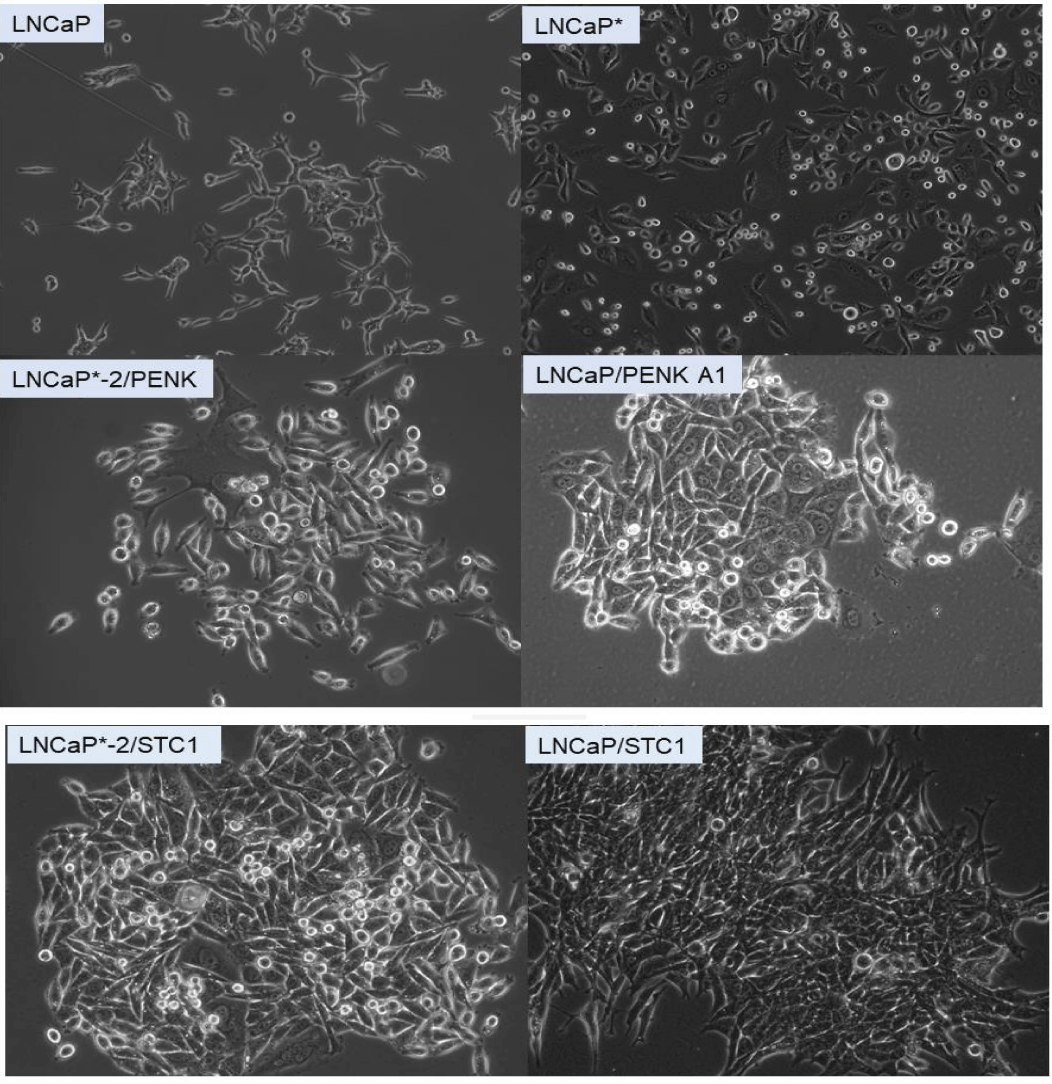
A. Top panels: LNCaP cells were reprogrammed by forced expression of scTF, and then induced to differentiate by forced expression of PENK. The colony morphology of the different lineage-related LNCaP cell types are visibly unique with those of LNCaP*/PENK and LNCaP/PENK (clone A1) appearing similar.
B. Bottom panels: STC1 could also produce morphology change in LNCaP* transfected by STC1 to appear similar to LNCaP transfected by STC1.
Effect of cancer-associated antigen AGR2 on stromal cells
One might ask what happened to NP stromal cells where tumor emerged. Anterior Gradient 2 (AGR2) is known as an adenocarcinoma antigen due to its high expression in many solid tumors [35]. Cancer cells produce the extracellular form, eAGR2, where it is localized on the cell surface and secreted [35,36]. The intracellular form, iAGR2, is expressed by normal cells. In prostate cancer, AGR2-positive tumors are associated with better survival, even for high-stage diseases [37]. AGR2 expression is 10-fold higher in G3 cancer cells than that of G4 [24,38,39], suggesting its association with cancer differentiation. In local metastases, AGR2 is low or negative; another molecule, CD10, is a candidate responsible for extracapsular escape [40]. However, distant metastases contain cancer cells with high AGR2 (and low CD10) expression [37]. We showed that cancer-secreted AGR2 could induce Programmed Cell Death (PCD) of stromal cells characterized by cellular blebs, shrinkage, DNA fragmentation without RNA degradation as seen when stromal cells were UV-irradiated or treated by a pro-apoptotic drug staurosporine [41]. Necrotic stromal cells after electroporation showed both DNA and RNA degradation. In these experiments, low-passage stromal cells were cultured in the presence of AGR2. The source of AGR2 were tissue digestion media of adenocarcinoma LuCaP tumors (e.g., that of LuCaP 70CR containing >100 pg/ml AGR2), AGR2-positive tumor specimen (10-076CP), AGR2-positive bone metastasis. The control included digestion media of LuCaP 145.1 (containing <2 pg/ml AGR2), the corresponding AGR2-negative benign specimen (10-076NP). After 24h, no viable stromal cells were seen in AGR2-containing media whereas in control they remained healthy. Addition of the AGR2 antibody, P3A5 [42], to the media prevented PCD. Transcriptomics found down-regulation of spermidine/spermine N1-acetyltransferase (SAT1) among the <30 (out of 54,000 represented by probesets) differentially expressed genes. SAT1 maintains intracellular polyamine levels; abnormal levels of which have an adverse effect through the induction of PCD [43]. SAT1 down-regulation was found in UV-irradiated stromal cells as well. Also identified was down-regulation of prothymosin-like α, which has an anti-apoptotic function. Circulating AGR2 in cancer patients could theoretically eliminate susceptible cells to allow metastatic cancer cells to invade and colonize other organs such as bone marrow, liver and lung [36]. Cells resistant to the effect of eAGR2 would not allow metastatic cancer cells to take root and expand, perhaps explaining preferential sites for prostate cancer metastasis. Inhibition of AGR2 by neutralizing antibodies could prevent tumor spread by targeting circulating surface eAGR2+ cancer cells and negating the deleterious effect of secreted AGR2 [44]. eAGR2 is a unique tumor-associated antigen in that normal cells only express iAGR2.
Summary
Defects in stromal cell signaling could contribute to cancer development. The term “reactive stroma” is used to describe changes found in the stromal compartment [45]. It implies that stromal cells react to the presence of cancer cells. These altered cells in turn promote cancer progression. Rather, it is the less differentiated state of CPstrom that cannot induce full differentiation of epithelial cells. Prostate cancer cells once exited the glandular capsule are no longer in contact with CPstrom, and yet they can still progress to lethality. Conversion from adenocarcinoma to small cell carcinoma occurs after androgen deprivation therapy as evidenced by both types containing TMPRSS2-ERG in the same patients for those positive for this biomarker [46]. Caner epithelial cells expression of eAGR2 further depletes functional stromal cells through PCD. Cancer expression of CD10 allows capsular escape. Increased expression of AGR2 again in the escaped cells allows spread to distant organs. Outside the prostate in metastases, cancer cells seem to become independent of stromal cells as evidenced by the adenocarcinoma histology and PSA secretion. PSA expression in the prostate by luminal cells is controlled through contact with stromal cells [47]. Cancer progression to lethality in later stages of the disease may arise in response to outside factors such as deprivation of androgen [46]. Figure 3 shows the different prostate cancer cell types in the disease course. Treatments need to be tailored to the different types. Anti-AGR2 immunotherapy could be effective against the eAGR2-positive (iAGR2-positive normal cells are immune) [48], while differentiation agents could be effective against the scTF-positive. PENK, STC1, and AGR2 are all involved in cell-cell interaction capable of producing phenotypic changes in responding cells. Our study shows that cancer progression (to a more stem-like state) can be reversed or prevented by stromal factors (as shown by NPstrom being resistant to reprogramming). Nuclear transcription factors, generally thought undruggable, can in fact be targeted by hormone molecules like PENK and STC1.
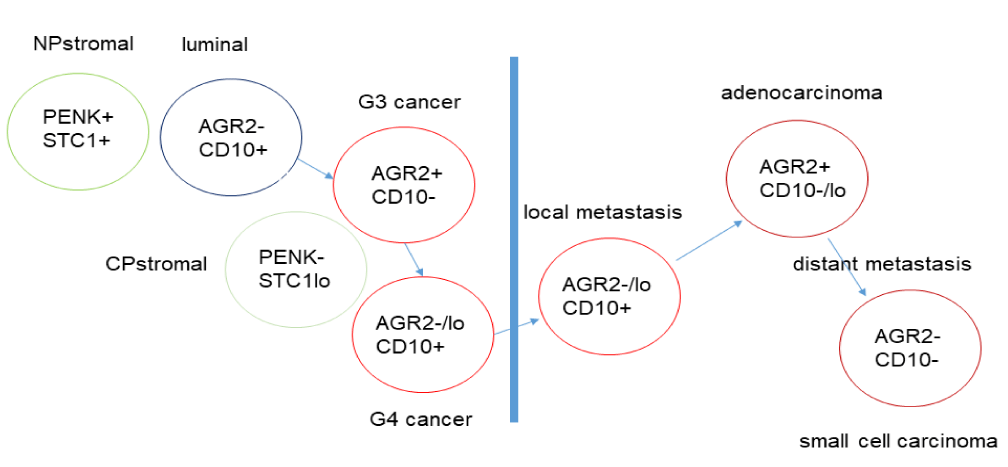
This schematic shows the evolution of prostate cancer cells at the primary site to local and distant metastases. The individual cell types are marked by key cell markers. The vertical bar represents the prostatic capsule. Expression of AGR2 and CD10 is variable among the different types
Limitations of all research employing human cells include ready availability of enough quantity (0.1 - 0.5 g) of tissue specimens for downstream processing. At present, availability is diminishing due to new techniques like pinpoint radiation and laparoscopy where targeted tissues are extensively damaged. Because of screening, higher-grade cancer are less frequently diagnosed. Optimally, one would like a transcriptome dataset of 10-20 sorted G3, G4 and Gleason 5 tumor cells. Fortunately, many more xenografts representative of the disease are being established [49]. There remains the somewhat tedious process of adapting them to in vitro growth where care is exercised to ensure mouse fibroblasts in the harvested tumors are completely removed otherwise these cells will overgrow. Stromal cells, NPstrom or CPstrom, once isolated (e.g., from excess biopsies) can be cultured for multiple passages, and stored frozen. Currently, lack of monoclonal antibodies to PENK, STC1 is hindering in their purification for adding directly to tumor cells in vitro and in mice.
Our research approach is applicable to other major organs. Tissue regeneration and renewal, as shown by NPstrom and NBstrom induction of NCCIT, require organ-specific instructive stromal factors, which are yet unidentified for many. We presented a CD signature of kidney component cell types (~30) [14], which can be utilized to isolate and study renal cell differentiation. Although tissue progenitor cells are postulated to be present, e.g., side population of the prostate [10], their scarcity presents a challenge in isolation. Nevertheless, patient-derived iPS cells can be used instead. Reprogramming is readily achieved with our constructed scTF plasmid vectors [16].
References
- Jain MA, Leslie SW, Sapra A. Prostate cancer screening. Stats Pearl Publishing. Treasure Island, FL. 2024.
- Tomlins SA, Rhodes DR, Perner S, Dhanasekaran SM, Mehra R, Sun XW, Varambally S, Cao X, Tchinda J, Kuefer R, Lee C, Montie JE, Shah RB, Pienta KJ, Rubin MA, Chinnaiyan AM. Recurrent fusion of TMPRSS2 and ETS transcription factor genes in prostate cancer. Science. 2005 Oct 28;310(5748):644-8. doi: 10.1126/science.1117679. PMID: 16254181.
- Allemailem KS, Almatroudi A, Alrumaihi F, Makki Almansour N, Aldakheel FM, Rather RA, Afroze D, Rah B. Single nucleotide polymorphisms (SNPs) in prostate cancer: its implications in diagnostics and therapeutics. Am J Transl Res. 2021 Apr 15;13(4):3868-3889. PMID: 34017579; PMCID: PMC8129253.
- Stoyanova T, Riedinger M, Lin S, Faltermeier CM, Smith BA, Zhang KX, Going CC, Goldstein AS, Lee JK, Drake JM, Rice MA, Hsu EC, Nowroozizadeh B, Castor B, Orellana SY, Blum SM, Cheng D, Pienta KJ, Reiter RE, Pitteri SJ, Huang J, Witte ON. Activation of Notch1 synergizes with multiple pathways in promoting castration-resistant prostate cancer. Proc Natl Acad Sci U S A. 2016 Oct 18;113(42):E6457-E6466. doi: 10.1073/pnas.1614529113. Epub 2016 Sep 30. PMID: 27694579; PMCID: PMC5081658.
- Cunha GR. Mesenchymal-epithelial interactions: past, present, and future. Differentiation. 2008 Jul;76(6):578-86. doi: 10.1111/j.1432-0436.2008.00290.x. Epub 2008 Jun 28. PMID: 18557761.
- Aboseif S, El-Sakka A, Young P, Cunha G. Mesenchymal reprogramming of adult human epithelial differentiation. Differentiation. 1999 Oct;65(2):113-8. doi: 10.1046/j.1432-0436.1999.6520113.x. PMID: 10550544.
- Liu AY, True LD. Characterization of prostate cell types by CD cell surface molecules. Am J Pathol. 2002 Jan;160(1):37-43. doi: 10.1016/S0002-9440(10)64346-5. PMID: 11786396; PMCID: PMC1867111.
- Liu AY, Roudier MP, True LD. Heterogeneity in primary and metastatic prostate cancer as defined by cell surface CD profile. Am J Pathol. 2004 Nov;165(5):1543-56. doi: 10.1016/S0002-9440(10)63412-8. PMID: 15509525; PMCID: PMC1618667.
- Oudes AJ, Campbell DS, Sorensen CM, Walashek LS, True LD, Liu AY. Transcriptomes of human prostate cells. BMC Genomics. 2006 Apr 25;7:92. doi: 10.1186/1471-2164-7-92. PMID: 16638148; PMCID: PMC1553448.
- Pascal LE, Oudes AJ, Petersen TW, Goo YA, Walashek LS, True LD, Liu AY. Molecular and cellular characterization of ABCG2 in the prostate. BMC Urol. 2007 Apr 10;7:6. doi: 10.1186/1471-2490-7-6. PMID: 17425799; PMCID: PMC1853103.
- Liu AY, Vêncio RZ, Page LS, Ho ME, Loprieno MA, True LD. Bladder expression of CD cell surface antigens and cell-type-specific transcriptomes. Cell Tissue Res. 2012 Jun;348(3):589-600. doi: 10.1007/s00441-012-1383-y. Epub 2012 Mar 20. PMID: 22427119; PMCID: PMC3367057.
- Pascal LE, Vêncio RZ, Goo YA, Page LS, Shadle CP, Liu AY. Temporal expression profiling of the effects of secreted factors from prostate stromal cells on embryonal carcinoma stem cells. Prostate. 2009 Sep 1;69(12):1353-65. doi: 10.1002/pros.20982. PMID: 19455603.
- Vêncio EF, Nelson AM, Cavanaugh C, Ware CB, Milller DG, Garcia JC, Vêncio RZ, Loprieno MA, Liu AY. Reprogramming of prostate cancer-associated stromal cells to embryonic stem-like. Prostate. 2012 Sep 15;72(13):1453-63. doi: 10.1002/pros.22497. Epub 2012 Feb 7. PMID: 22314551..
- Liu AY. Prostate cancer research: tools, cell types, and molecular targets. Front Oncol. 2024 Mar 26;14:1321694. doi: 10.3389/fonc.2024.1321694. PMID: 38595814; PMCID: PMC11002103.
- Liu AY, LaTray L, van Den Engh G. Changes in cell surface molecules associated with in vitro culture of prostatic stromal cells. Prostate. 2000 Sep 1;44(4):303-12. doi: 10.1002/1097-0045(20000901)44:4<303::aid-pros7>3.0.co;2-j. PMID: 10951495.
- Kanan AD, Corey E, Vêncio RZN, Ishwar A, Liu AY. Lineage relationship between prostate adenocarcinoma and small cell carcinoma. BMC Cancer. 2019 May 30;19(1):518. doi: 10.1186/s12885-019-5680-7. PMID: 31146720; PMCID: PMC6543672.
- Goo YA, Goodlett DR, Pascal LE, Worthington KD, Vessella RL, True LD, Liu AY. Stromal mesenchyme cell genes of the human prostate and bladder. BMC Urol. 2005 Dec 12;5:17. doi: 10.1186/1471-2490-5-17. PMID: 16343351; PMCID: PMC1327674.
- True LD, Zhang H, Ye M, Huang CY, Nelson PS, von Haller PD, Tjoelker LW, Kim JS, Qian WJ, Smith RD, Ellis WJ, Liebeskind ES, Liu AY. CD90/THY1 is overexpressed in prostate cancer-associated fibroblasts and could serve as a cancer biomarker. Mod Pathol. 2010 Oct;23(10):1346-56. doi: 10.1038/modpathol.2010.122. Epub 2010 Jun 18. PMID: 20562849; PMCID: PMC2948633.
- Pascal LE, Ai J, Vêncio RZ, Vêncio EF, Zhou Y, Page LS, True LD, Wang Z, Liu AY. Differential inductive signaling of CD90 prostate cancer-associated fibroblasts compared to normal tissue stromal mesenchyme cells. 2011 Jan 7;4(1):51-9. doi: 10.1007/s12307-010-0061-4. PMID: 21505567; PMCID: PMC3047627..
- Liu AY. The opposing action of stromal cell proenkephalin and stem cell transcription factors in prostate cancer differentiation. BMC Cancer. 2021 Dec 15;21(1):1335. doi: 10.1186/s12885-021-09090-y. PMID: 34911496; PMCID: PMC8675470.
- Rosen H, Krichevsky A, Polakiewicz RD, Benzakine S, Bar-Shavit Z. Developmental regulation of proenkephalin gene expression in osteoblasts. Mol Endocrinol. 1995 Nov;9(11):1621-31. doi: 10.1210/mend.9.11.8584038. PMID: 8584038.
- Varghese R, Wong CK, Deol H, Wagner GF, DiMattia GE. Comparative analysis of mammalian stanniocalcin genes. Endocrinology. 1998 Nov;139(11):4714-25. doi: 10.1210/endo.139.11.6313. PMID: 9794484.
- Pascal LE, Goo YA, Vêncio RZ, Page LS, Chambers AA, Liebeskind ES, Takayama TK, True LD, Liu AY. Gene expression down-regulation in CD90+ prostate tumor-associated stromal cells involves potential organ-specific genes. BMC Cancer. 2009 Sep 8;9:317. doi: 10.1186/1471-2407-9-317. PMID: 19737398; PMCID: PMC2745432.
- Pascal LE, Vêncio RZ, Page LS, Liebeskind ES, Shadle CP, Troisch P, Marzolf B, True LD, Hood LE, Liu AY. Gene expression relationship between prostate cancer cells of Gleason 3, 4 and normal epithelial cells as revealed by cell type-specific transcriptomes. BMC Cancer. 2009 Dec 18;9:452. doi: 10.1186/1471-2407-9-452. PMID: 20021671; PMCID: PMC2809079.
- Vêncio EF, Pascal LE, Page LS, Denyer G, Wang AJ, Ruohola-Baker H, Zhang S, Wang K, Galas DJ, Liu AY. Embryonal carcinoma cell induction of miRNA and mRNA changes in co-cultured prostate stromal fibromuscular cells. J Cell Physiol. 2011 Jun;226(6):1479-88. doi: 10.1002/jcp.22464. PMID: 20945389; PMCID: PMC3968429.
- Goo YA, Liu AY, Ryu S, Shaffer SA, Malmström L, Page L, Nguyen LT, Doneanu CE, Goodlett DR. Identification of secreted glycoproteins of human prostate and bladder stromal cells by comparative quantitative proteomics. Prostate. 2009 Jan 1;69(1):49-61. doi: 10.1002/pros.20853. PMID: 18792917; PMCID: PMC4281891.
- Krichevsky AM, Gabriely G. miR-21: a small multi-faceted RNA. J Cell Mol Med. 2009 Jan;13(1):39-53. doi: 10.1111/j.1582-4934.2008.00556.x. PMID: 19175699; PMCID: PMC3823035.
- van der Voort R, Taher TE, Derksen PW, Spaargaren M, van der Neut R, Pals ST. The hepatocyte growth factor/Met pathway in development, tumorigenesis, and B-cell differentiation. Adv Cancer Res. 2000;79:39-90. doi: 10.1016/s0065-230x(00)79002-6. PMID: 10818677.
- Baker SG, Soto AM, Sonnenschein C, Cappuccio A, Potter JD, Kramer BS. Plausibility of stromal initiation of epithelial cancers without a mutation in the epithelium: a computer simulation of morphostats. BMC Cancer. 2009 Mar 23;9:89. doi: 10.1186/1471-2407-9-89. PMID: 19309499; PMCID: PMC2663766.
- Pascal LE, Vêncio RZ, Vessella RL, Ware CB, Vêncio EF, Denyer G, Liu AY. Lineage relationship of prostate cancer cell types based on gene expression. BMC Med Genomics. 2011 May 23;4:46. doi: 10.1186/1755-8794-4-46. PMID: 21605402; PMCID: PMC3113924.
- Borges GT, Vêncio EF, Quek SI, Chen A, Salvanha DM, Vêncio RZ, Nguyen HM, Vessella RL, Cavanaugh C, Ware CB, Troisch P, Liu AY. Conversion of prostate adenocarcinoma to small cell carcinoma-like by reprogramming. J Cell Physiol. 2016 Sep;231(9):2040-7. doi: 10.1002/jcp.25313. Epub 2016 Feb 4. PMID: 26773436.
- Saar M, Zhao H, Nolley R, Young SR, Coleman I, Nelson PS, Vessella RL, Peehl DM. Spheroid culture of LuCaP 147 as an authentic preclinical model of prostate cancer subtype with SPOP mutation and hypermutator phenotype. Cancer Lett. 2014 Sep 1;351(2):272-80. doi: 10.1016/j.canlet.2014.06.014. Epub 2014 Jul 3. PMID: 24998678; PMCID: PMC4112013.
- de Thé H. Differentiation therapy revisited. Nat Rev Cancer. 2018 Feb;18(2):117-127. doi: 10.1038/nrc.2017.103. Epub 2017 Dec 1. PMID: 29192213.
- Gettinger S, Choi J, Hastings K, Truini A, Datar I, Sowell R, Wurtz A, Dong W, Cai G, Melnick MA, Du VY, Schlessinger J, Goldberg SB, Chiang A, Sanmamed MF, Melero I, Agorreta J, Montuenga LM, Lifton R, Ferrone S, Kavathas P, Rimm DL, Kaech SM, Schalper K, Herbst RS, Politi K. Impaired HLA class I antigen processing and presentation as a mechanism of acquired resistance to Immune checkpoint inhibitors in lung cancer. Cancer Discov. 2017 Dec;7(12):1420-1435. doi: 10.1158/2159-8290.CD-17-0593. Epub 2017 Oct 12. PMID: 29025772; PMCID: PMC5718941.
- Fessart D, Domblides C, Avril T, Eriksson LA, Begueret H, Pineau R, Malrieux C, Dugot-Senant N, Lucchesi C, Chevet E, Delom F. Secretion of protein disulphide isomerase AGR2 confers tumorigenic properties. eLife. 2016 May 30;5:e13887. doi: 10.7554/eLife.13887. PMID: 27240165; PMCID: PMC4940162.
- Ho ME, Quek SI, True LD, Seiler R, Fleischmann A, Bagryanova L, Kim SR, Chia D, Goodglick L, Shimizu Y, Rosser CJ, Gao Y, Liu AY. Bladder cancer cells secrete while normal bladder cells express but do not secrete AGR2. Oncotarget. 2016 Mar 29;7(13):15747-56. doi: 10.18632/oncotarget.7400. PMID: 26894971; PMCID: PMC4941274.
- Ho ME, Quek SI, True LD, Morrissey C, Corey E, Vessella RL, Dumpit R, Nelson PS, Maresh EL, Mah V, Alavi M, Kim SR, Bagryanova L, Horvath S, Chia D, Goodglick L, Liu AY. Prostate cancer cell phenotypes based on AGR2 and CD10 expression. Mod Pathol. 2013 Jun;26(6):849-59. doi: 10.1038/modpathol.2012.238. Epub 2013 Jan 25. PMID: 23348903; PMCID: PMC3638070.
- Maresh EL, Mah V, Alavi M, Horvath S, Bagryanova L, Liebeskind ES, Knutzen LA, Zhou Y, Chia D, Liu AY, Goodglick L. Differential expression of anterior gradient gene AGR2 in prostate cancer. BMC Cancer. 2010 Dec 13;10:680. doi: 10.1186/1471-2407-10-680. PMID: 21144054; PMCID: PMC3009682.
- Wambach M, Montani M, Runz J, Stephan C, Jung K, Moch H, Eberli D, Bernhardt M, Hommerding O, Kreft T, Cronauer MV, Kremer A, Mayr T, Hauser S, Kristiansen G. Clinical implications of AGR2 in primary prostate cancer: Results from a large-scale study. APMIS. 2024 Apr;132(4):256-266. doi: 10.1111/apm.13382. Epub 2024 Jan 30. PMID: 38288749.
- Dall'Era MA, True LD, Siegel AF, Porter MP, Sherertz TM, Liu AY. Differential expression of CD10 in prostate cancer and its clinical implication. BMC Urol. 2007 Mar 2;7:3. doi: 10.1186/1471-2490-7-3. PMID: 17335564; PMCID: PMC1829163.
- Vitello EA, Quek SI, Kincaid H, Fuchs T, Crichton DJ, Troisch P, Liu AY. Cancer-secreted AGR2 induces programmed cell death in normal cells. Oncotarget. 2016 Aug 2;7(31):49425-49434. doi: 10.18632/oncotarget.9921. PMID: 27283903; PMCID: PMC5226518.
- Wayner EA, Quek SI, Ahmad R, Ho ME, Loprieno MA, Zhou Y, Ellis WJ, True LD, Liu AY. Development of an ELISA to detect the secreted prostate cancer biomarker AGR2 in voided urine. Prostate. 2012 Jun 15;72(9):1023-34. doi: 10.1002/pros.21508. Epub 2011 Nov 9. PMID: 22072305.
- Casero RA, Pegg AE. Spermidine/spermine N1-acetyltransferase - The turning point in polyamine metabolism. FASEB J. 1993;7:653-661. doi: 10.1096/fasebj.7.8.8500690.
- Negi H, Merugu SB, Mangukiya HB, Li Z, Zhou B, Sehar Q, Kamle S, Yunus FU, Mashausi DS, Wu Z, Li D. Anterior gradient-2 monoclonal antibody inhibits lung cancer growth and metastasis by upregulating p53 pathway and without exerting any toxicological effects: A preclinical study. Cancer Lett. 2019 May 1;449:125-134. doi: 10.1016/j.canlet.2019.01.025. Epub 2019 Jan 25. PMID: 30685412.
- Barron DA, Rowley DR. The reactive stroma microenvironment and prostate cancer progression. Endocr Relat Cancer. 2012 Oct 30;19(6):R187-204. doi: 10.1530/ERC-12-0085. PMID: 22930558; PMCID: PMC3716392.
- Aggarwal R, Huang J, Alumkal JJ, Zhang L, Feng FY, Thomas GV, Weinstein AS, Friedl V, Zhang C, Witte ON, Lloyd P, Gleave M, Evans CP, Youngren J, Beer TM, Rettig M, Wong CK, True L, Foye A, Playdle D, Ryan CJ, Lara P, Chi KN, Uzunangelov V, Sokolov A, Newton Y, Beltran H, Demichelis F, Rubin MA, Stuart JM, Small EJ. Clinical and genomic characterization of trearment-emergent small-cell neuroendocrine prostate cancer: A multi-institutional prospective study. J Clin Oncol. 2018 Aug 20;36(24):2492-2503. doi: 10.1200/JCO.2017.77.6880. Epub 2018 Jul 9. PMID: 29985747; PMCID: PMC6366813.
- Liu AY, True LD, LaTray L, Nelson PS, Ellis WJ, Vessella RL, Lange PH, Hood L, van den Engh G. Cell-cell interaction in prostate gene regulation and cytodifferentiation. Proc Natl Acad Sci U S A. 1997 Sep 30;94(20):10705-10. doi: 10.1073/pnas.94.20.10705. PMID: 9380699; PMCID: PMC23453.
- Liu AY, Kanan AD, Radon TP, Shah S, Weeks ME, Foster JM, Sosabowski JK, Dumartin L, Crnogorac-Jurcevic T. AGR2, a unique tumor-associated antigen, is a promising candidate for antibody targeting. Oncotarget. 2019 Jul 2;10(42):4276-4289. doi: 10.18632/oncotarget.26945. PMID: 31303962; PMCID: PMC6611513.
- Nguyen HM, Vessella RL, Morrissey C, Brown LG, Coleman IM, Higano CS, Mostaghel EA, Zhang X, True LD, Lam HM, Roudier M, Lange PH, Nelson PS, Corey E. LuCaP prostate cancer patient-derived xenografts reflect the molecular heterogeneity of advanced disease and serve as models for evaluating cancer therapeutics. Prostate. 2017 May;77(6):654-671. doi: 10.1002/pros.23313. Epub 2017 Feb 3. PMID: 28156002; PMCID: PMC5354949.




Content Alerts
SignUp to our
Content alerts.
 This work is licensed under a Creative Commons Attribution 4.0 International License.
