
Biology Group2024 September 30;5(9):1253-1265. doi: 10.37871/jbres2012.





 Research Article
Strategies beyond Decellularization for Optimal Tissue Engineering of Cardiac Xenografts
So Young Kim1, Gi Beom Kim2, Hong Gook Lim1* and Yong Jin Kim3
2Department of Pediatrics, Seoul National University College of Medicine, South Korea
3Department of Thoracic and Cardiovascular Surgery, Sejong General Hospital, Bucheon, South Korea
- Xenograft
- Heart valve
- Bioprosthesis
- Bioengineering
- Biomaterials
- Calcification
Abstract
The immunogenic carbohydrates, known as xenoantigens such as the Galα1-3Gal (α-Gal) epitope, and the non-human sialic acid N-glycolylneuraminic acid (Neu5Gc), play a major role in the immune response to xenotransplantation. Optimal decellularization protocols and strategies beyond decellularization are essential to eliminate xenoimmunogenicity. The aim of this study was to evaluate the safety and efficasy of our novel decellularization protocol and carbohydrase such as Peptide N-Glycosidase F (PNGase-F) for the removal of xenoantigens. We investigated the biomechanical properties, and efficacy for xenoantigen removal through expression of carbohydrate-binding lectins in porcine pericardium decellularized and treated with PNGase-F. Our novel decellularization protocols using 0.25% SDS + Triton X-100 through the multi-step methods with hypotonic, isotonic and hypertonic buffer solution demonstrated complete decellularization without histological changes. There were no histological changes depending on PNGase-F treatment concentration (0~2 unit/ml). There were no significant differences in tensile stress, tensile displacement, tensile strain at break, and permeability tests among porcine pericardia treated with different concentrations of PNGase-F. PNGase-F-treated porcine pericardium was stained with Jacalin, MAL I, WGA, RCA, GSL, ECA, PNA, SBA, WFA, and DSL, and showed lower fluorescence than native pericardium. PNGase-F treatment also resulted in a significant inhibition of lectin binding levels in a concentration-dependent manner. The fluorescent signal of decellularization effectively decreased lectin expression. Additional PNGase-F treatment for decellularization significantly reduced lectin expression without differences in PNGase-F concentration, demonstrating the synergistic effect of decellularization and PNGase-F. In conclusion, our novel decellularization protocols combined with PNGase-F treatment effectively removed the carbohydrates-associated xenoimmunogenicity and maintained biomechanical stability for cardiac xenografts. Our strategies beyond decellularization for optimal tissue engineering of cardiac xenografts can improve the biocompatibility of the graft.
Introduction
Cardiac xenografts have been used largely, but result in deterioration, inflammation and calcification mainly due to recipient immune response to antigenic components of the xenogeneic tissues. The major xenoantigens are the Galα1-3Gal (α-Gal) epitope, which is responsibe for hyperacute graft rejection upon transplantation in humans, and the non-human sialic acid N-glycolylneuraminic acid (Neu5Gc), which cause acute graft rejection. The reduction in glycans from cardiac xenografts can attenuate the immunogenicity of xenogeneic scaffolds [1-3].
Optimal decellularized cardiac xenografts offer, besides a histoarchitecture similar to that of native cardiac xenografts, the potential to be repopulated and remodeled by cells and, thus, to grow with the patient [4-9]. Decellularization is primarily applied to remove cells and cellular debris from biological tissues in order to decrease the presence of other potentially immunogenic epitopes. Efforts to achieve a lower immune response have been associated not only with incomplete removal of cellular debris with decellularization, but also with the presence of xenoantigens such as the α-Gal and Neu5Gc associated not only with cells but also with the extracellular matrix. Unfortunately, our clinical studies have shown that decellularized commercial xenografts still cause rejection in the cardiovascular field, as seen in xenogeneic valve implantation [10].
Optimal decellularization protocol and strategies beyond decellularization are essential to eliminate xenoimmunogenicity. So, we developed an optimal decellularization protocol involving Sodium Dodecyl Sulfate (SDS) and Triton X-100 through a multistep method using hypotonic, isotonic and hypertonic buffer solution, which preserved the microscopic structure, the degree of cross-linking, and the degree of tissue strength, lowered the cytotoxicity, and inhibited in vivo calcification of Glutaraldehyde (GA)-fixed xenografts [7,8]. For removal of major xenoantigens (α-Gal), we also developed an α-gal free cardiac xenograft treated with optimal decellularization and α-galactosidase, and succeeded in clinical application and commercialization [11-13].
The aim of this study was to evaluate the safety and efficasy of our novel decellularization protocol and carbohydrase such as Peptide N-Glycosidase F (PNGase-F) for the removal of xenoantigens (Neu5Gc). We investigated the biomechanical properties, and efficacy of xenoantigen removal through expression of carbohydrate-binding lectins in porcine pericardium decellularized and treated with PNGase-F.
Materials and Methods
Tissue preparation, decellularization, and sterilization of porcine pericardium
Porcine pericardium was obtained from a Taewoong Medical Inc., (KOREA). After removing fat and connective tissue, the tissues were disinfected with 0.1% PAA for 4hrs and then washed with Phosphate Buffered Saline solution (PBS) under agitation at Room Temperature (RT).
Decellularization of porcine pericardium
The porcine pericardium tissues were initially treated with 0.25% SDS (Invitrogen Cat No. 15525017) in diH2O in hypotonic solution (10mM Tris, 0.05% EDTA, 0.5 ug/ml Leupeptin, 50 ug/ml Neomycin, (Sigma, USA)) containing 0.5% Triton X-100 for 24 hours at 4 °C while agitating. The tissues were washed in distilled water for 72 hours, changing the solution once daily, using agitator at 4 °C. Afterwards, they were treated with a hypotonic solution with 0.5% Triton X-100 for 24 hours at 4 °C, and then washed with distilled water for 12 hours at 4°C. Subsequently, these tissues were decellularized with isotonic solution for 48 hours at 4°C. The tissues were washed in PBS containing 30% polyethylene glycol 1000 & 1% antibiotic/antimycotic for 48 hours, using agitator at 4 °C. The tissues were finally treated with a hypertonic solution (200mM Tris, 600mM NaCl) for 3h at 4 °C. The tissues were washed in PBS for 24 hours. Decellularized samples were prepared by the decellularization process as described by Lim HG, et al. [7].
Enzymatic digestion
Decellularized porcine pericardium was treated with PNGase-F (#P0704L, 1000U, NEB): PNGase-F was treated in 37 °C for 24 hours under agitation, and then rinsed in PBS under agitation at RT. Finally, samples were stored in PBS supplemented with 1% (v/v) penicillin/streptomycin, and 400 μL/L amphotericin B for 24 hours in 4°C.
Histology
For hematoxylin and eosin (H&E) staining, pericardium samples were fixed in 4% para-formaldehyde solution for 24 hours in 4 °C, washed three times in PBS, and dehydrated, and embedded in paraffin. Paraffin blocks were sectioned at a thickness of 5 μm, and then sections were stained for H&E and 4′,6-Diamidino-2-Phenylindole (DAPI) staining. Samples were stained with DAPI to confirm the removal of DNA structures. Stained sections were imaged using an inverted fluorescence microscope (DMI4000B, Leica, Germany). Stained images were obtained using Application Suite X Image Viewer (Leica).
DNA content quantification
For DNA content quantification, tissue lysates following homogeniser were used. The QiAmp DNA Mini kit (Qiagen, Hilden, Germany) was used to measure DNA content according to manufacturer’s instruction. Isolated DNA pellets were measured using a NanoDrop UV-VIS spectrophotometer (Thermo Fisher), and the absolute amount of DNA (ng) was quantified to total tissue mass (mg) used.
Scanning electron microscopy
Scanning Electron Microscopy (SEM) was used to obtain high-resolution images of pericardial tissues. Native porcine pericardial tissues with or without PNGase-F treatment were observed for tissues surface features and processed for SEM. Samples were fixed in 4% paraformaldehyde for 24 hours at RT and prepared for SEM as described by Shamis Y, et al. [14]. Imaging was captured using a “SIGMA 500” scanning electron microscope (Carl Zeiss, Germany).
Mechanical stabilities test
Tissues were stored in 4°C for 24hours, and then rinsed in PBS. Tests of mechanical analysis were run in the tensile oscillation mode using the Tension film clamp. According to manufacturer’s instruction, the tissues were cut into rectangular pieces approximately 5.0 x 10 mm (length x width, n = 30). Tissue thickness was measured at 3 points on the slice using a thickness gauge (Quick-Mini 700-117; Mitutoyo, Kawasaki, Japan). Tensile properties were performed using a tensile testing machine (68SC-5, INSTRON, USA) (100 N load cell) used to evaluate whether there was a difference in the maximal tensile strength of each sample, as described by Nam J, et al. [15]. Ultimate tensile strength and strain at fracture were evaluated from the recorded stress-strain curves. The stress-strain behaviour of each specimen was analyzed using six parameters: ultimate tensile strength, failure strain, maximum force, transition strain, and E-Modulus. Permeability properties were determined by measuring the penetrated volume of saline solution and applying a constant pressure of 100 mmHg for 1 hour to the pericardial tissues, as described by Nam J, et al. [15]. For this test, the tissues were cut into rectangular pieces of approximately 1 cm2 (n = 8). Permeability test was performed to determine the differences of penetration, elongation, and the degrees of the gap seen in the collagen fiber bundles within tissues. The permeability tests of the pericardial tissues were determined using the Universal analysis 2000.
Immunofluorescence analysis
For Lectin staining, naive, decellularized, and further PNGase-F treated porcine pericardium samples were fixed in 4% para-formaldehyde for 24 hours at 4 °C. The tissue sections were incubated with lectins at 1:250 overnight at 4°C. The effects of the PNGase-F treatments were analyzed on carbohydrate-binding lectins such as isolectin B4(IL-B4/GSL-IB4) (#B-1205, Vector Laboratories Inc), specific for α-galactose residues; Wheat Germ Agglutinin (WGA) (#RL-1022, Vector Laboratories Inc); Datura Stramonium Lectin (DSL) (#B-1185, Vector Laboratories Inc); Ricinus Communis Agglutinin I (RCA-I) (#RL-1082, Vector Laboratories Inc); Soybean Agglutinin (SBA) (#B-1015, Vector Laboratories Inc); Wisteria Floribunda Lectin (WFA) (#B-1355, Vector Laboratories Inc); Peanut Agglutinin (PNA) (#B-1075, Vector Laboratories Inc); Maackia Amurensis lectin I (MAL I) (#B-1315, Vector Laboratories Inc); Jacalin (#B-1155, Vector Laboratories Inc); Erythrina Cristagalli Lectin (ECA) (#B-1145, Vector Laboratories Inc). Stained sections were further stained with avidin-linked Texas Red (#A-2006; Vector Laboratories Inc). The sections were washed 2 times with PBS and stained sections were imaged using an inverted fluorescence microscope (DMI4000B, Leica, Germany). Stained images were obtained using Application Suite X Image Viewer (Leica).
Lectin binding assay
For Lectin binding assay, naive and PNGase-F treated porcine pericardium samples were lysed in RIPA protein extraction solution (ATTO). Tissue samples lysed using coating buffer (Biosesang) were incubated overnight at 4°C in 96-well plate (Costar), and then each wells were blocked with carbo-free blocking solution (#SP-5040-125, Vector Laboratories Inc) for 30 min at RT. Each well was incubated with primary lectins (1:500) containing carbon-free blocking solution for 3 hours at RT. After the primary lectins incubation, streptavidin-conjugated peroxidise (1:1000, #SA-S0004, Vector Laboratories Inc) with carbon-free blocking solution was added to each well for 30 min at RT. After several washes with PBS containing 0.05% Tween 20 (Sigma), the reaction was developed using 3,3’,5,5’-tetrame- thylbenzidine (TMB) solution (#34028, Thermo Scientific). The absorbance of lectins was measured at 450 nm using an ELISA reader (Tecan, spark).
Statistical analysis
All statistical analyzes are performed using GraphPadPrism (GraphPad Software Inc., version 5). Differences between results were analyzed using the unpaired student’s t test and one-way ANOVA followed Dunnett’s multiple comparisons test significance. For all statistical comparisons, *p < 0.05, **p < 0.01, and ***p < 0.001 were considered significant.
Results
Histology and DNA contents in decellularized porcine pericardium
Porcine pericardial tissues were processed with our novel decellularization protocols using 0.25 % SDS + Triton X-100 via a multi-step method with hypotonic, isotonic and hypertonic buffer solution, and stained with H&E. The staining showed complete decellularization without histological changes compared with native porcine pericardium. Cell nuclei were also stained with DAPI. Our decellularized porcine pericardium showed DAPI-negative signals using fluorescence microscope (Figure 1A).
In addition, we quantified the DNA contents measured using a spectrophotometer and observed a significant decrease in the DNA contents of our decellularized porcine pericardial tissues compared with native tissues (Figure 1B).
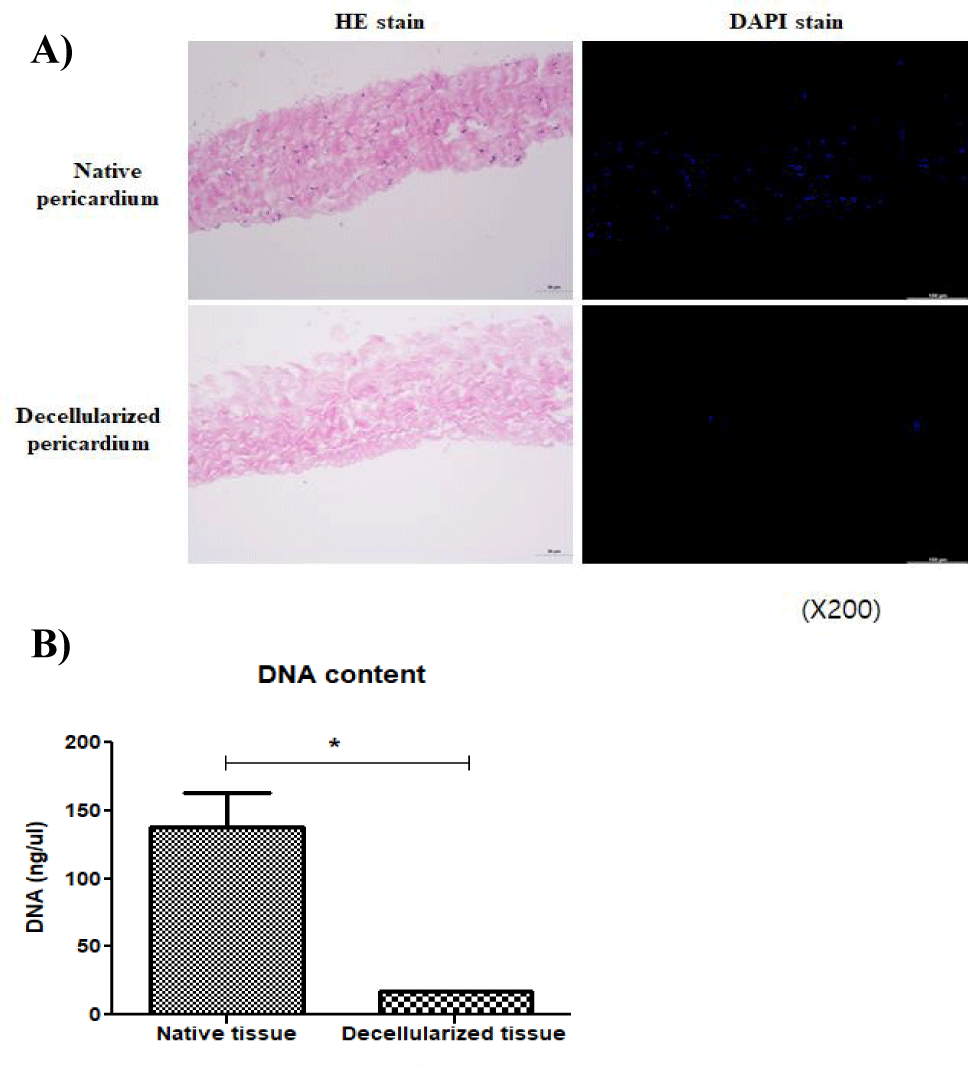
(A) Longitudinally dissected porcine pericardial native tissues with or without decellularization were stained with HE stain. HE stains were imaged using a microscope, and showed complete decellularization without histological changes. Cell nuclei were stained with DAPI. Decellularization resulted in DAPI-negative fluorescence signals in decellularized tissues (blue: DAPI). Fluorescence was detected using a fluorescence microscope. The magnification used was x200.
(B) The DNA contents of longitudinally dissected porcine pericardial tissues with or without decellularization were quantified. DNA contents were measured using spectrophotometer. Decellularized tissue had significantly reduced DNA contents compared to native tissue. For statistical comparison, *p < 0.05 was considered significant.
HE, hematoxylin and eosin; DAPI, 4′,6-diamidino-2-phenylindole; DNA, deoxyribo nucleic acid; Decell, decellularization.
Histological analysis with SEM in porcine pericardium treated with PNGase-F
The porcine pericardia were treated with different concentrations (0~2.0 unit/ml) of PNGase-F, and stained with H&E. Histological characteristics such as collagen fiber pattern, and structural loosening, did not change, and PNGase-F treatment concentration was not reflected in histological changes (Figure 2A).
High-resolution images using SEM showed that the gap between the collagen fiber bundles displayed similar collagen shapes and patterns for porcine pericardium treated with different concentrations (0~2.0 unit/ml) of PNGase-F. PNGase-F treatment concentration had no effect on histological changes (Figure 2B).
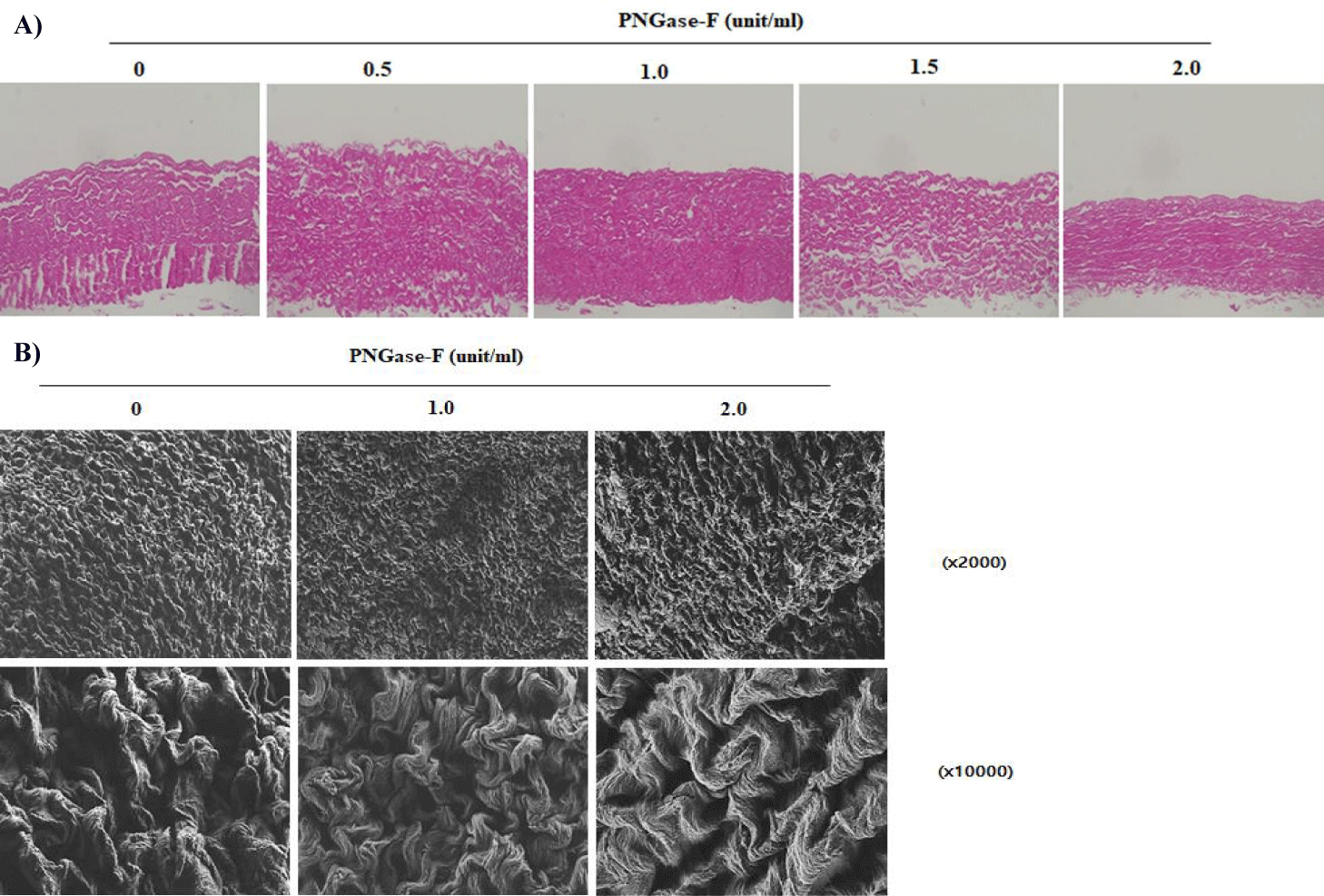
(A) Longitudinally dissected porcine pericardial native tissues with PNGase-F (0~2 unit/ml) were stained with Hematoxylin and Eosin (HE). HE stains were imaged using a microscope. The magnification used was x200. There were no histological changes such as collagen fiber pattern and structural loosening depending on PNGase-F treatment concentration.
(B) Scanning electron microscopy (SEM) images for the pericardium treated with PNGase-F (0, 1.0, and 2.0 unit/ml). The magnification used was x2000 and x10000. The gap between the collagen fiber bundle displayed a similar collagen shape and pattern for porcine pericardium treated with different concentrations of PNGase-F. PNGase-F treatment did not affect histological changes.
PNGase-F, peptide-N-glycosidase F.
Biomechanical analysis in porcine pericardium treated with PNGase-F
Biomedical properties were measured through uniaxial tensile test and permeability test. There was no significant difference in tensile stress at break between native porcine pericardium (n = 30) and different (0.5~2.0 unit/ml) PNGase-F treated porcine pericardium (n = 30, respectively). There was no significant difference in tensile displacement at break between between native porcine pericardium (n = 30) and different (0.5~2.0 unit/ml) PNGase-F treated porcine pericardium (n = 30, respectively). There was no significant difference in tensile strain at break between native porcine pericardium (n = 30) and different (0.5~2.0 unit/ml) PNGase-F treated porcine pericardium (n = 30, respectively) (Figure 3A). In addition, we performed permeability test to evaluate the mechanical properties by PNGase-F treatment concentration. There was no significant difference in permeability test between native porcine pericardium (n = 8) and different (0.5~2.0 unit/ml) PNGase-F treated porcine pericardium (n = 8, respectively) (Figure 3B). These findings suggested that the effects of PNGase-F treatment concentration were not reflected in the biochemical properties of the porcine pericardium.
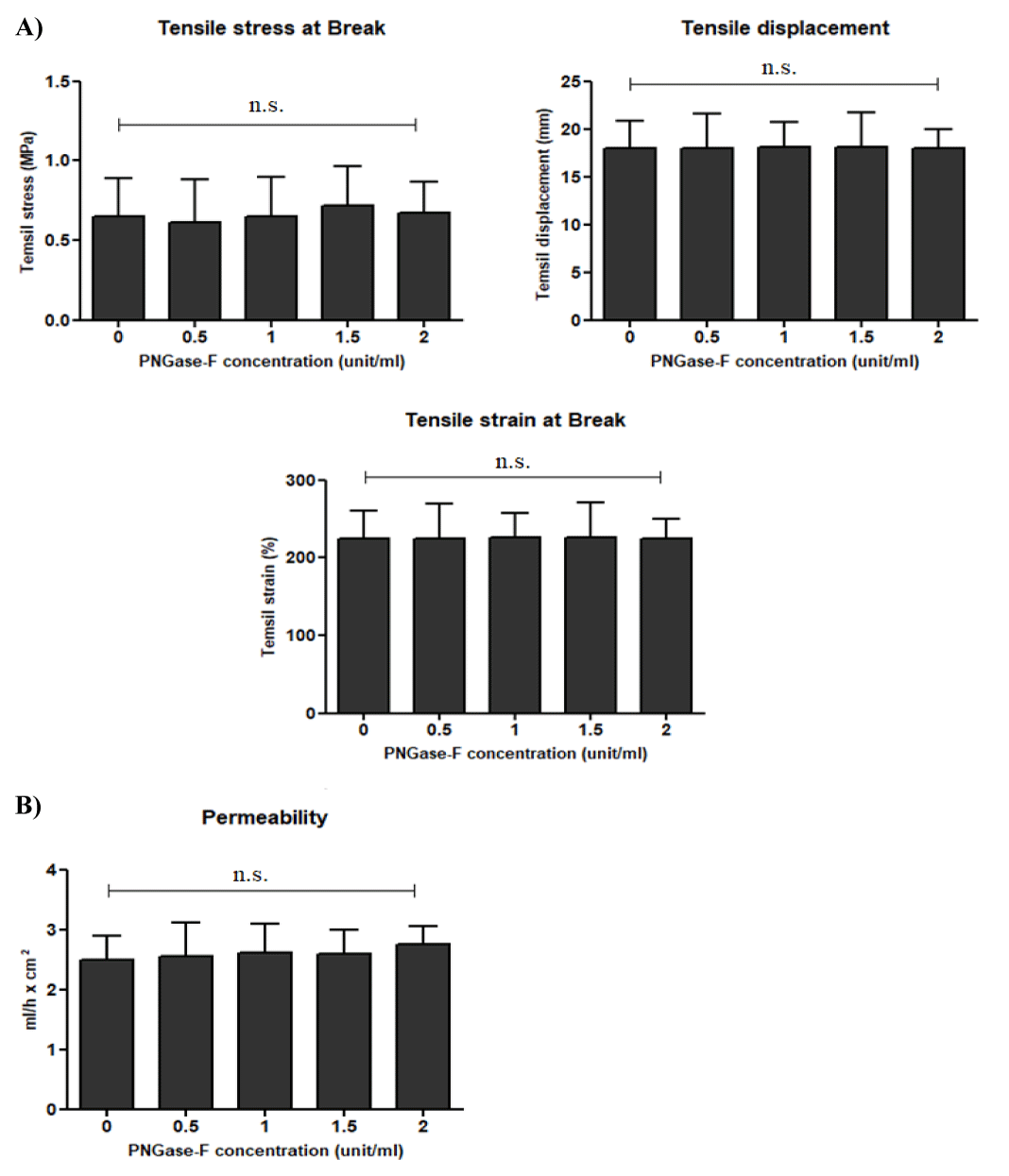
(A) Uniaxial tensile analysis of porcine pericardium analyzed using a tensile testing machine. There was no significant difference in tensile stress, tensile displacement, and tensile strain at break among pericardium treated with different concentration (0~2 unit/ml) of PNGase-F (n = 30, respectively).
(B) Permeability analysis of porcine pericardium analyzed using a permeability testing machine. There was no significant difference in permeability test among pericardium treated with different concentration (0~2 unit/ml) of PNGase-F (n = 8, respectively). n.s., not significant; PNGase-F, peptide-N-glycosidase F.
For statistical comparison, *p < 0.05 was considered significant.
Lectin histochemistry and lectin-binding assay of PNGase-F treated porcine pericardium
In xenotranplantation, lectins are carbohydrates components, and increased lectin levels are highly involved in immune rejection [3]. Effects of the enzymatic digestion with PNGase-F on carbohydrates removal were investigated using the expression of lectins. Longitudinally dissected native and PNGase-F treated porcine pericardium samples were stained with ten lectins including Jacalin, MAL-I, WGA, RCA-I, GSL, ECA, PNA, SBA, DSL and WFA. Fluorescence imaging of lectins showed that the PNGase-F-treated group showed lower fluorescence than native porcine pericardium. The PNGase-F-treated group also had low fluorescence in proportion to the increase in concentration (0~2 unit/ml) (Figures 4(A,B)).
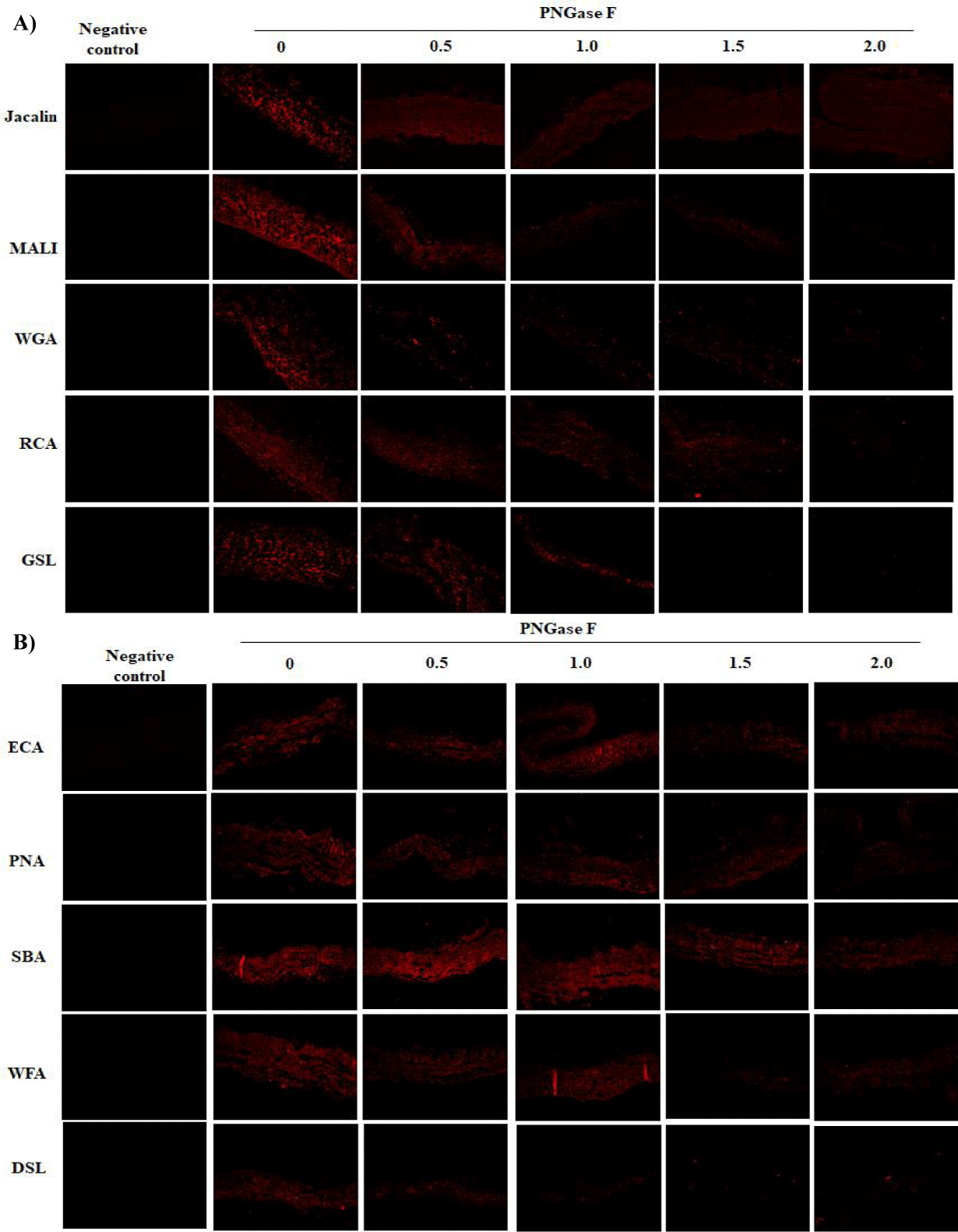
(A) PNGase-F-treated (0~2 unit/ml) porcine pericardium were stained with Jacalin, MAL I, WGA, RCA, GSL (A), and ECA, PNA, SBA, WFA, DSL.
(B) Carbohydrate-binding lectins were stained red. The magnification used was x200. Fluorescence imaging showed that the PNGase-F-treated group had low fluorescence in proportion to the increase in concentration.
PNGase F, peptide-N-glycosidase F; MALI, Maackia Amurensis lectin I; WGA, Wheat Germ Agglutinin; RCA, Ricinus Communis Agglutinin; GSL, Griffonia Simplicifolia Lectin; ECA, Erythrina Cristagalli; PNA, Peanut Agglutinin; SBA, Soybean Agglutinin; WFA, Wisteria Floribunda; DSL, Datura Stramonium lectin.
To quantitatively determine the expression of WGA, ECA, GSL, RCA, MALI, WFA, and DSL, a lectin-binding assay on PNGase-F-treated (0~2 unit/ml) porcine pericardium was performed. PNGase-F treatment resulted in a significant inhibition of lectin binding levels in a concentration-dependent manner (Figure 5). Additionally, we found that PNGase-F treatment at a concentration of 2.0 units/ml reduced the fluorescence signal of lectins the most, and these results suggest that higher concentrations of PNGase-F were most effective in removing the xenoantigens.
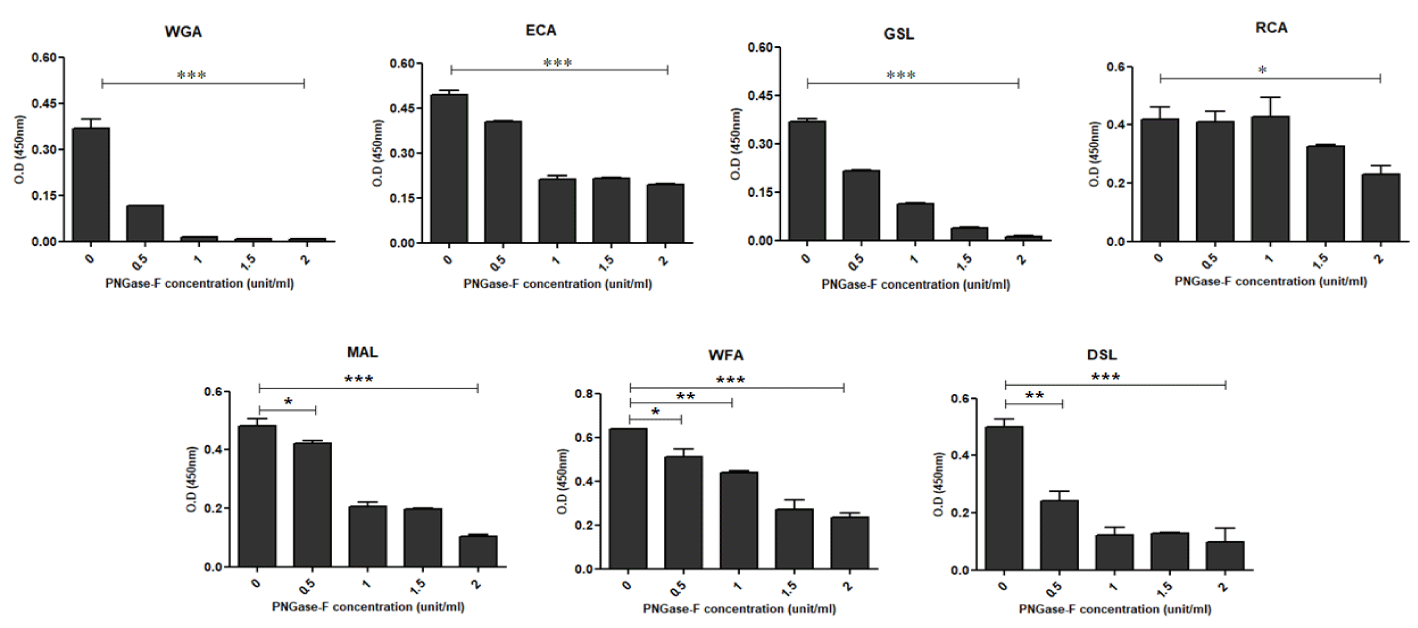
To quantitatively determine the expression of WGA, ECA, GSL, RCA, MALI, WFA, and DSL, lectin-binding assay for PNGase-F-treated (0~2 unit/ml) porcine pericardium was performed. PNGase-F treatment resulted in a significant inhibition of lectin binding levels in a concentration-dependent manner.
PNGF, peptide-N-glycosidase F; WGA, Wheat Germ Agglutinin; ECA, Erythrina Cristagalli; GSL, Griffonia Simplicifolia Lectin; RCA, Ricinus Communis Agglutinin; MALI, Maackia Amurensis lectin I; WFA, Wisteria Floribunda; DSL, Datura Stramonium lectin For all statistical comparisons, * p< 0.05, **p < 0.01, and ***p < 0.001 were considered significant.
Lectin histochemistry of porcine pericardium with decellularization and additionally treated with PNGase-F
Decellularized porcine pericardia treated with PNGase-F (0~2.0 unit/ml) were stained with Jacalin, MALI, WGA, RCA, GSL, and ECA, PNA, SBA, WFA, DSL. Decellularization effectively reduced the fluorescence signal of all lectin expressions in comparison with native tissue; it did not completely remove all lectins from the porcine pericardium. On the other hand, PNGase-F treatment combined with decellularization completely eliminated the fluorescence signal of all lectin expressions in comparison with decellularization alone (Figures 6(A,B)).
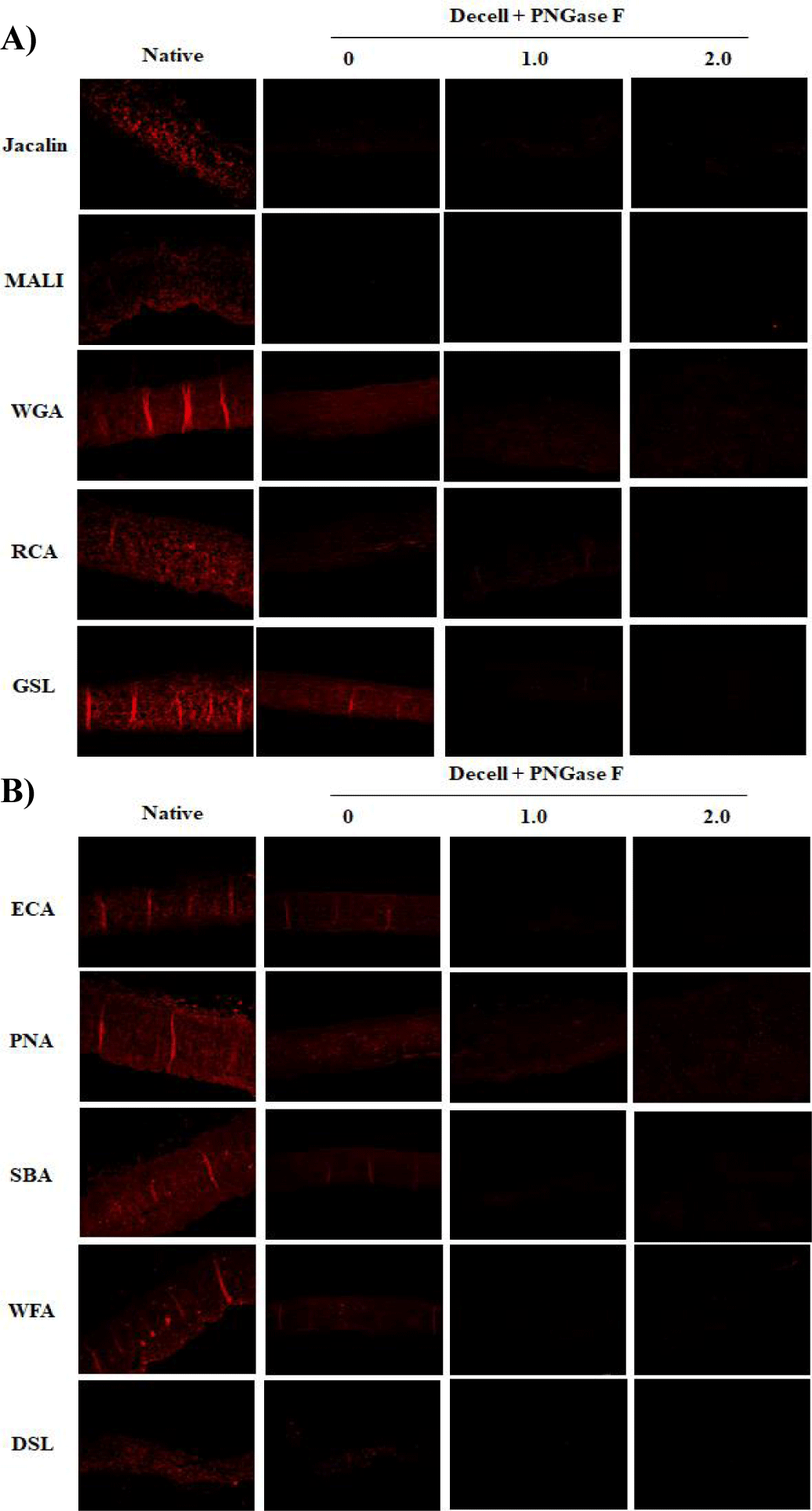
A) Decellularized porcine pericardia treated with PNGase-F (0~2.0 unit/ml) were stained with Jacalin, MALI, WGA, RCA, GSL.
B) ECA, PNA, SBA, WFA, DSL.
Carbohydrate-binding lectins were stained red. The magnification used was x200. The fluorescent signal of decellularization effectively decreased lectin expression. Additional PNGase-F treatment for decellularization significantly reduced lectin expression without a difference in PNGase-F concentration, demonstrating the synergistic effect of decellularization and PNGase-F. Decell, decellularization; PNGase F, peptide-N-glycosidase F; MALI, Maackia Amurensis lectin I; WGA, Wheat Germ Agglutinin; RCA, Ricinus Communis Agglutinin; GSL, Griffonia Simplicifolia Lectin; ECA, Erythrina Cristagalli; PNA, Peanut Agglutinin; SBA, Soybean Agglutinin; WFA, Wisteria Floribunda; DSL, Datura Stramonium lectin.
While we observed a significant concentration-dependent decrease in the fluorescence signal of all lectin expressions after PNGase-F treatment, there was no effect due to concentration differences in PNGase-F treatment after decellularization. We observed a considerable reduction in lectin expression in the PNGase-F treatment at high concentration (Figures (4,5)), but, PNGase-F treatment combined with decellularization completely eliminated all the lectin expressions even at low concentration without a difference in PNGase-F concentration, demonstrating the synergistic effect of decellularization and PNGase-F (Figures 6(A,B)). These findings indicated that PNGase-F treatment combined with decellularization absolutely removed the carbohydrate-binding lectin levels in xenopericardium.
Discussion
Devitalized cells and cellular remnants can induce an immunological response within the host against residual xenoantigen, which can result in the formation of a nidus for calcification [4-7,15,16] Decellularization has been employed in order to reduce the immunogenicity of xenografts, by removing cellular material. Our group has studied various decellularization methods in order to develop less immunogenic and highly durable tissue graft [17]. Considering the number and amount of chemicals that were used, incubation time, and degree of damage to the extracellular matrix, we concluded that a multi-step method using a hypotonic solution followed by SDS is a relatively optimal method for decellularization in our previous study [18]. We have attempted to determine the optimal conditions for decellularization by introducing several modifications to the appropriate environment, such as treatment temperature, duration, and osmotic pressure using chemical detergents of various types and concentrations. The exposure of cardiac xenografts to a hypotonic solution prior to the SDS treatment was highly effective in achieving decellularization [19]. Since a high concentration of the detergent (higher than 0.25% SDS) cause significant matrix derangement, the use of a low concentration of detergent and treatment under a hypertonic solution have better mechanical characteristics [20].
After our decellularization, there was no visible cell, and no specific matrix derangement was noticeable in H&E stain [7,21]. Our decelluarization did not alter the microscopic structure, the degree of cross-linking assessed by thermal stability test and pronase test, and the degree of tissue strength assessed by the uniaxial mechanical test [7,9]. The in vivo experiments for small animals proved that our decellularization protocols of xenograft tissue were effective [7,8,22]. The large-animal long-term circulatory model demonstrated the preclinical safety and efficacy in pulmonary [23] and mitral [24] position for our novel decellularization protocols compared with control groups [25-27]. The clinical study demonstrated the safety and efficacy in pulmonary position for our novel decellularization protocols [11-13]. Our bioprosthetic valves treated with novel decellularization protocols were successfully commercialized, and have been implanted to the pulmonary position of the patients. Currently, clinical trials (The PULSTA Transcatheter Pulmonary Valve Pre-Approval Study, ClinicalTrials.gov Identifier: NCT03983512) for our decellularized bioprosthetic valves to the pulmonary position are also in progress for 5 European countries (Germany, Italy, Netherlands, Spain, Turkey; https://clinicaltrials. gov/ct2/show/NCT03983512). The preclinical study demonstrated that our decellularized bioprosthetic valves to the aortic position were safe and effective [28].
Histological assessment by H&E and DAPI and DNA contents assay revealed complete cell-nuclei removal after decellularization in this study. Carbohydrates removal was investigated using up to 10 different lectin stains for the identification of N-and O-glycosylations, as well as glycolipids. Our decellularization represented effective protocol in means of carbohydrates reduction; it did not result in the removal of all lectins in the xenopericardium. Our decellularization procedures also resulted in similar values of mechanical properties when compared between each other and with native tissue [7,9].
Although some known immunogenic compounds, such as cells and water-soluble compounds, have been reported to be removed through decellularization, other xenoantigens, such as carbohydrates present in Extracellular Matrix (ECM) glycoproteins (including α-Gal and Neu5Gc), cannot be completely removed without targeted treatments, such as enzyme, or silencing of genes associated with specific xenoantigen expression. On the other hand, carbohydrate removal using enzymatic treatments has been limited to enzymes with specificity against known immunogenic carbohydrates or specific types of glycosylations. In fact, carbohydrases such as α-galactosidase or peptide:N-glycosidase F have been applied to remove α-Gal and Neu5Gc, respectively, from xenogeneic tissues. We have already developed α-Gal free cardiac xenografts treated with optimal decellularization and α-galactosidase, and succeeded in clinical application and commercialization [11-13].
This study was performed for removal of xenoantigen (Neu5Gc), and showed that PNGase-F treatment further reduced lectin expression with increasing concentrations, and did not affect biomechanical stabilities such as permeability and uniaxial tensile tests compared to untreated pericardium. After enzyme treatments, tissues showed a dramatic decrease in lectin stainings in comparison to tissues which were decellularized only. As shown by our lectin stains, decellularization per se can’t induce complete removal of carbohydrates, whereas a dramatic decrease in glycan stains was observed when applying PNGase-F. In addition, ELISA test was also performed to investigate the efficiency of the glycosidases to remove glycans from tissue glycoproteins. Our results demonstrated that PNGase-F treatment resulted in a significant inhibition of lectin binding levels in a concentration-dependent manner.
Considering DNA as a marker for removal of cells and cellular debris, its presence of trace amounts after decellularization may indicate that cellular debris is not adequately washed off from the tissue. Overall, carbohydrates and xenoantigen removal could be strongly improved by applying PNGase-F, compared with decellularization. Our previous results showed that decellularization alone reduced carbohydrate structures only to a limited extent, and did not produce an xenoantigen (α-Gal) free scaffold. We also have shown that decellularization alone is not able to delete α-Gal structures without additional α-galactosidase treatment [1,7,21]. Indeed, the detergents-based decellularization protocols used in this study were not able to remove α-Gal completely, nor to decrease other N-acetylglucosamine or O-glucosamine structures, without the use of specific glycosidases. A beneficial effect in terms of decreased immonogenecity and calcification was observed in our previous in vivo studies using humanized mice when treating cardiac xenografts with α-galactosidase after decellularization [21,22]. Besides α-Gal, other carbohydrates may also be additional causes of the rejection of transplanted cardiac xenografts.
Decellularized porcine pericardia were further treated with PNGase-F at various concentrations, for the removal of potentially immunogenic carbohydrates. We observed that decellularization combination with additional PNGase-F treatment significantly reduced the expression of lectins in comparison with decellularization or PNGase-F alone. Overall, carbohydrates and xenoantigen removal could strongly be improved by applying PNGase-F, in particular in combination with SDS and Triton X-100 treatment.
The 10 lectins in this study were chosen and investigated for representative intense staining signals in all native pericardial tissues in contrast to decelularized and enzyme-treated tissues, which showed a dramatic decrease in binding signal. All conducted lectin stains including the lectin specificity are well known for overall glycan removal, and were used to optimize the best dilution and time point for processing conditions. A large variety of lectins was used in our study, in particular, for decellularization-and additionally PNG-F-treated groups, in order to stain a broad range of glycans bound to proteins, as well as lipids. In this study, extensive staining of N- and O-glycosylation was achieved through many lectin stains. Currently known xenoantigens are expressed mainly on N-linked sugars, but the Neu5Gc is also present on O-linked sugars [29]. N-glycans are the most common type expressed on glycoproteins and glycolipids, whereas O-glycans are only partially present, especially on SBA, PNA, and Jacalin staining [30]. Decellularized porcine pericardia have significantly reduced binding of all lectins tested in comparison with native tissue. However, currently known xenoantigens, principally the α-Gal and Neu5Gc, are expressed on N-linked and O-linked sugars, and both carbohydrates are expressed on glycolipids, most of which are not completely removed during decellularization. A further reduction in binding was observed in specimens further digested with PNGase-F, in comparison with decellularized tissue. Enzymatic treatment with PNGase-F significantly reduced the glycan structure of decellularized cardiac xenografts, as seen by lectin staining, but neither decellularization nor PNGase-F alone significantly reduced lectin staining.
Digestion with low concentrations of PNGase-F did not significantly alter the binding of the tested lectins, but the decellularization group showed a significantly reduced binding to the lectin even after low concentrations of PNGase-F digestion. Decellularization approaches can be rather efficient in removing cells, soluble proteins, and carbohydrates from the ECM, promoting accessibility for enzymatic action to cleavage sites in glycan structures through synergistic digestion of surrounding proteins.
Unfortunately, there is still a significant lack of research on decellularization combined with deglycosylation therapy. Most of the recent studies related to antigen removal in cardiac xenografts have focused on developing decellularization protocols, rather than glycan removal. For the first time in the world, we have already demonstrated the synergistic effects of decellularization and α-galactosidase for removal of α-Gal xenoantigens on cardiac xenografts in vitro and in vivo [1,21,22]. To date, our previous studies have focused on depletion of α-Gal epitopes using α-galactosidase rather than non-gal xenoantigens (Neu5Gc). Therefore, this study confirmed the efficacy of glycosidases with broader specificity for removal of non-gal xenoantigens from cardiac xenografts. To our knowledge, no data have been published so far on in vitro testing of different concentrations of PNGase-F treatments for removal of non-Gal xenoantigens on cardiac xenografts and their synergistic effects on decellularization. PNGase-F allows efficient removal of carbohydrates from N- and O-glycans, while maintaining the mechanical stability of the tissue, suggesting that glycan removal by PNGase-F leads to a reduction in tissue xenogenicity as revealed in our results. The next step is to test the immunogenic potential of enzyme-treated cardiac xenografts in vivo with a view to further investigating the potential of deglycosylated cardiac xenografts for future clinical applications.
In conclusion, our novel decellularization protocols combined with PNGase-F treatment effectively removed the carbohydrates-associated xenoimmunogenicity and maintained biomechanical stability for cardiac xenografts. Our strategies beyond decellularization for optimal tissue engineering of cardiac xenografts can improve the biocompatibility of the graft.
Acknowledgement
This study was supported by SNUH Lee Kunhee Child Cancer & Rare Disease Project, Republic of Korea (Grant Number: 23C0220100).
Conflict of interest
The authors state that they have no conflict of interest.
References
- Choi SY, Jeong HJ, Lim HG, Park SS, Kim SH, Kim YJ. Elimination of alpha-gal xenoreactive epitope: alpha-galactosidase treatment of porcine heart valves. J Heart Valve Dis. 2012 May;21(3):387-97. PMID: 22808845.
- Jeong HJ, Adhya M, Park HM, Kim YG, Kim BG. Detection of Hanganutziu-Deicher antigens in O-glycans from pig heart tissues by matrix-assisted laser desorption/ionization time-of-flight mass spectrometry. Xenotransplantation. 2013 Nov-Dec;20(6):407-17. doi: 10.1111/xen.12045. Epub 2013 Jul 16. PMID: 23855430.
- Salama A, Evanno G, Harb J, Soulillou JP. Potential deleterious role of anti-Neu5Gc antibodies in xenotransplantation. Xenotransplantation. 2015 Mar-Apr;22(2):85-94. doi: 10.1111/xen.12142. Epub 2014 Oct 13. PMID: 25308416.
- He W, Wang Q, Tian X, Pan G. Recapitulating dynamic ECM ligand presentation at biomaterial interfaces: Molecular strategies and biomedical prospects. Exploration (Beijing). 2022 Jan 24;2(1):20210093. doi: 10.1002/EXP.20210093. PMID: 37324582; PMCID: PMC10191035.
- Liu W, Zhang X, Jiang X, Dai B, Zhang L, Zhu Y. Decellularized extracellular matrix materials for treatment of ischemic cardiomyopathy. Bioact Mater. 2023 Nov 29:33:460-482. doi: 10.1016/j.bioactmat.2023.10.015. PMID: 38076651; PMCID: PMC10697850.
- WY, Wang WH, Xu PY, Kankala RK, Chen AZ. Decellularised extracellular matrix-based injectable hydrogels for tissue engineering applications. Biomaterials Translational. 2024;5(2):114-128. doi: 10.12336/biomatertransl.2024.02.003.
- Lim HG, Kim SH, Choi SY, Kim YJ. Anticalcification effects of decellularization, solvent, and detoxification treatment for genipin and glutaraldehyde fixation of bovine pericardium. Eur J Cardiothorac Surg. 2012 Feb;41(2):383-90. doi: 10.1016/j.ejcts.2011.05.016. Epub 2011 Dec 12. PMID: 21683607.
- Park S, Kim SH, Lim HG, Lim C, Kim YJ. The Anti-calcification Effect of Dithiobispropionimidate, Carbodiimide and Ultraviolet Irradiation Cross-linking Compared to Glutaraldehyde in Rabbit Implantation Models. Korean J Thorac Cardiovasc Surg. 2013 Feb;46(1):1-13. doi: 10.5090/kjtcs.2013.46.1.1. Epub 2013 Feb 6. PMID: 23424053; PMCID: PMC3573159.
- Pagoulatou E, Triantaphyllidou IE, Vynios DH, Papachristou DJ, Koletsis E, Deligianni D, Mavrilas D. Biomechanical and structural changes following the decellularization of bovine pericardial tissues for use as a tissue engineering scaffold. J Mater Sci Mater Med. 2012 Jun;23(6):1387-96. doi: 10.1007/s10856-012-4620-8. Epub 2012 Mar 28. PMID: 22454140.
- Jang W, Kim YJ, Choi K, Lim HG, Kim WH, Lee JR. Mid-term results of bioprosthetic pulmonary valve replacement in pulmonary regurgitation after tetralogy of Fallot repair. Eur J Cardiothorac Surg. 2012 Jul;42(1):e1-8. doi: 10.1093/ejcts/ezs219. Epub 2012 May 4. PMID: 22561653.
- Kim GB, Kwon BS, Lim HG. First in human experience of a new self-expandable percutaneous pulmonary valve implantation using knitted nitinol-wire and tri-leaflet porcine pericardial valve in the native right ventricular outflow tract. Catheter Cardiovasc Interv. 2017 Apr;89(5):906-909. doi: 10.1002/ccd.26910. Epub 2017 Feb 1. PMID: 28145041.
- Kim GB, Song MK, Bae EJ, Park EA, Lee W, Lim HG, Kim YJ. Successful Feasibility Human Trial of a New Self-Expandable Percutaneous Pulmonary Valve (Pulsta Valve) Implantation Using Knitted Nitinol Wire Backbone and Trileaflet α-Gal-Free Porcine Pericardial Valve in the Native Right Ventricular Outflow Tract. Circ Cardiovasc Interv. 2018 Jun;11(6):e006494. doi: 10.1161/CIRCINTERVENTIONS.118.006494. PMID: 29871940.
- Lee SY, Kim GB, Kim SH, Jang SI, Choi JY, Kang IS, Kim YH. Mid-term outcomes of the Pulsta transcatheter pulmonary valve for the native right ventricular outflow tract. Catheter Cardiovasc Interv. 2021 Nov 1;98(5):E724-E732. doi: 10.1002/ccd.29865. Epub 2021 Jul 6. PMID: 34227733.
- Shamis Y, Patel S, Taube A, Morsi Y, Sbarski I, Shramkov Y, Croft RJ, Crawford RJ, Ivanova EP. A new sterilization technique of bovine pericardial biomaterial using microwave radiation. Tissue Eng Part C Methods. 2009 Sep;15(3):445-54. doi: 10.1089/ten.tec.2008.0350. PMID: 19563253.
- Nam J, Choi SY, Sung SC, Lim HG, Park SS, Kim SH, Kim YJ. Changes of the Structural and Biomechanical Properties of the Bovine Pericardium after the Removal of α-Gal Epitopes by Decellularization and α-Galactosidase Treatment. Korean J Thorac Cardiovasc Surg. 2012 Dec;45(6):380-9. doi: 10.5090/kjtcs.2012.45.6.380. Epub 2012 Dec 7. PMID: 23275920; PMCID: PMC3530722.
- Min BJ, Kim YJ, Choi JW, Choi SY, Kim SH, Lim HG. Histologic Characteristics and Mechanical Properties of Bovine Pericardium Treated with Decellularization and α-Galactosidase: A Comparative Study. Korean J Thorac Cardiovasc Surg. 2012 Dec;45(6):368-79. doi: 10.5090/kjtcs.2012.45.6.368. Epub 2012 Dec 7. PMID: 23275919; PMCID: PMC3530721.
- Seong YW, Kim YJ, Kim SH, Min BJ, Lee YO, Lim HG. Effect of trypsin on physico-dynamic and histological changes after decellularization of bovine pericardium. Korean J Thorac Cardiovasc Surg 2010;43:565-75. doi: 10.5090/kjtcs.2010.43.6.565.
- Park CS, Kim YJ, Sung SC, Park JE, Sun-Young C, Woong-Han K, Kyung-Hwan K. Study on an effective decellularization technique for cardiac valve, arterial wall and pericardium xenographs: Optimization of decellularization. Korean J Thorac Cardiovasc Surg. 2008;41:550-62.
- Sung SC, Kim YJ, Choi SY, Park JE, Kim KH, Kim WH. A study on an effective decellularization technique for a xenograft cardiac valve: The effect of osmotic treatment with hypotonic solution. Korean J Thorac Cardiovasc Surg. 2008; 41:679-686.
- Jang WS, Kim YJ, Kim SH. Effects on tensile strength and elasticity after treatment with glutaraldehyde, solvent, decellularization and detoxification in fresh bovine pericardium. Korean J Thorac Cardiovasc Surg. 2010;43:1-10. doi: 10.5090/kjtcs.2010.43.1.1.
- Lim HG, Choi SY, Yoon EJ, Kim SH, Kim YJ. In vivo efficacy of alpha-galactosidase as possible promise for prolonged durability of bioprosthetic heart valve using alpha1,3-galactosyltransferase knockout mouse. Tissue Eng Part A. 2013 Nov;19(21-22):2339-48. doi: 10.1089/ten.TEA.2013.0062. Epub 2013 Jun 18. PMID: 23672462.
- Lim HG, Choi SY, Jeong S, Shin JS, Park CG, Kim YJ. In vivo efficacy for novel combined anticalcification treatment of glutaraldehyde-fixed cardiac xenograft using humanized mice. J Biomater Appl. 2015 Feb;29(7):929-40. doi: 10.1177/0885328214552710. Epub 2014 Sep 22. PMID: 25245780.
- Kim GB, Lim HG, Kim YJ, Choi EY, Kwon BS, Jeong S. Novel self-expandable, stent-based transcatheter pulmonic valve: a preclinical animal study. Int J Cardiol. 2014 Apr 15;173(1):74-9. doi: 10.1016/j.ijcard.2014.02.005. Epub 2014 Feb 20. PMID: 24588954.
- Lim HG, Kim GB, Jeong S, Kim YJ. Development of a next-generation tissue valve using a glutaraldehyde-fixed porcine aortic valve treated with decellularization, α-galactosidase, space filler, organic solvent and detoxification. Eur J Cardiothorac Surg. 2015 Jul;48(1):104-13. doi: 10.1093/ejcts/ezu385. Epub 2014 Oct 14. PMID: 25315752.
- Kim CY, Kim KH, Moon KC, Kim WH, Sung SC, Kim YJ. Comparison of different methods of aortic valve conduit xenograft preservation in an animal experiment model; fresh cryopreservation versus acellularized cryopreservation. Korean J Thorac Cardiovasc Surg. 2010;43:11-9. doi: 10.5090/kjtcs.2010.43.1.11.
- Park CS, Kim YJ, Lee JR, Lim HG, Chang JE, Jeong S, Kwon N. Anticalcification effect of a combination of decellularization, organic solvents and amino acid detoxification on glutaraldehyde-fixed xenopericardial heart valves in a large-animal long-term circulatory model. Interact Cardiovasc Thorac Surg. 2017 Sep 1;25(3):391-399. doi: 10.1093/icvts/ivx131. PMID: 28505294.
- Kim DJ, Kim YJ, Kim WH, Kim SH. Xenograft Failure of Pulmonary Valved Conduit Cross-linked with Glutaraldehyde or Not Cross-linked in a Pig to Goat Implantation Model. Korean J Thorac Cardiovasc Surg. 2012 Oct;45(5):287-94. doi: 10.5090/kjtcs.2012.45.5.287. Epub 2012 Oct 9. PMID: 23130301; PMCID: PMC3487011.
- Lim HG, Jeong S, Kim GB, Lee W, Son KH, Kim YJ. Next-generation transcatheter aortic valve implantation. JTCVS Open. 2020 Jun 24;3:14-24. doi: 10.1016/j.xjon.2020.06.008. PMID: 36003870; PMCID: PMC9390526.
- Macher BA, Galili U. The Galalpha1,3Galbeta1,4GlcNAc-R (alpha-Gal) epitope: a carbohydrate of unique evolution and clinical relevance. Biochim Biophys Acta. 2008 Feb;1780(2):75-88. doi: 10.1016/j.bbagen.2007.11.003. Epub 2007 Nov 22. PMID: 18047841; PMCID: PMC2271034.
- Varki A. Biological roles of oligosaccharides: all of the theories are correct. Glycobiology. 1993 Apr;3(2):97-130. doi: 10.1093/glycob/3.2.97. Update in: Glycobiology. 2017 Jan;27(1):3-49. doi: 10.1093/glycob/cww086. PMID: 8490246; PMCID: PMC7108619.




Content Alerts
SignUp to our
Content alerts.
 This work is licensed under a Creative Commons Attribution 4.0 International License.
