
General Science Group 2024 December 09;5(12):1556-1575. doi: 10.37871/jbres2043.





 Research Article
Exercise-Induced Changes in the Hippocampal Proteome of Mice during Aging
Elena Carestia3, Marilisa Sulpizio3, Fabrizio Di Giuseppe1,3, Patricia Giuliani2,3, Patrizia Di Iorio2,3, Renata Ciccarelli3*, Carmine Di Ilio3 and Stefania Angelucci1,3
2Department of Medical, Oral and Biotechnological Sciences, ‘G d’Annunzio’ University of Chieti-Pescara, Via Vestini 31, 66100 Chieti, Italy
3Center for Advanced Studies and Technologies (CAST), University “G. d’Annunzio” of Chieti-Pescara, Via Luigi Polacchi 13, 66100 Chieti, Italy
- Physical exercise
- Hippocampus
- Cognitive decline
- Proteome
- Mass spectrometry
Abstract
Clinical studies suggest that regular and moderate physical activity has a positive influence on the general health of individuals, including neuro-psychological well-being. In particular, physical exercise can improve memory storage and learning ability, thus reducing the risk of developing serious neurodegenerative diseases and some forms of dementia. The same should happen for brain aging, where cognitive decline has been mainly related to dysregulation of synaptic function, in turn associated with changes in multiple intracellular processes, including protein turnover and activity that appear to be crucial in brain aging. Since the influence of physical exercise on this aspect is not yet clear, the aim of our investigation was to evaluate, through proteomic analysis, whether physical exercise can modulate the expression of proteins potentially implicated in cognitive functions. We used adult female CD-1 mice, a healthy control strain, and divided animals in sedentary and trained groups. After different periods (2,4 and 6 months) of treadmill training, the mouse hippocampal proteome was analyzed using two-dimensional electrophoresis and MALDI TOF/TOF mass spectrometry. Exercise influenced the expression of 18 proteins, whose expression was confirmed by LIFT technology and Western Blot analysis. These proteins are involved in several processes such as enhancing antioxidant defence, maintaining the efficiency of mitochondrial energy metabolism and cellular plasticity. Our data would indicate that the exercise-modified activity of these molecules could be relevant to support the brain’s capacity for learning and memory storage and, therefore, to preserve the cognitive performance against age-related decline.
Introduction
Progressive decline in neurological functions related to learning and memory storage is often observed in aging. This occurs for many reasons, from cumulative molecular/cellular damage during life to failure of neurotrophic signalling and synaptic efficiency [1]. Many studies have so far reported that regular physical activity contributes to improving not only cardiovascular performance but also neuro-psychological health [2-4]. Consequently, its usefulness has been explored in several neurological disorders proving to be effective in preventing/alleviating sleep disturbances [5], reducing anxiety and depression [6,7] and exerting preventive effects on neurodegenerative diseases [8], including Parkinson's disease [9], Alzheimer's disease [10] and ischemic stroke [11]. Therefore, it is not surprising that among the therapeutic strategies pursued to prevent or reduce age-related cognitive impairment, physical activity is also recommended for older adults as it supports brain function [12,13] by improving cognitive functions and memory [14-16], with positive effects both in humans [17] and animals [18,19].
Noteworthy, aging is generally associated with oxidative stress [20] and the Central Nervous System (CNS) is prone to oxidative damage. In fact, it shows a higher O2 uptake (VO2) than other organs/tissues coupled with a lower antioxidant enzyme activity and contains large amounts of unsaturated fatty acids, which are targets for peroxidation [21]. Also in this regard, some reports have shown that moderate physical activity increases the expression of antioxidant enzymes, which enhance resistance to oxidative stress while reducing cellular damage [22].
The hippocampus is the brain area primarily responsible for regulating learning and memory processes [23]. It is also endowed with the ability to generate new neurons, exerting a positive increase in adult hippocampal neurogenesis and inhibiting the expression of apoptotic genes [24,25]. However, hippocampus appears to be an early target for age-related structural and biological lesions that affect key functions such as plasticity, network dynamics and cognition, resulting in memory impairment [26,27]. Interestingly, exercise is able to increase adult hippocampal neurogenesis and plasticity through several mechanisms [28-30], namely by inducing neurotrophic factors and improving synaptic efficacy [31,32], positively regulating cognitive-related proteins [33] and mitochondrial functions [34], increasing gliogenesis [35] and causing changes in dendrite structure [36] and angiogenesis [37]. Furthermore, it has also been shown that after 3 months of exercise, cerebral blood volume increases in the adult hippocampus. This has been related to neurogenesis and improved memory storage [38], while changes in hippocampal volume led to decreased memory performance, suggesting that a reduced volume size results in a decline in cognitive functions [39]. Obviously, all changes in brain function are mainly due to changes in the pattern of metabolic pathways and activities, which in turn are due to changes in protein expression, often related to dysfunctions in protein homeostasis (proteostasis) [40]. Accordingly, several studies have recently been conducted to better analyze the protein content in the aged brain using appropriate proteomic techniques, as reviewed by [41]. Some of them have examined different brain areas in humans (including the frontal cortex, as well as the cerebrum, cerebellum, brainstem, and spinal cord) [42,43] or rodents [44-46], while others have focused on the hippocampus [47,48]. In contrast, few studies have been conducted so far using a proteomic approach to determine differences in protein levels in various areas of the mouse brain such as the motor cortex and striatum [49] or in the hippocampus of sedentary and trained animals [50] as well as on the relationship between exercise-induced protein changes and the amelioration of age-related brain deterioration [51-53].
Therefore, based on the above arguments, we undertook research aimed at identifying, by proteomic analysis, those proteins whose expression was modulated by physical exercise and potentially involved in counteracting the effects of aging in the hippocampus. In this study, we used a mouse model subjected for different periods to treadmill running exercise. Although studies regarding the origin of brain lateralization have confirmed the fundamental role of hippocampal laterality in the generation of neurons and also its role in ensuring adequate differential protein expression to some stress stimuli such as exercise stress [54-57], it has also been reported that brain asymmetry decreases with age (at postnatal day 90). We used mice starting from the thirty-fourth week of life onwards. Consequently, any difference between the left and right hippocampus could be considered statistically insignificant [57] and, therefore, the present investigation of the hippocampal proteome was performed without considering brain laterality.
Materials and Methods
This study was carried out in accordance with the European Communities Council Directive of September 22, 2010 for care of laboratory animals and after approval of the Local Ethics Committee of the University of Chieti-Pescara (PROG/48). All efforts were made to minimize the number of animals used as well as their pain or discomfort.
Exercise training
Female CD-1 adult mice were purchased from Charles River Laboratories Italia Srl (Calco, Italy). Female mice were used as animal-based research studies have shown that the hippocampus from female individuals is more responsive to experimental interventions analogous to physical exercise [58,59]. The animals were housed 6 per cage with access to food (standard rodent diet) and water ad libitum and maintained under controlled conditions for temperature and humidity, using a 12-h light/dark cycle.
As for the experimental protocol, the mice were randomly divided into six groups, each of 6 animals as follows: Three groups of mice sedentary for 2 months (S2), 4 months (S4), 6 months (S6) and other three groups subjected to physical exercise for 2 months (E2), 4 months (E4) and 6 months (E6). The experiments consisted of an initial exercise period, to allow the selected animals to learn to run on the treadmill (0-14 days), followed by a sedentary period of at least 7 days. After this inactivity phase, the actual regular training program started at the animal age of 34 weeks, when the mice randomly selected for the exercise groups were removed from their cages and subjected to running on a treadmill, at 13 m/min for 30 min (3 sessions/week at an angle of 30°). These parameters remained constant throughout the training period (up to 6 months) and all experiments were conducted during the light phase. To minimize physical stress to the animals, bristle brushes were placed at the end of each lane of the treadmill to encourage mice to run. During animal training, sedentary mice remained in their cages placed close to the treadmill so that their perceived the same noise produced by the treadmill. Exercise continued for the next 24 weeks, which is the maximum period for physical activity to reach a "critical" age with the maximum expression of signs of aging. All animals successfully completed the exercise protocol. At 2-month intervals (that is at 42, 50, 58 weeks of age) both sedentary and trained mice were sacrificed by cervical dislocation. Hippocampal tissues were carefully dissected on ice after each time point, quickly washed in cold PBS to remove blood and debris, dissected into pieces (approximately 0.4 mg), which were placed in a vial containing 1 ml of protease inhibitor solution (Sigma-Aldrich, Milan, Italy) and used fresh. Tissue from each group was taken within a 4-hour window.
Two-dimensional electrophoresis (2-DE) analysis
All 2-DE experiments were carried out on three biological and three technical replicates. Cytosolic proteins were extracted from hippocampal tissues of each animal group (i.e., S2, S4, S6, E2, E4, E6) in lysis buffer containing urea (7 M), thiourea (2 M), CHAPS and supplemented with tributyl-phosphine (2 mM) and a cocktail of protease inhibitors purchased from GE Healthcare (Uppsala, Sweden). Their concentration was measured using Better Bradford (Pierce), after which 150 μg (for analytical gels) and 500 μg (for preparative gels) of them were mixed with rehydration solution (DeStreak Rehydration Solution, GE Healthcare, Uppsala, Sweden) and applied to Isoelectric Focusing (IEF) using non-linear IPG strips pH 4-7, 24 cm (GE Healthcare, Uppsala, Sweden) on Ettan IPGphor III System (GE Healthcare). The second-dimension electrophoresis was performed on 9-16% SDS-polyacrylamide gels according to procedures previously described by Sulpizio M, et al. [60]. The gels were stained with ammoniacal silver nitrate while those used for MALDITOF MS protein identification were silver-stained without glutaraldehyde, according to the mass compatible method previously described [61]. Stained gels were scanned at 600 dpi with LabScan 5.0 (GE Healthcare, Uppsala, Sweden). A master gel representative of all analyzed conditions was created, matching different gel runs for each group type (sedentary and trained) and then subjected to image analysis with ImageMaster 2D Platinum 7.0 software (GE Healthcare, Uppsala, Sweden) (Figure 1). These master gels were used to determine the presence and difference in protein expression among gels.
Protein digestion and MALDI-TOF/TOF-Mass Spectrometry (MS) analysis
All protein spots whose intensity levels significantly differed among groups were excised from 2-D gels and analyzed by using a Peptide Mass Finger printing (PMF) approach with a MALDI-TOF/TOF spectrometer. Protein spots picked from gel were washed with 100% ethanol containing 100 mM ammonium bicarbonate (NH4HCO3) and then incubated for 60 min at 56°C in 100 µl of 50 mM NH4HCO3 supplemented with 10 mM DTT followed by a second incubation for 30 min in the dark in 100 µl of 50 mM NH4HCO3 supplemented with iodoacetamide at Room Temperature (RT). Finally, the gel was reswollen in 50 mM NH4HCO3 containing trypsin and incubated at 37°C overnight. This peptide extract was applied to a C18 ZipTip (Millipore, Bedford, MA, USA), rinsed with a 0.1% TFA and eluted directly on the MALDI target with 0.5 μl of saturated α-cyano-4-hydroxycinnamic acid (1:1 = ACN: 0.1% TFA) solution.
Tryptic digests were subsequently analyzed by an Autoflex Speed mass spectrometer (Bruker Daltonics, Bremen, Germany) equipped with a Nd:YAG laser (355 nm, 1000 Hz) operated by FlexControl v3.3 and a 355 nm nitrogen laser. All spectra were obtained with the delayed extraction technology in positive reflectron mode and averaged from 100 laser shots to improve the signal-to-noise (S/N) ratio. The voltage parameters were set at IS1 19 kV, IS2 16.7 kV, lens 8.5 kV, reflector 1 21.0 kV, and reflector 29.7 kV. The delay time was 10 ns, and the acquisition mass-to-charge range was 500-4000 Th. External High Precision Calibration (HPC) was performed by using a peptide mixture containing bradykinin (fragment 1-7) 757.39 m/z, angiotensin II 1046.54 m/z, ACTH (fragment 18-39) 2465.19 m/z, Glu Fibrinopeptide B 1571.57 m/z, and renin substrate tetradecapeptide porcine 1760.02 m/z.
Internal mass calibration was performed using trypsin autodigestion products (843.50 m/z, 1.04656 m/z, 2.21211 m/z, 2.28419 m/z). Samples were additionally analyzed using LIFT MS/MS from the same target. The most abundant ions per sample were chosen for MS/MS analysis. Analyses were performed in positive LIFT reflectron mode. Precursor Ion Selector (PCIS) range was 0.65% of parent ion mass. The voltage parameters were set at IS1 6 kV, IS2 5.3 kV, lens 3.00 kV, reflector 1 27.0 kV, reflector 2 11.45 kV, LIFT1 19 kV and LIFT 2 4.40 kV.
Database MS/MS searching
Following MS acquisition each spectrum was submitted to PMF and employed to search the mouse NCBI protein database via the Mascot search engine. Search parameters were: peptide mass fingerprint enzyme, trypsin; fixed modification, Carbamidomethylation (Cys); variable modifications, oxidation of methionine; mass values, monoisotopic; ion charge state was set to + 1, maximum mis-cleavages was set to 1; mass tolerance of 100 ppm for PMF and 0.6-0.8 Da for MS/MS. After automated assessment of the search results, the samples were automatically submitted to LIFT TOF/TOF acquisition for validation of data analysis from PMF. A maximum of four precursor ions per sample were chosen for MS/MS analysis. Protein database searches, through Mascot, using combined PMF and MS/MS datasets, were performed via BioTools 3.2 (Bruker Daltonik GmbH) connected to the Mascot search engine. The Mowse probability score was used as criterion for correct identification. Scores are reported as -10Log10 (P), where P is the probability [62]. The match with the lowest probability, i.e. the highest score is reported as the best match. Identification threshold is typically a score of about 70 for PMF and 30-40 for MS/MS search.
Western blot analysis
After one-dimensional electrophoretic run, the separated proteins were transferred on Polyvinylidene Fluoride (PVDF) membranes. These were initially blocked with 5% skim milk or Bovine Serum Albumin (BSA) in the Tris-buffered saline with Tween® 20 (TBST) buffer for 1h at RT and then incubated with primary antibodies against ACTG (ab52219); Abcam), CSN5 (ab12185; Abcam), ATP5H (ab173006; Abcam), SODC (ABIN350840; Abcam), SYUA (ab138501; Abcam), in 5% BSA overnight at 4°C. Each membrane was washed three times with the TBST buffer before probing it with secondary antibodies conjugated to Horseradish Peroxidase (HRP, Amersham). Protein bands were visualized with an Enhanced Chemiluminescent (ECL) system (GE Healthcare) and visualized by autography on Biomax light film Sigma Chemical (St. Louis, MO, USA).
Bioinformatics analysis of proteomic data
Protein ontology classification was performed by importing proteins into the Protein Analysis through Evolutionary Relationship (PANTHER) classification system (http://www.pantherdb.org/, SRI International, Menlo Park, CA). Proteins were grouped according to their associated biological processes and molecular functions. The Human Protein Atlas database (http://www.proteinatlas.org/, version 23) was utilized to analyze the protein expression by cell type and sub-cellular location. Identified proteins were further analysed using the STRING software (http://string-db.org/, version 12, freely available under a 'Creative Commons BY 4.0' license), chosen as the source for protein–protein interactions, to statistically determine the functions and pathways most strongly associated with the protein list.
Statistical analysis
The reference gel was used to evaluate the presence of and difference in protein expressions. Background subtraction was performed, and the intensity volume of each spot was normalized by total intensity volume (summing the intensity volumes obtained from all spots within the same 2-D gel). All the quantitative data are reported as mean ± SEM values. The intensity volumes of individual spots were matched across the different gels and then compared among groups by multiple comparisons using one-way Analysis of Variance (ANOVA). A probability p < 0.05 was considered statistically significant. Significantly different protein spots were subjected to in-gel tryptic digestion and identification by MS. Furthermore, statistical comparisons between values from different treatments in the same model were calculated using Student’s t-test for unpaired data by GraphPad Prism software (version 6.0). p-values were corrected for multiple comparisons when appropriate.
Results
Proteome changes induced by exercise
The changes induced in the hippocampus proteome by physical exercise were analyzed through a comparative analysis of the proteins picked up from 2-DE reference gels obtained at 2,4 and 6 months in sedentary (S2, S4, S6) and trained (E2, E4, E6) animals (Figure 1). As shown in figure 2A,B, this procedure highlighted 18 differentially expressed proteins, which are listed in table 1, along with their molecular function inferred by launching the protein names in the PANTHER database.
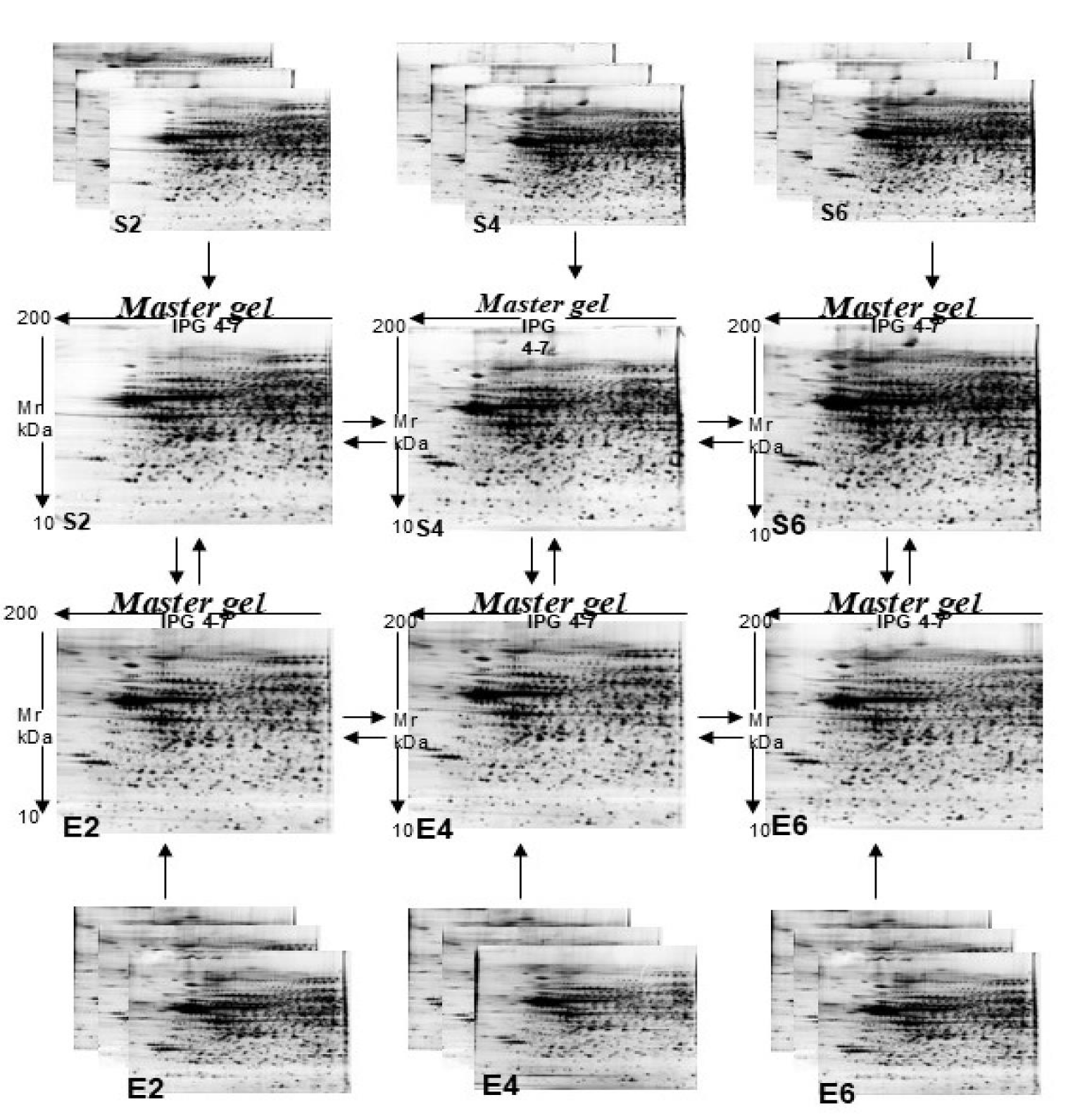
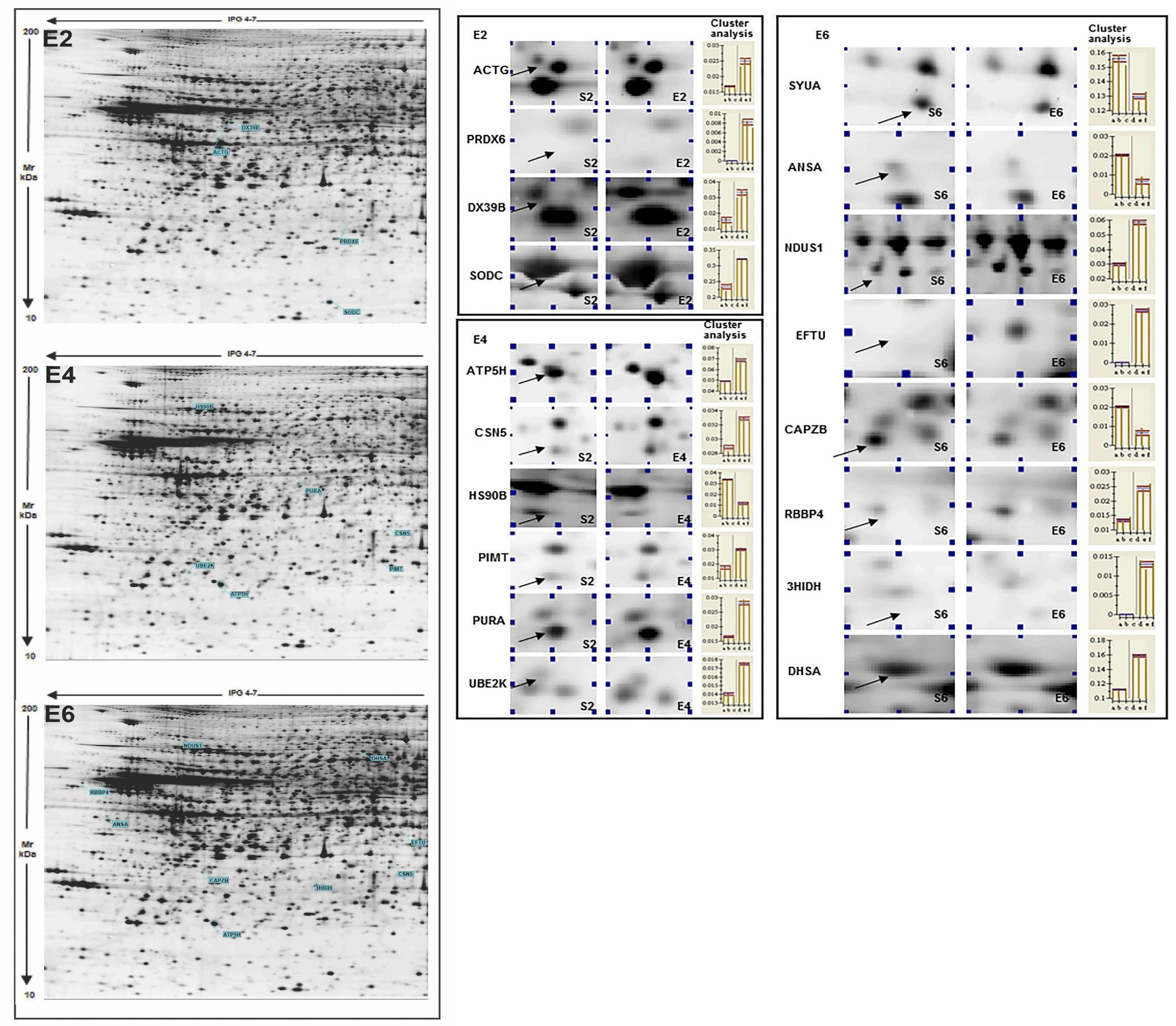
(A): 2DE gel maps of total proteins extracted from hippocampal tissue of mouse after two, four and six months of training (E2, E4, E6) are reported. A total of 150 μg of proteins was separated by 2DE using 24 cm pH 4-7 strips and 9-16% SDS-PAGE. 18 protein spots differently expressed in exercise group compared to control are indicated in the gel with the abbreviation name. All protein identifications were carried out by PMF. (B): Zoom image of differentially expressed proteins in the hippocampus of sedentary (S2, S4, S6) and trained (E2, E4, E6) mice after two, four and six months, respectively. Protein spots assigned by MS are indicated with the arrows on 2D image magnified to show their location while histograms (on the right) indicate the quantitative measurement of their expression levels (p < 0.005). On the x-axis, each letter represents a single gel (from three biological replicates). The y-axis indicates the relative volume of the spot.
| Table 1: MS identification differentially expressed protein of hippocampus after physical exercise. | |||||||
| Training time | Proteins with their molecular function | Abbr. name | ACa | SCOREb _ SCc (%) | Theoretical Mr_pI | Regulation F.D.d | p-value |
| Structural molecule activity | |||||||
| E2 | Actin, cytoplasmic 2 | ACTG | P63260 | 138-39 | 42108-5.3 | 3.3 ± 0.9 | 0.0047 |
| Binding | |||||||
| E2 | Spliceosome RNA helicase Ddx39b | DX39B | Q9Z1N5 | 91-21 | 49460-5.4 | 2.7 ± 0.3 | 0.0016 |
| Antioxidant activity | |||||||
| E2 | peroxiredoxin-6 | PRDX6 | O08709 | 155-43 | 25034-6.0 | - | - |
| E2 | Superoxide dismutase [Cu-Zn] | SODC | P08228 | 121-31 | 15942-6.0 | 3.1 ± 0.4 | 0.0015 |
| Transcription factor | |||||||
| E4 | Ubiquitin-conjugated E2 | UBE2K | P61087 | 143-61 | 22507-5.3 | 1.9 ± 0.1 | 0.0022 |
| E4 | Transcriptional activator protein Pur-alpha | PURA | P42669 | 123-38 | 34976-6.1 | 2.2 ± 0.2 | 0.0015 |
| E4 | COP9 signalosome complex subunit 5* | CSN5 | O35864 | 87-23 | 37753-6.1 | 2.7 ± 0.3 | 0.0016 |
| E4 | Heat shock protein HSP 90-Beta | HS90B | P11499 | 150-41 | 83281-4.9 | - 2.0 ± 0.1 | 0.0017 |
| Catalytic activity | |||||||
| E4 | Protein-L-isoaspartate(D-aspartate) O-methyltransferase | PIMT | P23506 | 158-59 | 24676-7.1 | 2.4 ± 0.1 | 0.0020 |
| E4 | ATP synthase subunit d, mitochondrial | ATP5H | Q9DCX2 | 165-78 | 18795-5.5 | 2.5 ± 0.1 | 0.0020 |
| Transporter activity | |||||||
| E6 | ATPase Asna1 | ASNA | O54984 | 260-57 | 39254-4.8 | - 1.9 ± 0.2 | 0.0014 |
| E6 | Alpha- synuclein | SYUA | O55042 | 122_30 | 14476-4.7 | - 2.3 ± 0.2 | 0.0029 |
| Translation regulation activity | |||||||
| E6 | Elongation factor Tu, mitochondrial | EFTU | Q8BFR5 | 295-65 | 49876-7.2 | - | - |
| Binding | |||||||
| E6 | F-actin-capping protein subunit beta | CAPZB | P47757 | 146-46 | 31611-5.5 | - 2.1 ± 0.1 | 0.0029 |
| Receptor activity | |||||||
| E6 | Histone-binding protein RBBP4 | RBBP4 | Q60972 | 164-30 | 47911-4.7 | 2.2 ± 0.3 | 0.0101 |
| Catalytic activity | |||||||
| E6 | 3-hydroxyisobutyrate dehydrogenase, mitochondrial | 3HIDH | Q99L13 | 84-26 | 35816-8.3 | - | - |
| E6 | Succinate dehydrogenase [ubiquinone] flavoprotein subunit, mitochondrial | SDHA | Q8K2B3 | 183-49 | 73623-7.1 |
3.2 ± 0.8 | 0.0015 |
| E6 | NADH-Ubiquinone oxidoreductase 75kDa subunit, mitochondrial | NDUS1 | Q91VD9 | 98-13 | 80752-5.5 | 5.8 ± 0.7 | 0.0011 |
| a) AC: Accession number that is the entry code number from NCBI database. b) Score is -10*Log(P), where P is probability that the observed match is a random event, it is based on NCBI database using the MASCOT searching program as MALDI-TOF/TOF data. c) SC: Sequence coverage means the ratio of portion sequence covered by matched peptide to the full length of the protein sequence. d) FD: Fold difference between trained and control mice, which were expressed with positive or negative value. Positive value: up-regulation in trained mice; negative value: down-regulation in trained mice; ex novo induced expression in trained mice; for all proteins the comparison was performed in comparison with control mice. | |||||||
Of them, four proteins were down-regulated after prolonged training periods of 4 and 6 months. In detail, the expression of Heat Shock Protein 90Beta (HS90B), a ubiquitous chaperone deputed to regulate the structure and function of proteins involved in cell cycle and signal transduction, was decreased after 4 months of mouse training (E4), while that of ATPase Asna1 (ASNA), Alpha-Synuclein (SYUA), and F-actin-Capping Protein Subunit Beta (CAPZB) was downregulated in mouse hippocampi after 6 months-training (E6). SYUA is a neuronal protein involved in the regulation of synaptic vesicle trafficking and neurotransmitter release whereas ASNA and CAPZB are two cytosolic proteins contributing to cell morphology and cytoskeleton arrangement.
In contrast, 13 proteins were up-regulated after different mice training periods as compared to the respective sedentary controls. In particular, after a two-month training period, MS analysis identified three ubiquitous cell proteins such as: Actin, Cytoplasmic 2 (ACTG), expressed in the cytoskeleton of most cells/tissues; spliceosome RNA helicase Ddx39b (DX39B) that plays an important role in mRNA export from the nucleus to the Cytoplasm; and Superoxide Dismutase [Cu-Zn] (SODC), belonging to the family of enzymes deputed to destroy oxygen radicals, toxic to biological systems.
Other five hippocampal proteins showed increased expression levels in mice after 4 months of training as compared to the corresponding group of sedentary mice and were: ubiquitin-conjugated E2 (UBE2K) that mediates the selective degradation of short-lived and abnormal proteins; transcriptional activator Protein Pur-Alpha (PURA) that contributes to activate nuclear transcription facilitating RNA transport in the cytoplasm and regulate DNA replication in the cell cycle; COP9 Signalosome Complex subunit 5 (CSN5), a protease subunit of the COP9 Signalosome Complex (CSN), which in turn regulates the ubiquitin (Ubl) conjugation pathway; protein–L-isoaspartate (D-aspartate) O-methyltransferase (PIMT), a member of the type II class of protein carboxyl methyltransferase enzymes with ubiquitous expression in brain; ATP synthase subunit d, mitochondrial (ATP5H), member of the mitochondrial membrane ATP synthase regulating the proton-transporting activity of the enzyme.
After 6 months of training, other proteins besides ATP5H and CSN5 were upregulated showing a very wide cell expression. Namely, they were: histone-binding protein RBBP4, component of many complexes which regulate chromatin metabolism; succinate dehydrogenase [ubiquinone] flavopro-tein Subunit, mitochondrial (SDHA), one of the catalytic subunits of succinate-ubiquinone oxidoreductase acting in the mitochondrial respiratory chain; and NADH-ubiquinone oxidoreductase subunit mitochondrial (NDUS1), the core subunit of the mitochondrial membrane respiratory chain NADH dehydrogenase (Complex I) essential for catalyzing the entry and efficient transfer of electrons within the complex I.
Finally, over the entire training periods, there were 3 newly expressed proteins. One of these is Peroxiredoxin-6 (PRDX6), implicated in cell protection against oxidative stress, the expression of which was induced after a two-month training period, while that of other two proteins was revealed after a prolonged animal training of 6 months. They were Elongation Factor Tu, mitochondrial (EFTU) that also regulates autophagy and innate immunity, and 3-Hydroxyisobutyrate dehydrogenase, mitochondrial (3HIDH), involved in the L-valine catabolism. Of note, consulting the Human Protein
Atlas database confirmed that a remarkable expression of 3HIDH and also of ATP5H is involved in metabolic and cellular processes in hippocampal neuronal and glial cells.
Validation of protein identification by MS/MS and western blot analysis
We applied LIFT technology (reported in the Materials and Methods) to our protein samples, through which it was possible to obtain ion parental masses from PMF spectra. This method allowed us to identify peptide sequences (Table 2, last column on the right) specific for each protein selected from hippocampal tissue. Among the sequences determined for all proteins under investigation, here we reported some examples. The high values obtained for Score Tof-Tof parameter univocally identifies the protein sequence ensuring its identification.
| Table 2: Hippocampal proteins modified by animal training as identified by LIFT- MALDI TOF (MS/MS) analysis. | ||||||
| Training time | Proteins with their abbreviation name within brackets | AC a | Theor. Mr_pI | Score b Tof-Tof | Lift Ion Parent Masses (m/z) | Sequence |
| E2 | Actin, cytoplasmic 2 (ACTG) | P63260 | 42108-5.3 | 89 | 1516.6886 1790.8652 1851.9088 | K.QEYDESGPSIVHR.K K.SYELPDGQVITIGNER.F M.EEEIAALVIDNGSGMCK.A + Oxidation (M) |
| E2 | peroxiredoxin-6 (PRDX6) | O08709 | 25034-6.0 | 73 | 1191.6717 1395.6538 | K.LSILYPATTGR.N R.DFTPVCTTELGR.A |
| E2 | Superoxide dismutase [Cu-Zn] (SODC) | P08228 | 15942-6.0 | 71 | 1367.7256 1512.6966 | R.VISLSGEHSIIGR.T K.GDGPVQGTIHFEQK.A |
| E4 | ATP synthase subunit d, mitochondrial (ATP5H) | Q9DCX2 | 18795-5.5 | 88 | 1340.7021 1684.9706 1980.1377 | K.SCAEFVSGSQLR.I K.KYPYWPHQPIENL R.LASLSEKPPAIDWAYYR.A |
| E4 | Protein-L-isoaspartate(D-aspartate) O-methyltransferase (PIMT) | P23506 | 24676-7.1 | 69 | 1234.6723 | K.KDDPMLLSSGR.V + Oxidation (M) |
| E4 | Transcriptional activator protein Pur-alpha (PURA) | P42669 | 34976-6.1 | 58 | 1078.5862 | R.VSEVKPTYR.N |
| E6 | Alpha- synuclein (SYUA) | O55042 | 14476-4.7 | 68 | 1633.8806 | K.TVEGAGNIAAATGFVKK.D |
| E6 | NADH-Ubiquinone oxidoreductase 75kDa subunit mitochondrial (NDUS1) | Q91VD9 | 80752-5.5 | 61 | 1064.5580 | R.FEAPLFNAR.I |
| E6 | F-actin-capping protein subunit beta (CAPZB) | P47757 | 31611-5.5 | 75 | 1696.7993 | R.KLEVEANNAFDQYR.D |
| E6 | Histone-binding protein RBBP4 (RBBP4) | Q60972 | 47911-4.7 | 85 | 774.3867 1805.8256 | K.DFSIHR.L K.HPSKPDPSGECNPDLR |
| a) Accession number NCBI database. b) Score Tof-Tof: score resulting from combining PMF and MS/MS matched peptide from ion parent fragments. | ||||||
To further validate the results of the proteomic analysis in relation to the changes in the expression levels of some hippocampal proteins after animals’ training, we performed Western blot analysis (Figure 3) of six differentially expressed proteins.
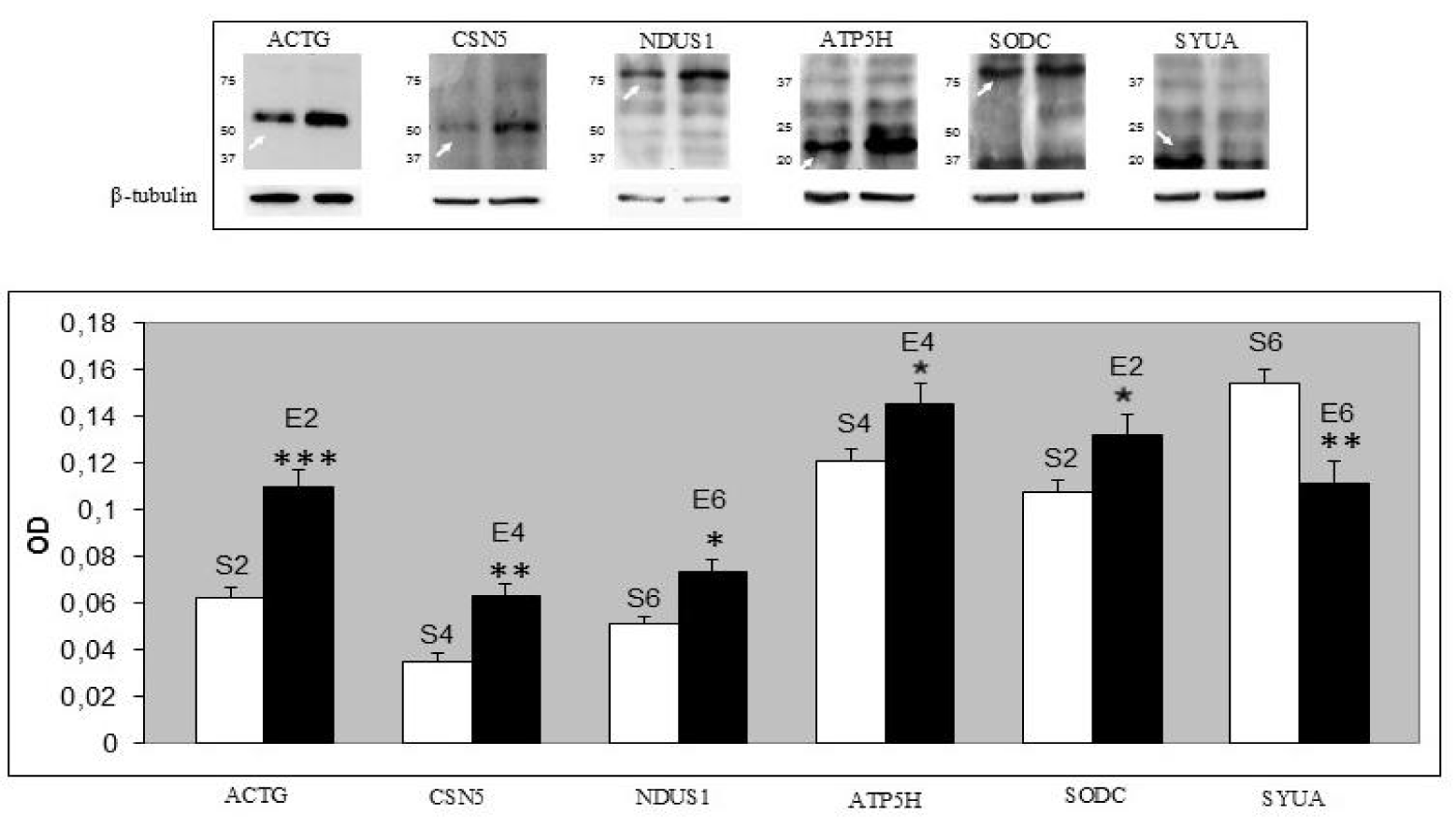
This analysis confirmed the significant decrease in the level of SYUA protein in the hippocampi of mice subjected to physical activity for 6 months compared to that of the corresponding sedentary control. As well, the levels of the other proteins, namely ACTG, NDUS1, CSN5, ATP5H, SODC, were significantly enhanced in hippocampi of trained mice compared to of sedentary controls, as previously revealed by MS analysis.
Molecular function, biological process and location of proteins
To better understand the biological impact of moderate treadmill running on the mouse hippocampal proteome, all proteins showing a difference in the expression level were imported into the PANTHER database. This classification system revealed eight categories of proteins according to their molecular function (Table 1) and twelve categories for biological process (Figure 4A). As shown in this panel, most of the differentially expressed proteins are involved in metabolic and cellular processes, while the number of proteins participating in immune and developmental processes was decreasing over the training period. Some other proteins, detected in hippocampi of mice submitted to different training periods, contribute to a variable extent to apoptosis (E4-E6) and cell cycle (E2-E4), as well as transport and cellular component organization (E2 and E6) or response to stimulus (E4-E6). This analysis suggests that various mechanisms are involved in hippocampal aging process, possibly relating also to learning and memory storage in adult mice, and can be modified by physical exercise. With regard to sub-cellular location of proteins functionally classified with PANTHER database, the selected proteins showed a major distribution in mitochondrion and nucleus.
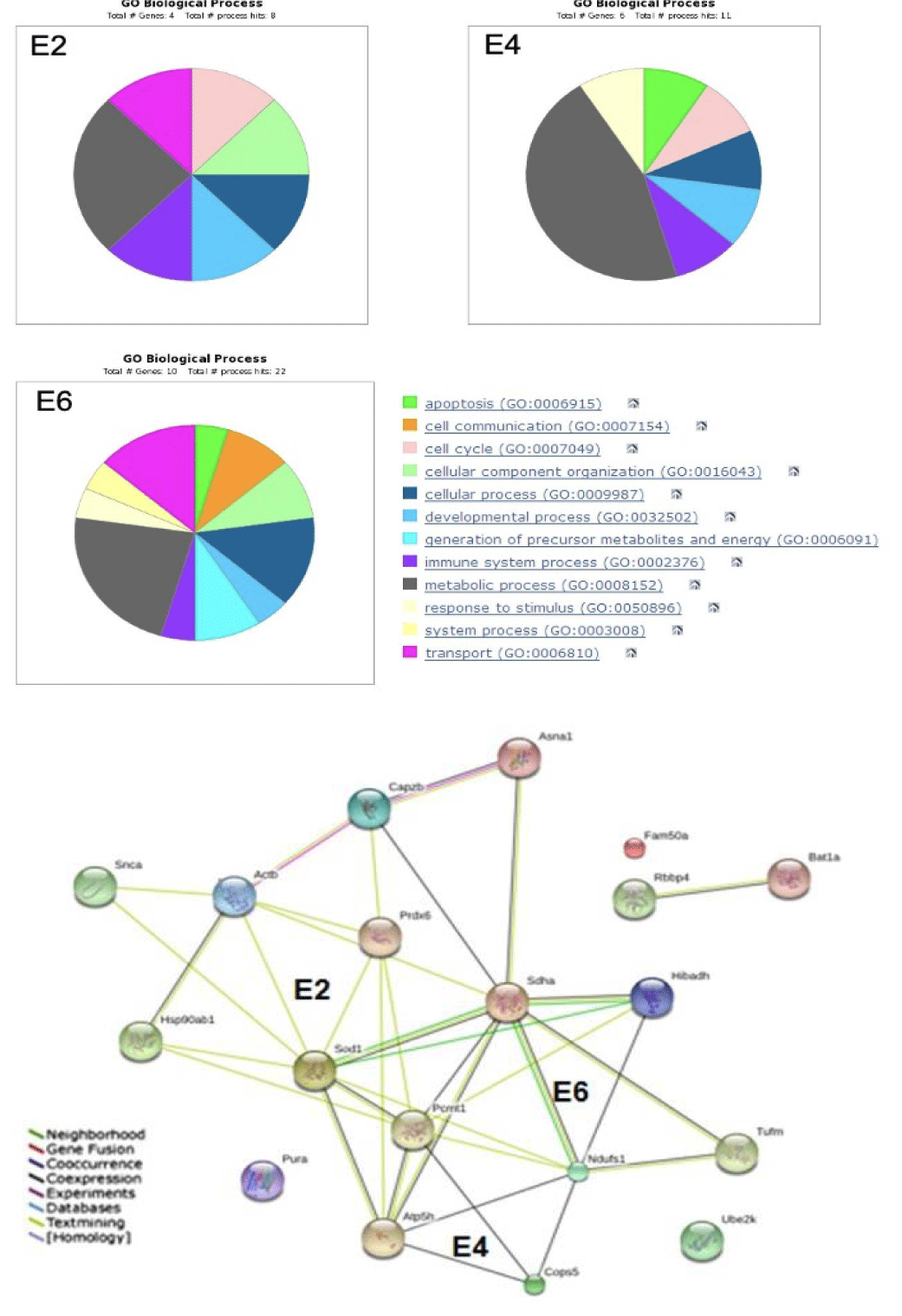
A) Molecular functions and biological processes of 18 identified differentially expressed protein using PANTHER database.
B) The network containing 18 identified differentially expressed proteins was mapped using the STRING system. The links between proteins represent possible interactions. Different line colours represent the types of evidence for the associations, as indicated in the legend.
Furthermore, the 18 proteins with relevant differences in their expression between the trained and sedentary groups were launched in the STRING database to build a network reported in figure 4B. The results from this type of analysis are of interest. Indeed, by observing the functional interactions among proteins, it was evident that in the E2 samples there is a strong correlation (as indicated by the green network lines) among molecules that counteract the oxidative stress occurring in brain aging. In the E4 samples, the functional association between ATP5H, PIMT and CSN5 suggests their protective role against cellular age damage in the nervous system, mainly assuring the correct removal of damaged proteins, while the interactions among genes (and consequently the deriving proteins) found in E6 mouse hippocampi are mostly among mitochondrial proteins involved in oxidative phosphorylation, electrical transport chain and amino acid metabolism, which assure the correct nervous function.
Discussion
The aim of this work was to determine, through a canonical proteomic approach, possible differences in the protein expression level in hippocampal tissues of sedentary and forced exercising animals which, in turn, would support a positive influence of physical exercise in counteracting brain aging. This correlation has been poorly studied so far. Indeed, most, even recent, articles have discussed the pivotal contribution exerted by physical exercise in counteracting brain aging without examining the brain protein pattern during ageing [63,64], while some others have investigated this last aspect using a proteomic approach without any correlation with physical activity [65]. Thus, we think that our research can contribute to cover this gap.
To choose our experimental model, we referred to articles in which voluntary or forced exercise was used in rodents to investigate the influence of physical activity on brain functions. One of the most used devices is the running wheel. For instance, Clark and coll. also demonstrated the expression of Immediate-Early Genes (IEG), markers of acute neuronal activity, in female CC57BL/6J mice undergoing acute bouts of wheel running, arguing from these results that neuronal induction and maturation throughout adulthood is directly related to running intensity [66]. The authors also suggested that physical exercise acts as a psychological stressor contributing to variations in training response [66]. Furthermore, Gerecke and coll. analyzed the intensity of this kind of exercise in a model of Parkinson’s Disease (PD), that is MPTP-induced neurotoxicity, showing a remarkable neuroprotective action exerted by the use of this device that was related to daily training over a long period of time [67]. As well, research has shown an improvement in cognitive function following treadmill training [68]. Although some findings suggested that the intensity of training might exacerbate previous brain damage [69], treadmill running can be used to ensure a constant and moderate exercise. This makes this type of training more suitable than swimming [70] or other voluntary activities, being able to give a high metabolic response and the most truthful assessment of the effects of physical training. Therefore, based on literature, we decided use treadmill running setting it at 90 min running/week as the optimal exercise parameter for ensuring regular physical activity so as to evaluate the effects of moderate forced exercise and to avoid brain damage.
Our proteome analysis indicated that after two months of training there were newly and up regulated proteins in mouse hippocampi like PRDX6 and DX39B, ACTG, SODC, respectively. Of these, ACTG, a member of the actin family, promotes longevity when up-regulated and counteracts the process of cytoskeleton rigidity associated with aging and cell death [71]. Some reports also describe how cytoskeleton defects are involved in the etiopathogenesis of neurodegenerative diseases [72,73]. Differently, an anti-inflammatory activity has been recognized for the family to which DX39B belongs [74], while mutations in its coding gene may be associated with some autoimmune diseases [75]. Very recently, DX39B was shown to control the expression of many Multiple Sclerosis (MS) susceptibility genes and important immune-related genes thereby decreasing MS risk [76]. As for SODC and PRDX6, they are the major antioxidant enzymes involved in cellular redox-homeostasis. Their activity is fundamental against the toxicity of high Reactive Oxygen Species (ROS) levels that remarkably contribute to neurobiological alterations in the aging hippocampus as well as in neurodegenerative disorders [77,78]. The defensive activity of PRDX6 in degenerative brain diseases and neuronal cell death in adult subjects is very important [79] as well as the regeneration phenomena, known as overoxidation to which this enzyme, like other members of the same family (PRDX2 and PRDX3), undergoes after strong oxidative stress [80]. Our findings are in agreement with the others previously reported on the increase of antioxidant neuronal activity induced by physical exercise performed using different devices [81-83] and, in particular, with those demonstrating high levels of antioxidant enzymes in the hippocampus of aging rats following long term physical exercise [84]. Obviously, such an increase occurs even in other tissues, i.e., in heart tissue, suggesting that an enzymatic antioxidant defence can develop against exercise-induced oxidative stress in response to exercise training intensity [85], inducing a general body adaptation of the cellular antioxidant system [86,87].
Following four months of training, there was the hippocampal over-expression of UBE2K, PURA, PIMT, CSN5 and ATP5H. Of these, UBE2K, PIMT and CSN5 modulate protein cellular turnover. In particular, UBEK2 plays a pivotal role in the Ubiquitin-Proteasome System (UPS), the activity of which is mainly expressed during CNS stress, regulating normal cell growth and metabolism by the degradation of damaged proteins [88], and declines with age [89]. As well, PIMT is essential for the maintenance of the CNS functionality, especially in hippocampus, given its ability of modifying unusual aspartyl residues in proteins and peptides during cell aging [90,91]. Accordingly, this enzyme is involved in protein repair with a putative protective activity against neurodegenerative diseases [92], while a decrease in its activity with age could accelerate the decline in the CNS function [93]. As for CSN5 (also known as JAB1), it is involved, through its link to the ubiquitin pathways [94], in the control of the degradation of cell-cycle proteins (p27Kip1, p21WAF/CIP, cyclin E, cyclinD1) and/or transcriptional regulators (IkB, p105/NFKB1, β-catenin) [95]. CSN5 is also able to exert a protective role against neuroinflammation and neuronal death triggered by ischemic brain disorders [96]. Therefore, the hippocampal over-expression of these three proteins consequent to a prolonged animal physical exercise suggests a protective effect against hippocampal function impairment during aging. Even the increased expression of PURA, a tissue-specific protein involved in neuronal proliferation and maturation of dendrites, can be considered as indicative of the positive effects of exercise. Indeed, reports on pur-α knockout mouse model confirmed its potential role in the development of neurodegenerative diseases. Moreover, a systematic study of protein expression revealed the change of the isoform PURB (belonging to PUR family) that increases following voluntary exercise, confirming its key role in the synaptic plasticity by mRNA translocation to the synaptic dendrites [97]. Finally, ATP5H is the subunit d of the mitochondrial ATP synthase that produces ATP from ADP. Previous investigations regarding the influence of exercise on myocardium and hippocampus showed changes in the expression of energy metabolism proteins including ATP synthase [85]. Thus, exercise could mediate neuroprotection also by improving mitochondrial function and by increasing glycolytic and oxidative enzymes [98]. Interestingly, by proteomics analysis Ding and coll. demonstrated an up-regulation of most proteins associated with energy metabolism and synaptic plasticity such as PURA and ATP5H, following voluntary exercise [33]. Therefore, since these proteins are implicated in cognitive functions, they could maintain brain health during aging.
As a final point, we cannot ignore the downregulated hippocampal expression of HS90B induced by 4 months treadmill training. Its decreased expression, being HS90B is a fundamental protein involved in signal transduction, cell survival and transcription, could be interpreted as a potential handicap. However, its inhibition could attenuate brain damage induced by cerebral ischemic stroke or traumatic injury [99,100]. The invoked mechanisms for this effect are related to inhibition of ROS generation, in turn regulating inflammatory and apoptotic pathways. Thus, our findings, obtained in hippocampi of animals subjected to prolonged physical activity and possible ROS generation at CNS level, seem to be compatible with this explanation.
In relation to the effects linked to the longest training period (6 months), at the end of which the mice reached a “critical age” or the last life cycle span, many proteins showed remarkable changes in their levels and there was also the ex-novo induced expression of two proteins. One of these was EFTu and this result correlates well with literature data. In fact, Wells and coll. detected a high EFTu expression level in different tissues such as heart, brain and muscle, all characterized by oxidative stress [101]. Further investigations demonstrated that a down regulation of this molecule determines morphological and functional mitochondrial damage that occurs in brain aging [102]. The other ex novo induced protein was 3HIDH that made the hippocampal neurons able to utilize valine for energy generation, useful for neuronal physiological activity [103]. Additionally, being an enzyme involved in ketone oxidation pathway, it was also able of increasing mitochondrial enzyme activities [104], thus supporting the metabolic response to exercise in our trained animals.
Besides ATP5H and CSN5, other proteins were upregulated after 6 months-animal training. Of these, SDHA represents one of the possible markers of the mitochondrial potency necessary to provide an adequate ATP amount and a good tester of cellular oxidative metabolic ability [105]. Thus, high SDHA expression in hippocampus would suggest a response to exercise by mitochondrial biogenesis [106]. Further studies concerning the influence of exercise on all living organisms (animal models, humans) indicate its protective action in the heart [107], muscle [108] and brain [109,110] and the importance of the oxidative stress-sensitive signalling pathways for redox homeostasis warranty [111]. Even the upregulation of NDUS1 is related to the mitochondrial activity and its down regulation is frequently found in patients with neurodegenerative diseases [112]. Interestingly, MS investigation revealed a significant increase in the activity of NADH dehydrogenase, of which NDUS1 is a core subunit, in low and moderate intensities of physical exercise (as shown in our results), while the high intensity causes cellular injury [113]. Altogether, our data confirm the positive role of prolonged but moderate physical exercise on brain aging by inducing the expression of proteins that can protect mitochondrial function.
We also found the over-expression of RBBP4 (also known as RbAp48) in the hippocampus of trained mice. This behavior can alleviate cognitive deficits of aging, while a decrease of this protein level is considered a molecular biomarkers of normal age-related memory loss in humans and mice, [114]
Finally, after 6 months-animal training, there was a down regulation of CAPZB, ASNA and SYUA that might be generically correlated to a higher plasticity of cell structure in neuronal cells to overcome physiological stress when undergoing exercise. CAPZ, which regulates both actin dynamics in non-neuronal cells [115] and growth cone morphology and neurite outgrowth in cultured hippocampal neurons [116], plays an important role in stabilizing changes in neuronal morphology, especially at synaptic connections [117]. Thus, its downregulation in E6 suggests that there is no positive influence of this protein on cognitive processes such as learning and memory storage. However, by a cDNA microarray analysis a number of differentially expressed genes were detected during recovery from exercise-induced muscle damage in humans, whose proteins are involved in various aspects of proteolysis, [118]. Accordingly, it can be hypothesized that, like in damaged muscles, the level of some proteins can be decreased by a controlled proteolysis following exercise-induced damage in the hippocampus of trained animals.
As for ASNA1, no data have correlated the modulation of its expression to physical exercise. It has been found that the mammalian homologous is an important biomarker in brain disorders [119,120], while mutations of the gene codifying for this protein can be involved in Parkinson’s disease [121]. Therefore, exercise-induced downregulation of this protein, as in our model, can contribute to hinder hippocampus decline due to any degenerative process, including aging. Likewise, for SYUA, its over-expression is well correlated with the neuropathogenesis of Parkinson’s and Alzheimer’s diseases [122]. Of note, an intensive treadmill training program improved alterations in striatal plasticity as well as motor and cognitive deficits in rats in which alpha-synuclein preformed fibrils were injected in the striatum [123]. Thus, our data suggest that even the exercise-induced downregulation of proteins such as ASNA1 and SYUA could be regarded as protective for hippocampal functions.
Conclusion
In conclusion, this study provides new information regarding the changes in the hippocampal proteome of mice which were submitted to moderate training. Using 2-DE and MALDI TOF/TOF MS, we identified several hippocampal proteins differentially regulated through treadmill exercise in 10, 12 and 14 months old female CD-1 mice. Of these proteins we showed the potential functions altered by exercise using the PANTHER classification system as well as the potential protein-protein interactions using STRING software.
Given the complexity of the biological functions modulated by physical exercise, our results suggest that regular and moderate physical activity could elicit pleiotropic effects on hippocampus, such as the enhancement of antioxidant defence and the maintenance of mitochondrial energy metabolism efficiency and cellular plasticity. All these effects might counteract age-related damage in the brain, hopefully preventing also neurological diseases.
We are aware that brain functions and in particular those related to learning and memory storage are influenced by numerous elements such as genetic predisposition to degenerative diseases and/or different lifestyle factors including education, occupation, engagement in social activities and even physical activities. However, constant mediatic messages, although often subliminal, suggest that physical activity improves both cognitive and motor functions, also exerting positive effects against stress-related disorders, which may be caused by aging and/or neurological disorders.
In this context, our research provides some elements that could be translated into the clinic. A first issue that should be adequately considered is the type, duration and intensity of exercise that can produce beneficial effects for brain "resilience", mainly in the elderly population, as recently outlined by an interesting review [124]. Likely, the best results will be obtained by regular and moderate physical exercise in intensity and duration [125], as we applied to our mice. Translating this to humans, aerobic activity, including bicycling, walking, swimming, and running, is effective in preventing and treating mild cognitive impairment [126]. While physical activity does not have the same impact on all cognitive functions, mainly enhancing thinking, working memory and cognitive flexibility [127], the intensity should vary based on age, fitness level, comorbid illness, and other factors [128].
The other issue is the use of proteomic analysis to detect significant changes induced in the brain proteome (hippocampus, in our case) by physical activity. This type of analysis should help to detect valuable biomarkers that could be predictive of brain failure in aging or neurodegenerative processes, which in turn could be counteracted, at least in part, and/or delayed by appropriate physical exercise, in addition to nutritional and pharmacological treatments.
Obviously, proteomics alone is not enough and, in our opinion, only the adoption of techniques for integrated "omics" sciences will lead to more consistent results. However, we hope that our work will stimulate research on the contribution of physical activity to increasing brain resistance against the insults of aging, paving the way for more fruitful scientific studies on this aspect.
Acknowledgement
We wish to thank Dr. Cosmo Rossi for the support in caring and housing the animals.
Funding statement
This research received no external funding.
Institutional review board statement
The animal study protocol was approved by the Institutional Ethics Committee of the University of “G.d’Annunzio”, Chieti-Pescara (PROG/48 approved on 10.02.2016).
Informed consent statement
Not applicable.
Data availability statement
All relevant data are within the manuscript.
Conflicts of interest
The authors declare no conflict of interest.
References
- Mattson MP, Magnus T. Ageing and neuronal vulnerability. Nat Rev Neurosci. 2006 Apr;7(4):278-94. doi: 10.1038/nrn1886. PMID: 16552414; PMCID: PMC3710114.
- Cuccurullo SJ, Fleming TK, Petrosyan H, Hanley DF, Raghavan P. Mechanisms and benefits of cardiac rehabilitation in individuals with stroke: emerging role of its impact on improving cardiovascular and neurovascular health. Front Cardiovasc Med. 2024 May 2;11:1376616. doi: 10.3389/fcvm.2024.1376616. PMID: 38756753; PMCID: PMC11096558.
- Masley S, Roetzheim R, Gualtieri T. Aerobic exercise enhances cognitive flexibility. J Clin Psychol Med Settings. 2009 Jun;16(2):186-93. doi: 10.1007/s10880-009-9159-6. Epub 2009 Mar 28. PMID: 19330430.
- Antunes HK, Stella SG, Santos RF, Bueno OF, de Mello MT. Depression, anxiety and quality of life scores in seniors after an endurance exercise program. Braz J Psychiatry. 2005 Dec;27(4):266-71. doi: 10.1590/s1516-44462005000400003. Epub 2005 Dec 12. PMID: 16358106.
- Zhao Y, Dai Q, Li Y, Li C. Exercise therapy in the application of sleep disorders. Front Neurol. 2024 Jun 19; 15:1324112. doi: 10.3389/fneur.2024.1324112. PMID: 38966079; PMCID: PMC11222904.
- Zhang XY, Ye F, Yin ZH, Li YQ, Bao QN, Xia MZ, Chen ZH, Zhong WQ, Wu KX, Yao J, Liang FR. Research status and trends of physical activity on depression or anxiety: a bibliometric analysis. Front Neurosci. 2024 Mar 22; 18:1337739. doi: 10.3389/fnins.2024.1337739. PMID: 38586196; PMCID: PMC10996447.
- Martinsen EW. Physical activity in the prevention and treatment of anxiety and depression. Nord J Psychiatry. 2008;62 Suppl 47:25-9. doi: 10.1080/08039480802315640. PMID: 18752115.
- Cardoso SV, Fernandes SR, Tomás MT. Therapeutic Importance of Exercise in Neuroplasticity in Adults with Neurological Pathology: Systematic Review. Int J Exerc Sci. 2024 Aug 1;17(1):1105-1119. PMID: 39257645; PMCID: PMC11385284.
- Smith AD, Zigmond MJ. Can the brain be protected through exercise? Lessons from an animal model of parkinsonism. Exp Neurol. 2003 Nov;184(1):31-9. doi: 10.1016/j.expneurol.2003.08.017. PMID: 14637076.
- Mirochnic S, Wolf S, Staufenbiel M, Kempermann G. Age effects on the regulation of adult hippocampal neurogenesis by physical activity and environmental enrichment in the APP23 mouse model of Alzheimer disease. Hippocampus. 2009 Oct;19(10):1008-18. doi: 10.1002/hipo.20560. PMID: 19219917.
- Stummer W, Weber K, Tranmer B, Baethmann A, Kempski O. Reduced mortality and brain damage after locomotor activity in gerbil forebrain ischemia. Stroke. 1994 Sep;25(9):1862-9. doi: 10.1161/01.str.25.9.1862. PMID: 8073470.
- Radak Z, Taylor AW, Ohno H, Goto S. Adaptation to exercise-induced oxidative stress: from muscle to brain. Exerc Immunol Rev. 2001;7:90-107. PMID: 11579750.
- Daniels WM, Marais L, Stein DJ, Russell VA. Exercise normalizes altered expression of proteins in the ventral hippocampus of rats subjected to maternal separation. Exp Physiol. 2012 Feb;97(2):239-47. doi: 10.1113/expphysiol.2011.061176. Epub 2011 Nov 11. PMID: 22080486.
- Kashihara K, Maruyama T, Murota M, Nakahara Y. Positive effects of acute and moderate physical exercise on cognitive function. J Physiol Anthropol. 2009 Jun;28(4):155-64. doi: 10.2114/jpa2.28.155. PMID: 19652447.
- Alaei H, Moloudi R, Sarkaki AR. Effects of treadmill running on mid-term memory and swim speed in the rat with Morris water maze test. J Bodyw Mov Ther. 2008 Jan;12(1):72-5. doi: 10.1016/j.jbmt.2007.05.004. Epub 2007 Jul 20. PMID: 19083658.
- Ogonovszky H, Berkes I, Kumagai S, Kaneko T, Tahara S, Goto S, Radák Z. The effects of moderate-, strenuous- and over-training on oxidative stress markers, DNA repair, and memory, in rat brain. Neurochem Int. 2005 Jun;46(8):635-40. doi: 10.1016/j.neuint.2005.02.009. Epub 2005 Apr 9. PMID: 15863241.
- Laurin D, Verreault R, Lindsay J, MacPherson K, Rockwood K. Physical activity and risk of cognitive impairment and dementia in elderly persons. Arch Neurol. 2001 Mar;58(3):498-504. doi: 10.1001/archneur.58.3.498. PMID: 11255456.
- Albeck DS, Sano K, Prewitt GE, Dalton L. Mild forced treadmill exercise enhances spatial learning in the aged rat. Behav Brain Res. 2006 Apr 3;168(2):345-8. doi: 10.1016/j.bbr.2005.11.008. Epub 2006 Jan 4. PMID: 16388860.
- Stranahan AM, Lee K, Becker KG, Zhang Y, Maudsley S, Martin B, Cutler RG, Mattson MP. Hippocampal gene expression patterns underlying the enhancement of memory by running in aged mice. Neurobiol Aging. 2010 Nov;31(11):1937-49. doi: 10.1016/j.neurobiolaging.2008.10.016. Epub 2008 Dec 12. PMID: 19070401; PMCID: PMC2889222.
- Barja G. Free radicals and aging. Trends Neurosci. 2004 Oct;27(10):595-600. doi: 10.1016/j.tins.2004.07.005. PMID: 15374670.
- Halliwell B. Oxidative stress and neurodegeneration: where are we now? J Neurochem. 2006 Jun;97(6):1634-58. doi: 10.1111/j.1471-4159.2006.03907.x. PMID: 16805774.
- Falone S, D'Alessandro A, Mirabilio A, Cacchio M, Di Ilio C, Di Loreto S, Amicarelli F. Late-onset running biphasically improves redox balance, energy- and methylglyoxal-related status, as well as SIRT1 expression in mouse hippocampus. PLoS One. 2012;7(10):e48334. doi: 10.1371/journal.pone.0048334. Epub 2012 Oct 26. PMID: 23110231; PMCID: PMC3482192.
- Shapiro M. Plasticity, hippocampal place cells, and cognitive maps. Arch Neurol. 2001 Jun;58(6):874-81. doi: 10.1001/archneur.58.6.874. PMID: 11405801.
- Deng W, Aimone JB, Gage FH. New neurons and new memories: how does adult hippocampal neurogenesis affect learning and memory? Nat Rev Neurosci. 2010 May;11(5):339-50. doi: 10.1038/nrn2822. Epub 2010 Mar 31. PMID: 20354534; PMCID: PMC2886712.
- van Praag H, Shubert T, Zhao C, Gage FH. Exercise enhances learning and hippocampal neurogenesis in aged mice. J Neurosci. 2005 Sep 21;25(38):8680-5. doi: 10.1523/JNEUROSCI.1731-05.2005. PMID: 16177036; PMCID: PMC1360197.
- Rosenzweig ES, Barnes CA. Impact of aging on hippocampal function: plasticity, network dynamics, and cognition. Prog Neurobiol. 2003 Feb;69(3):143-79. doi: 10.1016/s0301-0082(02)00126-0. PMID: 12758108.
- Driscoll I, Sutherland RJ. The aging hippocampus: navigating between rat and human experiments. Rev Neurosci. 2005;16(2):87-121. doi: 10.1515/revneuro.2005.16.2.87. PMID: 15957576.
- Berchtold NC, Castello N, Cotman CW. Exercise and time-dependent benefits to learning and memory. Neuroscience. 2010 May 19;167(3):588-97. doi: 10.1016/j.neuroscience.2010.02.050. Epub 2010 Feb 26. PMID: 20219647; PMCID: PMC2857396.
- Gao Y, Syed M, Zhao X. Mechanisms underlying the effect of voluntary running on adult hippocampal neurogenesis. Hippocampus. 2023 Apr;33(4):373-390. doi: 10.1002/hipo.23520. Epub 2023 Mar 9. PMID: 36892196; PMCID: PMC10566571.
- Toda T, Gage FH. Review: adult neurogenesis contributes to hippocampal plasticity. Cell Tissue Res. 2018 Sep;373(3):693-709. doi: 10.1007/s00441-017-2735-4. Epub 2017 Nov 29. PMID: 29185071.
- Gómez-Pinilla F, Dao L, So V. Physical exercise induces FGF-2 and its mRNA in the hippocampus. Brain Res. 1997 Aug 1;764(1-2):1-8. doi: 10.1016/s0006-8993(97)00375-2. PMID: 9295187.
- Ding Q, Vaynman S, Souda P, Whitelegge JP, Gomez-Pinilla F. Exercise affects energy metabolism and neural plasticity-related proteins in the hippocampus as revealed by proteomic analysis. Eur J Neurosci. 2006 Sep;24(5):1265-76. doi: 10.1111/j.1460-9568.2006.05026.x. PMID: 16987214.
- Ding Q, Vaynman S, Akhavan M, Ying Z, Gomez-Pinilla F. Insulin-like growth factor I interfaces with brain-derived neurotrophic factor-mediated synaptic plasticity to modulate aspects of exercise-induced cognitive function. Neuroscience. 2006 Jul 7;140(3):823-33. doi: 10.1016/j.neuroscience.2006.02.084. Epub 2006 May 2. PMID: 16650607.
- Kirchner L, Chen WQ, Afjehi-Sadat L, Viidik A, Skalicky M, Höger H, Lubec G. Hippocampal metabolic proteins are modulated in voluntary and treadmill exercise rats. Exp Neurol. 2008 Jul;212(1):145-51. doi: 10.1016/j.expneurol.2008.03.014. Epub 2008 Mar 27. PMID: 18455160.
- Uda M, Ishido M, Kami K, Masuhara M. Effects of chronic treadmill running on neurogenesis in the dentate gyrus of the hippocampus of adult rat. Brain Res. 2006 Aug 9;1104(1):64-72. doi: 10.1016/j.brainres.2006.05.066. Epub 2006 Jul 7. PMID: 16824490.
- Redila VA, Christie BR. Exercise-induced changes in dendritic structure and complexity in the adult hippocampal dentate gyrus. Neuroscience. 2006;137(4):1299-307. doi: 10.1016/j.neuroscience.2005.10.050. Epub 2005 Dec 9. PMID: 16338077.
- Van der Borght K, Kóbor-Nyakas DE, Klauke K, Eggen BJ, Nyakas C, Van der Zee EA, Meerlo P. Physical exercise leads to rapid adaptations in hippocampal vasculature: temporal dynamics and relationship to cell proliferation and neurogenesis. Hippocampus. 2009 Oct;19(10):928-36. doi: 10.1002/hipo.20545. PMID: 19212941.
- Pereira AC, Huddleston DE, Brickman AM, Sosunov AA, Hen R, McKhann GM, Sloan R, Gage FH, Brown TR, Small SA. An in vivo correlate of exercise-induced neurogenesis in the adult dentate gyrus. Proc Natl Acad Sci U S A. 2007 Mar 27;104(13):5638-43. doi: 10.1073/pnas.0611721104. Epub 2007 Mar 20. PMID: 17374720; PMCID: PMC1838482.
- Kramer JH, Mungas D, Reed BR, Wetzel ME, Burnett MM, Miller BL, Weiner MW, Chui HC. Longitudinal MRI and cognitive change in healthy elderly. Neuropsychology. 2007 Jul;21(4):412-8. doi: 10.1037/0894-4105.21.4.412. PMID: 17605574; PMCID: PMC2780018.
- Sarkar A, Nazir A. Carrying Excess Baggage Can Slowdown Life: Protein Clearance Machineries That Go Awry During Aging and the Relevance of Maintaining Them. Mol Neurobiol. 2022 Feb;59(2):821-840. doi: 10.1007/s12035-021-02640-2. Epub 2021 Nov 18. PMID: 34792731.
- Tan Y, Luo F, Wei Y, Liu P. Application of proteomics in brain’s Aging Research”. Human Brain. 2024;2(3):1-19. doi: 10.37819/hb.3.1778.
- Raghunathan R, Hogan JD, Labadorf A, Myers RH, Zaia J. A glycomics and proteomics study of aging and Parkinson's disease in human brain. Sci Rep. 2020 Jul 30;10(1):12804. doi: 10.1038/s41598-020-69480-3. PMID: 32733076; PMCID: PMC7393382
- Andrés-Benito P, Íñigo-Marco I, Brullas M, Carmona M, Rio JAD, Fernández-Irigoyen J, Santamaría E, Povedano M, Ferrer I. Proteostatic modulation in brain aging without associated Alzheimer's disease-and age-related neuropathological changes. Aging (Albany NY). 2023 May 13;15(9):3295-3330. doi: 10.18632/aging.204698. Epub 2023 May 13. PMID: 37179123; PMCID: PMC10449282.
- Hamezah HS, Durani LW, Yanagisawa D, Ibrahim NF, Aizat WM, Bellier JP, Makpol S, Ngah WZW, Damanhuri HA, Tooyama I. Proteome profiling in the hippocampus, medial prefrontal cortex, and striatum of aging rat. Exp Gerontol. 2018 Oct 1;111:53-64. doi: 10.1016/j.exger.2018.07.002. Epub 2018 Jul 5. PMID: 29981398.
- Yang S, Liu T, Li S, Zhang X, Ding Q, Que H, Yan X, Wei K, Liu S. Comparative proteomic analysis of brains of naturally aging mice. Neuroscience. 2008 Jun 26;154(3):1107-20. doi: 10.1016/j.neuroscience.2008.04.012. Epub 2008 Apr 12. PMID: 18495355.
- Tsumagari K, Sato Y, Aoyagi H, Okano H, Kuromitsu J. Proteomic characterization of aging-driven changes in the mouse brain by co-expression network analysis. Sci Rep. 2023 Oct 24;13(1):18191. doi: 10.1038/s41598-023-45570-w. PMID: 37875604; PMCID: PMC10598061.
- Reale M, Costantini E, Aielli L, Di Giuseppe F, Angelucci S, Kamal MA, Greig NH. Proteomic signature and mRNA expression in the hippocampus of SAMP8 and SAMR1 mice during aging. Int J Mol Sci. 2022 Dec 1;23(23):15097. doi: 10.3390/ijms232315097. PMID: 36499421; PMCID: PMC9740614
- Mol P, Gopalakrishnan L, Chatterjee O, Mangalaparthi KK, Kumar M, Durgad SS, Nair B, Shankar SK, Mahadevan A, Prasad TSK. Proteomic Analysis of Adult Human Hippocampal Subfields Demonstrates Regional Heterogeneity in the Protein Expression. J Proteome Res. 2022 Oct 7;21(10):2293-2310. doi: 10.1021/acs.jproteome.2c00143. Epub 2022 Aug 30. PMID: 36039803.
- Ross JM, Coppotelli G, Branca RM, Kim KM, Lehtiö J, Sinclair DA, Olson L. Voluntary exercise normalizes the proteomic landscape in muscle and brain and improves the phenotype of progeroid mice. Aging Cell. 2019 Dec;18(6):e13029. doi: 10.1111/acel.13029. Epub 2019 Sep 6. PMID: 31489782; PMCID: PMC6826127.
- Frey S, Schieweck R, Forné I, Imhof A, Straub T, Popper B, Kiebler MA. Physical Activity Dynamically Regulates the Hippocampal Proteome along the Dorso-Ventral Axis. Int J Mol Sci. 2020 May 15;21(10):3501. doi: 10.3390/ijms21103501. PMID: 32429128; PMCID: PMC7278950.
- Chen WQ, Viidik A, Skalicky M, Höger H, Lubec G. Hippocampal signaling cascades are modulated in voluntary and treadmill exercise rats. Electrophoresis. 2007 Dec;28(23):4392-400. doi: 10.1002/elps.200700336. PMID: 17963288.
- Marosi K, Bori Z, Hart N, Sárga L, Koltai E, Radák Z, Nyakas C. Long-term exercise treatment reduces oxidative stress in the hippocampus of aging rats. Neuroscience. 2012 Dec 13;226:21-8. doi: 10.1016/j.neuroscience.2012.09.001. Epub 2012 Sep 12. PMID: 22982624.
- Ogonovszky H, Berkes I, Kumagai S, Kaneko T, Tahara S, Goto S, Radák Z. The effects of moderate-, strenuous- and over-training on oxidative stress markers, DNA repair, and memory, in rat brain. Neurochem Int. 2005 Jun;46(8):635-40. doi: 10.1016/j.neuint.2005.02.009. Epub 2005 Apr 9. PMID: 15863241.
- Wang L, Joshi SC, Miller MI, Csernansky JG. Statistical analysis of hippocampal asymmetry in schizophrenia. Neuroimage. 2001 Sep;14(3):531-45. doi: 10.1006/nimg.2001.0830. PMID: 11506528.
- Oke A, Lewis R, Adams RN. Hemispheric asymmetry of norepinephrine distribution in rat thalamus. Brain Res. 1980 Apr 21;188(1):269-72. doi: 10.1016/0006-8993(80)90575-2. PMID: 7370757.
- Afonso D, Santana C, Rodriguez M. Neonatal lateralization of behavior and brain dopaminergic asymmetry. Brain Res Bull. 1993;32(1):11-6. doi: 10.1016/0361-9230(93)90312-y. PMID: 8319098.
- Samara A, Vougas K, Papadopoulou A, Anastasiadou E, Baloyanni N, Paronis E, Chrousos GP, Tsangaris GT. Proteomics reveal rat hippocampal lateral asymmetry. Hippocampus. 2011 Jan;21(1):108-19. doi: 10.1002/hipo.20727. PMID: 20020437.
- Giménez-Llort L, García Y, Buccieri K, Revilla S, Suñol C, Cristofol R, Sanfeliu C. Gender-Specific Neuroimmunoendocrine Response to Treadmill Exercise in 3xTg-AD Mice. Int J Alzheimers Dis. 2010 Oct 12;2010:128354. doi: 10.4061/2010/128354. PMID: 20981262; PMCID: PMC2964036.
- De Bono JP, Adlam D, Paterson DJ, Channon KM. Novel quantitative phenotypes of exercise training in mouse models. Am J Physiol Regul Integr Comp Physiol. 2006 Apr;290(4):R926-34. doi: 10.1152/ajpregu.00694.2005. Epub 2005 Dec 8. PMID: 16339385.
- Sulpizio M, Falone S, Amicarelli F, Marchisio M, Di Giuseppe F, Eleuterio E, Di Ilio C, Angelucci S. Molecular basis underlying the biological effects elicited by extremely low-frequency magnetic field (ELF-MF) on neuroblastoma cells. J Cell Biochem. 2011 Dec;112(12):3797-806. doi: 10.1002/jcb.23310. PMID: 21826706.
- Sinha P, Poland J, Schnölzer M, Rabilloud T. A new silver staining apparatus and procedure for matrix-assisted laser desorption/ionization-time of flight analysis of proteins after two-dimensional electrophoresis. Proteomics. 2001 Jul;1(7):835-40. doi: 10.1002/1615-9861(200107)1:7<835::AID-PROT835>3.0.CO;2-2. PMID: 11503208.
- Perkins DN, Pappin DJ, Creasy DM, Cottrell JS. Probability-based protein identification by searching sequence databases using mass spectrometry data. Electrophoresis. 1999 Dec;20(18):3551-67. doi: 10.1002/(SICI)1522-2683(19991201)20:18<3551::AID-ELPS3551>3.0.CO;2-2. PMID: 10612281.
- Boa Sorte Silva NC, Barha CK, Erickson KI, Kramer AF, Liu-Ambrose T. Physical exercise, cognition, and brain health in aging. Trends Neurosci. 2024 Jun;47(6):402-417. doi: 10.1016/j.tins.2024.04.004. Epub 2024 May 28. PMID: 38811309
- Arida RM, Teixeira-Machado L. The Contribution of Physical Exercise to Brain Resilience. Front Behav Neurosci. 2021 Jan 20; 14:626769. doi: 10.3389/fnbeh.2020.626769. PMID: 33584215; PMCID: PMC7874196
- Higgins-Chen AT, Thrush KL, Levine ME. Aging biomarkers and the brain. Semin Cell Dev Biol. 2021 Aug;116:180-193. doi: 10.1016/j.semcdb.2021.01.003. Epub 2021 Jan 25. PMID: 33509689; PMCID: PMC8292153.
- Clark PJ, Bhattacharya TK, Miller DS, Rhodes JS. Induction of c-Fos, Zif268, and Arc from acute bouts of voluntary wheel running in new and pre-existing adult mouse hippocampal granule neurons. Neuroscience. 2011 Jun 16;184:16-27. doi: 10.1016/j.neuroscience.2011.03.072. Epub 2011 Apr 7. PMID: 21497182; PMCID: PMC3100453.
- Gerecke KM, Jiao Y, Pani A, Pagala V, Smeyne RJ. Exercise protects against MPTP-induced neurotoxicity in mice. Brain Res. 2010 Jun 23;1341:72-83. doi: 10.1016/j.brainres.2010.01.053. Epub 2010 Jan 29. PMID: 20116369; PMCID: PMC2884060.
- Albeck DS, Sano K, Prewitt GE, Dalton L. Mild forced treadmill exercise enhances spatial learning in the aged rat. Behav Brain Res. 2006 Apr 3;168(2):345-8. doi: 10.1016/j.bbr.2005.11.008. Epub 2006 Jan 4. PMID: 16388860.
- Scopel D, Fochesatto C, Cimarosti H, Rabbo M, Belló-Klein A, Salbego C, Netto CA, Siqueira IR. Exercise intensity influences cell injury in rat hippocampal slices exposed to oxygen and glucose deprivation. Brain Res Bull. 2006 Dec 11;71(1-3):155-9. doi: 10.1016/j.brainresbull.2006.08.011. Epub 2006 Sep 15. PMID: 17113941.
- Kaplan ML, Cheslow Y, Vikstrom K, Malhotra A, Geenen DL, Nakouzi A, Leinwand LA, Buttrick PM. Cardiac adaptations to chronic exercise in mice. Am J Physiol. 1994 Sep;267(3 Pt 2):H1167-73. doi: 10.1152/ajpheart.1994.267.3.H1167. PMID: 8092282.
- Gourlay CW, Ayscough KR. The actin cytoskeleton: a key regulator of apoptosis and ageing? Nat Rev Mol Cell Biol. 2005 Jul;6(7):583-9. doi: 10.1038/nrm1682. PMID: 16072039.
- Fulga TA, Elson-Schwab I, Khurana V, Steinhilb ML, Spires TL, Hyman BT, Feany MB. Abnormal bundling and accumulation of F-actin mediates tau-induced neuronal degeneration in vivo. Nat Cell Biol. 2007 Feb;9(2):139-48. doi: 10.1038/ncb1528. Epub 2006 Dec 24. PMID: 17187063.
- Lynch G, Rex CS, Chen LY, Gall CM. The substrates of memory: defects, treatments, and enhancement. Eur J Pharmacol. 2008 May 6;585(1):2-13. doi: 10.1016/j.ejphar.2007.11.082. Epub 2008 Mar 4. PMID: 18374328; PMCID: PMC2427007.
- Allcock RJ, Williams JH, Price P. The central MHC gene, BAT1, may encode a protein that down-regulates cytokine production. Genes Cells. 2001 May;6(5):487-94. doi: 10.1046/j.1365-2443.2001.00435.x. PMID: 11380625.
- Degli-Esposti MA, Leelayuwat C, Dawkins RL. Ancestral haplotypes carry haplotypic and haplospecific polymorphisms of BAT1: possible relevance to autoimmune disease. Eur J Immunogenet. 1992 Jun;19(3):121-7. doi: 10.1111/j.1744-313x.1992.tb00051.x. PMID: 1352699.
- Hirano M, Galarza-Muñoz G, Nagasawa C, Schott G, Wang L, Antonia AL, Jain V, Yu X, Widen SG, Briggs FBS, Gregory SG, Ko DC, Fagg WS, Bradrick S, Garcia-Blanco MA. The RNA helicase DDX39B activates FOXP3 RNA splicing to control T regulatory cell fate. Elife. 2023 Jun 1;12:e76927. doi: 10.7554/eLife.76927. PMID: 37261960; PMCID: PMC10234631.
- Floyd RA, Hensley K. Oxidative stress in brain aging. Implications for therapeutics of neurodegenerative diseases. Neurobiol Aging. 2002 Sep-Oct;23(5):795-807. doi: 10.1016/s0197-4580(02)00019-2. PMID: 12392783.
- Bettio LEB, Rajendran L, Gil-Mohapel J. The effects of aging in the hippocampus and cognitive decline. Neurosci Biobehav Rev. 2017 Aug;79:66-86. doi: 10.1016/j.neubiorev.2017.04.030. Epub 2017 May 2. PMID: 28476525.
- Xue M, Huang X, Zhu T, Zhang L, Yang H, Shen Y, Feng L. Unveiling the Significance of Peroxiredoxin 6 in Central Nervous System Disorders. Antioxidants (Basel). 2024 Apr 10;13(4):449. doi: 10.3390/antiox13040449. PMID: 38671897; PMCID: PMC11047492.
- Chevallet M, Wagner E, Luche S, van Dorsselaer A, Leize-Wagner E, Rabilloud T. Regeneration of peroxiredoxins during recovery after oxidative stress: only some overoxidized peroxiredoxins can be reduced during recovery after oxidative stress. J Biol Chem. 2003 Sep 26;278(39):37146-53. doi: 10.1074/jbc.M305161200. Epub 2003 Jul 8. PMID: 12853451.
- Somani SM, Ravi R, Rybak LP. Effect of exercise training on antioxidant system in brain regions of rat. Pharmacol Biochem Behav. 1995 Apr;50(4):635-9. doi: 10.1016/0091-3057(94)00357-2. PMID: 7617712.
- Cechetti F, Worm PV, Elsner VR, Bertoldi K, Sanches E, Ben J, Siqueira IR, Netto CA. Forced treadmill exercise prevents oxidative stress and memory deficits following chronic cerebral hypoperfusion in the rat. Neurobiol Learn Mem. 2012 Jan;97(1):90-6. doi: 10.1016/j.nlm.2011.09.008. Epub 2011 Oct 7. PMID: 22001013.
- Jolitha AB, Subramanyam MV, Asha Devi S. Modification by vitamin E and exercise of oxidative stress in regions of aging rat brain: studies on superoxide dismutase isoenzymes and protein oxidation status. Exp Gerontol. 2006 Aug;41(8):753-63. doi: 10.1016/j.exger.2006.04.007. Epub 2006 Jul 14. PMID: 16843630.
- Marosi K, Bori Z, Hart N, Sárga L, Koltai E, Radák Z, Nyakas C. Long-term exercise treatment reduces oxidative stress in the hippocampus of aging rats. Neuroscience. 2012 Dec 13;226:21-8. doi: 10.1016/j.neuroscience.2012.09.001. Epub 2012 Sep 12. PMID: 22982624.
- Sun B, Wang JH, Lv YY, Zhu SS, Yang J, Ma JZ. Proteomic adaptation to chronic high intensity swimming training in the rat heart. Comp Biochem Physiol Part D Genomics Proteomics. 2008 Mar;3(1):108-17. doi: 10.1016/j.cbd.2007.11.001. Epub 2007 Dec 3. PMID: 20483212.
- Leeuwenburgh C, Hollander J, Leichtweis S, Griffiths M, Gore M, Ji LL. Adaptations of glutathione antioxidant system to endurance training are tissue and muscle fiber specific. Am J Physiol. 1997 Jan;272(1 Pt 2):R363-9. doi: 10.1152/ajpregu.1997.272.1.R363. PMID: 9039030.
- Servais S, Couturier K, Koubi H, Rouanet JL, Desplanches D, Sornay-Mayet MH, Sempore B, Lavoie JM, Favier R. Effect of voluntary exercise on H2O2 release by subsarcolemmal and intermyofibrillar mitochondria. Free Radic Biol Med. 2003 Jul 1;35(1):24-32. doi: 10.1016/s0891-5849(03)00177-1. PMID: 12826253.
- Yao X, Liu J, McCabe JT. Ubiquitin and ubiquitin-conjugated protein expression in the rat cerebral cortex and hippocampus following traumatic brain injury (TBI). Brain Res. 2007 Nov 28;1182:116-22. doi: 10.1016/j.brainres.2007.08.076. Epub 2007 Sep 14. PMID: 17936732.
- Löw P. The role of ubiquitin-proteasome system in ageing. Gen Comp Endocrinol. 2011 May 15;172(1):39-43. doi: 10.1016/j.ygcen.2011.02.005. Epub 2011 Feb 13. PMID: 21324320.
- Johnson BA, Langmack EL, Aswad DW. Partial repair of deamidation-damaged calmodulin by protein carboxyl methyltransferase. J Biol Chem. 1987 Sep 5;262(25):12283-7. PMID: 3624258.
- Brennan TV, Anderson JW, Jia Z, Waygood EB, Clarke S. Repair of spontaneously deamidated HPr phosphocarrier protein catalyzed by the L-isoaspartate-(D-aspartate) O-methyltransferase. J Biol Chem. 1994 Oct 7;269(40):24586-95. PMID: 7929130.
- Ikegaya Y, Yamada M, Fukuda T, Kuroyanagi H, Shirasawa T, Nishiyama N. Aberrant synaptic transmission in the hippocampal CA3 region and cognitive deterioration in protein-repair enzyme-deficient mice. Hippocampus. 2001;11(3):287-98. doi: 10.1002/hipo.1043. PMID: 11769310.
- Qin Z, Dimitrijevic A, Aswad DW. Accelerated protein damage in brains of PIMT+/- mice; a possible model for the variability of cognitive decline in human aging. Neurobiol Aging. 2015 Feb;36(2):1029-36. doi: 10.1016/j.neurobiolaging.2014.10.036. Epub 2014 Nov 4. PMID: 25465735; PMCID: PMC4315693.
- Lyapina S, Cope G, Shevchenko A, Serino G, Tsuge T, Zhou C, Wolf DA, Wei N, Shevchenko A, Deshaies RJ. Promotion of NEDD-CUL1 conjugate cleavage by COP9 signalosome. Science. 2001 May 18;292(5520):1382-5. doi: 10.1126/science.1059780. Epub 2001 May 3. PMID: 11337588.
- Bornstein G, Bloom J, Sitry-Shevah D, Nakayama K, Pagano M, Hershko A. Role of the SCFSkp2 ubiquitin ligase in the degradation of p21Cip1 in S phase. J Biol Chem. 2003 Jul 11;278(28):25752-7. doi: 10.1074/jbc.M301774200. Epub 2003 May 2. PMID: 12730199.
- Yang Y, Song R, Gao Y, Yu H, Wang S. Regulatory mechanisms and therapeutic potential of JAB1 in neurological development and disorders. Mol Med. 2023 Jun 26;29(1):80. doi: 10.1186/s10020-023-00675-w. PMID: 37365502; PMCID: PMC10291812.
- Hokkanen S, Feldmann HM, Ding H, Jung CK, Bojarski L, Renner-Müller I, Schüller U, Kretzschmar H, Wolf E, Herms J. Lack of Pur-alpha alters postnatal brain development and causes megalencephaly. Hum Mol Genet. 2012 Feb 1;21(3):473-84. doi: 10.1093/hmg/ddr476. Epub 2011 Oct 18. PMID: 22010047.
- Chen WQ, Viidik A, Skalicky M, Höger H, Lubec G. Hippocampal signaling cascades are modulated in voluntary and treadmill exercise rats. Electrophoresis. 2007 Dec;28(23):4392-400. doi: 10.1002/elps.200700336. PMID: 17963288.
- Qi J, Liu Y, Yang P, Chen T, Liu XZ, Yin Y, Zhang J, Wang F. Heat shock protein 90 inhibition by 17-Dimethylaminoethylamino-17-demethoxygeldanamycin protects blood-brain barrier integrity in cerebral ischemic stroke. Am J Transl Res. 2015 Oct 15;7(10):1826-37. PMID: 26692927; PMCID: PMC4656760.
- Zhang JM, Jing Y, Wang K, Jiao JT, Xu JY, Shi J, Ji DD, Lu SR, Li XD, Zhang Y, Cao XD. Inhibition of Heat Shock Protein 90 Attenuates the Damage of Blood-Brain Barrier Integrity in Traumatic Brain Injury Mouse Model. Oxid Med Cell Longev. 2022 Apr 12;2022:5585384. doi: 10.1155/2022/5585384. PMID: 35450406; PMCID: PMC9018170.
- Wells J, Henkler F, Leversha M, Koshy R. A mitochondrial elongation factor-like protein is over-expressed in tumours and differentially expressed in normal tissues. FEBS Lett. 1995 Jan 23;358(2):119-25. doi: 10.1016/0014-5793(94)01403-n. PMID: 7828719.
- Mello CF, Sultana R, Piroddi M, Cai J, Pierce WM, Klein JB, Butterfield DA. Acrolein induces selective protein carbonylation in synaptosomes. Neuroscience. 2007 Jul 13;147(3):674-9. doi: 10.1016/j.neuroscience.2007.04.003. Epub 2007 Jun 14. PMID: 17570602; PMCID: PMC1987324.
- Murín R, Hamprecht B. Metabolic and regulatory roles of leucine in neural cells. Neurochem Res. 2008 Feb;33(2):279-84. doi: 10.1007/s11064-007-9444-4. Epub 2007 Aug 25. PMID: 17721727.
- Winder WW, Baldwin KM, Holloszy JO. Enzymes involved in ketone utilization in different types of muscle: adaptation to exercise. Eur J Biochem. 1974 Sep 16;47(3):461-7. doi: 10.1111/j.1432-1033.1974.tb03713.x. PMID: 4373244.
- Chalmers GR, Roy RR, Edgerton VR. Adaptability of the oxidative capacity of motoneurons. Brain Res. 1992 Jan 20;570(1-2):1-10. doi: 10.1016/0006-8993(92)90556-o. PMID: 1617401.
- Navarro A, Gomez C, López-Cepero JM, Boveris A. Beneficial effects of moderate exercise on mice aging: survival, behavior, oxidative stress, and mitochondrial electron transfer. Am J Physiol Regul Integr Comp Physiol. 2004 Mar;286(3):R505-11. doi: 10.1152/ajpregu.00208.2003. Epub 2003 Nov 13. PMID: 14615275.
- Balietti M, Fattoretti P, Skalicky M, Viidik A, Giorgetti B, Grossi Y, Bertoni-Freddari C. The effect of chronic physical exercise on succinic dehydrogenase activity in the heart muscle of old rats. Biogerontology. 2005;6(2):95-100. doi: 10.1007/s10522-005-3463-9. PMID: 16034677.
- Navarro-Arévalo A, Cañavate C, Sánchez-del-Pino MJ. Myocardial and skeletal muscle aging and changes in oxidative stress in relationship to rigorous exercise training. Mech Ageing Dev. 1999 May 17;108(3):207-17. doi: 10.1016/s0047-6374(99)00013-5. PMID: 10405981.
- Radák Z, Kaneko T, Tahara S, Nakamoto H, Pucsok J, Sasvári M, Nyakas C, Goto S. Regular exercise improves cognitive function and decreases oxidative damage in rat brain. Neurochem Int. 2001 Jan;38(1):17-23. doi: 10.1016/s0197-0186(00)00063-2. PMID: 10913684.
- Colcombe SJ, Erickson KI, Raz N, Webb AG, Cohen NJ, McAuley E, Kramer AF. Aerobic fitness reduces brain tissue loss in aging humans. J Gerontol A Biol Sci Med Sci. 2003 Feb;58(2):176-80. doi: 10.1093/gerona/58.2.m176. PMID: 12586857.
- Radak Z, Chung HY, Koltai E, Taylor AW, Goto S. Exercise, oxidative stress and hormesis. Ageing Res Rev. 2008 Jan;7(1):34-42. doi: 10.1016/j.arr.2007.04.004. Epub 2007 Aug 2. PMID: 17869589.
- Kim SH, Vlkolinsky R, Cairns N, Fountoulakis M, Lubec G. The reduction of NADH ubiquinone oxidoreductase 24- and 75-kDa subunits in brains of patients with Down syndrome and Alzheimer's disease. Life Sci. 2001 May 4;68(24):2741-50. doi: 10.1016/s0024-3205(01)01074-8. PMID: 11400916
- Rocha LA, Petriz BA, Borges DH, Oliveira RJ, de Andrade RV, Domont GB, Pereira RW, Franco OL. High molecular mass proteomics analyses of left ventricle from rats subjected to differential swimming training. BMC Physiol. 2012 Sep 5;12:11. doi: 10.1186/1472-6793-12-11. PMID: 22950628; PMCID: PMC3508799.
- Kosmidis S, Polyzos A, Harvey L, Youssef M, Denny CA, Dranovsky A, Kandel ER. RbAp48 Protein Is a Critical Component of GPR158/OCN Signaling and Ameliorates Age-Related Memory Loss. Cell Rep. 2018 Oct 23;25(4):959-973.e6. doi: 10.1016/j.celrep.2018.09.077. PMID: 30355501; PMCID: PMC7725275
- Mejillano MR, Kojima S, Applewhite DA, Gertler FB, Svitkina TM, Borisy GG. Lamellipodial versus filopodial mode of the actin nanomachinery: pivotal role of the filament barbed end. Cell. 2004 Aug 6;118(3):363-73. doi: 10.1016/j.cell.2004.07.019. PMID: 15294161.
- Davis DA, Wilson MH, Giraud J, Xie Z, Tseng HC, England C, Herscovitz H, Tsai LH, Delalle I. Capzb2 interacts with beta-tubulin to regulate growth cone morphology and neurite outgrowth. PLoS Biol. 2009 Oct;7(10):e1000208. doi: 10.1371/journal.pbio.1000208. Epub 2009 Oct 6. PMID: 19806181; PMCID: PMC2748697.
- Kitanishi T, Sakai J, Kojima S, Saitoh Y, Inokuchi K, Fukaya M, Watanabe M, Matsuki N, Yamada MK. Activity-dependent localization in spines of the F-actin capping protein CapZ screened in a rat model of dementia. Genes Cells. 2010 Jun;15(7):737-47. doi: 10.1111/j.1365-2443.2010.01411.x. Epub 2010 Jun 10. PMID: 20545768.
- Mahoney DJ, Safdar A, Parise G, Melov S, Fu M, MacNeil L, Kaczor J, Payne ET, Tarnopolsky MA. Gene expression profiling in human skeletal muscle during recovery from eccentric exercise. Am J Physiol Regul Integr Comp Physiol. 2008 Jun;294(6):R1901-10. doi: 10.1152/ajpregu.00847.2007. Epub 2008 Mar 5. PMID: 18321953; PMCID: PMC2707850.
- Ren Y, Li W, Liu S, Li Z, Wang J, Yang H, Xu Y. A Weighted Gene Co-expression Network Analysis Reveals lncRNA Abnormalities in the Peripheral Blood Associated With Ultra-High-Risk for Psychosis. Front Psychiatry. 2020 Dec 15;11:580307. doi: 10.3389/fpsyt.2020.580307. PMID: 33384626; PMCID: PMC7769947.
- Sui W, Zhang R, Chen J, He H, Cui Z, Ou M, Li W, Qi S, Wen J, Lin X, Dai Y. Quantitative proteomic analysis of Down syndrome in the umbilical cord blood using iTRAQ. Mol Med Rep. 2015 Feb;11(2):1391-9. doi: 10.3892/mmr.2014.2828. Epub 2014 Oct 31. PMID: 25369867.
- Kun-Rodrigues C, Ganos C, Guerreiro R, Schneider SA, Schulte C, Lesage S, Darwent L, Holmans P, Singleton A; International Parkinson's Disease Genomics Consortium (IPDGC); Bhatia K, Bras J. A systematic screening to identify de novo mutations causing sporadic early-onset Parkinson's disease. Hum Mol Genet. 2015 Dec 1;24(23):6711-20. doi: 10.1093/hmg/ddv376. Epub 2015 Sep 11. PMID: 26362251; PMCID: PMC4634375.
- Sarafian TA, Ryan CM, Souda P, Masliah E, Kar UK, Vinters HV, Mathern GW, Faull KF, Whitelegge JP, Watson JB. Impairment of mitochondria in adult mouse brain overexpressing predominantly full-length, N-terminally acetylated human α-synuclein. PLoS One. 2013 May 7;8(5):e63557. doi: 10.1371/journal.pone.0063557. PMID: 23667637; PMCID: PMC3646806.
- Marino G, Campanelli F, Natale G, De Carluccio M, Servillo F, Ferrari E, Gardoni F, Caristo ME, Picconi B, Cardinale A, Loffredo V, Crupi F, De Leonibus E, Viscomi MT, Ghiglieri V, Calabresi P. Intensive exercise ameliorates motor and cognitive symptoms in experimental Parkinson's disease restoring striatal synaptic plasticity. Sci Adv. 2023 Jul 14;9(28):eadh1403. doi: 10.1126/sciadv.adh1403. Epub 2023 Jul 14. PMID: 37450585; PMCID: PMC10348672.
- Arida RM, Teixeira-Machado L. The Contribution of Physical Exercise to Brain Resilience. Front Behav Neurosci. 2021 Jan 20;14:626769. doi: 10.3389/fnbeh.2020.626769. PMID: 33584215; PMCID: PMC7874196
- Koščak Tivadar B. Physical activity improves cognition: possible explanations. Biogerontology. 2017 Aug;18(4):477-483. doi: 10.1007/s10522-017-9708-6. Epub 2017 May 10. PMID: 28492999
- Huang B, Chen K, Li Y. Aerobic exercise, an effective prevention and treatment for mild cognitive impairment. Front Aging Neurosci. 2023 Aug 8;15:1194559. doi: 10.3389/fnagi.2023.1194559. PMID: 37614470; PMCID: PMC10442561
- Davranche K, Brisswalter J, Radel R. Where are the limits of the effects of exercise intensity on cognitive control? J. Sport and Health Sci. 2015;4(1):56-63. doi: 10.1016/j.jshs.2014.08.004.
- Barnes DE, Yaffe K. The projected effect of risk factor reduction on Alzheimer's disease prevalence. Lancet Neurol. 2011 Sep;10(9):819-28. doi: 10.1016/S1474-4422(11)70072-2. Epub 2011 Jul 19. PMID: 21775213; PMCID: PMC3647614.




Content Alerts
SignUp to our
Content alerts.
 This work is licensed under a Creative Commons Attribution 4.0 International License.
