
Medicine Group 2024 November 18;5(11):1469-1478. doi: 10.37871/jbres2035.





 Brief Report
Osteosarcoma in South Asia: A Brief Overview
Daigo Hirao1, Subrina Jesmin1,2,4*, Adil Maqbool4, Takehito Sugasawa2, AKM Shaharul Islam3, Yui Haruguchi4, Arifur Rahman4, Farzana Sohael4, Chishimba Mowa4 and Nobutake Shimojo2
2Faculty of Medicine, University of Tsukuba, Tsukuba, Japan
3TMSS Medical College and Hospital in Bogra, Bangladesh
4Health and Disease Research Center (HDRCRP), Bogra, Bangladesh
- Osteosarcoma
- Chemotherapy
- Bone tumors
- South Asia
- Neoadjuvant
Abstract
Osteosarcoma, a primary malignant bone tumor, predominantly affects children and young adults, with a high incidence during puberty. Early diagnosis is critical due to the rapid tumor growth. Neoadjuvant chemotherapy has improved outcomes slightly, but prognosis remains poor in South Asia. Socioeconomic challenges and limited access to advanced therapies hinder effective treatment in this region. Despite global advancements in chemotherapy and surgical techniques, outcomes in low- and middle-income countries remain suboptimal. This review highlights the epidemiological challenges, diagnostic obstacles, and treatment barriers faced in South Asia, emphasizing the need for more accessible therapeutic approaches and improved healthcare systems.
Introduction
Osteosarcoma (OS) is the most common primary malignant bone cancer in children. While osteosarcoma predominantly affects children, it also frequently occurs in young adults, particularly during periods of rapid growth. Osteosarcoma is responsible for approximately 60% of all malignant bone tumors in children, with a peak incidence at the onset of puberty and during adolescence [1]. Among adults, osteosarcoma is a rare neoplasm, accounting for less than 1% of all cancers. Historically, the incidence of osteosarcoma was estimated to be 3-4 cases per million annually, though recent studies indicate a potential increase over time. Osteosarcoma cells generate and deposit an osteoid matrix, leading to aggressive tumor growth [2]. In bone cancer cases among patients under 20 years old, osteosarcoma accounts for over half (56%) of the cases [3].
The challenges posed by osteosarcoma are often tackled with timely chemotherapy, which has improved survival rates, particularly in high-income countries. However, much of this progress has not extended to low- and middle-income countries, leaving regions like South Asia with disproportionately high mortality rates. In South Asia, socioeconomic limitations and limited access to advanced therapies pose significant barriers to effective treatment. A study in Bangladesh, for instance, highlighted that osteosarcoma comprises around 58% of all malignant bone tumors in children, emphasizing its prevalence in the region [4]. In neighboring countries, survival rates remain low; in Indonesia, the median survival time for pediatric osteosarcoma patients was found to be just 10.3 months [5]. These statistics underscore the need for improved, region-specific healthcare solutions to better address osteosarcoma in South Asia.
This review aims to explore the epidemiological, diagnostic, and therapeutic challenges of osteosarcoma in South Asia, underscoring the need for enhanced healthcare infrastructure and accessible treatment options tailored to this region’s unique socioeconomic landscape. In examining these challenges, this review will explore the multifaceted barriers to early diagnosis, treatment, and long-term management specific to South Asia. Understanding these obstacles is crucial for developing strategies that could bridge the gap between global advancements in osteosarcoma care and the limited resources available in this region.
Methodology
This manuscript is a narrative literature review aimed at synthesizing existing research on osteosarcoma in South Asia, focusing on epidemiological trends, diagnostic challenges, and treatment modalities. The primary goal of this review is to provide a comprehensive overview of the available literature, identifying gaps and highlighting the unique challenges faced in South Asian contexts.
Search strategy
Literature searches were conducted across several academic databases, including PubMed, Google Scholar, and the National Library of Medicine, using keywords such as "osteosarcoma," "South Asia," "bone tumors," "neoadjuvant chemotherapy," and "diagnostic challenges." Articles published in English were primarily selected, with a focus on studies conducted in South Asia or providing regional data relevant to osteosarcoma.
Inclusion and exclusion criteria
Studies were included if they focused on the incidence, diagnosis, treatment, or outcomes of osteosarcoma, particularly within South Asian countries. Both primary research articles and review papers were considered if they offered data or insights specific to the region. Studies were excluded if they did not pertain directly to osteosarcoma or if they were focused on non-South Asian populations without region-specific insights.
Data extraction and analysis
Relevant data were extracted from selected studies to synthesize an overview of osteosarcoma in the region. Key parameters included survival rates, diagnostic challenges, and treatment outcomes. For studies providing quantitative data, metrics such as median survival times, incidence rates, and prevalence of osteosarcoma were compiled to present a comparative analysis of outcomes in South Asia versus other regions.
Addressing biases and limitations
This review acknowledges potential limitations, such as publication bias, which may affect the availability of region-specific studies. Language barriers also restricted the review to studies published in English, which may limit the comprehensiveness of insights from South Asia. Furthermore, limited access to certain regional studies may affect the depth of the analysis, particularly for countries with fewer research publications on osteosarcoma.
Epidemiology of osteosarcoma in South Asia
A study had been conducted a several years ago regarding the occurrence of Osteosarcoma over geographic locations. This study included patients from multiple age groups. A key part of the study was the change in incidence rate over time in different regions of the world. To be precise, the observations revealed that OS occurrence has increased over the years in Southern Europe and Asia. One of the key factors is the increase in height experienced by the respondents. This increase has been deemed as beyond ordinary [6].
Another study was conducted on the children and adolescents in Bangladesh. The primary focus was on the cancer cases starting from 2001 and ending in 2014. Osteosarcoma was found to be quite common (68%) among all the malignant bone tumor cases. Malignant bone tumors, particularly osteosarcoma, were the most common form of cancer among Bangladeshi children. Of these cases, Osteosarcoma contributed to more than half (58%) of them. There seems to be a clear pattern to how and at what age the disease spreads [7].
Osteosarcoma can be divided into two parts: High and Low grade tumor. Conventional osteosarcoma, alongside telangiectatic osteosarcoma, has been included in the high grade. On the other hand, parosteal osteosarcoma is part of the low grade tumor [8].
A five-year study on osteosarcoma was conducted in Indonesia. The study began in 2015 at the national referral hospital. By the end of the study in 2019, 89 children had been diagnosed with osteosarcoma. In addition, the survival rate and duration were a strong point of focus during the study. The median survival rate for the children was 10.3 months. The overall rate of survival stood at 28 months [9].
Diagnostic challenges
Effective treatment of osteosarcoma requires understanding its underlying causes and molecular mechanisms. With Osteosarcoma, majority of the cases cannot be used to find the root cause. Some studies suggest that patients with osteosarcoma experience complex chromosomal alterations. A larger dataset of cases with detailed chromosomal analyses could help identify common genetic patterns associated with osteosarcoma. However, it is certain that there are two genes involve. One of these genes is presumed to have undergone genetic mutation that relates back to retinoblastoma which would be at 13q14. As for the other gene, there is a link between the autosomal recessive mutation and the Li-Fraumeni syndrome which is at the 17p13. These two genes are thought to play critical roles in the accumulation of genetic defects that lead to osteosarcoma.
In the 1970s, amputation was the primary treatment for osteosarcoma. Even then the survival rate of 5 years after the amputation was below 20%. This meant that, out of 10 people who underwent the procedure, not even 2 people could make it past the 5-year mark. Subsequent advances in surgical techniques and research into chemotherapy significantly improved treatment outcomes. As a result, the 1980s bore better result for people suffering from OS. Much of the research work focused around the drug development related to chemotherapy. The introduction of adjuvant chemoradiation significantly improved patient outcomes. So, there was improvement in terms of treating OS patients [10].
Although osteosarcoma in the proximal femur accounts for less than 5% of cases, it presents unique diagnostic challenges. The challenge is of two types. The first challenge is the rarity of osteosarcoma in this region, limiting the availability of case studies. The second challenge is the high incidence of trauma in the proximal femur, which complicates diagnosis by mimicking osteosarcoma symptoms. In addition, this region can also be host to metastatic diseases, adding further diagnostic challenges.
Osteosarcoma in the proximal femur typically presents with pain, inflammation, and swelling at the lesion site. The mechanical time pattern of it is a great cause of concern. Even so, the real cause for it can be the pathological fracture. When OS occurs in an unusual region, its clinical manifestations may be less obvious, delaying diagnosis.
In recent years, the management of OS has yielded better result. Yet, there is always a chance of inappropriate management. If inappropriate management occurs, the patient is in danger of facing treatment that may be insincere resulting, even in the demise of the patient. To date, no studies have specifically addressed the clinical and radiological features of proximal femoral osteosarcoma. Additionally, little information is available on the consequences of improper management. However, there is an urgent need to address both of these issues promptly [11]. Osteosarcoma exhibits bimodal age distribution. This distribution is particularly noticeable in children and young adults. The cases vary from one country to another. Recent studies have shown that the incidence of osteosarcoma is significantly higher among males in South Asia compared to the West [12].
The stability of any country relies on the health and wellbeing of the citizens. Given the advances in medical technology all across the globe, many health challenges of the past seem uncomplicated now. While this is true for developed countries, the situation is different in developing and Least-Developed Countries (LDCs). Despite the recent up-scaling of technologies, the sheer number of health challenges faced by developing countries is a matter of grave concern. Not only are there plenty of cases of Non-Communicable Diseases (NCD) but also the struggles of dealing with cancers and tumors. Another major challenge is ensuring access to evidence-based treatment, which is often limited by resource constraints. Given the overwhelming number of patients, it is quite difficult in these countries to treat them with the latest medical testing facilities. Hence, the mortality rate is on the higher side [13].
Modalities of treatment
In orthopedic oncology, accurately diagnosing and treating bone tumors presents significant challenges. The incidence of bone lesions varies widely, particularly in different age groups and locations within the limb. Age is a critical factor in tumorigenesis, as certain types of bone tumors are more prevalent in specific age ranges (Figure 1).
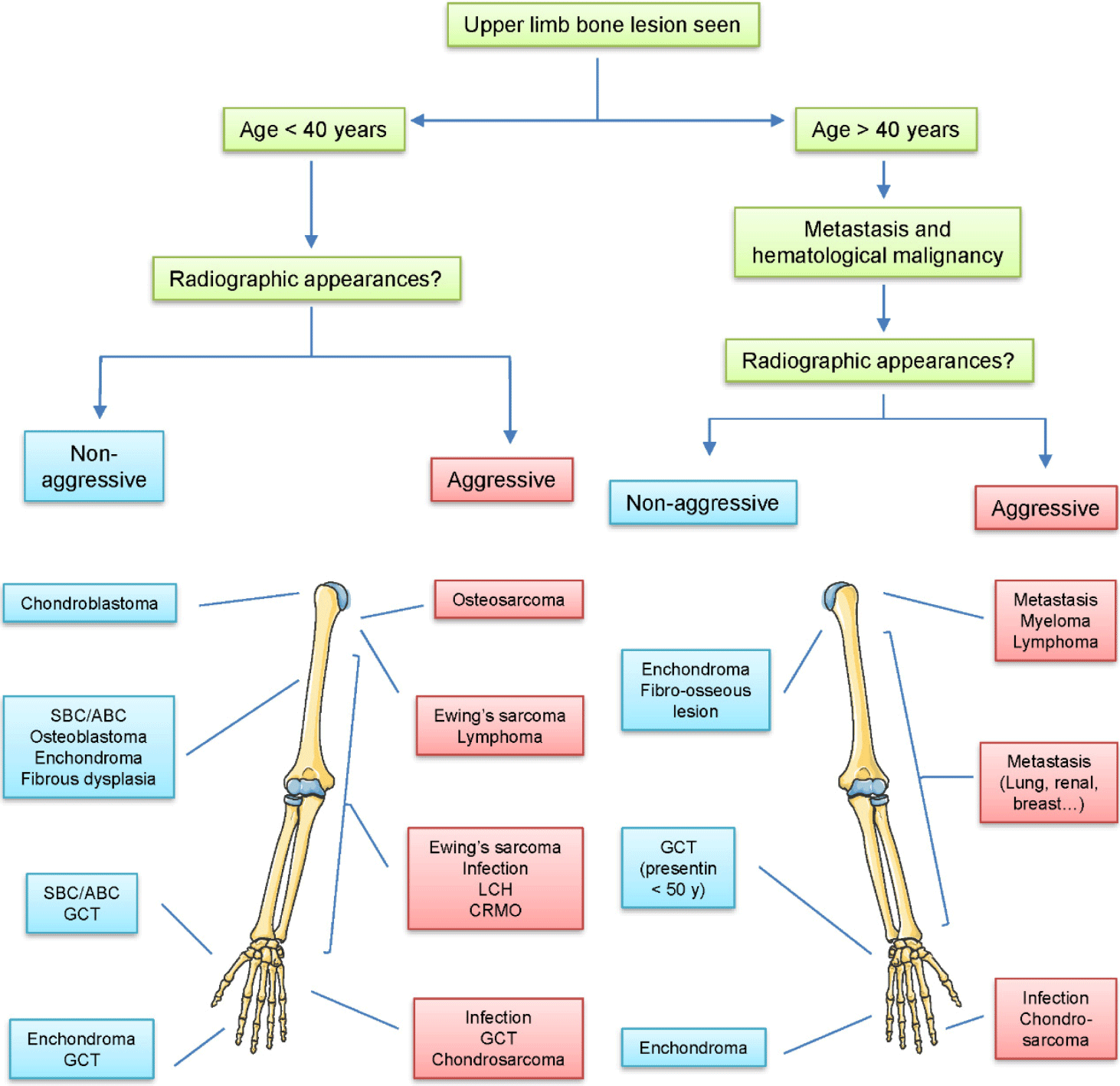
Over the years, the world has experienced many improvements in the field of molecular biology as well as imaging medicine and biomaterials. In addition, there have been improvements in the fields of surgical techniques as well as the thorough treatment for tumors. Despite all of these positive changes, the overall progress has not been satisfactory.
Neoadjuvant chemotherapy has emerged as a key treatment for osteosarcoma since its introduction in the 1980s. This approach has led to improved survival rates and increased limb salvage rates, with limb-sparing surgeries now successful in up to 65% of cases. However, several challenges remain unresolved. More than 80% of osteosarcoma patients present with distant metastases at diagnosis. Even with aggressive treatment, the prognosis remains poor for 20%-30% of these patients.
For years, the management of osteosarcoma has posed significant challenges for the healthcare community. There is an urgent need to improve the effectiveness of current treatment strategies. Limb salvage surgery has increasingly been adopted as a treatment option for osteosarcoma in several countries. However, malignant bone tumors continue to pose a significant global challenge. In addition to a high mortality rate, osteosarcoma often results in disability, particularly in low- and middle-income regions.
The resistance from Osteosarcoma tumors is quite remarkable. Of all the possible treatment procedures, the single-agent chemotherapies have not yielded favorable results. There are a handful of drugs known to produce efficiency that exceeds 15%. The effective drugs so far in the battle against Osteosarcoma are: Methotrexate (MTX), Cisplatin (DDP), Adriamycin (ADM) to name a few. Generally, healthcare providers commonly use MTX, DDP and ADM along with ifosfamide in several different combinations to treat patients. In fact, this form of mixing the drugs is quite prevalent in many parts of Europe as well as America.
During the treatment, the survival rate of these patients largely depends on their sensitivity for chemotherapy. If the chemotherapy is administered in a systematic fashion, it will certainly reduce the drug resistance. There are some characteristics to drug resistance which can be harmful for the patients. The single-agent chemotherapy is subject to the resistance. Therefore, the combined chemotherapy was brought up as a possible solution.
A single drug is known to have some level of toxicity, which can be a demerit for the treatment. Healthcare providers began looking for ways to negate the effect. As such, the impact of these merged drugs had been synergized. Meanwhile, natural compounds are also being used to treat cancer patients for several years [14].
Another bright prospect is the probable use of metallic Nanoparticles (NP). The metallic NPs have been used for therapeutic purpose alongside biosensing. There is a low level of cytotoxicity present in them for normal cells. In addition, metallic NPs can used for targeting the cancer’s microenvironment and localize it. Given their size, it is best to use them for a targeted drug delivery process.
Several additional strategies for treating osteosarcoma have shown promise and warrant further attention. One such approach is stimuli-responsive drug delivery, which has gained traction in recent years. The aim is to trigger controlled drug release within the tumor’s microenvironment in response to specific stimuli, such as redox potential and the acidic environment of the tumor. Nanoparticles have revolutionized this approach, with redox-sensitive nanoparticles being developed to enable precise, targeted drug delivery [15].
Prognostic factors and survival rate
Although the treatment procedures are steadily gaining momentum but the survival rate is still low for example in Thailand it stands at 47%. This rate of survival is comparatively lower than that of the developed countries. The prognostic factors are deemed to be poor - which are: the patient factor and the treatment factor. In case of the patient factors, the size of tumor, primary metastasis contributes much. To add to that, the axial locations and the higher levels of alkaline phosphatase can contribute strongly.
On the other hand, the treatment factors consist of poor response to chemotherapy and the positive margin of surgery. It is well known that the disease’s biology can be a strong determinant of the outcome. At the same time, the familial acceptance and the cooperation to the treatment can play a key part in the treatment [16].
It is important to keep in mind that the histologic response to chemotherapy is also a part of the prognostic factors. All of the markers mentioned before require an invasive approach to work. Therefore, it becomes difficult to identify them and at the same time, it gets suboptimal. The efficacy level for maximum treatment needs to be raised. For that to happen, healthcare providers have to develop even more low-cost markers of prognosis for OS.
In typical cases, the prognostic significance of certain factors remains uncertain and should be interpreted cautiously. There is ongoing debate regarding the importance of these prognostic indicators in osteosarcoma. Osteosarcoma has been observed in individuals over the age of 40, and their outcomes often appear worse compared to adolescent patients. Over the years, several studies have explored the relationship between age and osteosarcoma prognosis.
Some researchers dispute the idea that age significantly correlates with prognosis. However, other studies have found that adolescents and adults generally have better prognoses. Conversely, another group concluded that children have a higher survival rate compared to both adolescents and adults [17].
Treatment overview and outcomes
A comprehensive study was conducted across several South Asian countries to assess prognostic factors and treatment outcomes in osteosarcoma patients. South Asia is a geopolitically diverse region with significant socioeconomic disparities. The management of osteosarcoma patients varies between countries due to differences in healthcare infrastructure and resources. As a result, treatment outcomes reflect the varying practices in each country’s healthcare sector. So far, a common scenario in the low and middle-income South Asian countries is the treatment abandonment. It acts as a big barrier to achieve favorable results. There has been a lack of diagnostic evaluations as well as post-surgical histopathological evaluations in multiple countries [18].
In India, there have been continuous efforts to produce innovative treatments for cancer and tumors. While the efforts have yielded success, the treatment cannot be availed by people from all socioeconomic backgrounds. There are quite a few government reimbursement schemes in the country but, they do not cover for the expense related to these therapies. Insurance coverage is also limited, so much so that only 1/5th of the entire population fall under the insurance schemes [19].
There are Social Determinants of Health (SDOH) which play a significant role in determining the outcome of patients. This may vary from region to region but, it is a similar story in South Asia where poverty as well as structural inequalities are barriers to proper healthcare [20]. Disparity is huge for the marginalized population. While the SDOH is not well documented to play a huge factor for osteosarcoma outcomes, the question still persists. Given that the survival rate has not improved as much compared to the West, it can be surmised that SDOH plays a factor in the relapse [21].
Literature Review
Doxorubicin has long been used to treat Osteosarcoma patients. However, the issue with using doxorubicin is not knowing the correct dosage. In recent years, healthcare providers have used cumulative doses worth 450 mg/m2 when encountering health protocols. There is risk involved with not knowing the proper dosage to use. There is toxicity involved with the use of this mode of treatment which primarily is cardiac toxicity. A number of studies have confirmed the occurrence of cardiac toxicity when the cumulative dose crosses 500 mg/m2. While it may not happen right away, there are cases to back up the claim. As such, there has to be proper study to find out the right dose of doxorubicin before administering to patients.
Initially the same doses provided super efficacy when treating osteosarcoma. With time, the same treatment became the reason for a deadly drug-related cardiotoxicity in patients of South Asian countries [22]. Often times, the diagnosis is a key issue in not being able to find out the incidence of osteosarcoma in patients. According to Matsuno and his colleagues, there is a criteria which can be followed to at least provide better diagnosis of telangiectatic osteosarcoma:
- Malignant cells are circled around the periphery while there is minimal osteoid production.
- Tumor will comprise of singular or multiple cystic cavities
- Lesions are lytic destructive
At present, the survival rate for telangiectatic osteosarcoma stands at 65% on the 5 year range. Of course, conditions are applicable that they undergo the current chemotherapy protocols [23].
The lack of bibliometric analysis in the case of research evaluation as part of clinical medicine is just among the many problems plaguing the South Asian approach to managing Osteosarcoma. There are many prognostic studies regarding the study of Osteosarcoma. With that said, there is scarcity of effort to conduct a bibliometric analysis [24]. It may lead to more research findings than before.
Current treatment approaches in Asia and other parts of the world
In China, healthcare experts deemed the radical resection on osteosarcoma patients as a dangerous procedure. This is down to the fact that the anatomical structure is complex which gives rise to the danger surrounding the procedure. Since the early 2000s, a number of treatments have been developed in place of chemotherapy and procedures like radical resections. As biotechnology has advanced through the years, it has been possible to develop treatments with fewer side effects. One of the more promising modes of treatment is the Photothermal Therapy (PTT). This form of therapy relies on converting Near-Infrared (NIR) light to thermal damage to be used in tumor tissues [25]. It is able to reject the tumor region while keeping the other regions free of any harm.
In the last few years, researchers have also ventured into the scope of tissue engineering scaffolds. There is much interest in hydrogels that compromise a decent level of bioactivity. Hydrogels are capable of providing a vehicle to transport tumor therapeutic drug. In the meantime, these hydrogels provide tumor treatment by mimicking the Extracellular Matrix (ECM) resulting in growth of the mesenchymal stem cells (Figure 2).
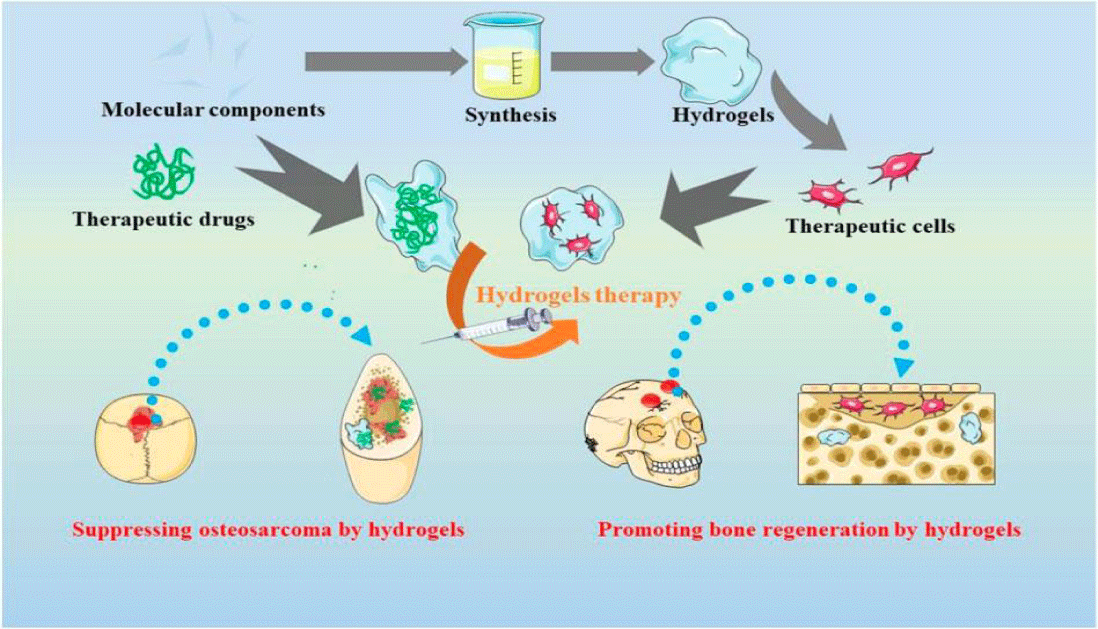
What makes hydrogels effective are the porous structure as well as having versatile biocompatibility. One of the better uses of hydrogels is to encapsulate them with drugs as it provides the advantage of continual drug release. A fine example of this version of treatment is the chitosan-based hydrogel which have been developed for the therapeutic agents alongside cell delivery involving tumor therapy [26].
Here are some other forms of therapies provided to Osteosarcoma patients over the world:
| Name of Treatment | Activity and Outcome |
| Immune Checkpoint Inhibitors | It is used as part of the PEMBROSARC clinical trial, exploring the pembrolizumab combination with that of cyclophosphamide. During the study, over a 6-month time period, half of them received PD. |
| Adoptive Cellular Therapy | According to one retrospective study, there is some benefit of combining Tumor-Infiltrating Lymphocytes (TILs) with adjuvant chemotherapy. |
| Use of Tyrosine Kinase Inhibitors (TKI) | When TKI is combined with chemotherapy, it has provided better results as it reverses chemotherapy resistance. The major problem encountered during the studies is the change in the quality-of-life and the studies need to take the patient’s perspective into consideration more. |
Findings about patient’s willingness to take treatment
When it comes to tumor or cancer treatment and receiving it in lower and lower middle income countries, there are some factors influencing the patients’ decision making. In several studies, some of the factors described by patients is their desire for cure, wishing to live and the fear of the tumor resurfacing [27]. In addition, the physicians’ personality traits have been identified as a factor that influences the patient’s decision to continue taking treatment.
On the other hand, some patients have pointed out the physician’s lack of desire to change clinical practices. Some of the other factors found through the studies consist of: invitation to take part in decision making, distrust in physicians’ abilities, and variation in quality of the healthcare team’s method of communication and lack of the patient’s understanding of therapeutic options [28]. There have also been instances of predetermined miscommunication for convincing patients to take care [29]. These outcomes of patient and physician interactions have been taken from numerous studies regarding the decision-making process and the factors influencing them in countries such as, India, Pakistan and China to name a few [30].
Possible future directions
Healthcare systems in South Asian countries often rely heavily on palliative care due to limited access to advanced treatments. As a result, treatment outcomes are frequently suboptimal, with limited improvements in survival rates or quality of life. In many cases, palliative care is not fully integrated into comprehensive cancer treatment strategies. While specialized treatment centers for osteosarcoma exist in countries like Pakistan and Bangladesh, access to advanced care remains limited. These centers are located in the big cities. And these cities, although contain a lot of people, do not make up for the entire population by any means [31]. In India, the management of Osteosarcoma is riddled with a few controversies. For instance, the chemotherapy provided in many treatment centers are based on non-methotrexate. This is ill advised option to treat patients with high level Osteosarcoma [32]. Ensuring equitable access to appropriate treatment for all patients remains a significant challenge in these regions. Limited health insurance coverage further exacerbates the difficulty in addressing the disease effectively. Making treatment both affordable and accessible, while simultaneously raising public awareness, presents a significant challenge. Nevertheless, raising awareness and disseminating accurate information about osteosarcoma and available treatments remains a critical priority.
Conclusion
This review underscores the distinct challenges associated with managing osteosarcoma in South Asia, where socioeconomic constraints, limited healthcare infrastructure, and restricted access to advanced therapies significantly impact patient outcomes. Key findings reveal that while advancements in osteosarcoma treatment, such as neoadjuvant chemotherapy and limb-sparing surgeries, have improved survival rates in high-income countries, these benefits are not widely available in South Asia, where late diagnoses and lower survival rates remain prevalent.
The findings of this review contribute to the existing body of knowledge by highlighting disparities in osteosarcoma outcomes in low- and middle-income countries, particularly within South Asia. For healthcare professionals, these insights point to the need for context-specific treatment and diagnostic approaches to navigate resource limitations. For policymakers, this review emphasizes the importance of structural changes in healthcare to ensure equitable cancer treatment access, while researchers may find value in collaborative international efforts to support research in under-resourced regions.
Policy implications and recommendations for policymakers
Subsidization of treatments and expansion of diagnostic facilities: Policymakers should consider subsidizing the cost of essential osteosarcoma treatments, such as chemotherapy and surgical interventions, to make them more affordable. Additionally, investment in diagnostic facilities, particularly in rural and underserved areas, would improve early detection rates and overall patient outcomes.
Integration of specialized oncology units: Developing regional oncology centres with the capability to manage bone tumors would provide localized access to specialized care, reducing the burden of travel on patients and facilitating timely treatment.
Encouraging regional and international collaboration: To address the shortage of resources and expertise, regional cooperation across South Asian countries could foster the exchange of best practices and pooled resources. International collaboration with high-income countries could also bring in additional training, advanced therapies, and access to cutting-edge research, significantly benefiting healthcare providers and patients alike.
Future research directions
Exploration of innovative therapies: There is a growing need to investigate new therapeutic approaches tailored to the genetic profiles commonly found in South Asian populations. Targeted therapies, immunotherapies, and personalized medicine hold promise for improving survival rates and quality of life. This line of research could lead to the development of more effective, region-specific treatment protocols.
Large-scale epidemiological studies: Current data on osteosarcoma in South Asia is limited, and large-scale epidemiological studies are essential for understanding the disease’s prevalence, incidence, and unique risk factors within the region. Such studies would enable better-informed healthcare policies and provide the foundation for developing tailored preventive strategies.
Final recommendations
Addressing the multifaceted challenges of osteosarcoma in South Asia requires both scientific advancements and systemic reforms in healthcare. Implementing policies that support cancer treatment accessibility, fostering collaborative research, and prioritizing epidemiological data collection are critical for enhancing diagnostic accuracy, increasing treatment accessibility, and improving survival rates. By adopting these targeted approaches, there is substantial potential to advance the management and outcomes of osteosarcoma patients in South Asia, ultimately fostering a healthcare environment that meets the needs of all patients.
Acknowledgment
We want to express our gratitude to everyone that has provided us with important information to complete this article.
Conflict of interest
The authors declare that they have no conflict of interest.
Ethical considerations
As this study is a literature review, it does not involve the collection of original data. Therefore, no ethical approvals or consent processes were required.
References
- Bleyer A, O'Leary M, Barr R. Ries L. Cancer epidemiology in older adolescents and young adults 15 to 29 years of age, including SEER incidence and survival: 1975-2000. National Cancer Institute. 2006.
- Sbaraglia M, Bellan E, Dei Tos AP. The 2020 WHO Classification of Soft Tissue Tumours: news and perspectives. Pathologica. 2021 Apr;113(2):70-84. doi: 10.32074/1591-951X-213. Epub 2020 Nov 3. PMID: 33179614; PMCID: PMC8167394.
- Hornicek F, Bahrami A, Baldini E. Epidemiology, pathology and molecular genetics of Ewing sarcoma. Medilib ir. 2022.
- Bajpai J, Jaffe N. Perspectives of the role of chemotherapy in the management of osteosarcoma. Scientific Research. 2012;3(6):1191-1203. doi: 10.4236/jct.2012.36154.
- Czarnecka AM, Synoradzki K, Firlej W, Bartnik E, Sobczuk P, Fiedorowicz M, Grieb P, Rutkowski P. Molecular Biology of Osteosarcoma. Cancers (Basel). 2020 Jul 31;12(8):2130. doi: 10.3390/cancers12082130. PMID: 32751922; PMCID: PMC7463657.
- Rojas GA, Hubbard AK, Diessner BJ, Ribeiro KB, Spector LG. International trends in incidence of osteosarcoma (1988-2012). Int J Cancer. 2021 Sep 1;149(5):1044-1053. doi: 10.1002/ijc.33673. Epub 2021 May 17. PMID: 33963769; PMCID: PMC9137041.
- Hossain MS, Begum M, Mian MM, Ferdous S, Kabir S, Sarker HK, Karim S, Choudhury S, Khan A, Khan ZJ, Karim-Kos HE. Epidemiology of childhood and adolescent cancer in Bangladesh, 2001-2014. BMC Cancer. 2016 Feb 15;16:104. doi: 10.1186/s12885-016-2161-0. PMID: 26879701; PMCID: PMC4754803.
- Swaminathan S. Consensus document for management on soft tissue sarcoma and osteosarcoma. Indian Council of Medical Journal. 2016.
- Riza M, Salimo H, Wasita B, Idulhaq M, Saputra E, Widyaningsih V, Wayanshakty J. Survival and prognostic factors in pediatric osteosarcoma: A 5-year single-center experience in Central Java, Indonesia. Paediatrica Indonesiana. 2024;64(1):10. doi: 10.14238/pi64.1.2024.10-6.
- Zhao X, Wu Q, Gong X, Liu J, Ma Y. Osteosarcoma: a review of current and future therapeutic approaches. Biomed Eng Online. 2021 Mar 2;20(1):24. doi: 10.1186/s12938-021-00860-0. PMID: 33653371; PMCID: PMC7923306.
- Dahan M, Anract P, Babinet A, Larousserie F, Biau D. Proximal femoral osteosarcoma: Diagnostic challenges translate into delayed and inappropriate management. Orthop Traumatol Surg Res. 2017 Nov;103(7):1011-1015. doi: 10.1016/j.otsr.2017.05.019. Epub 2017 Jun 21. PMID: 28647623.
- Mittal A, Pushpam D, Ganguly S, Kumar VS, Khan SA, Bakhshi S. Controversies and Challenges in the Management of Osteosarcoma-an Indian Perspective. Indian J Surg Oncol. 2022 Dec;13(4):939-955. doi: 10.1007/s13193-021-01486-3. Epub 2022 Jan 9. PMID: 36687236; PMCID: PMC9845467.
- Sharma S, Zapatero-Rodríguez J, Estrela P, O'Kennedy R. Point-of-Care Diagnostics in Low Resource Settings: Present Status and Future Role of Microfluidics. Biosensors (Basel). 2015 Aug 13;5(3):577-601. doi: 10.3390/bios5030577. PMID: 26287254; PMCID: PMC4600173.
- Jiang ZY, Liu JB, Wang XF, Ma YS, Fu D. Current Status and Prospects of Clinical Treatment of Osteosarcoma. Technol Cancer Res Treat. 2022 Jan-Dec;21:15330338221124696. doi: 10.1177/15330338221124696. PMID: 36128851; PMCID: PMC9500272.
- Barani M, Mukhtar M, Rahdar A, Sargazi S, Pandey S, Kang M. Recent advances in nanotechnology-based diagnosis and treatments of human osteosarcoma. 2021;11(2):55. doi: 10.3390/bios11020055.
- Pruksakorn D, Phanphaisarn A, Arpornchayanon O, Uttamo N, Leerapun T, Settakorn J. Survival rate and prognostic factors of conventional osteosarcoma in Northern Thailand: A series from Chiang Mai University Hospital. Cancer Epidemiol. 2015 Dec;39(6):956-63. doi: 10.1016/j.canep.2015.10.016. Epub 2015 Nov 9. PMID: 26540607.
- Xin S, Wei G. Prognostic factors in osteosarcoma: A study level meta-analysis and systematic review of current practice. J Bone Oncol. 2020 Feb 21;21:100281. doi: 10.1016/j.jbo.2020.100281. PMID: 32140401; PMCID: PMC7047183.
- Monsereenusorn C, Alcasabas AP, Loh AHP, Soh SY, Leung KWP, Dhamne C, Blair S, Lam C, Rujkijyanont P, Traivaree C, Photia A, Veerapan P, Puhaindran ME, Oh BLZ, Wang E, Rodriguez-Galindo C. Predictors and Treatment Outcomes of Pediatric Osteosarcoma in Diverse Socioeconomic Backgrounds in Southeast Asia: A Retrospective Multicenter Study. Asian Pac J Cancer Prev. 2022 Feb 1;23(2):631-640. doi: 10.31557/APJCP.2022.23.2.631. PMID: 35225476; PMCID: PMC9272642.
- Chintapally N, Nuwayhid M, Arroju V, Muddu VK, Gao P, Reddy BY, Sunkavalli C. State of cancer care in India and opportunities for innovation. Future Oncol. 2023 Dec;19(39):2593-2606. doi: 10.2217/fon-2023-0047. Epub 2023 Sep 7. PMID: 37675499.
- Ebrahimi A, Hosseini S, Shahabi S, Ashkani-Esfahani S, Lozano-Calderon S. The Impact of Social Determinants of Health on the Prognosis of Primary Bone Tumors: A Systematic Review. JBJS Rev. 2024 Sep 3;12(9). doi: 10.2106/JBJS.RVW.24.00071. PMID: 39226393.
- Ilcisin L, Han R, Krailo M, Shulman DS, Weil BR, Weldon CB, Umaretiya P, Aziz-Bose R, Greenzang KA, Gorlick R, Reed DR, Randall RL, Nadel H, Binitie O, Dubois SG, Janeway KA, Bona K. Poverty, race, ethnicity, and survival in pediatric nonmetastatic osteosarcoma: a Children's Oncology Group report. J Natl Cancer Inst. 2024 Oct 1;116(10):1664-1674. doi: 10.1093/jnci/djae103. PMID: 38926133.
- Halalsheh H, Abu-Hijlih R, Ismael T, Shehadeh A, Salaymeh KJ, Boheisi M, Sultan I. Doxorubicin Dose Deintensification in Pediatric Osteosarcoma, Is Less Better? South Asian J Cancer. 2023 Apr 10;12(3):290-296. doi: 10.1055/s-0042-1760203. PMID: 38047045; PMCID: PMC10691917.
- Narayanan G, Thambi S, Kattoor J, Sugath B, Nair S. Telangiectatic osteosarcoma—A single-center experience. Thieme. 2023. doi: 10.1055/s-0043-1771386.
- Yin C, Chokkakula S, Li J, Li W, Yang W, Chong S, Zhou W, Wu H, Wang C. Unveiling research trends in the prognosis of osteosarcoma: A bibliometric analysis from 2000 to 2022. Heliyon. 2024 Mar 7;10(6):e27566. doi: 10.1016/j.heliyon.2024.e27566. PMID: 38515706; PMCID: PMC10955242.
- Xu P, Hu L, Yu C, Yang W, Kang F, Zhang M, Wang J. Unsymmetrical cyanine dye via in vivo hitchhiking endogenous albumin affords high-performance NIR-II/photoacoustic imaging and photothermal therapy. Springer Nature. 2021. doi: 10.1186/s12951-021-01075-0.
- Tian H, Wu R, Feng N, Zhang J, Zuo J. Recent advances in hydrogels-based osteosarcoma therapy. Frontiers in Bioengineering and Biotechnology. 2022. doi: 10.3389/fbioe.2022.1042625.
- De Guzman B, Cabaya N, Ting F, Tan J. Factor’s influencing treatment decisions among breast cancer patients in the Philippine general hospital cancer institute: Medical oncology outpatient clinic. 2020. doi: 10.1093/annonc/mdz430.009.
- Ahmadnia S, Ghalibaf AK, Kamkar S, Mohamadzadeh Z, Ghalibafian M. Survivor and parent engagement in childhood cancer treatment in Iran. Ecancermedicalscience. 2021 Apr 19;15:1220. doi: 10.3332/ecancer.2021.1220. PMID: 34158824; PMCID: PMC8183647.
- Agyemang LS, Foster C, McLean C, Fenlon D, Wagland R. The cultural and structural influences that 'hide' information from women diagnosed with breast cancer in Ghana: an ethnography. BMC Womens Health. 2021 Oct 15;21(1):364. doi: 10.1186/s12905-021-01502-2. PMID: 34654413; PMCID: PMC8518148.
- Salek M, Silverstein A, Tilly A, Gassant PY, Gunasekera S, Hordofa DF, Hesson D, Duffy C, Malik N, McNeil M, Force LM, Bhakta N, Rodin D, Kaye EC. Factors influencing treatment decision-making for cancer patients in low- and middle-income countries: A scoping review. Cancer Med. 2023 Sep;12(17):18133-18152. doi: 10.1002/cam4.6375. Epub 2023 Aug 1. PMID: 37526041; PMCID: PMC10524036.
- Memon S, Mangi F, Memon F, Sushel C, Shaikh A, Shaikh T. The pattern of musculoskeletal cancers in Pakistan. Journal of Liaquat University of Medical & Health Sciences. 2022. doi: 10.22442/jlumhs.2021.00870.
- Ramaswamy A, Rekhi B, Bakhshi S, Hingmire S, Agarwal M. Indian data on bone and soft tissue sarcomas: A summary of published study results. South Asian J Cancer. 2016 Jul-Sep;5(3):138-45. doi: 10.4103/2278-330X.187587. PMID: 27606300; PMCID: PMC4991135.




Content Alerts
SignUp to our
Content alerts.
 This work is licensed under a Creative Commons Attribution 4.0 International License.
