
Medicine Group 2024 October 25;5(10):1371-1378. doi: 10.37871/jbres2025.





 Original Article
Comparative Analysis of Red and White Honey's Antimicrobial Activity against Specific Bacterial and Fungal Strains
Melat Gebrehiwet Netserab, Muna Ahmed Mohammed Alamin, Lesse Redie Menghstab and Tedros Gebrezgiabhier Gebreyesus*
- Honey
- Sensitivity
- Antimicrobial
- Dilution
- Resistance
Abstract
Honey’s popularity as a treatment is growing by the day, with many societies emphasizing its importance and its role in infections causing burns and wounds and recently gets focus from the medical community; as antimicrobial resistance is a rising issue. This study targets to check the antimicrobial activity of both red and white honey against two bacterial species (Staphylococcus aureus, Clostridium perfringens) and two fungal species (Trichophyton rubrum, Pencillium chrysogenum). Four honey dilutions for each type of honey were prepared and tested for its antimicrobial activity using agar well diffusion method. Both red honey and white honey showed effective antibacterial activity against C. perfringens with range of inhibition zone (16-22), (8-12) and antifungal activity against T. rubrum (24-30), (26.5-29) and P. chrysogenum (20-23), (18-21) respectively. While both honey types do not show any activity against S. aureus. So honey can serve as a wide range antimicrobial alternative against pathogens including medically important ones like clostridium and several superficial disease causing fungi like dermatophytes.
Introduction
Antimicrobials are among the most successful chemotherapeutic strategies in medical history showing a remarkable advances in 20th century. However, in response to the development of antimicrobial agents, drug resistant microorganisms have emerged and continue to plague human beings [1]. Raw honey is a treasure of nutritional constituents and medicinal remedies. Honey contains a variable supersaturated sugar solution with about 181 different chemicals [2] such as monosaccharides (glucose and fructose), and minor compounds, such as amino acids, enzymes, organic acids, flavonoids, vitamins, and minerals, and polyphenols, are the constituents of honey [3]. Biologically honey also contains bacteria (Bacillus spp., Staphylococcus spp., and Pseudomonas spp.), yeast and some mold species originated from water, pollen, insect pollinators and from the GIT of the honeybee [4]. The composition and quality of honey may be affected by many external factors including, geography, climatic conditions and vegetation type [3]. Moreover; bee hive humidity, honey treatment during extraction, processing techniques and storage also affects honey’s nature [5].
The antimicrobial potency of honey may be attributed to its acidity (pH range of 3.2-4.5) [6], osmotic effect, high sugar concentration (Average CHO of honey is 85%), presence of bacteriostatic and bactericidal factors (hydrogen peroxide, antioxidants, lysozyme, polyphenols like phenolic acids, flavonoids, methylglyoxal, and bee peptides) in which all differs in their concentrations [7]. Out of all these contributors; hydrogen peroxide (produced during the process of converting D-glucose to D- gluconic acid [8] and gluconic acid are the major actors responsible for honey’s antimicrobial activity even though, non-peroxide honey (viz., manuka honey) also displays significant antibacterial effects [9]. In addition to their antimicrobial role; polyphenolic compounds (flavonoids and phenolic acids) are also used to identify the botanical and geographical origin of a given honey sample [10]. Depending on the concentration used; honey can act as bactericidal or bacteriostatic agent and fungicidal or fungistatic means for treating epidermal bacterial infections and dermatophytosis such as onychomycosis, and athlete’s foot respectively [11]. Previous studies indicate that Honey Flavonoid Extract (HFE) synergically exhibits anticandidal activity [12]. Synergy between oxacillin and Manuka honey sensitizes and inhibits methicillin-resistant Staphylococcus aureus [13]. The lower water activity of honey (0.562 to 0.62) makes it unfavorable for the growth of most microorganisms [14]. Moreover the hygroscopicity of honey poses high osmotic pressure hindering bacterial growth through dehydration [15].
Even if honey was traditionally used to treat infected wounds before bacteria were discovered to be the cause of infection; the first scientific explanation of the antibacterial activity of honey was reported in 1892 by Van Ketel [3] leaving its molecular mechanism to remain as mystery to the majority of people. The escalating trend of microbial resistance to essential antibiotics (e.g. Clostridium difficile, S. aureus), an increase in immunocompromised patient population and the emergence of opportunistic fungal pathogens poses a public health concerns underlining the need for evaluating alternative potential therapeutic agents with antimicrobial properties like honey [9]. Honey has an advantage over antibiotics because its antimicrobial activity varies greatly with its origin and processing. So, resistance against it cannot develop in the same way as antibiotics [16]. As a result, this research was carried out in order to gain a better understanding of the natural treatment to infections caused by certain microbes, providing the knowledge behind the tradition of treating wound with honey.
Materials and Methods
Sample and pure strain collection
Honey samples were obtained from the local honey market in Asmara, Eritrea. Collected honey samples were tested for its antimicrobial activity in the microbiology laboratory of Mai-Nefhi College of Science. Microbial strains for this study (Clostridium perfringens, Trichophyton rubrum) were clinical isolates collected from central medical laboratory of Orota National Referral Hospital in Asmara, Eritrea, while both Staphylococcus aureus and Pencillium chrysogenum was isolated from red honey and orange fruits infected with pencillium, respectively both in the microbiology laboratory, Mai-Nefhi college of Science.
Preparation of honey solutions
The required amount of honey was weighed and diluted using sterile distilled water to provide different dilutions of both types of honey. Honey solutions were prepared by diluting honey to the required concentrations (1 g/0.5 ml, 1 g/1 ml, 1 g/1.5 ml, 1 g/2 ml). Dilution samples were incubated at 37°C for about 2 hrs in an incubator, and stirred several times to facilitate dissolving before test. The pH of honey sample was measured in a 10% honey solution using an analogue pH meter. Each honey sample was checked in triplicate. The honey samples were inoculated separately on standard nutrient media with no test organisms so as to assess their possible contamination.
Microbial culture and antimicrobial sensitivity test
The tested bacterial and fungal species were cultured on nutrient agar media and potato dextrose agar media respectively, which are prepared in the microbiology laboratory of Mai-Nefhi College of Science. Each test microorganism was standardized by serial dilution separately in 1ml sterile distilled water and inoculated using a micropipette onto the agar plate followed by a gentle spread on nutrient media surface using a sterilized glass rod spreader through spread plate technique under aseptic conditions. Antimicrobial sensitivity test was conducted through in vitro agar well diffusion method where agar wells with 10 mm diameter were created on the nutrient media using a cork borer [17]. Each well on the Petri plates was inoculated with 6 μL of each honey dilution (1 g/0.5 ml-1 g/2 ml), and incubated for 48 hrs at 35°C for bacterial culture and for 4 days at 27°C for fungal culture. Three replicates for each dilution were prepared and the experiment was repeated 3 times. Following required incubation time each Petri plate were assessed for sensitivity result and diameter of inhibition zone for each agar well was measured using digital caliper and recorded in millimeters where it is further calculated on equivalent of Fluconazole (μL/mL). Similarly, for the control plates like negative control agar wells were inoculated with sterile distilled water while amoxicillin and fluconazole solution was used as standard reference for positive control of bacterial and fungal sensitivity test respectively.
Statistical analysis
The association between inhibition zones diameter created around agar wells and different honey dilutions and different tested microbes were analyzed using R(4.3.3) to compare the descriptive statistics according to the inhibition abilities of two honey types in four concentrations against selected bacteria and fungi. Moreover regression analysis were done to test the association between honey type, microbe type and honey concentration. The results were considered significant at p < 0.01.
Results and Discussion
Culturing and antimicrobial sensitivity test
This study investigates the possible antibacterial and antifungal activity of honey against specific proxy microbes through agar diffusion method. This method is widely used in most previous studies because honey is a naturally viscous substance and it needs time to diffuse from the well to the surrounding completely and display its antimicrobial effect on the microbial culture [18]. Tested bacterial strains were inoculated using a sterilized inoculating loop as bacterial colonies are sticky while cotton swab was used to inoculate fungal samples as it was dusty containing spores. Once inoculation step is completed the cork borer with 10 mm diameter was immersed in alcohol and exposed to heat on Bunsen burner for sterilization purpose, then agar wells were punched on the culture media using the cork borer [19].
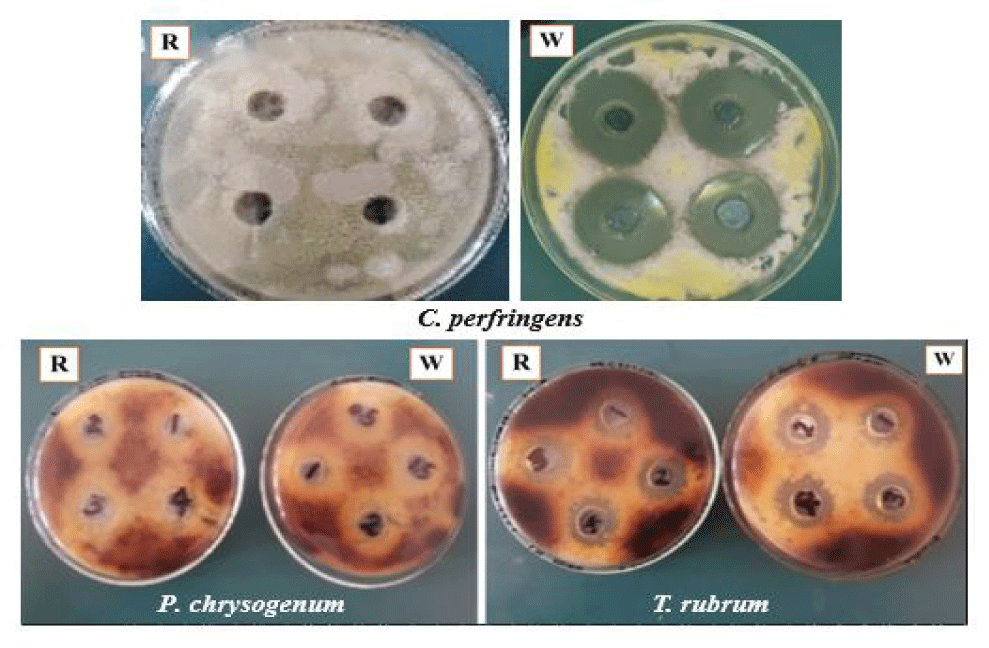
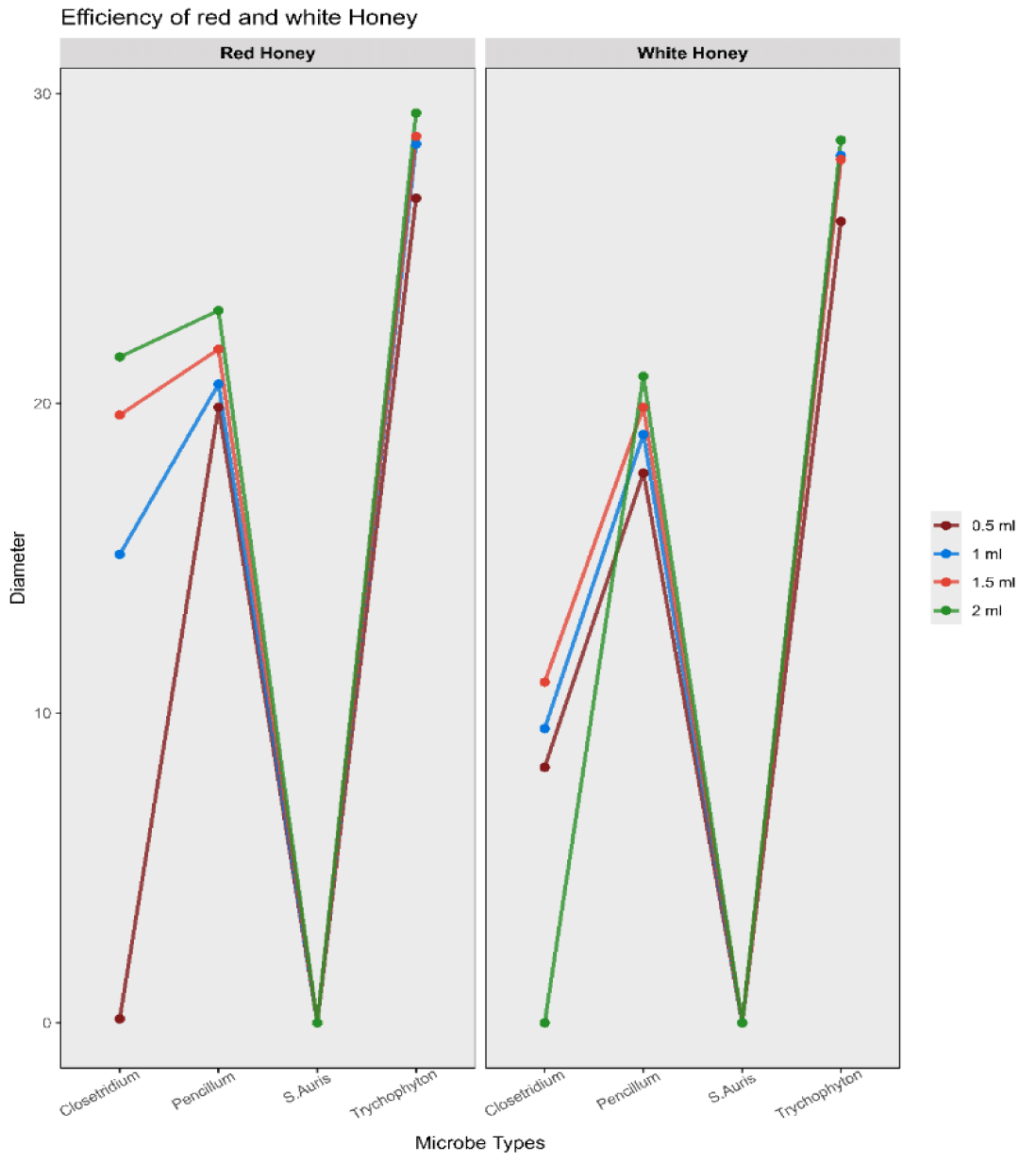
Microbial inoculation, agar well punching and inoculation of honey dilutions in to agar wells were conducted in a sterile clean workbench. As the optimum requirements of these tested microbes (bacteria and fungi) are different the incubation temperature (35°C for bacteria and 27°C for fungi) and time (2 days for bacteria and 4 days for fungi) were adjusted accordingly in a microbiological incubator (Thermo Scientific Steri-Cult 3310 CO2 Incubator w/ Sterilization Cycle) [16]. The diameter of zone of inhibition for each plate was observed and recorded daily. The diameter of the zone of inhibition correlates to the sensitivity range of the microbe under investigation to the tested antibiotic substance. According to the results of this study stated on the table 1 and figure 1 most dilutions of red and white honey shows clear ranges of inhibition zones in all cultures of the tested microorganisms except for S. aureus.
Antibacterial activity
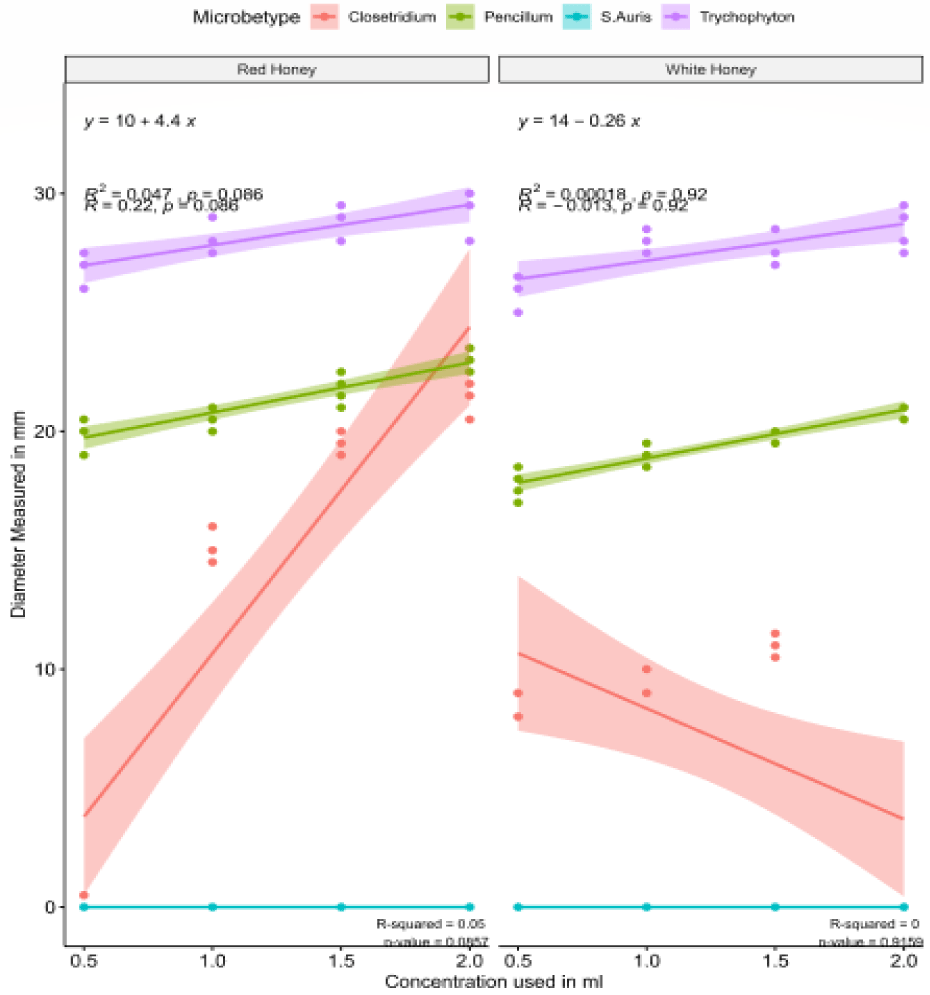
Clostridium genus involves anaerobic, gram-positive rods capable of forming endospores which are responsible for toxin induced illness (e.g. botulism) on humans and animals. Clostridia are members of the intestinal microbiome of humans and most other animals. C. perfringens can cause gangrene or Clostridial myonecrosis and foodborne illness on humans [20]. In this study red honey displayed the highest inhibition zone (23 mm) against C. perfringens in its lowest concentration (1 g/2 ml) and no inhibition zone (Figure 1) in the highest concentration (1 g/0.5 ml). The lowest concentration of white honey (1 g/2 ml) scored higher inhibition zone (12 mm) against C. perfringens while with increasing concentration sensitivity tends to decrease; like 8 mm in 1g/0.5ml (Figure 3). This shows C. perfringens was found to be more sensitive to red honey. Moreover; all investigated dilutions showed significant difference considering the average inhibition zone diameters, especially at 1 g/2 ml of red and white honey against clostridium (Table 1) which is similar to previous literatures, where Manuka honey was found to work against clostridium species [3]. In contrast to previous findings all tested dilutions of both honey types did not show any effect against S. aureus (Figures 2,3). This shows the resistance of S. aureus to the antimicrobial activity of both honey types, as it is isolated from red honey prior to this study. Methicillin-Resistant Staphylococcus aureus (MRSA) is being a distressing medical issue for about a quarter of a century. According to previous findings synergy of honey with certain antibiotics enhances the efficiency of wound treatment. Jenkins RE, et al. [13], found that synergistic effect of Manuka honey and oxacillin inhibits MRSA indicating the capability of Manuka honey to restore susceptibility of MRSA to oxacillin. According to previous studies there are many locally produced honeys like Manuka (Leptospermum scoparium) honey as well as Tualang (Koompassia excelsa) honey with standardized levels of antibacterial activity. Moreover Capillano and Eco-honeys have showed an antibacterial activity against H. pylori [6].
Antifungal activity
The two fungal species tested on this study have connection with the human and animal health. Penicillium chrysogenum is a commonly occurring mould in indoor environments which contaminates food, citrus fruits and cause respiratory allergic reactions on humans especially on individuals with compromised immunity [21]. Trichophyton rubrum is a dermatophytic ascomycete which colonizes the epidermis of a skin causing athlete's foot, nail infection and tinea capitis [22]. Both red and white honey forms larger inhibition zone (30 mm) and (29 mm) against T. rubrum at the lowest concentration (1 g/2 ml). Similar to this findings Shariati A, et al. [11], found that T. mentagrophytes and T. rubrum showed higher sensitivity to the tested honey samples from all evaluated dermatophytes. Moreover the highest dilution for red and white honey (1 g/2 ml) displayed lower inhibition zone diameter (23 mm) and (21 mm) respectively compared to the sensitivity recorded for T. rubrum (Table 1).
| Table 1: Data for inhibition zone diameter of tested microbes in evaluated dilutions. | ||||||
| Honey dilutions(g/mm) | 1 g/0.5 ml | 1 g/1 ml | 1 g/1.5 ml | 1 g/2 ml | ||
| Red honey | Log Conc. | 0.3010 | - | -0.1760 | -0.3010 | |
| Average diameter of inhibition zone | C. perfringens | - | 16 | 20 | 22 | |
| S.aureus | - | - | - | - | ||
| P. chrysogenum | 20 | 21 | 22 | 23 | ||
| T. rubrum | 24 | 29 | 29 | 30 | ||
| White honey | Average diameter of inhibition zone | C. perfringens | 8 | 10 | 11 | 12 |
| S.aureus | - | - | - | - | ||
| P. chrysogenum | 18 | 19 | 20 | 21 | ||
| T. rubrum | 26.5 | 28 | 28 | 29 | ||
| Control | Amoxicillin (+) | C. perfringens | 20 | 25 | 26.5 | 27 |
| S. aureus | 25 | 27 | 28 | 29.5 | ||
| Fluconazole (+) | P. chrysogenum | 11 | 21 | 24 | 27 | |
| T. rubrum | 17 | 26 | 30.5 | 32 | ||
| Sterile distilled water (-) | Against All | - | - | - | - | |
| Significance of each evaluated dilution for both honey varieties in relation to each other | 0.5 ml | 0.119 | 0.05 | 0.046 | ||
| 1 ml | 0.119 | 1.000 | 1.000 | |||
| 1.5 ml | 0.05 | 1.000 | 1.000 | |||
| 2 ml | 0.46 | 1.000 | 1.000 | |||
| (-): no inhibition, *: inhibition zones includes 10 mm disk diameter, data are average of triple measurements. | ||||||
The highest concentration of red honey (1 g/0.5 ml) displayed lowest average inhibition zone (20 mm) against P. chrysogenum and (24 mm) against T. rubrum, while white honey at the same concentration scored (18 mm) against P. chrysogenum and (26.5 mm) against T. rubrum (Table 1). The effect of white and red honey was somehow similar when it comes to fungal isolates. According to previous literatures [23,24]. honey showed lower antifungal activity against Candida infections than superficial dermatophytic infections. Similar to the findings of this study De Groot T, et al. [25], found that unprocessed local honey score higher efficiency on inhibiting the growth of most tested Candida species compared to the standardized medical-grade honey. Even though concentration of inoculated honey tends to determine the bactericidal or fungicidal effect of honey [6], the concentrated honey dilution observed to produce smaller inhibition zone, which might be due to its viscosity induced lower diffusion rate to the agar medium, even though concentration has an effect on fungicidal efficacy. So with increasing dilution of both honey types the diameter of zone of inhibition tends to increase in this study (Figure 3). Insufficiency of effective cure for multiresistant isolates, triggers the need for searching options. Moreover most wide spectrum antifungal drugs have broad side effects on the body cells due to similarity between the fungal pathogens and host cells; just for being eukaryotic cells. So honey can serve as a promising alternative candidate for superficial infections like wounds and dermatophytosis either independently or in synergy with medications. Many studies have revealed that the amount of H2O2 production is determinant on antifungal activity of honey, but Manuka honey and Agastache honey which show higher antifungal activity produce lower H2O2 (41 µm, 5.13 µm respectively) [26].
Factorial analysis showed that honey type (p = 0.000), concentration (p = 0.001), and microbe type (p = 0.000) significantly (at p < 0.001) determine the inhibition diameter. Comparison of the mean values also revealed that the inhibition diameter in red honey was significantly greater than that of white honey. Comparison across the categories of the different concentrations also showed that the inhibition diameter using 0.5 ml concentration was significantly less than using 1.5 ml (p = 0.005), 2ml (p = 0.046). However, other pairwise comparison of the concentration levels was found to have similar inhibition diameters. On the other hand, the order of an inhibition diameter for the evaluated microbes is T. rubrum > P. chrysogenum > C. perferingens >S. auerus (at p < 0.001).
Conclusion
It has been shown that the potency of the antibacterial and antifungal activity can vary very markedly with changing concentration and type of honey investigated. The antifungal and antibacterial effect of two different honey samples was evaluated in culture media containing different concentrations of honey. The antimicrobial activity of honey is largely due to its physico-chemical properties such as high osmotic pressure, low water activity, low pH and possession of certain gluco-oxidase enzymes, hydrogen peroxide, flavonoids, and phenolic compounds. Red honey demonstrated more effective antibacterial activity than white honey but it seems similar on antifungal activity. C. perferingens, P. chrysogenum, T. rubrum were found to be sensitive in most of the tested dilutions of both honey types. In contrast to many previous findings S. aureus do not show any sensitivity to all evaluated dilutions of both types of honey. Honey is a natural and safe antimicrobial substance, since no previously published literature has reported bacterial or fungal resistance for honey, which is attributed to complexity of honey components working solely or in a synergistic manner with other components.
Declarations
Conflict of interest
The authors declare that they have no known competing financial interests or personal relationships that could have appeared to influence the work reported in this paper.
Informed consent statement
Not applicable.
Authors contribution
Honey and microbial collection, Lab-work, Conceptualization, writing-original draft preparation- M. G., M. A., and L. R. Supervision, Formal analysis, Manuscript preparation, editing and corresponding author –T. G. All authors have read and agreed to the published version of the manuscript.
References
- Muteeb G, Rehman MT, Shahwan M, Aatif M. Origin of Antibiotics and Antibiotic Resistance, and Their Impacts on Drug Development: A Narrative Review. Pharmaceuticals (Basel). 2023 Nov 15;16(11):1615. doi: 10.3390/ph16111615. PMID: 38004480; PMCID: PMC10675245.
- Bican Süerdem T, Akyalçin H. In vitro screening of antibacterial activity of Honey samples collected from Kosovo. Health Sciences Quarterly. 2017;1(2):31-39. doi: 10.26900/jsp.2017.7.
- Albaridi NA. Antibacterial Potency of Honey. Int J Microbiol. 2019 Jun 2;2019:2464507. doi: 10.1155/2019/2464507. PMID: 31281362; PMCID: PMC6589292.
- Jaradat Z, Khataybeh B, Al Ghzawi AM, Ababneh Q, Al Nabusli A. Molecular identification of major bacteria in honey and the effect of microwave treatment on its microbial quality and antibacterial activity. AIMS Agriculture and Food 2022;7:594-613. doi: 10.3934/agrfood.2022037.
- Abdulkhaliq A, Swaileh KM. Physico-chemical properties of multi-floral honey from the West Bank, Palestine. Int J Food Prop 2017; 20: 447–454. doi: 10.1080/10942912.2016.1166128.
- Mandal MD, Mandal S. Honey: its medicinal property and antibacterial activity. Asian Pac J Trop Biomed. 2011 Apr;1(2):154-60. doi: 10.1016/S2221-1691(11)60016-6. PMID: 23569748; PMCID: PMC3609166.
- Ejaz H, Sultan M, Qamar MU, Junaid K, Rasool N, Alanazi A, Alruways MW, Mazhari BBZ, Alruwaili Y, Bukhari SNA, Younas S. Antibacterial efficacy of indigenous Pakistani honey against extensively drug-resistant clinical isolates of Salmonella enterica serovar Typhi: an alternative option to combat antimicrobial resistance. BMC Complement Med Ther. 2023 Feb 8;23(1):42. doi: 10.1186/s12906-023-03870-8. PMID: 36755237; PMCID: PMC9906859.
- Azonwade FE, Paraïso A, Agbangnan Dossa CP, Dougnon T, Christine N tcha , Mousse W, Baba-Moussa L. Physicochemical characteristics and microbiological quality of honey produced in Benin. J Food Qual. 2018. doi: 10.1155/2018/1896057.
- Morroni G, Alvarez-Suarez JM, Brenciani A, Simoni S, Fioriti S, Pugnaloni A, Giampieri F, Mazzoni L, Gasparrini M, Marini E, Mingoia M, Battino M, Giovanetti E. Comparison of the Antimicrobial Activities of Four Honeys From Three Countries (New Zealand, Cuba, and Kenya). Front Microbiol. 2018 Jun 25;9:1378. doi: 10.3389/fmicb.2018.01378. PMID: 29988499; PMCID: PMC6026664.
- Pyrzynska K, Biesaga M. Analysis of phenolic acids and flavonoids in honey. TrAC Trends in Analytical Chemistry. 2009;28:893-902. doi: 10.1016/j.trac.2009.03.015.
- Shariati A, Khademian A, Pordeli H. Anti-fungal activity analysis of natural honey samples in Golestan Province against some common dermatophyte strains in-vitro. International Journal of Molecular and Clinical Microbiology. 2015.
- Candiracci M, Piatti E, Dominguez-Barragán M, García-Antrás D, Morgado B, Ruano D, Gutiérrez JF, Parrado J, Castaño A. Anti-inflammatory activity of a honey flavonoid extract on lipopolysaccharide-activated N13 microglial cells. J Agric Food Chem. 2012 Dec 19;60(50):12304-11. doi: 10.1021/jf302468h. Epub 2012 Dec 5. PMID: 23176387.
- Jenkins RE, Cooper R. Synergy between oxacillin and manuka honey sensitizes methicillin-resistant Staphylococcus aureus to oxacillin. J Antimicrob Chemother. 2012 Jun;67(6):1405-7. doi: 10.1093/jac/dks071. Epub 2012 Mar 1. PMID: 22382468.
- Mirzaei A, Karamolah KS, Mahnaie MP, Mousavi F, Moghadam PM, Mahmoudi H. Antibacterial activity of honey against methicillin-resistant and Sensitive Staphylococcus aureus isolated from patients with diabetic foot ulcer. Open Microbiol J. 2020;14:260-265. doi: 10.2174/1874434602014010260.
- Libonatti C, Varela S, Basualdo M. Antibacterial activity of honey: A review of honey around the world. J Microbiol Antimicrob. 2014;6:51-56. doi: 10.5897/JMA2014.0308.
- M B, Guruvu N. Antimicrobial activity of different types of honeys against wound pathogens. Natl J Physiol Pharm Pharmacol. 2020.
- Ali M. Antibacterial activity of honey against Staphylococcus aureus and Pseudomonas aeruginosa isolated from infected wound. Archives of Pharmacy & Pharmacology Research. 2018. doi: 10.33552/APPR.2018.01.000505.
- Balouiri M, Sadiki M, Ibnsouda SK. Methods for in vitro evaluating antimicrobial activity: A review. J Pharm Anal. 2016 Apr;6(2):71-79. doi: 10.1016/j.jpha.2015.11.005. Epub 2015 Dec 2. PMID: 29403965; PMCID: PMC5762448.
- Valgas C, Machado De Souza S, Smânia EFA, Smânia A. Screening methods to determine antibacterial activity of natural products. Brazilian Journal of Microbiology 2007;38:369-380.
- Uzal FA, Freedman JC, Shrestha A, Theoret JR, Garcia J, Awad MM, Adams V, Moore RJ, Rood JI, McClane BA. Towards an understanding of the role of Clostridium perfringens toxins in human and animal disease. Future Microbiol. 2014;9(3):361-77. doi: 10.2217/fmb.13.168. PMID: 24762309; PMCID: PMC4155746.
- Abubakar B, Kabiru M, Nazeef S, Zainab A. Determination of fungal pathogens associated with the spoilage of Citrus sinensis (Sweet orange) in Gombe main market Gombe state, Nigeria. Bima Journal of Science and Technology. 2023. doi: 10.56892/bima.v7i2.441.
- Kim SH, Jo IH, Kang J, Joo SY, Choi JH. Dermatophyte abscesses caused by Trichophyton rubrum in a patient without pre-existing superficial dermatophytosis: a case report. BMC Infect Dis. 2016 Jun 17;16:298. doi: 10.1186/s12879-016-1631-y. PMID: 27317023; PMCID: PMC4912700.
- Qasem A, Assaggaf H, Montesano D, Khalil Z, Al-Mijalli SH, Baaboua AE, El Omari N, El Menyiy N, Bakrim S, Sheikh RA, Alshahrani MM, Awadh AAA, Zengin G, Bouyahya A, Mrabti HN. Determination of Chemical Compounds and Investigation of Biological Properties of Matricaria chamomilla Essential Oils, Honey, and Their Mixture. Molecules. 2022 Sep 9;27(18):5850. doi: 10.3390/molecules27185850. PMID: 36144586; PMCID: PMC9505312.
- Hau-Yama NE, Magaña-Ortiz D, Oliva AI, Ortiz-Vázquez E. Antifungal activity of honey from stingless bee Melipona beecheii against Candida albicans. J Apic Res. 2020;59:12-18. doi: 10.1080/00218839.2019.1665247.
- de Groot T, Janssen T, Faro D, Cremers NAJ, Chowdhary A, Meis JF. Antifungal Activity of a Medical-Grade Honey Formulation against Candida auris. J Fungi (Basel). 2021 Jan 13;7(1):50. doi: 10.3390/jof7010050. PMID: 33450974; PMCID: PMC7828376.
- Anand S, Deighton M, Livanos G, Pang ECK, Mantri N. Agastache honey has superior antifungal activity in comparison with important commercial honeys. Sci Rep. 2019 Dec 3;9(1):18197. doi: 10.1038/s41598-019-54679-w. PMID: 31796803; PMCID: PMC6890684.




Content Alerts
SignUp to our
Content alerts.
 This work is licensed under a Creative Commons Attribution 4.0 International License.
