
General Science Group 2024 October 15;5(10):1291-1304. doi: 10.37871/jbres2017.





 Review Article
Review of Materials Science and Technological Applications of a Unique Transformational Multifunctional Ultrananocrystalline Diamond (UNCD) Coating
Orlando Auciello*
- Ultrananorystalline Diamond (UNCDTM)
- Coating
- Multifunctional
- Properties
- Industrial/high-tech/medical devices/prostheses
Abstract
Microcrystalline Diamond (MCD) (grains ≥ 1 µm) and Nanocrystalline Diamond (NCD) (grains 20-900 nm) coatings have been grown using Microwave Plasma Chemical Vapor Deposition (MPCVD), exciting H2/CH4 gas, via microwave power, in evacuated chambers, producing C atoms, bonding on surfaces with sp3 C atoms diamond bonds. Alternatively, MCD/NCD films have been grown via Hot Filament Chemical Vapor Deposition (HFCVD), using ~2200°C hot filaments, cracking CH4 into C atoms. Auciello-Gruen-Krauss developed (1990s) a transformational MPCVD process, growing unique multifunctional Ultrananocrystalline Diamond (UNCDTM) coating (3-5 nm grains), using patented Ar/CH4 gas mixture. Subsequently, Auciello’s group developed HFCVD process with Ar/CH4/H2 and H2/CH4. Gases flowing though filaments heated to ~2300°C. UNCD coatings exhibit unique multifunctionalities, enabling new industrial/high-tech/medical products, namely: 1) UNCD-coated pump seals/bearings/AFM tips (marketed worldwide since 2009); 2) unique electrically conductive Nitrogen atoms-grain boundary incorporated N-UNCD-coating on commercial graphite / copper anodes anodes, enabling superior stable capacity energy/safer Li-ion batteries; 3) Unique water corrosion resistant/electrically conductive Boron-doped B-UNCD-coated metal electrodes, purifying water, via viruses/pathogens’ killing by Ozone (O3) molecules generation.; 4) Best biocompatible UNCD coating (made of C atoms in human DNA/cells life’s elements) enable new medical products (e.g., UNCD-coated Si-microchip implanted on retina, to restore partial vision to blind people; UNCD-coated Dental Implants (DI), eliminating oral fluids corrosion of metal-DIs (clinical trials in progress),; 5) UNCD-coated magnet, outside eye, attracts injected biocompatible superparamagnetic nanoparticles, reattaching retina on eye’s wall; 6) superhydrophobic UNCD coated polymer-valves, drain inner eyes’ fluid of people with glaucoma, inhibiting blindness.
Introduction
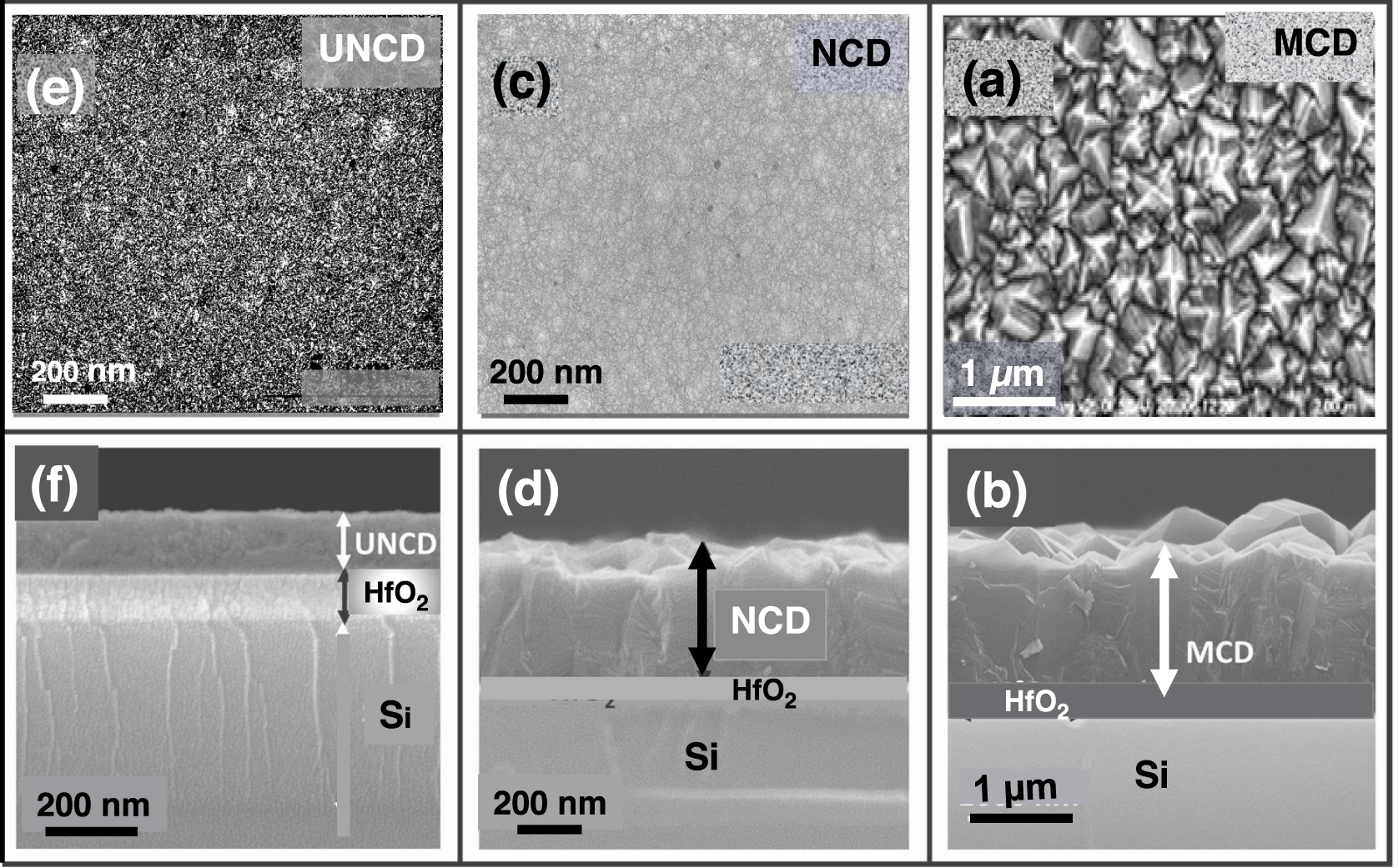
Diamond films (coatings) have been grown since 1980s, exhibiting different microstructure, surface morphology, and mechanical/chemical/electrical properties. Early R&D, focused on growing and characterizing properties of diamond films with different structures. Valuable information was obtained on the physical [1,2], chemical [1,3], and structural [1,4,5] properties of Single Crystalline Diamond (SCD), Microcrystalline Diamond (MCD), with ≥ 1 micron size grains, and Nanocrystalline Diamond (NCD), with ~10 – 900 nm grain sizes) films, grown by different processes [6-12]. SCD, MCD and NCD films were grown by Microwave Plasma Chemical Vapor Deposition (MPCVD) and Hot Filament Chemical Vapor Deposition (HFCVD) techniques. Substrates’ surfaces are chemically treated by a process, involving embedding diamond micron or nanoparticles on the substrates’ surface, mainly by immersing substrates in diamond particles/alcohol-based solution, in a sonicator system. Ultrasound waves shake diamond particles, embedding them on surfaces, as “seeds” to nucleate/growth diamond films’ [1-12]. Following seeding, the MPCVD / HFCVD processes, involve hydrogen-rich chemistry (H2 (99%)/CH4 (0.1%)) gas mixture flow, growing MCD (≥ 1 µm grains) films (coatings) [10-12] and (H2 (96%)/CH4 (4%)) gas mixture, yielding NCD (10-100 nm grains) films (coatings) [10-12]. The MCD/NCD coatings grown on diamond particles seeded surfaces, exhibit low nucleation density (< 1010/cm2) [10]. The MCD coating surface gets rougher, exhibiting highly faceted morphology with Root Mean Square (RMS) roughness of ~10% of coating thickness. Alternatively, when very high nucleation densities are achieved (> 1012/cm2), using new optimized seeding [13] and CH4 (~4%) gas flow, relatively smooth, high-quality NCD coatings can be grown [10,12], at temperatures in the range 700-900°C [10-12]. The growth process related to the H2/CH4 chemistry is driven by CH3 radicals’ interaction with substrate surface, resulting in Carbon (C) atoms binding to each other, with diamond sp3-type bond, on the substrate’ surface. Initial R&D, performed to grow MCD/NCD coatings, involved large proportion of H2 (99%) gas flow, because large amount of atomic H species, created in the plasma, were observed to preferentially etch the impurity graphitic phase observed, jointly with the diamond phase. However, H atoms also etch the diamond phase induced in initial diamond nanograins, although at lower rate than for graphite. This effect yields only large diamond grains (≥ 1 µm), as nucleating diamond nanograins are joining to induce the grain growth. These grains are much larger than for the UNCD films described in this review (Figure 1a,b). The MPCVD/HFCVD growth process, described above, exhibits high residual compressive stress, poor intergranular adhesion, and very rough surfaces [1,10-12], demonstrating that MCD coatings are not suitable for producing MEMS/NEMS structures with smooth surfaces, sharply defined geometries, and low coefficient of friction [10-12].
New R&D, involving (H2(96%)/CH4 (4%)) gas mixture flow, resulted in NCD coatings (20-900 nm grains), exhibiting smoother surfaces than MCD coatings, although with increased non-diamond sp2 C atoms bonding at grain boundaries [10-12,14]. Following the early growth of NCD coatings, a new process was developed to grow NCD coatings, using a tailored “new nucleation process” (NNP) [13] with 1012 nuclei/cm2 for NCD films grown on silicon (Si). The NNP process involves exposing a cleaned Si surface, heated to 750°C, for 30 min., to a plasma produced by 800 Watts of power, created in a 2.45 GHz MPCVD system. The plasma was produced by flowing H2 (900 sccm/)/CH4 (7 sccm) gas mixture, producing 15 Torr pressure in the chamber, for 30 minutes. The Si wafer was subsequently treated in an ultrasonic bath with methanol or ethanol solutions containing diamond nano-powder (4-10 nm). The NNP seeded Si wafer was subsequently exposed to a plasma in the same MPCVD system, created by flowing the same H2/CH4 gas mixture flow, described above, and using 1.5 kW, for 30 minutes. The NCD coatings exhibited RMS roughness of 3.3 nm on the top side and 0.3 nm at the interface with the Si substrate, but only for coating thickness of ~ 60 nm over a very small 1 μm2 imaged area [15]. The problem observed for the NNP-based NCD coatings was that the grain size starts increasing substantially as the coating thickness increase above ~100 nm [15].
All coatings grown with the H2/CH4 chemistry revealed grain sizes in the range 20-900 nm for NCD to ≥ 1 µm for MCD coatings [10-12] (Figure 1), demonstrating the limitation of this chemistry to getting coatings with grains ≤ 10 nm, as shown in (Figure 1e,f) for the UNCD coating, which is the main theme in this review.
The MCD and NCD coatings, exhibit properties not suitable for the technological applications relevant to the main topic of this review, focused on describing materials science and technological application of the UNCD coating. In relation to this topic, MCD coatings exhibit high residual compressive stress, poor intergranular adhesion, and very rough surfaces (Figures 1a,b). Therefore, MCD films are not well-suited, for example, to produce MEMS/NEMS structures with smooth surfaces and sharply defined geometries. In addition, MCD films exhibit high coefficient of friction, due to high roughness, making them inappropriate for applications as coatings on mechanical pump seals/bearings and prostheses (e.g., hips, knees and others), to reduce the high friction of metals-based products, all requiring low coefficient of friction. In relation to NCD coatings, grown with the H2/CH4 gas chemistry, the NCD structure is produced only when the coating thickness is limited to < 100 nm [15]; while thicker coatings show grain size enlargement, columnar structure, and increase in surface roughness, inducing similar properties as for MCD coatings, although relatively smaller. In this sense, NCD coatings, definitely, are not competitive with the properties of the UNCD coatings described in Section 2.
Materials Science and Methods
UNCD coatings growth via MPCVD microwave excitation of Ar/C60 fullerene molecules forming plasma
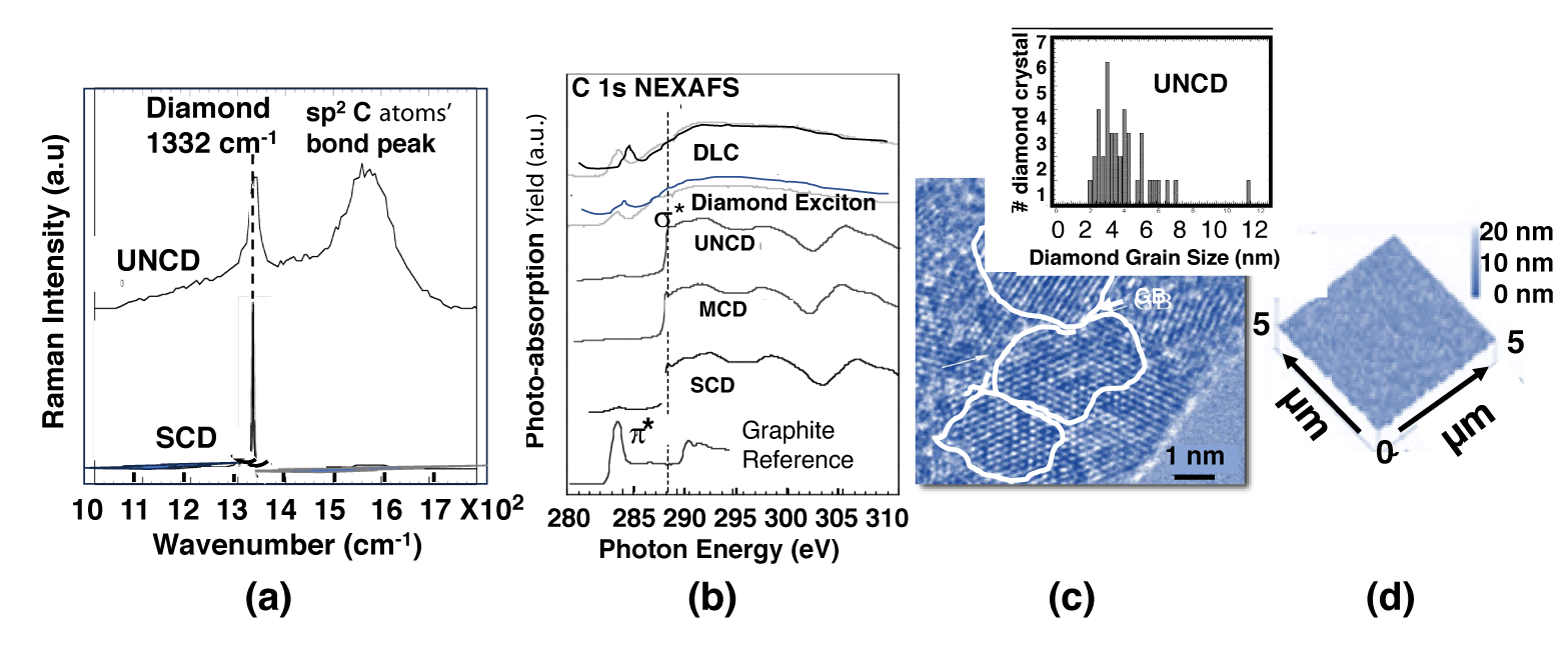
The first materials science breakthrough, providing the pathway to growing UNCD coatings (3-5 nm grains), is related to using a source of C atoms without any presence of H in a plasma, as described for growth of MCD/NCD coatings in the Introduction. The H-free growth process involved flowing Ar gas through an oven heated to ~900°C, evaporating C60 fullerene molecules from powder. The Ar gas flow trapped C60 fullerene molecules (Figure 2), carrying them into an air evacuated MPCVD chamber, where microwave power coupled to the Ar/C60 gas mixture induced cracking of C60 molecules. The cracking of the C60 molecules produced C2 dimers (C=C linked atoms), which upon landing on heated (700-800°C) substrates released C atoms, forming sp3 diamond-type chemical bonds, resulting in the growth of UNCD coatings (3-5 nm grains) (Figures 2,3) [17]. The grains exhibit the diamond lattice (Figure 4) [17]. The nanograins are linked through grain boundaries with C atoms, exhibiting sp2 bonding, but NOT in a graphite-type structure. Confirmation of no graphite impurity structure in UNCD coatings was obtained via Near Edge X-ray Absorption Factor Spectroscopy (NEXAFS) analysis (Figure 6) [17] (Figure 4b) of UNCD films and graphite, showing that the UNCD films exhibit the σ* diamond exciton and no π* exciton characteristic of graphite.
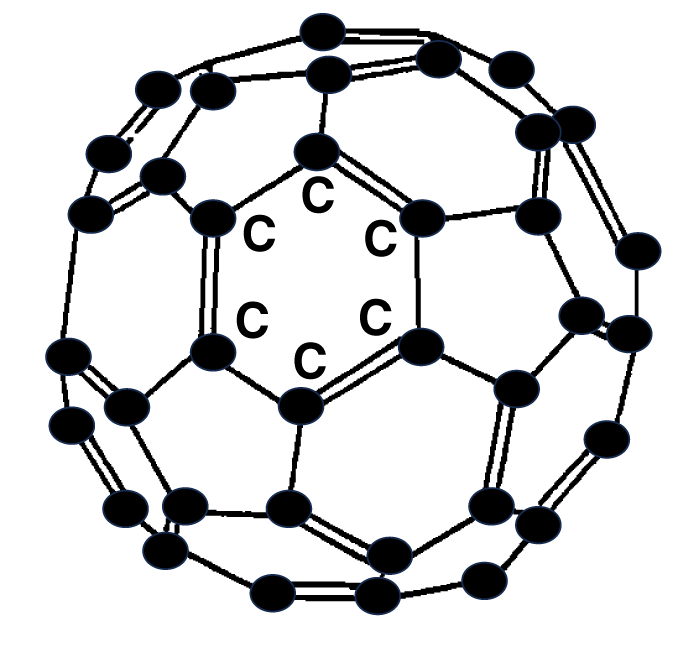
The C60 fullerene molecule was discovered in1985 by Kroto / Smalley / Curl, Jr. (1996 Nobel Prize Winners in Chemistry for this discovery [16]) A detailed review of the MPCVD-Ar/C60 flow process to grow UNCD coatings was published by Gruen DM [17], a lead scientist in a group involving other two main scientist (Auciello / Krauss), exploring the growth of UNCD coatings, via MPCVD-Ar/C60 -based process [11,12,17], demonstrated in the early 1990s.The problem with the MPCVD-Ar/C60 process was that it was too expensive (several thousand dollars for very small amount of marketed C60 molecules) to produce UNCD coatings for industrial applications. In addition, heating C60 fullerene powder to ~900°C, to produce C60 molecules in the gas phase, carried by Ar gas flow into a clean vacuum system, resulted in carbon soot generated in the oven, carried into the clean vacuum system where the UNCD coatings were grown
UNCD coatings growth via low-cost MPCVD microwave-induce Ar/CH4 plasma generation
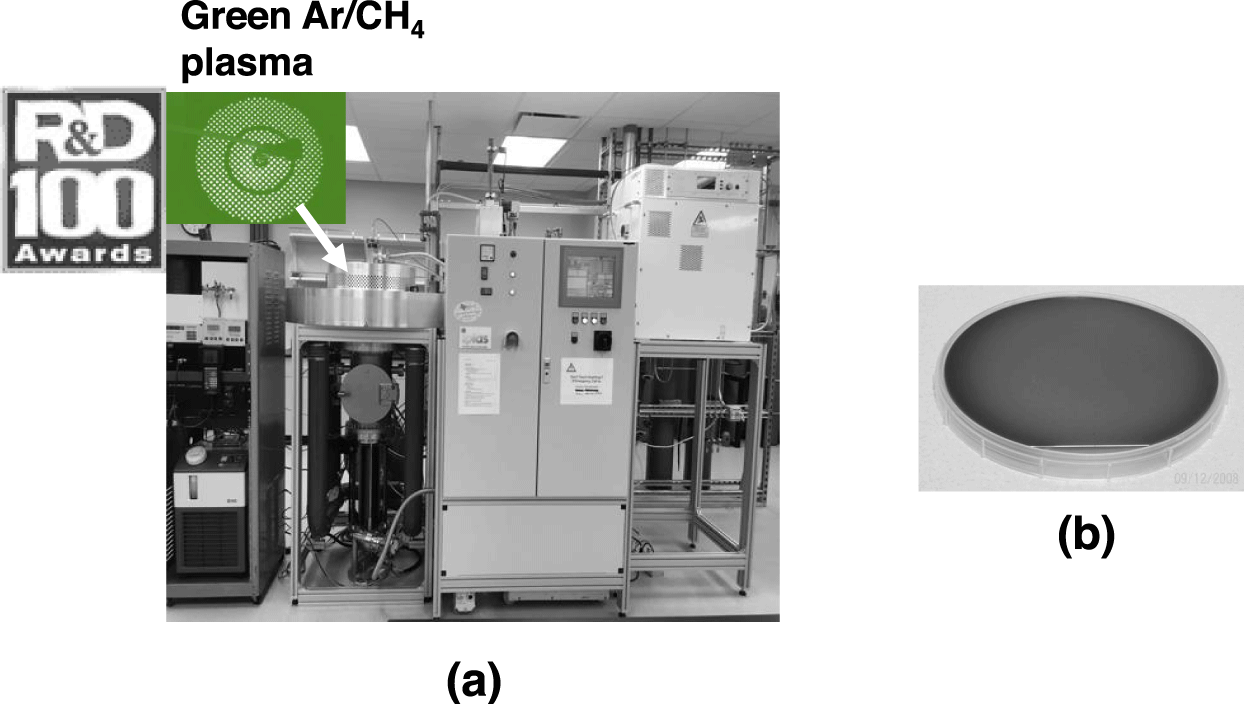
The second materials science breakthrough, providing an alternative pathway to growing UNCD coatings (3-5 nm grains), involved using a MPCVD plasma process, based on initial use of a patented Ar(99%)/CH4(1%) gas flow with no H2 flow in the system [11,17,18]. In recent years, an extremely small H2 gas flow (≤ 1 %) was included in the gas mixture. A key fundamental plasma science issue demonstrated, using the transformational Ar/CH4 plasma chemistry, was achieved via In situ/real-time optical emission spectroscopy imaging of the MPCVD plasma. The Plasma emission spectrum showed the formation of carbon dimers (C2), produced by cracking of the CH4 molecules in the plasma (the observed green color plasma figure 3 (a)/top left insert) is from light emission from excited C2 dimers (C=C). The CH4 decomposition, can be expressed by equations (1) and (2) below:
2CH4 → C2H2 +3H2 (1)
C2H2 → C2 + H2 (2)
The Ar (99%)/CH4(1%) plasma induces formation of a mixture of C2 dimers and CHx (x = 1,2 and 3) molecules. Modeling, predicted, and experiments confirmed, during the development of the UNCD coating process, that C2 dimers exhibit low activation energy (~6 kcal/mol) for efficient nucleation and growth of UNCD coatings on substrates. On the other hand, more recent modeling proposed that although C2 population in the plasma is high, near the surface may be lower, although not confirmed experimentally. Latter modelling suggested that radicals (e.g., CH3, C2H2) may also contribute to UNCD films’ growth [19]. However, the model [19] is related to the grow of diamond films produced by MPCVD, using a mixture of Ar∕CH4∕H2 gases, which does not produce the unique UNCD structure (3-5 nm grains) grown by MPCVD with the Ar/CH4 chemistry [11,17,18]. In addition, the model presented in [19] could not explain the low temperature growth of UNCD films as demonstrated for UNCD film growth at ~ 400°C [20,21]. Clearly, more experimental and modeling studies are needed. Regardless of the mechanism, the distinctive characteristic of the UNCD film growth process is that the plasma contains very small quantities of H atoms. The small amount of H atoms in the plasma arise mainly from the thermal decomposition of methane to acetylene in the plasma (about 1.5%) and eventual addition of extremely small amount of H2 (≤ 1 %). The MPCVD process is implemented in small research and most importantly industrial-type systems, like the ones operating in Auciello’s group laboratory at UTD and company OBI-México (Figure 3a). The industrial-type MPCVD system, shown in figure 3a, grows UNCD, NCD, and MCD films on up to 200 mm diameter substrates (Figure 3b), with outstanding uniformity in thickness (~1%) and nanostructure. All UNCD films, grown by the early MPCVD process, involved “seeding the substrates surfaced with 3-5 nm diamond particles, using the process described in the Introduction.
The UNCD coatings grown by MPCVD microwave-induced Ar(99%)/CH4(1%) Plasma generation were characterized using complementary materials characterization techniques, namely:
- Raman analysis (Figure 4a).
- X-ray Synchrotron Near Edge X-ray Absorption Factor Spectroscopy (NEXAFS) (Figure 4b).
- Scanning Electron Microscopy (SEM) (Figure 1e,f).
- High Resolution Transmission Electron Microscopy (HRTEM) (Figure 4c).
- Atomic force microscopy (Figure 4d).
A key issue in the Raman analysis, performed using an UV laser (325 nm wavelength) was the appearance, in the UNCD spectrum, of the broad peak at ~1550 cm-1 (Figure 4a) which corresponds to sp2 C atoms bond, observed generally in the graphite structure. However, the hypothesis by Auciello, et al. [11] was that the sp2 C bonds were related to dangling open bonds of C atoms in the UNCD grain boundaries, and not related to impurity graphite phase mixed with the diamond phase of the UNCD grains. This hypothesis was confirmed by performing NEXAFS analysis in the X-ray Synchrotron at Berkeley, The NEXAFS analysis showed clearly that spectra from analysis of SCD, MCD, and UNCD are identical, defined by the σ* diamond exciton, and no evidence of the π* peak characteristic of graphite (Figure 4b).
HRTEM imaging of UNCD films revealed grain sizes of 2-5 nm (Figure 4c), including inserted spectrum of measured grain sizes). High resolution AFM (Figure 4d) revealed that the surface roughness of the UNCD films exhibits dimensions like grain sizes in the bulk of the coating.
The MPCVD process, based on the patented Ar (99%)/CH4(1%) Plasma [18], optimized by Auciello, et al. [11]. in recent years, provided the bases for developing the HFCVD process, based on the Ar/ CH4 chemistry and subsequently a H2/CH4 chemistry, all as described in Section 2.3.
UNCD coatings growth via low-cost HFCVD-induced cracking of CH4 molecules
Early research in Auciello’s laboratory, focusing on growing UNCD films via HFCVD, trying to reproduce the UNCD films growth by the MPCVD process, described in Section 2.2, exhibited grain sizes in the range 20-100 nm (NCD) (Table 1). A detailed reading of the published articles on HFCVD early growth of PCD films (Table 1) shows that no systematic analysis of the HFCVD processes on growth of UNCD films, may have been done. Specifically, as shown in table 1, there are critical parameters that need to be considered to grow UNCD films by HFCVD, namely:
| Table 1: Summary of best properties observed for NCD films produced by the HFCVDF process. | ||||||||
| Gas mixture (%) | Filament material/ geometry | Filament/ Substrate Temp(°C) | Filam./Subs distance (mm) | Diamond Seedssize (μm) | Press. (Torr) | Diamond grainssize (nm) | Analysis technique | Ref. |
| CH4-1/H2-99 | W(straight) | 2320/(Si)850 | 20 | 1 | 20-30 | 300 | SEM/Raman | [22] |
| CH4-2.5/H2-97.5 CH4-0.5/H2-99.5 | W(4 filam.) | 2200/(Si)550 | 5 | 0.250 | 7 | 20-50 70-200 | SEM/XRD/Raman | [23] |
| CH4-1/H2--99 | W(4 filam.) | 2100/(Si)850 | 8 | 40 | 1.1 | 40-80 | SEM/XRD/AFM/Raman | [24] |
| CH4-1/H2-2/Ar-97 | Ta coil (2 cm long) | 2400/(Si)850-900 | 5 | 1-3 | 100 (high) | 100-1000 | SEM/XRD/AFM/Raman | [25] |
| CH4/H2-3/Ar-97 | Ta coil | 2400/(Si)870 | Noreport | 1-3 | 60 (high) | 20-50 | SEM/TEM/XRD/Raman | [26] |
- The filament to substrate distance.
- The Ar/CH4/H2 gas mixture.
- The total gas pressure in the growth chamber.
- The substrate temperature.
The data show in table 1 suggests that the combined control of filament to substrate distance and total gas pressure in the growth chamber may be critical to grow UNCD films, as is described in Section 2.3.
A critical parameter, not shown in table 1, is related to the molecular component C2 dimer, revealed in detailed optical emission spectroscopy studies of Ar(99%)/CH4(1%) MPCVD plasma process, which revealed that the C2 molecule may play a critical role in nucleation and major contribution to growth of UNCD films [11,12,17,18]. Related to this concept, it is relevant to discuss published optical emission spectroscopy studies in HFCVD growth process (Figure 5) [26], which revealed that a + 100 V bias on the substrate in front of the filaments, induced the formation of a plasma around the filaments. The optical emission spectrum from a CH4/H2 plasma, showed Hα and Hb emission peaks only. Alternatively, Ar gas addition to the gas mixture produced a green plasma, like observed in MPCVD growth process of UNCD films, which revealed that emission form C2 dimers relates to the green color. The presence of these molecules is characterized by C2 swan bands ~ 468.0, 516.5, and 563.5 nm, dominant for 95.5% Ar concentration (Figure 5 ) [26], near to 99% used in MPCVD growth of UNCD films.
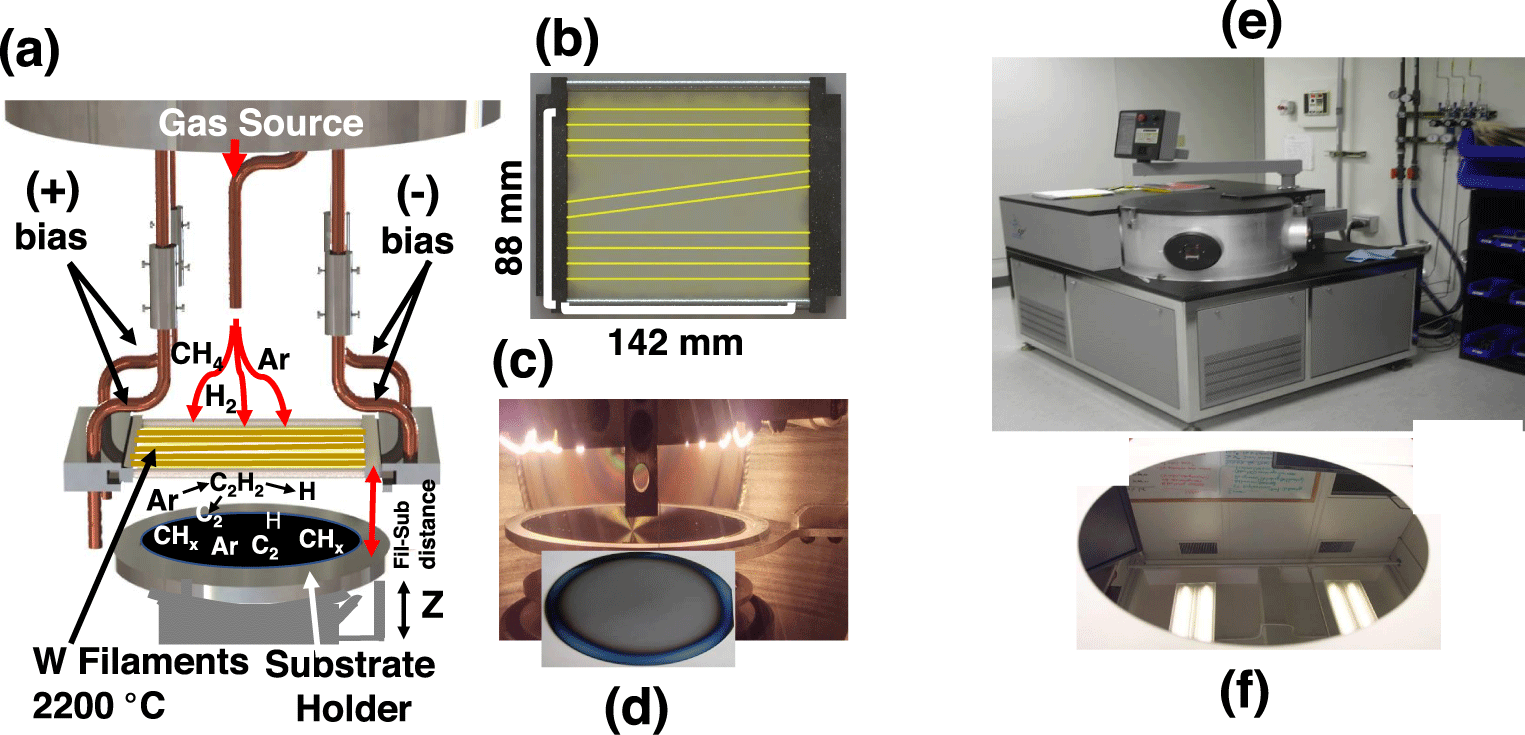
Based on the information presented above, Auciello’s group performed a series of systematic studies focused on investigating the role of Ar gas combined with CH4 and H2 gas flows to produce HFCVD-based growth of UNCD films (3-5 nm grains) [27-31]. The research-type HFCVD system, used for growing UNCD films, involved an array of 10 W filaments (ø = 0.25 mm, length ~14.2 cm) held on a Molybdenum (Mo) frame (Figure 5b) [31], positioned 3 cm above the substrate holder (Figure 5a,c). Substrates were located on a metal disk, rotated during film growth to induce film thickness uniformity on up to 100 mm diameter substrates (Figure 5d) [31]. The filaments were heated to ~ 2200°C via AC current. The optimized mixed gases flow, for growing UNCD films, was CH4 (2)/H2 (10)/Ar (90) sccm, with 10 Torr total pressure in the film growth chamber. The geometry of the HFCVD, and specifically the filament arrays, induced a uniform distribution of C and H atoms, produced via cracking of the H2, CH4 gases impacting on the hot filaments’ surface (Figure 5a).
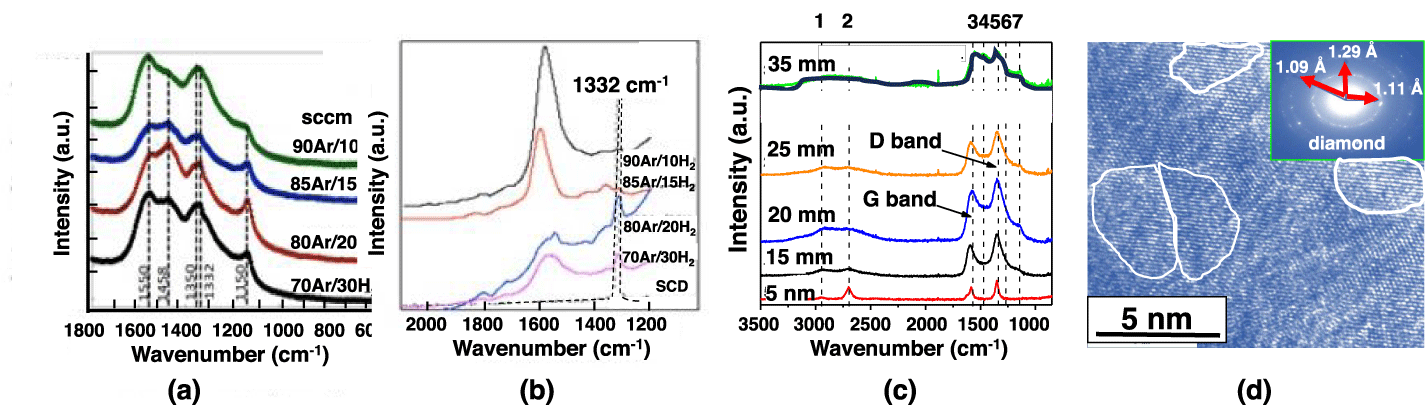
R&D was performed in Auciello’s laboratory, to develop a process enabling future scaling to large area UNCD coatings for high-tech and medical devices, using HFCVD process. The R&D project involved an array of 10 W filaments (Figure 5a,b) heated to 2200°C via AC current. Several Ar/ H2 gas mixture ratios, keeping CH4 flow at 2 sccm, were investigated to determine the optimum gas flow to grow UNCD coatings (see Raman analysis, a key technique to characterize chemical bonds of C atoms in the coatings, in figure 6a-c. The pressure in the growth chamber was kept at 10 Torr (1.3 kPa) during coatings’ growth. The UNCD growth process and characterization of chemical bonding of C atoms in the films were performed using Raman and X-ray Photoelectron Spectroscopy analysis [27-30].
A key development of the HFCVD process, to grow UNCD coatings, is that is has already been implemented in producing UNCD coatings, using the industrial HFCVD system shown in figure 5e, with capability for growing extremely uniform UNCD coatings, at low cost, on up to 50 x 50 cm area (see for example UNCD-coated 300 mm diameter Si wafer in figure 5f. UNCD-coated industrial products (mechanical pump seals / bearings-see figure 7a were first introduced into the world market by Advanced Diamond Technologies (ADT) Company founded by Auciello O and Carlisle JA in 2003, profitable in 2012, sold to large company in 2019), and AFM tips (Figure 7a), all originally marketed by ADT and currently marketed by the company that purchased ADT (http://www.thindiamond.com/).
From looking at the Raman spectra in figure 6a-c, it is relevant to consider a key issue when selecting a Raman technique to analyze NCD to UNCD coatings. The two main Raman analysis techniques involve two main laser beams (532 nm-visible wavelength and 244-325 nm- UV wavelength), which, when impacting on the coating, produce the excitation signals revealing C atoms bonding in the material. In the Raman spectrum from UNCD coatings, produced by the 532 nm laser beam, a broad peak appears at ~1550 cm-1, which has been defined as a G-band, but an additional broad band appears around 1350 cm-1, referred to as the graphite D band. It has been demonstrated that the intensity of this broad peak is inversely proportional to the crystal size. Although the appearance of this feature was attributed to the breakdown of the q = 0 selection rule, it took systematic work to determine that the D-band can be taken as a clear indication for the existence of aromatic sp2 rings, whereas the G-band can arise from sp2 carbon in both rings and chains.
Modeling of Raman analysis [32] of NCD and amorphous carbon showed that the intensity of the characteristic 1332 cm-1 diamond Raman peak line is strongly reduced in intensity, or even absent, while the D- and G-band lines dominate the Raman spectra, when using visible laser beams, as shown experimentally in figure 6a,c. In addition, two other peaks appear at ~1150 cm-1 and ~1480 cm-1. The Raman spectra peaks’ changes vs. reduction in grain size, are interpreted in view of the knowledge that in the visible range diamond induces a weak Raman scattering effect due to its large electronic band gap of 5.5 eV. By contrast, the visible laser efficiency to excite atoms with sp2 bonds, located mainly in grain boundaries of NCD / UNCD coatings, are higher by about two orders of magnitude. Thus, the Raman spectra of NCD and UNCD films are dominated by emission from the grain boundaries, even though they occupy ≤ 5% of the material. The dominance of the sp2 peaks is further enhanced due to diamond being transparent to visible light, while areas with sp2 carbon atoms bonding has a high absorption coefficient. The presence of sp2 carbon atoms bonding in the extensive network of grain boundaries in NCD/UNCD films reduces the volume accessible to the laser radiation, resulting in a strong reduction in the diamond peak intensity in the visible Raman.
Because of visible Raman analysis limitations in identifying the diamond peaks in NCD and UNCD films, UV-Raman (244 nm wavelength laser beam) was performed on those films, as well as on single crystal diamond (SCD) for comparison [27]. The UV Raman spectra for NCD and UNCD films are significantly different (Figure 6b) than the visible Raman spectra for similar films, shown in figure 6a,c. The sharp diamond peak at 1332 cm-1 can be seen for the NCD films produced with Ar (70 sccm)/H2 (30 sccm)/CH4 (2 sccm) and Ar (80 sccm)/H2 (20 sccm)/ CH4 (2 sccm) flows. The 1332 cm-1 peak gets smaller for NCD film grown with Ar (85 sccm)/H2 (15 sccm)/ CH4 (2 sccm) and is practically not visible for the UNCD film grown with Ar (90 sccm)/ H2 (10 sccm)/ CH4 (2 sccm) (Figure 6b). The reduction in intensity of the 1332 cm-1 diamond peak for NCD films and practical disappearance for UNCD film, correlate with the reduction of grain size with relatively larger band gap due to quantum confinement [33], in agreement with the grain size measured by HRTEM [27] (Figure 6d) and AFM analysis in figure 1, [33].
In summary, HFCVD provides an excellent large-scale process to grow uniform UNCD coatings on large areas, at low cost, which is critical to insert UNCD-coated industrial products, high-tech devices and medical devices and prostheses, as described in Section 3.
MPCVD and HFCVD bias enhanced nucleation/bias enhanced growth (BEN-BEG) of UNCD coatings
The extensive R&D to develop the MPCVD and HFCVD growth processes for growing UNCD films, involving the chemical “seeding” process with NCD particles (see Sections 2.2. and 2.3), provided the bases for exploring a new transformational UNCD film growth process, eliminating the “seeding” step. The new UNCD film growth processes investigated, involved biasing semiconductor and metallic substrates with a + voltage (+ electric field), to explore a process defined as Bias Enhanced Nucleation-Bias Enhanced Growth (BEN-BEG) [34-37]. Initial experiments revealed a relevant parameter (evolution of electron emission current from the + bias substrate surface, during film nucleation), rising from practically zero (0) to stable value once the film was nucleated (Figure 1.9a) [31]. Experiments revealed that stable electron emission current during the NCD-BEN step changed from ~ 82 mins. for a CH4/H2 gas ratio (3 %) to ~ 10 mins. for a CH4/H2 gas ratio (15%) [35]. In addition, the electron (e) mission current changed from zero to steady state in about ~ 70 mins, for a total gas pressure of 40 Torr, to ~ 10 mins. for a total gas pressure of 55 Torr [35]. Another key parameter (plasma power) induces the smallest change in the time for electron emission current stabilization, from ~ 30 mins for 1000 Watts to ~ 6 minutes for 1500 Watts. The reported research [34-37] indicated that concentration of C+ - and H+ ions contained in the plasma provides another critical parameter for the BEN-BEG process.
The initial R&D performed by Auciello O, et al. [11] to develop a BEN-BEG process to grow UNCD films. Involved using the MPCVD process, including several steps, namely:
- Etching of the natural SiO2 layer on the surface of a 100 mm Si (100) substrate, for 10 minutes, in a pure H-based plasma, biasing the substrate with -350 V.
- In situ BEN-BEG, using a H2 (93%)/CH4 (7%) gas mixture flow, to induce formation of H0 atoms / H+ ions in the plasma to prevent formation of impurity graphitic phase, frequently growing concurrently with the diamond phase when growing NCD films [35].
UNCD films grown by the BEN-BEG process, involved a plasma produced by 2.2 kW microwave power at low 25 mbar pressure and −350 V bias on a substrate heated to 850°C in a 2.45 GHz 6 in. IPLAS CYRANNUS MPCVD system [37]. The BEN-BEG process yielded UNCD films with low stress, smooth surfaces (~ 4-6 nm), high growth rates (~1 µm/hr) and uniform grain size (3-7 nm) throughout the whole film area on 100 mm diameter Si wafers (Figure 1.9,1.10) [37]. The UNCD coatings grown using the BEN-BEG process exhibit Raman spectra, surface morphology, via SEM analysis, and grain sizes, via HRTEM imaging, identical to UNCD films grown, using the diamond nanoparticles seeding process described in Section 2. Detailed description of the R&D done on the BEN-BEG process for growing UNCD coatings can be found in References [31,34-37].
Technological Applications of UNCD Coatings
Industrial products
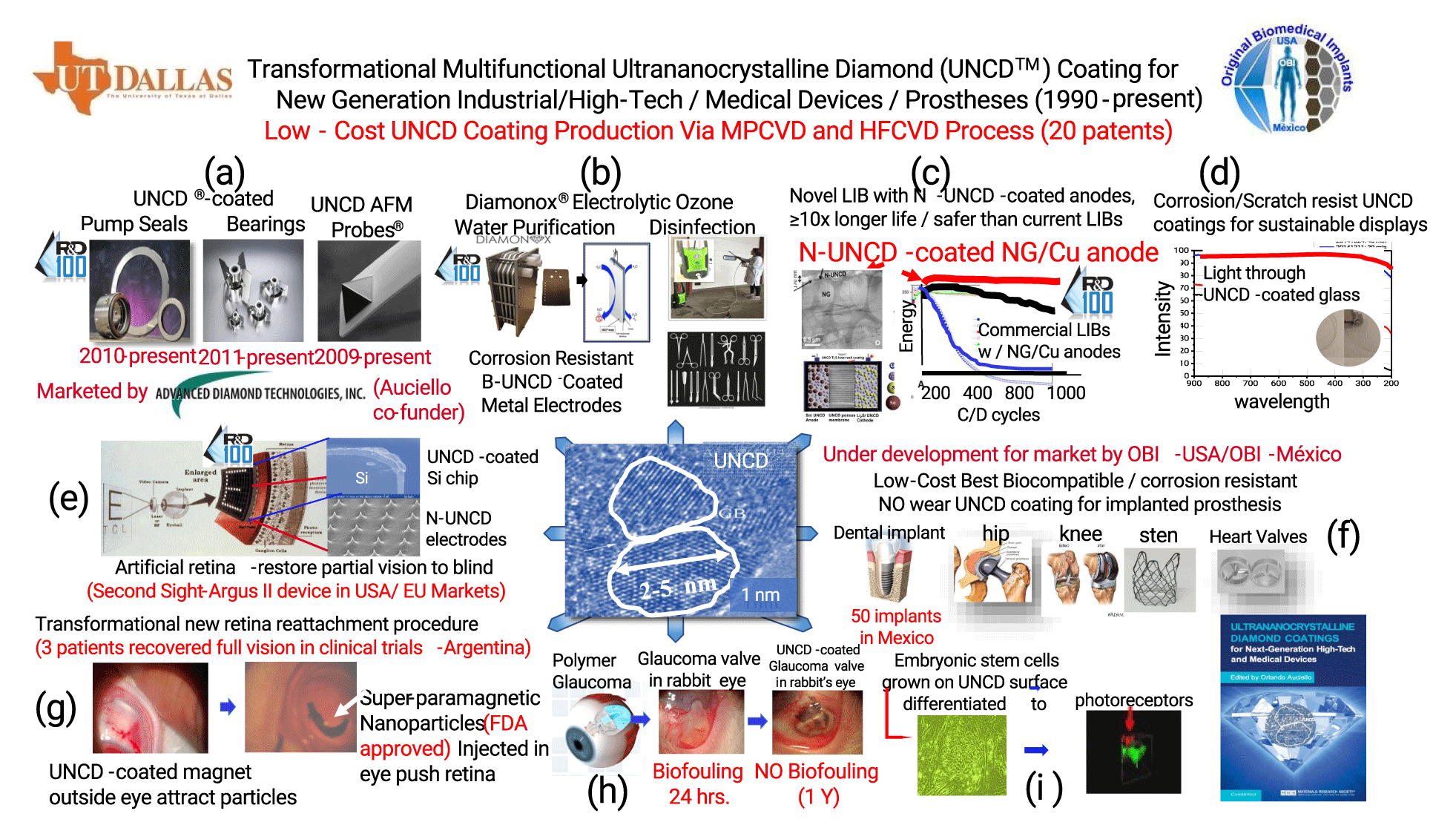
UNCD coated mechanical pump seals and bearings (Figure 7a) left are currently in the worldwide market, initiated by Advanced Diamond Technologies (ADT), co-founded by Auciello and Carlisle in 2003, profitable in 2014, sold to large company in 2019, still marketing the industrial products, described above, initiated by ADT (http://www.thindiamond.com/).
Hight-tech products
- UNCD-coated AFM tips (Figure 7a) right are also in worldwide market, initiated by ADT. The UNCD-coated tips do not have any mechanical and or chemical-induced degradation, observed in Si and metallic tips, which makes necessary to change Si/metallic tips extremely frequently because they lose the nanoscale sharpness rapidly, needing extensive replacement.
- Metallic electrodes coated with unique patented/transformational/water corrosion resistant/ electrically conductive Boron (B) doped B-UNCD have been demonstrated to produce Ozone (O3) molecules, via reaction of H2O and O (Figure 7b) left on the surface of the B-UNCD coating, by passing electrical current between two B-UNCD-coated electrodes. The O3 molecules kill viruses, bacteria, fungi, mold, pathogens, protozoa, cysts, algae and yeasts, purifying water for drinking in 5-10 minutes (Figure 7b) left and producing disinfection of surgical instruments and system (Figure 7b) right.
- Unique electrically conductive / Nitrogen grain boundary incorporated N-UNCD coating on commercial Natural Graphite / Copper anodes (Figure 7c) left have been demonstrated to enable Li-Ion Batteries (LIBs) with order of magnitude longer stable capacity energy (Figure 7c) right hand safer than current LIBs with NG/Cu anodes. Coating of LIBs cathodes with N-UNCD is also being intensively explored by Auciello’s group.
- Transparent, chemical corrosion / scratch resistant UNCD coating on glass (Figure 7d) have been demonstrated and are under development for new generation of displays for mobile phones and other portable devices that need protection from scratching and corrosion by environmental chemicals.
Biomedical devices and prostheses
Best biocompatible UNCD coating (because made of C atoms-element of life in Human DNA/cells/ molecules) enables new generation of transformational new medical devices / prostheses, namely:
Artificial retina: Si microchip implantable on human retina, receives images from a CCD camera outside the eye, and inject electrons on the ganglion cells, transferred to the brain via ganglion cells axons, forming the optical nerve connected to the brain. Briefly, the human eye receives images via photons in the light electromagnetic signal. The photons excite the photoreceptors, which transform the excitation into electrons, which excite the bipolar cells, which amplify numbers of electrons injecting them into the ganglion cells. These cells, then, send the electrons to the brain, forming images. UNCD-coated silicon - microchip (artificial retina) implantable inside the human eye on the eye’s retina surface (Figure 7e) left, was demonstrated, during a ten-year R&D program (2000-2010) funded by DOE-Bioengineering Division. The R&D focused on developing UNCD coating as an encapsulation layer, covering the whole Si microchip (Figure 7e) right top. The UNCD coating protects the Si material from the demonstrated eye’s fluid-induced chemical corrosion (destruction) of Si chip inside the eye [38]. Because the eye’s fluid corrosion of Si, this microchip cannot be inserted inside the eye, in direct contact with the retina. The UNCD-coated Si microchip would inject electrons, via an array of electrodes (Figure 7e) right bottom, connected to the retina’s ganglion cells on the surface of the retina, facing eye’s fluid, to the brain, returning partial vision to people blinded by genetically induced degeneration of photoreceptors (retinitis pigmentosa). The optimum device technology would be to have the UNCD-coated Si chip implanted inside the eye, on the retina, receiving images via electromagnetic signals. However, due to non-FDA approval yet, to insert UNCD-coated Si chip inside the eye, the Argus II device, currently in the market, returning partial vision to blind people, involves a Si microchip, inserted in a metal cage outside the eye, connected to the retina’s ganglion cells, with polymer encapsulated platinum wires, through the eye’s wall. The Argus II device, marketed by Second Sight, has returned partial vision to about 400 blind people in the USA and Europe since 2011. The potential problem is having wires going through the eye’s wall, which may induce, at some time, infections or other biological problems. Thus, UNCD-coated Si microchips fully implanted inside the eye is the solution to this problem.
UNCD-coated dental implants: Investigated for 5 years via implantation in animals [39] (Figure 7f) left. R&D demonstrated two key materials properties of the UNCD coating on commercial Ti-6Al-4V alloy DIs, which are used in about 90% of DIs in the world market today. UNCD coatings eliminate the chemical corrosion by oral fluids, which induce failure, in the first 4-5 Years after implantation, in about 15-20% of Ti-alloys inserted in people worldwide. In addition, the UNCD coating induce growth of maxillary bone cells, on its surface, orders of magnitude denser and strongly attached than in Ti-alloy surface, because of the C atoms terminated UNCD surface. The extensive growth of bone cells on the UNCD surface makes UNCD-coated Ti-alloy DIs orders of magnitude more strongly attached to the maxillary bone than Ti alloys DIs. Clinical trials, implanting UNCD-coated commercial Ti-alloy DIs in 51 patients since 2018-present [39], demonstrated that UNCD-coated Ti-alloy DIs will provide the superior next generation prostheses.
UNCD-coated artificial metal hips, knees, stents, heart valves: R&D, being performed by Auciello’s group, is focused on developing UNCD-coated metal hips and knees (Figure 7f) middle and metal stents and heart valves (Figure 7f) right, the latter two with the superhydrophobic UNCD surface eliminating failure, sooner than desirable, of current metal stents and heart valves, due to blood cells adhesion on hydrophilic metal surfaces. The superhydrophobic surface of the UNCD coatings eliminates this problem, as demonstrated in recent R&D, coating commercial metal stents and heart valves with superhydrophobic UNCD coating [39].
Transformational new human retina reattachment procedure: It was demonstrated involving a UNCD-coated magnet, temporarily positioned outside the eye (Figure 7g) left, attracting biocompatible super-paramagnetic Fe2O3 particles (approved by FDA), in a biological solution, injected inside the eye to push the retina back to the eye’s inner wall (Figure 7g) right. This new retina reattachment procedure is far superior to the current procedure based on injecting a gas or oil bubble in the eye to push the retina back onto to the inner surface of the retina. The bubble-based retina reattachment procedure inhibits people to fly in a plane for about 8 to 10 months, since people with a gas or oil bubble in the eye cannot be exposed to the pressure in plane. In addition, people with retina’s detachment in the bottom part of the eye, treated with an injected gas or oil bubble, needs to be upside-down for some days because the bubbles flow always up. This required activity results in lower success rate for retina reattachment by the bubble-based process, because patients tend not to follow doctors’ directions of being upside-down for some days.
UNCD Coating with superhydrophobic surface (no cells adhesion) on polymer-based devices to drain eyes- fluid for treatment of glaucoma: Figure 7h left shows a commercial hydrophilic polymer-based glaucoma valve used to drain eye’s fluids from human eyes with clogged natural trabecular eye’s fluid draining tube (glaucoma -2nd human blindness condition worldwide). Because of the hydrophilic nature of the polymer surface, these valves need to be replaced sooner than desirable. The hydrophobic UNCD coating eliminates the current problem of commercial hydrophilic polymer valves cells adhesion (Figure 7h) left. Draining of inner eyes’ fluids is critical to keep inner eye’s pressure stable and avoid blindness, produced by eye’s fluid pressure-induced death of the optical nerve.
Electrically conductive N-UNCD coated scaffolds: provides superior surface for pluripotent stem cells growth (Figure 7 (i)-left) and differentiation into other cells of the human body [(Figure 7i) right, shows first demonstration of pluripotent stems cells grown on electrically conductive N-UNCD scaffold, transformed into retina photoreceptors, via electric field excitation, to eventually replace natural dead photoreceptors, responsible for human blindness by the retinitis pigmentosa condition][40].
Conclusion
This review describes the transformational materials science and film (coating) growth process development to produce the unique multifunctional/low-cost UNCD coating technology, already in the market in industrial products, and under development for new generations of high-tech and medical devices and prostheses. The coating growth process and technological developments are summarized below:
- MPCVD-Ar/C60 process demonstrated, for the first time, the growth of the UNCD (3-5 nm grains) coating. However, it was too expensive (several thousand dollars for very small amount of marketed C60 molecules) to produce UNCD coatings for technological applications at low-cost.
- MPCVD plasma process, based on nano-crystalline diamond particles seeding of substrate surfaces, followed by initial use of a patented Ar(99%)/CH4(1%) gas flow with no H2 flow in the system, and in recent years including extremely small H2 gas flow (≤ 1 %), provided the process for producing UNCD coatings at low-cost for industrial, high-tech, and bioengineering products.
- The HFCVD process, based on substrate surface seeding with nanocrystalline diamond particles, using W filament arrays heated to ~2,200˚C, inducing uniform distribution of C and H atoms, produced via cracking of the H2, CH4 gases impacting the hot filaments’ surface, provided the first large area industrial-type process to grow UNCD coatings on large areas at low-cost.
- Future: optimization of the BEN-BEG process, involving a plasma created in the MPCVD and HFCVD systems, and biasing the substrate with a negative potential to attract C+ and CHx+ ions, for surface implantation, to nucleate and growth the UNCD films, eliminating the extra seeding process described above, thus reducing substantially the cost for industrial-type growth of UNCD coatings.
- Currenty: UNCD coatings are marketed worldwide in UNCD-coated mechanical pump seals /bearings and Atomic Force Microscope tips.
- Future: worldwide marketing of UNCD coatings as Li corrosion resistant electrically conductive Nitrogen-doped N-UNCD-coated anodes for Li-ion batteries (LIBs). The N-UNCD-coated anodes provide LIBs with orders of magnitude superior performance/safer than current LIBs’ anodes.
- Future: water corrosion resistant B-doped B-UNCD coated metal electrodes provide the bsis for water purification systems, via electrical current through electrodes, creating ozone (O3) molecules, killing all bacteria and pathogens.
- Future UNCD coating applications in implantable medical devices and prostheses, inlcude, in order of development;
- UNCD-encapsulated Si microchip (artificial retina) implanted on human retina to restore vision to people blinded by gene-induced death of photoreceptors;
- UNCD-coated commercial Ti-alloy dental implants (demonstrated in clinical trials implantation in 51 patients since 2018-projected for market insertion in 2025-26);
- UNCD-coated metal based stents, hips, knees and other metal protheses;
- UNCD-coated polymer valves for treatment of glaucoma (second blindness condition worldwide);
- UNCD-coated magnet outside eye, attracting super-paramagnetic nanoparticles, injected in human eye, pushing detached retina back to eye’s wall;
- Electrically conductive N-UNCD scaffolds, inducing growth of pluripotent stem cells and differentiation into other human cells to replace death cells in biological treatments.
UNCD coating provides transformational improvement in the way and quality of human life Worldwide.
Acknowledgment
Auciello O, acknowledges organizations, which supported R&D, and scientists and engineers, who made major contributions to the materials science and technological applications of the UNCD coatings, during the last twenty years, as described below
Funding organizations and industries from current to past
Distinguished Endowed Chair Professor Grant from University of Texas-Dallas; SENACYT-Panamá, Department of Energy-Basic Energy Sciences Grants, DARPA Grants, ONR Grants, National Science Foundation Grants, and Industrial funding (Rubio-Pharma-México, UHV-Nanoranch, Samsung, INTEL, Lam, Lockheed-Martin).
Key contributing scientists
Auciello acknowledges the contributions of the three main scientists that jointly with him performed the initial R&D to develop the UNCD coating technology using the MPCVD process, namely: D.M. Gruen, A.R. Krauss, and J.A. Carlisle at Argonne National Laboratory (1990-2012). Auciello acknowledges the contributions to the R&D related to the development of the HFCVD technique and applications to grow UNCD films for different applications, namely: P. Gurman, E. de Obaldia, J.J. Alcantar-Peña, E. Fuentes, P. Tirado, M.J. Yacamán, M.J. Arellano-Jimenez, J. Montes-Gutierrez, A. G. Montaño-Figueroa, D. Villareal. Auciello acknowledges key scientist who contributed to the R&D to develop new medical devices, prostheses and medical treatments, namely: P. Gurman, K. Kang, G. L. Chávez, D. G. Olmedo, B. Shi, D. R. Tasat, M. Saravia, Y. Tzeng, R. Zysler,
References
- Spitsyn BV, Bouilov LL, Derjaguin BV. Vapor growth of diamond on diamond and other surfaces. J Cryst Growth. 1981;52:219-226. doi: 10.1016/0022-0248(81)90197-4.
- Matsumoto S, Sato Y, Tsutsumi M, Setaka N. Growth of diamond particles from methane-hydrogen gas. J Mater Sci. 1982;17:3106-3112. doi: 10.1007/BF01203472.
- Matsumoto S. Development of CVD diamond synthesis techniques. Proc. of 1st symposium on diamond and diamond-like films. Electrochem Soc Proc. 1989;50:89.
- Hirose Y, Kondo N. Program and book of abstracts. Japan Appl Phys Spring Meeting Proceedings. 1988.
- Kamo M. Sato Y, Matsumoto S, Setaka N. Diamond synthesis from gas phase in microwave plasma. J Cryst Growth.1983;62(3):642-644. doi: 10.1016/0022-0248(83)90411-6.
- Matsumoto S., Chemical vapor deposition of diamond in RF glow discharge, J. Mater. Sci. Lett., 1985, 4(5), 600-602.
- Dischler B., Wild C., Low-pressure synthetic diamond: Manufacturing and applications. Heidelberg. Springer. 1998.
- Bachmann PK, Hagemann HJ, Lade H, Leers D, Weichert DUH. Wilson H, Fournier D, Plamann K. Thermal properties of C/H, C/H/O, C/H/N and C/H/X grown polycrystalline CVD diamond. Diamond and Related Materials. 1995;4:820-826. doi: 10.1016/0925-9635(94)05229-8.
- Sharda T, Bhattacharyya S. Advances in nanocrystalline diamond. In: Nalwa HS, editor. Encyclopedia of Nanoscience and Nanotechnology. California: American Scientific Publishers; 2004.
- Butler J.E., Sumant A.V., The CVD of nanodiamond materials, Chem. Vapor Deposition, 2008, 14, 145-160.
- Auciello O, Sumant AV. Status review of the science and technology of ultrananocrystalline diamond (UNCDTM) films and application to multifunctional devices. Diamond and Related Materials. 2010;19:699-718. doi: 10.1016/j.diamond.2010.03.015.
- Sumant AV, Auciello O, Liao M, Williams OA. MEMS/NEMS Based on Mono, Nano, and Ultrananocrystalline Diamond Films. MRS Bulletin. 2014:39(6):511-516. doi: 10.1557/mrs.2014.98.
- Rotter S. Proceedings of the applied diamond conference/frontier carbon technologies ADC/FCT '99. Yoshikawa M, Koga YCP, Miyoshi K, editors. Tokyo; 1999.
- Kohn E, Gluche P, Adamschik M. Diamond MEMS-a new emerging technology. Diamond and Related Materials. 1999;8:934-940. doi: 10.1016/S0925-9635(98)00294-5.
- Sumant AV, Gilbert PUPA, Grierson DS, Konicek AR, Abrecht M, Butler JE, Feygelson T, Rotter SS, Carpick RW, Surface composition, bonding, and morphology in the nucleation and growth of ultra-thin, high quality nanocrystalline diamond films. Diamond and Related Materials. 2007;16(4-7):718-724. doi: 10.1016/j.diamond.2006.12.011.
- Smalley RE. Discovering the fullerenes. Rev Mod Phys. 1997.
- Gruen DM. Nanocrystalline diamond films. Annual Review of Materials Science. 1999;29:211-259. doi: 10.1146/annurev.matsci.29.1.211.
- Naguib N, Birrell J, Elam JA, Carlisle JA, Auciello O. A method to grow carbon thin films consisting entirely of diamond grains 3-5 nm in size and high-energy grain boundaries. US Patent #7,128,8893. 2006.
- May PW, Harvey JN, Smith JA, Mankelevich YA, Re-evaluation of the mechanism for ultrananocrystalline diamond deposition from Ar∕CH4∕H2 gas mixtures. J Appl Phys. 2006;99:104907. doi: 10.1063/1.2195347.
- Xiao X, Birrell J, Gerbi JE, Auciello O, Carlisle JA. Low temperature growth of ultrananocrystalline diamond. J Appl Phys. 2004;96:2232-2239. doi: 10.1063/1.1769609.
- Carlisle JA, Gruen DM, Auciello O, Xiao X. A method to grow pure nanocrystalline diamond films at low temperatures and high deposition rates. US Patent # 7,556,982. 2009.
- Schwarz S, Rosiwal SM, Frank M, Breidt D, Singer RF. Dependence of the growth rate, quality, and morphology of diamond coatings on the pressure during the CVD-process in an industrial hot-filament plant. Diamond Related Materials. 2002;11:589-595. doi: 10.1016/S0925-9635(01)00702-6.
- Hao T, Zhang H, Shi C, Han G, Nano-crystalline diamond films synthesized at low temperature and low pressure by hot filament chemical vapor deposition. Surf Coat Tech. 2006;201:801-806. doi: 10.1016/j.surfcoat.2005.12.037.
- Liang X, Wang L, Zhu H, Yang D. Effect of pressure on nanocrystalline diamond films deposition by hot filament CVD technique from CH4/H2 gas mixture. Surf Coat Tech. 2007;202:261-267. doi: 10.1016/j.surfcoat.2007.05.032.
- May PW, Smith JA, Mankelevich YA. Deposition of NCD films using hot filament CVD and Ar/ CH4/H2 gas mixtures. Diamond Related Materials. 2006;15:345-352. doi: 10.1016/j.diamond.2005.06.044.
- Lin T, Yu GY, Wee ATS, Shen ZX. Compositional mapping of the argon–methane–hydrogen system for polycrystalline to nanocrystalline diamond film growth in a hot-filament chemical vapor deposition system. Appl Phys Lett. 2006;77:2692-2694. doi: 10.1063/1.1320039.
- Fuentes-Fernandez EMA, Alcantar-Peña JJ, Lee G, Boulom A, Phan H, Smith B, Nguyen T, Sahoo S, Ruiz-Zepeda F, Arellano-Jimenez MJ, Gurman P, Martinez-Pere CA, Yacaman MJ, Katiyar RS, Auciello O. Synthesis and characterization of microcrystalline diamond to ultrananocrystalline diamond films via hot filament chemical vapor deposition for scaling to large area applications. Thin Solid Films. 2016;603:62-68. doi: 10.1016/j.tsf.2015.11.088.
- Alcantar-Peña JJ, Lee G, Fuentes-Fernandez EMA, Gurman P, Quevedo-Lopez M, Sahoo S, Katiyar RS, Berman D, Auciello O. Science and technology of diamond films grown on HfO2 interface layer for transformational technologies. Diamond and Related Materials. 2016;69:221-228. doi: 10.1016/j.diamond.2016.09.010.
- Alcantar-Peña JJ, Montes J, Arellano-Jimenez MJ, Ortega Aguilar JE, Berman-Mendoza D, García R, Yacaman MJ, Auciello O. Low temperature hot filament chemical vapor deposition of ultrananocrystalline diamond films with tunable sheet resistance for electronic power devices. Diamond and Related Materials. 2016;69:207-213. doi: 10.1016/j.diamond.2016.09.010.
- Alcantar-Peña JJ, de Obaldia E, Montes-Gutierrez EJ, Kang K, Arellano-Jimenez MJ, Ortega Aguilar JE, Suchy GP, Berman-Mendoza D, Garcia R, Yacaman MJ, Auciello O. Fundamentals towards large area synthesis of multifunctional ultrananocrystalline diamond films via large area hot filament chemical vapor depal devices. Diamond and Related Materials. 2017;78:1-11. doi: 10.1016/j.diamond.2017.07.004.
- Auciello O, Alcantar-Peña JJ, de Obaldia E, Fundamentals on Synthesis and Properties of Ultrananocrystalline Diamond (UNCDTM) Coatings. In: Ultrananocrystalline diamond coatings for new generation high-tech and medical devices. Auciello O, editor. Cambridge Publisher; 2022. p.1-85. doi: 10.1017/9781316105177.002.
- Ferrari AC, Robertson J. Interpretation of raman spectra of disordered and amorphous carbon. Phys Rev B. 2000;61:14095-107. doi: 10.1103/PhysRevB.61.14095.
- Klauser F, Steinmüller-Nethl D, Kaindl R, Bertel E, Memmel N. raman studies of nano- and ultra-nanocrystalline diamond films grown by hot-filament CVD. Chem Vap Deposition. 2010;16:127-135. doi: 10.1002/cvde.200906827.
- Ding MQ, Krauss R, Auciello O, Gruen DM, Corrigan T, Kordesch ME, Temple D, Palmer D. McGuire G. Studies of field emission from bias-grown diamond thin films. J Vac Sci Tech B. 1999;17:705-709. doi: 10.1116/1.590623.
- Lee YC, Lin SJ, Chia CT, Cheng HF, Lin IN, Effect of processing parameters on the nucleation behavior of nano-crystalline diamond film. Diamond and Related Materials. 2005;14:296-301. doi: 10.1016/j.diamond.2004.10.015.
- Lee YC, Lin SJ, Lin CY, Yip MC, Fang W, Lin IN. Pre-nucleation techniques for enhancing nucleation density and adhesion of low temperature deposited ultra-nano-crystalline diamond. Diamond and Related Materials. 2006;15:2046-2050. doi: 10.1016/j.diamond.2006.09.007.
- Chen YC, Zhong XY, Konicek AR, Grierson DS, Tai NH, Lin IN, Kabius B, Hiller JM, Sumant AV, Carpick RW, Auciello O. Synthesis and characterization of smooth ultrananocrystalline diamond films via low pressure bias-enhanced nucleation and growth. Appl Phys Lett. 2008;92:133113. doi: 10.1063/1.2838303.
- Auciello O. Ultrananocrystalline Diamond (UNCD) films as hermetic/biocompatible/bioinert coating for encapsulation of eye implantable microchip to restore partial vision to blind people. In: Ultrananocrystalline diamond coatings for new generation high-tech and medical devices. Auciello O, editor. Cambridge Publisher; 2022. p.86-106. doi: 10.1017/9781316105177.003.
- Kang K, Auciello O, Olmedo DG, Tasat DR, López-Chávez G. Science and technology of biocompatible Ultrananocrystalline Diamond (UNCD™) coatings for a new generation of implantable prostheses: First application to dental implants and artificial hips. In: Ultrananocrystalline diamond coatings for new generation high-tech and medical devices. Auciello O, editor. Cambridge Publisher, 2022. p.141- 174. doi: 10.1017/9781316105177.006.
- Shi B, Auciello O. Science and technology of novel Ultrananocrystalline Diamond (UNCDTM) scaffolds for stem cells growth and differentiation for developmental biology and biological treatment of human medical conditions. In: Ultrananocrystalline Diamond Coatings for New Generation High-Tech and Medical Devices. Auciello O. editor, Cambridge Publisher; 2022. p.175-196.




Content Alerts
SignUp to our
Content alerts.
 This work is licensed under a Creative Commons Attribution 4.0 International License.
