
Biology Group . 2022 January 12;3(1):031-043. doi: 10.37871/jbres1398.





 Review Article
Mating Behavior and Gonotrophic Cycle in Anopheles gambiae Complex and their Significance in Vector Competence and Malaria Vector Control
Desta Ejeta Fereda*
- Anopheles gambiae
- Gonotrophic cycle
- Malaria
- Mating behavior
- Vector competence
Abstract
Anopheles gambiae complex mosquitoes comprise different morphologically identical species and the most medically important malaria vectors in Africa. Understanding An. gambiae complex mosquitoes’ mating behaviour is a clue for prevention and control of malaria. The factors affecting the mating behavior of An. gambiae complex are age, body size, food finding, type of food, host availability and environmental temperature.
An. gambiae complex passes through different and unique mating strategies. The fundamental mechanisms underlying mating behavior of An. gambiae complex are male aggregation before copulation which is called swarming, finding female and insemination. Male in the swarm detects the wing beat of female with which he mates by auditory system. The wing beat frequencies of opposite sex of the same genetic form simply harmonize indicating possible hybridization while that of different genetic forms do not harmonize. The successive mating behavior of female An. gambiae mosquitoes includes, locating a male among the swarm for cupola, friend selection and storage of sperm.
Successful female An. gambiae complex mosquitoes mating is accomplished by host seeking, blood feeding and digestion, egg development and oviposition. The sequential process of host finding and blood feeding followed by blood digestion and simultaneously egg maturation and accomplished by searching of oviposition site and oviposition is referred to as gonotrophic cycle.
The time period between two successive blood feedings or two successive ovipositions is said to be gonotrophic period. The length of gonotrophic period depends on temperature, number of previous gonotrophic cycle, host and breeding site availability. In addition to population net reproduction of the colony, gonotrophic cycle is also used to estimate female mosquitoes’ age by determining the parity.
Finally, understandings of mating behavior and gonotrophic cycle of An. gambiae complex mosquitoes help in malaria vector control strategies and their vector competence.
Introduction
The Anopheles gambiae sinsu lato which comprises about eight morphologically indistinguishable sibling species [1] includes the most important malaria vectors in Africa [2,3]. An. gambiae complex mosquitoes have different physiological behaviors which determine their mode of existence, reproduction, evolution and even their vector competence. Of these physiological mechanisms, reproduction is a key for perpetuation of life. An. gambiae complex have different mating behaviors which is specific to each sex and sibling species [4]. They undergo sexual reproduction for perpetuation of life and population multiplication [5], thus, this portion of An. gambiae complex biology should receive the highest attention for mosquito control and malaria interventions strategies.
An. gambiae complex mosquitoes undergo specific behavioral mechanisms of mating which are unique for male and females. Optimal mating is accomplished after sexual maturity of male that takes few days after emergence [6]. Swarming in male, swarm locating behavior in females and friend selection are among mechanisms underlying mating behaviors of An. gambiae complex mosquitoes. Male auditory system is very important in mating for identification of female wing beat frequency and species recognition [7,8]. Accordingly, if the same molecular forms of An. gambiae complex mosquitoes of opposite sex are seeking for mate and near to one another, their wing-beat frequencies will be in a harmonic tone. On the other hand, different sibling species of the complex simply do not harmonize [9]. Thus, An. gambiae complex mosquitoes of different genetic forms do not interbreed and give fertile offspring under normal condition.
Factors affecting mating in An. gambiae s.l. include maturity or age, body size, fitness, food type and food finding ability [10,11]. After successful mating, reproduction is guaranteed by three successive biological phases or Beklemischev’s phases [12,13]. Over all process in which female search host, feed, digest blood, develop and lay eggs is called gonotrophic cycle [14]. The length of gonotrophic period is influenced by temperature, gonotrophic history of the female mosquitoes and presence of host and oviposition site [15,16].
Finally, gonotrophic cycle knowledge of An. gambiae complex mosquitoes is used to estimate the age structure which is a key for determination of fecundity and vectorial capacity of female mosquitoes by determination of number of parity [17].
Anopheles gambiae complex mosquitoes
Malaria is one of the most severe diseases with globally about 300 to 500 million cases and one million deaths reported to date, 90% of which were reported from Sub-Saharan African countries [18].
In 2019, an estimated 229 million cases of malaria occurred worldwide, resulting in 409,000 deaths. According the latest information of WHO in 2021 (Figure 1) the indigenous cases in different parts of the world increased.
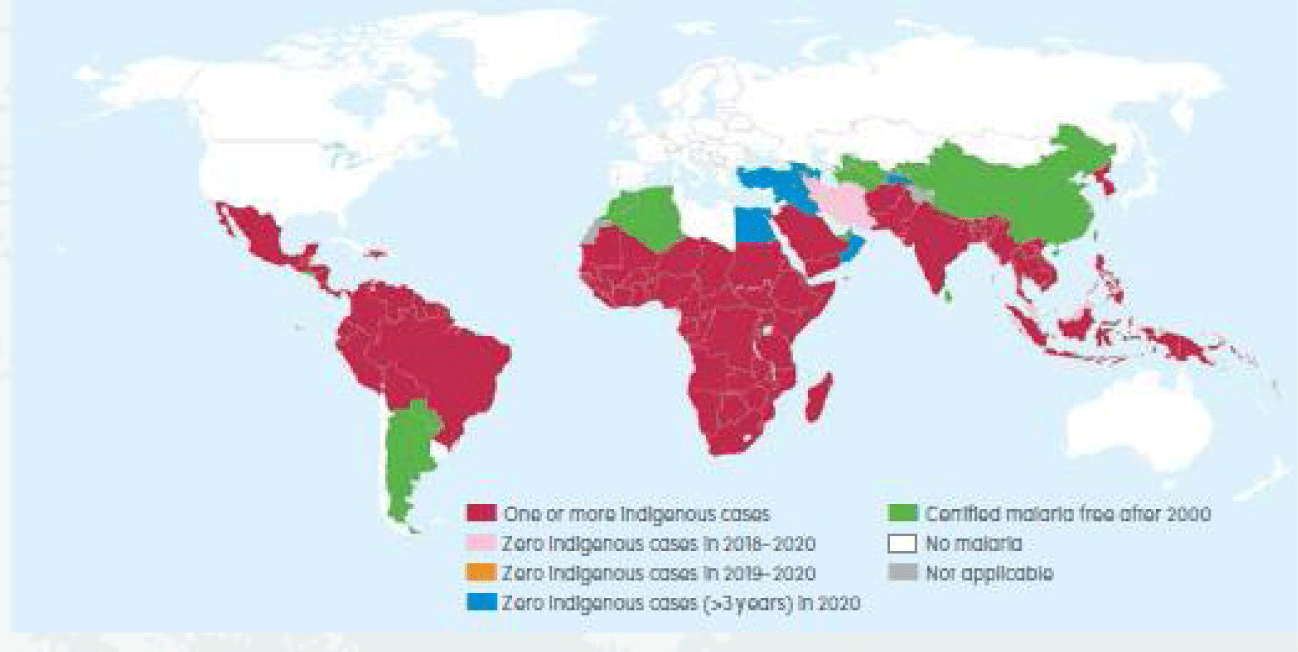
Among other mosquito species, Anopheles gambiae complex has been described as the most medically important insect in the world, accounting for the majority of malaria cases and deaths in African [19] (Figure 2).

An. gambiae complex is in the genus Anopheles mosquitoes with at least eight morphologically indistinguishable sibling species [1,20]. An. gambiae complex also subdivided into different molecular forms based on specific DNA nucleotide difference leading to different chromosomal inversion arrangements and further divisions [21]. The complex includes the two morphologically indistinguishable, sympatric and medically important vectors (An. arabiensis Patton and An. gambiae sensu stricto) of malaria in tropical and subtropical Africa [3,22].
The other three sibling species of An. gambiae complex (An. melas, An. merus and An. bwambae) are minor malaria vectors because of their limited distribution. An. melas distributed in western while An. merus in eastern coastal mangroves of Africa [5]. An. merus are also local in South Africa, and the third An. bwambae, in Semliki Forest of Uganda [23]. Anopheles quadriannulatus species A and B (also called An. amharicus), documented from the south and east Africa respectively, however, they cause no sever threat to public health, owing to zoophily [19,21]. Moreover, though their medical importance is not well documented, taxa on the island of Grande Comore in the Indian Ocean were described as a distinct species, An. comorensis, on the basis of morphological characters [24].
Except An. quadriannulatus A co-occur with An. merus in South Africa, these minor malaria vector subspecies are mutually allopatric but their ranges overlap those of An. gambiae s.s. and An. arabiensis [2]. However, both major malaria vectors (An. gambiae s.s. and An. arabiensis) are extensively sympatric and widespread in Africa [22,25]. Furthermore, An. gambiae s.s. is tentatively split in to five taxonomic units designated by informal zoological nomenclature as chromosomal forms Forest, Bissau, Bamako, Savannah and Mopti. Concerning their ecology, the Forest and Bissau chromosomal forms exist in humid and coastal areas of West Africa and the other three molecular forms (Bamako, Mopti and Savannah) are more adapted to dry environments and often sympatric overlapping distribution of An. arabiensis, the second most anthropophilic member of the complex [26].
Mating behavior in the Anopheles gambiae complex
The knowledge of Anopheles gambiae complex mosquitoes’ mating behavior is central to successful malaria vector control strategies. However, concerning An. gambiae complex mosquitoes’ mating strategies, there are unanswered questions and related issues waiting for efforts of mosquito biologists. Those unaddressed issues include, how mates are acquired, how many mates an individual has, which individual they mate with and what difference exist among sibling species, sexes and different population in the same species.
A central issue of this review includes reproductive isolations, post mating behavior as well as sex specific differences that influence reproductive success and fitness which affect mosquitoes control strategies and vector competence either positively or negatively. A data about mating behavior of An. gambiae complex that reviewed in this paper includes signs of mating, means of sperm transfer, refractory behavior, sexual complexity, multiple mating and female behavior post mating (gonotrophic period). Understanding such biological mechanisms may help the stakeholders to design control and prevention strategies of malaria vectors.
Moreover, understanding mating biology of An. gambiae complex species are important in designing the latest technology-based vector control strategy so called sterile insect technique. This is firstly, to recognize the cause of complex patterns of reproductive isolation in closely related molecular forms and chromosomal inversion of the mosquitoes that do not hybridize even though they occur in the same mating swarms. Secondly, to examine the efficiency of using Genetically Modified Mosquitoes (GMM) to control natural populations of those afrotropical malaria vectors.
The fundamentals of reproduction which is assurance for persistence of life are pre-mating courtships and post mating behaviors. Male An. gambiae complex mosquitoes undertake specific pre mating strategies like swarming [27], identification of female wing beat frequency, swarm locating and friend selection by female [8,9]. Moreover, behavioral physiology like transfer of a male accessory gland protein with seminal secretion which makes the female refractory to successive mating and that at the same time induces oviposition and host seeking behavior occur in An. gambiae complex. Therefore, An. gambiae complex male accessory-gland substances encourage a change in female sexual behavior increasing their vector competence [28].
Sexual maturity of Anopheles gambiae complex mosquitoes
Male An. gambiae complex mosquitoes require few to several days to be matured before a first successful copulation and insemination under natural condition [29]. For instance, in the major afrotropical malaria vectors, An. gambiae Giles s.s. and An. arabiensis Patton optimal mating and successful transfer of sperm occurs within 5-7 days old males. Regarding sexual maturity, male An. gambiae complex mosquitoes’ reproductive organs require a morphological change. Consequently, the newly emerged males are not sexually matured for mating [7,30].
Successful mating in male An. gambiae complex mosquitoes may be accomplished after the maturity of genitalia and accessory glands within the first two days after emergence from the pupae stage [31]. Accordingly, external and internal reproductive organs and accessory glands maturity are a precondition for achievement of complete transfer of sperm in to the female body and successful insemination. In other case, males may mate at an earlier age, but sperm may not be successfully transferred in to the female body.
Though female An. gambiae complex mosquitoes are sexually ready for mating almost as soon they emerged from the pupal cases, mostly they prefer to find food rather than mate to acquire energy [32]. Immediately after female An. gambiae complex mosquitoes emerged from pupae, she activates herself for sexual maturity. Accordingly, even though it is based on body size, a nuptial flight is one of the first activities of the newly emerged female mosquitoes. However, mostly there is a 24-48 hour time lag between emergence and mating. After emergence, females rest until the next evening regardless of body size. Most of the female An. gambiae complex, particularly, larger females, then mate at sunset prior to host seeking [33]. However, the smaller females mate on the second night of emergence, after having blood fed on the previous night. On the third night after emergence all An. gambiae complex females are assumed to have mated [34].
The other mate behavior of female An. gambiae complex mosquitoes is swarm navigating technique for mating. Females fly into male swarms and the males detect their own species and even molecular forms by wing beat frequency [8,9]. According to some suggestions, female mosquitoes swarm finding is directed by olfactory signal. Possibly, in addition to olfactory cues, may be aided by the same visual cues that guide females to swarming sites. Among the several males that may arrive near the female from the swarm she validates one male by species specific attractive chemicals. After ratification of one male as a friend responding by attractive pheromones, the female departs in copula with him [22].
Finally, successful mating will be gone over by insertion of male external reproductive organ called aedeaguse/penis in to female reproductive organ, followed by ejaculation/ sperm transfer. After copulation, the female stores sperm in a spermatheca, so that at each successive oviposition the eggs can be fertilized during their transport from production site, ovaries to oviduct [8,35].
The main scientific gap that this review hints is although the body size and age of the male mosquitoes may be taken in to account as the criteria, the method by which female select a male of the same species and molecular form is not clearly understood. Therefore, biological factors that aid female An. gambiae complex to locate male swarms and criteria for friend selection need advanced investigation.
Swarming behavior of male Anopheles gambiae complex mosquitoes
Swarming is the most unique behavior of mating in many sexually matured male anophelines. In general, it is accepted that anopheline male mosquitoes aggregate in swarm before mating [36]. Male mosquitoes form aggregates/swarms of variable and mostly large size in the air, around a marker, which make a contrast with the background [27]. It is assumed that distinct features in the landscape combined with visual inputs (light contrasts) serve to detect so called swarm markers that are used to keep the swarm stationary. Some markers are visited regularly while others visited only once.
In male swarming, display territories do not hold resources attractive to females other than the males themselves; hence it is assumed that females visit the group for copulation only. Generally, swarming systems are characterized by (a) male clustering; (b) no male parental care; (c) no resource on the territory; (d) fighting over male territories; (e) females mate choice; and (f) in many cases, stability of swarm location over time [27,36].
Copulation is frequently followed by these swarms/ aggregations. After male mosquitoes aggregate, the females locate and fly into the aggregation [37] then she will be distinguished by her wing beat frequency and mate with male of her choice [8,38,39]. Though numerous males may arrive near the female An. gambiae complex mosquitoes at the same time, she departs in copula with only one [27]. The swarming system has stimulated much interest over the years but the biological factors determining the swarming activity is still not well understood that this seminar paper recommends advanced investigation and efforts of researchers.
Mate locating behavior of Anopheles gambiae complex mosquitoes
Male An. gambiae complex mosquitoes are known to locate and identify females for mate by auditory sense (sound) [8]. The male auditory organ acts as an audio filter for female flight tones [38]. Audition is performed through the mosquito’s highly developed antennae. As illustrated in figure 1, antenna consists of three main parts. The first part of antennae is flagellum which emerges from the pedicel that attached to the head via the scape. The second part is pedicel that houses the Johnston’s organ responsible for audition and the third is Johnston’s organ which contains around 16,000 and 7,500 scolopophorous sensory cells in males and females mosquitoes respectively [37].
Female wing beat sound causes the male flagellum to oscillate and move as a rigid body with no bending or twisting [39]. These sound induced oscillations are detected in the pedicel causing neural activity to send a message to the brain. This neural activity is particularly interesting as not only it does detect the oscillations of the flagellum, but it also acts as an actuator, amplifying the motion of the flagellum and causing the antennal response to be nonlinear [37].
Male and female antennae differ, as shown in figure 3, where the male antenna is on the right and the female on the left. The male antennae have far more setae compared to that of female, which are the bristle or hair like structures. It has been identified that sounds act on the setae are passed to the flagellum then to the Johnston’s organ. Therefore, more setae are beneficial as they increase the antennal surface area [37]. Audition is, therefore, very important in An. gambiae complex mosquitoes’ reproduction and even for species recognition [8].
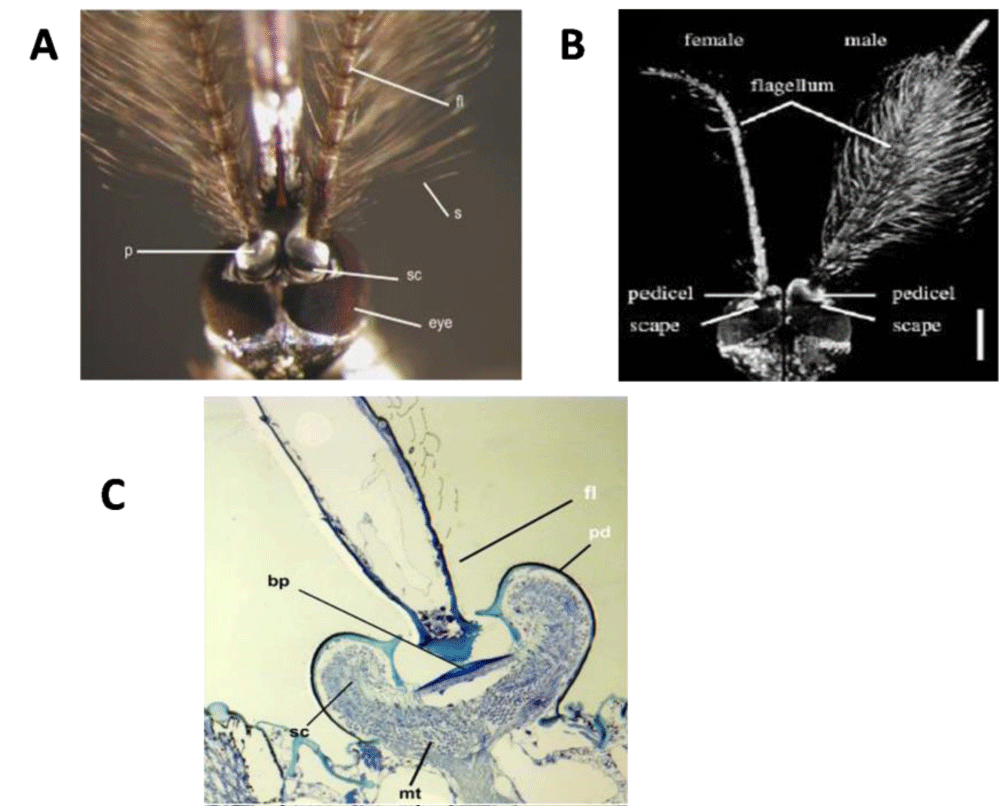
A) Antennae of the male mosquito.
B) Antennae of the male (right) and female (left) mosquito.
C) Cross section of the pedicel (pd). The flagellum (fl) is attached via the basal plate (bp) and prongs to the scolopidia (sc). The pedicel contains 16,000 sensory cells in males and many mitochondria (mt) [37].
In natural condition, females are attracted to the male swarms in the same markers [8,37]. When a male detects the flight tone of a female, he follows her by focusing the source of flight tone using auditory organ. The final stimulus for mating is attractive chemicals secreted by the females that are sensed by a male antenna when he makes contact with a female. This is followed by the formation of mating copula [8]. However, there are investigation gap related to criteria of the male choice chemical attractant-based friend request confirmations of females. As a result, this paper suggests researchers of the area to be orchestrated to explore such mating behavior.
Multiple mating of female Anopheles gambiae complex mosquitoes
As studies on genetic exchange between different mosquitos’ species are important with regard to population genetics and behavior, the extent of multiple mating needs to be considered as well. Under natural condition, female An. gambiae complex mosquitoes multiple mating (polygamy) and successive insemination are relatively rare. It was reported that some field-collected female An. gambiae s.s. had been inseminated by at least two different males, while higher percentage had mated with males of their own chromosomal form [38,40]. However, field studies concerning polygamy are rare and not well documented that this review recommends further studies for full understanding of multiple mating.
Mating complexity and species recognition
Morphologically, An. gambiae s.s. and An. arabiensis sibling forms are indistinguishable and sympatric/ co-occur in many overlapping geographical areas of sub- Saharan Africa [25]. However, regarding the mate complexity of those mosquitoes, hybridization between those sympatric and major afro-tropical malaria vectors is thought to be extremely rare and male sterility occur as post mating barriers to hybridization [4,8]. As fertile F1 hybrids are more or less not detected, important pre-mating isolating mechanisms exist between these species, which related to wing length difference leading to wing beat frequency difference [41]. Nevertheless, post-mating isolating mechanisms are incomplete, because F1 hybrid females are fertile and potentially make possible interspecific gene exchange [22]. Therefore, the F1 hybrid female’s fertility results in formation of new mosquito species which could be either insecticide resistant strain or the most vulnerable to insecticide.
In comparison to hybridization between An. arabiensis and An. gambiae s.s. though they are mostly allopatric hybridization between M and S molecular forms of An. gambiae s.s. is thought to be more common at least in some areas of Africa and no post mating barriers to reproduction have been identified [38]. According to the authors’ analysis, sperm collected from the spermathecae of mated females using genetic markers are mostly of single male of similar genetic makeup. The result of study suggested that members of the An. gambiae complex possess reliable mating with individuals of similar sibling species and molecular form.
Moreover, according to Gibson, et al. [8], though the M and S forms of A. gambiae s.s. coexist, F1 hybrids of the two are very rare; indicating that they do not usually interbreed may be due to some pre-mating segregation. The investigators captured mosquitoes of opposite sex of both forms and glued them to the ends of pins in the laboratory to detect wing beat frequency that may aid the insect for sibling species specific mate (Figure 4).
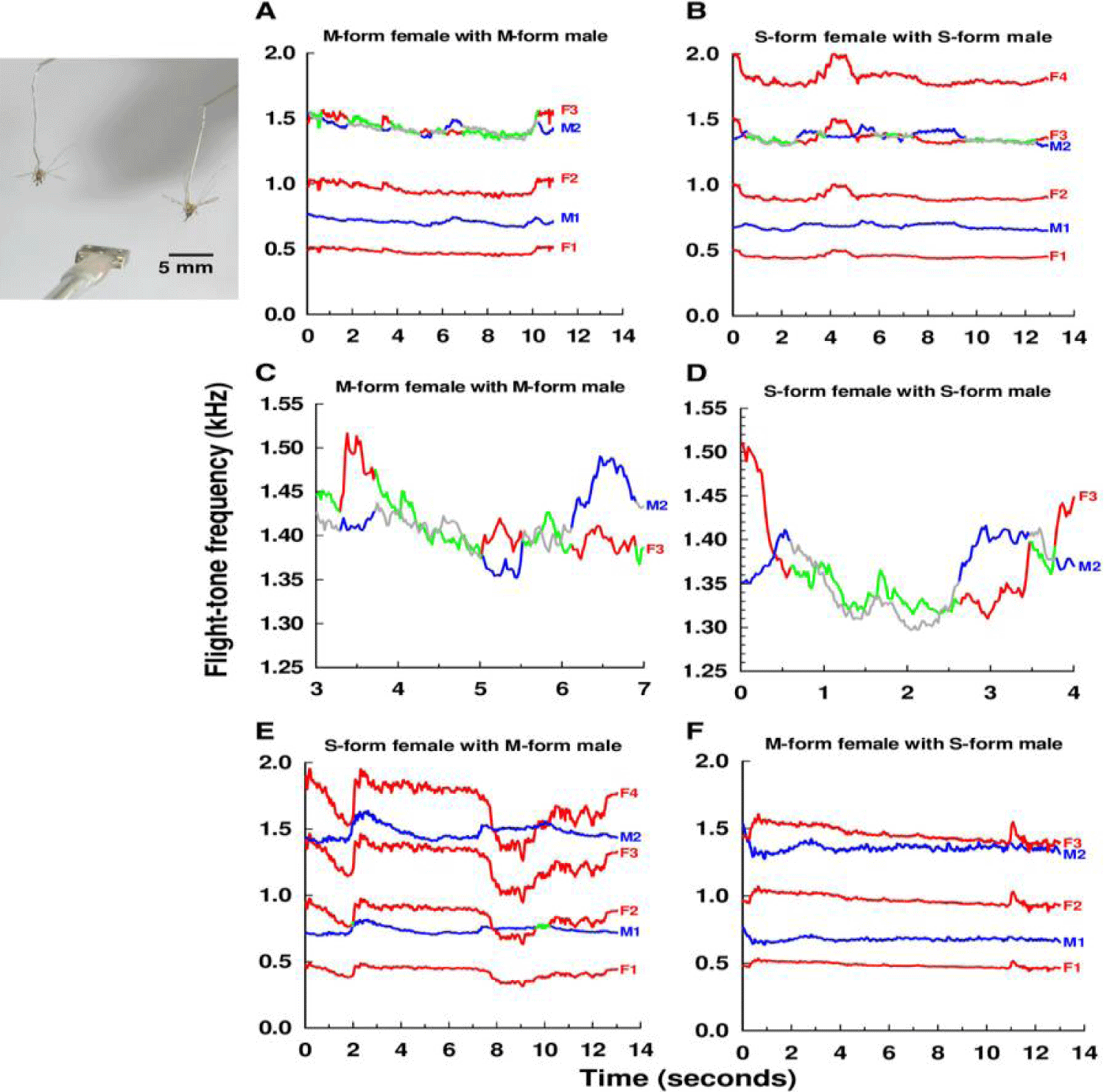
The insects continued to beat their wings at frequencies close to what they do during free flight. The team then measured the wing beat frequencies using a microphone both during alone and in combination with potential mates. As males of both M and S forms of An. gambiae s.s. are slightly smaller than females of respective forms, and they fly with a higher wing-beat frequency of about 690 hertz, compared with females' 460 hertz. As shown in figures 4A,B, M form mosquitoes beat their wings slightly faster than S forms regardless of their sexes [8]. Accordingly, if the same forms of An. gambiae s.s. mosquitoes of opposite sex are near to one another, the two insects would settle on wing-beat frequencies that together produced a harmonic tone (Figures 4C,D). However, as illustrated in figures 4E,F different forms of those mosquitoes simply do not harmonize. Female An. gambiae s.s. wing beat frequency harmonizes with the wing beat of the same genetic form male in the swarm which the male detects by auditory system.
Generally, An. gambiae complex mosquitoes of different genetic forms do not interbreed under normal condition. Finally, the investigators concluded saying "It's like two singers trying to harmonize with each other; and if one goes sharp or flat the other one goes with the other so they sound the same." Finally, though wing size is considered, tangible investigations on pre-mating isolation between complex species and molecular form are forwarded to be given priority.
A-F Spectrograms (reconstructed from digitized fundamental frequencies) of flight tones with harmonics of males (blue) and females (red) with periods of frequency matching (gray male, green female). (A) & (B) the same form pairs of M form (A) and S form (B) mosquitoes, showing extended frequency matching when the female’s third and the male’s second harmonics converge, at a ratio between their fundamental wing-beat frequencies of 3:2. (C) & (D) expanded views of 4s of the spectrograms of A and B, respectively, showing periods of frequency matching between the female’s third and the male’s second harmonics of their flight tones. (E) & (F) mixed form pairs of S-female with M-male (E) and M-male with S-female (F), showing only particular periods of frequency matching between harmonics. The ratio between their fundamental wing-beat frequencies does not stabilize at a harmonic-based value.
Factors affecting mating behavior in Anopheles gambiae complex mosquitoes
Factors affecting mating success of male An. gambiae complex include body size, age and efficiency of finding food sources. The body size of male An. gambiae complex is creating controversial conclusion among many researchers whether it has influence on mating or not. According to Huho, et al. [42] and Maiga, et al. [11], larger males of An. gambiae s.s are more successful in mating than the smaller one. Indeed, basic mating systems characterized by male territoriality in swarm cause males fighting over territory to be in copula with the incoming females [27]. Consequently, in such mating system big body size males are profitable.
However, according to literatures reviewed by Ng’habi, et al. [43], intermediate-sized males of the same species are selected in mating more often than the smallest and largest ones. The grounds that intermediate size males mate more often than others are related to the activities that they are more agile in flight and can make contact with females more quickly and easily.
Age is another factor affecting copulation and successful insemination in male An. gambiae complex [29]. Indeed, little is known about the age at which male engages in swarming, but their need to mature their reproductive organs before being able to mate prevent them from successfully engaging in reproductive behavior in the first few days of their life. Males need biological development of internal and external reproductive organ that younger males are unfit for mating and successful insemination. First, inversion of the terminalia takes place within a day post emergence. Moreover, maturation of accessory glands needs another 1-2 days [11].
In laboratory study, a maximum mating activity and insemination rate were observed in 5-7 days old male (An. gambiae s.s. and An. arabiensis) when offered with virgin female for 24 hrs period [31]. This period is likely to be shorter under field condition; most males are likely to engage in mating activity two days after emergence. Females that mate with males that are 2-3 days old may be more likely to oviposit than if they mate with the youngest and oldest males [10,31,35]. Though fitness and strength are assumed [29], the reason why the too old male mosquitoes are not selected is not known.
In An. gambiae complex mosquitoes, nutritional reserves gathered during larval development and from sugar they feed from plants during adult stage are critical determinants of adult survival and mating success. Such nutrition is lipid, primarily acquired during development of larvae and adults essential for long-term maintenance. Glycogen derived from sucrose or its components fructose and glucose, obtained from plants is required for flight which is a prerequisite for mosquitoes mating. Finally, a wide-ranging study on energy variation levels of An. gambiae complex mosquitoes taken at different physiological states would estimate energy allocated to fundamental activities like swarming and mating [43].
Body size, age and food finding ability are some of the factors influencing mating behavior of female An. gambiae complex mosquitoes. Perhaps, due to storage of large number of eggs, body sized females have an advantage in mate selection; larger females of An. gambiae complex being preferentially selected for mating [11].
Unlike males age is not significant factor affecting mating physiology of female An. gambiae complex mosquitoes. Most female An. gambiae complex mate at their earlier age, particularly, on the next evening regarding their body size [11,32]. The other factor affecting female mating behavior is food finding. Before mating, many of them may imbibe nectar or other carbohydrate sources, most probably to acquire an energy reservoir for flying and mate finding [31].
Gonotrophic cycle of Anopheles gambiae complex mosquitoes
Female An. gambiae complex mosquitoes require blood-meal which provides nutrient for maturation and development of eggs in ovaries [13]. The blood taken from the host will be digested; the eggs will become maturing following the completion of blood digestion. After maturation of eggs, the gravid female will be ready to search for a suitable habitat to lay her eggs. This process of searching, feeding and digesting blood, egg maturation and breeding site finding followed by oviposition is referred to as the gonotrophic cycle. Gonotrophic cycle is repeated several times throughout the female’s life. The time between blood meal and oviposition is called gonotrophic period. Consequently, blood feeding and oviposition alternate regularly [14].
Biological phases of gonotrophic period
Throughout the female An. gambiae complex mosquito's life, the gonotrophic cycle will be repeated several times and accomplished in three different successive biological phases (Beklemischev’s phases) [12] namely: (i) the search for a host and blood-feeding, (ii) blood digestion and egg maturation and (iii) the search for a suitable egg laying site and oviposition. Therefore, gonotrophic cycle duration may be defined as the time interval between two successive blood-meals or the time interval between two consecutive acts of egg-laying [13].
The search for host and blood-feeding
If the populations of all species of insects that transmit infectious pathogens to humans are taken into account, mosquitoes easily cause more human suffering than any others. The major vectors for transmission of malaria parasites are the afro-tropical mosquitoes, An. gambiae complex, causally linked to the requirement of a blood meal by females to complete their gonotrophic cycle [11].
Like most other blood feeding insects, female An. gambiae complex mosquitoes fly at dusk or more usually at night looking for food for her progeny. The time of visiting is when host are most quiescent and least able to defend themselves from bites, making An. gambiae complex mosquitoes one of the medically important insect vectors. The females require blood meals to mature their eggs. Regarding host preference, though they favor cattle’s blood, female An. arabiensis mosquitoes are opportunistic feeders. However, Anopheles gambiae s.s. preferentially feeds on human host [13].
Those insects detect and discriminate volatile odorants by means of Olfactory Receptor Neurons (ORN) [44]. The sensory physiology of these insects is tuned to locate host mainly by olfactory cues. The Odorant-Binding Protein (OBP) in An. gambiae complex is hypothesized to help female's search for vertebrate hosts. Furthermore, female An. gambiae complex respond carbon dioxide gradients, sweat odorants and other chemicals emanate from the host using sensory receptors [45]. In these insects the majority of sensory structures are situated in sensory structures called olfactory sensilla that found on the antennae while much lower numbers of them are located on the other two olfactory appendages, (the maxillary palpis and the proboscis).
Blood digestion and egg maturation
In the freshly fed An. gambiae complex female, the abdomen is almost entirely filled with blood, but quite rapidly followed by maturation of eggs and a substantial increase of the volume occupied by the ovaries (Figure 3). Blood digestion starts rapidly and completed in about 40 hours depending on temperature [11]. As reviewed by Charlwood, et al. [34] a major characteristic in the digestion process is the development of a peritrophic membrane, which progressively surrounds and squeezes the blood. Depending on amount, relative position of blood and developing ovaries, blood fed female An. gambiae complex mosquitoes can be defined as empty, fed, half gravid and gravid (Figure 5).
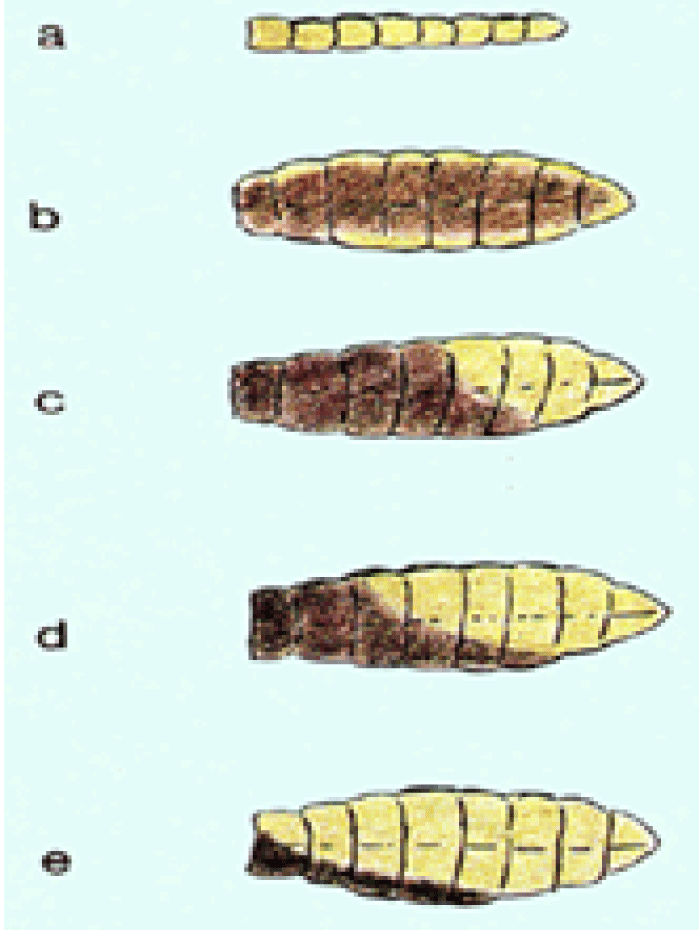
As demonstrated in figure 3, followed by a blood-meal the empty, female mosquito’s abdomen is expanded and become bright red in colour, but after some hours the abdomen turn out to be a much darker red. Finally, the abdomen becomes whitish posteriorly and dark reddish anteriorly as the blood is completely digested and eggs developed in ovaries.
Search for a suitable site and oviposition
According to Charlwood, et al. [34], the ovaries develop simultaneously with blood-meal digestion, resulting in the maturation of a batch of eggs, a process which leads to a substantial increase in the volume occupied by the ovaries. This circumstance characterizes a mid-point in blood digestion and ovarian development; and the female An. gambiae complex mosquito is said to be half gravid. After the digestion of all blood, the abdomen becomes dilated and whitish resulting in fully developed eggs. In this situation, the female is said to be gravid and she starts searching for suitable oviposition site to lay her eggs [46].
After locating appropriate oviposition site, An. gambiae complex deposit their eggs throughout the night, approximately two days after a blood meal [34]. However, according to Chambers and Klowden [29] in laboratory the result in which two-thirds of the females deposited all their eggs over two consecutive nights was observed. In addition to laying on the water surface, though it is for unknown reasons, eggs can be laid singly on mud and even on moist sand and are found to be dispersed over several habitats.
Several studies indicated that based on the number of developing eggs in wild-caught females, an average of 150 eggs per female was recorded and it ranges from 66 to 275 [47]. Moreover, female An. gambiae complex mosquitoes can lay up to 200 eggs at any one oviposition period necessarily on surface of water. Though environmental temperature and factors like food are assumed as a reason for this figure, the appropriate suggestion is not well known.
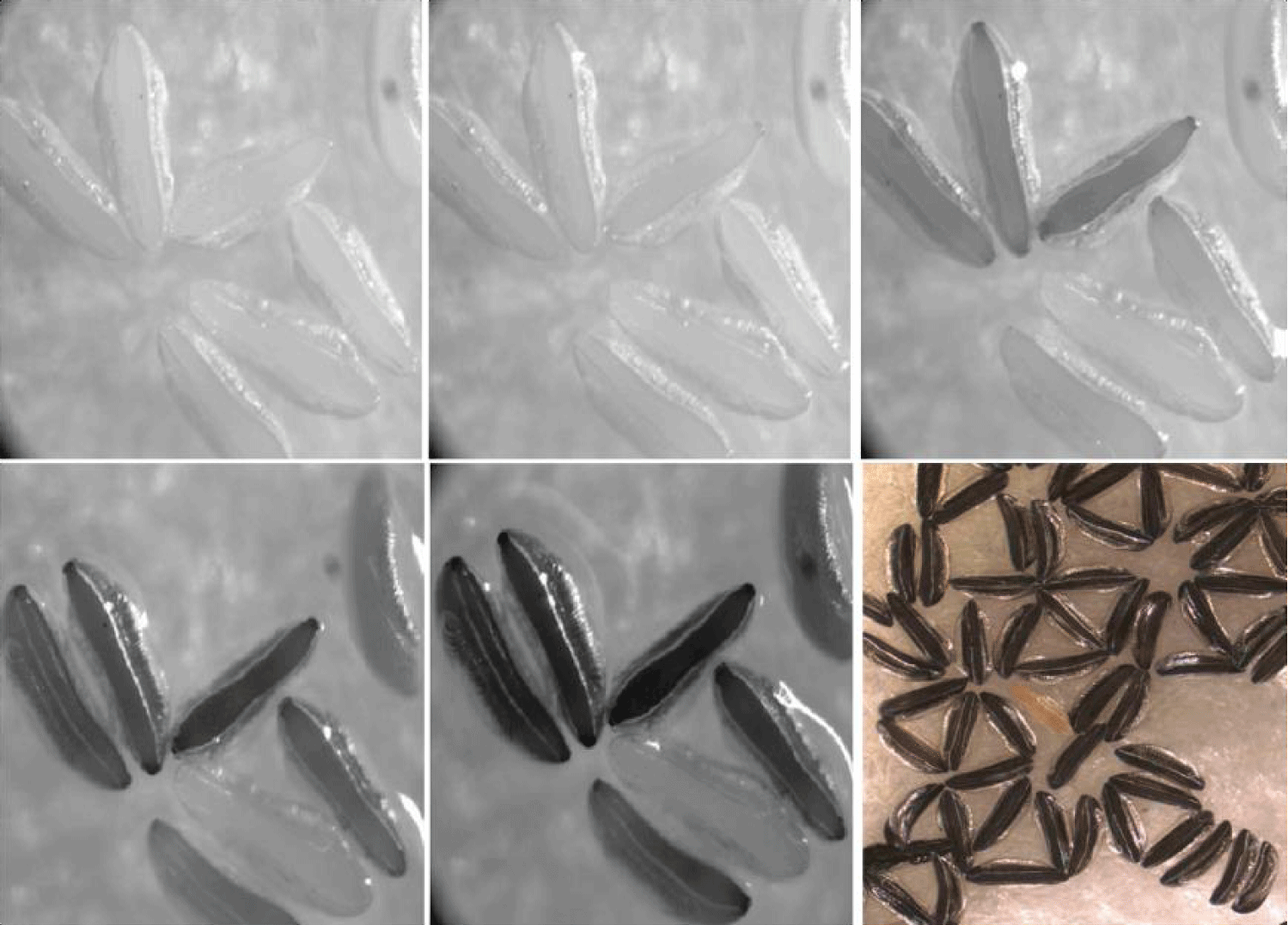
Though as soon the laid eggs are white, most of them normally darken and harden (blackish) within a few hours (Figure 6). The rate at which they change color and harden depends on temperature. Anopheles eggs that fail to melanize or sink do not hatch [11]. This point also helps the vector control strategy by understanding the biological or environmental facts that affect melanization. Therefore, this paper recommends advanced studies on those factors that may interrupt the life cycle of the vector.
Finally, understanding and characterization of biological or environmental factors enforcing female An. gambiae complex mosquitoes to choose some oviposition sites than other is a cornerstone for the application of the environmentally friend and ecologically sound novel integrated malaria vector control options including environmental management and biological control. Thus, this review appreciates the usual efforts of researchers and recommends further study in this area.
Factors affecting length of gonotrophic period in Anopheles gambiae complex mosquitoes
The gonotrophic period is the time between two successive blood feeding and ovipositions. The length of gonotrophic cycle lasts about 2-4 days for An. gambiae s.l. [34], but it depends on factors such as breeding site availability, number of previous gonotrophic cycles and temperature [15,16]. In the field only a small percentage of female An. gambiae complex mosquitoes survive for more than three or four gonotrophic cycles [47] even though a small percentage was found to survive for about ten cycles. Both An. arabiensis and An. gambiae sinsu stircto can survive approximately up to a month, whereby the latter relatively can survive longer that directly affect the length of their gonotrophic period.
According to several studies the length of the gonotrophic period is strongly temperature dependent [16]. The speed of blood-meal digestion in An. gambiae complex mosquitoes’ mid gut depends on environmental temperature. In An. gambiae complex and other most tropical and sub-tropical species it takes only 2-3 days, but in other temperate countries blood digestion may take as long as 7-14 days. For instance, under warmer conditions, at which the average day and night temperature above 23°C, the gonotrophic cycle takes 2-3 days resulting in a high frequency of blood feeding, which means Anopheles females search for a suitable source of blood every second to third night. However, under cooler conditions (15-20°C) in which blood feeding might occur only once every 6-13 days.
Female An. arabiensis oviposites in breeding sites near cattle than An. gambiae s.s. which suggested that species distribution may be explained to a large extent by the presence of suitable hosts in addition to breeding site availability. The distance between oviposition site and host habitation or resting site may affect the oviposition choice. For instance, Minakawa, et al. [48] showed as An. gambiae s.s. would lay their eggs in breeding sites closer to human habitation and further away from cattle sheds. An. gambiae complex mosquitoes prefer moist substrates than dry ones. Moreover, though according to some studies turbid water is preferred over clear water, but Munga, et al. [49] found that An. gambiae s.s. preferred clear water than turbid water bodies. Volatile compounds that are produced by microbial populations in the breeding site may also play an important role in habitat selection [50]. For instance, chlorophyll a content in the breeding site or the presence of other larvae or aquatic predators may enforce the gravid mosquitoes to select one breeding site over the other [49].
Gonotrophic cycle and parity
Gonotrophic cycle is used to determine the age structure of female Anopheles mosquito population followed by ascertaining of the net productivity of a colony [25,51]. This process is accomplished by determination of parity in which parous female Anopheles mosquitoes are those which have taken a blood meal and oviposited at least once. But nulliparous mosquitoes have never oviposited in their life. Determining the number of parous individuals by dissecting several females within the population leads to figure out net reproduction rate of a colony [52].
According to Detinova [47], as embryos develop within the ovaries they stretch the ovariole sheath; next to oviposition, these sacs which contain remnants from oogenesis shrink and develop into permanent dilatations. After each subsequent feeding and oviposition, a new embryo will form anterior to the previous dilatation. Accordingly, a female Anopheles mosquito with three dilatations would be said “3 parous” that easily help to estimate mosquito age [25].
Examining the tracheoles within the ovaries is another technique for determining parity [47]. After the primary blood meal, the ovaries expand and the tracheoles are permanently distended. As a result, parous females will have distended tracheoles, but nulliparous females’ tracheoles are tightly wound coils called ‘skeins.’ According to Hoc and Wilkes [52] in younger females both skeins and ‘extended’ tracheoles may be observed; but the female is said to be parous and has fed and laid eggs at least one time if any distended tracheoles are present.
Significance of mating behavior and gonotrophic cycle of Anopheles gambiae complex for malaria vectors control and vectors competence
Prior to mating, mature male An. gambiae complex mosquitoes will form a swarm [36]. It is assumed that distinct features in the landscape combined with visual inputs (light contrasts) serve to detect so called swarm markers that are used to keep the swarm stationary [27]. Some markers are visited regularly which give hint for vector control programmer to spray outdoor insecticide for reduction of population growth and vector competence, while other swarm markers may be visited only once.
Female An. gambiae complex mosquitoes mating status could cause impacts on host seeking behavior with unmated less likely to seek blood meal [28]. Furthermore, nutritional status of male with which the female mated influences host seeking behavior in which poor nutrition of male result in more host seeking [53]. These factors potentially contribute to multiple blood meals per gonotrophic cycle, increasing the potential for malaria transmission.
Due to global burden of malaria, drug resistance and insecticide resistance strains, alternative approaches to the use of chemical insecticides are urgently needed to control vector populations. Malaria control strategies by genetically modified mosquitoes are aimed by affecting Anopheles fertility through the release of sterile males to reduce natural population size [28]. These releases of sterile males are being promoted to reduce the size of field mosquito population. Under natural condition, male An. gambiae complex mosquitoes mate successfully with several wild females. However, female An. gambiae complex mate only once [38,40]. This polygamous behavior of male advocates the effectiveness of the genetically modified and released sterile male mosquitoes by impacting colony size and their perpetuation of life since the females are monogamous.
The mate complexity between two sympatric siblings of An. gambiae complex mosquitoes is rare and result in male sterility [4,8]. Yet, post-mating isolating mechanisms are incomplete resulting in sterile male, because F1 hybrid females are fertile and potentially make possible interspecific gene exchange [22]. Therefore, such hybridizations lead to formation of new insecticide resistant fertile female with different genetic makeup that may lead to effectiveness of mosquito vector competence.
After mating, females An. gambiae complex experience significant behavioral changes including the stimulation of oviposition and a drastic reduction in their receptivity to further insemination [28]. The two major post-mating behaviors in Anopheles females, the stimulation of oviposition in blood-fed mosquitoes and the induction of refractoriness to further mating and insemination are likely to be produced by factors transferred with seminal fluids by the male. Thus, they mate only once in their lifetime [38,40]. Thus, on the other hand, An. gambiae complex males are good targets for genetic mosquito control option by Sterile Insect Technique (SIT). Other factors affecting the vector competence of An. gambiae complex is their gonotrophic cycle which includes blood feeding, blood digestion, egg development and oviposition. Female An. gambiae complex mosquitoes visit when their hosts are most quiescent and least able to defend themselves from bites. This feeding time and behavior significantly enables female An. gambiae complex mosquitoes’ vector competence to be at the top of the medically important insect vectors. Moreover, the opportunistic feeding behavior female An. arabiensis also enhance vector competence of those major afro-tropical malaria vectors.
After searching and feeding, blood digestion will start rapidly and completed within 2-3 days depending on temperature [11]. Thus, in optimal temperature of about 25-30co the digestion will be completed within short period of time which shortens the gonotrophic period. The shortening of gonotrophic period increases frequency of host seeking and blood feeding which simultaneously increases malaria transmission intensity in a community [51]. Generally, environmental factors including temperature, rainfall, and altitude affect the length of gonotrophic period significantly increasing vector fecundity, lifespan, multiplication. Therefore, the vector competence of female An. gambiae complex mosquitoes is high as they come from higher altitude to lower altitude.
Insecticide status of Anopheles gambiae complex
Chemical insecticides are playing an essential role for pest control in agriculture and vector control in public health sectors [54]. However, due to extensive and miss use of insecticides, various agro-ecosystems became a reason for insecticide resistance development in medically important insects such as malaria vector mosquitoes greater than before [55]. Malaria control measures are still getting difficulty due to insecticide resistance developments in Anopheles gambiae complex because of repeated insecticide-insect contacts in agricultural areas. Hence, an existence of insecticide resistant strains associated with agricultural practices may affect the effectiveness of malaria vector control strategies.
Malaria vectors may become resistant to insecticides by either one or multiple mechanisms. Insecticide resistance mechanisms in malaria vectors include target site modification, behavioral changes and alterations of integuments [56].
Availability of Data and Materials
The datasets used and/or analyzed during the current study are available from the corresponding author on reasonable request.
References
- Manguin S. Anopheles mosquitoes-new insights into malaria vectors. In Tech: Croatia; 2013. p.128.
- Coetzee M, Craig M, le Sueur D. Distribution of African malaria mosquitoes belonging to the Anopheles gambiae complex. Parasitol Today. 2000 Feb;16(2):74-7. doi: 10.1016/s0169-4758(99)01563-x. PMID: 10652493.
- Coluzzi M, Sabatini A, della Torre A, Di Deco MA, Petrarca V. A polytene chromosome analysis of the Anopheles gambiae species complex. Science. 2002 Nov 15;298(5597):1415-8. doi: 10.1126/science.1077769. Epub 2002 Oct 3. PMID: 12364623.
- Touré YT, Petrarca V, Traoré SF, Coulibaly A, Maiga HM, Sankaré O, Sow M, Di Deco MA, Coluzzi M. The distribution and inversion polymorphism of chromosomally recognized taxa of the Anopheles gambiae complex in Mali, West Africa. Parassitologia. 1998 Dec;40(4):477-511. PMID: 10645562.
- Moreno M, Cano J, Nzambo S, Bobuakasi L, Buatiche JN, Ondo M, Micha F, Benito A. Malaria Panel Assay versus PCR: detection of naturally infected Anopheles melas in a coastal village of Equatorial Guinea. Malar J. 2004 Jul 6;3:20. doi: 10.1186/1475-2875-3-20. PMID: 15238168; PMCID: PMC487905.
- Reisen WK. Lessons from the past: historical studies by the University of Maryland and the University of California, Berkeley. 2003. p. 120.
- Tripet F, Touré YT, Dolo G, Lanzaro GC. Frequency of multiple inseminations in field-collected Anopheles gambiae females revealed by DNA analysis of transferred sperm. Am J Trop Med Hyg. 2003 Jan;68(1):1-5. PMID: 12556139.
- Gibson G, Warren B, Russell IJ. Humming in tune: sex and species recognition by mosquitoes on the wing. J Assoc Res Otolaryngol. 2010 Dec;11(4):527-40. doi: 10.1007/s10162-010-0243-2. Epub 2010 Oct 26. PMID: 20976515; PMCID: PMC2975882.
- Pennetier C, Warren B, Dabiré KR, Russell IJ, Gibson G. "Singing on the wing" as a mechanism for species recognition in the malarial mosquito Anopheles gambiae. Curr Biol. 2010 Jan 26;20(2):131-6. doi: 10.1016/j.cub.2009.11.040. Epub 2009 Dec 31. Erratum in: Curr Biol. 2010 Feb 9;20(3):278. PMID: 20045329.
- Huho BJ, Ng'habi KR, Killeen GF, Nkwengulila G, Knols BG, Ferguson HM. Nature beats nurture: a case study of the physiological fitness of free-living and laboratory-reared male Anopheles gambiae s.l. J Exp Biol. 2007 Aug;210(Pt 16):2939-47. doi: 10.1242/jeb.005033. PMID: 17690243.
- Maïga H, Dabiré RK, Lehmann T, Tripet F, Diabaté A. Variation in energy reserves and role of body size in the mating system of Anopheles gambiae. J Vector Ecol. 2012 Dec;37(2):289-97. doi: 10.1111/j.1948-7134.2012.00230.x. PMID: 23181851.
- Beklemischev WN. Gonotrophic rhythm as a basic principle of the biology of Anopheles. Vop Fiziol Ekol Malyar Konara.1940;1:3-22.
- Dotson EM. Methods in AnophelesResearch. 2nd ed. CDC Atlanta GA, USA; 2011. p. 322.
- Cummins B, Cortez R, Foppa IM, Walbeck J, Hyman JM. A spatial model of mosquito host-seeking behavior. PLoS Comput Biol. 2012;8(5):e1002500. doi: 10.1371/journal.pcbi.1002500. Epub 2012 May 17. PMID: 22615546; PMCID: PMC3355069.
- Afrane YA, Lawson BW, Githeko AK, Yan G. Effects of microclimatic changes caused by land use and land cover on duration of gonotrophic cycles of Anopheles gambiae (Diptera: Culicidae) in western Kenya highlands. J Med Entomol. 2005 Nov;42(6):974-80. doi: 10.1093/jmedent/42.6.974. PMID: 16465737.
- Paaijmans KP, Cator LJ, Thomas MB. Temperature-dependent pre-bloodmeal period and temperature-driven asynchrony between parasite development and mosquito biting rate reduce malaria transmission intensity. PLoS One. 2013; 8(1): e55777. doi: 10.1371/journal.pone.0055777. Epub 2013 Jan 31. PMID: 23383280; PMCID: PMC3561307.
- Hoc TQ, Wilkes TJ. The ovarioles structure of Anopheles gambiae (Diptera: Culicidae) and its use in determining physiological age. Bull Entomol Res. 1995;85(1):59-69. doi: 10.1017/S0007485300052020.
- Teklehaimanot A, Bosman A. Opportunities, problems and perspectives for malaria control in sub-Saharan Africa. Parassitologia. 1999 Sep;41(1-3):335-8. PMID: 10697880.
- Hunt RH, Coetzee M, Fettene M. The Anopheles gambiae complex: a new species from Ethiopia. Trans R Soc Trop Med Hyg. 1998 Mar-Apr;92(2):231-5. doi: 10.1016/s0035-9203(98)90761-1. PMID: 9764342.
- Gillies MT, Coetzee MA. Supplement to the anophelinae of African South of the Sahara (Afro Tropical region). Johannesburg, South Africa: South Africa Institute of Medical Research. Pub No. 55. 1987; p. 78.
- Fanello C, Santolamazza F, della Torre A. Simultaneous identification of species and molecular forms of the Anopheles gambiae complex by PCR-RFLP. Med Vet Entomol. 2002 Dec;16(4):461-4. doi: 10.1046/j.1365-2915.2002.00393.x. PMID: 12510902.
- Besansky NJ, Krzywinski J, Lehmann T, Simard F, Kern M, Mukabayire O, Fontenille D, Touré Y, Sagnon N. Semipermeable species boundaries between Anopheles gambiae and Anopheles arabiensis: evidence from multilocus DNA sequence variation. Proc Natl Acad Sci U S A. 2003 Sep 16;100(19):10818-23. doi: 10.1073/pnas.1434337100. Epub 2003 Aug 28. PMID: 12947038; PMCID: PMC196886.
- White GB. Anopheles bwambae sp: A malaria vector in Semliki valley, Uganda and its relationships with other siblings. Syst Entomol. 1985;10:501-522. doi: 10.1111/j.1365-3113.1985.tb00155.x.
- Brunhes J LeGoff G Geoffroy B. Afrotropical Anopheles.1. Description of new species and modifications of taxonomical status (Diptera: Culicidae). Ann Soc Entomolo. 1997;33(2):173-83.
- Service MM. Mosquito Ecology: Field Sampling Methods, 1st ed. In: Dotson, E. M. eds. Methods in Anopheles Research. 2nd ed. CDC Atlanta GA, USA; Chapter 6: 1993. p. 236-40. https://bit.ly/3HUCcHh
- Touré YT, Petrarca V, Traoré SF, Coulibaly A, Maiga HM, Sankaré O, Sow M, Di Deco MA, Coluzzi M. The distribution and inversion polymorphism of chromosomally recognized taxa of the Anopheles gambiae complex in Mali, West Africa. Parassitologia. 1998 Dec;40(4):477-511. PMID: 10645562.
- Diabaté A, Yaro AS, Dao A, Diallo M, Huestis DL, Lehmann T. Spatial distribution and male mating success of Anopheles gambiae swarms. BMC Evol Biol. 2011 Jun 28; 11:184. doi: 10.1186/1471-2148-11-184. PMID: 21711542; PMCID: PMC3146442.
- Thailayil J, Magnusson K, Godfray HC, Crisanti A, Catteruccia F. Spermless males elicit large-scale female responses to mating in the malaria mosquito Anopheles gambiae. Proc Natl Acad Sci U S A. 2011 Aug 16;108(33):13677-81. doi: 10.1073/pnas.1104738108. Epub 2011 Aug 8. PMID: 21825136; PMCID: PMC3158155.
- Chambers GM, Klowden MJ. Age of Anopheles gambiae Giles male mosquitoes at time of mating influences female oviposition. J Vector Ecol. 2001 Dec;26(2):196-201. PMID: 11813657.
- Huho BJ, Ng'habi KR, Killeen GF, Nkwengulila G, Knols BG, Ferguson HM. A reliable morphological method to assess the age of male Anopheles gambiae. Malar J. 2006 Jul 27;5:62. doi: 10.1186/1475-2875-5-62. PMID: 16872516; PMCID: PMC1570359.
- Reisen WK. Lessons from the past: historical studies by the University of Maryland and the University of California, Berkeley; 2003. p. 120.
- Foster WA, Takken W. Nectar-related vs. human-related volatiles: behavioural response and choice by female and male Anopheles gambiae (Diptera: Culicidae) between emergence and first feeding. Bull Entomol Res. 2004 Apr;94(2):145-57. doi: 10.1079/ber2003288. PMID: 15153297.
- Okanda FM, Dao A, Njiru BN, Arija J, Akelo HA, Touré Y, Odulaja A, Beier JC, Githure JI, Yan G, Gouagna LC, Knols BG, Killeen GF. Behavioural determinants of gene flow in malaria vector populations: Anopheles gambiae males select large females as mates. Malar J. 2002 Aug 14;1:10. doi: 10.1186/1475-2875-1-10. Epub 2002 Aug 14. PMID: 12296972; PMCID: PMC140138.
- Charlwood JD, Vij R, Billingsley PF. Dry season refugia of malaria-transmitting mosquitoes in a dry savannah zone of east Africa. Am J Trop Med Hyg. 2000 Jun;62(6):726-32. doi: 10.4269/ajtmh.2000.62.726. PMID: 11304064.
- Smallegange RC, Qiu YT, van Loon JJ, Takken W. Synergism between ammonia, lactic acid and carboxylic acids as kairomones in the host-seeking behaviour of the malaria mosquito Anopheles gambiae sensu stricto (Diptera: Culicidae). Chem Senses. 2005 Feb;30(2):145-52. doi: 10.1093/chemse/bji010. PMID: 15703334.
- Jiguet F, Bretagnolle V. Manipulating lek size and composition using decoys: an experimental investigation of lek evolution models. Am Nat. 2006 Dec;168(6):758-68. doi: 10.1086/508808. Epub 2006 Oct 12. PMID: 17109318.
- Jackson JC. Experimental and theoretical investigations into the active nonlinear processes of mosquito audition. PhD thesis, School of Biological Sciences, University of Bristol. 2008.
- Tripet F, Touré YT, Taylor CE, Norris DE, Dolo G, Lanzaro GC. DNA analysis of transferred sperm reveals significant levels of gene flow between molecular forms of Anopheles gambiae. Mol Ecol. 2001 Jul;10(7):1725-32. doi: 10.1046/j.0962-1083.2001.01301.x. PMID: 11472539.
- Holly G. The rules of attraction and repulsion in the mosquitoes’ game of love. Master’s thesis. Department of engineering mathematics. University of Bristol. 2010.
- Tripet F, Touré YT, Dolo G, Lanzaro GC. Frequency of multiple inseminations in field-collected Anopheles gambiae females revealed by DNA analysis of transferred sperm. Am J Trop Med Hyg. 2003 Jan;68(1):1-5. PMID: 12556139.
- Sanford MR, Demirci B, Marsden CD, Lee Y, Cornel AJ, Lanzaro GC. Morphological differentiation may mediate mate-choice between incipient species of Anopheles gambiae s.s. PLoS One. 2011;6(11):e27920. doi: 10.1371/journal.pone.0027920. Epub 2011 Nov 21. PMID: 22132169; PMCID: PMC3221689.
- Huho BJ, Ng'habi KR, Killeen GF, Nkwengulila G, Knols BG, Ferguson HM. Nature beats nurture: a case study of the physiological fitness of free-living and laboratory-reared male Anopheles gambiae s.l. J Exp Biol. 2007 Aug;210(Pt 16):2939-47. doi: 10.1242/jeb.005033. PMID: 17690243.
- Ng’habi KR, Huho BJ, Nkwengulila G, Killeen GF, Knols BGJ, Ferguson HM. Sexual selection in mosquito swarms: may the best man lose? Anim Behav. 2008;76:105-112. doi: 10.1016/j.anbehav.2008.01.014.
- Roberts L, Janovy J. Foundations of Parasitology, 6th ed. McGraw-Hill Companies: United States; 2009. p.60. https://bit.ly/3tg3TpT
- Meijerink J, Braks M, Brack A, Adam W, Dekker T. Identification of olfactory stimulants for Anopheles gambiae from human sweat samples. J Chem Ecol. 2000;26(6):1367-82. https://bit.ly/31SLzb8
- Benedict MQ. Methods in Anopheles Research. 1st ed. CDC, Atlanta USA; 2007. p. 643.
- DETINOVA TS. Age-grouping methods in Diptera of medical importance with special reference to some vectors of malaria. Monogr Ser World Health Organ. 1962;47:13-191. PMID: 13885800.
- Minakawa N, Seda P, Yan G. Influence of host and larval habitat distribution on the abundance of African malaria vectors in western Kenya. Am J Trop Med Hyg. 2002 Jul;67(1):32-8. doi: 10.4269/ajtmh.2002.67.32. PMID: 12363061.
- Munga S, Minakawa N, Zhou G, Barrack OO, Githeko AK, Yan G. Effects of larval competitors and predators on oviposition site selection of Anopheles gambiae sensu stricto. J Med Entomol. 2006 Mar; 43(2): 221-4. doi: 10.1603/0022-2585(2006)043[0221:eolcap]2.0.co;2. PMID: 16619602.
- Sumba LA, Guda TO, Deng AL, Hassanali A, Beier JC, Knole BGJ. Mediation of oviposition site selection in the African malaria mosquito Anopheles gambiae Diptera: Culicidae) by semiochemicals of microbial origin. Int J Trop Insect Sci. 2004;24:260-65. doi: 10.1079/IJT200433
- Doolan DL. Malaria Methods and Protocols. Methods in Molecular Medicine, Humana Press, Inc: Totowa; 2002. p. 201.
- Hoc TQ, Wilkes TJ. The ovarioles structure of Anopheles gambiae (Diptera: Culicidae) and its use in determining physiological age. Bull Entomol Res. 1995; 85(1):59-69. doi: 10.1017/S0007485300052020.
- Ng'habi KR, John B, Nkwengulila G, Knols BG, Killeen GF, Ferguson HM. Effect of larval crowding on mating competitiveness of Anopheles gambiae mosquitoes. Malar J. 2005 Sep 30;4:49. doi: 10.1186/1475-2875-4-49. PMID: 16197541; PMCID: PMC1260028.
- Raghavendra K, Barik TK, Reddy BP, Sharma P, Dash AP. Malaria vector control: from past to future. Parasitol Res. 2011 Apr;108(4):757-79. doi: 10.1007/s00436-010-2232-0. Epub 2011 Jan 13. PMID: 21229263.
- Soko W, Chimbari MJ, Mukaratirwa S. Insecticide resistance in malaria-transmitting mosquitoes in Zimbabwe: a review. Infect Dis Poverty. 2015 Oct 26;4:46. doi: 10.1186/s40249-015-0076-7. PMID: 26497808; PMCID: PMC4620648.
- Okia M, Ndyomugyenyi R, Kirunda J, Byaruhanga A, Adibaku S, Lwamafa DK, Kironde F. Bioefficacy of long-lasting insecticidal nets against pyrethroid-resistant populations of Anopheles gambiae s.s. from different malaria transmission zones in Uganda. Parasit Vectors. 2013 May 2;6:130. doi: 10.1186/1756-3305-6-130. PMID: 23634798; PMCID: PMC3656772.



Content Alerts
SignUp to our
Content alerts.
 This work is licensed under a Creative Commons Attribution 4.0 International License.
