
Medicine Group. 2024 August 31;5(8):1028-1045. doi: 10.37871/jbres1985.





 Research Article
Face Forward: Streamlining Pre-Treatment Patient Assessment with 6 Steps Matrix and Protocol
Sukmanskaya Natalia1* and Alessio Redaelli2
2Visiting Professor, Genova University & Private Practice, Milan, Italy
Abstract
As the demand for minimally invasive aesthetic treatments increases, the need for a structured individualized facial analysis is becoming more and more evident. This article therefore presents FILLMED’s 6-step matrix, a holistic six-step guide for facial assessment prior to aesthetic treatments aiming to optimize the efficacy of soft tissue filler treatments. The first step, skin quality assessment, involves evaluating factors such as texture, pigmentation and hydration to understand the patient's skin condition before treatment and anticipate the treatment outcome. The second step, shadow assessment, focuses on identifying and eliminating shadows in critical facial areas. The third step, contour assessment, is to analyze the facial contour, thus detecting areas that need to be enhanced or corrected to achieve a balanced and natural-looking result. The fourth step entails a detailed assessment of wrinkles, which is crucial for choosing appropriate treatments, as different types and degrees of wrinkles require customized approaches. The fifth step, volume loss assessment, focuses on pinpointing areas where facial volume has decreased, particularly in the temples, periorbital area, midface and lips, which contribute significantly to the signs of aging. The sixth step, evaluating proportions, is to assess the balance and harmony of facial features, taking into account both overall and regional proportions to ensure that aesthetic treatments enhance rather than disrupt facial symmetry. FILLMED’s comprehensive 6-step matrix enables physicians to accurately assess patients’ pre-treatment facial aesthetics and hence to deliver personalized, effective and safe treatments.
Introduction
Significance of facial assessment
The pursuit of aesthetic enhancement has a long and vibrant history, with facial aesthetics playing a key role in the evolution of beauty standards [1,2]. In recent years, the advent of soft tissue facial fillers has heralded a new era in the field of cosmetic dermatology and plastic surgery. Driven by today’s societal focus on appearance and the psychological significance of self-perception, dermal fillers are becoming increasingly popular as a minimally invasive method for optimizing facial features, restoring volume and alleviating the signs of aging [3-5]. Central to achieving ideal results with soft tissue filler injections is an in-depth and individualized facial assessment. This process is not only a preparatory step, but an integral component of the treatment plan and indispensable for several reasons:
First, the facial structure is both complex and unique, with any subtle differences potentially affecting aesthetic harmony and symmetry. A nuanced understanding of these variations allows practitioners to customize treatments rather than follow a one-size-fits-all approach. Each patient's facial anatomy is distinct, and considerations such as bone structure, fat distribution, and skin elasticity must be carefully considered to reach a satisfying outcome [6-8].
Second, a thorough facial assessment helps to pinpoint areas where volume loss or other age-related changes occurred. Each patient’s facial anatomy and aging signs are unique, leading to variations in how their face evolves over time. These changes often include gradual bone resorption, fat pad atrophy, and skin laxity, contributing to a sunken or sagging appearance. Recognizing these individualized aging patterns allows for more targeted and effective aesthetic interventions [9-14]. By identifying these changes, practitioners can strategically inject fillers to restore lost volume and support facial contours, thus reversing the signs of time and restoring facial youthfulness.
Third, beyond mere aesthetic considerations, a detailed facial assessment is crucial for the safety of soft tissue filler procedures. The face harbors vital structures, including blood vessels and nerves, that must be carefully avoided to prevent adverse effects. Detailed anatomical knowledge and individualized patient assessment allow practitioners to recognize risk areas and adapt their techniques accordingly. This vigilance helps to prevent complications such as vascular occlusion and tissue necrosis, which, albeit rare, can have serious squeal [15-17].
Finally, facial assessment is also of great value in the context of patient communication and expectation setting. During the consultation phase, assessing the patient's face provides the basis for openly discussing possible results and helps to reconcile expectations with what can realistically be achieved [18,19]. This assessment-based transparency, in turn, warrants patient satisfaction, as unmet expectations are a common source of frustration, even when the technical execution of the treatment is flawless. By being able to propose a feasible and personalized plan, practitioners can foster the sense of trust and clarity that underlies a positive patient experience.
An individualized facial assessment is now more important than ever. Given increasing patient numbers and a growing diversity in patient demographics, practitioners are well advised to thoroughly evaluate each patient's unique face. Such assessment should go beyond a mere analysis of the face and instead encompass a comprehensive understanding of anatomical, aesthetic and safety considerations, enabling practitioners to deliver personalized and effective treatments that enhance both appearance and well-being. As the field of facial cosmoses continues to evolve, the importance of a holistic assessment of patient’s face will undeniably remain a cornerstone of best practice, ensuring that the following treatment is both aesthetically pleasing and scientifically sound. Therefore, we herein present FILLMED’s 6-step matrix for facial assessment, paving the way for a successful aesthetic treatment.
The FILLMED 6-step protocol addresses the need for a comprehensive yet flexible approach to facial aesthetic assessment by unifying all critical factors- skin quality, shadows, contours, wrinkles, volume loss, and symmetry- into a single, cohesive and standardized framework. This framework stands out for its methodical simplicity and consistency, employing uniform gradation across all categories. Practitioners can follow the same structured steps for each individual facial region, thereby streamlining and improving the assessment process while still maintaining the flexibility to tailor the protocol to each patient’s unique anatomical features. This approach can enhance the accuracy and reproducibility of assessments across different clinical settings, ultimately allowing to optimize patient outcomes. The herein presented FILLMED 6-step protocol offers a clear advantage over existing methods that often focus narrowly on specific regions or patient cohorts, ensuring a more holistic and individualized treatment strategy.
Six-step guide
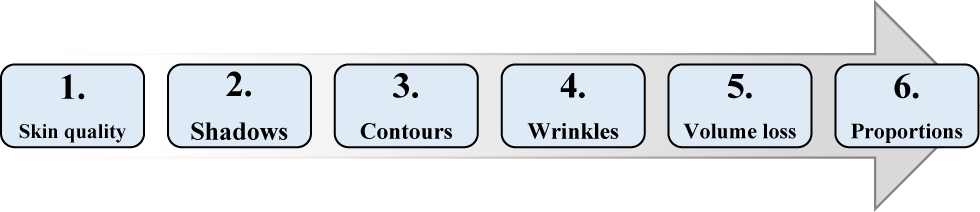
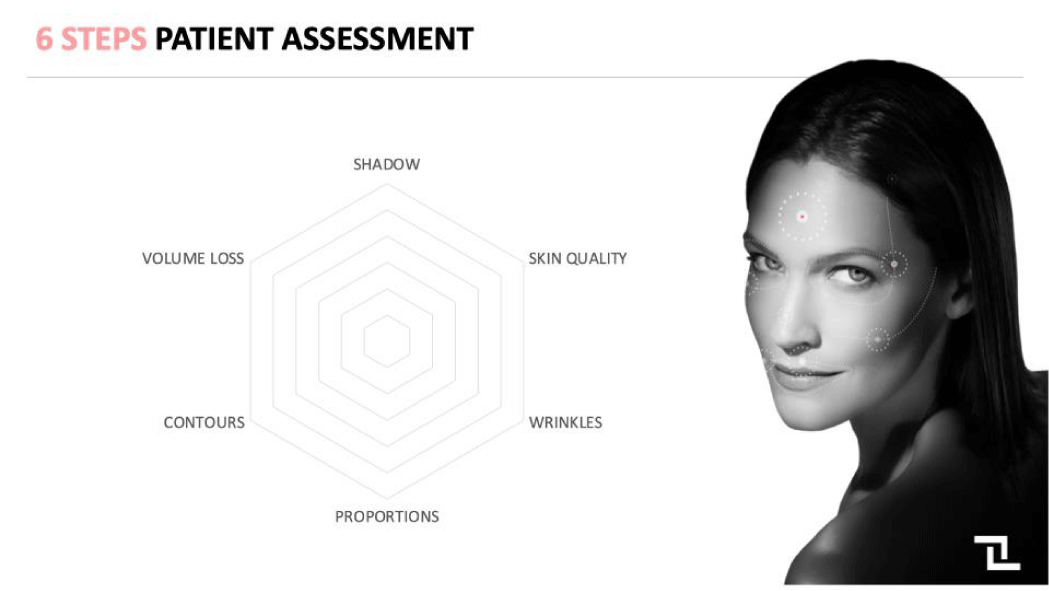
The following six-step guide provides a structured approach to thoroughly analyze a patient's face before performing any soft tissue filler procedures. By following this protocol, practitioners lay the groundwork for a personalized, effective, and safe treatment plan (Figure 1).
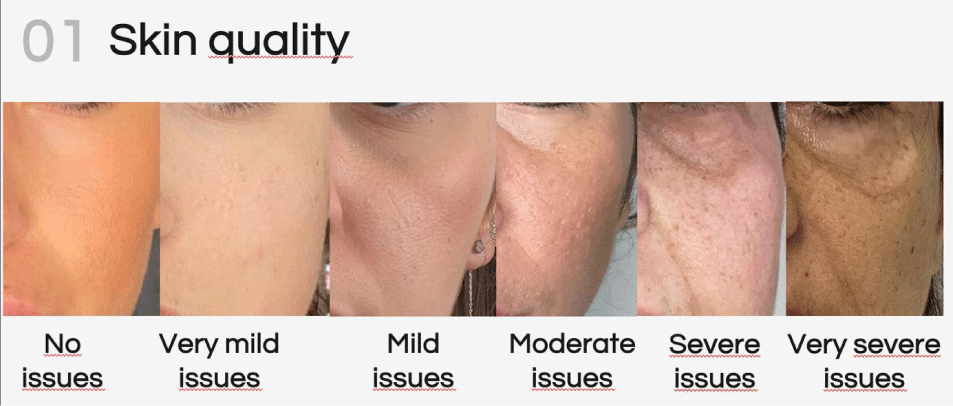
Skin quality assessment: The first step, serving as a foundation for the following steps to come in this protocol, is to thoroughly assess the patient's skin quality, which allows practitioners to understand the patient's baseline skin condition and to identify any underlying dermal issues prior to treatment. This initial assessment is imperative because the quality of the skin directly affects the outcome and longevity of filler treatments [20,21]. The key factors to consider in this assessment range from skin homogeneity and texture, through pigmentation and lines/wrinkles, to hydration/dryness and radiance, all of which may offer important insights into the health of the skin and its potential response to filler injections [22,23] (Figure 2).

Homogeneity refers to the evenness of the skin's appearance. A uniform skin tone is often seen as a reflection of youth and vitality, while an uneven skin tone, characterized by discoloration or redness, may indicate health issues or aging [24-27]. Assessing skin homogeneity allows physicians to identify areas that may require special attention, such as blemishes or imperfections that could compromise the final aesthetic outcome. Adequate treatment can improve the overall homogeneity result and warrant a more uniform and pleasing appearance after treatment.
Texture is another important factor when assessing skin quality. A smooth skin texture is commonly associated with beauty and youth, while a rough or irregular texture may imply problems such as acne scarring, enlarged pores or sun damage [28]. Precise evaluation of skin texture helps to tailor treatment, as certain filler techniques or additional treatments such as microdermabrasion or laser therapy may be required to refine the skin surface before or in combination with filler injections [29,30]. Notably, a smooth skin texture not only contributes to a youthful and healthy appearance, but also ensures that fillers are distributed evenly, reducing the risk of irregular or patchy results.
Pigmentation includes the natural color of the skin and any abnormalities such as age spots, melasma, or post-inflammatory hyperpigmentation. Changes in pigmentation may be primarily due to aging, sun damage, or hormonal changes [31]. Understanding the degree and nature of these pigmentation issues is critical to developing a treatment plan that effectively addresses these concerns. Proper treatment of pigmentation issues can prevent these conditions from worsening during/after treatment and contribute to a more uniform skin tone.
Lines and wrinkles are arguably the most obvious signs of aging and a major concern for many seeking filler treatments. To evaluate these features, it is important to know their depth, location, and cause. The detailed assessment of wrinkles is described below. Fine lines and deep wrinkles are treated differently, and being aware of the exact nature of these imperfections will help the practitioner select the right type and amount of filler. In addition, understanding the patient's facial dynamics – how the face moves – can inform the physician of potential areas where fillers need to be injected more carefully to achieve a natural look [31-34].
Additional critical factors for the assessment of overall skin quality are the hydration and dryness of the skin. Well-moisturized skin is usually more elastic and responds better to filler injections, while dry skin may appear dull and is more likely to form fine lines [35]. Thus, assessing the skin's hydration status can guide the practitioner to recommend skin care regimens prior to treatment or select specific types of fillers that can moisturize the skin, thereby optimizing the aesthetic outcome.
Finally, the radiance or natural glow of the skin is a subtle but important indicator of skin health. Radiant skin is often linked to adequate blood circulation, sufficient hydration and a well-preserved skin barrier. Therefore, all previously mentioned skin quality characteristics basically culminate in skin radiance [36,37]. Vice versa, a lack of skin glow could reflect poor skin health or an existing condition that should be treated before injecting fillers.
The midface region is particularly well-suited for standardized skin quality assessment. This defined area, bordered by the nasal ala medially, the upper lip caudally, the lower eyelid cranially, and the zygoma laterally, is where signs of facial hyperpigmentation, enlarged pores, vascular irregularities, aging, and conditions such as rosacea are most visibly apparent (Figure 3).
Various measurement devices and clinical scales are available to the practitioner to comprehensively assess skin quality. Devices such as the VISIA and PRIMOS systems provide in-depth analyses of skin condition, including texture, pigmentation and hydration. The VISIA system is a state-of-the-art facial imaging device that captures high-resolution images to provide a thorough analysis of skin health. It evaluates key aspects such as texture, pigmentation, pores and the overall condition of the skin, offering specific insights into areas that require attention. By providing objective data on skin characteristics, this tool helps practitioners enhance the efficacy and fine-tune the precision of skin assessments and treatments [38,39]. The PRIMOS system, on the other hand, relies on 3D imaging technology to analyze skin topography in great detail. It measures irregularities in the skin surface, such as wrinkles and fine lines, with high accuracy [22,40,41]. For further specific assessments, devices such as moisture meters, sebum analyzers, dermatoscopes, pore analyzers can help analyze the skin quality (more) accurately [42]. In addition, clinical assessment scales such as the “Five-Point Scientific Assessment Scale of Skin Quality” can be implemented. This scale provides a standardized method for evaluating skin quality, enabling the physician to objectively quantify and track changes in skin condition [43].
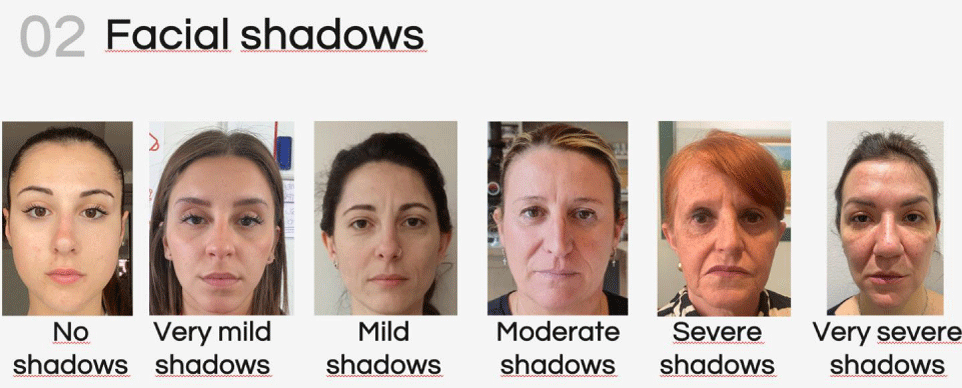
Shadow assessment: The second step is to accurately assess the formation of shadows on the patient's face. Albeit the evaluation of facial shadows often being done subconsciously during every day social interactions, this aspect needs to be implemented in a professional and structured facial aesthetic assessment as shadows significantly affect the perceived emotional expression and overall aesthetic appearance of the patient [44,45]. Regardless of the person's actual mood or well-being, shadows can, therefore, convey the misleading impression of tiredness, sadness or aging, potentially undermining the desired results of soft tissue filler treatments. For this aspect of facial aesthetics, thus far, no standardized assessment method has been developed, therefore relying only on the experience of the treating physician. By properly assessing and ameliorating these facial shadows, the practitioner can give the patient a more youthful and lively appearance. Four key areas of the face are particularly prone to shadows, namely the cheeks, the periorbital region, the marionette lines and the nasolabial folds (Figure 4).
- The cheeks are one of the most prominent areas where shadows can form, especially due to volume loss. As part of the aging process, the fat pads in the cheeks decrease, resulting in a sunken appearance and the development of shadows. These shadows can make the face look gaunt and tired [46,47]. By evaluating the extent and location of these shadows, the practitioner can gain a deeper understanding about the extent and location of the underlying volume loss and can therefore strategically place fillers to restore volume and create a smoother, well-contoured appearance.
- The periorbital region is another critical zone where shadows can play a significant role. Dark circles under the eyes can make a patient appear fatigued and older than they actually are. These shadows are mainly attributable to a combination of factors such as thinning skin, volume loss and hyperpigmentation [48,49]. Careful assessment of this area is essential to determine the etiology of the aesthetic concern (e.g., pigmentation, dark circles, volume loss, etc.) and to choose the best avenue for the amelioration of these shadows, whether it be through filler injections to restore volume or other treatments to improve skin quality and pigmentation [50]. Proper treatment of shadows in the periorbital region can help rejuvenate the eye area, giving the patient a more rested and refreshed appearance.
- Marionette lines can also cast noticeable shadows. These lines can give the impression of a downturned mouth and impart an impression of sadness or dissatisfaction. Shadows in this area are usually caused by complex age-related changes of the lower face including sagging skin and volume loss [51]. Therefore, by assessing the depth and length of these shadows, the physician can effectively lift and smooth the area with fillers, thereby reducing the shadows and creating a more positive and uplifted expression [52].
- Nasolabial folds can become more pronounced with age, contributing to a dull, haggard, and/or aged appearance. After a thorough assessment of the nasolabial folds, the practitioner can better discern which filler techniques are most suitable to attenuate these folds and reduce the associated shadows, thereby restoring a more youthful and balanced appearance to the face. The extent and location of the folds inform whether injections should be placed more superficially (for less pronounced folds and subtle shadows) or deeper (for severe folds with significant shadowing) [53-55].
It is important to note that to date, there are no validated and standardized assessment scales specifically designed for the evaluation of shadows in facial analysis. This lack of normalized tools can complicate the consistent evaluation and comparison of shadows. Therefore, it is recommended to implement a photographic analysis with standardized lighting conditions. This method may improve the visibility of the shadows and allow for a more accurate evaluation and comparison. Standardized lighting can help to capture the true extent of the shadows and document changes over time, which, in turn, provides a sound basis for treatment planning and the evaluation of results.
Contour assessment
The third step in this six-step guide is to evaluate facial contours. In this context, contours refer to the outline or silhouette of the face, which plays a major role in defining the overall aesthetic and symmetry of the face. Assessing facial contours is pivotal as it allows the practitioner to understand the structure of the patient's face with natural curves and angles. During this process, areas that may need to be augmented or corrected can be identified, thus achieving more balanced and natural-looking results with the injection of soft tissue fillers [56,57].
In the frontal view, the definition of the jawline, the prominence of the cheeks and the prominence of the chin are the most important areas for contour assessment. The jawline is an important facial feature that defines the lower face and contributes to an angular and attractive appearance. In general, a prominent jawline with a smooth, uninterrupted contour is associated with beauty and strength. The practitioner can determine – through accurate assessment of the jawline – whether contouring or volume augmentation is needed to add definition and correct asymmetries or sagging [58-60]. Cheek prominence is another crucial aspect of facial contours in the frontal view. High, well-defined cheeks tend to be perceived as youthful and vital. By assessing cheek prominence, the practitioner can detect areas of facial volume loss and plan for filler injections to restore fullness and improve overall facial contour. This assessment also ensures that the cheek projection is in harmony with the rest of the face, thereby creating a balanced and aesthetically pleasing appearance [61-63]. In addition, an accentuated chin adds definition to the lower face and can significantly shape the overall facial profile. When assessing the form of the chin, the practitioner may find that augmentation or contouring is needed to achieve a more proportional and defined appearance. This is especially important for patients with a receding or weak chin, which can impair the facial balance [52,64,65].
In the side view, the most important areas during contour assessment are the nose, forehead, lips and chin. The contour of the nose is a key feature that strongly influences the side profile of the face.66Evaluating the shape and alignment of the nose helps the practitioner to devise treatments that can improve or refine the contour of the nose, ensuring that it complements the overall structure of the face. Further, a smooth, well-contoured forehead contributes to a balanced and symmetric facial appearance. The assessment of the forehead in both the frontal and lateral view allows the aesthetic practitioner to identify regional volume loss often caused by age-related resorption of the bony fundament, requiring volume correction to harmonize the forehead with the rest of the patient’s face [64,67,68]. The lips and chin are also relevant when assessing the contour in the profile view. Full, well-defined lips are often regarded as a hallmark of voluptuousness, vitality and attractiveness. However, some people may have thin or asymmetrical lips, which can be augmented with fillers to achieve a fuller and more balanced appearance [69]. Similarly, the contour of the chin in the side view influences the overall harmony of the profile. A weak or overly pronounced chin can distort the proportions of the face, making careful evaluation with subsequent augmentation via fillers a valuable step toward optimizing patient’s facial aesthetics (Figure 5).
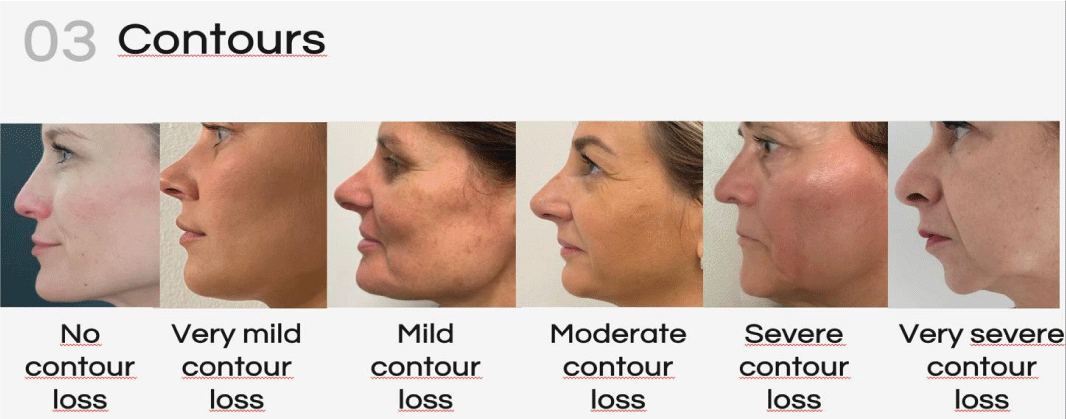
To aid in the accurate assessment of facial contours, two well-established assessment tools have been described: the Facial Volume Loss Scale (FVLS) [70], and the Jawline Contour Rating Scale (JCRS) [71]. The FVLS is used primarily to analyze midface contour and ranges from 1 (quite full) to 4 (significant loss, clearly visible hollowing). This scale helps the physician to quantify the degree of volume loss in the midface, which enables precise treatment planning and monitoring of the treatment outcome. The JCRS scale is designed to assess the contour of the jaw. It ranges from 0 (none; smooth, uninterrupted jaw contour) to 4 (extreme; severely interrupted jaw contour). This scale provides a standardized method for evaluating the definition of the jawline and identifying areas that may need enhancement or contouring. Practitioners are well advised to use these scales as they provide objective and quantifiable measures of facial contours. Therefore, by incorporating these standardized scales into their practice, practitioners can leverage a systematic and consistent approach to facial assessment, thus increasing the precision of treatment plans and achieving more predictable and satisfying outcomes.
Wrinkles assessment
The fourth step involves the assessment of wrinkles in the patient’s face, whereby wrinkles are broadly defined as folds, ridges, or creases in the skin typically resulting from the aging process and loss of skin elasticity [72,73]. The assessment of wrinkles is particularly important for two reasons: on the one hand, wrinkles can vary greatly in depth and severity, and different types of wrinkles may require different treatment approaches. In this context, wrinkles can also reflect underlying structural changes in the skin and subcutaneous tissues, such as the loss of collagen and elastin fibers, which are critical for skin firmness and elasticity. By assessing the presence and depth of wrinkles, the practitioner can gauge the extent of these changes and determine the most appropriate interventions. Furthermore, treatment approaches need to be adapted whether the wrinkles are of dynamic – upon facial expression – or of static nature – as seen in a resting face. While neuromodulating treatments can have a beneficial effect on the former, volumizing agents including soft tissue fillers are typically recommended for the aesthetic amelioration of the latter [74,75].
Wrinkles may not only adversely affect the aesthetic appearance but also the psychological well-being of patients. In fact, many people seek wrinkle reduction treatments to both look and feel younger and fresher, which can boost their self-esteem and confidence [76]. Accurate assessment warrants that subsequent anti-wrinkle treatments are tailored to meet these emotional and psychological needs.
It is important to note that certain areas of the face are particularly prone to wrinkling and, therefore, need to be examined closely. The forehead and glabellar region often exhibit horizontal wrinkles or vertical “frown lines”. These wrinkles are postulated to be caused mainly by repetitive muscle movements and are among the first to appear with higher age [77-79]. The periorbital region is another critical area where crow's feet and under-eye wrinkles often form. This region is very expression-rich and has thinner skin, making it susceptible to early wrinkling [80,81]. Conversely, in the perioral region vertical lines, known as “smoker's lines”, and nasolabial folds can form [82,83]. These wrinkles can significantly impede facial expression and contribute to an elderly appearance, thus calling for adequate treatment. Lastly, the cheeks can develop both static wrinkles, which are visible even at rest, and dynamic wrinkles, which appear when the face moves. These changes are primarily attributed to the loss of volume and reduced elasticity of the skin in the mid-face area [84,85].
A plethora of scales can be used for the precise evaluation and classification of the severity of wrinkles, each of which offers a structured method for assessment. The Wrinkle Severity Rating Scale (WSRS) is one such method, which ranges from 0 (no wrinkles) to 4 (very deep wrinkles). This scale offers a simplified way to assess the depth and severity of wrinkles, which, in turn, facilitates standardized documentation and treatment planning [86]. The Glogau Wrinkle Scale, which ranges from I (slight wrinkles) to IV (severe wrinkles), categorizes wrinkles based on their visibility and the patient's age group, providing a broader context for understanding wrinkle formation [87]. The Lemperle wrinkle classification also ranges from 0 (no wrinkles) to 5 (very deep wrinkles) and is particularly useful for assessing fine lines and deeper wrinkles [88]. For a more nuanced assessment of specific facial regions, the (modified) Fitzpatrick Wrinkle Scale (MFWS), with its 7-point scale ranging in 0.5 increments from 0 (no wrinkles) to 3 (deep wrinkles), has been developed and provides a detailed assessment of the nasolabial fold that is also valuable for monitoring subtle changes over time [89]. Due to the inconsistent nomenclature and gradation steps of previous scales and classifications, we herein propose a wrinkle classification for the entire face that aligns with the consistent gradations of FILLMED’s 6 step patient assessment matrix and protocol, thereby catering to an easy-to-use approach in daily clinical practice in which the plethora of different gradations can otherwise be overwhelming (Figure 6).
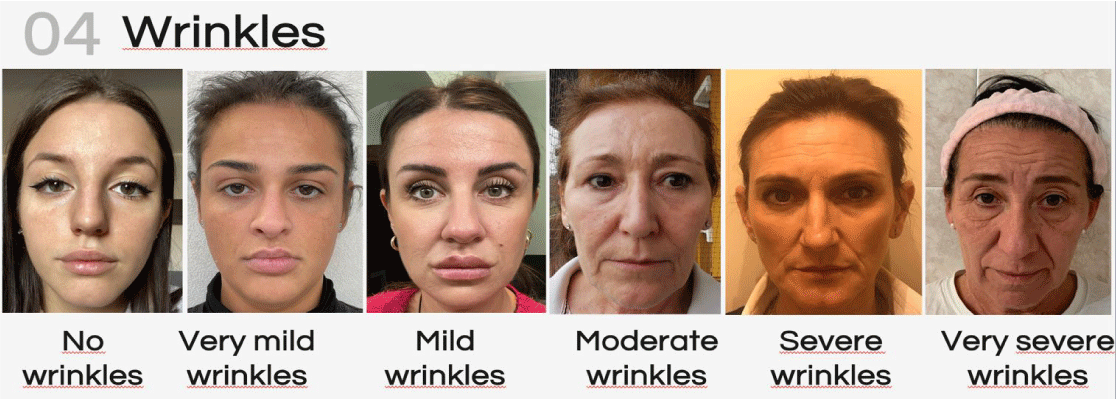
These scales provide a standardized framework for evaluating wrinkles and facilitate consistent communication between practitioners and patients. This consistency is critical for establishing realistic treatment expectations and tracking treatment outcomes over time. In addition, the use of these scales can set the stage for research and clinical studies by offering a reliable method for quantifying and comparing the severity of wrinkles in different patient populations. However, while these scales are useful for the semi-quantitative analysis of facial aesthetics, practitioners should remember that aesthetic assessment goes beyond technical measurements. It is essential to consider the patient holistically rather than relying solely on numerical values.
Volume loss
The fifth step in our six-step pre-procedural facial assessment guide is to evaluate the patient's volume loss. This step is imperative because volume loss significantly interferes with the overall appearance and typically adds to the signs of aging, such as sagging skin, hollowed areas and a tired appearance. By identifying these areas of volume loss, the practitioner can selectively inject fillers to restore youthful fullness and contour to the face [90,91].
Volume loss primarily affects certain key areas, including the temples, periorbital region, midface and lips. Proper assessment of each of these areas is vital to preparing a complete and effective treatment plan. A loss of volume in the temples can lead to a sunken and older appearance. The temples play a crucial role in the overall contour of the face, and a depression in this area can make the upper face appear narrower and more skeletal. Filling up these volume-reduced areas creates a fuller, more balanced, and refreshed appearance [92-94].
The eye area is particularly susceptible loss of bony fundament and volume, which can manifest itself as dark circles, periorbital hollows and a sunken appearance. This volume deficit can leave patients looking fatigued and older than they are. Accordingly, evaluating the eye region allows the practitioner to recognize the extent of the volume deficit and plan precise filler injections to rejuvenate the area [95].
A loss of volume in the midface can lead to a flattened appearance, loose skin and a deepening of the nasolabial folds. Such deficits can be addressed through appropriate placement of fillers, lifting and contouring the cheeks, restoring youthful fullness, and ultimately supporting midface structures. Similarly, lips are considered a focal point of facial aesthetics. With age, lips can lose fullness, definition, and hydration, resulting in a thinner appearance and the formation of fine lines around the mouth. This can negatively affect facial expressions and contribute to a dull or less vibrant look [96,97].
Importantly, a variety of tools are readily available to aid in the precise assessment of volume loss via standardized and objective measurements. The aforementioned FVLS is specifically designed to assess volume loss in the midface [70]. Likewise, Temple Volume Rating Scale (TVRS) is a valuable metric to evaluate volume loss at the temples and ranges from 0 (convex) to 4 (extremely concave) [98]. These scales can help practitioners quantify the degree of volume loss in the midface and temple areas, respectively, and tailor treatments to effectively restore fullness in these zones. Our approach to assess facial volume loss is not specified for a certain facial region – albeit the midface and cheek region being the most commonly assessed in this regard - but is rather applicable to any facial region which makes it easier to implement in daily clinical practice. Hence, the aesthetic practitioner does not have to “switch between” different scales but can perform their aesthetic assessment in a holistic and finely-graded approach (Figure 7). In addition, 3D surface scans can deliver a comprehensive analysis of volume loss across the entire face [99,100]. Specifically, these scans may provide detailed, quantitative data on volume distribution and change, thereby allowing for precise targeting of areas to be treated.
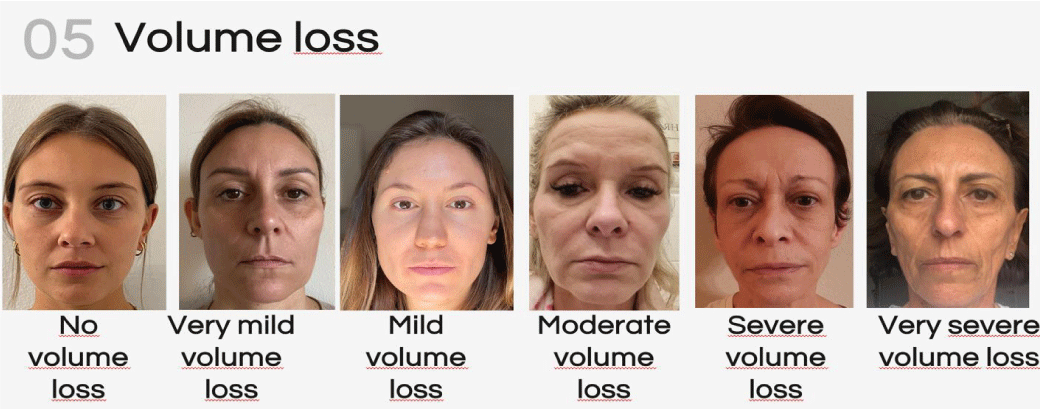
Symmetry & proportions assessment
The assessment of facial proportions is the final step in the herein proposed guide. Proportions refer to the balance of facial features, which depend on their size and position in relation to each other. Overall, facial assessment is not only about picking out individual features but understanding how these features interact and contribute to the aesthetics of the patient’s face through a holistic lens. The significance of evaluating facial proportions lies in their direct impact on the outcome of aesthetic treatments. A misjudgment of proportions may lead to unnatural results that do not match the patient's natural appearance. For example, augmenting one specific facial feature without considering its proportions relative to other features can lead to an out-of-balance and asymmetrical appearance. A comprehensive assessment, therefore, ensures that all improvements blend seamlessly with the rest of the face, preserving natural balance and avoiding an artificial look.
In this context, symmetry plays a fundamental role in facial aesthetics, with a symmetrical face often being perceived as more attractive. This perception is rooted in the idea that symmetry is a sign of health and genetic fitness. To achieve an optimal aesthetic outcome, it is essential to evaluate key facial regions that contribute to the overall symmetry of the face. Our analysis focuses on areas that are crucial for facial expression and are easily accessible for aesthetic interventions: eyebrows, eyes, nose, lips and jawline (Figure 8).
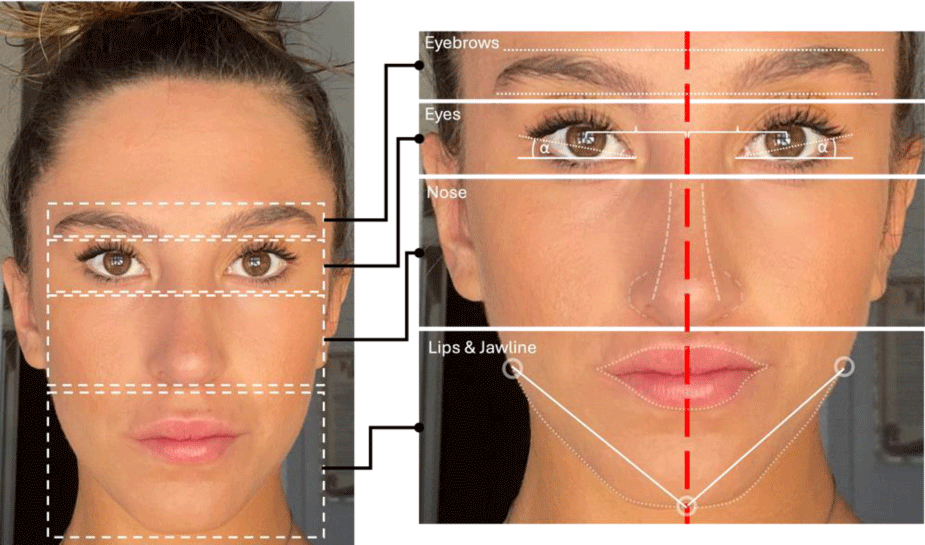
- Eyebrows: The eyebrows are essential in framing the face and play a significant role in facial symmetry. In professional practice, key landmarks such as medial and lateral margin of the eyebrow are used to evaluate the symmetry of the eyebrows. The relationship between the medial and lateral ends of the eyebrows, along with their height, determines the balance of the upper third of the face. Symmetry in these areas ensures that the face appears harmonious, and expressions are perceived as natural [101-103] (Figure 9).
- Eyes: The eyes are often considered the most expressive feature of the face, making their symmetry crucial. Important landmarks in this region include the medial and lateral canthus (inner and outer corners of the eyes) and the pupil center. The lateral canthal angle, formed between the lateral canthus and the outer edge of the eye, is particularly significant in assessing symmetry. Additionally, the intercanthal distance (distance between the medial canthi of both eyes) is a critical measure that can highlight asymmetries that might otherwise be overlooked. These precise measurements ensure that the eyes are proportionately aligned, contributing to an overall balanced and aesthetically pleasing facial appearance [104] (Figure 10).
- Nose: The nose serves as the central anchor of the face, and its symmetry is pivotal in facial analysis. Key landmarks for nasal symmetry include the dorsum (starting from the nasion and ending at the tip), the tip-defining point (the most prominent point on the nasal tip), and the alar base points (the widest part of the nostrils). The nasal bridge should ideally follow a straight course from the nasion to the nasal tip, and the alignment of the nasal alars with these landmarks ensures that the nose appears symmetrical and in harmony with other facial features [105] (Figure 11).
- Mouth: The symmetry of the mouth is vital for the aesthetics of the lower face. The oral commissures (corners of the mouth) are key landmarks that are evaluated for their height and alignment. The cupid's bow (the dip in the middle of the upper lip) is another critical landmark that ought to be located in the midline to ensure balance in the mouth's appearance. Additionally, the vermilion border (the border between the lip and the surrounding skin) is assessed for uniformity in volume on both sides. By focusing on these landmarks, practitioners can enhance the symmetry of the mouth, which is crucial for a balanced and youthful appearance [106,107] (Figure 12).
- Jawline: The jawline provides the contour and definition of the lower face. Symmetry in this region is assessed using landmarks such as the menton (the lowest point of the chin), the gonion (the most posterior and inferior point of the jaw angle), and the pogonion (the most anterior point on the chin). By outlining the jawline and connecting the menton with the gonia on each side from a frontal view, practitioners can compare the angles formed by these lines in relation to the sagittal plane. Discrepancies in these angles reveal asymmetries in the lower face, providing a highly effective method for evaluating and enhancing facial symmetry (Figure 13).
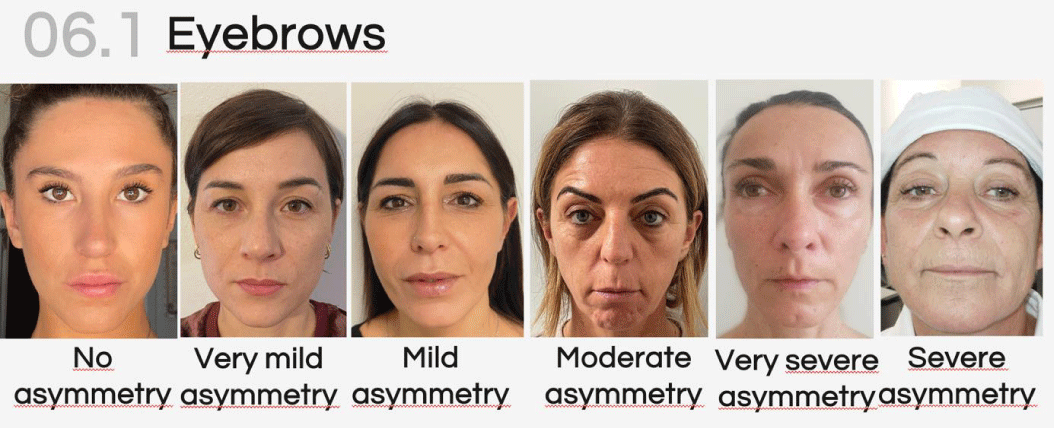
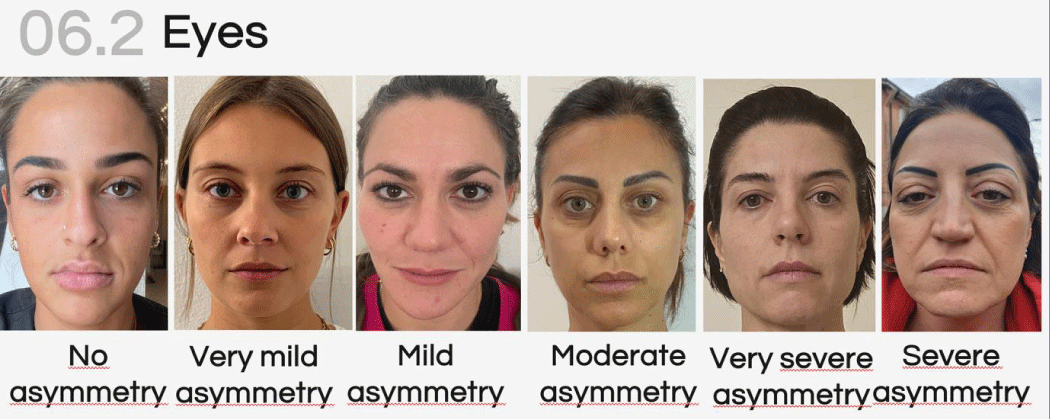
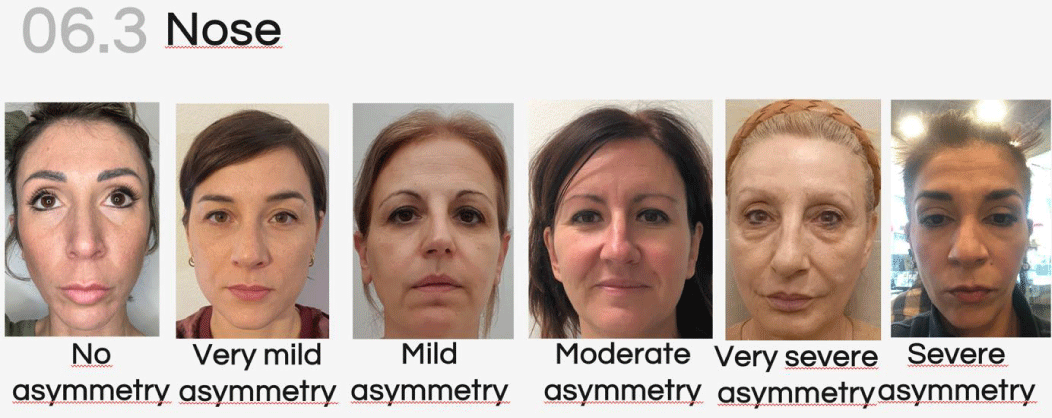
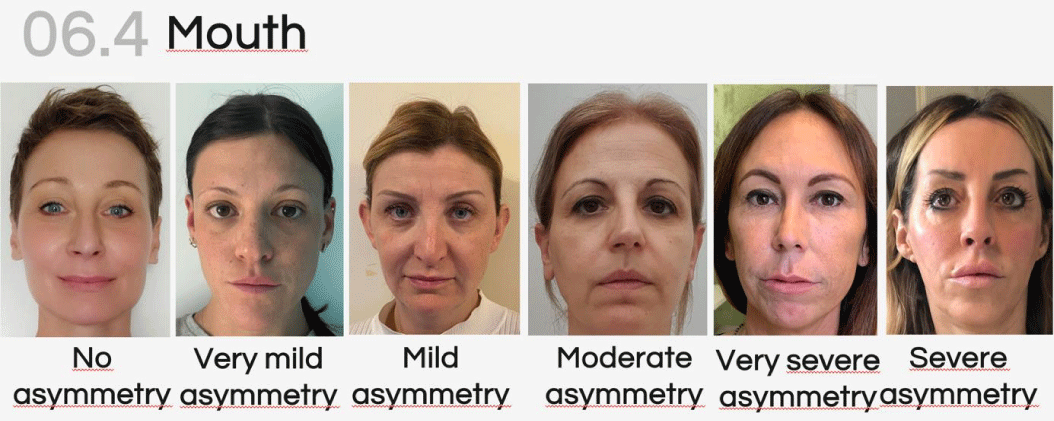
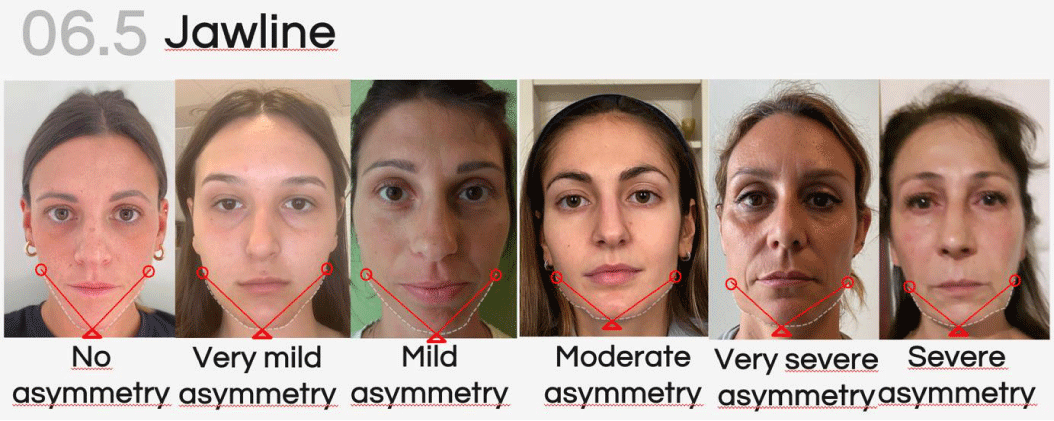
When assessing proportions, it is important to evaluate both the overall and regional proportions of the face. The overall proportion assessment focuses on the vertical and horizontal axis ratios, the division of the face into vertical thirds, horizontal fifths, and the application of the golden ratio. The vertical and horizontal axis ratio is a foundational aspect of facial symmetry. The face is divided into equal halves vertically and horizontally, and the balance between these halves determines the overall symmetry. The vertical thirds of the face segment the face into three sections: from the hairline to the forehead, from the forehead to the root of the nose, and from the root of the nose to the chin. This division helps to assess the vertical harmony of the face. The horizontal fifths of the face split the face into five equal parts, with this assessment being particularly useful for determining whether the eyes are proportioned to each other or whether the face appears wider or narrower than it should. Further, the golden ratio, which is 1:1.618, is often used as a beauty standard and can be applied to various facial features to assess their proportions [108-110]. However, it is important to recognize that beauty is inherently subjective and varies from individual to individual. As a result, attempts to standardize facial proportions like a blueprint have not been successful in recent years, leading to a preference for more individualized approaches [111].
When evaluating specific regional proportions, the nose and lips are of particular importance. The nose should be assessed in terms of its length, width, and position in relation to other facial features. Similarly, the lips should be examined for fullness, symmetry, and their proportion to other facial features such as the chin and nose [112,113].
To yield the most accurate assessment of facial proportions, practitioners may also leverage manual measurement tools such as calipers and tape measures. These instruments allow precise measurements of various facial dimensions and ensure an objective, unbiased assessment. In addition, a digital photographic assessment under standardized conditions using anthropometric measurements and ratios may be helpful. Using these manual and machine assessment tools, facial ratios and indices such as the Facial Proportion Index (FPI) can be calculated [114,115].
We herein presented FILLMED’s 6-step matrix and protocol for the facial aesthetic assessment. This standardized framework allows for an individualized approach to facial aesthetic assessment and provides a robust framework for initiating and guiding aesthetic treatments. By establishing a consistent baseline, practitioners can tailor treatment plans to each patient's unique facial features, anatomical considerations, and aesthetic goals. This personalized strategy ensures that treatments are not only effective but also align closely with the patient's expectations and desires. Throughout the treatment journey, ongoing assessment of these key aspects allows for precise measurement of progress. This continuous evaluation helps in determining what specific interventions are yielding the desired results and which areas may require modification. By adapting the treatment plan based on these regular assessments, practitioners can optimize outcomes and enhance patient satisfaction.
Furthermore, meticulous documentation within a specialized matrix serves multiple purposes. It enables detailed tracking of the patient's progress over time, facilitates communication between different members of the treatment team, and ensures that any adjustments are made with a clear understanding of the patient's history and response to previous treatments. This methodical approach, comparable to practices in other medical specialties, supports evidence-based decision-making and enhances the overall quality of care provided (Figure 14).
Conclusion
In the evolving field of aesthetic medicine, the demand for minimally invasive treatments like soft tissue fillers is increasing. To meet this demand effectively and safely, a structured and individualized approach to facial assessment is crucial. This paper outlines FILLMED’s comprehensive six-step assessment matrix and protocol for pre-treatment facial assessment, providing practitioners with a meticulous framework to enhance the efficacy of aesthetic treatments.
In the evolving field of aesthetic medicine, the demand for minimally invasive treatments like soft tissue fillers is increasing. To meet this demand effectively and safely, a structured and individualized approach to facial assessment is crucial. This paper outlines FILLMED’s comprehensive six-step assessment matrix and protocol for pre-treatment facial assessment, providing practitioners with a meticulous framework to enhance the efficacy of aesthetic treatments. The first step, skin quality assessment, addresses the patient’s baseline skin condition, focusing on factors such as texture, pigmentation, and hydration. The second step, shadow assessment, identifies and mitigates facial shadows in critical areas, enhancing the patient’s overall appearance by strategically placing fillers. Contour assessment, the third step, involves a thorough analysis of facial structure to identify areas needing augmentation or correction, crucial for achieving balanced and natural-looking results. The fourth step, wrinkle assessment, tailors treatments to the specific types and degrees of wrinkles, using standardized scales to ensure consistent communication and realistic expectations. Volume loss assessment, the fifth step, targets areas where facial volume has decreased, such as the temples, periorbital region, midface, and lips, to restore youthful fullness and contour. The final step, evaluating proportions, ensures that all enhancements harmonize with the patient’s overall facial structure, enhancing facial symmetry and avoiding an artificial appearance. In conclusion, FILLMED’s six-step assessment matrix and protocol offers a holistic and systematic approach to pre-treatment facial assessment. This comprehensive assessment not only optimizes treatment outcomes but also fosters trust and satisfaction among patients, reinforcing the importance of individualized care in aesthetic medicine.References
- Little AC, Jones BC, DeBruine LM. Facial attractiveness: evolutionary based research. Philos Trans R Soc Lond B Biol Sci. 2011 Jun 12;366(1571):1638-59. doi: 10.1098/rstb.2010.0404. PMID: 21536551; PMCID: PMC3130383.
- Peterson K. The evolution of plastic surgery: From reconstruction to aesthetic enhancement.
- Newman J. Review of soft tissue augmentation in the face. Clin Cosmet Investig Dermatol. 2009 Aug 28;2:141-50. doi: 10.2147/ccid.s3631. PMID: 21436976; PMCID: PMC3047934.
- Cassuto D, Bellia G, Schiraldi C. An Overview of Soft Tissue Fillers for Cosmetic Dermatology: From Filling to Regenerative Medicine. Clin Cosmet Investig Dermatol. 2021 Dec 22;14:1857-1866. doi: 10.2147/CCID.S276676. PMID: 34992400; PMCID: PMC8710524.
- Akinbiyi T, Othman S, Familusi O, Calvert C, Card EB, Percec I. Better Results in Facial Rejuvenation with Fillers. Plast Reconstr Surg Glob Open. 2020 Oct 15;8(10):e2763. doi: 10.1097/GOX.0000000000002763. PMID: 33173655; PMCID: PMC7647625.
- Corduff N, Juniarti L, Lim TS, Lin F, Mariwalla K, Pavicic T, Quiambao A, Siew TW, Suwanchinda A, Tseng FW, Vachiramon V, Youn CS, Ho WWS. Current Practices in Hyaluronic Acid Dermal Filler Treatment in Asia Pacific and Practical Approaches to Achieving Safe and Natural-Looking Results. Clin Cosmet Investig Dermatol. 2022 Jul 1;15:1213-1223. doi: 10.2147/CCID.S363583. PMID: 35800454; PMCID: PMC9255720.
- Lipko-Godlewska S, Bolanča Ž, Kalinová L, Kermen I, Onisak B, Papp I, Rebrov M, Valančienė G. Whole-Face Approach with Hyaluronic Acid Fillers. Clin Cosmet Investig Dermatol. 2021 Feb 17;14:169-178. doi: 10.2147/CCID.S292501. PMID: 33633459; PMCID: PMC7901566.
- Di Gregorio C, Gauglitz G, Partridge J. Individualized Treatment Algorithm Using Hyaluronic Acid Fillers for Lifting, Contouring and Volumizing the Midface. Clin Cosmet Investig Dermatol. 2022 Apr 14;15:681-690. doi: 10.2147/CCID.S353878. PMID: 35444438; PMCID: PMC9014959.
- Beer K, Beer J. Overview of facial aging. Facial Plast Surg. 2009 Dec;25(5):281-4. doi: 10.1055/s-0029-1243075. Epub 2009 Dec 18. PMID: 20024868.
- Boehm LM, Morgan A, Hettinger P, Matloub HS. Facial Aging: A Quantitative Analysis of Midface Volume Changes over 11 Years. Plast Reconstr Surg. 2021 Feb 1;147(2):319-327. doi: 10.1097/PRS.0000000000007518. PMID: 33165293.
- Mendelson B, Wong CH. Changes in the facial skeleton with aging: implications and clinical applications in facial rejuvenation. Aesthetic Plast Surg. 2012 Aug;36(4):753-60. doi: 10.1007/s00266-012-9904-3. Epub 2012 May 12. PMID: 22580543; PMCID: PMC3404279.
- Farkas JP, Pessa JE, Hubbard B, Rohrich RJ. The Science and Theory behind Facial Aging. Plast Reconstr Surg Glob Open. 2013 May 7;1(1):e8-e15. doi: 10.1097/GOX.0b013e31828ed1da. PMID: 25289202; PMCID: PMC4174174.
- Swift A, Liew S, Weinkle S, Garcia JK, Silberberg MB. The Facial Aging Process From the "Inside Out". Aesthet Surg J. 2021 Sep 14;41(10):1107-1119. doi: 10.1093/asj/sjaa339. PMID: 33325497; PMCID: PMC8438644.
- Freytag L, Alfertshofer MG, Frank K, Moellhoff N, Helm S, Redaelli A, Voropai D, Hernandez CA, Green JB, Cotofana S. Understanding Facial Aging Through Facial Biomechanics: A Clinically Applicable Guide for Improved Outcomes. Facial Plast Surg Clin North Am. 2022 May;30(2):125-133. doi: 10.1016/j.fsc.2022.01.001. PMID: 35501049.
- Beleznay K, Carruthers JD, Humphrey S, Jones D. Avoiding and Treating Blindness From Fillers: A Review of the World Literature. Dermatol Surg. 2015 Oct;41(10):1097-117. doi: 10.1097/DSS.0000000000000486. PMID: 26356847.
- Beleznay K, Carruthers JDA, Humphrey S, Carruthers A, Jones D. Update on Avoiding and Treating Blindness From Fillers: A Recent Review of the World Literature. Aesthet Surg J. 2019 May 16;39(6):662-674. doi: 10.1093/asj/sjz053. PMID: 30805636.
- Sito G, Manzoni V, Sommariva R. Vascular Complications after Facial Filler Injection: A Literature Review and Meta-analysis. J Clin Aesthet Dermatol. 2019 Jun;12(6):E65-E72. Epub 2019 Jun 1. PMID: 31360292; PMCID: PMC6624005.
- McDonald CB, Hart S, Liew S, Heydenrych I. The Importance of Patient Mindset: Cosmetic Injectable Patient Experience Exploratory Study-Part 1. Aesthet Surg J Open Forum. 2022 May 8;4:ojac043. doi: 10.1093/asjof/ojac043. PMID: 35769690; PMCID: PMC9225726.
- Ramirez SPB, Scherz G, Smith H. Characteristics of Patients Seeking and Proceeding with Non-Surgical Facial Aesthetic Procedures. Clin Cosmet Investig Dermatol. 2021 Mar 1;14:197-207. doi: 10.2147/CCID.S296970. PMID: 33688232; PMCID: PMC7935348.
- Bezpalko L, Filipskiy A. Clinical and Ultrasound Evaluation of Skin Quality After Subdermal Injection of Two Non-Crosslinked Hyaluronic Acid-Based Fillers. Clin Cosmet Investig Dermatol. 2023 Aug 10;16:2175-2183. doi: 10.2147/CCID.S402409. PMID: 37583485; PMCID: PMC10424680.
- Samizadeh S, Samizadeh S. Dermal fillers: Understanding the fundamentals. In: Samizadeh S, editor. Non-surgical rejuvenation of Asian faces. Springer International Publishing; 2022:253-265. doi: 10.1007/978-3-030-84099-0_16.
- Goldie K, Kerscher M, Fabi SG, Hirano C, Landau M, Lim TS, Woolery-Lloyd H, Mariwalla K, Park JY, Yutskovskaya Y. Skin Quality - A Holistic 360° View: Consensus Results. Clin Cosmet Investig Dermatol. 2021 Jun 14;14:643-654. doi: 10.2147/CCID.S309374. PMID: 34163203; PMCID: PMC8214518.
- Humphrey S, Manson Brown S, Cross SJ, Mehta R. Defining Skin Quality: Clinical Relevance, Terminology, and Assessment. Dermatol Surg. 2021 Jul 1;47(7):974-981. doi: 10.1097/DSS.0000000000003079. PMID: 34148998; PMCID: PMC8231670.
- Sun YP, Zhang X, Lu N, Li J, Wang Z. Your face looks the same as before, only prettier: The facial skin homogeneity effects on face change detection and facial attractiveness perception. Front Psychol. 2022 Nov 2;13:935347. doi: 10.3389/fpsyg.2022.935347. PMID: 36405180; PMCID: PMC9667065.
- Matts PJ, Fink B, Grammer K, Burquest M. Color homogeneity and visual perception of age, health, and attractiveness of female facial skin. J Am Acad Dermatol. 2007 Dec;57(6):977-84. doi: 10.1016/j.jaad.2007.07.040. Epub 2007 Aug 23. PMID: 17719127.
- Stephen ID, Law Smith MJ, Stirrat MR, Perrett DI. Facial Skin Coloration Affects Perceived Health of Human Faces. Int J Primatol. 2009 Dec;30(6):845-857. doi: 10.1007/s10764-009-9380-z. Epub 2009 Oct 26. PMID: 19946602; PMCID: PMC2780675.
- Pang H, Chen T, Wang X, Chang Z, Shao S, Zhao J. Quantitative evaluation methods of skin condition based on texture feature parameters. Saudi J Biol Sci. 2017 Mar;24(3):514-518. doi: 10.1016/j.sjbs.2017.01.021. Epub 2017 Jan 26. PMID: 28386175; PMCID: PMC5372378.
- Griffiths TW, Watson REB, Langton AK. Skin ageing and topical rejuvenation strategies. Br J Dermatol. 2023 Oct 30;189(Suppl 1):i17-i23. doi: 10.1093/bjd/ljad282. PMID: 37903073.
- Almukhadeb E, Binkhonain F, Alkahtani A, Alhunaif S, Altukhaim F, Alekrish K. Dermal Fillers in the Treatment of Acne Scars: A Review. Ann Dermatol. 2023 Dec;35(6):400-407. doi: 10.5021/ad.22.230. PMID: 38086353; PMCID: PMC10733075.
- Chilicka K, Rusztowicz M, Szyguła R, Nowicka D. Methods for the Improvement of Acne Scars Used in Dermatology and Cosmetology: A Review. J Clin Med. 2022 May 12;11(10):2744. doi: 10.3390/jcm11102744. PMID: 35628870; PMCID: PMC9147527.
- Thawabteh AM, Jibreen A, Karaman D, Thawabteh A, Karaman R. Skin Pigmentation Types, Causes and Treatment-A Review. Molecules. 2023 Jun 18;28(12):4839. doi: 10.3390/molecules28124839. PMID: 37375394; PMCID: PMC10304091.
- Fujimura T, Hotta M. The preliminary study of the relationship between facial movements and wrinkle formation. Skin Res Technol. 2012 May;18(2):219-24. doi: 10.1111/j.1600-0846.2011.00557.x. Epub 2011 Aug 25. PMID: 22092807.
- Casabona G, Frank K, Koban KC, Freytag DL, Schenck TL, Lachman N, Green JB, Toni S, Rudolph C, Cotofana S. Lifting vs volumizing-The difference in facial minimally invasive procedures when respecting the line of ligaments. J Cosmet Dermatol. 2019 Oct;18(5):1237-1243. doi: 10.1111/jocd.13089. Epub 2019 Aug 12. PMID: 31402563.
- Casabona G, Bernardini FP, Skippen B, Rosamilia G, Hamade H, Frank K, Freytag DL, Sykes J, Onishi EC, Cotofana S. How to best utilize the line of ligaments and the surface volume coefficient in facial soft tissue filler injections. J Cosmet Dermatol. 2020 Feb;19(2):303-311. doi: 10.1111/jocd.13245. Epub 2019 Dec 15. PMID: 31840373.
- Choi JW, Kwon SH, Huh CH, Park KC, Youn SW. The influences of skin visco-elasticity, hydration level and aging on the formation of wrinkles: a comprehensive and objective approach. Skin Res Technol. 2013 Feb;19(1):e349-55. doi: 10.1111/j.1600-0846.2012.00650.x. Epub 2012 Jun 4. PMID: 22672420.
- Michalak M, Pierzak M, Kręcisz B, Suliga E. Bioactive Compounds for Skin Health: A Review. Nutrients. 2021 Jan 12;13(1):203. doi: 10.3390/nu13010203. PMID: 33445474; PMCID: PMC7827176.
- Ikeda H, Saheki Y, Sakano Y, Wada A, Ando H, Tagai K. Facial radiance influences facial attractiveness and affective impressions of faces. Int J Cosmet Sci. 2021 Apr;43(2):144-157. doi: 10.1111/ics.12673. Epub 2020 Dec 26. PMID: 33217010; PMCID: PMC8246902.
- Henseler H. Validation of the Visia® Camera System for skin analysis through assessment of the correlations among the three offered measurements - the percentile, feature count and absolute score - as well as the three capture perspectives, from the left, front and right. GMS Interdiscip Plast Reconstr Surg DGPW. 2022 May 31;11:Doc04. doi: 10.3205/iprs000165. PMID: 35692286; PMCID: PMC9175133.
- Henseler H. Investigation of the precision of the Visia® complexion analysis camera system in the assessment of skin surface features. GMS Interdiscip Plast Reconstr Surg DGPW. 2022 Nov 29;11:Doc08. doi: 10.3205/iprs000169. PMID: 36567876; PMCID: PMC9762175.
- Carlos da Silva G, Barbosa MB, Júnior FBC, Moreira PL, Werka R, Martin AA. Detection of skin wrinkles and quantification of roughness using a novel image processing technique from a dermatoscope device. Skin Res Technol. 2023 Jun;29(6):e13335. doi: 10.1111/srt.13335. PMID: 37357666; PMCID: PMC10209841.
- Roques C, Téot L, Frasson N, Meaume S. PRIMOS: an optical system that produces three-dimensional measurements of skin surfaces. J Wound Care. 2003 Oct;12(9):362-4. doi: 10.12968/jowc.2003.12.9.26539. PMID: 14601231.
- Langeveld M, van de Lande LS, O' Sullivan E, van der Lei B, van Dongen JA. Skin measurement devices to assess skin quality: A systematic review on reliability and validity. Skin Res Technol. 2022 Mar;28(2):212-224. doi: 10.1111/srt.13113. Epub 2021 Nov 9. PMID: 34751474; PMCID: PMC9299221.
- Eiben-Nielson C, Kerscher M. Development and validation of a global photonumeric scale for evaluating skin quality of aged female facial skin. J Cosmet Dermatol. 2021 Dec;20(12):4032-4039. doi: 10.1111/jocd.14058. Epub 2021 Mar 24. PMID: 33690945.
- Palmer CJ, Goddard E, Clifford CWG. Face detection from patterns of shading and shadows: The role of overhead illumination in generating the familiar appearance of the human face. Cognition. 2022 Aug;225:105172. doi: 10.1016/j.cognition.2022.105172. Epub 2022 May 20. PMID: 35605389.
- Hernandez CA, Espinal JM, Zapata DU, Coimbra D, Alfertshofer M, Frank K, Green JB, Davidovic K, Gavril DL, Cotofana S. The Influence of Different Light Angles During Standardized Patient Photographic Assessment on the Aesthetic Perception of the Face. Aesthetic Plast Surg. 2021 Dec;45(6):2751-2759. doi: 10.1007/s00266-021-02314-3. Epub 2021 May 13. PMID: 33987696; PMCID: PMC8677634.
- Clark NW, Pan DR, Barrett DM. Facial fillers: Relevant anatomy, injection techniques, and complications. World J Otorhinolaryngol Head Neck Surg. 2023 Aug 2;9(3):227-235. doi: 10.1002/wjo2.126. PMID: 37780674; PMCID: PMC10541169.
- Trévidic P, Kaufman-Janette J, Weinkle S, Wu R, Dhillon B, Antunes S, Macé E, Maffert P. Injection Guidelines for Treating Midface Volume Deficiency With Hyaluronic Acid Fillers: The ATP Approach (Anatomy, Techniques, Products). Aesthet Surg J. 2022 Aug 1;42(8):920-934. doi: 10.1093/asj/sjac007. PMID: 35039828; PMCID: PMC9373948.
- Bravo BS, Rocha CR, Bastos JT, Silva PM. Comprehensive Treatment of Periorbital Region with Hyaluronic Acid. J Clin Aesthet Dermatol. 2015 Jun;8(6):30-5. PMID: 26155325; PMCID: PMC4479367.
- Vrcek I, Ozgur O, Nakra T. Infraorbital Dark Circles: A Review of the Pathogenesis, Evaluation and Treatment. J Cutan Aesthet Surg. 2016 Apr-Jun;9(2):65-72. doi: 10.4103/0974-2077.184046. PMID: 27398005; PMCID: PMC4924417.
- Park KY, Kwon HJ, Youn CS, Seo SJ, Kim MN. Treatments of Infra-Orbital Dark Circles by Various Etiologies. Ann Dermatol. 2018 Oct;30(5):522-528. doi: 10.5021/ad.2018.30.5.522. Epub 2018 Aug 28. PMID: 33911473; PMCID: PMC7992473.
- Hong GW, Kim SB, Park SY, Wan J, Yi KH. Why do marionette lines appear? Exploring the anatomical perspectives and role of thread-based interventions. Skin Res Technol. 2024 Apr;30(4):e13676. doi: 10.1111/srt.13676. PMID: 38572585; PMCID: PMC10993050.
- Go BC, Frost AS, Friedman O. Using injectable fillers for chin and jawline rejuvenation. World J Otorhinolaryngol Head Neck Surg. 2023 Mar 28;9(2):131-137. doi: 10.1002/wjo2.93. PMID: 37383337; PMCID: PMC10296042.
- Jung GS. Hyaluronic Acid Filler Injection Technique in Multiple Layers of the Nasolabial Fold. Plast Reconstr Surg Glob Open. 2020 Dec 22;8(12):e3318. doi: 10.1097/GOX.0000000000003318. PMID: 33425622; PMCID: PMC7787292.
- Cheon HI, Kim JH, Kim BJ, Lee YW. Efficacy and safety of a new hyaluronic acid filler for nasolabial folds: A 52-week, multicenter, randomized, evaluator/subject-blind, split-face study. J Cosmet Dermatol. 2021 May;20(5):1467-1473. doi: 10.1111/jocd.13773. Epub 2020 Oct 21. PMID: 33085170.
- Yi KH, Lee JJ, Hur HW, Bae H, Kim HJ. Hyaluronic acid filler injection for deep nasolabial folds: A novel intraoral approach. Clin Anat. 2022 Sep;35(6):820-823. doi: 10.1002/ca.23919. Epub 2022 Jun 14. PMID: 35665540.
- Farolch-Prats L, Nome-Chamorro C. Facial Contouring by Using Dermal Fillers and Botulinum Toxin A: A Practical Approach. Aesthetic Plast Surg. 2019 Jun;43(3):793-802. doi: 10.1007/s00266-019-01361-1. Epub 2019 Apr 5. PMID: 30953112; PMCID: PMC6522458.
- Muhn C, Rosen N, Solish N, Bertucci V, Lupin M, Dansereau A, Weksberg F, Remington BK, Swift A. The evolving role of hyaluronic acid fillers for facial volume restoration and contouring: a Canadian overview. Clin Cosmet Investig Dermatol. 2012;5:147-58. doi: 10.2147/CCID.S30794. Epub 2012 Oct 5. PMID: 23071398; PMCID: PMC3469309.
- Viscomi B, Faria G, Hernandez CA, Perez L, Spada J, De la Fuente V, Muniz M. Contouring Plus: A Comprehensive Approach of the Lower Third of the Face with Calcium Hydroxylapatite and Hyaluronic Acid. Clin Cosmet Investig Dermatol. 2023 Apr 5;16:911-924. doi: 10.2147/CCID.S400605. PMID: 37041818; PMCID: PMC10083035.
- Chen J, Abousy M, Chow A, Girard A, Jenny H, Choi JW, Yang R. Surgical Versus Nonsurgical Lower Face Contouring: Layperson Perceptions of Attractiveness and Personality Traits. J Craniofac Surg. 2022 Mar-Apr 01;33(2):552-556. doi: 10.1097/SCS.0000000000008187. PMID: 34636764.
- Braz A, Eduardo CCP. Reshaping the Lower Face Using Injectable Fillers. Indian J Plast Surg. 2020 Aug;53(2):207-218. doi: 10.1055/s-0040-1716185. Epub 2020 Aug 29. PMID: 32884187; PMCID: PMC7458843.
- Schreiber JE, Terner J, Stern CS, Beut J, Jelks EB, Jelks GW, Tepper OM. The Boomerang Lift: A Three-Step Compartment-Based Approach to the Youthful Cheek. Plast Reconstr Surg. 2018 Apr;141(4):910-913. doi: 10.1097/PRS.0000000000004251. PMID: 29240637.
- Rohrich RJ, Pessa JE, Ristow B. The youthful cheek and the deep medial fat compartment. Plast Reconstr Surg. 2008 Jun;121(6):2107-2112. doi: 10.1097/PRS.0b013e31817123c6. PMID: 18520902.
- Shamban A, Clague MD, von Grote E, Nogueira A. A Novel and More Aesthetic Injection Pattern for Malar Cheek Volume Restoration. Aesthetic Plast Surg. 2018 Feb;42(1):197-200. doi: 10.1007/s00266-017-0981-1. Epub 2017 Oct 24. PMID: 29067472.
- Bertossi D, Lanaro L, Dell'Acqua I, Albanese M, Malchiodi L, Nocini PF. Injectable profiloplasty: Forehead, nose, lips, and chin filler treatment. J Cosmet Dermatol. 2019 Aug;18(4):976-984. doi: 10.1111/jocd.12792. Epub 2018 Nov 15. PMID: 30444074.
- Marcus K, Moradi A, Kaufman-Janette J, Ablon G, Donofrio L, Chapas A, Kazin R, Rivkin A, Rohrich RJ, Weiss R, George R. A Randomized Trial to Assess Effectiveness and Safety of a Hyaluronic Acid Filler for Chin Augmentation and Correction of Chin Retrusion. Plast Reconstr Surg. 2022 Dec 1;150(6):1240e-1248e. doi: 10.1097/PRS.0000000000009733. Epub 2022 Sep 20. PMID: 36126213; PMCID: PMC9698183.
- Rho NK, Park JY, Youn CS, Lee SK, Kim HS. Early Changes in Facial Profile Following Structured Filler Rhinoplasty: An Anthropometric Analysis Using a 3-Dimensional Imaging System. Dermatol Surg. 2017 Feb;43(2):255-263. doi: 10.1097/DSS.0000000000000972. PMID: 28099202.
- Ousterhout DK. Feminization of the forehead: contour changing to improve female aesthetics. Plast Reconstr Surg. 1987 May;79(5):701-13. doi: 10.1097/00006534-198705000-00003. PMID: 3575517.
- Yi HS. Morphology of the Aging Forehead: A Three-Dimensional Computed Tomographic Study. Arch Craniofac Surg. 2015 Aug;16(2):58-62. doi: 10.7181/acfs.2015.16.2.58. Epub 2015 Aug 11. PMID: 28913223; PMCID: PMC5556850.
- Luthra A. Shaping Lips with Fillers. J Cutan Aesthet Surg. 2015 Jul-Sep;8(3):139-42. doi: 10.4103/0974-2077.167269. PMID: 26644736; PMCID: PMC4645142.
- Lorenc ZP, Bank D, Kane M, Lin X, Smith S. Validation of a four-point photographic scale for the assessment of midface volume loss and/or contour deficiency. Plast Reconstr Surg. 2012 Dec;130(6):1330-1336. doi: 10.1097/PRS.0b013e31826d9fa6. PMID: 23190816.
- Lorenc ZP, Jones D, Kim J, Gwak HM, Batham S, Vachon G. Validating a Series of Photonumeric Rating Scales for Use in Facial Aesthetics Using Statistical Analysis of Intra- and Inter-rater Reliability. Aesthet Surg J Open Forum. 2021 Oct 21;3(4):ojab039. doi: 10.1093/asjof/ojab039. PMID: 35350387; PMCID: PMC8958901.
- Fusco FJ. The aging face and skin: common signs and treatment. Clin Plast Surg. 2001 Jan;28(1):1-12. PMID: 11248859.
- Choi JW, Kwon SH, Huh CH, Park KC, Youn SW. The influences of skin visco-elasticity, hydration level and aging on the formation of wrinkles: a comprehensive and objective approach. Skin Res Technol. 2013 Feb;19(1):e349-55. doi: 10.1111/j.1600-0846.2012.00650.x. Epub 2012 Jun 4. PMID: 22672420.
- Susmita A, Kolli NN, Meka S, Chakravarthi SP, Kattimani VS, Lingamaneni KP, Shaik LS. An Evaluation of Use of Botulinum Toxin Type A in the Management of Dynamic Forehead Wrinkles - A Clinical Study. J Clin Diagn Res. 2016 Oct;10(10):ZC127-ZC131. doi: 10.7860/JCDR/2016/21904.8695. Epub 2016 Oct 1. PMID: 27891474; PMCID: PMC5121792.
- Peng JH, Peng PH. HA Filler Injection and Skin Quality-Literature Minireview and Injection Techniques. Indian J Plast Surg. 2020 Aug;53(2):198-206. doi: 10.1055/s-0040-1715545. Epub 2020 Aug 29. PMID: 32884186; PMCID: PMC7458846.
- Cohen JL, Rivkin A, Dayan S, Shamban A, Werschler WP, Teller CF, Kaminer MS, Sykes JM, Weinkle SH, Garcia JK. Multimodal Facial Aesthetic Treatment on the Appearance of Aging, Social Confidence, and Psychological Well-being: HARMONY Study. Aesthet Surg J. 2022 Jan 12;42(2):NP115-NP124. doi: 10.1093/asj/sjab114. PMID: 33751048; PMCID: PMC8756087.
- Solish N, Bertucci V, Green JB, Kane MAC. Optimizing Outcomes When Treating Glabellar Lines. Aesthet Surg J. 2023 Jun 14;43(7):786-788. doi: 10.1093/asj/sjad087. PMID: 37217827; PMCID: PMC10371039.
- Abramo AC, Do Amaral TP, Lessio BP, De Lima GA. Anatomy of Forehead, Glabellar, Nasal and Orbital Muscles, and Their Correlation with Distinctive Patterns of Skin Lines on the Upper Third of the Face: Reviewing Concepts. Aesthetic Plast Surg. 2016 Dec;40(6):962-971. doi: 10.1007/s00266-016-0712-z. Epub 2016 Oct 14. PMID: 27743084.
- Lorenc ZP, Smith S, Nestor M, Nelson D, Moradi A. Understanding the functional anatomy of the frontalis and glabellar complex for optimal aesthetic botulinum toxin type A therapy. Aesthetic Plast Surg. 2013 Oct;37(5):975-83. doi: 10.1007/s00266-013-0178-1. Epub 2013 Jul 12. PMID: 23846022.
- Kane MA, Cox SE, Jones D, Lei X, Gallagher CJ. Heterogeneity of crow's feet line patterns in clinical trial subjects. Dermatol Surg. 2015 Apr;41(4):447-56. doi: 10.1097/DSS.0000000000000336. PMID: 25789814.
- Kane MA. Classification of crow's feet patterns among Caucasian women: the key to individualizing treatment. Plast Reconstr Surg. 2003 Oct;112(5 Suppl):33S-39S. doi: 10.1097/01.PRS.0000082192.45787.B6. PMID: 14504483.
- Barton FE Jr, Gyimesi IM. Anatomy of the nasolabial fold. Plast Reconstr Surg. 1997 Oct;100(5):1276-80. doi: 10.1097/00006534-199710000-00032. PMID: 9326792.
- Morera Serna E, Serna Benbassat M, Terré Falcón R, Murillo Martín J. Anatomy and Aging of the Perioral Region. Facial Plast Surg. 2021 Apr;37(2):176-193. doi: 10.1055/s-0041-1725104. Epub 2021 Apr 12. PMID: 33845492.
- Lambros V, Stuzin JM. The cross-cheek depression: surgical cause and effect in the development of the "joker line" and its treatment. Plast Reconstr Surg. 2008 Nov;122(5):1543-1552. doi: 10.1097/PRS.0b013e31818894d3. PMID: 18971739.
- Peng JH, Peng HP. Cheek wrinkles revisited: Etiological classifications and nonsurgical treatment options. J Cosmet Dermatol. 2023 Jun;22(6):1733-1738. doi: 10.1111/jocd.15689. Epub 2023 Mar 30. PMID: 36994554.
- Day DJ, Littler CM, Swift RW, Gottlieb S. The wrinkle severity rating scale: a validation study. Am J Clin Dermatol. 2004;5(1):49-52. doi: 10.2165/00128071-200405010-00007. PMID: 14979743.
- Glogau RG. Aesthetic and anatomic analysis of the aging skin. Semin Cutan Med Surg. 1996 Sep;15(3):134-8. doi: 10.1016/s1085-5629(96)80003-4. PMID: 8948530.
- Lemperle G, Holmes RE, Cohen SR, Lemperle SM. A classification of facial wrinkles. Plast Reconstr Surg. 2001 Nov;108(6):1735-50; discussion 1751-2. doi: 10.1097/00006534-200111000-00048. PMID: 11711957.
- Shoshani D, Markovitz E, Monstrey SJ, Narins DJ. The modified Fitzpatrick Wrinkle Scale: a clinical validated measurement tool for nasolabial wrinkle severity assessment. Dermatol Surg. 2008 Jun;34 Suppl 1:S85-91; discussion S91. doi: 10.1111/j.1524-4725.2008.34248.x. PMID: 18547187.
- Lamb J. Volume rejuvenation of the face. Mo Med. 2010 May-Jun;107(3):198-202. PMID: 20629289; PMCID: PMC6188315.
- Kahn DM, Shaw RB. Overview of current thoughts on facial volume and aging. Facial Plast Surg. 2010 Oct;26(5):350-5. doi: 10.1055/s-0030-1265024. Epub 2010 Sep 17. PMID: 20853225.
- Rose AE, Day D. Esthetic rejuvenation of the temple. Clin Plast Surg. 2013 Jan;40(1):77-89. doi: 10.1016/j.cps.2012.09.001. PMID: 23186757.
- Müller DS, Prinz V, Sulovsky M, Cajkovsky M, Cotofana S, Frank K. Volumization of the young and the old temple using a highly cross-linked HA filler. J Cosmet Dermatol. 2021 Jun;20(6):1634-1642. doi: 10.1111/jocd.14109. Epub 2021 Apr 28. PMID: 33773034.
- Breithaupt AD, Jones DH, Braz A, Narins R, Weinkle S. Anatomical Basis for Safe and Effective Volumization of the Temple. Dermatol Surg. 2015 Dec;41 Suppl 1:S278-83. doi: 10.1097/DSS.0000000000000539. PMID: 26618454.
- Russel SM, Clark JM. Periorbital rejuvenation in the clinic: A state-of-the-art review. World J Otorhinolaryngol Head Neck Surg. 2023 Jul 28;9(3):242-248. doi: 10.1002/wjo2.124. PMID: 37780673; PMCID: PMC10541170.
- Seo JY, Leem S, Kim H, You SW, Kim Y, Kang NG. Image-based investigation of lip aging features in a large number of Korean women. Skin Res Technol. 2024 Jan;30(1):e13563. doi: 10.1111/srt.13563. PMID: 38196165; PMCID: PMC10776892.
- Chong Y, Dong R, Liu X, Wang X, Yu N, Long X. Stereophotogrammetry to reveal age-related changes of labial morphology among Chinese women aging from 20 to 60. Skin Res Technol. 2021 Jan;27(1):41-48. doi: 10.1111/srt.12906. Epub 2020 Jun 26. PMID: 32592198; PMCID: PMC7984336.
- Carruthers J, Jones D, Hardas B, Murphy DK, Donofrio L, Sykes JM, Carruthers A, Creutz L, Marx A, Dill S. Development and Validation of a Photonumeric Scale for Evaluation of Volume Deficit of the Temple. Dermatol Surg. 2016 Oct;42 Suppl 1(Suppl 1):S203-S210. doi: 10.1097/DSS.0000000000000848. Erratum in: Dermatol Surg. 2023 Apr 01;49(4):435. doi: 10.1097/DSS.0000000000003764. PMID: 27661742; PMCID: PMC5671790.
- Koban KC, Xu Y, Moellhoff N, Ehrl D, Alfertshofer MG, Cotofana S, Giunta RE, Woodward J, Voropai D, Frank K. Accuracy Assessment of Three-Dimensional Surface Imaging-Based Distance Measurements of the Face: Comparison of a Handheld Facial Scanner and a Stationary Whole-Body Surface Imaging Device. Facial Plast Surg Clin North Am. 2022 May;30(2):159-166. doi: 10.1016/j.fsc.2022.01.009. PMID: 35501053.
- Xu Y, Frank K, Kohler L, Ehrl D, Alfertshofer M, Giunta RE, Moellhoff N, Cotofana S, Koban KC. Reliability of 3-dimensional surface imaging of the face using a whole-body surface scanner. J Cosmet Dermatol. 2022 Apr;21(4):1464-1470. doi: 10.1111/jocd.14555. Epub 2021 Nov 3. PMID: 34731521.
- Shah CT, Nguyen EV, Hassan AS. Asymmetric eyebrow elevation and its association with ocular dominance. Ophthalmic Plast Reconstr Surg. 2012 Jan-Feb;28(1):50-3. doi: 10.1097/IOP.0b013e3182364aea. PMID: 22186983.
- Tiryaki T, Ciloglu NS. Eyebrow asymmetry: definition and symmetrical correction using botulinum toxin A. Aesthet Surg J. 2007 Sep-Oct;27(5):513-7. doi: 10.1016/j.asj.2007.06.005. PMID: 19341680.
- Cunha BSA, Procianoy F, Garcia D, Cruz AAV. A quantitative analysis of the brow shape after frontalis muscle contraction. Int Ophthalmol. 2023 Apr;43(4):1363-1367. doi: 10.1007/s10792-022-02534-9. Epub 2022 Sep 23. PMID: 36149617.
- Sun W, Tang Y, Zhao T, Li X, Gao S, Zheng G. The relationship between eye canting and vertical craniofacial skeletal asymmetry in adult patients with dento-maxillofacial deformities. J Stomatol Oral Maxillofac Surg. 2024 Feb 23;125(6):101803. doi: 10.1016/j.jormas.2024.101803. Epub ahead of print. PMID: 38403243.
- Carvalho B, Ballin AC, Becker RV, Berger CA, Hurtado JG, Mocellin M. Rhinoplasty and facial asymmetry: Analysis of subjective and anthropometric factors in the Caucasian nose. Int Arch Otorhinolaryngol. 2012 Oct;16(4):445-51. doi: 10.7162/S1809-97772012000400004. PMID: 25991972; PMCID: PMC4432533.
- Monteiro LCP, Ripardo RC, Torro-Alves N, Souza GS. Facial morphometric differences across face databases: influence of ethnicities and sex. Front Neurosci. 2023 Jun 19;17:1130867. doi: 10.3389/fnins.2023.1130867. PMID: 37404467; PMCID: PMC10315459.
- Okamoto H, Haraguchi S, Takada K. Laterality of asymmetry in movements of the corners of the mouth during voluntary smile. Angle Orthod. 2010 Mar;80(2):223-9. doi: 10.2319/021809-104.1. PMID: 19905845; PMCID: PMC8973225.
- Londono J, Ghasmi S, Lawand G, Mirzaei F, Akbari F, Dashti M. Assessment of the golden proportion in natural facial esthetics: A systematic review. J Prosthet Dent. 2024 May;131(5):804-810. doi: 10.1016/j.prosdent.2022.04.026. Epub 2022 Jun 21. PMID: 35738927.
- Pallett PM, Link S, Lee K. New "golden" ratios for facial beauty. Vision Res. 2010 Jan;50(2):149-54. doi: 10.1016/j.visres.2009.11.003. Epub 2009 Nov 6. PMID: 19896961; PMCID: PMC2814183.
- Packiriswamy V, Kumar P, Rao M. Identification of facial shape by applying golden ratio to the facial measurements: an interracial study in malaysian population. N Am J Med Sci. 2012 Dec;4(12):624-9. doi: 10.4103/1947-2714.104312. PMID: 23272303; PMCID: PMC3530317.
- Naini FB. The golden ratio-dispelling the myth. Maxillofac Plast Reconstr Surg. 2024 Jan 17;46(1):2. doi: 10.1186/s40902-024-00411-2. PMID: 38228978; PMCID: PMC10792139.
- Kar M, Muluk NB, Bafaqeeh SA, Cingi C. Is it possible to define the ideal lips? Acta Otorhinolaryngol Ital. 2018 Feb;38(1):67-72. doi: 10.14639/0392-100X-1511. PMID: 29756617; PMCID: PMC5952987.
- Doddi NM, Eccles R. The role of anthropometric measurements in nasal surgery and research: a systematic review. Clin Otolaryngol. 2010 Aug;35(4):277-83. doi: 10.1111/j.1749-4486.2010.02169.x. PMID: 20738336.
- Morosini I, Peron A, Correia K, Moresca R. Study of face pleasantness using facial analysis in standardized frontal photographs. Dental Press J Orthod. 2012;17:24-34. doi:10.1590/S2176-94512012000500005.
- Armengou X, Frank K, Kaye K, Brébant V, Möllhoff N, Cotofana S, Alfertshofer M. Facial Anthropometric Measurements and Principles - Overview and Implications for Aesthetic Treatments. Facial Plast Surg. 2024 Jun;40(3):348-362. doi: 10.1055/s-0043-1770765. Epub 2023 Jul 24. PMID: 37487528.





Content Alerts
SignUp to our
Content alerts.
 This work is licensed under a Creative Commons Attribution 4.0 International License.
